Need Help? Contact us at support@nvmos.com | (920) 249-7744

Diff Covers

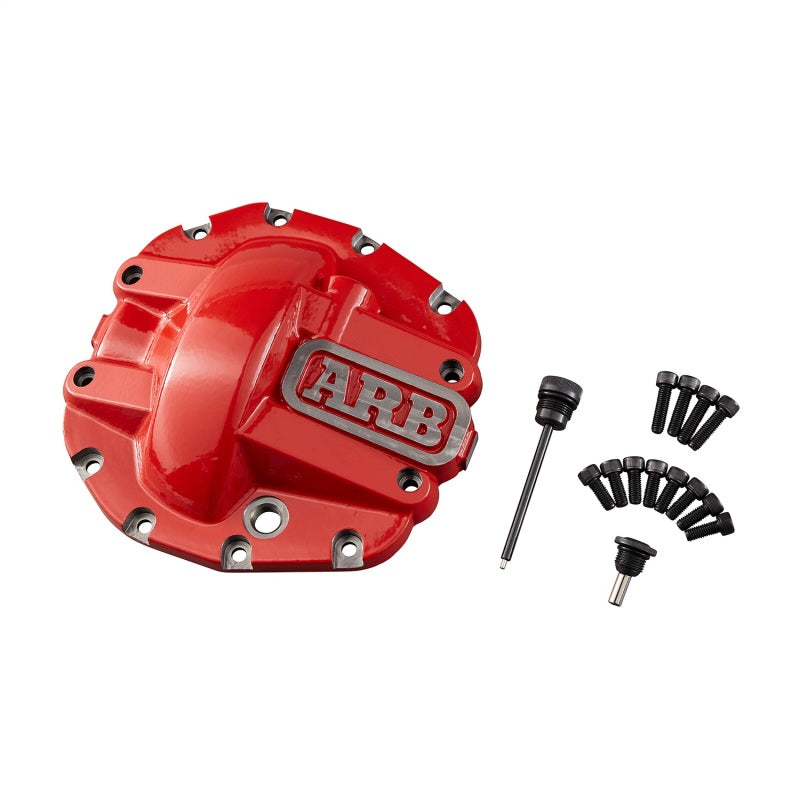
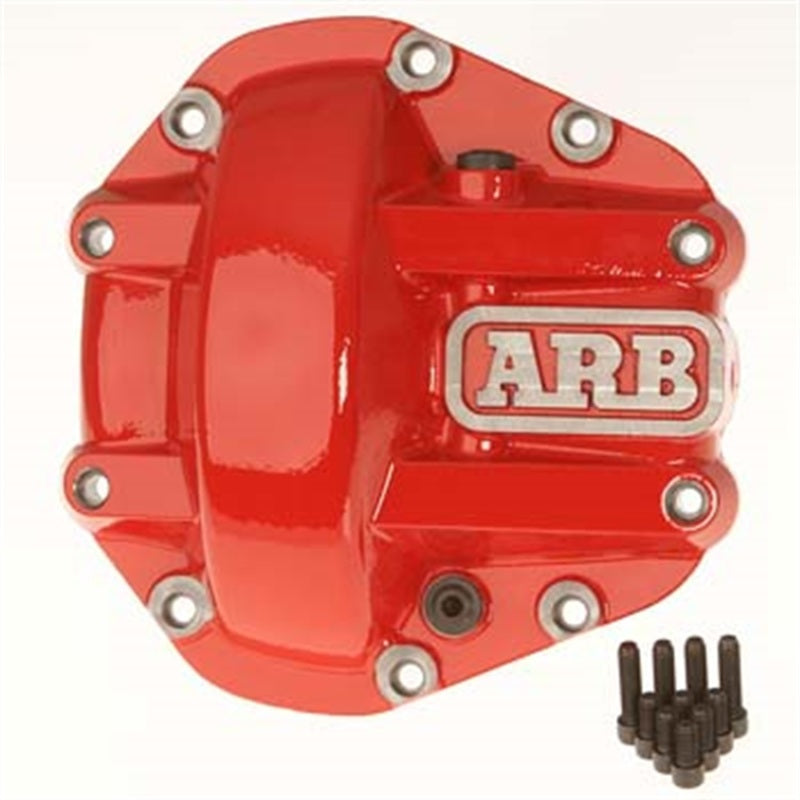
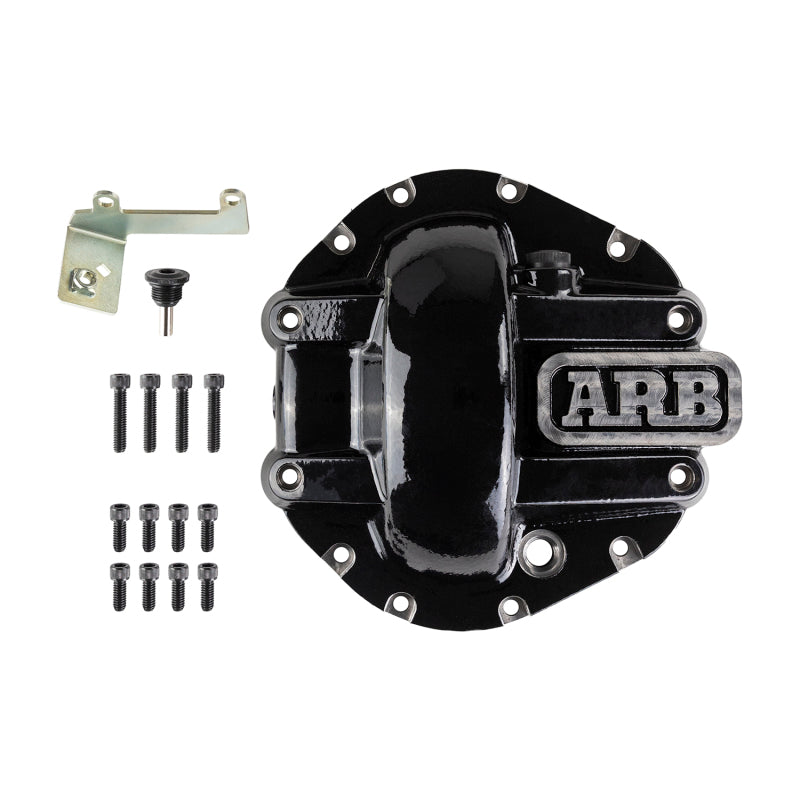
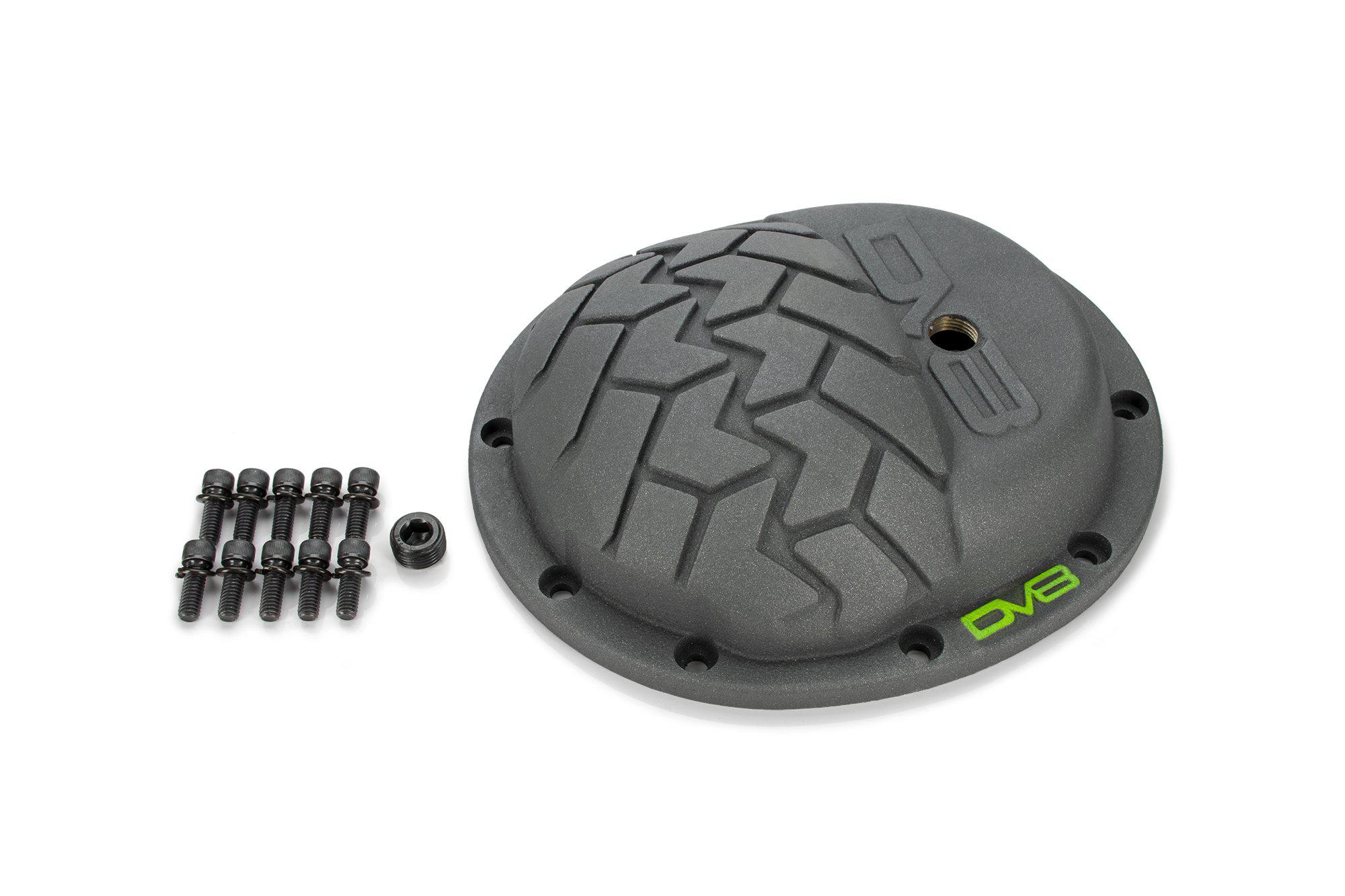
The differential hangs at the lowest point of each axle, protected from the factory by stamped steel about as stout as a baking sheet. One good rock strike dents it into the ring gear's neighborhood or starts a leak you won't notice until the fluid's gone. The covers in this collection trade a little weight for real armor and easier fluid service, and every one is filtered by year, make, and model — because covers fit axles, not just trucks.

What a diff cover actually protects

The factory cover's job is keeping fluid in, not keeping rocks out. Drag it across a ledge and stamped steel dents inward — best case you weep gear oil past a distorted flange for the rest of the trip, worst case the cover crowds the ring gear it's supposed to clear. A heavy-duty cover turns that strike into a scratch. Most aftermarket covers also add real fill and drain ports, which matters more than it sounds: gear oil deserves a check after every deep water crossing, and a cover that makes fluid service a ten-minute job is a cover that actually gets serviced.

Cast or fabricated — and is the weight worth it?

Cast covers bring thickness and stiffness, often with added fluid capacity; fabricated plate covers bring dent resistance and welded strength. Both work. Profile matters just as much: rounded covers slide off rock, while square-edged designs can hook and hang — an underrated difference when you're dragging axles through a boulder field. The honest tradeoff is weight in the worst possible place: unsprung, and at the lowest point of the truck. If your trails are dirt and washboard rather than rock gardens, that budget may do more in axle reinforcements or elsewhere in our axles lineup.

Install once, correctly

A cover swap is a fluid change with extra steps: drain, scrape the mating surface genuinely clean, seal it per the manufacturer's instructions, torque the bolts evenly, and refill with the oil your axle specifies to the level it calls for. Filter by year, make, and model before anything else, because covers fit specific axles — and the same model, a Tacoma for instance, can carry different axles across years and trims. Not sure what's under your truck? Send us the axle tag info and we'll match it before you order.

Diff Covers FAQs

Do heavy-duty diff covers actually make a difference off-road?

On rock, yes — the factory stamped cover dents easily, and a dent can mean leaking fluid or interference at the ring gear. On dirt, gravel, and sand the case is honestly thinner, and protection money might go further elsewhere. Think of it as cheap insurance for rigs that drag axles over ledges, and mostly a cosmetic upgrade for rigs that never will.

Do finned or high-capacity diff covers keep gear oil cooler?

Modestly, and mostly at sustained highway speed where airflow does the work — fins and extra capacity can't accomplish much at crawling pace. If you tow or run long, loaded pavement miles between trails, the added fluid volume helps buffer temperature spikes. Buy the cover for protection first and treat any cooling benefit as a bonus, not the reason.

What fluid goes in after installing a new diff cover?

Whatever your axle manufacturer specifies — including any friction modifier your differential requires — filled to the level your axle calls for. The cover changes capacity, not the specification. A cover swap is also the natural moment for fresh fluid, since everything drains anyway; pay attention to what comes out, because glitter or milkiness is your axle trying to tell you something.

How do I know which diff cover fits my truck?

Covers fit axles, not trucks, so start with the year, make, and model filter — then confirm the axle itself, because trims and option packages can hide different axles under the same badge. Your axle tag or the listing's axle designation settles it. If you're not sure what you're running, send us the tag information and we'll match the cover to it.

Will a thicker diff cover snag on rocks or cost me clearance?

A little — heavier material adds some bulk to what's already the low point of each axle. Profile matters more than thickness, though: rounded designs slide over rock where squared edges can catch and hold. In practice you trade a fraction of an inch for a cover that survives the hit; the stock cover keeps the clearance and loses the fight.