





Fridges
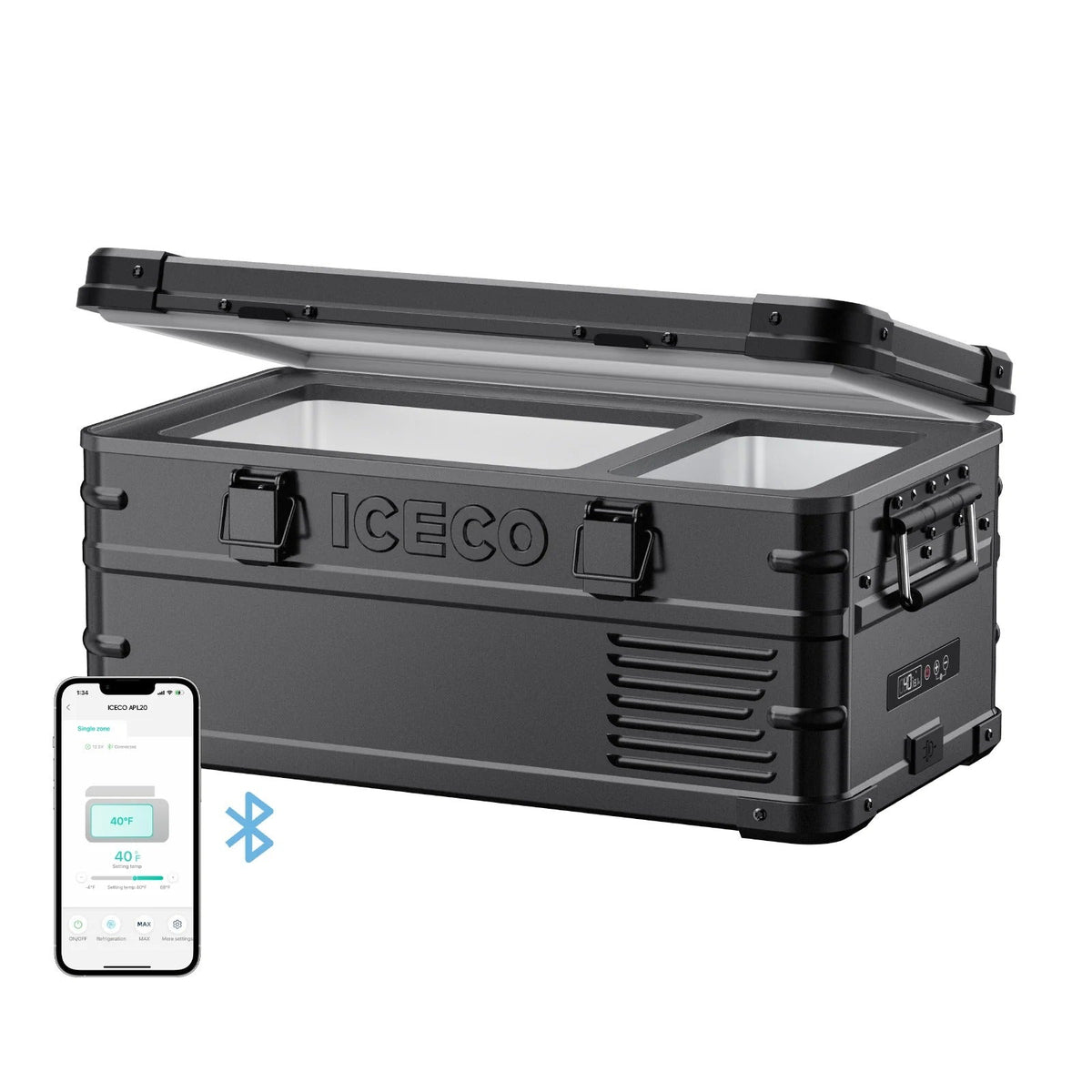
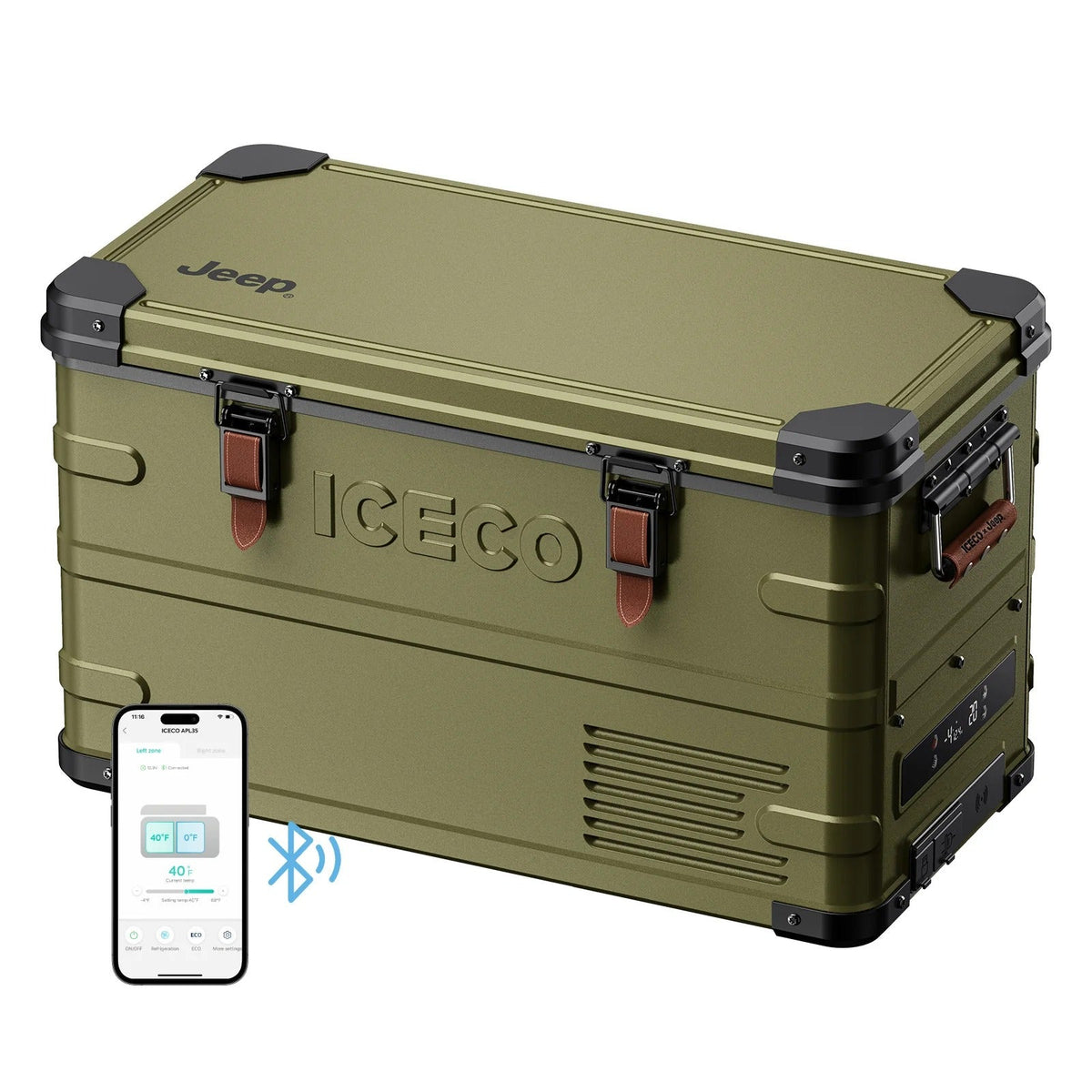
A 12V fridge holds exact temperature for weeks on modest power — National Luna’s units are the reference standard, proven in markets where a dead fridge ruins a month, not a weekend. Size by trip style: 35–50L suits most couples, dual-zone adds a freezer for families. Measure your cargo space with the lid’s swing arc, budget the power system, and the ice era ends permanently.





Guides for this category
Fridges FAQs
How level does a 12V fridge need to be?
Not very — modern 12V compressor fridges tolerate the angles real trails produce, typically running happily well past what feels comfortable in the driver's seat. That's the practical difference from old absorption coolers, which demanded level ground. Park camp reasonably flat for the sake of your sleep, not the fridge, and secure the unit so it can't shift on descents — the mounting matters more than the angle.
Should I buy a single-zone or dual-zone fridge?
Single-zone, unless you genuinely need a freezer on the trail. One compartment is simpler and gives more usable capacity for its size, and weekend food rarely needs freezing. Dual-zone earns its complexity on long remote trips, where frozen meat in week two changes your menu. Be honest about trip length before paying for a divider you'll leave set to fridge.
Do I need a fridge slide, or can I just strap it down?
Strapping it to real anchor points works fine — a slide is about access, not safety. If the fridge sits somewhere you can't reach the bottom without gymnastics, a slide pays for itself daily; the tradeoffs are added weight, some lost height, and cost. Either way, anchor it properly, because a loaded fridge is dangerous in a hard stop.
Will a compressor fridge keep working parked on a slope?
Generally yes — modern 12V compressor fridges tolerate meaningful tilt, which is a big part of why they replaced absorption units for vehicle use. Every model publishes its own operating angle, so check the spec sheet against how crooked your campsites actually get. If the fridge regularly lives at the limit, level the truck; the compressor will run less and cool more evenly.
How do I help a 12V fridge cope with summer heat?
Give the compressor airflow — that's most of it. Leave a gap around the vents, keep the fridge out of direct sun, and don't bury it under duffels. Beyond that, pre-chill the fridge and the food at home, keep it full since thermal mass helps, open the lid decisively instead of grazing, and shade the truck when you can. The duty cycle drops noticeably.
