











Battery Trays
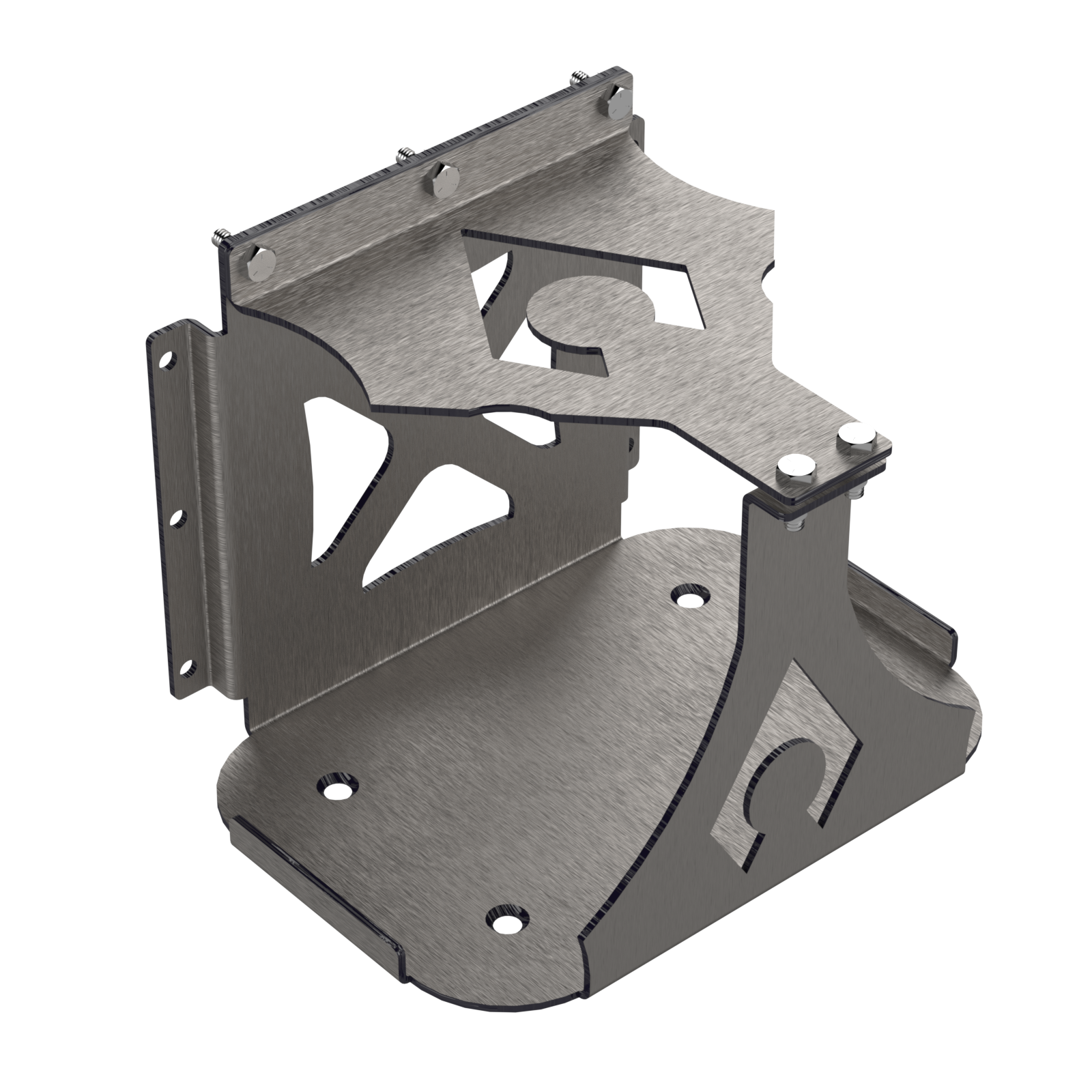
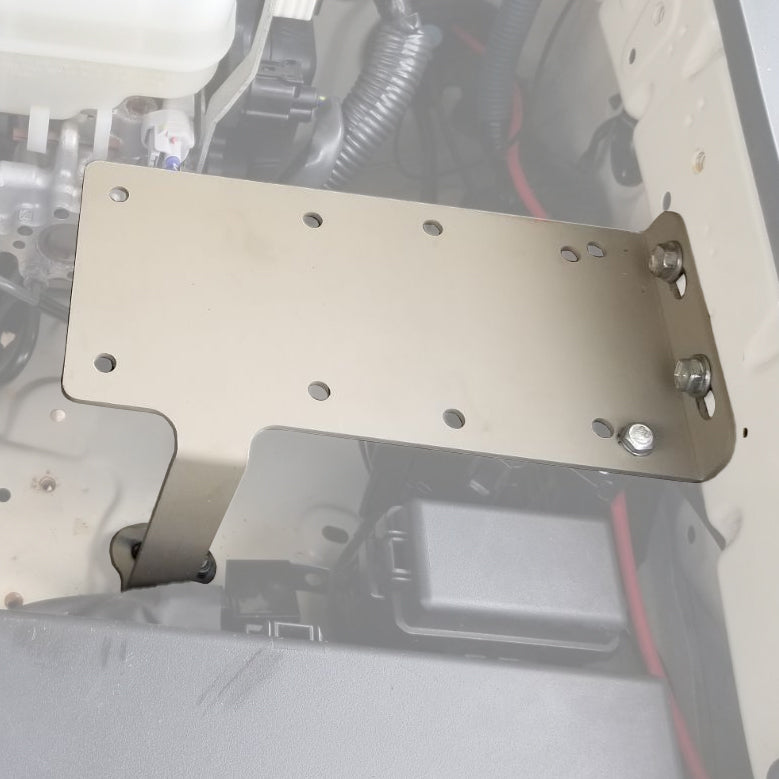
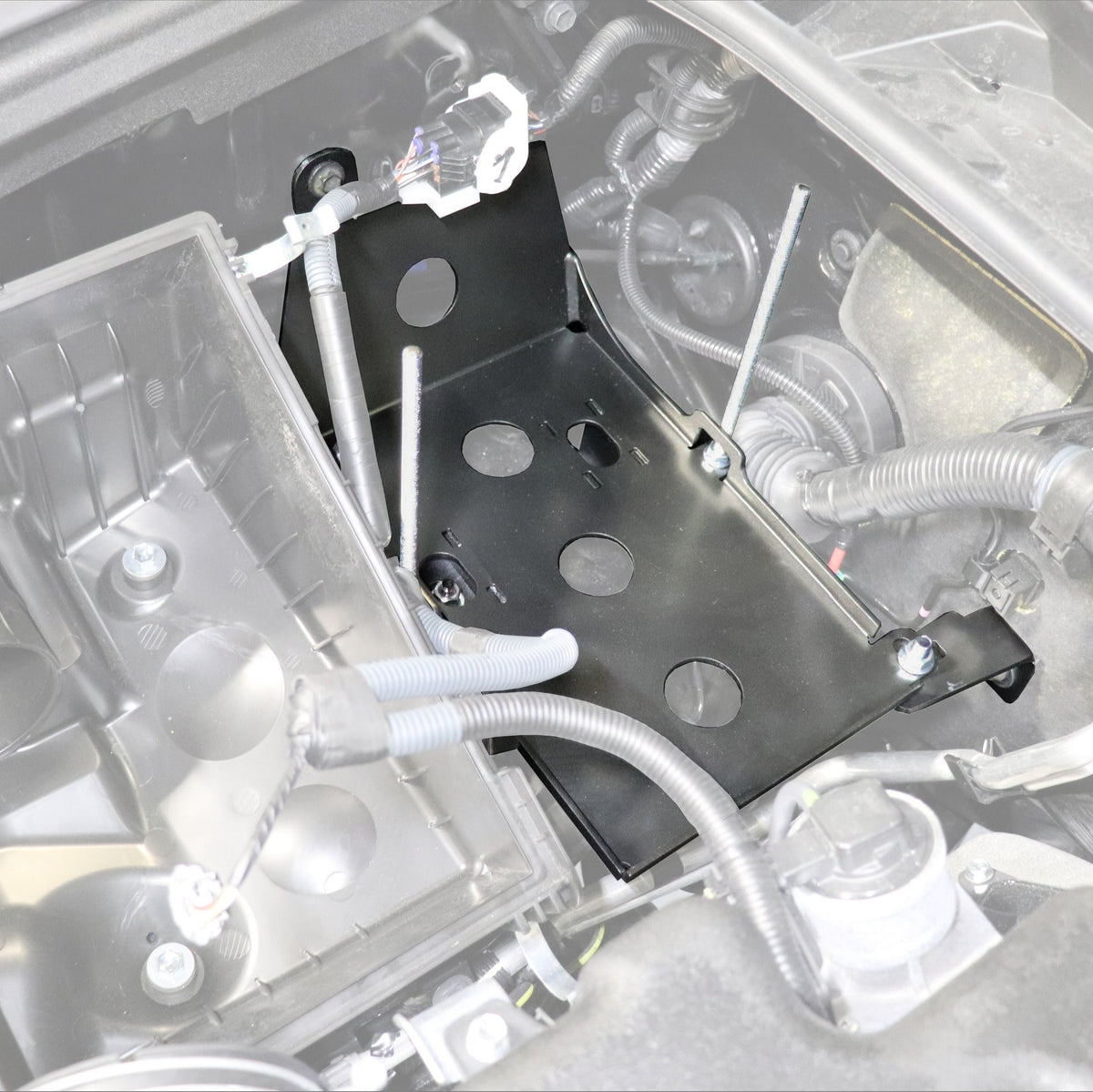
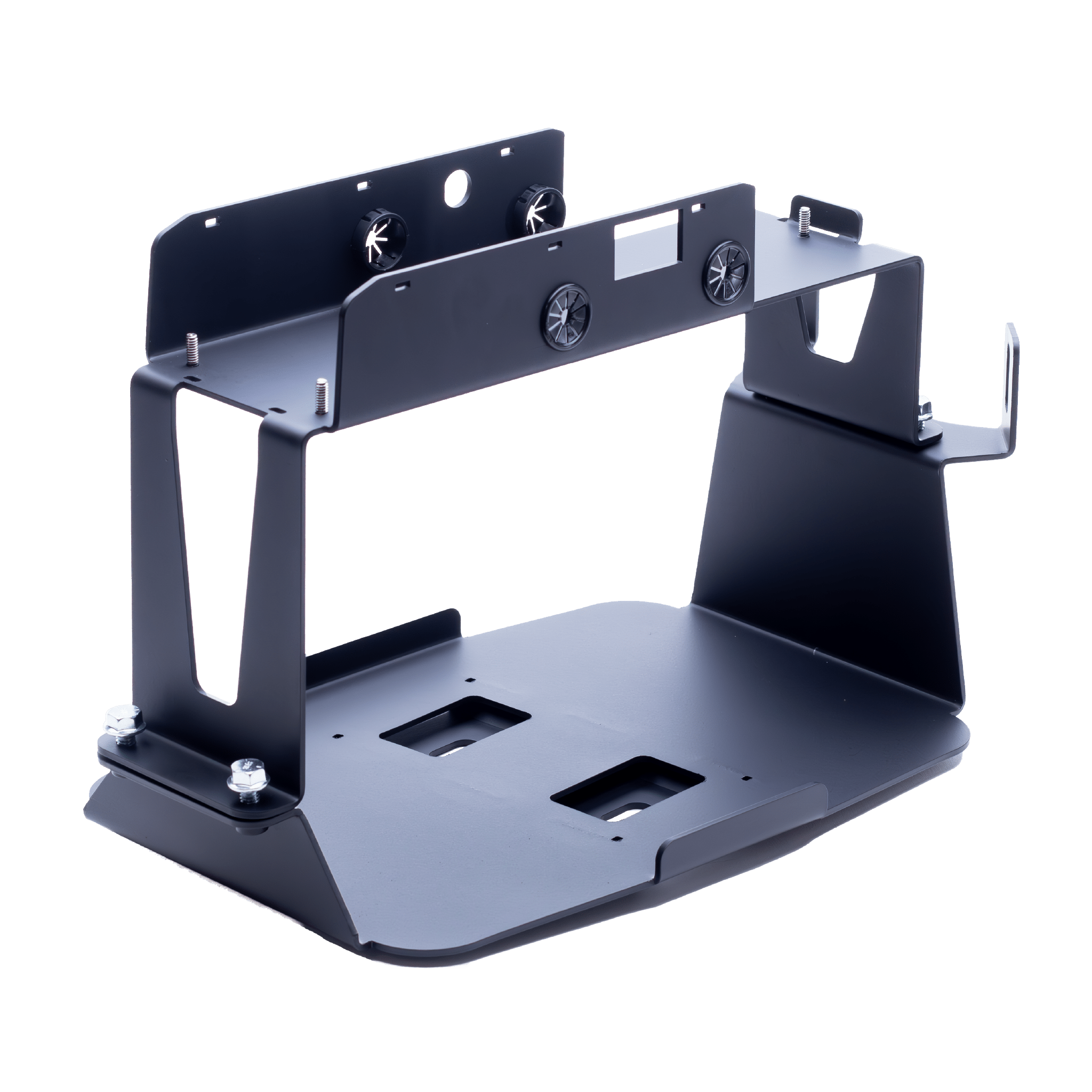
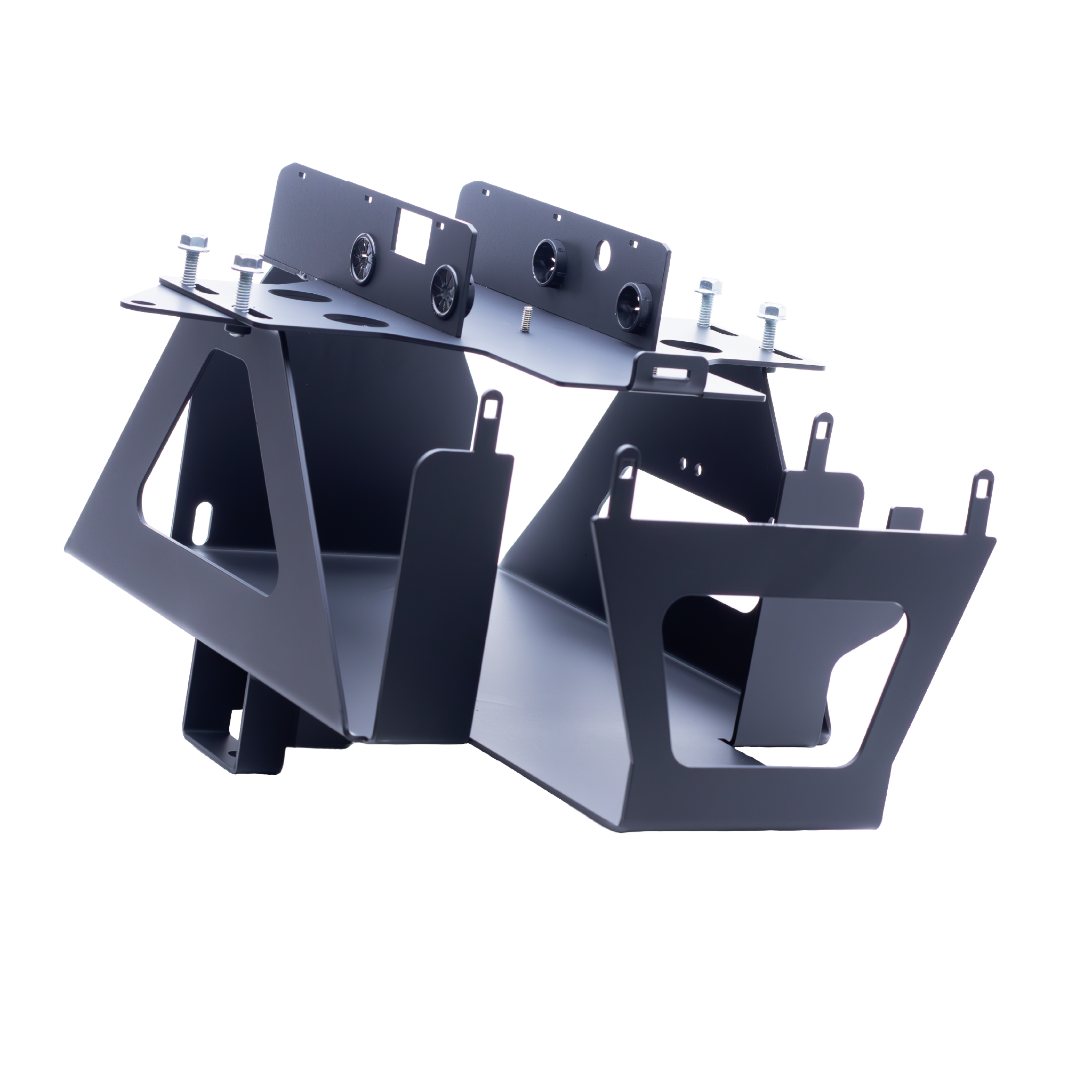
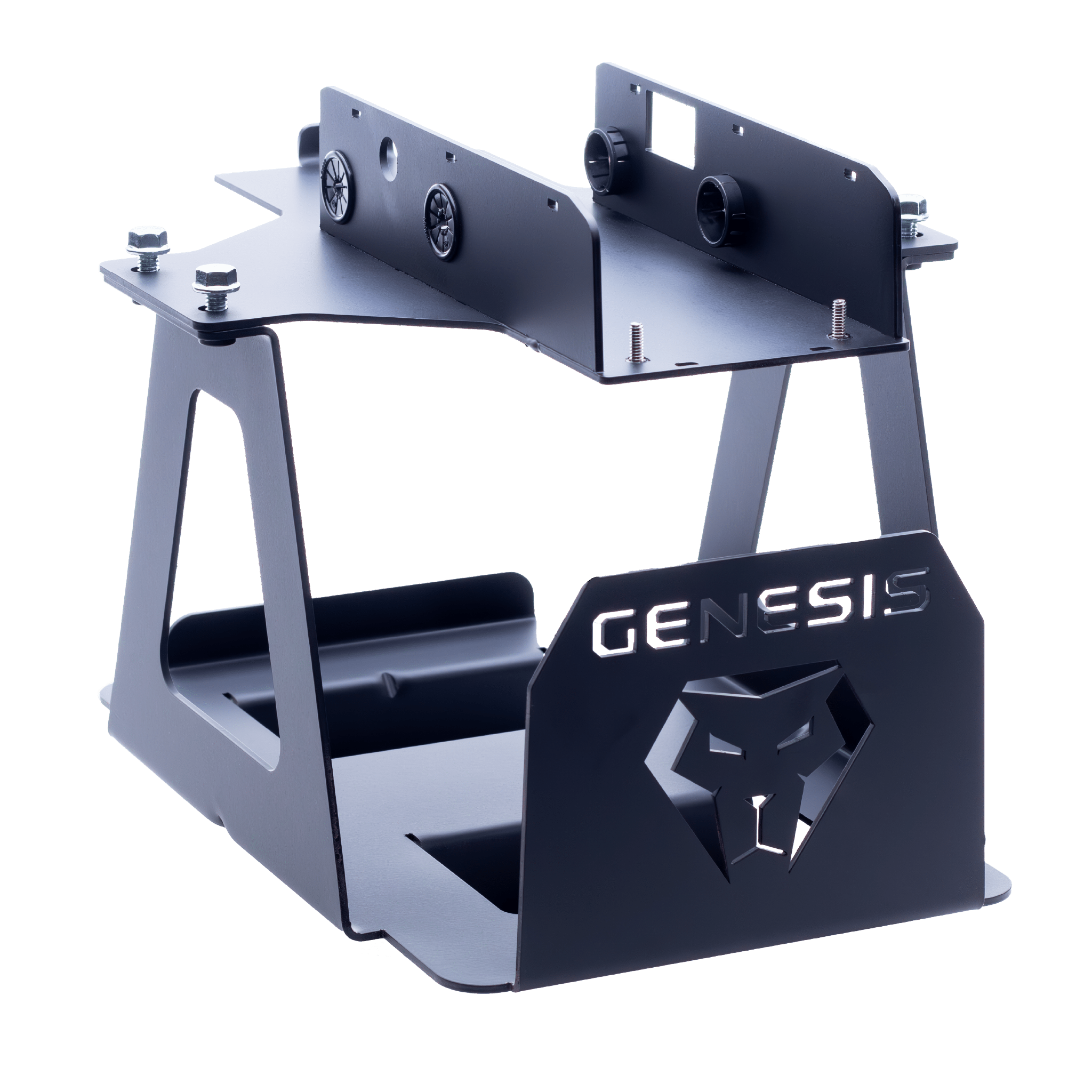
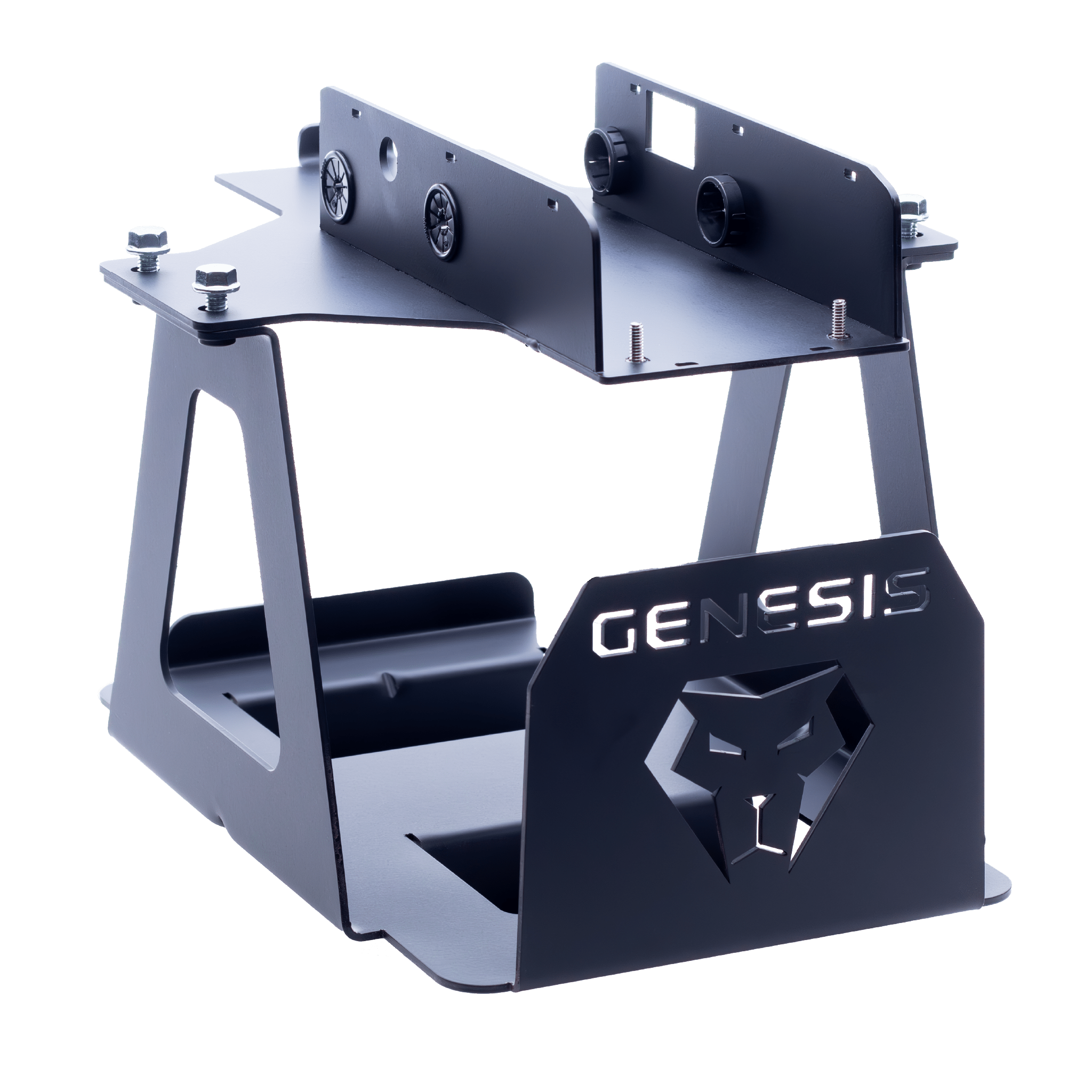
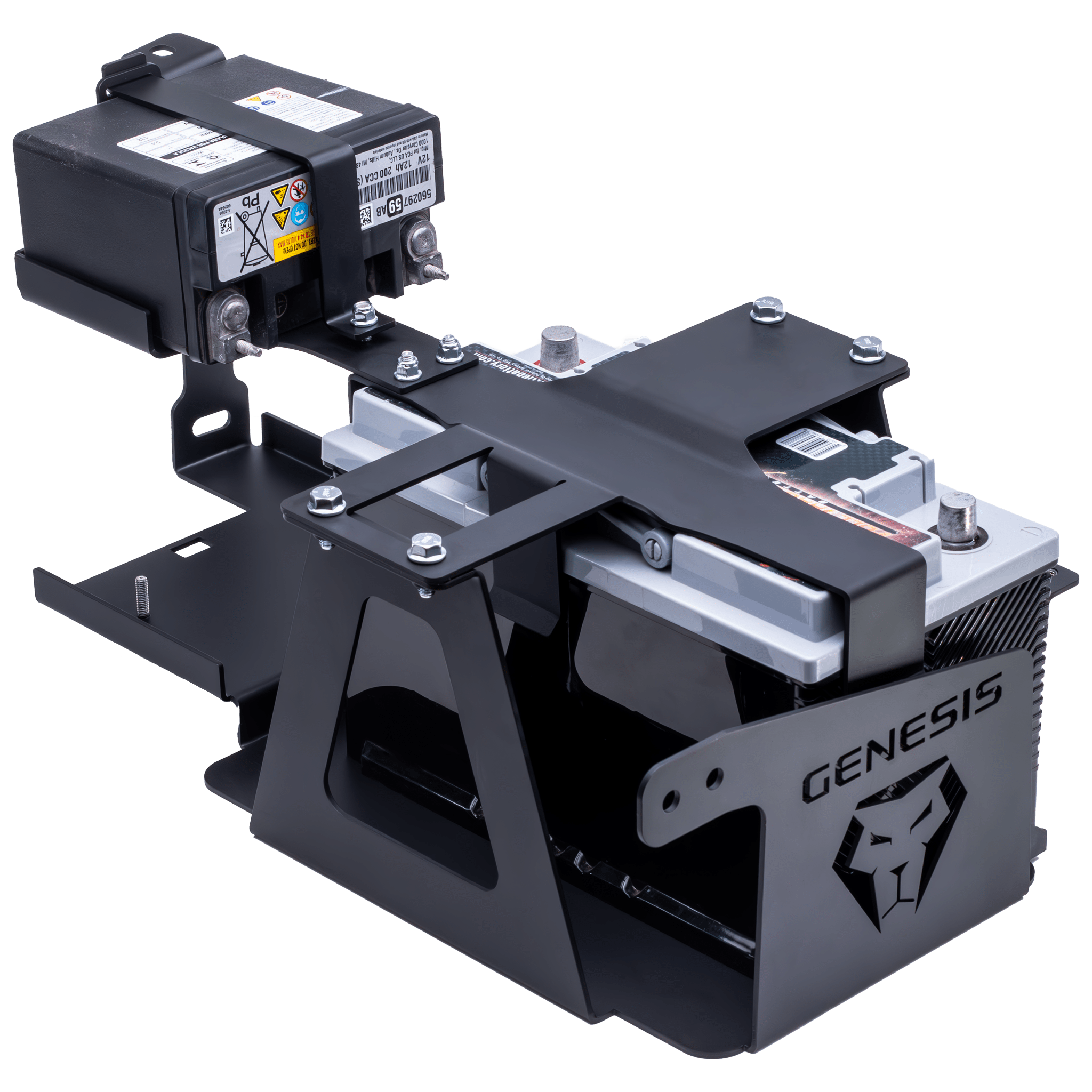
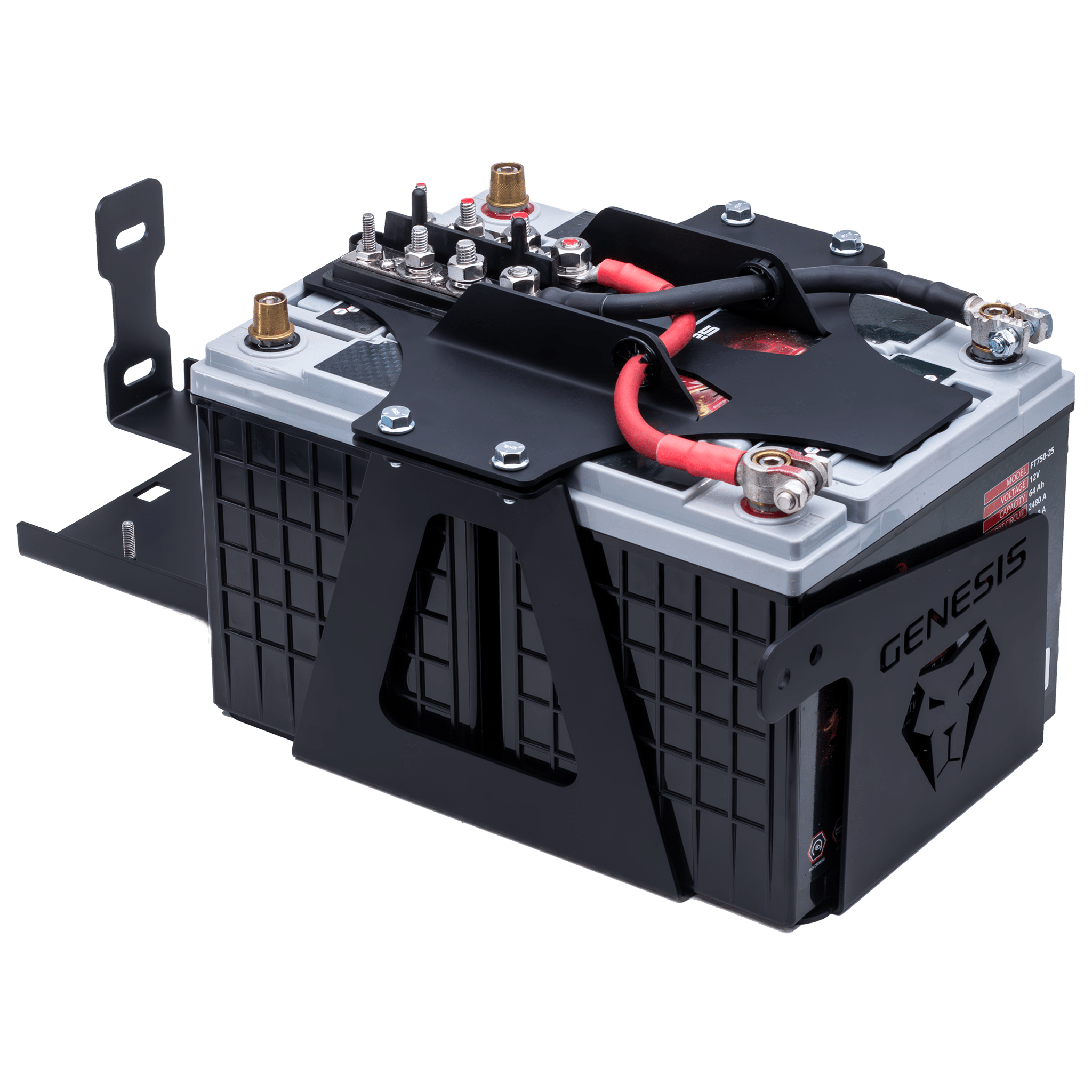
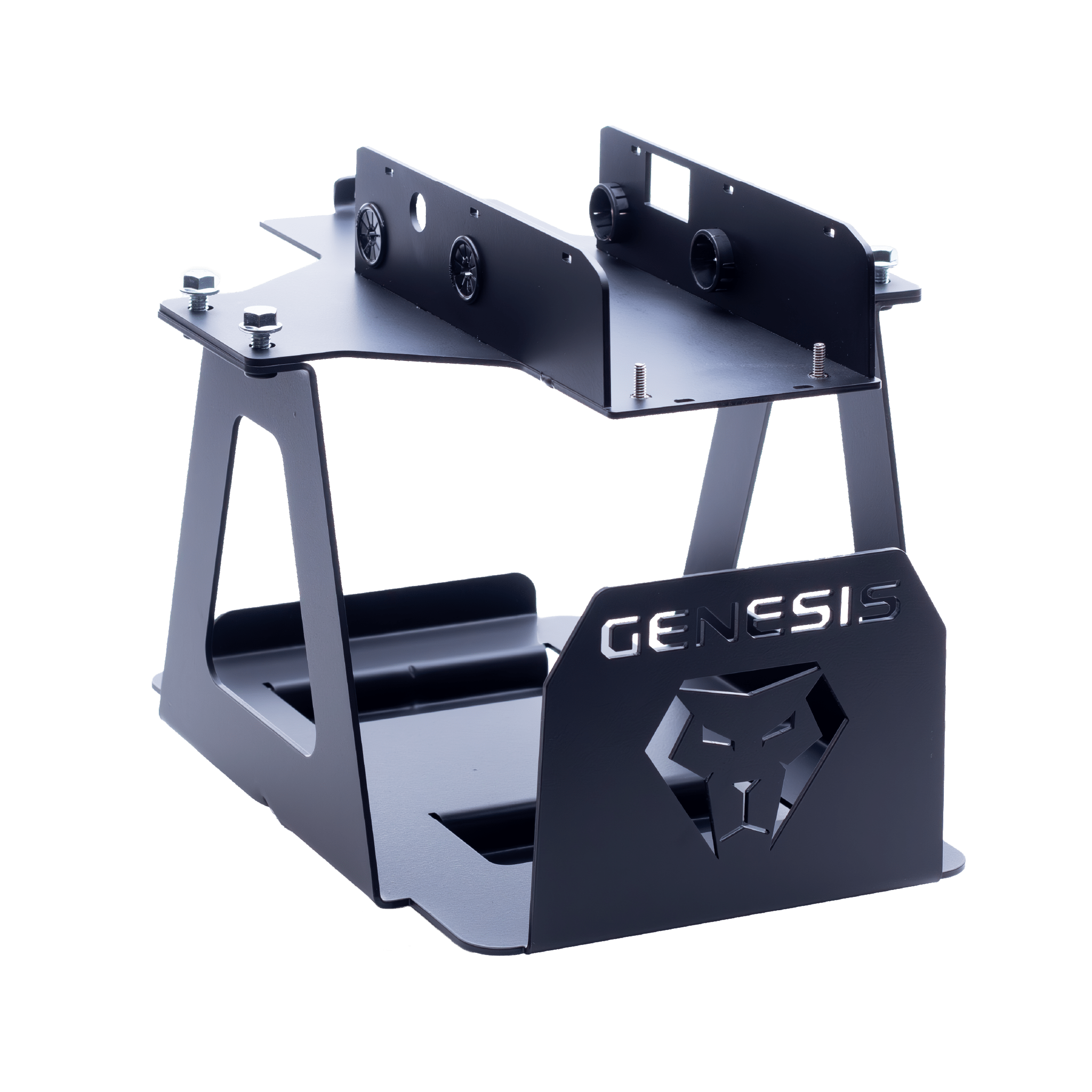
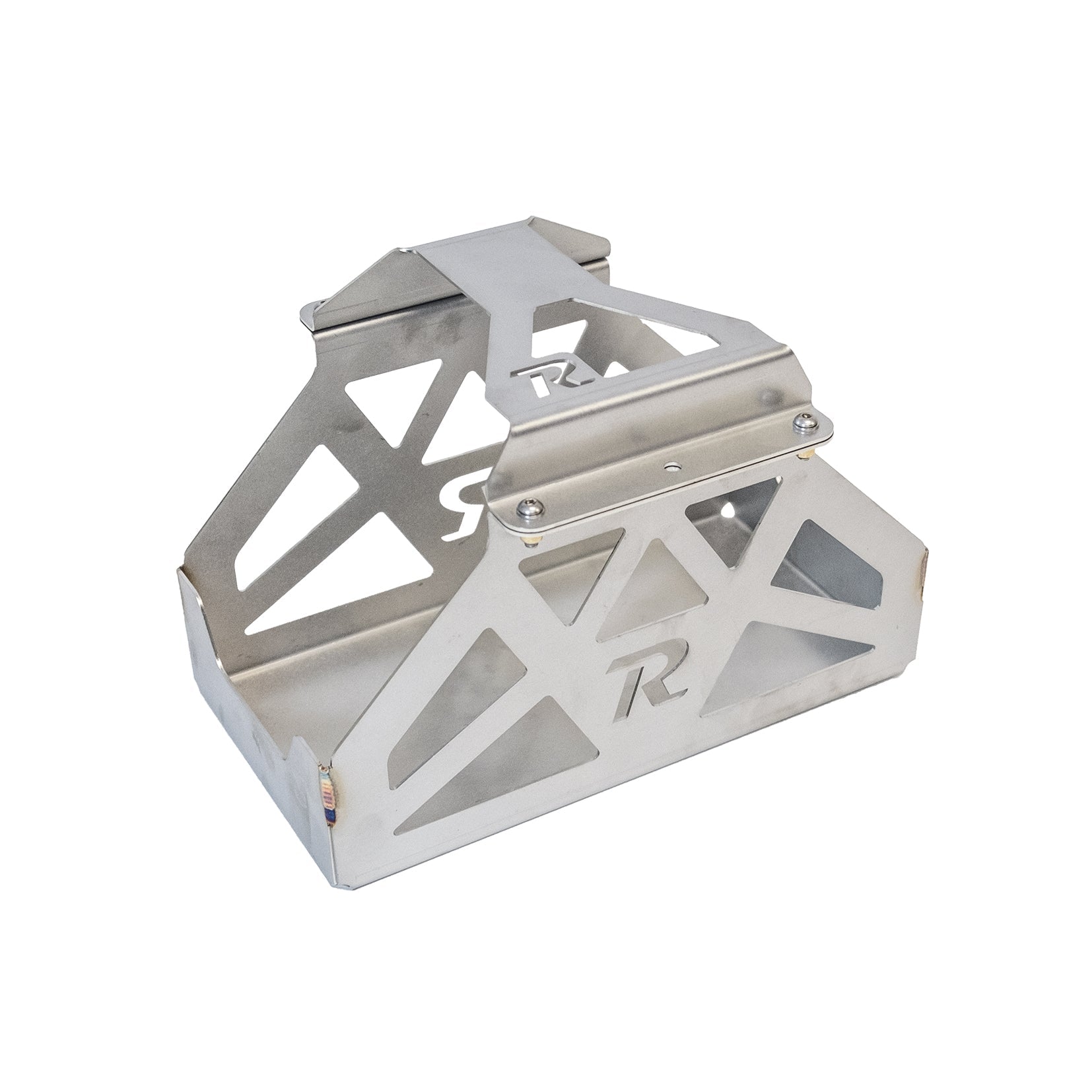
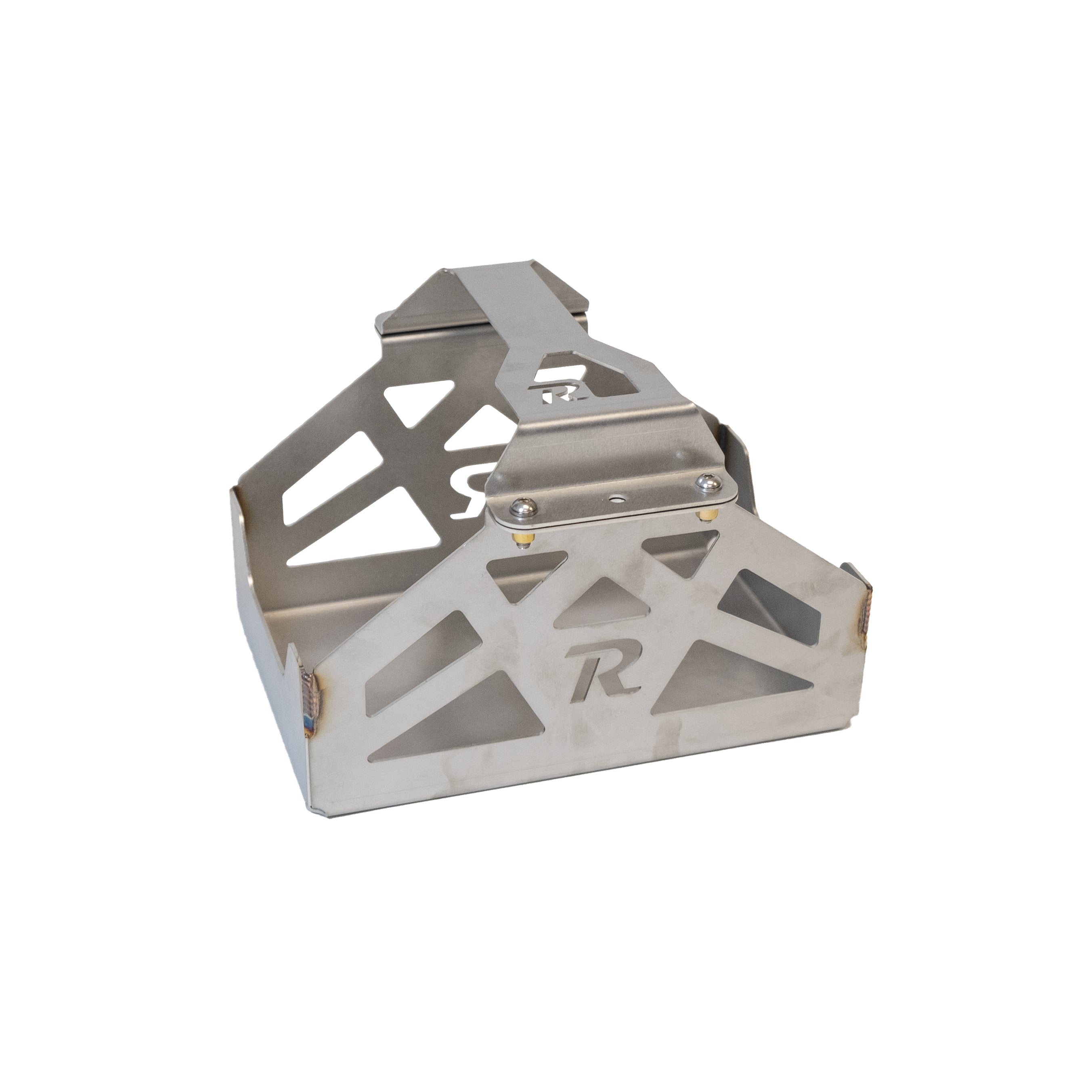
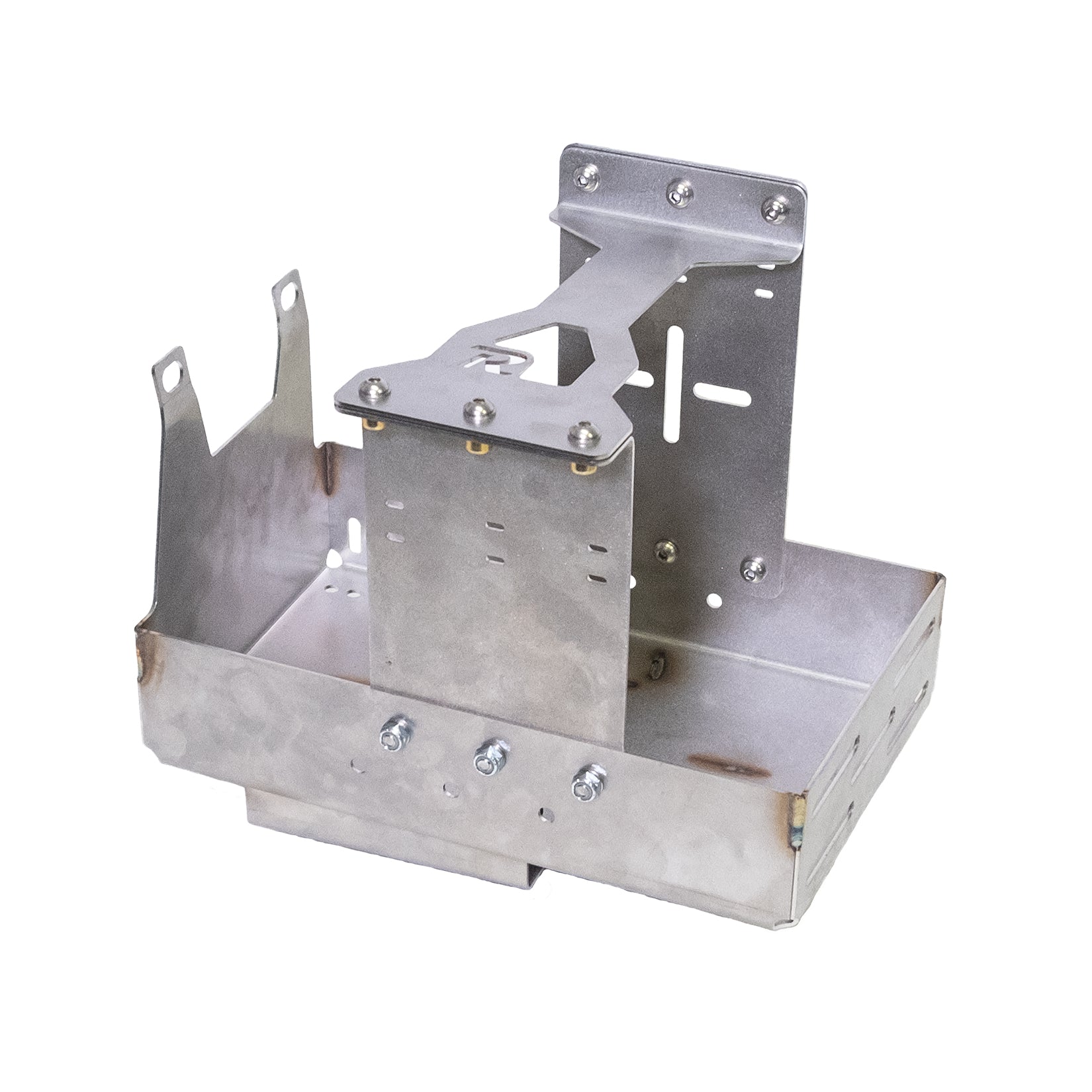
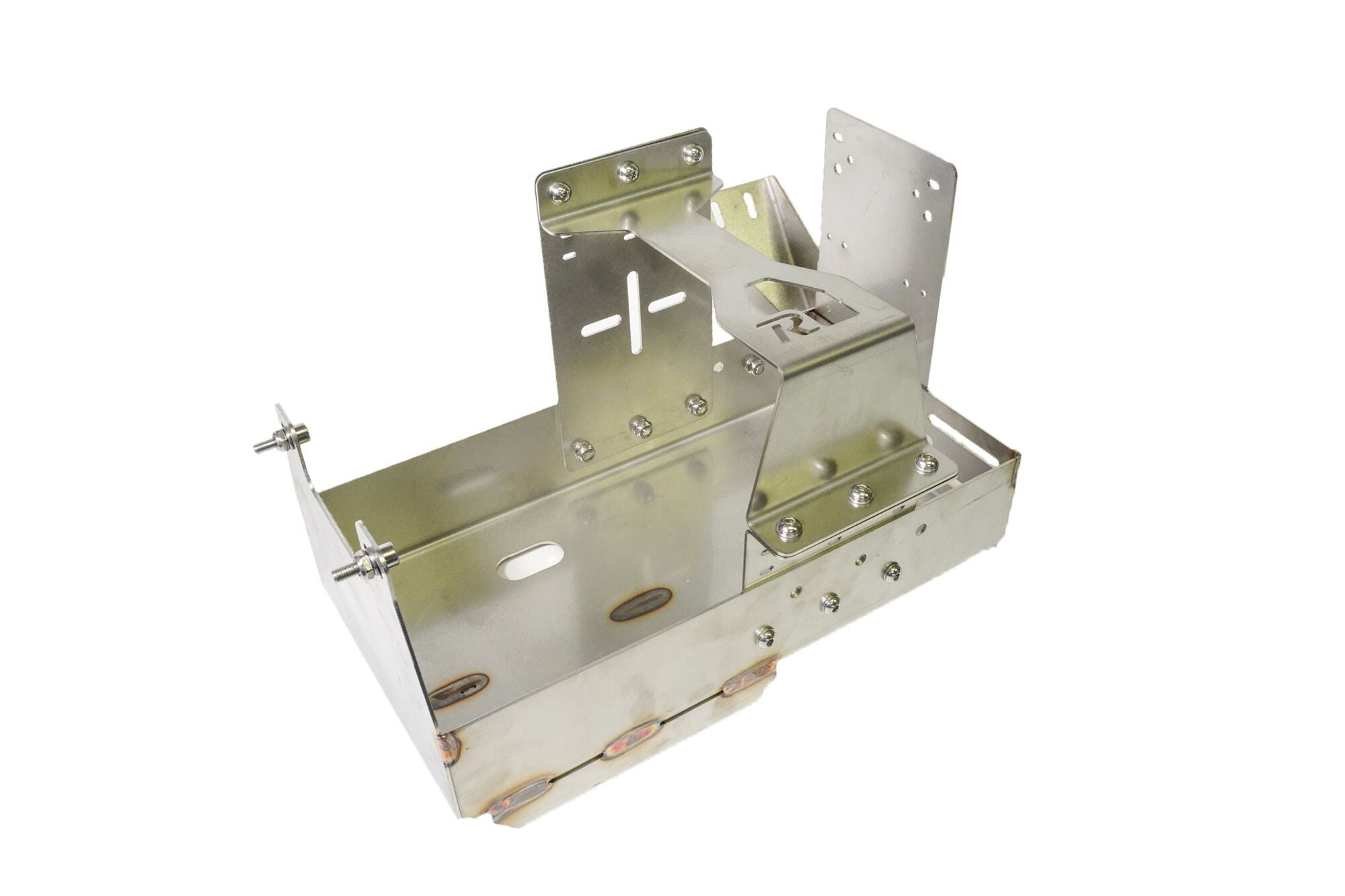
Corrugated roads are hard on batteries: the plates inside don't love vibration, and a flexing factory tray with a wimpy hold-down makes it worse. A proper tray — thick plate, rigid mounting, a clamp that actually clamps — is cheap insurance for the most important electrical part on the truck, and it's the foundation for a second battery if a fridge is in your future. Filter by year, make, and model to see trays shaped for your exact engine bay.










Guides for this category
Battery Trays FAQs
What makes an aftermarket battery tray better than the factory one?
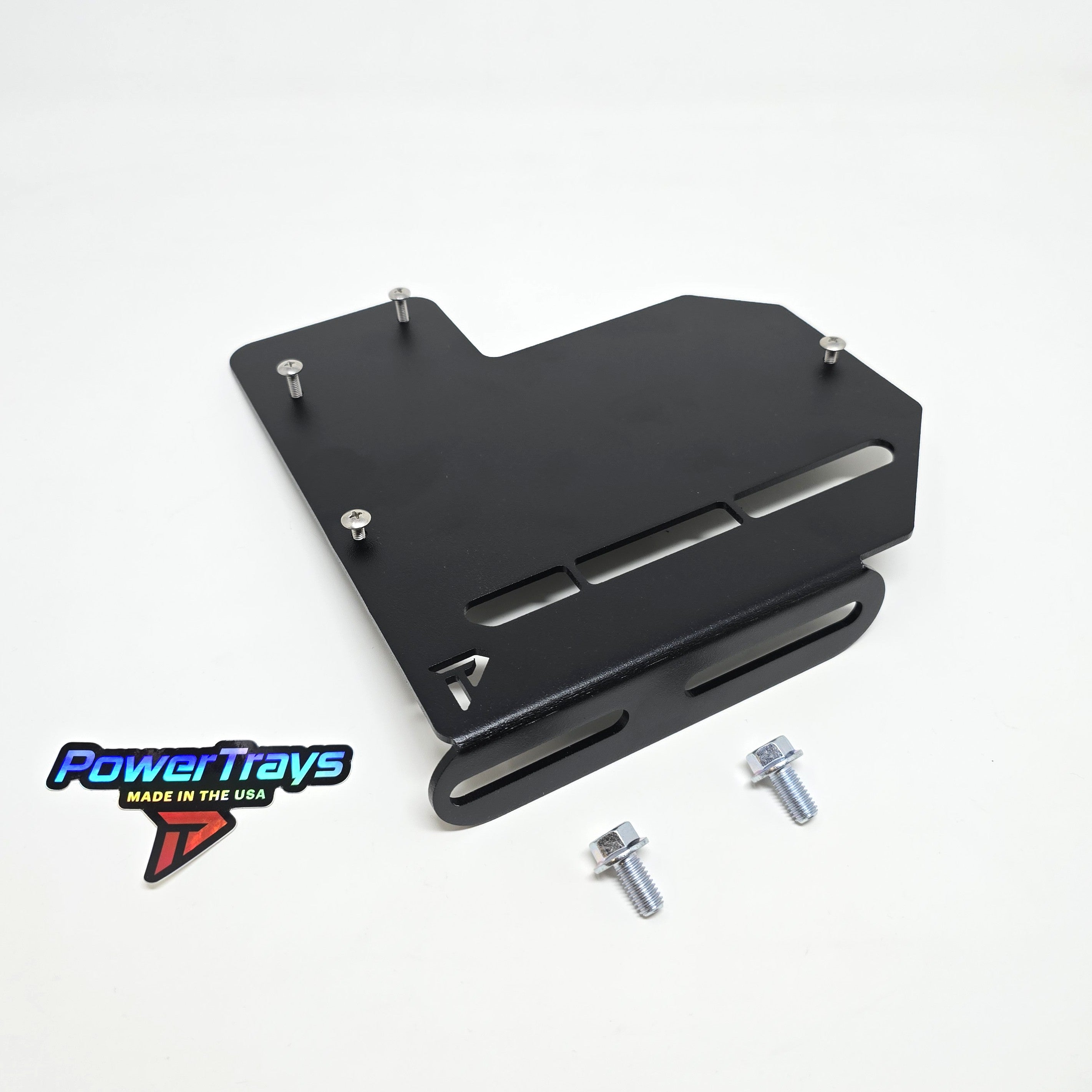
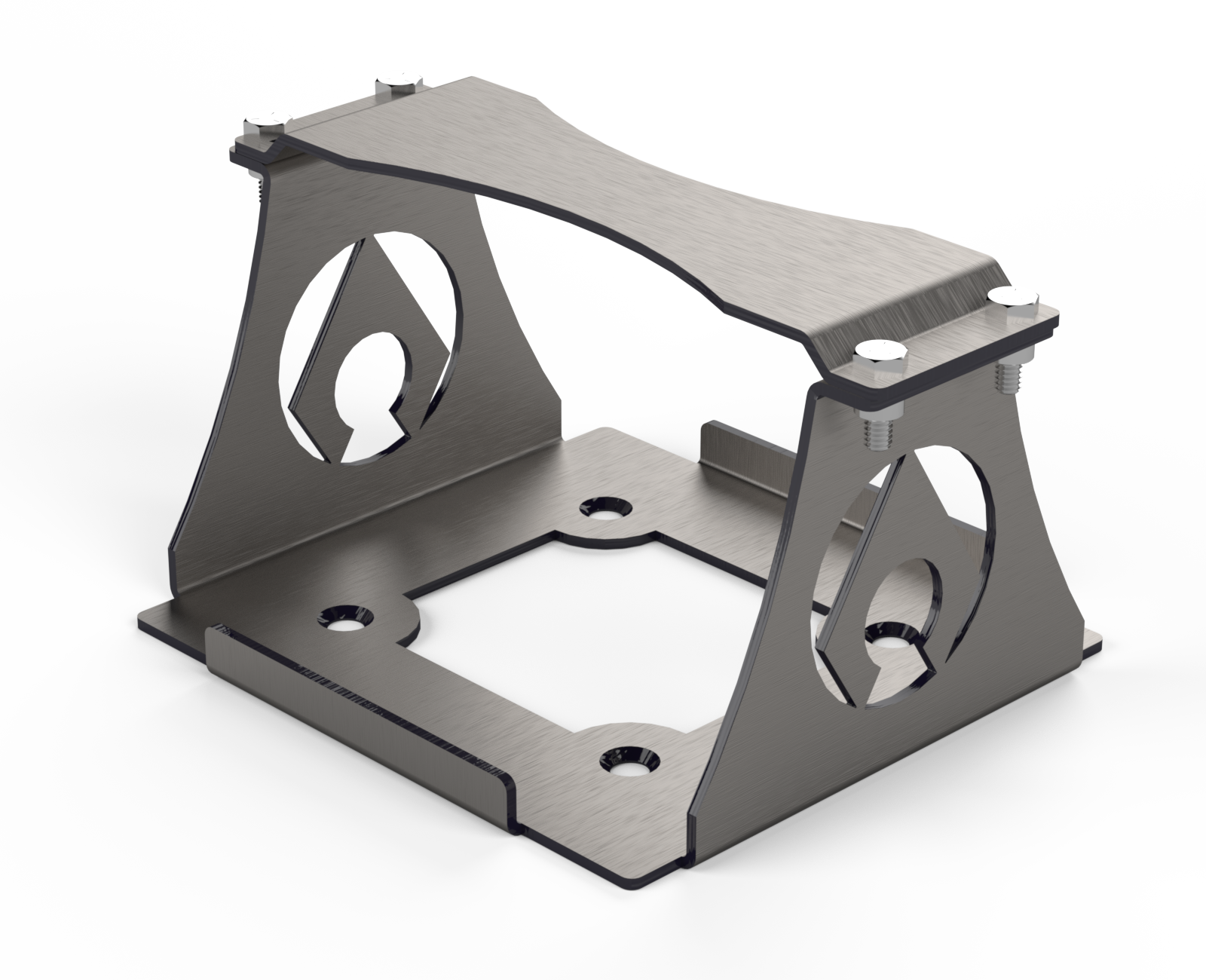
Rigidity and clamping force. Factory trays are plastic and sized for the smallest battery the truck shipped with; aftermarket trays are heavy-gauge metal, bolt to solid structure, and use hold-downs that keep the battery from shifting on rough roads. Many also accept a larger group size, so you can add reserve capacity at the same time you fix the mounting.
Do I need a different tray to fit a bigger battery?
Usually, yes. Group sizes differ in footprint and height, and a battery that overhangs its tray or fights the hold-down is a problem waiting for a washboard road. If you're stepping up capacity, buy the tray sized for the new group size rather than improvising with foam and straps. Each listing notes which group sizes the tray accepts.
Where does a second battery physically go?
In most trucks, into unused space in the engine bay — vehicle-specific second-battery trays are designed around a factory void so the battery sits securely without cutting anything. That's why fitment matters more here than almost anywhere: the tray is bent and drilled for your exact engine bay. Filter by year, make, and model and you'll see what your truck supports.
Why do batteries die faster on trucks that see dirt?
Vibration physically damages the plates inside a battery, and off-road miles deliver more vibration in a weekend than most commuters see in a year. Heat is the other killer, and engine bays are not kind. You can't do much about the heat, but a rigid tray with a proper hold-down removes the movement — which is the part you can control.
Is installing a battery tray a DIY job?
For most vehicles, yes — basic hand tools and an hour or two of patience. Disconnect the battery first, negative terminal before positive. The things to get right are torquing the tray into structure and setting the hold-down snug enough that the battery can't walk. If a particular kit involves relocating other underhood components, the product instructions spell that out before you're committed.
