





Console & Dash Trim
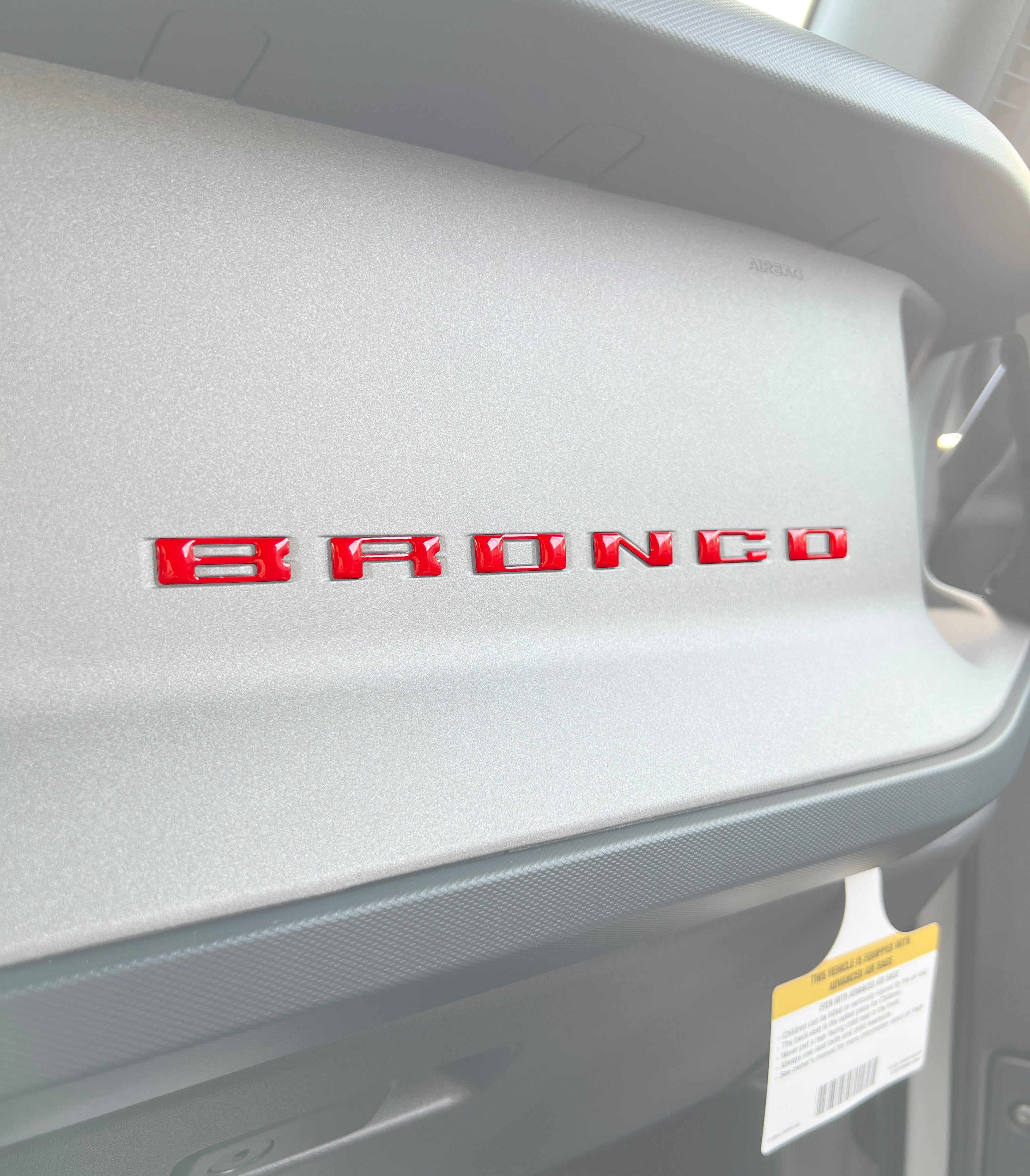
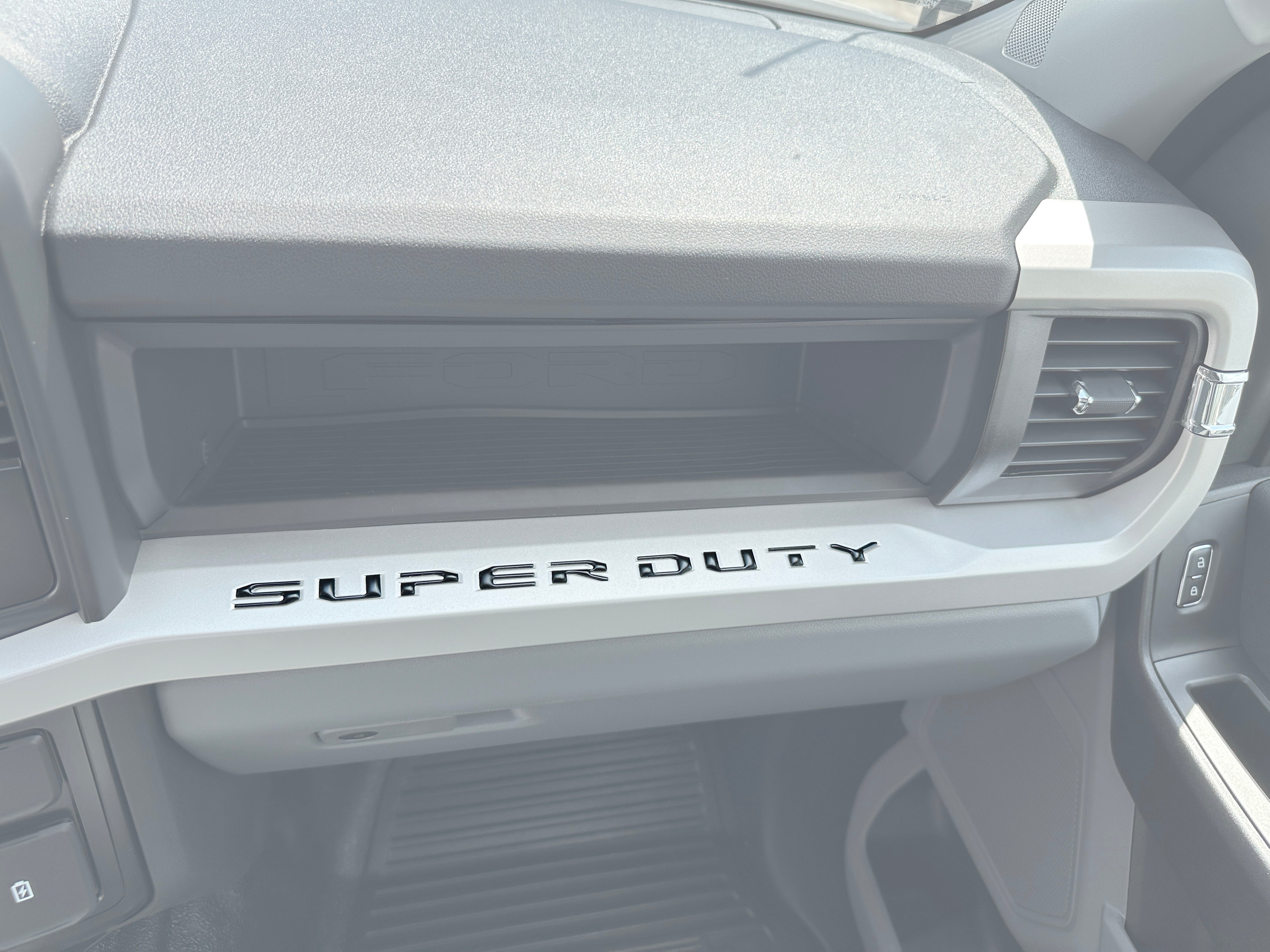
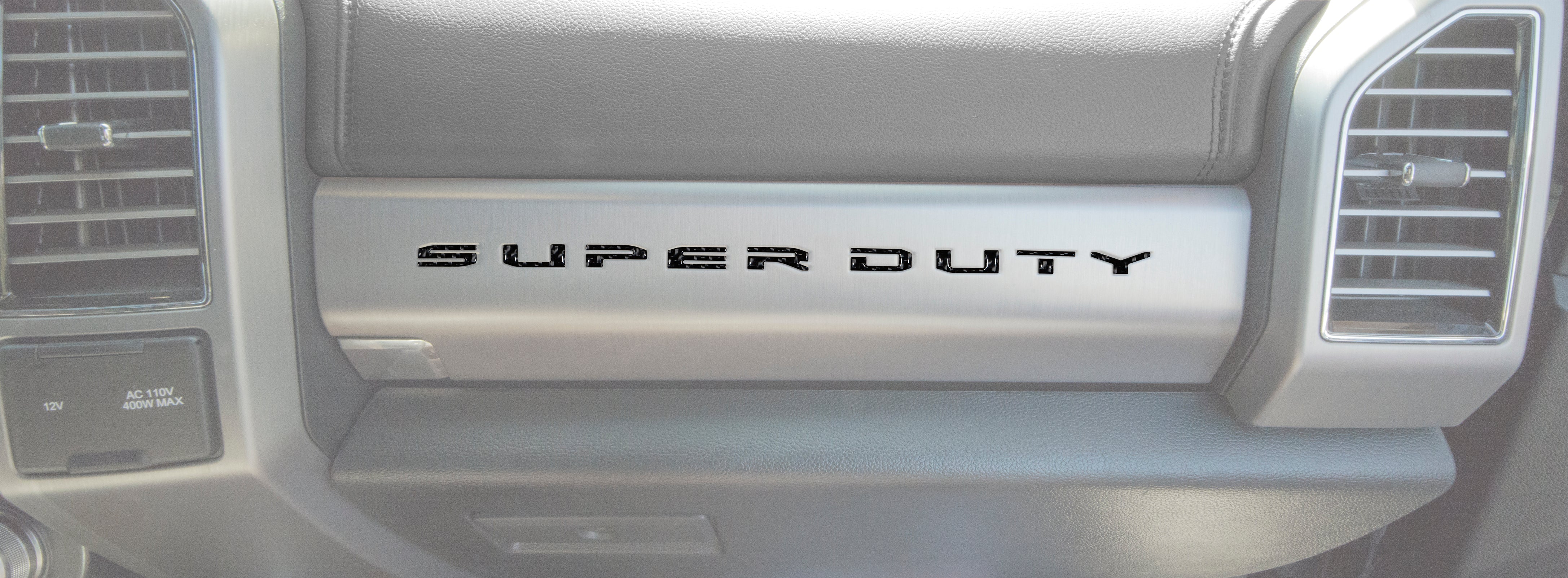
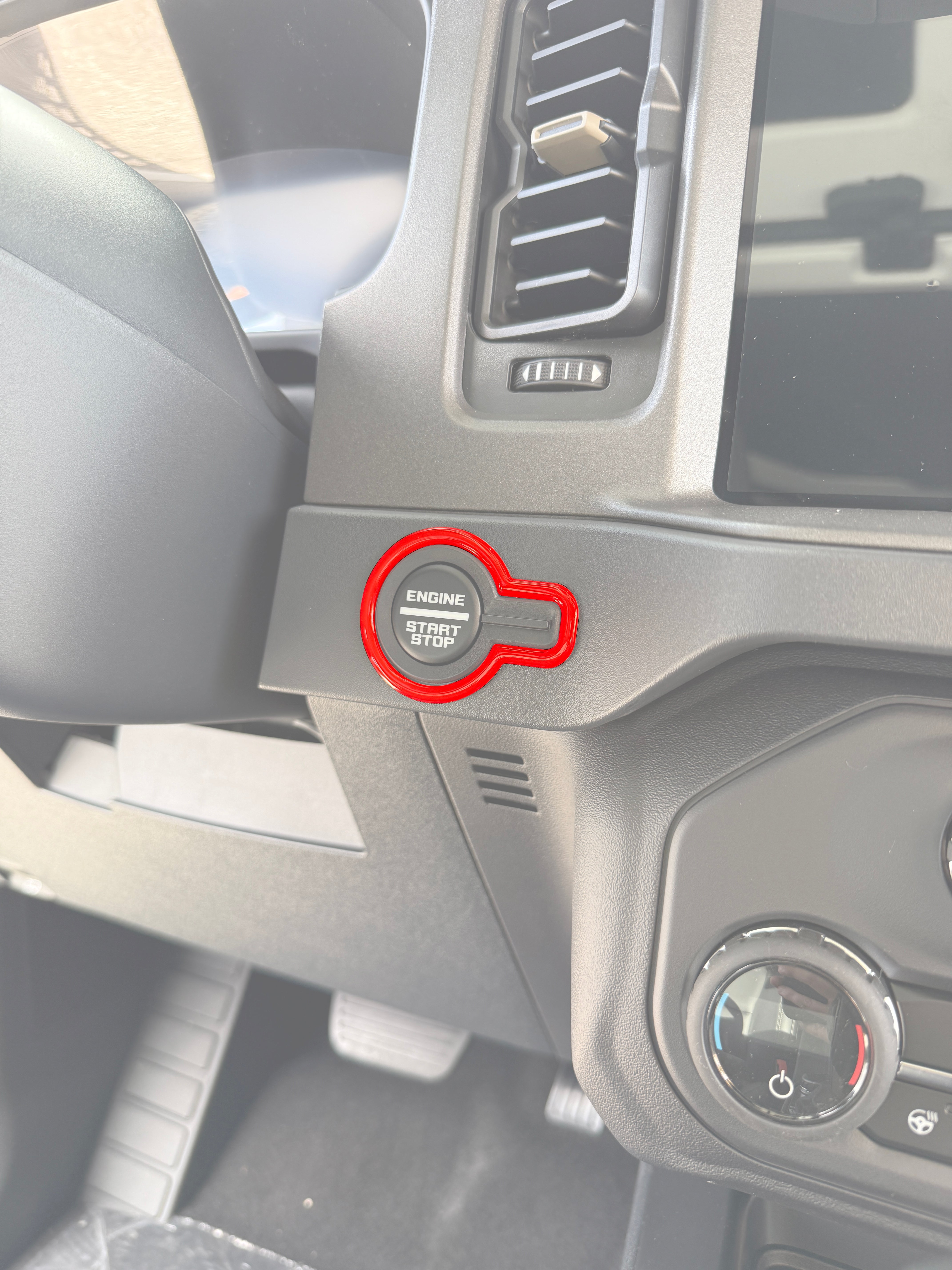
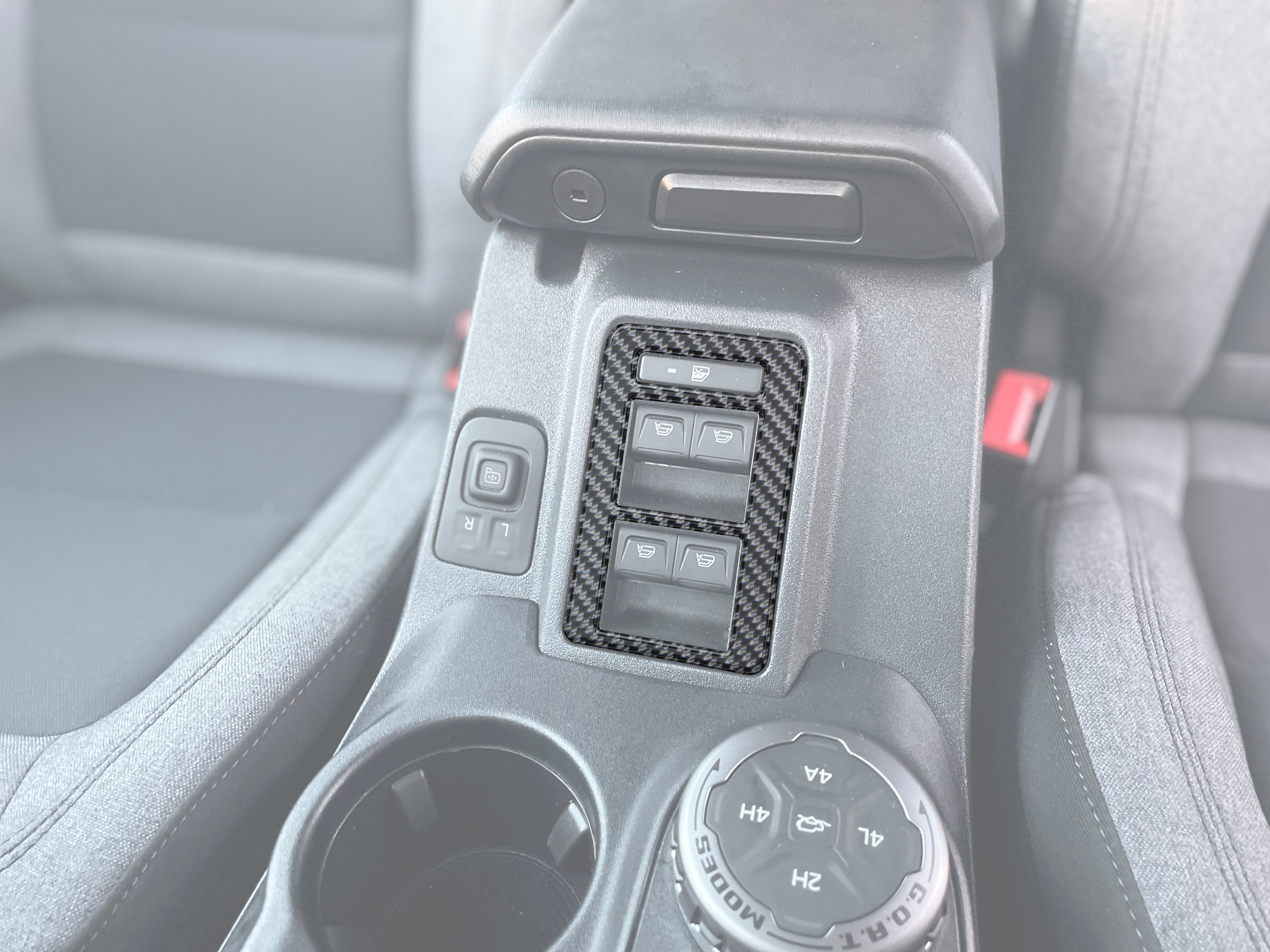
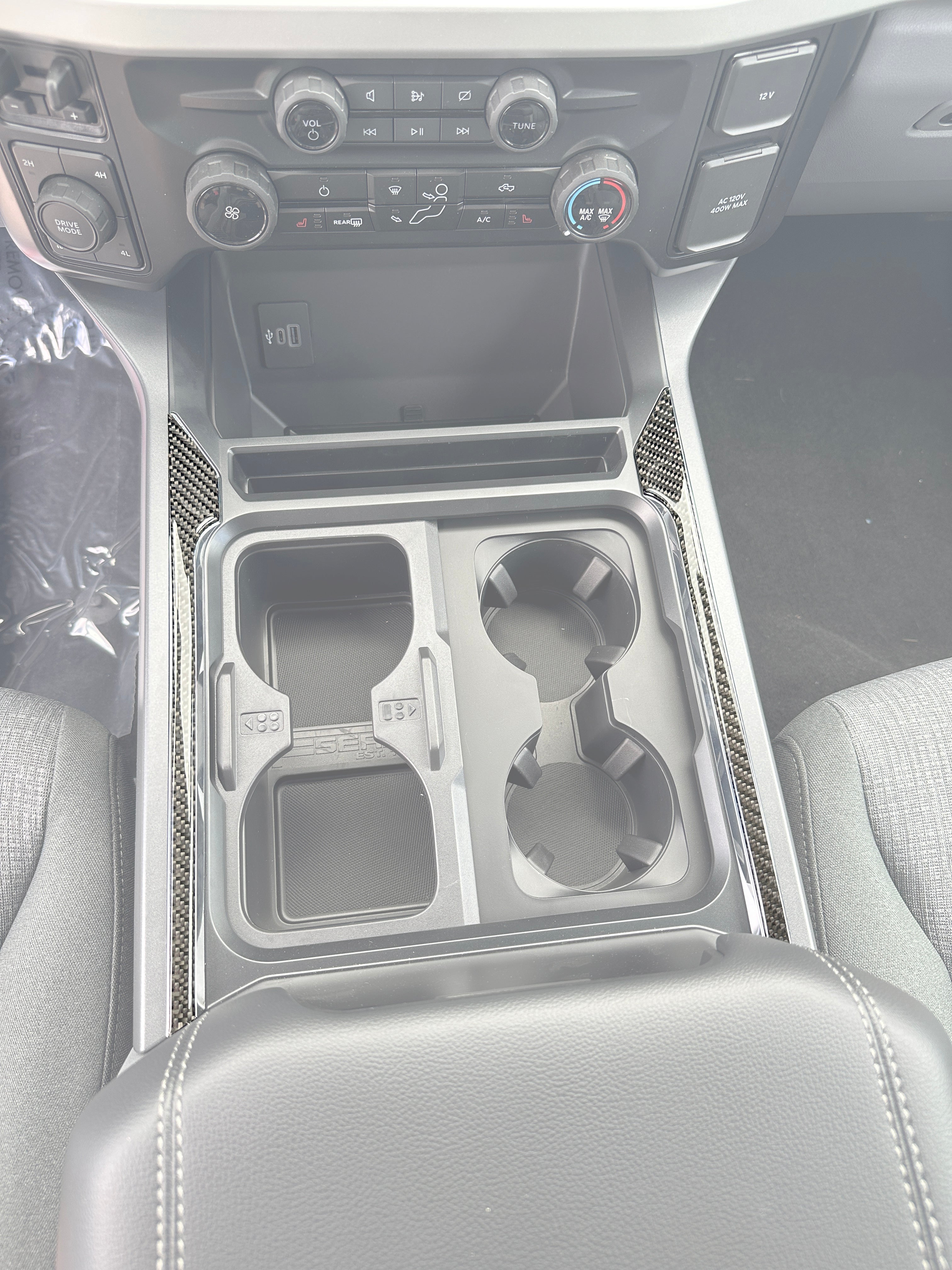
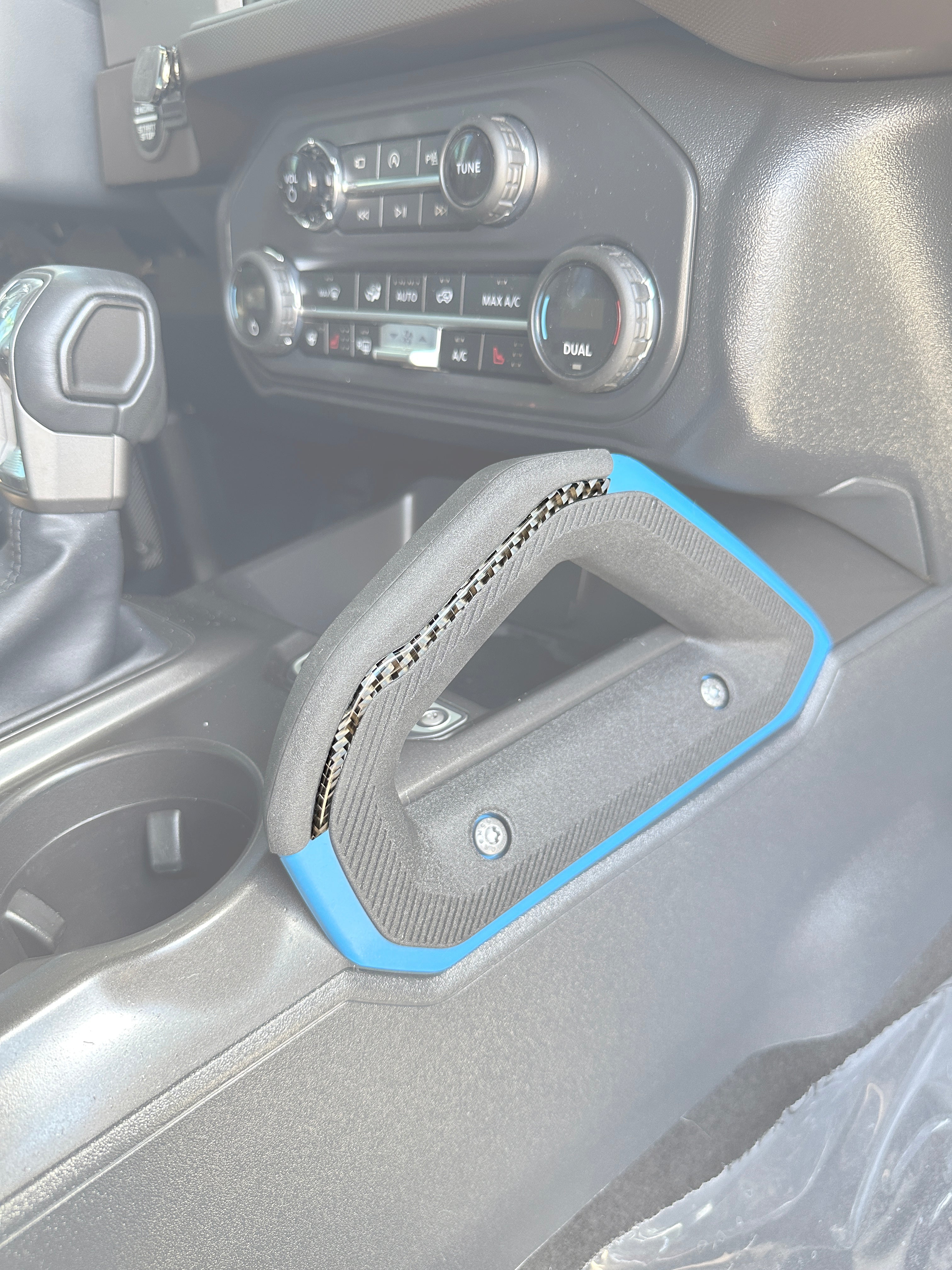
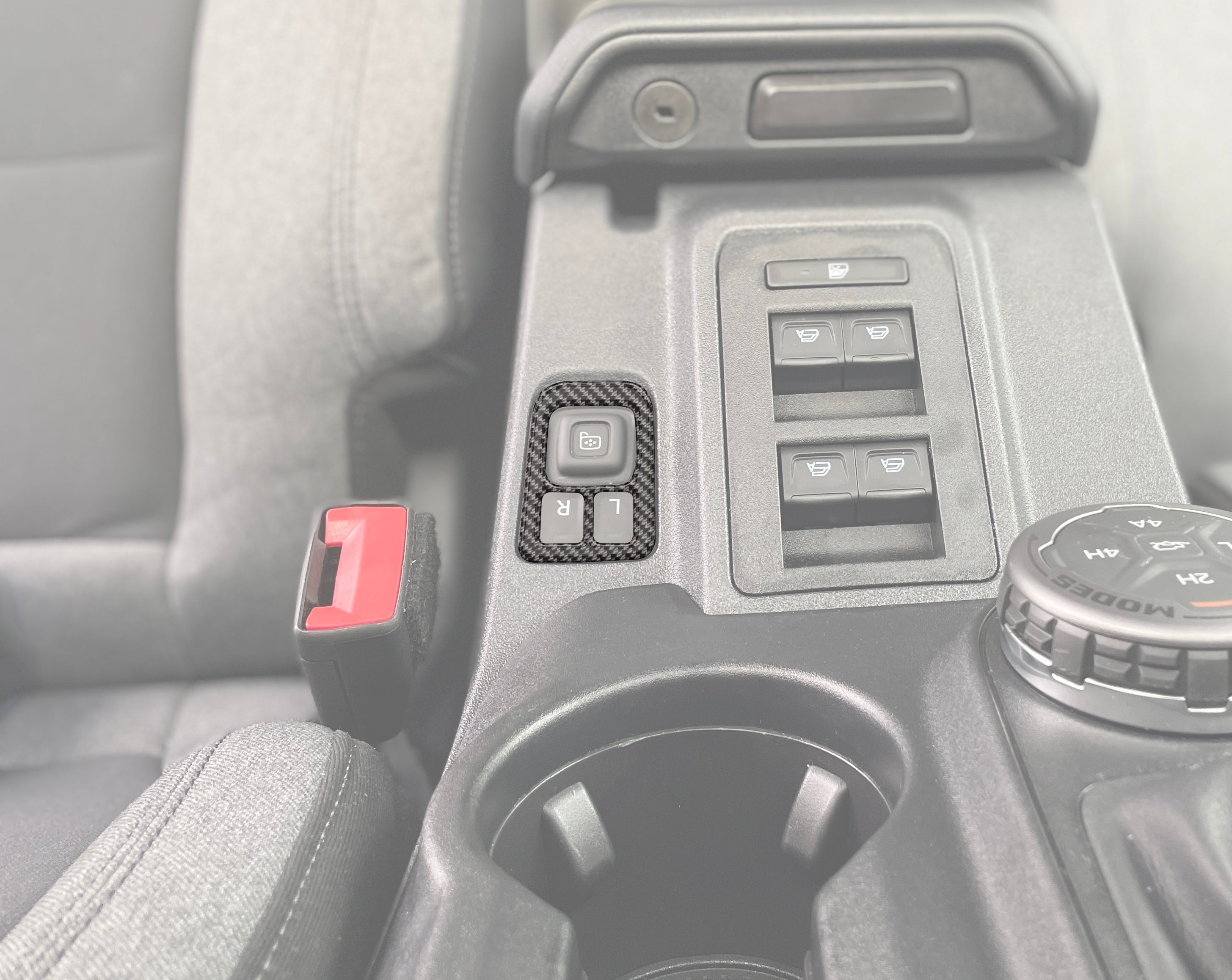
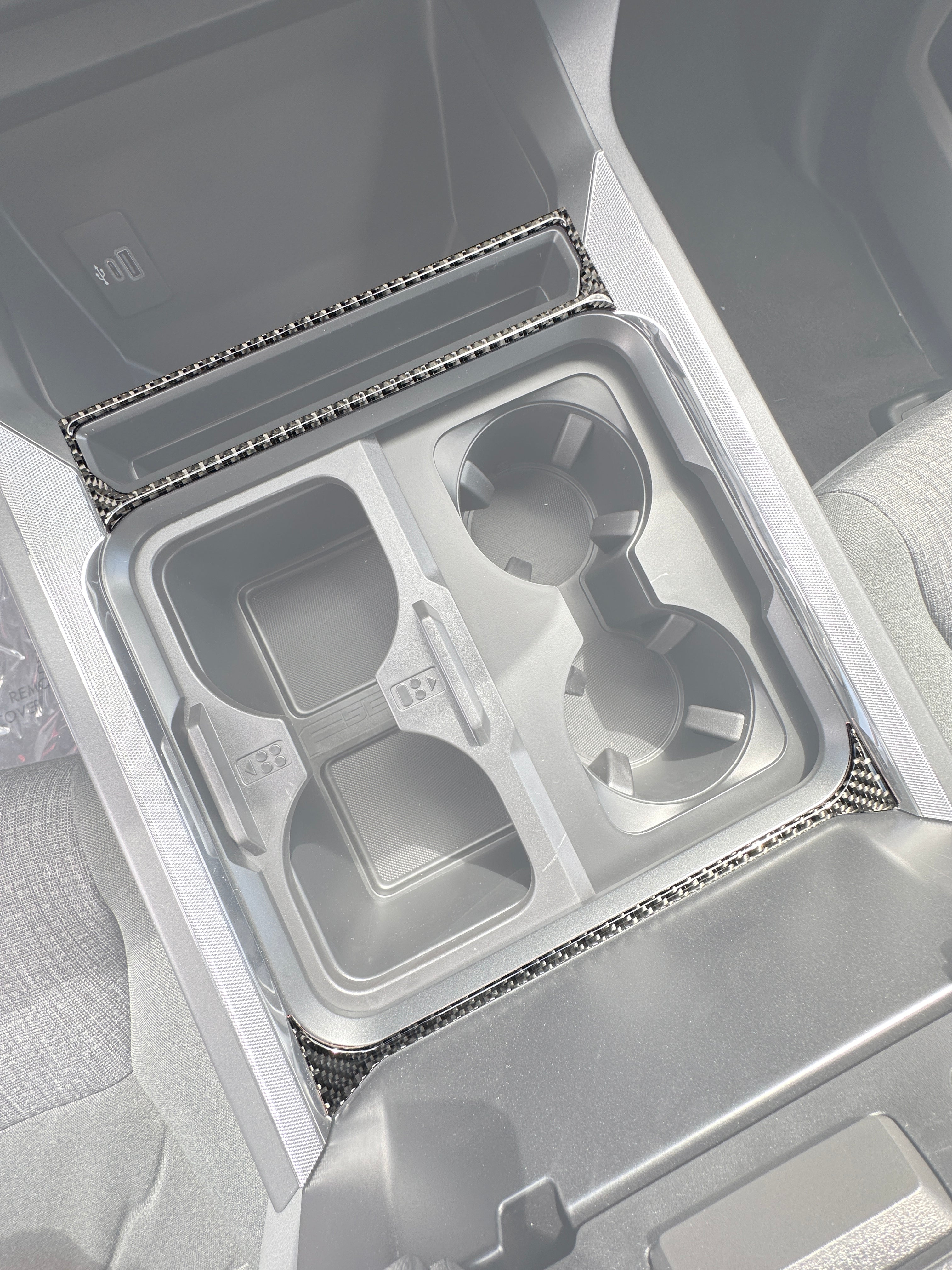
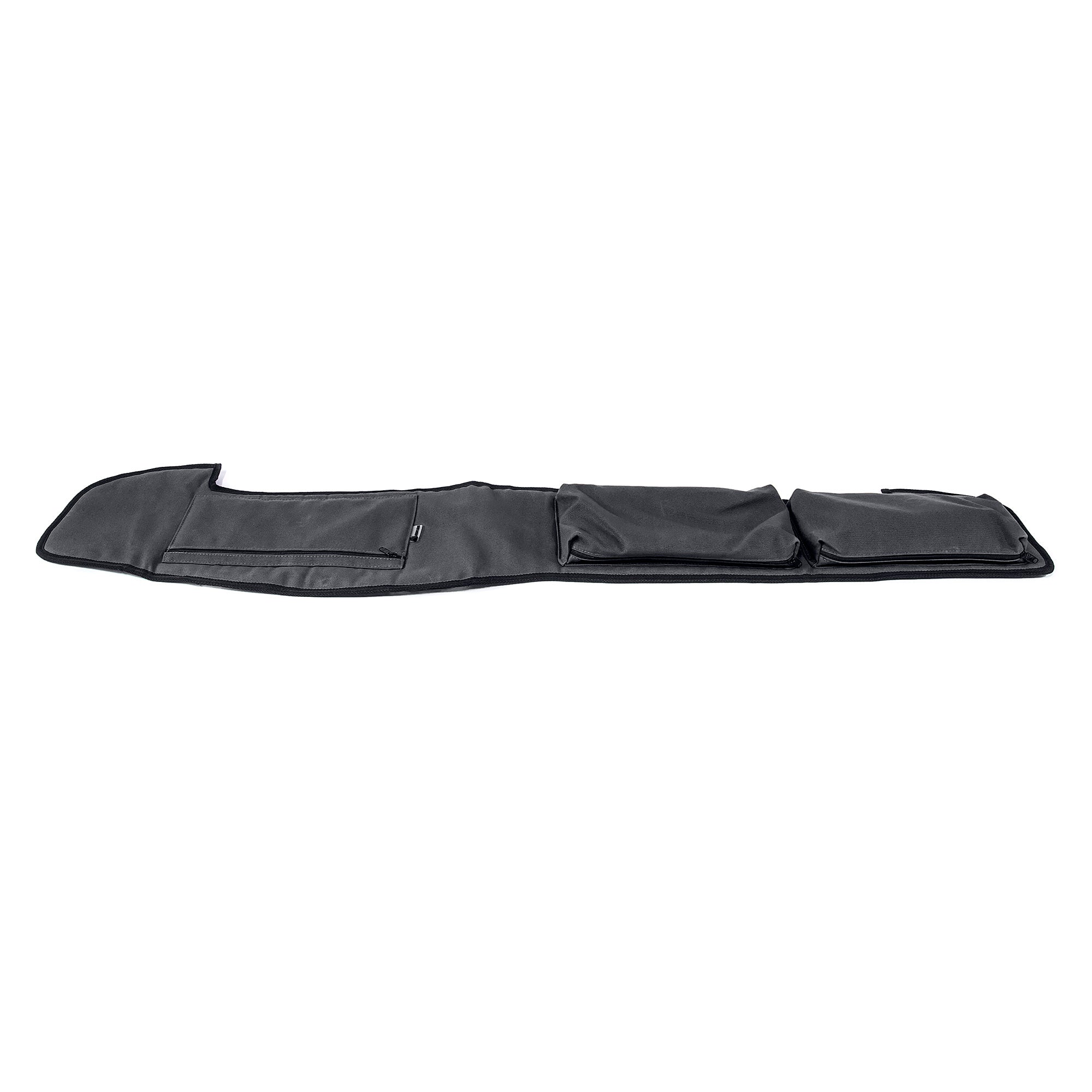
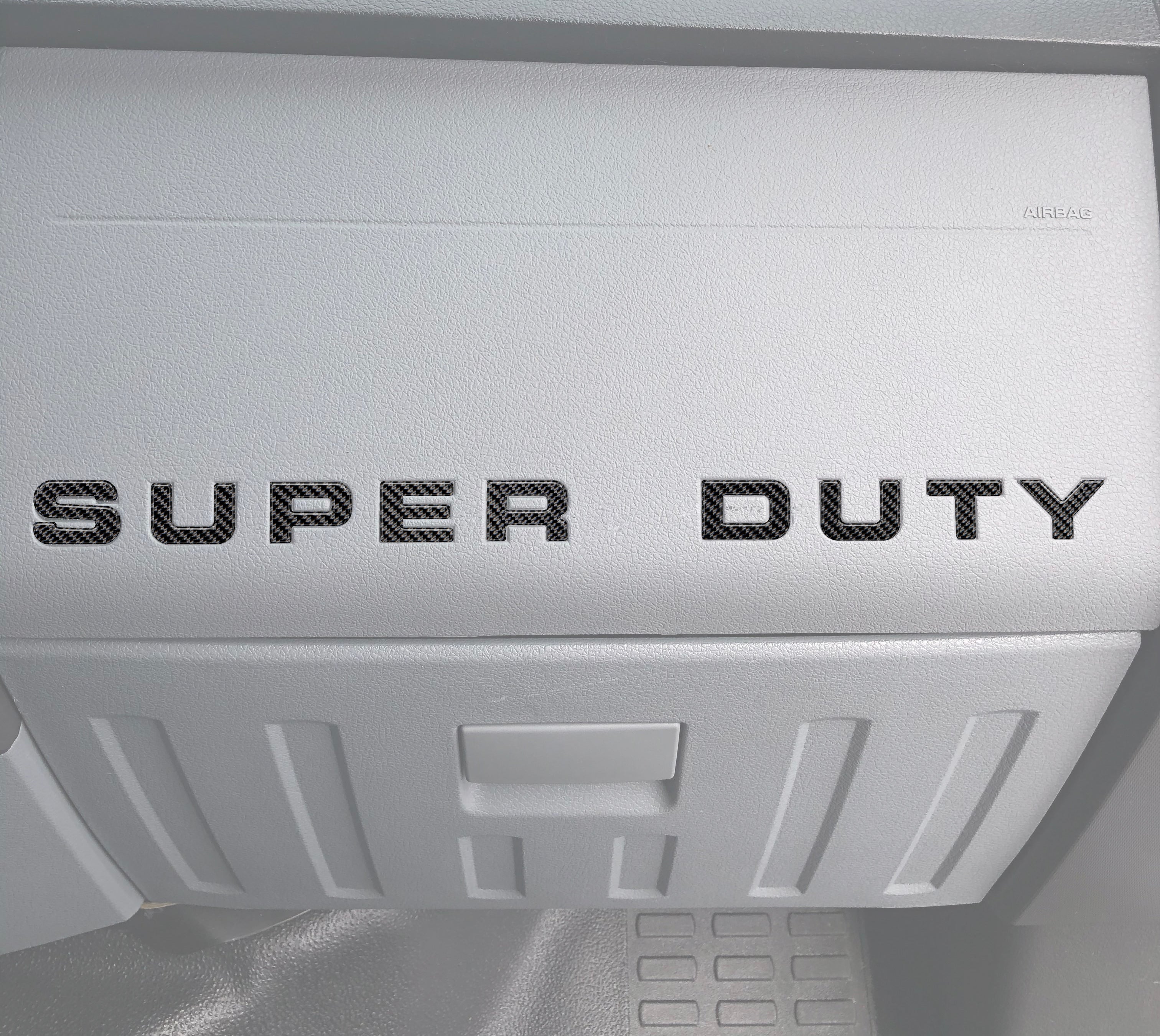
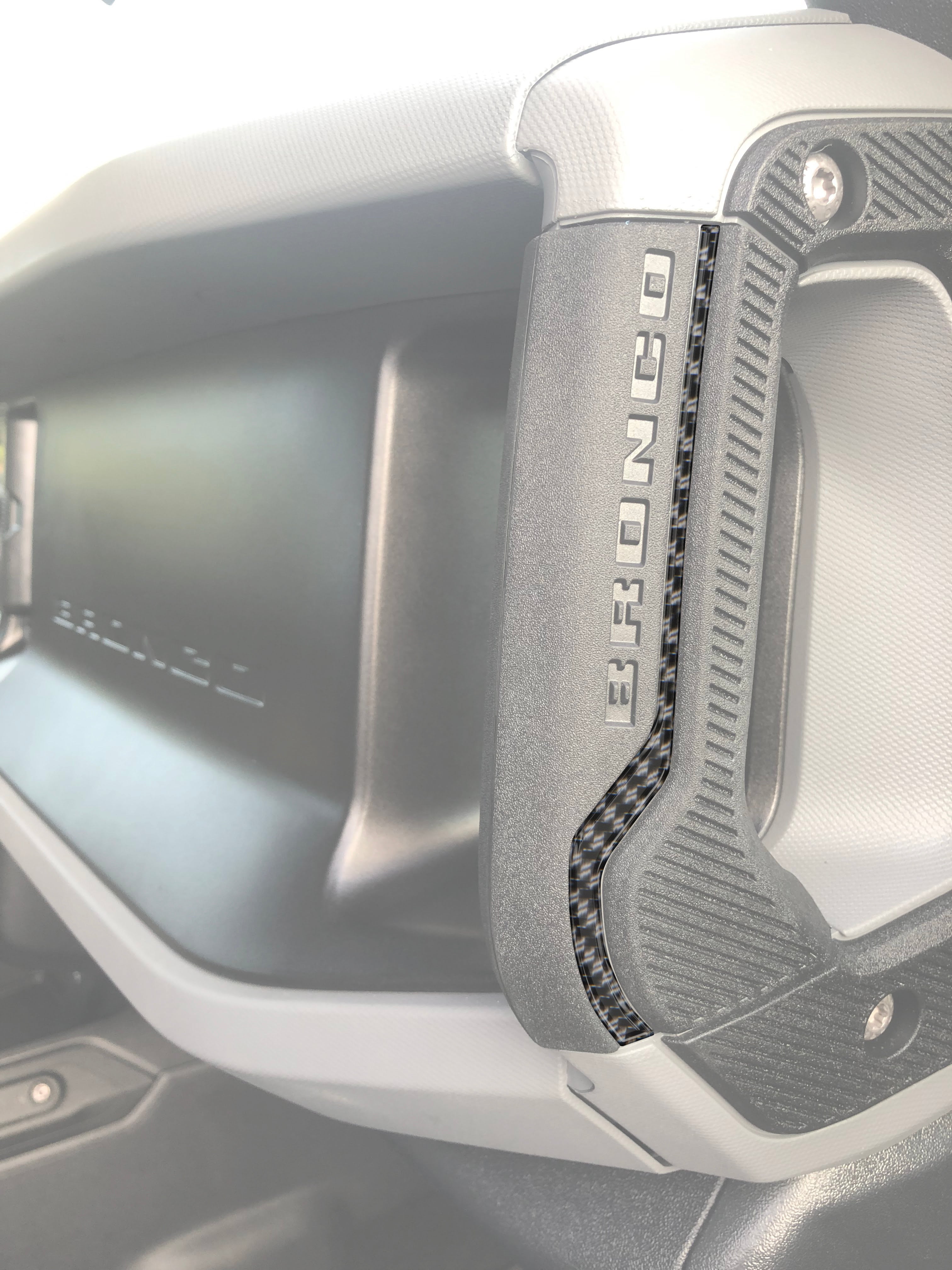
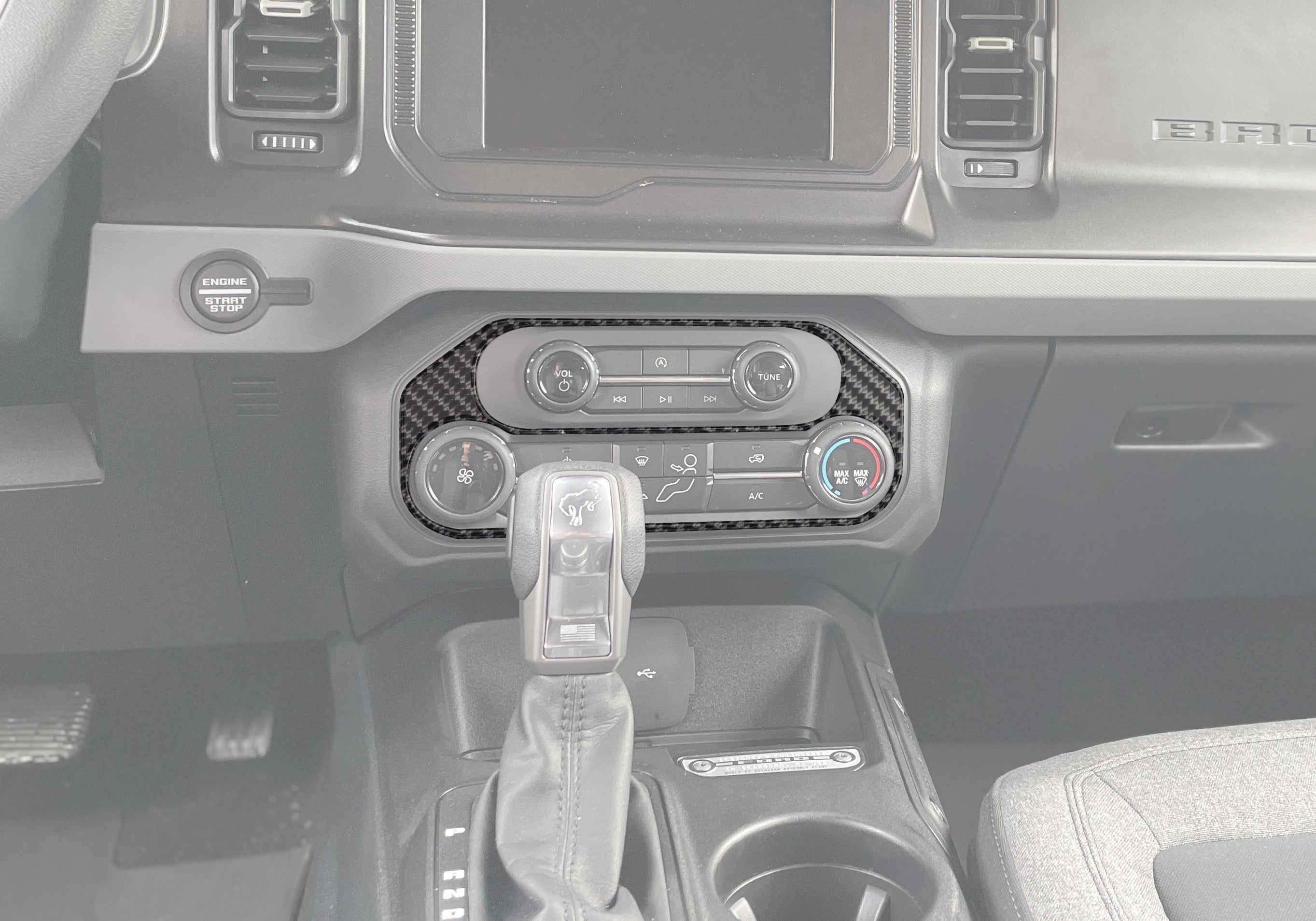
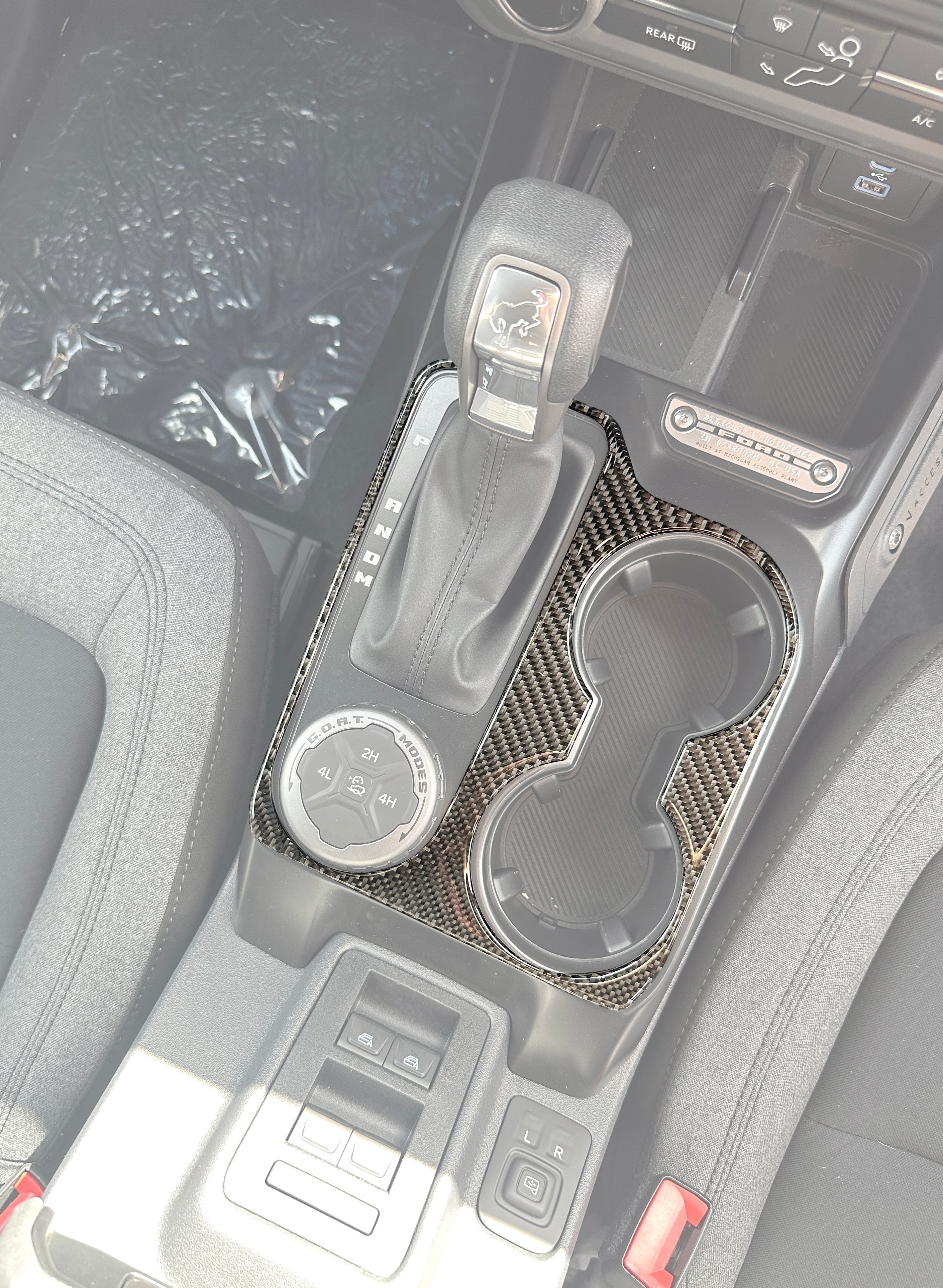
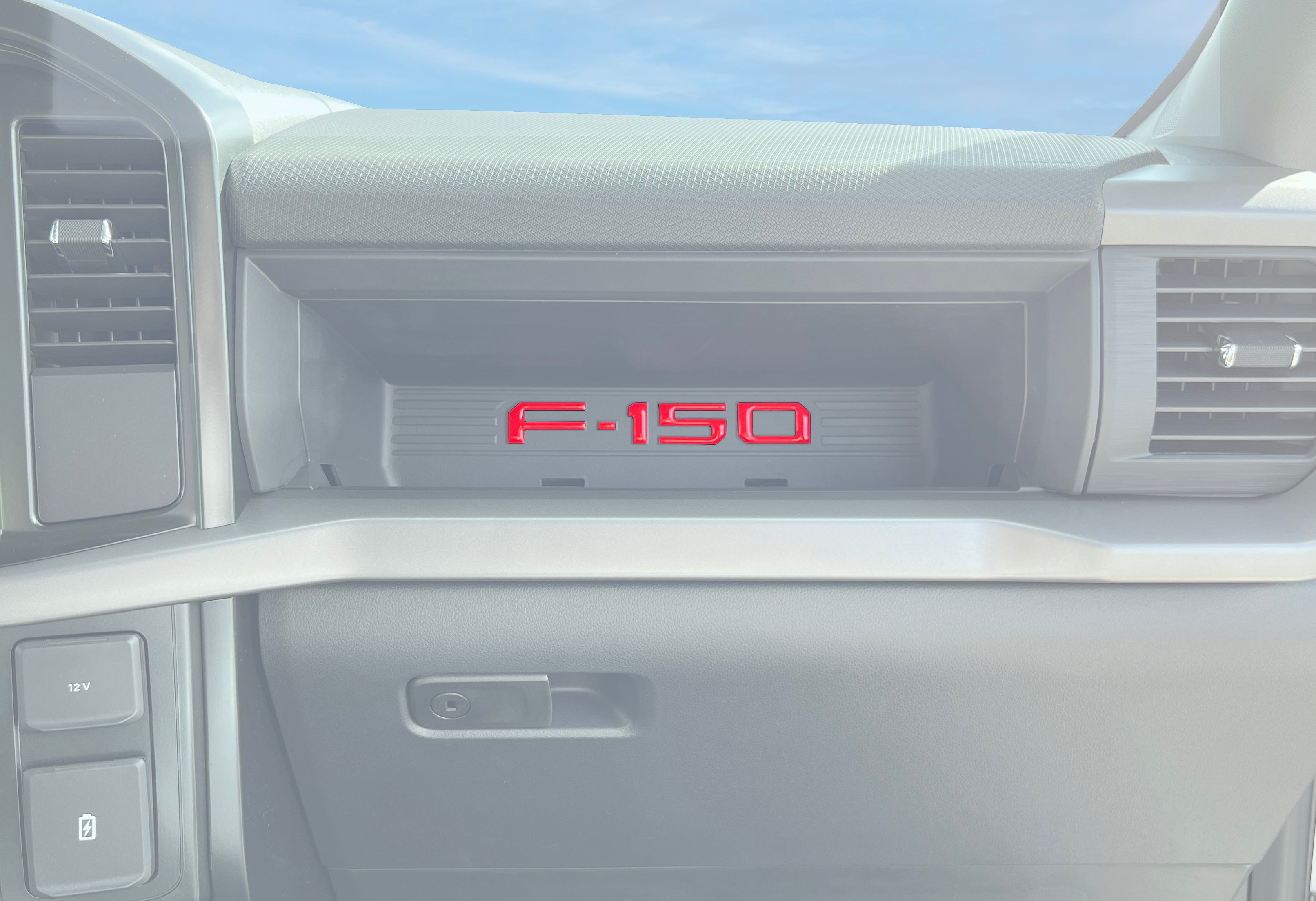
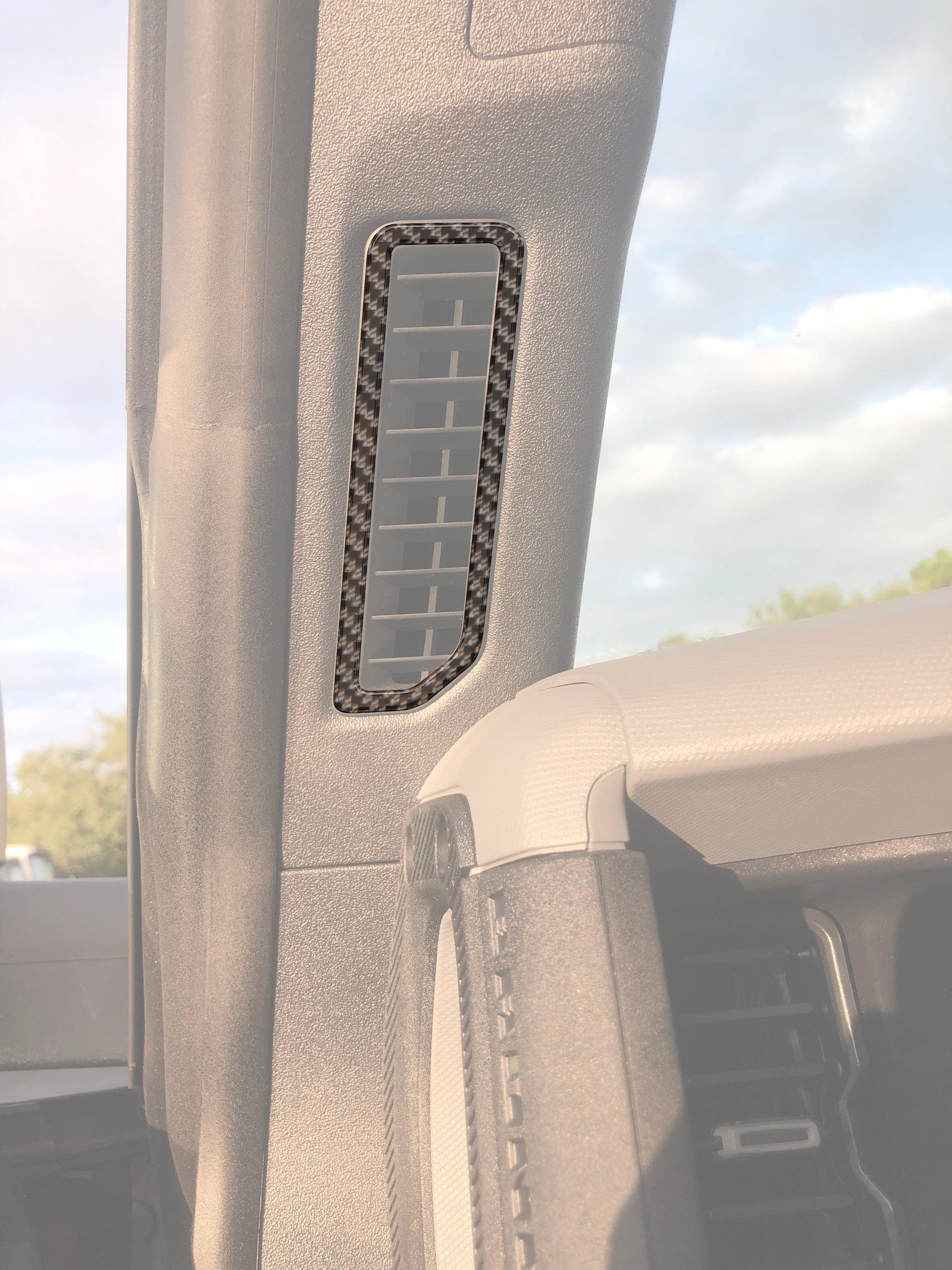
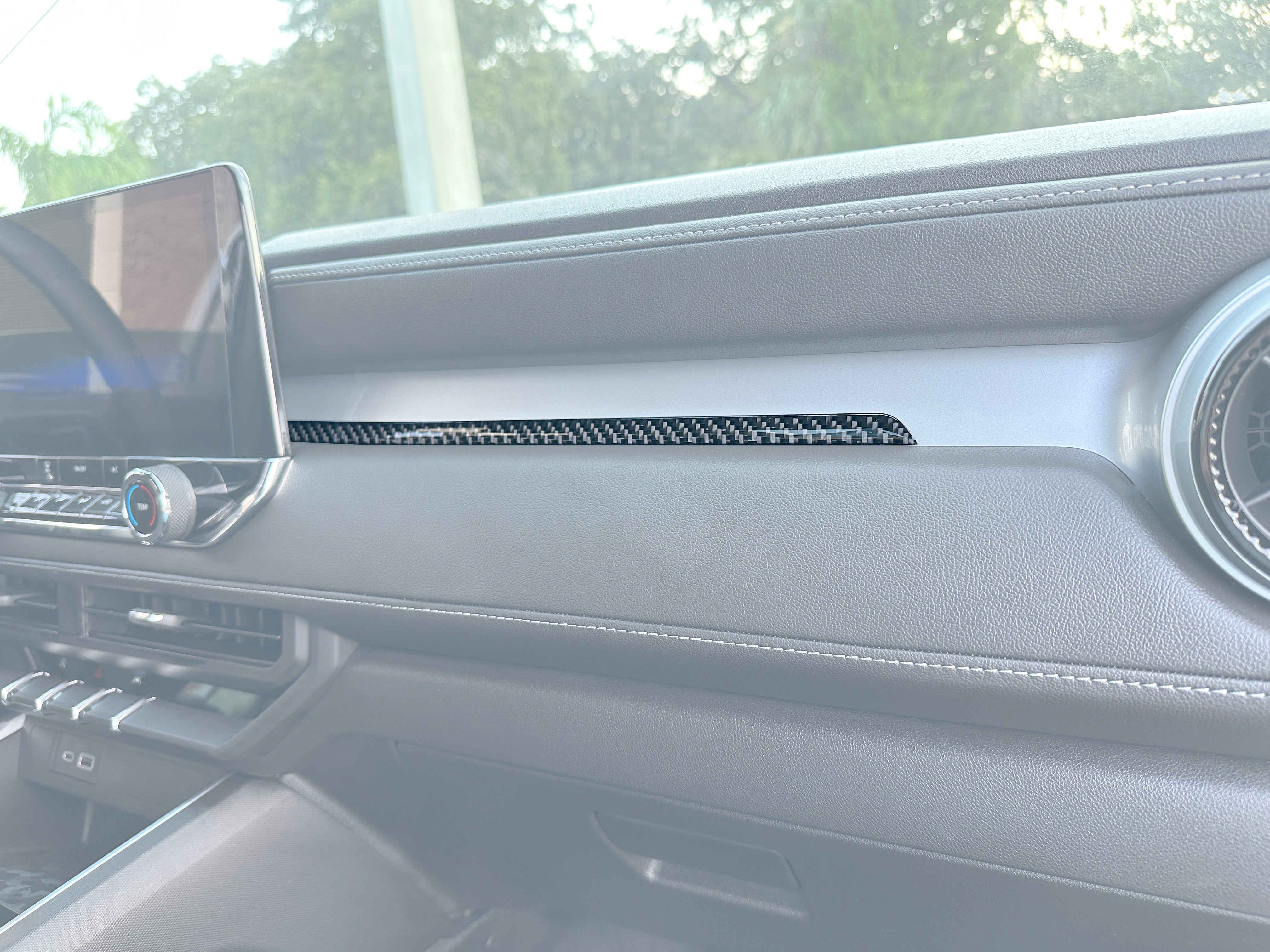
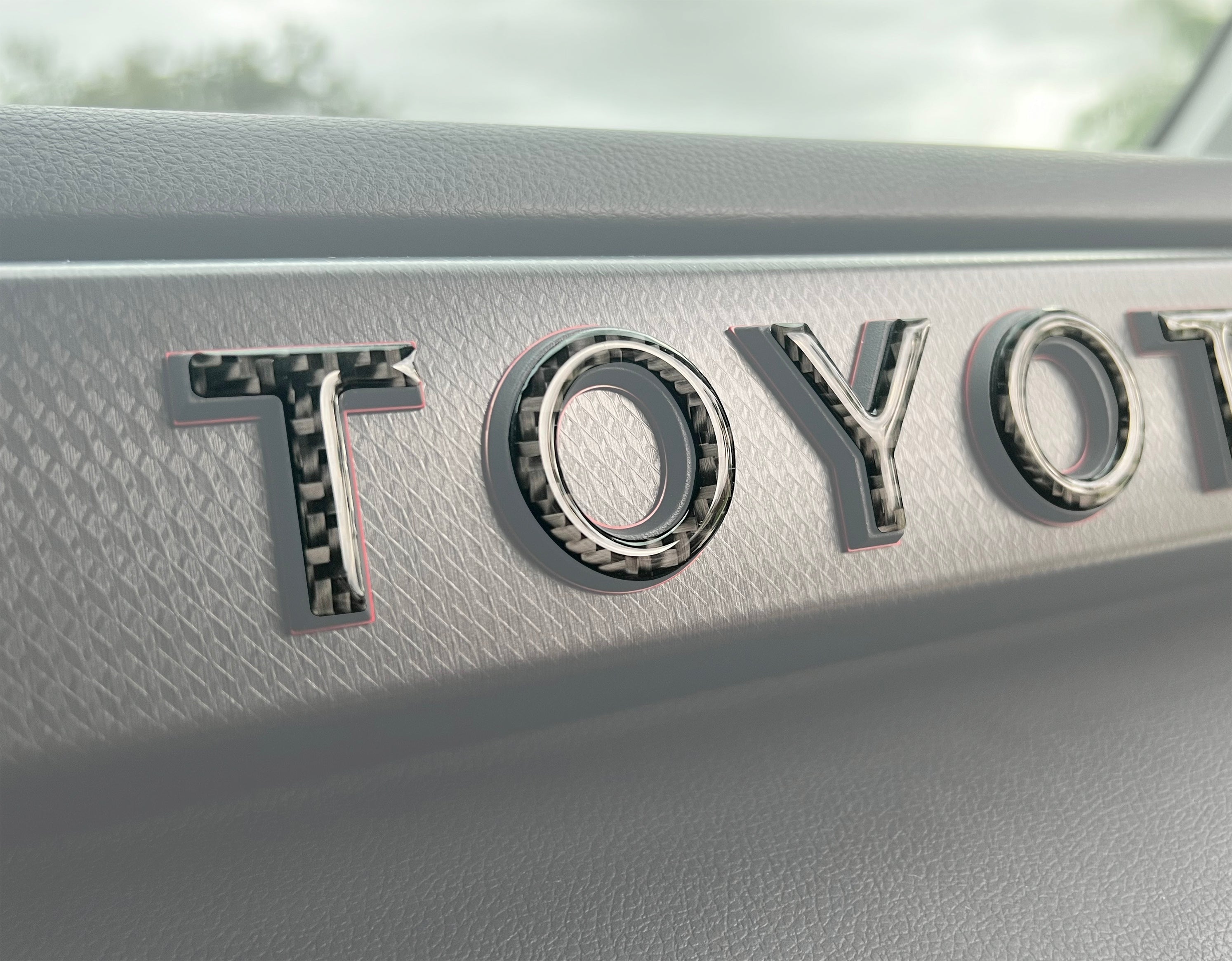
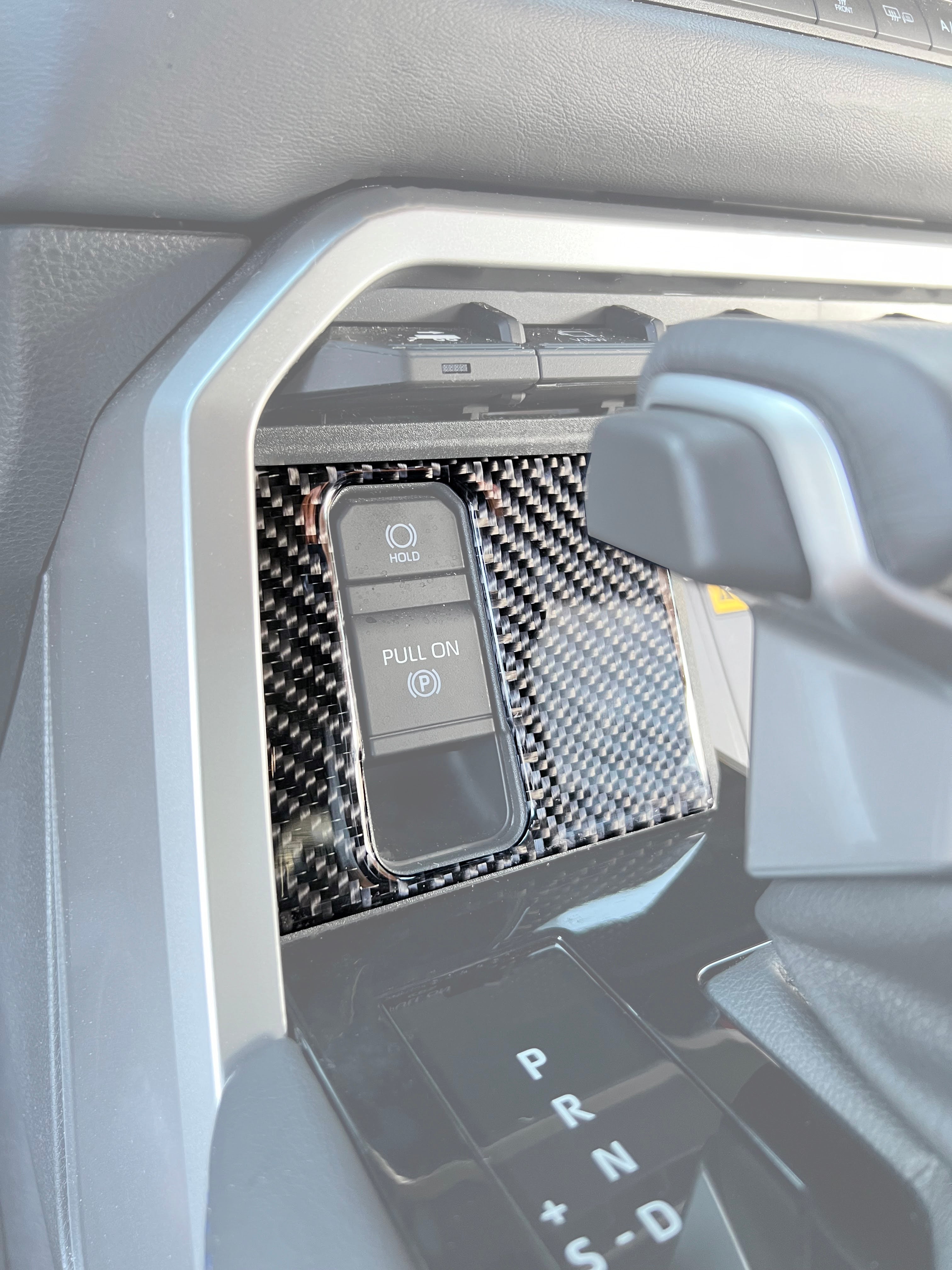
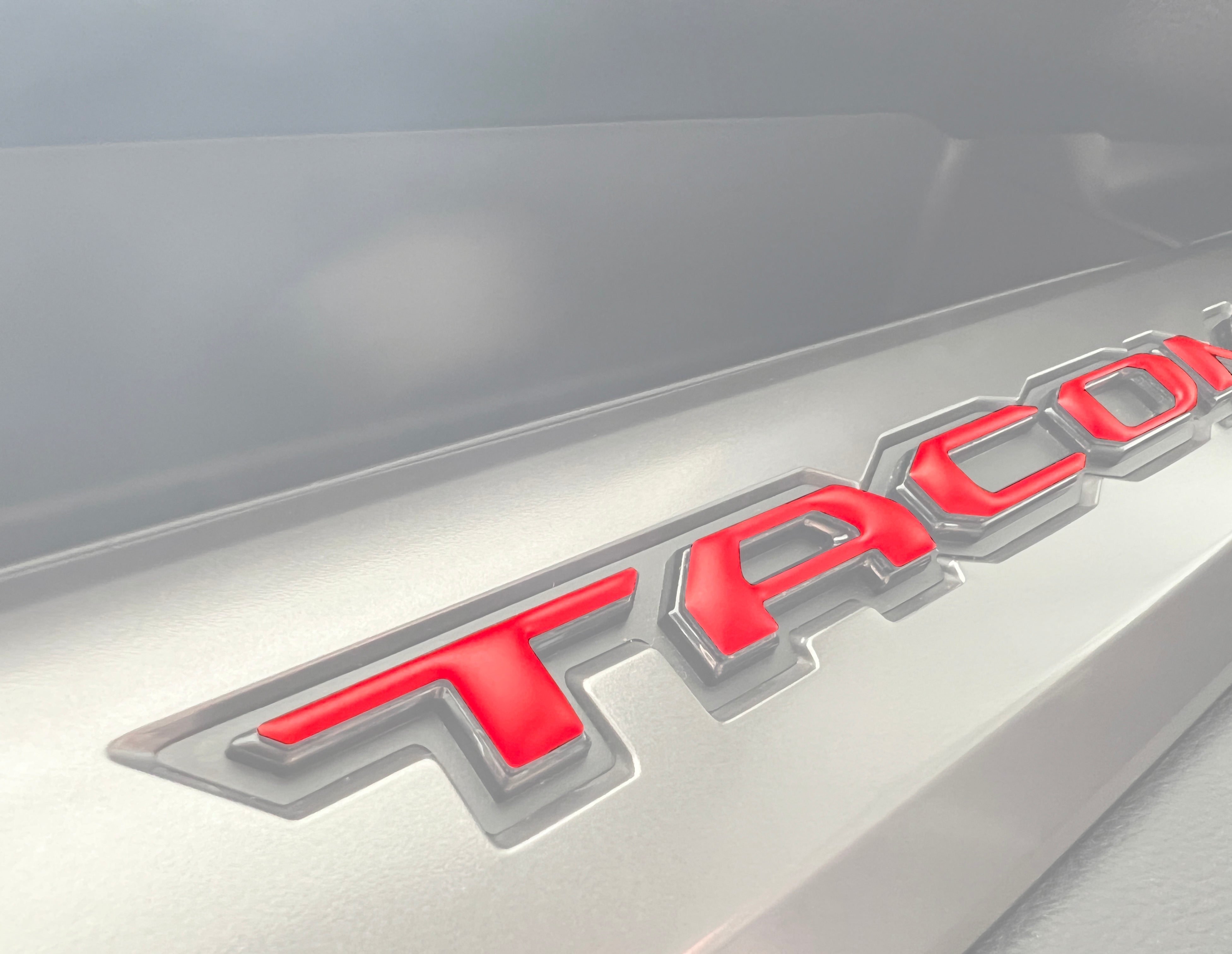
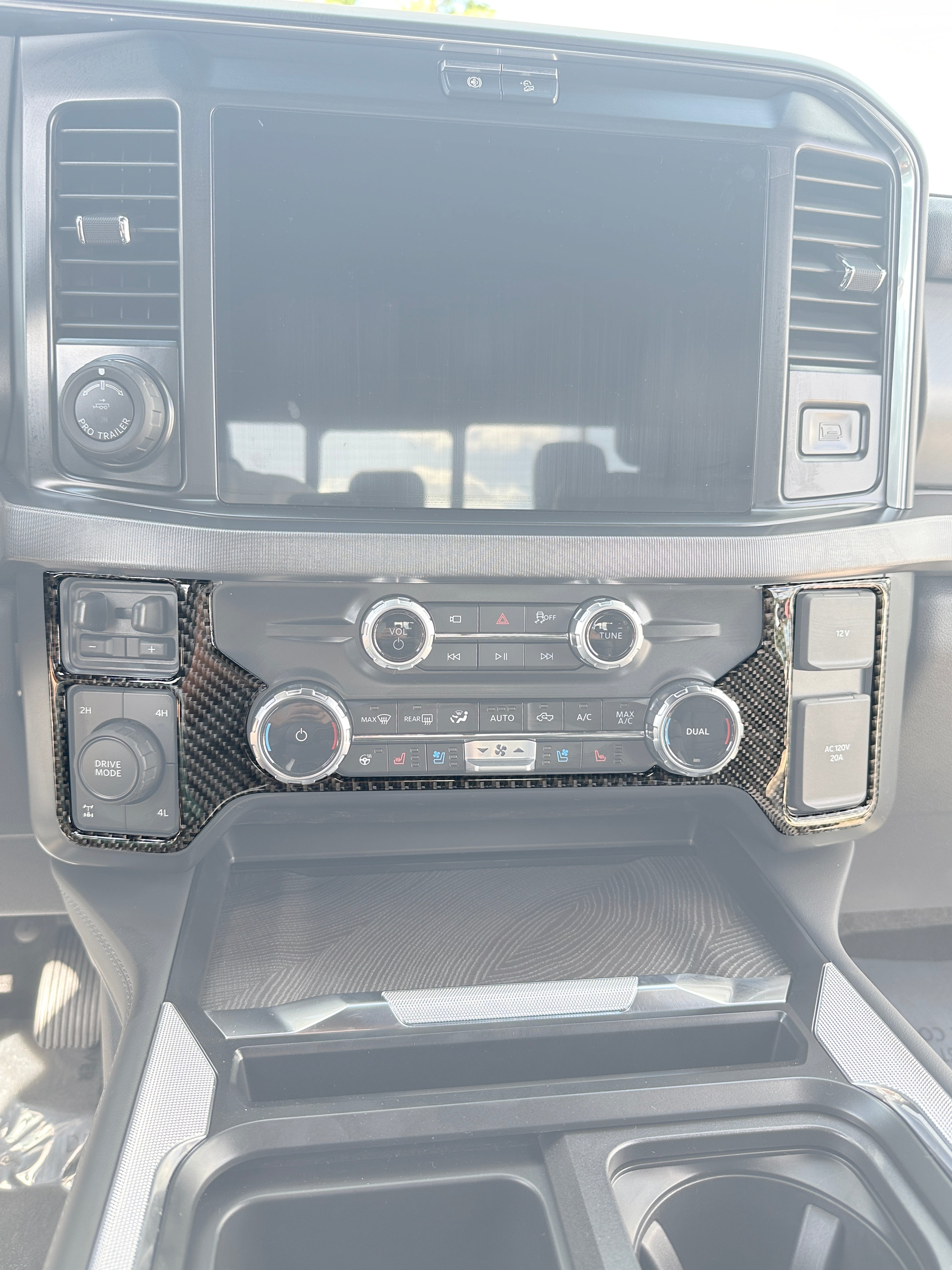
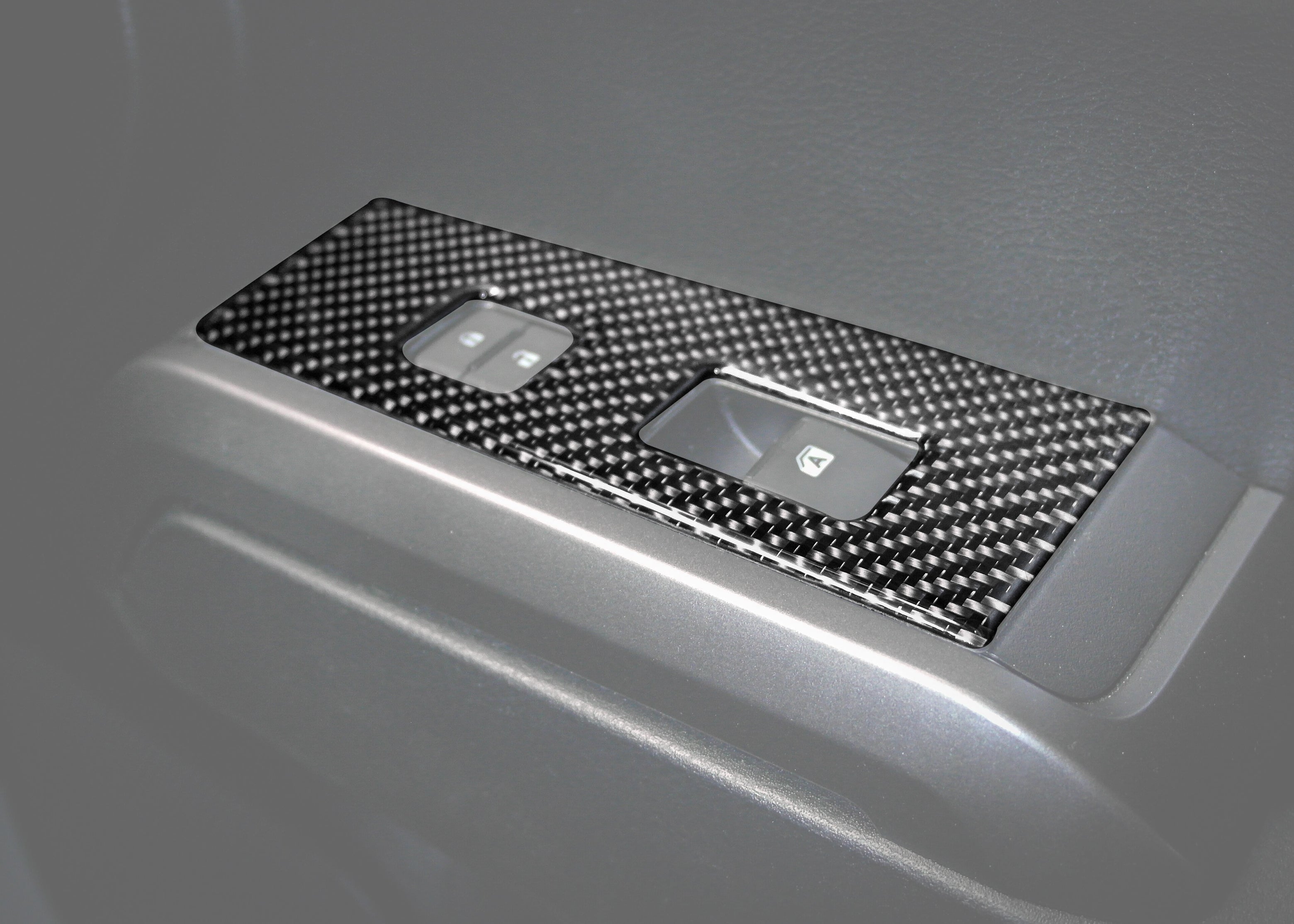
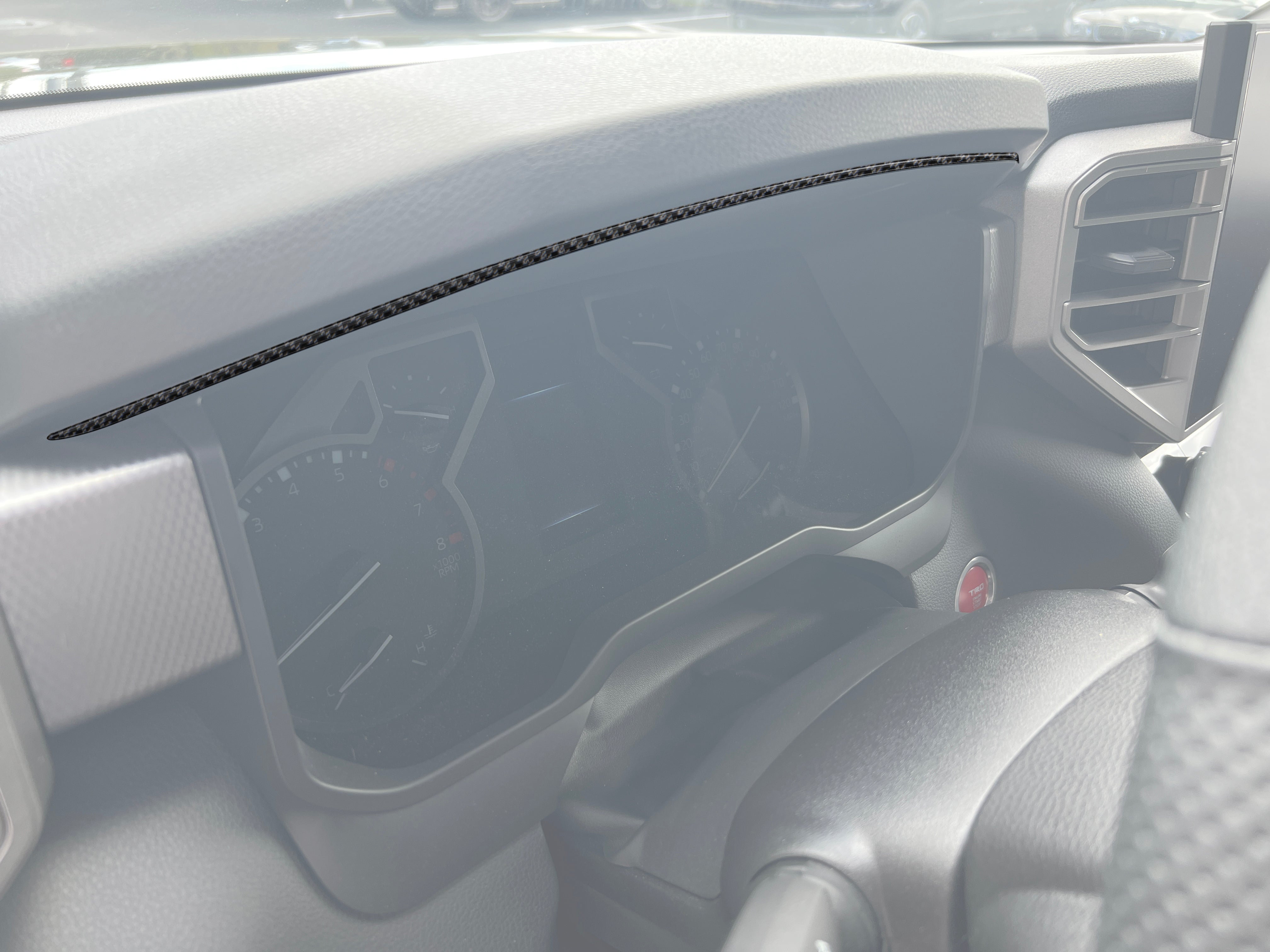
Trim kits from Tufskinz and AJT Design do more than dress the cab: precision-cut overlays protect the high-wear surfaces — console edges, dash panels, door sills — that dirt-road life scratches first, in materials that shrug off UV instead of chalking. Vehicle-specific means every piece lands exactly on its panel with proper adhesive, a satisfying afternoon install that keeps a hard-used interior looking intentional.



Console & Dash Trim FAQs
Will peel-and-stick trim survive a dash that bakes in the sun?
Quality kits are built for exactly that environment, but your prep decides the outcome. Automotive-grade adhesive handles heat cycles fine once it's bonded to a clean surface — degrease the panel, install at room temperature or warmer, and press every edge firmly. Most peeling failures trace back to dusty or cold installs, not the adhesive. Give it a day to cure before judging.
Can I remove trim overlays later without damaging the factory surface?
Generally yes, with heat and patience. Warm the piece until the adhesive softens, peel slowly at a shallow angle, and clean residue with an adhesive remover rated safe for interior plastics. Hard panels handle this well; soft-touch coatings deserve extra care because they can mar. Test the remover somewhere hidden first, and never rush the peel.
Is dash trim purely cosmetic, or is there a practical case?
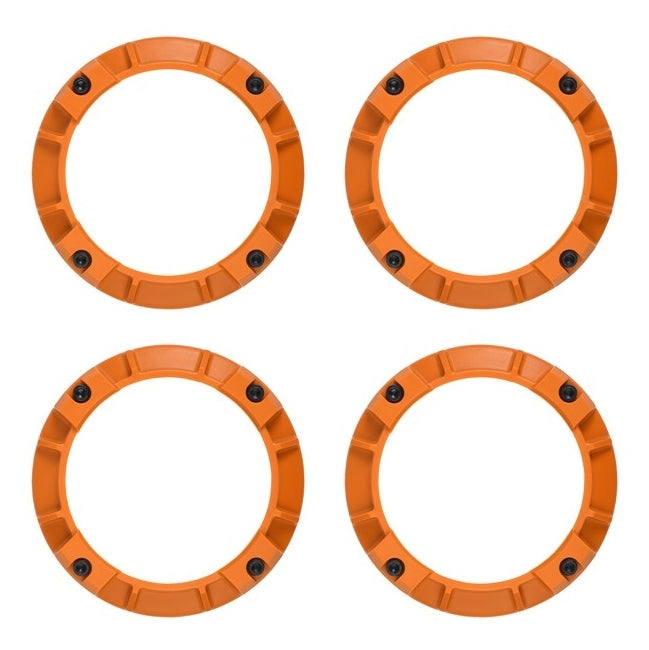
Mostly cosmetic, and there's no shame in that — but the practical cases are real. Matte overlays cut the windshield glare that gloss and chrome fling at your eyes all afternoon. Textured knobs work better with gloves or wet hands. Overlays also protect the scratch-prone gloss panels that look tired after a year of fingernails. Buy for whichever problem you actually have.
How do I know a trim kit matches my exact interior?
Filter by year, make, and model, then read the listing's trim-level notes. Interiors get revised mid-generation more often than exteriors do — a bezel can change shape in a refresh year while the body stays identical. Trim level matters too, since option packages swap knobs, bezels, and screen sizes. When your interior has options, the listing's fine print holds the answer.
What's the most stable way to mount a phone or tablet up front?
A rigid mount fixed to existing fasteners behind the dash or console — not suction, not a vent clip. Off-road, everything flexible becomes a blur machine: vent mounts sag and chatter, and suction lets go in heat. A hard-mounted bracket keeps the screen readable on corrugations, which is the entire point. Place it low, with sight lines and airbag zones kept clear.
