





Jeep Gladiator
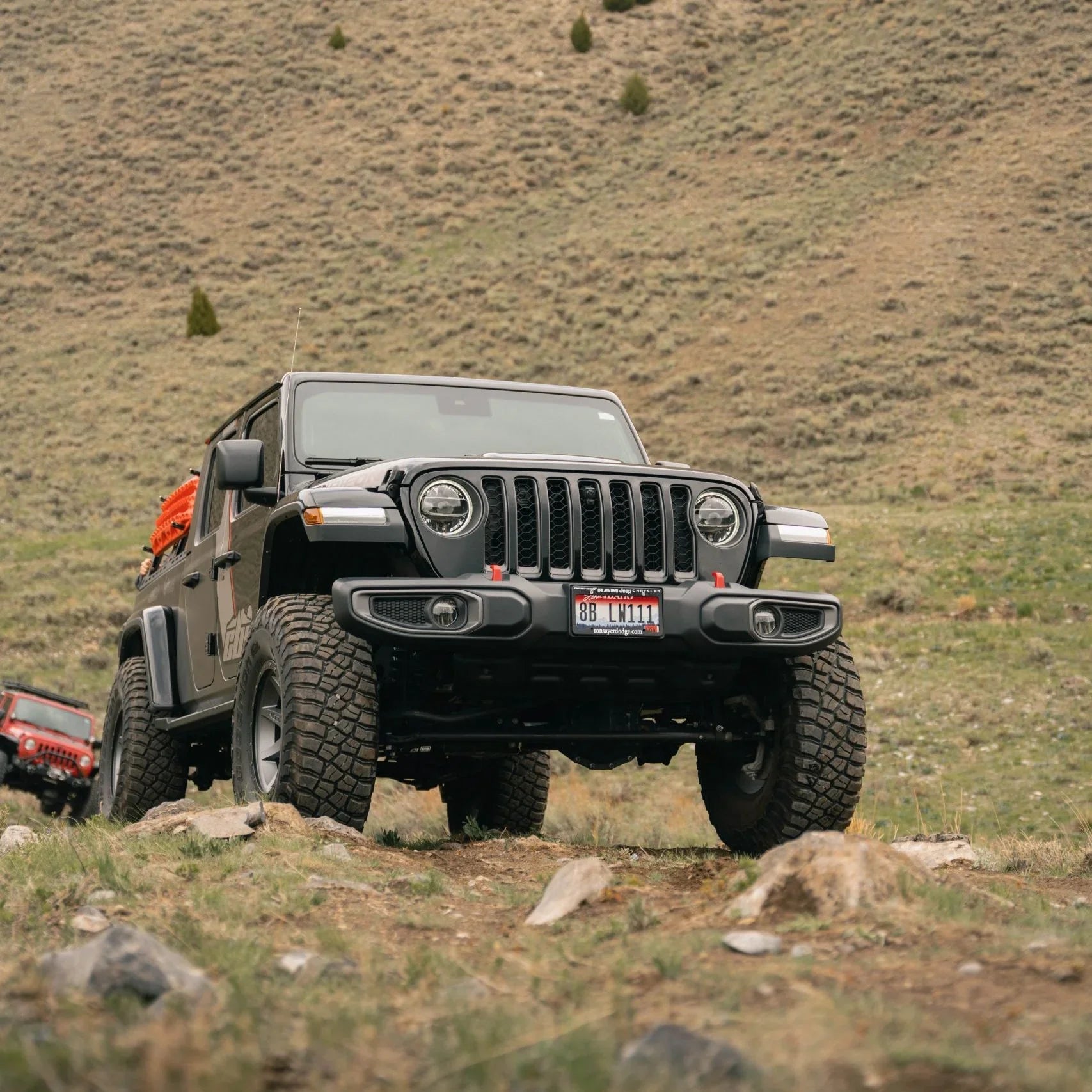
The Gladiator is the overland cheat code: Wrangler solid-axle capability with an actual bed for the gear. NVMOS stocks 500+ year-filtered JT parts — Teraflex and Clayton suspension, Falcon shocks, bed racks built for rooftop tents, DV8 armor and bumpers, lighting, recovery equipment, and Goose Gear storage. If your build plan says "crawl hard Saturday, camp comfortable Saturday night," this is the platform and this is the collection.








Jeep Gladiator FAQs
Gladiator or Wrangler for overlanding?
Gladiator, for most overlanders. You keep the solid axles, lockers, and open-air character but gain a bed for fuel, water, and a proper tent platform — solving the Wrangler's storage problem outright. The costs: a longer breakover on tight ledges, and garage fit. If your trips are more camp-miles than crawl-inches, the JT wins.
Will Wrangler JL parts fit my Gladiator?
Front-half, often; rear-half, rarely. The JT shares the JL's front architecture, so many bumpers, steering, and front suspension components cross over — but the longer frame, rear suspension, and bed mean rear armor, lifts (rear springs/shocks differ), and racks are JT-specific. Our fitment filters sort it; when in doubt, ask.
What bed rack height should I get for a rooftop tent?
Cab-height racks are the overlanding default: the tent rides at roofline for aerodynamics and stability, with the full bed still usable underneath for boxes and recovery gear. Low-profile racks suit tonneau setups and lighter loads. Check your tent's mounting pattern and the rack's dynamic rating — both are listed on our product pages.
How much lift does a Gladiator need for 35s or 37s?
35s: about 2.5" with the right wheel offset — easy territory for Teraflex JT systems. 37s: 3.5"+ plus geometry correction, and budget for regearing (4.88s or deeper) because the JT's added weight makes tall tires feel taller. The long wheelbase actually helps stability as you go up.
Does a rooftop tent hurt the Gladiator's driving?
On a bed rack at cab height, less than you'd fear — the 130–150 lbs sits low and centered compared to roof mounting on an SUV. You'll notice crosswind and washboard sway slightly more; matched-rate rear springs and quality shocks erase most of it. Keep the heavy stuff (water, tools) on the bed floor.
