





Toyota Tundra
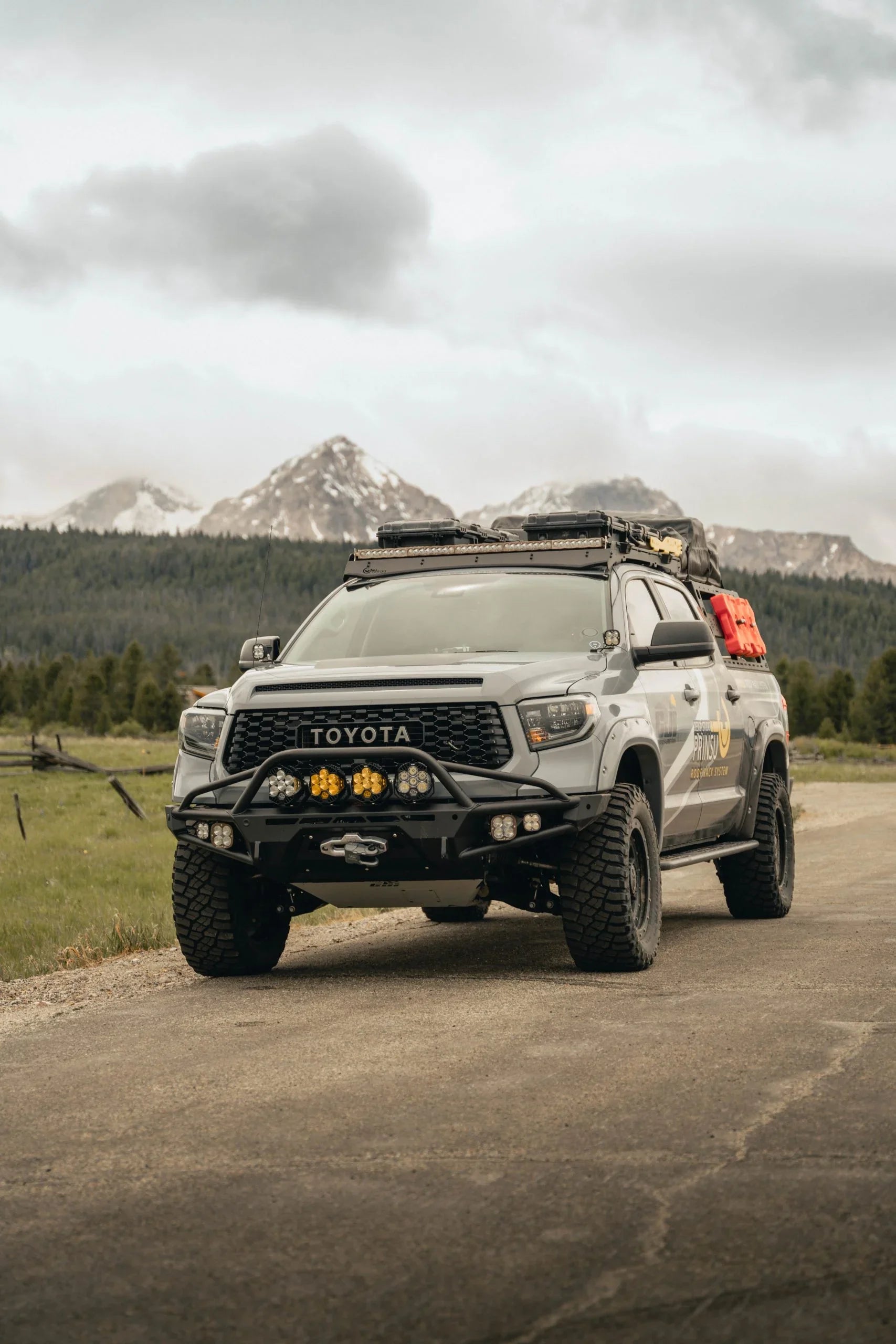
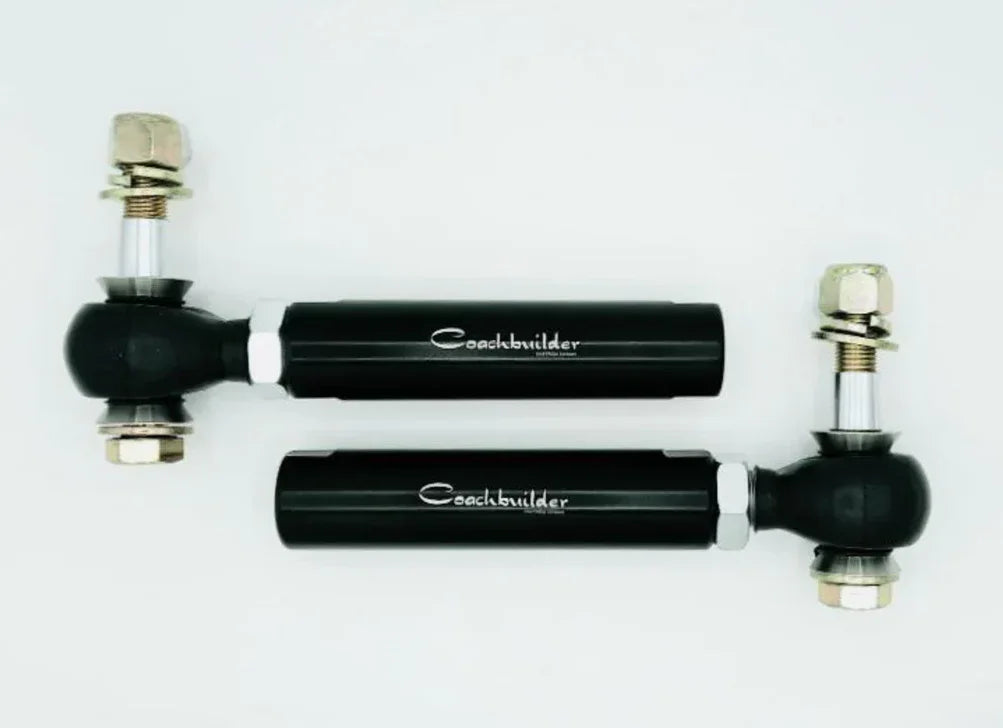
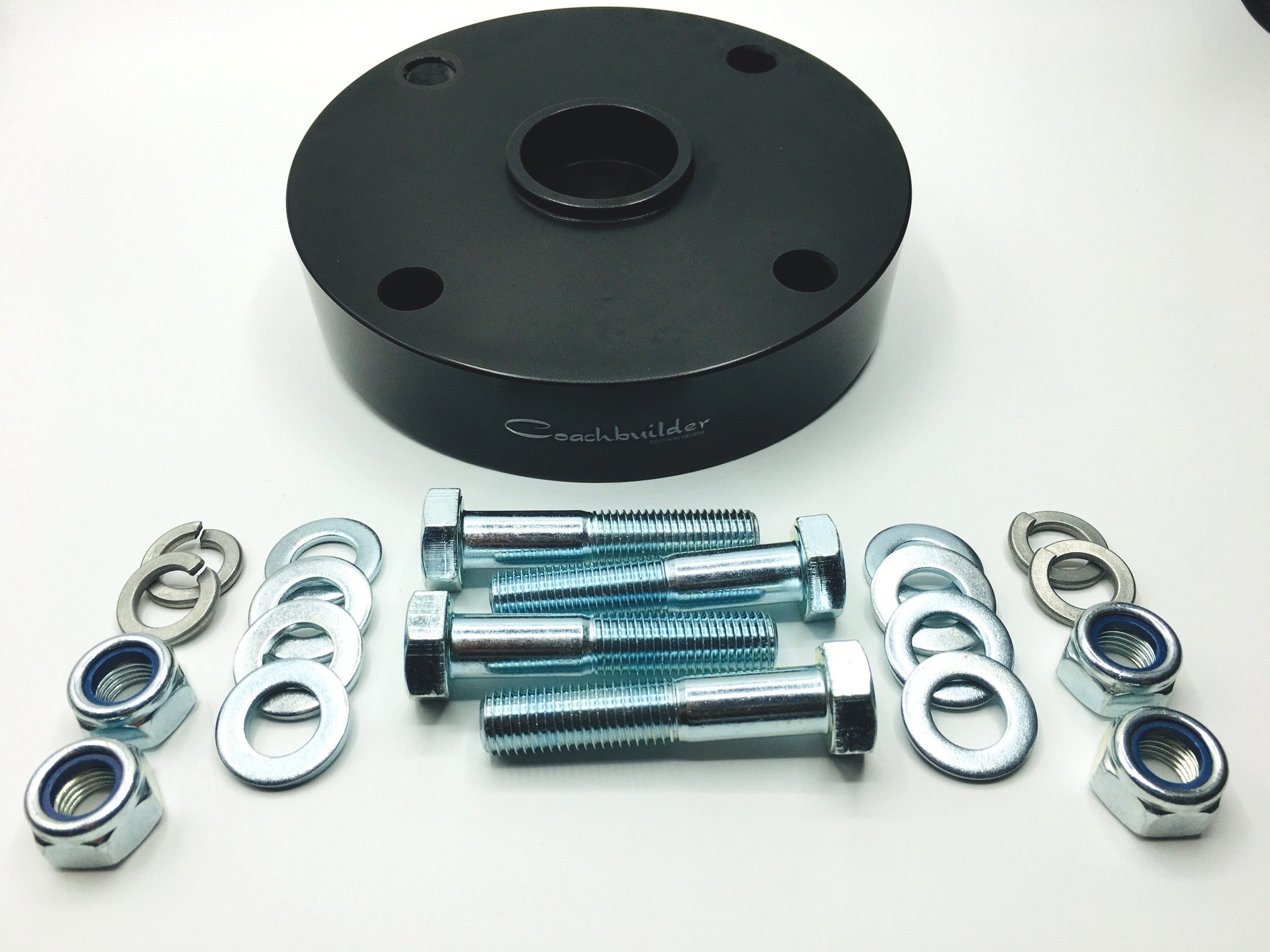
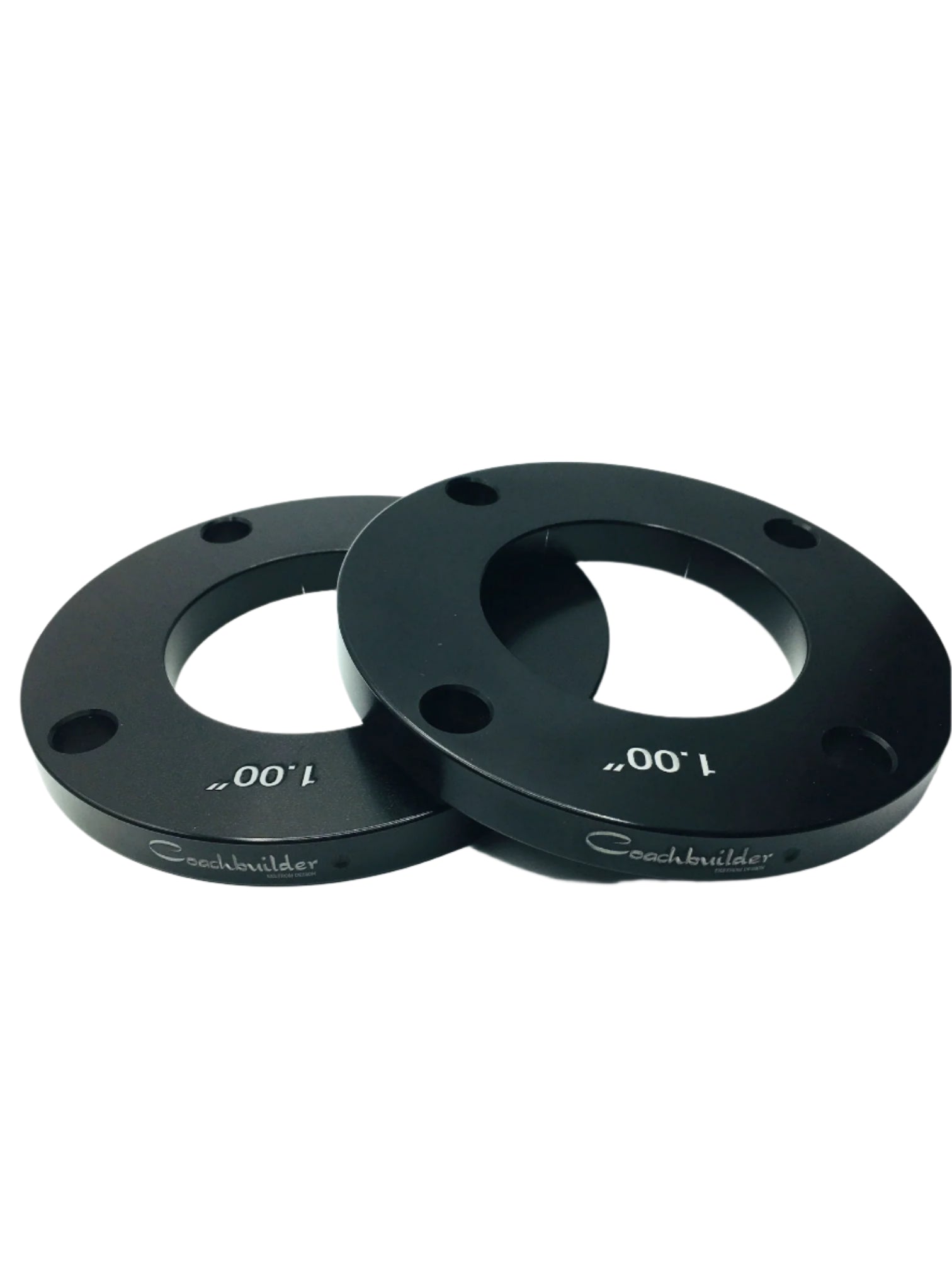
The Tundra brings full-size payload and effortless towing to overlanding — room for the family, the water, and the fridge without riding at max GVWR. NVMOS stocks 790+ year-filtered parts for the 2nd Gen (2007–2021) and 3rd Gen (2022+): Dobinsons and Coachbuilder suspension, bed racks and armor, KC HiLiTES and Morimoto lighting, recovery gear, and Goose Gear storage systems sized for a real bed.
Tundra guides & how-tos: Read our Toyota Tundra install and buying guides →

Toyota Tundra FAQs
Is a Tundra too big for overlanding?
For tight, technical east-coast trails, sometimes. For the western US, Baja, and long dirt-highway routes where overlanding actually happens, the size is an asset: payload for water and family, stability at speed, and effortless towing. Thousands of expedition Tundras say it works — pick lines a little more carefully and enjoy the room.
What lift and tires do overland Tundras usually run?
2.5–3" of quality suspension on 35s is the standard recipe — minimal trimming, no regear urgency on most years thanks to strong factory power. Load-rated rear springs matter more than height: a Tundra build usually carries real weight, and that's what the suspension budget should chase.
What size winch does a Tundra need?
Loaded Tundras commonly cross 7,000 lbs, so apply the 1.5× rule: a 12,000 lb winch is the floor, and our 16.5K–20K options add margin for mud and slope. Pair it with a winch-ready bumper and synthetic line, and confirm your front springs account for the added nose weight.
Coachbuilder shackles and bump stops — what do they fix?
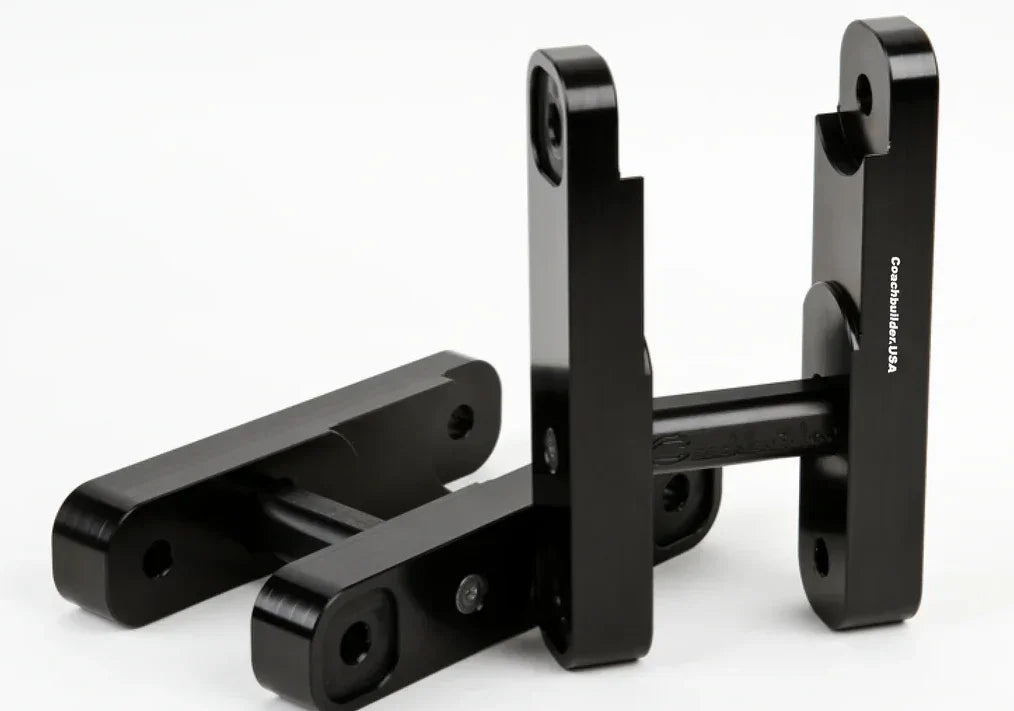
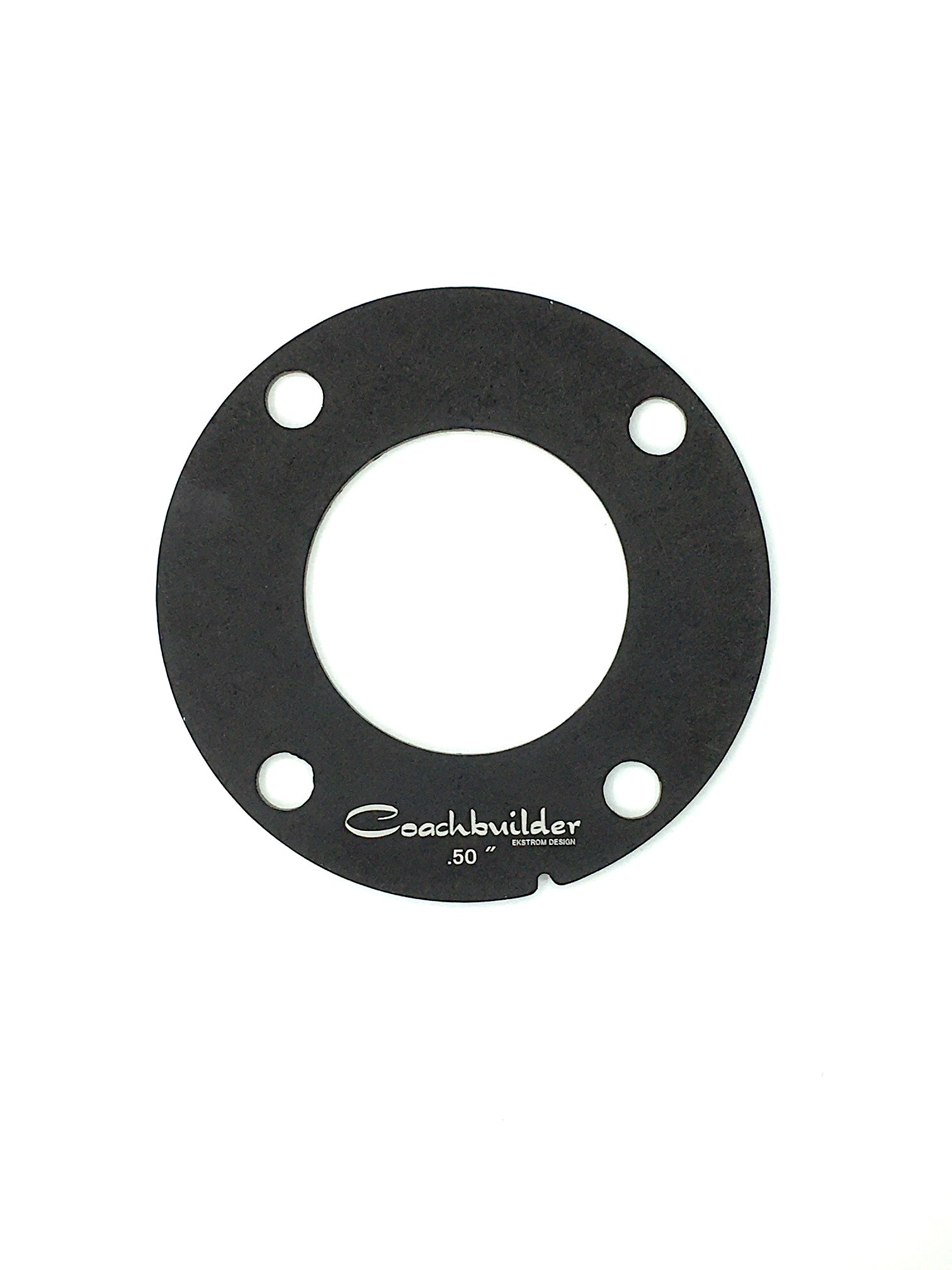
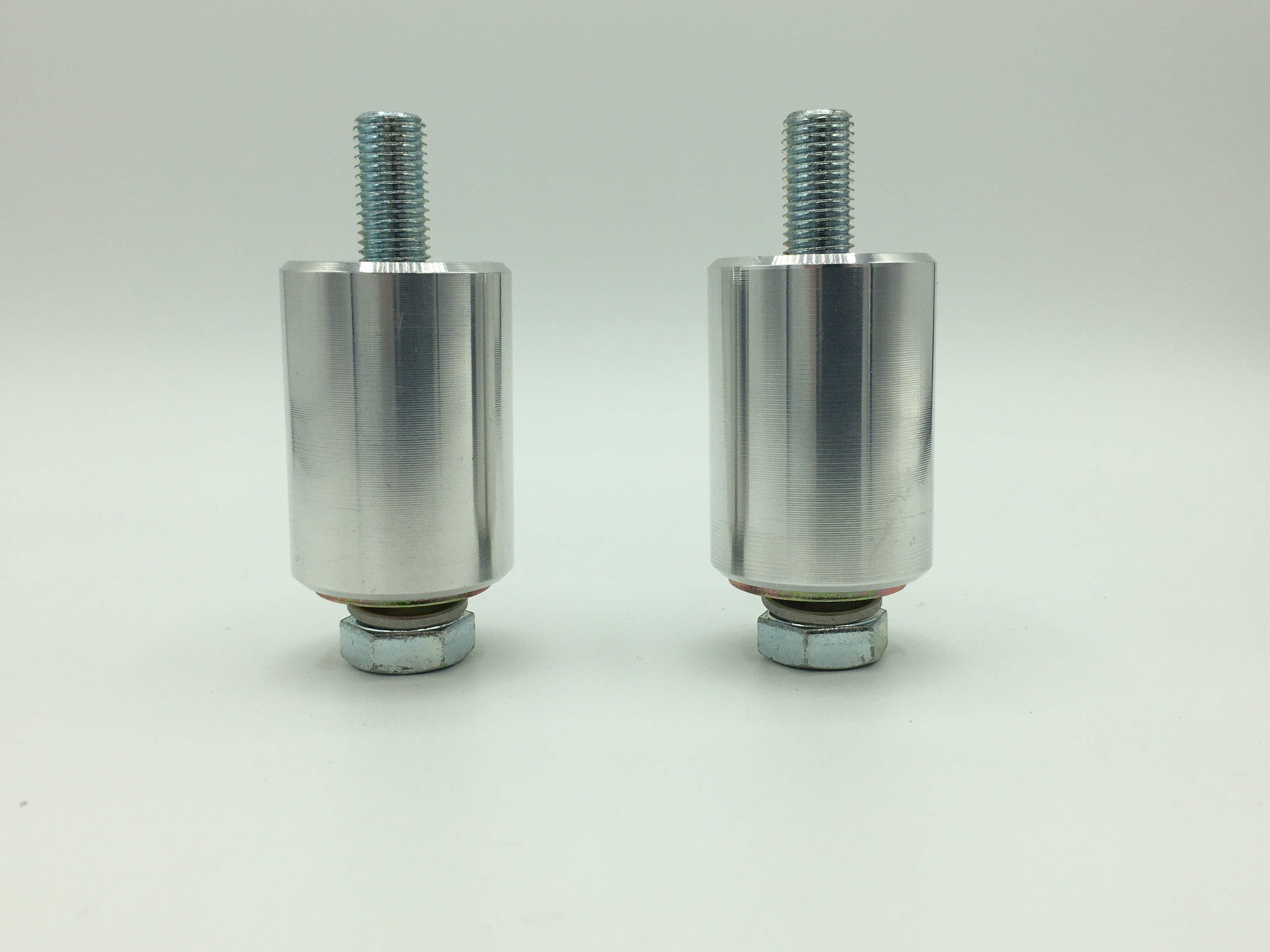
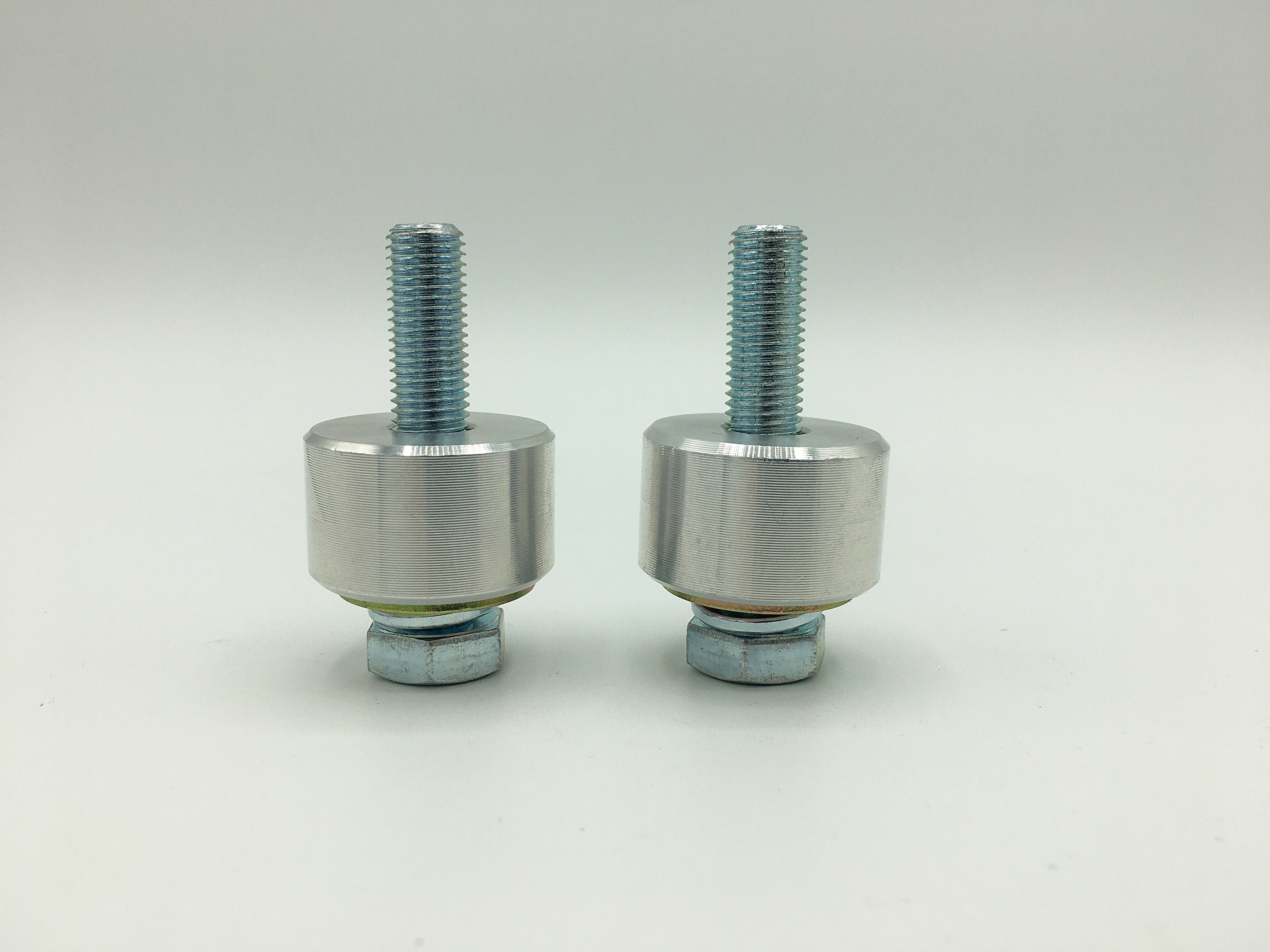
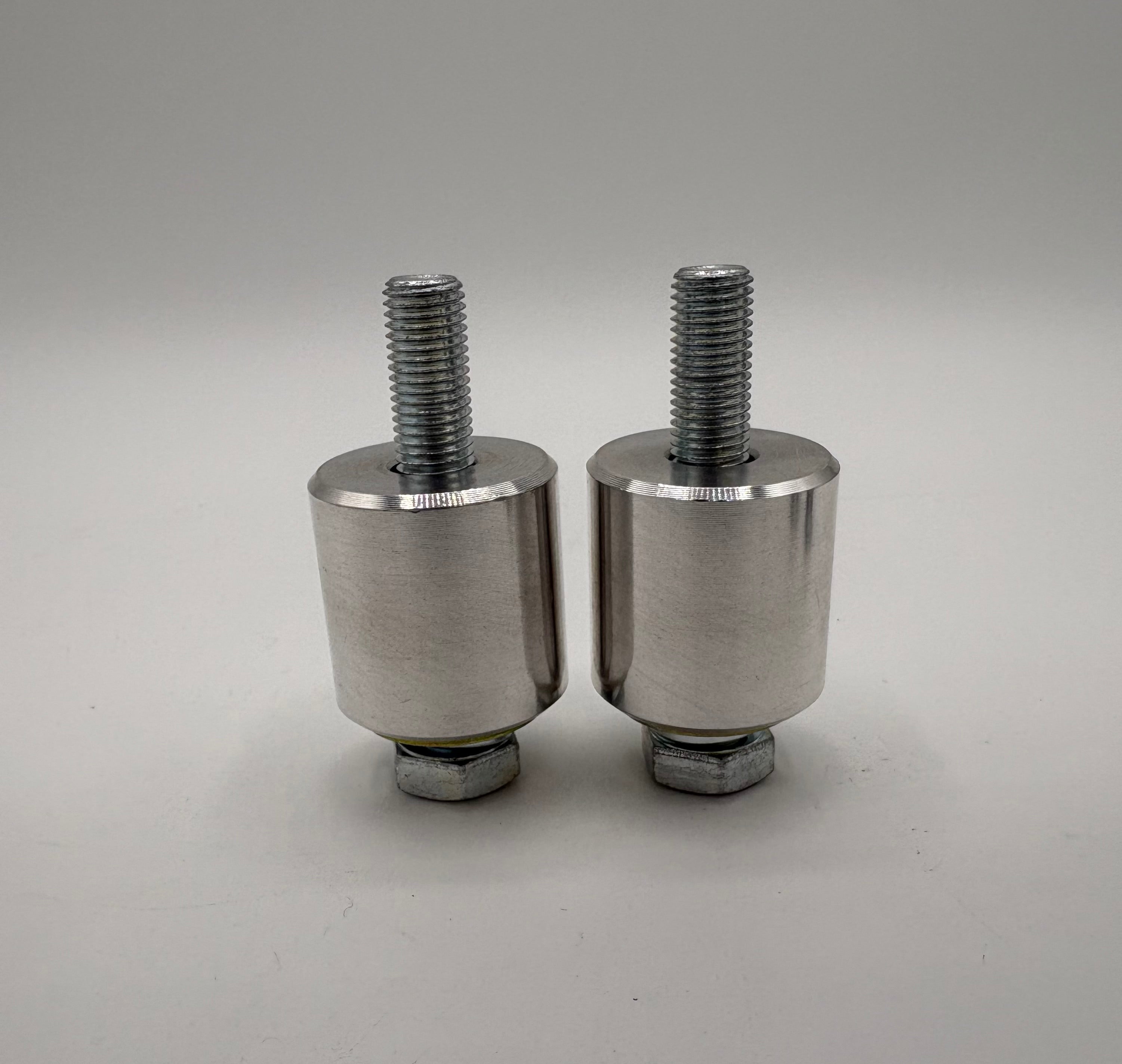
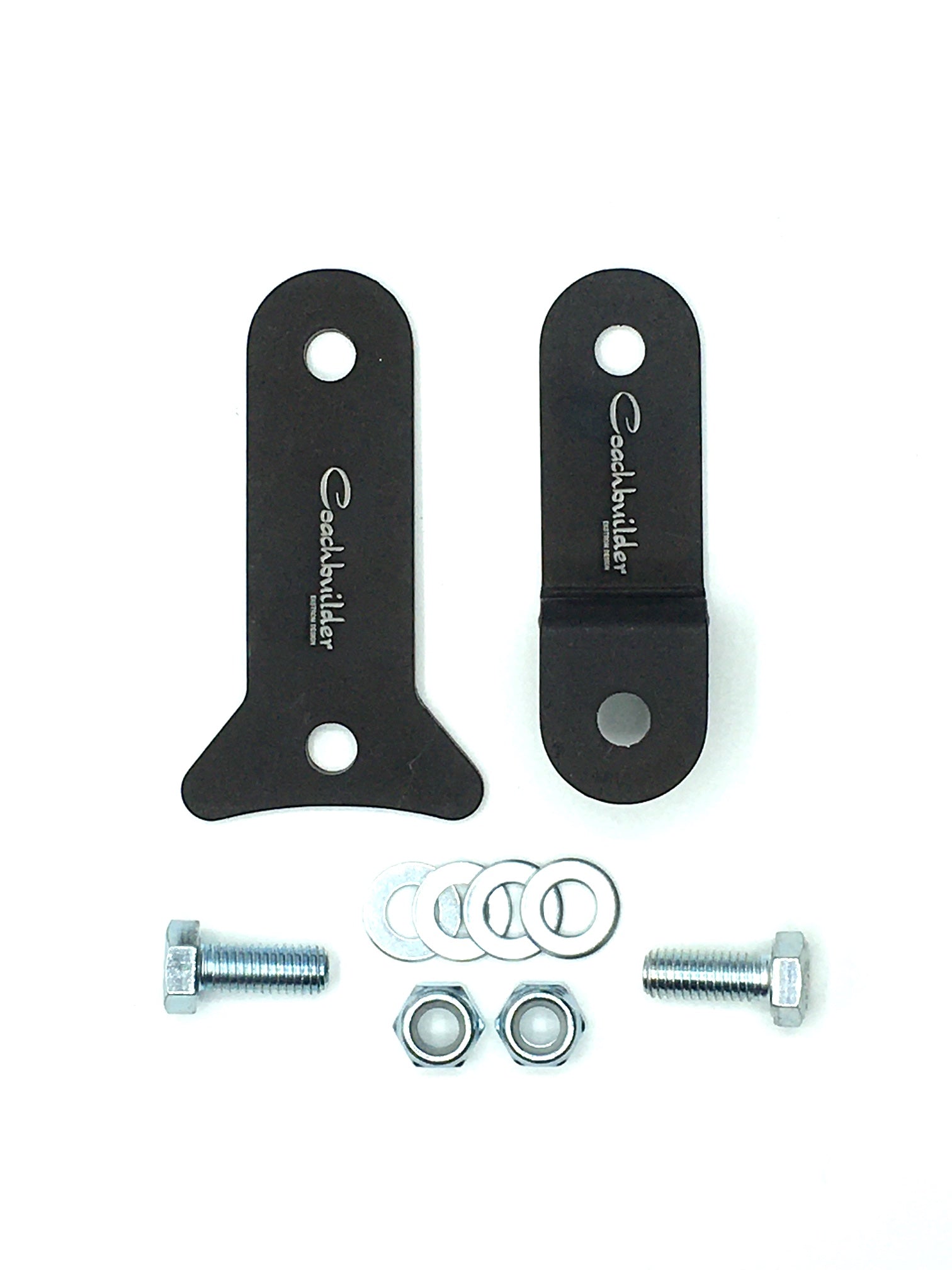
They address known 2nd Gen Tundra quirks: +2" shackles restore rear stance and travel geometry on sagged or lifted trucks, and progressive bump stop kits stop the harsh metal-on-metal bottoming a loaded Tundra can find on whoops. They're inexpensive, US-made refinements that make a big truck ride like it should.
2nd Gen or 3rd Gen Tundra as an overland base?
The 2007–2021 2nd Gen offers the legendary 5.7L V8, huge used-market value, and a fully mature aftermarket. The 2022+ 3rd Gen brings the twin-turbo V6/hybrid, better economy, and modern tech, with support now well established. Both are excellent; budget and engine preference decide it.
