





Cooling System Parts
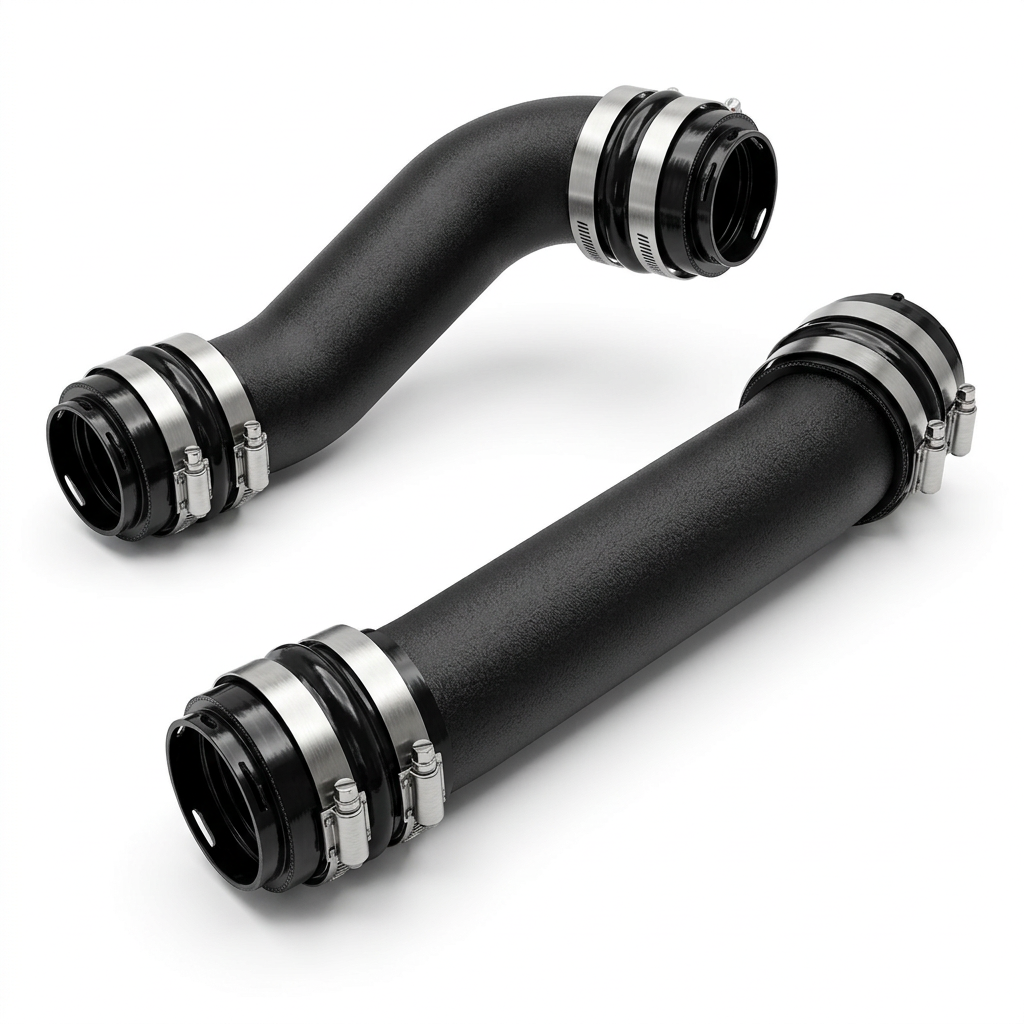
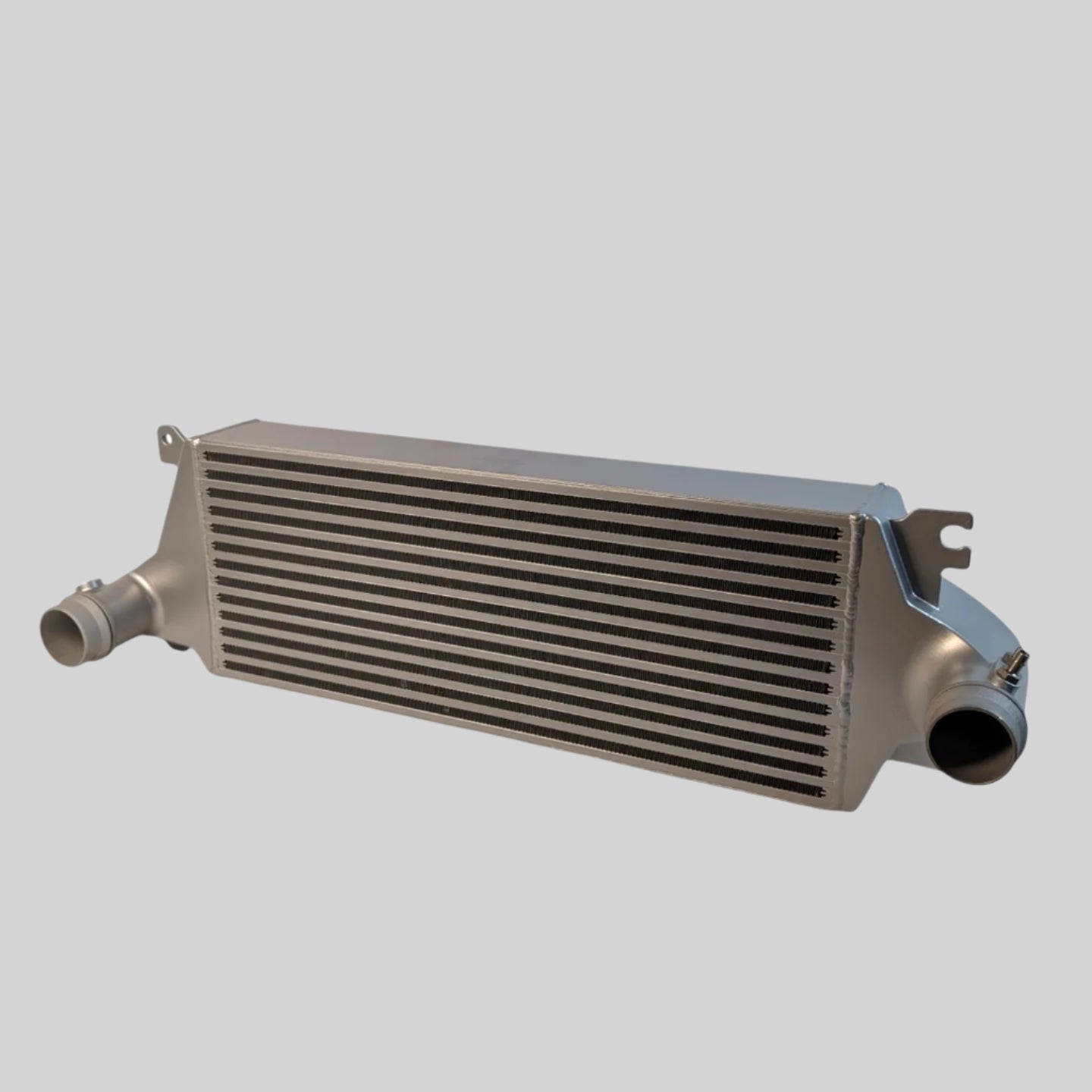
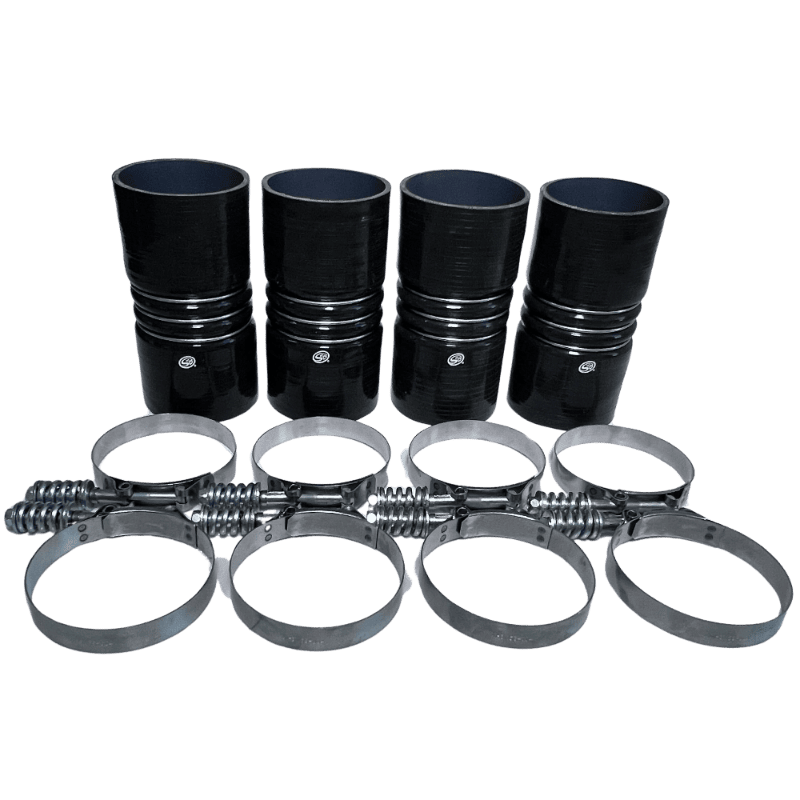
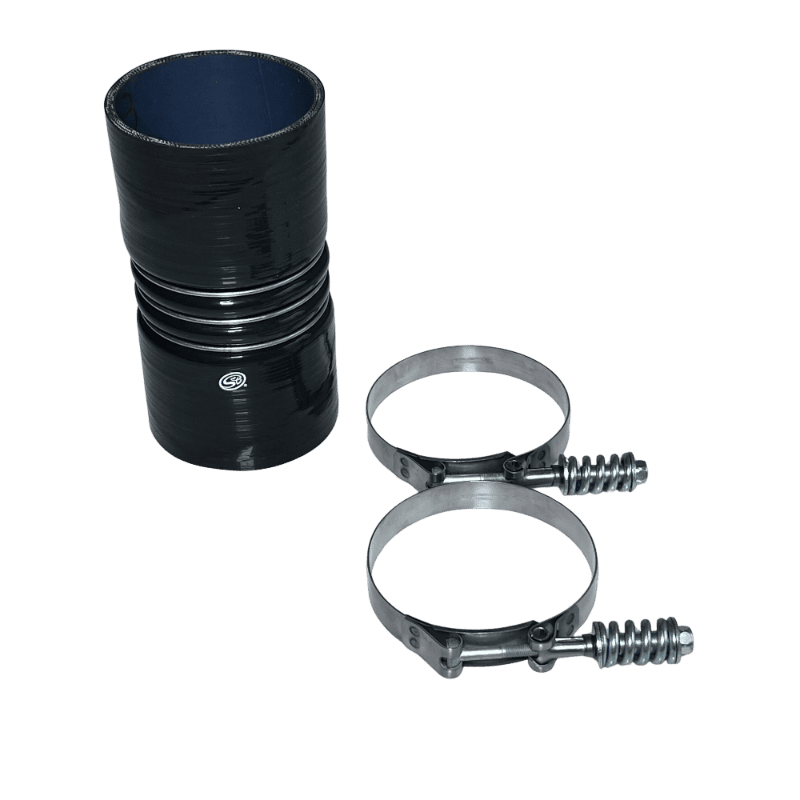
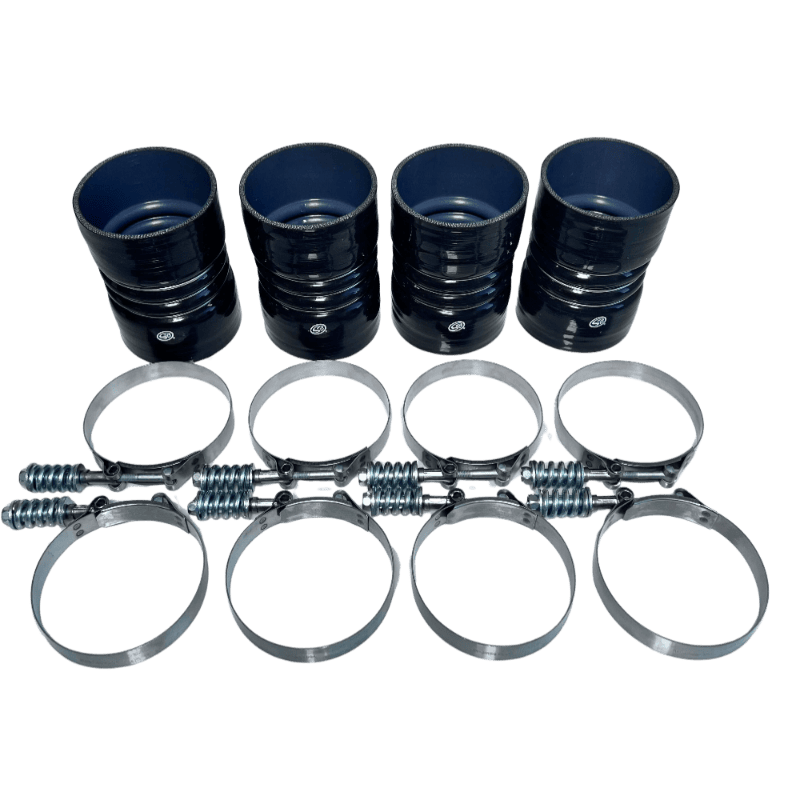
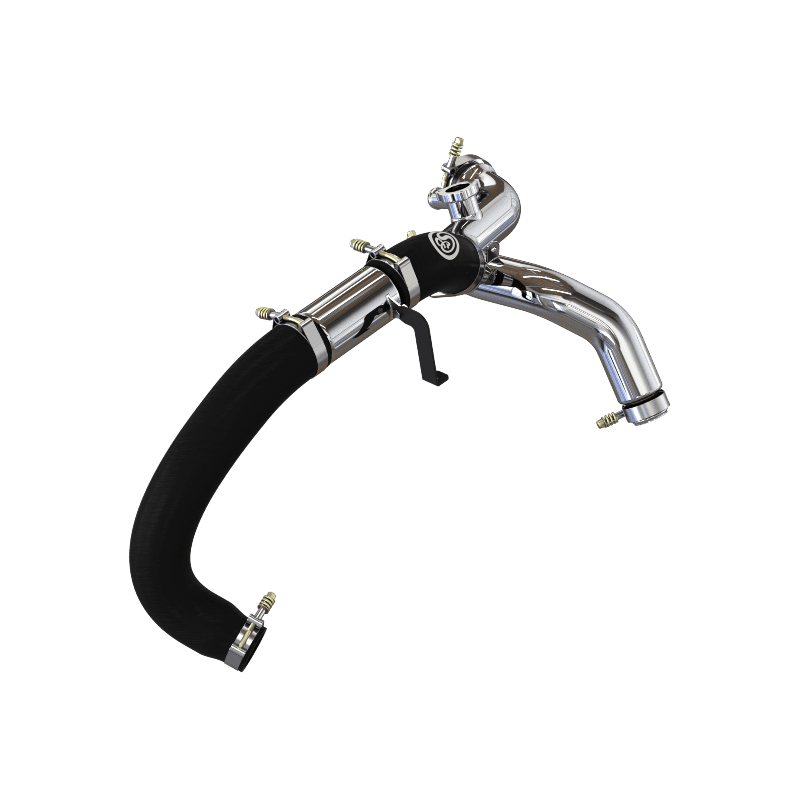
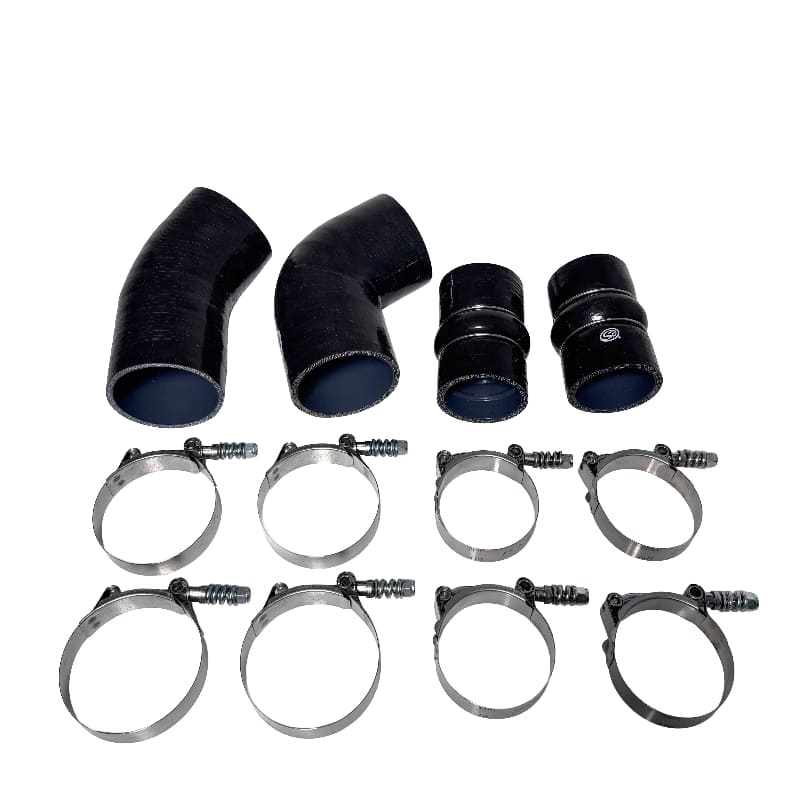
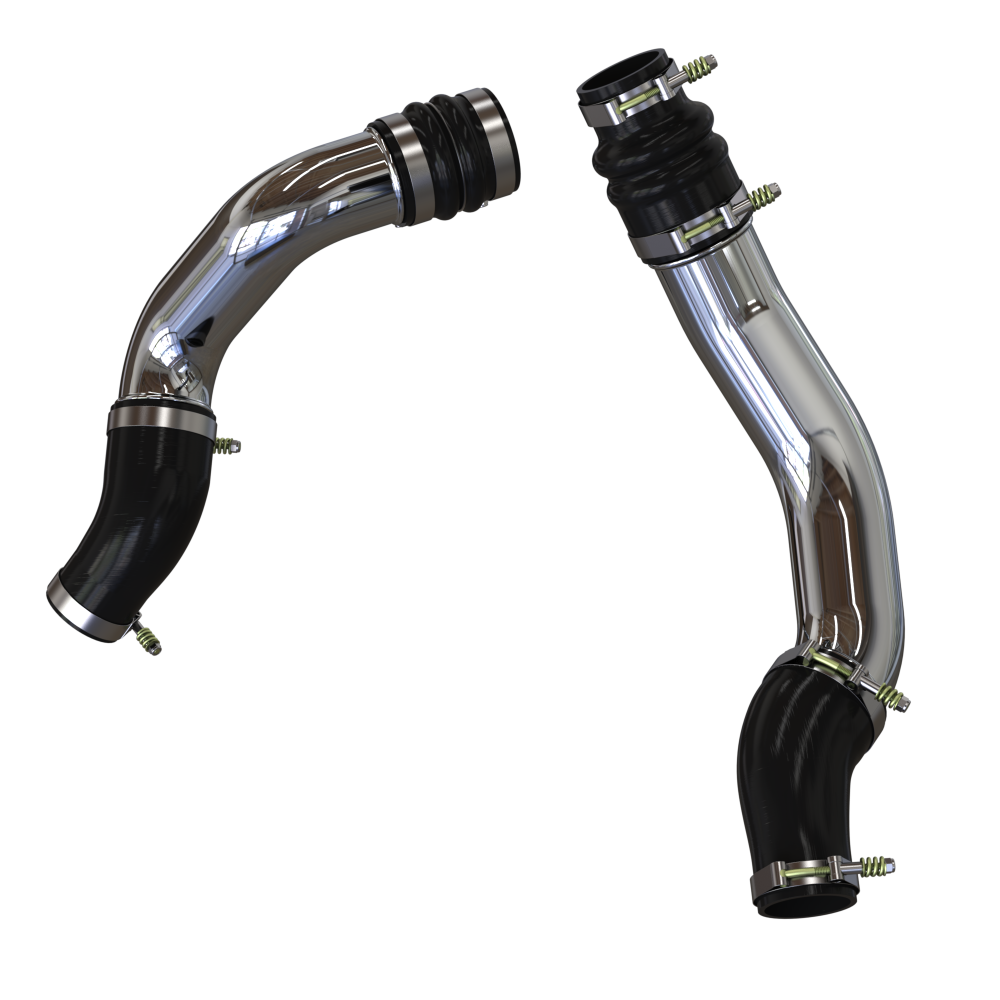
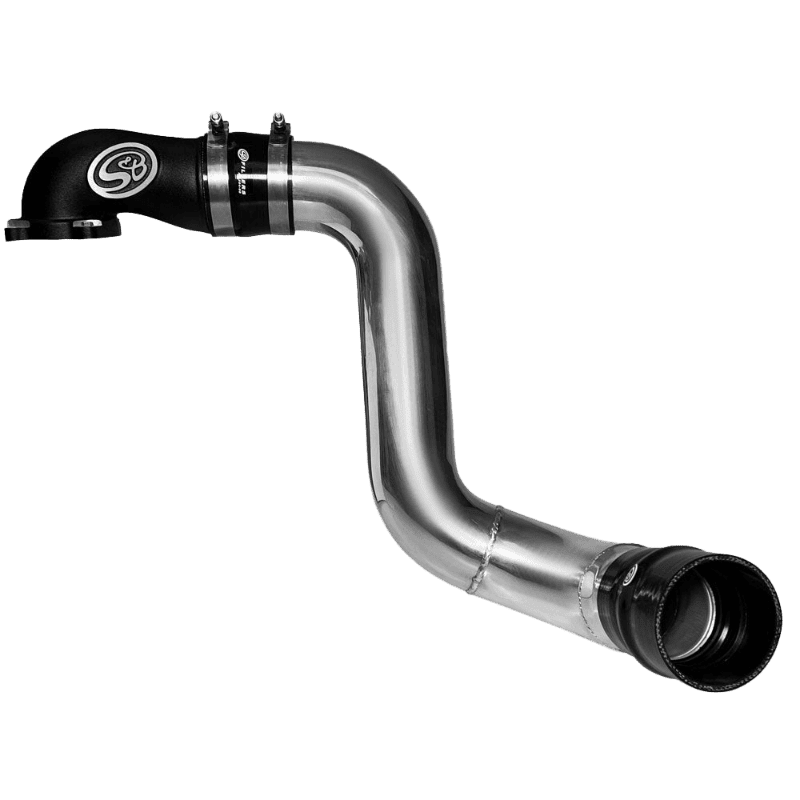
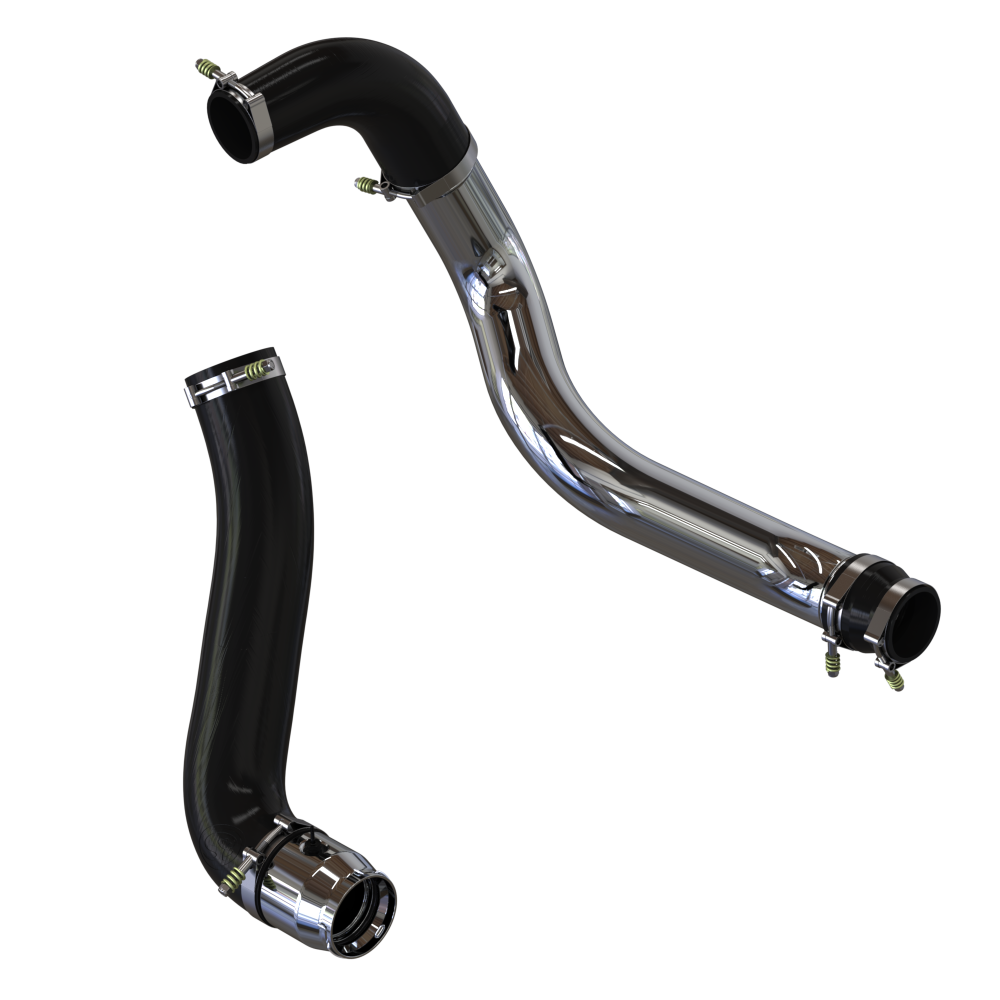
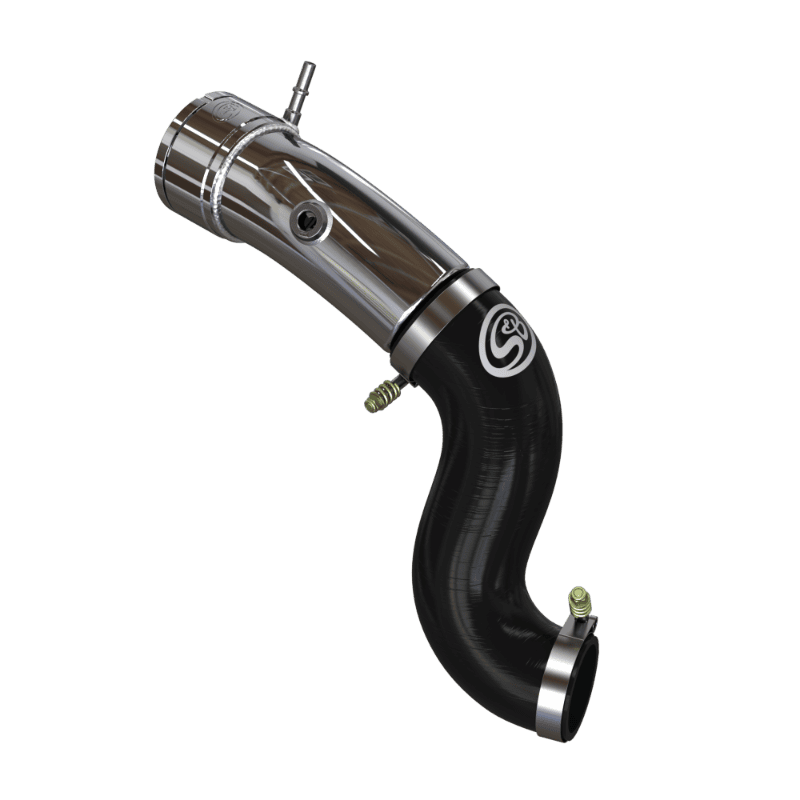
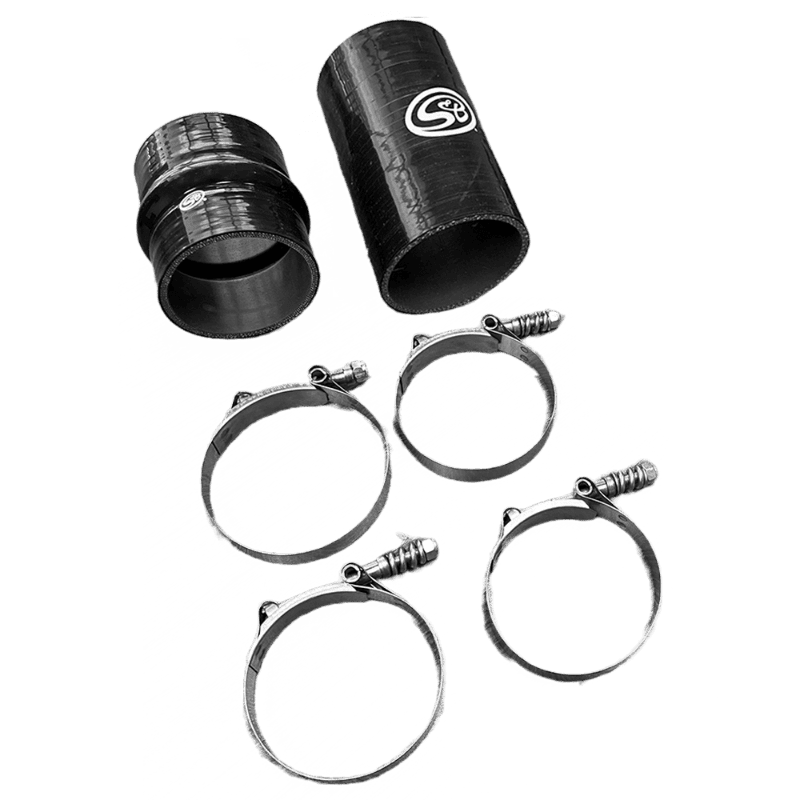
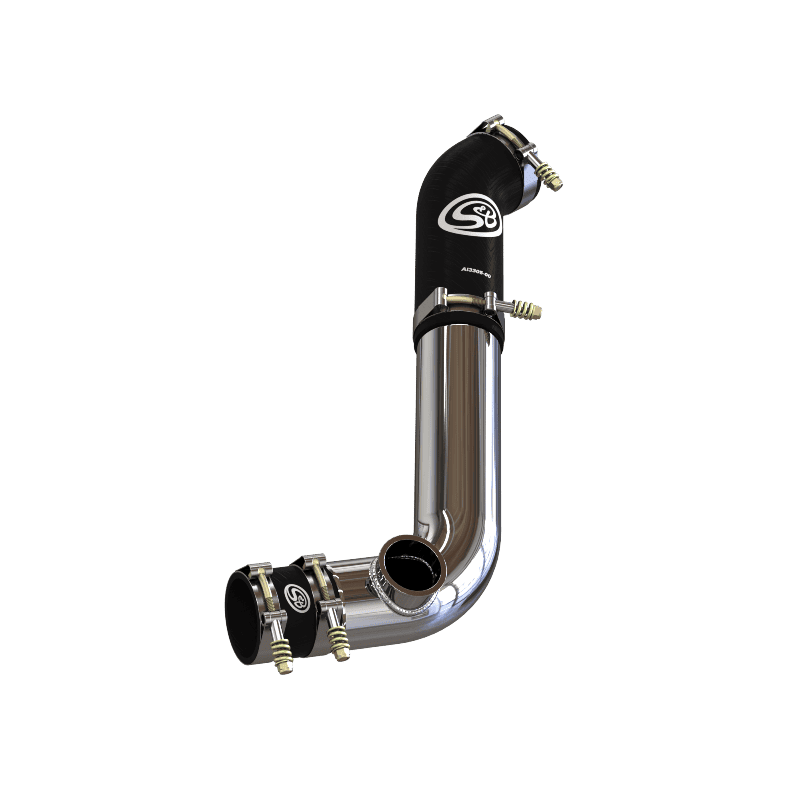
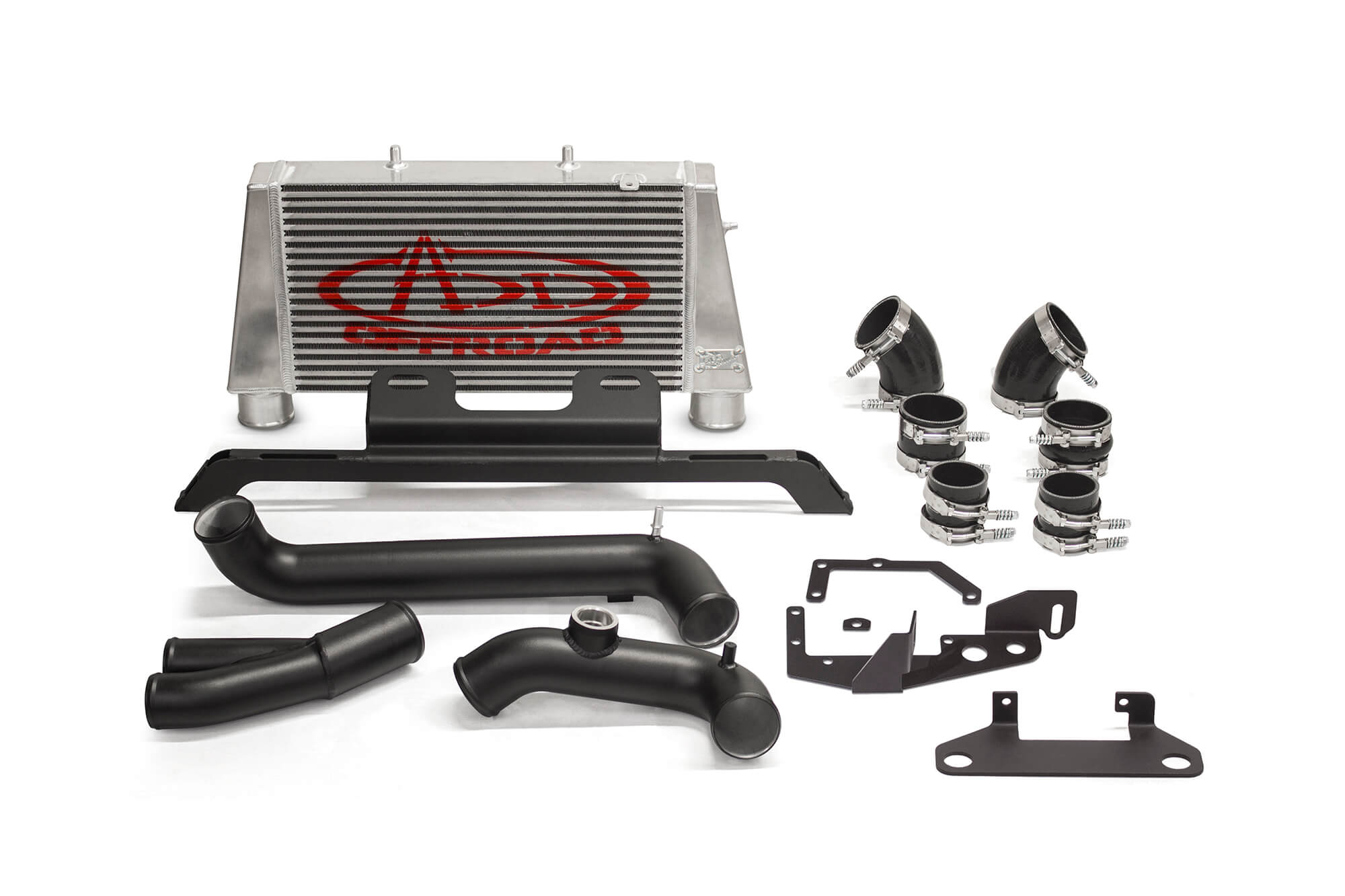
Intercooler pipes, boot kits and intake boots for turbocharged trucks, mostly from S&B, plus a front-mount intercooler for Toyota Tacoma, 4Runner and Land Cruiser. Fitment includes Duramax, Cummins and Powerstroke diesels as well as Ford Ranger and Explorer ST. Confirm your year, engine and whether you need hot side, cold side or both.








Cooling System Parts FAQs
Why does my truck overheat off-road but not on the highway?
Because slow crawling gives the radiator almost no airflow while the engine works hard, so the cooling system loses its main advantage. On the highway, speed forces air through the core; at 3 mph up a climb, you rely entirely on the fan. Add heat from a slipping torque converter, big tires, and a loaded rig, and temps climb. A strong electric or clutch fan and a clean, adequate radiator are the fixes.
Do I need a transmission cooler for towing or big tires?
Usually yes — heat is what kills automatic transmissions, and towing, oversized tires, and low-range crawling all drive ATF temperatures up. An auxiliary transmission cooler (a type of fluid cooler) sheds that heat before it cooks the fluid and clutches. If you tow, wheel in low range, or run tires larger than stock, adding or upgrading a trans cooler is one of the cheapest ways to extend transmission life.
Are electric fans better than a mechanical clutch fan off-road?
Electric fans pull consistent air at low speed and low rpm, which is exactly when a clutch fan struggles, so they help most in slow technical wheeling. They also free a little power and let you control cooling with a thermostat or switch. A good clutch fan still moves serious air and is simple and reliable. The right choice depends on your engine, radiator, and how much slow-speed work you do.
What coolant temperature is too high?
Most gas engines run happily in the 195–220°F range; sustained readings climbing past that, or any spike toward 240°F+, mean the system can't shed the heat. First check coolant level and condition, then airflow — a clogged radiator core, weak fan, or failing thermostat are common culprits. On the trail, easing off, dropping to a lower gear to raise fan rpm, or stopping to let it recover prevents damage.
