





Driveshafts
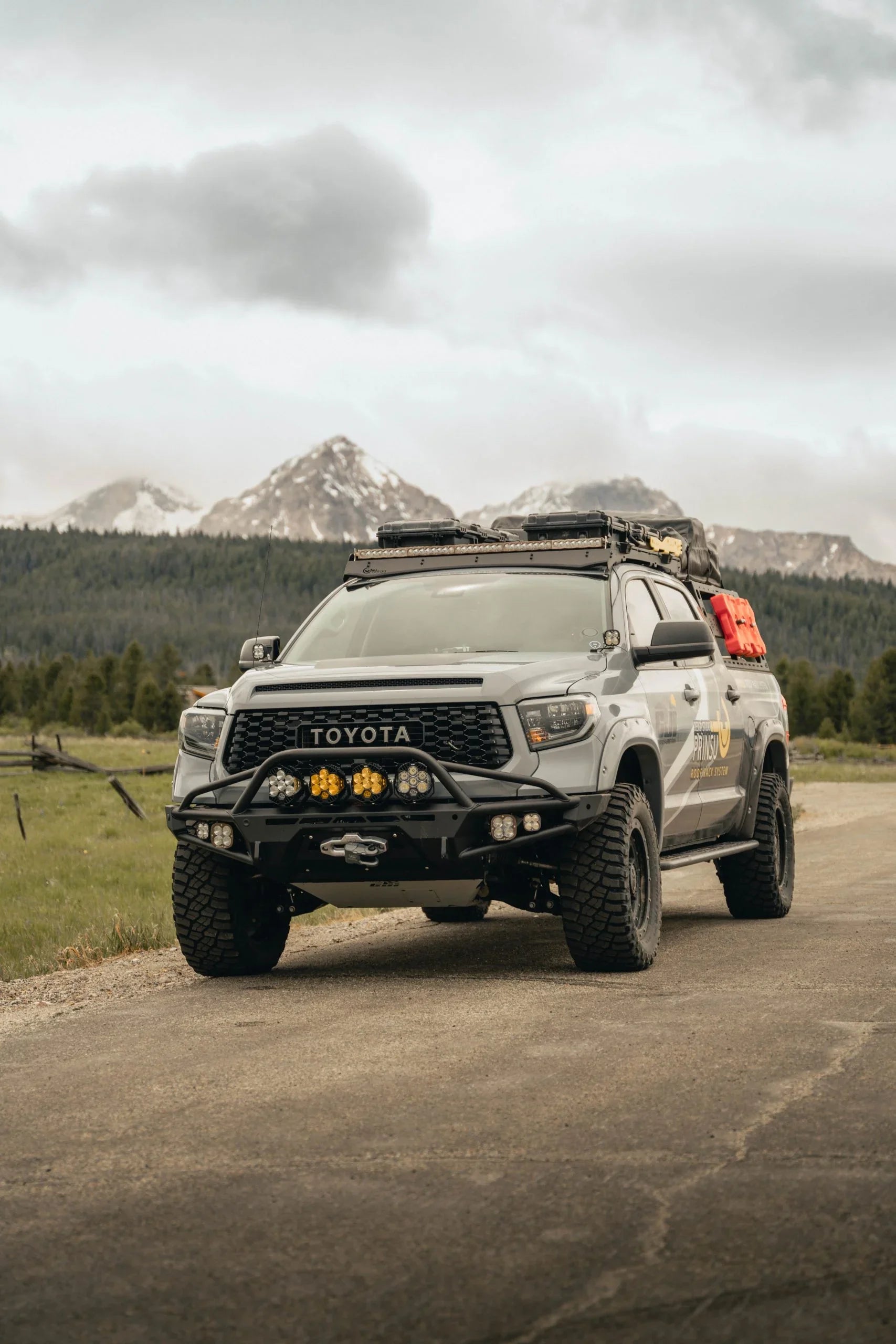
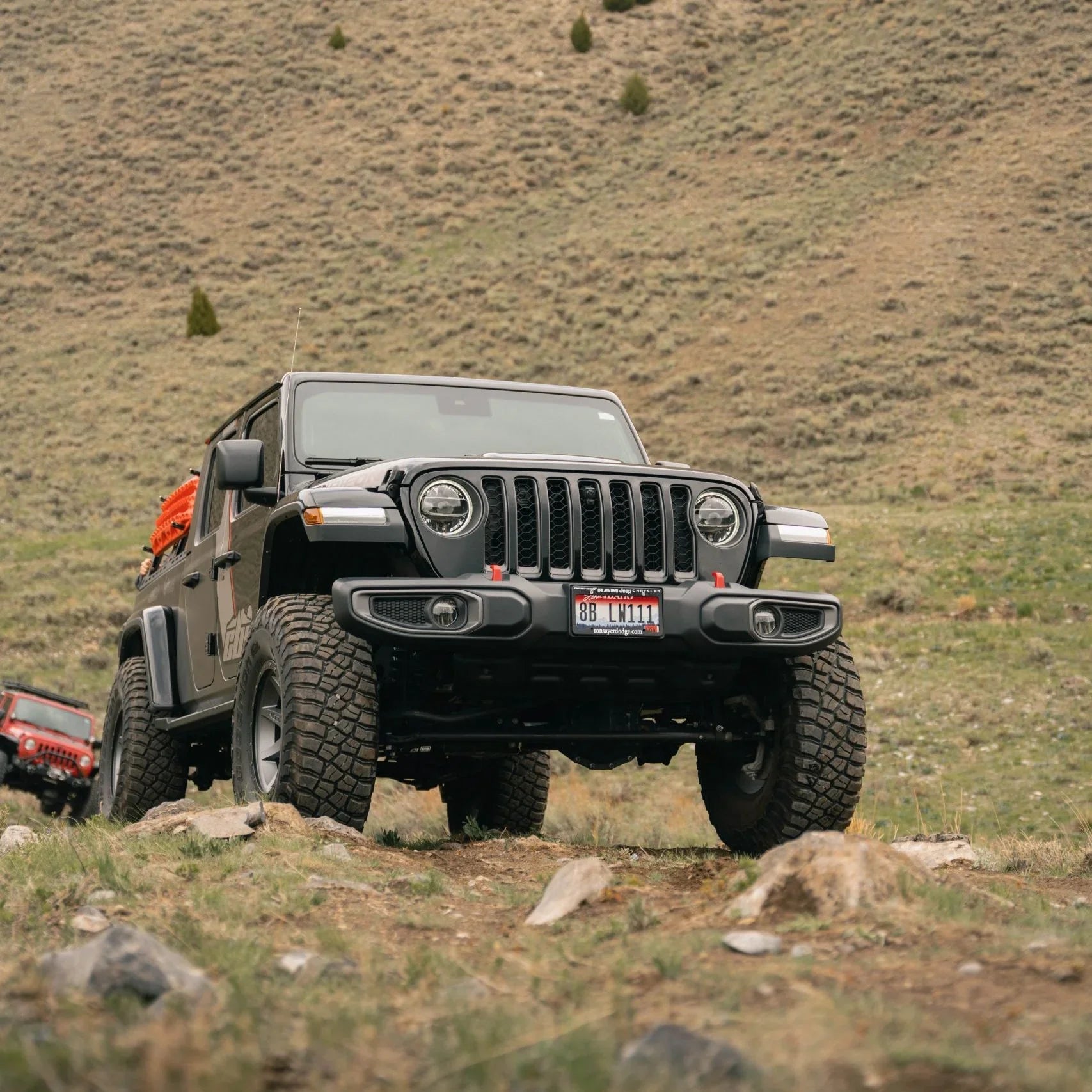
Lift a truck and you change driveshaft geometry before you change anything else — every inch of height steepens the operating angle at the U-joints and slip yoke, and mismatched angles show up as driveline vibration. This is the driveshaft catalog: replacement and heavy-duty shafts, double-cardan (CV) units, and the driveline components that service them, sitting alongside axles and the rest of the drivetrain. Filter by year, make, and model.


Driveshafts FAQs
Do I need a new driveshaft after a lift?
Not always — most lifts under about 3 inches ride fine on the factory shaft as long as the U-joints are healthy and pinion angle is set correctly. Taller lifts, long-travel setups, and solid-axle rigs change transfer-case and pinion angles enough to cause vibration or bind at full droop. The common fixes are a double-cardan (CV) shaft or a longer slip yoke, paired with a corrected pinion angle.
What causes driveline vibration after a lift?
Driveline vibration almost always comes from U-joint operating angles that no longer match front to rear. Raising ride height rotates the axle pinion and steepens the shaft angle; if the two U-joints on a shaft run different angles, they speed up and slow down out of phase and you feel it as a buzz or shudder. Correct the pinion angle first, confirm the U-joints and slip yoke aren't worn, then consider a CV shaft.
What's the difference between a CV driveshaft and a standard U-joint shaft?
A CV (double-cardan) driveshaft uses two joints at one end to cancel the operating angle, so it tolerates the steep angles a lift creates without vibrating. A standard single U-joint shaft needs the pinion aimed close to parallel with the transfer-case output to stay smooth. CV shafts are the go-to for lifted and long-travel builds; standard shafts are fine at stock and mild heights.
How often do driveshaft U-joints need service?
Inspect U-joints and the slip yoke at every driveline service and any time you feel vibration or hear a clunk on throttle changes. Off-road use — water, mud, and grit — shortens the life of non-greasable joints, so greasable U-joints and a serviceable slip yoke are worth it on a wheeled truck. Play you can feel by hand at the joint means replacement, not more grease.
