






Lift Kits
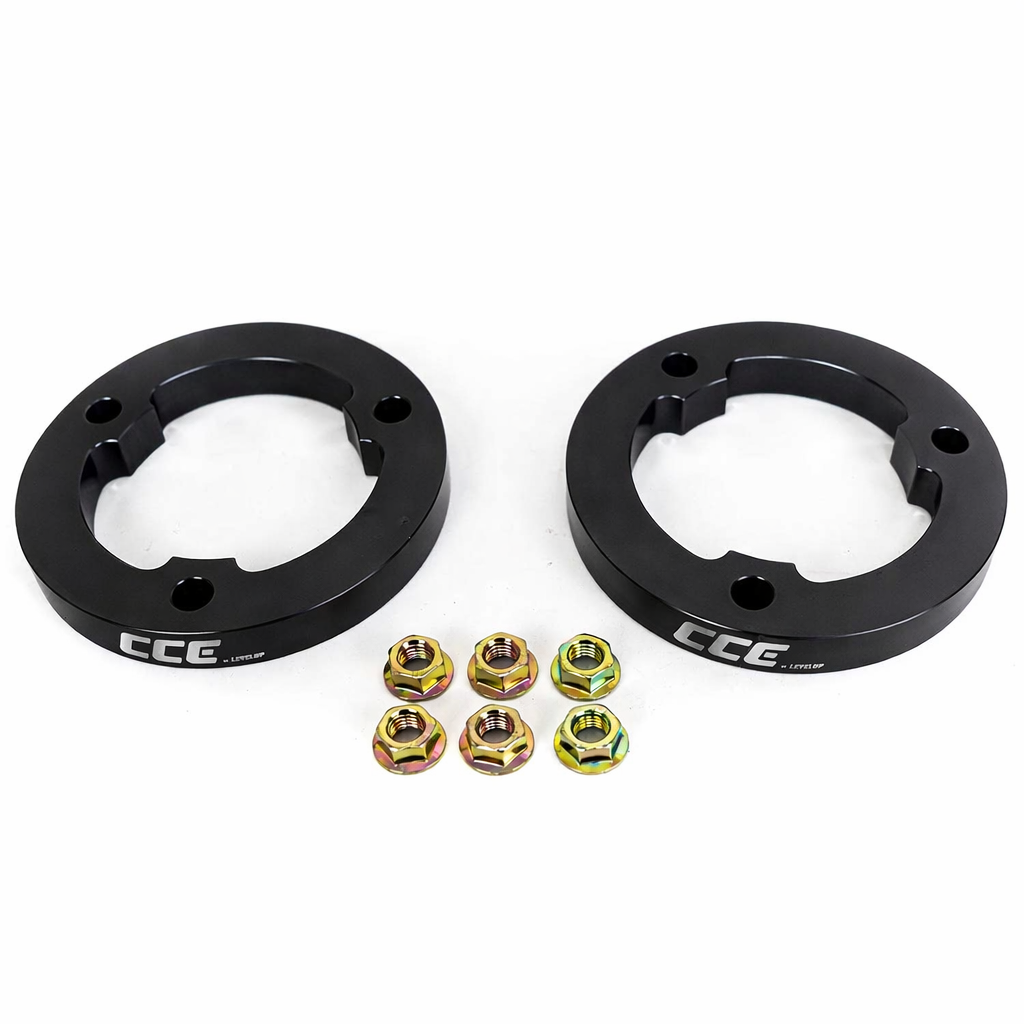
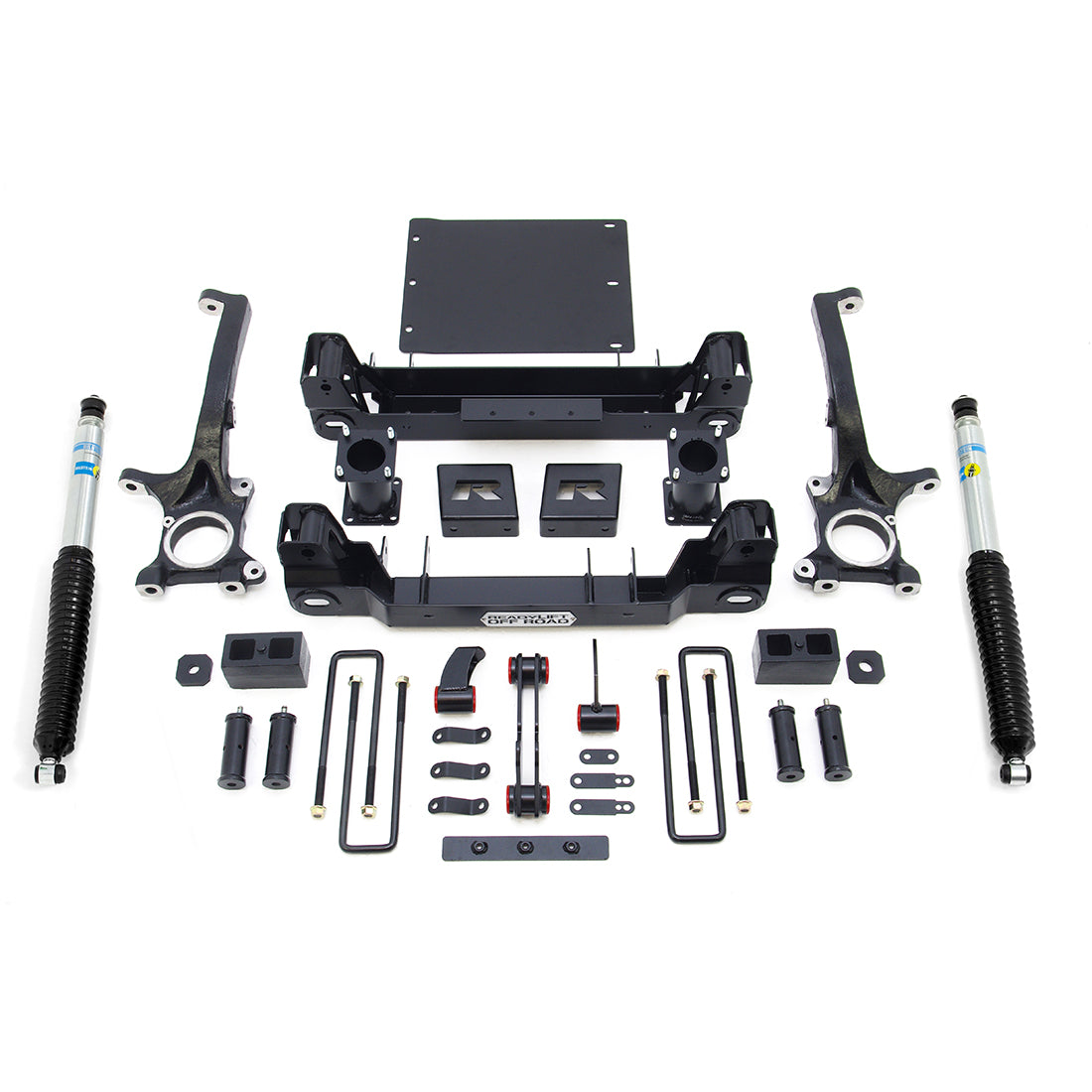
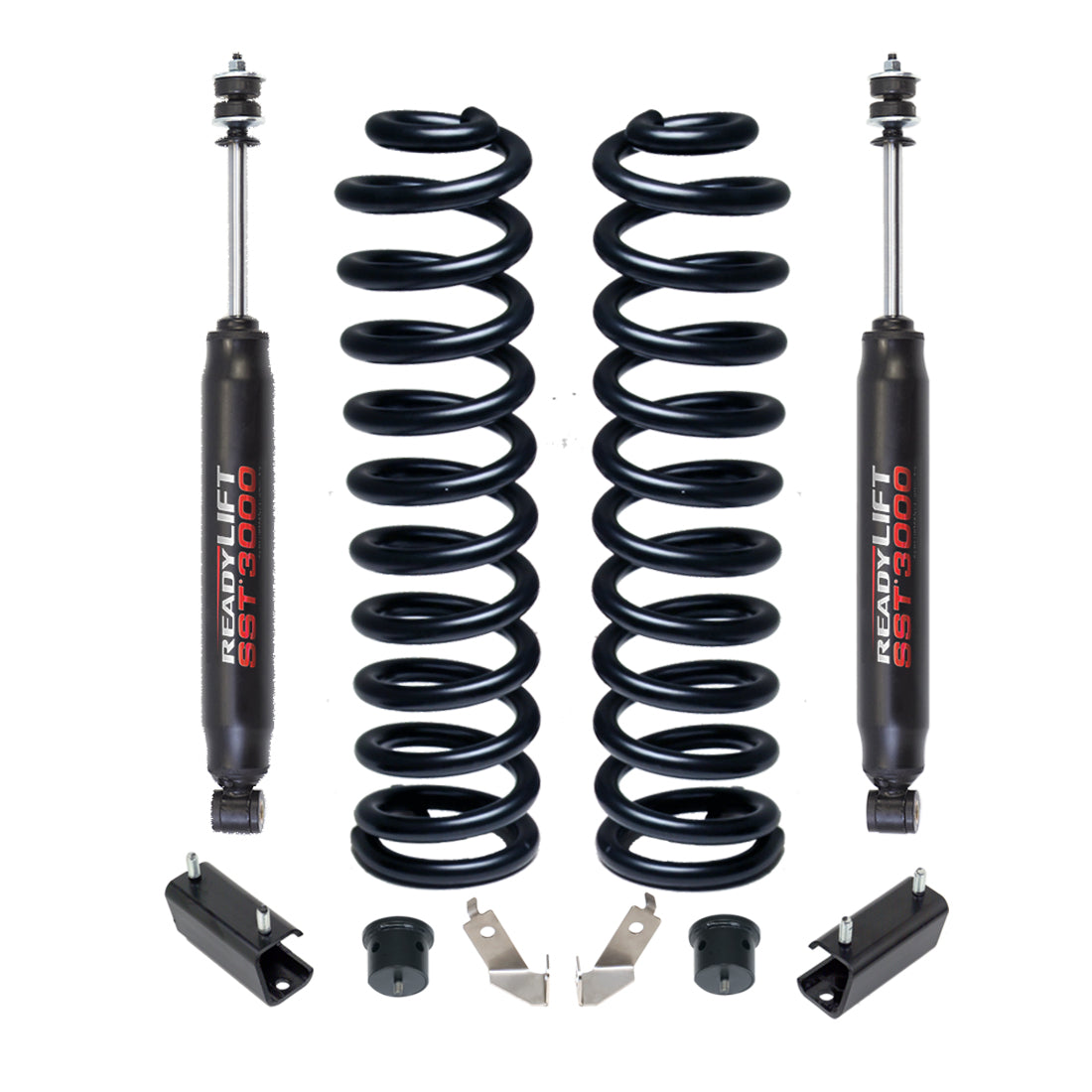
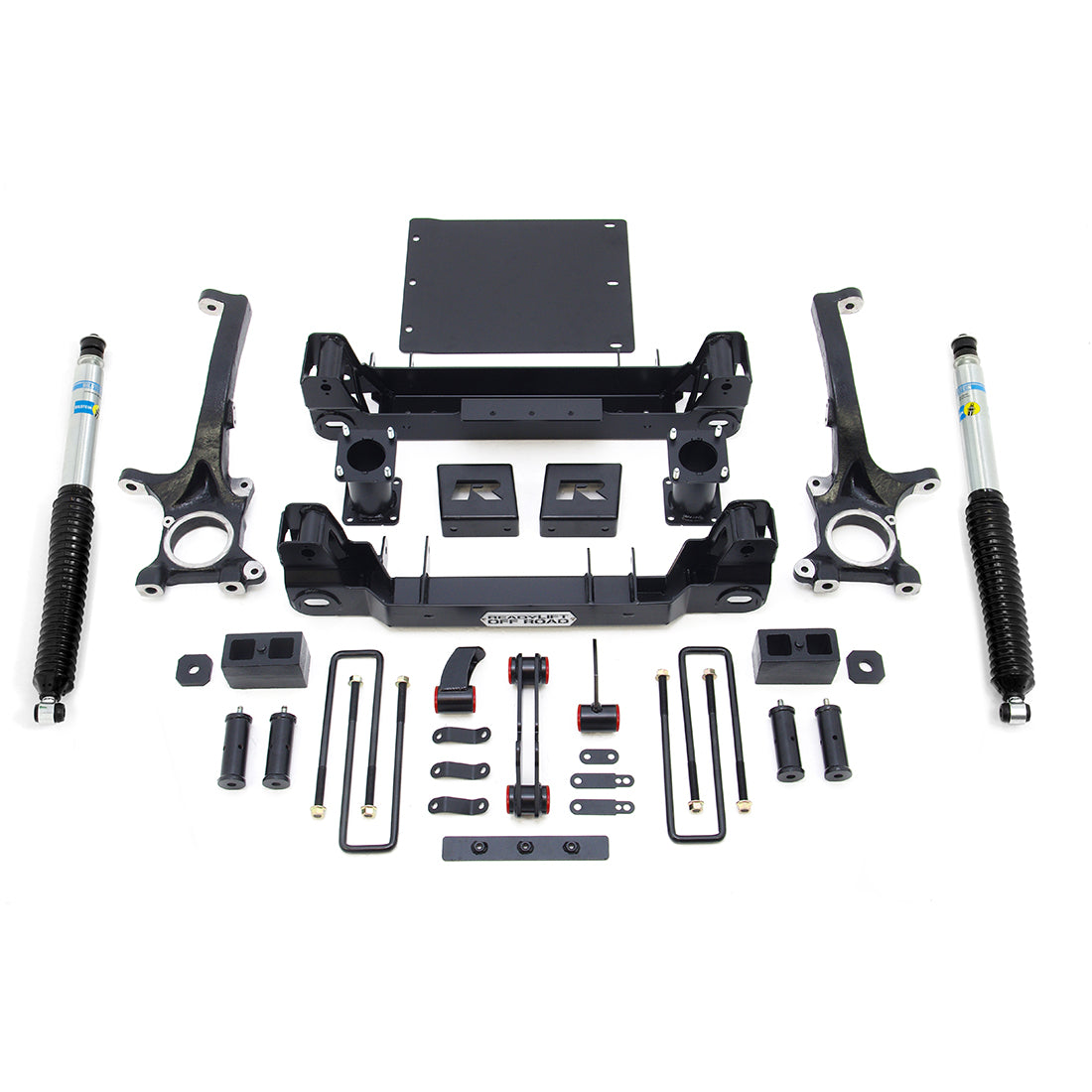
A lift kit is a fitment decision before it's a styling one: the number on the box has to agree with your tire size, your gearing, and how loaded you drive. This is the full lift catalog, from mild 2.5" lifts to trail-focused 3–3.5" lifts, built around matched springs, shocks, and geometry correction rather than spacers alone. Filter by year, make, and model, and treat the lift as one piece of your suspension plan.







Guides for this category
Lift Kits FAQs
What size lift do I need for 35s on a Tacoma?
Most Tacomas need roughly 3 inches of lift to clear 35s comfortably, though exact fitment depends on wheel offset, trimming, and cab configuration. A 2.5-inch lift plus mild trimming clears many setups; going taller adds clearance but pushes you toward regearing and driveline-angle corrections. Confirm your backspacing and plan for a re-gear so 35s don't gut throttle response.
Do I need new shocks with a lift kit?
Yes — a proper lift includes matched shocks or coilovers, because stock dampers aren't valved or long enough for the new ride height and travel. Spacer-only lifts that reuse worn factory shocks ride poorly and wear parts fast. Buy a complete kit where the springs, shocks, and geometry are engineered together rather than stacking mismatched parts.
What's the difference between a leveling kit and a lift kit?
A leveling kit raises only the front to match the rear rake, usually an inch or two, while a lift kit raises the whole vehicle and includes the shocks, springs, and geometry parts to do it correctly. Leveling clears slightly larger tires cheaply; a full lift is what you want for 35s, heavy loads, or real articulation.
Do I need an alignment after installing a lift?
Yes, always get an alignment after any lift or leveling kit, since changing ride height alters camber, caster, and toe. Skipping it wears tires quickly and leaves the truck wandering. Many lifts also need control arms or cam bolts to bring alignment back into spec, so budget for both the alignment and any correction parts.
