





Electrical & Dual-Battery
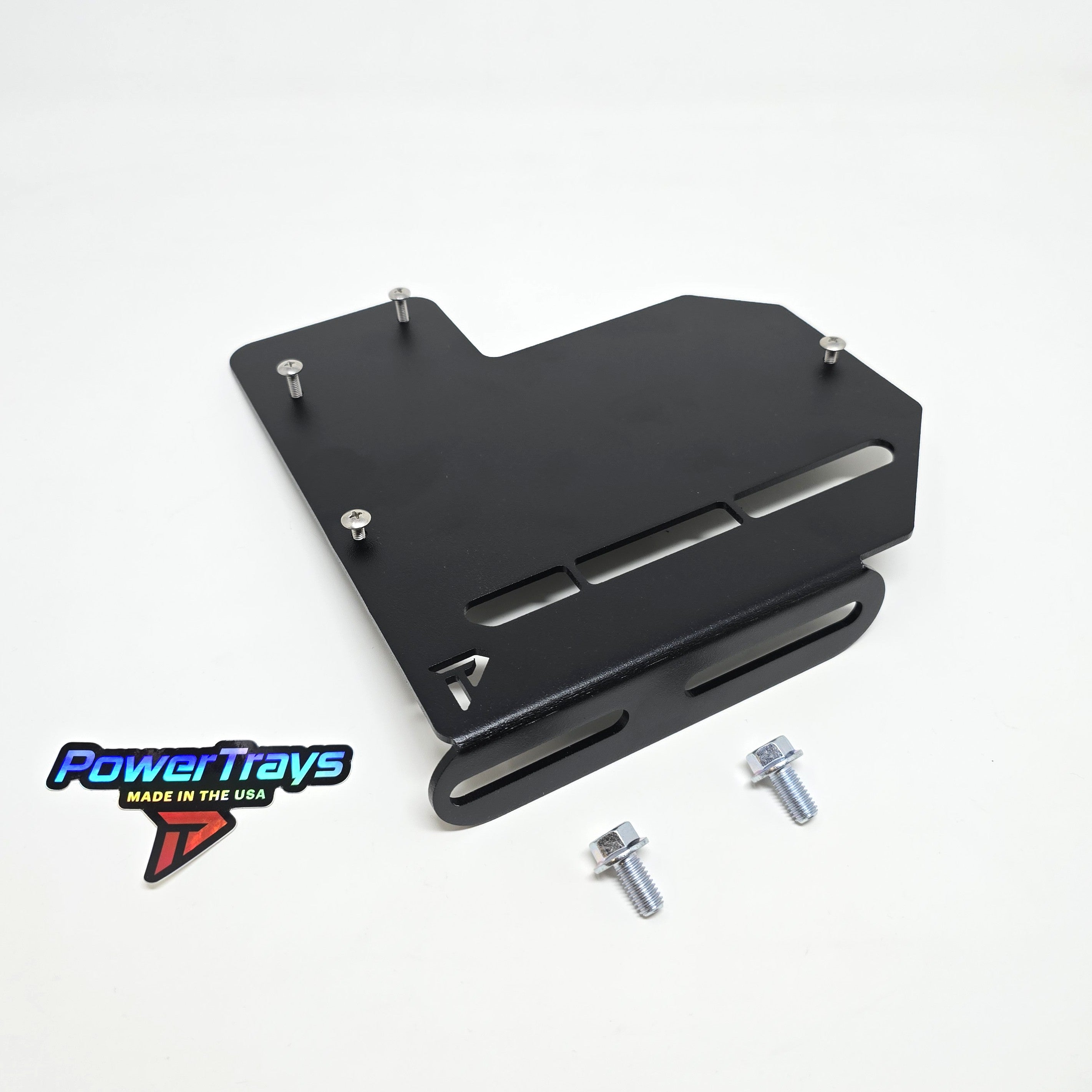
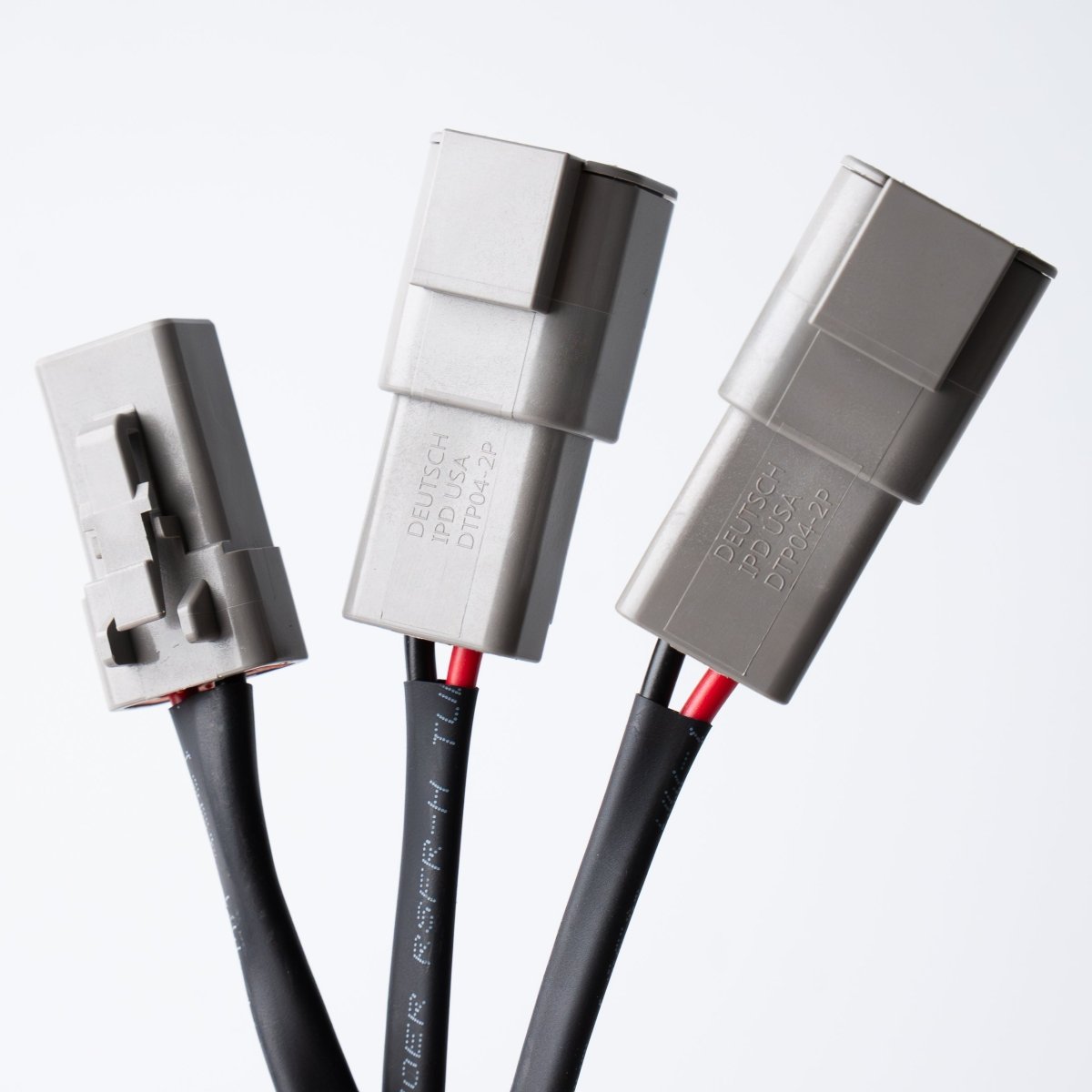
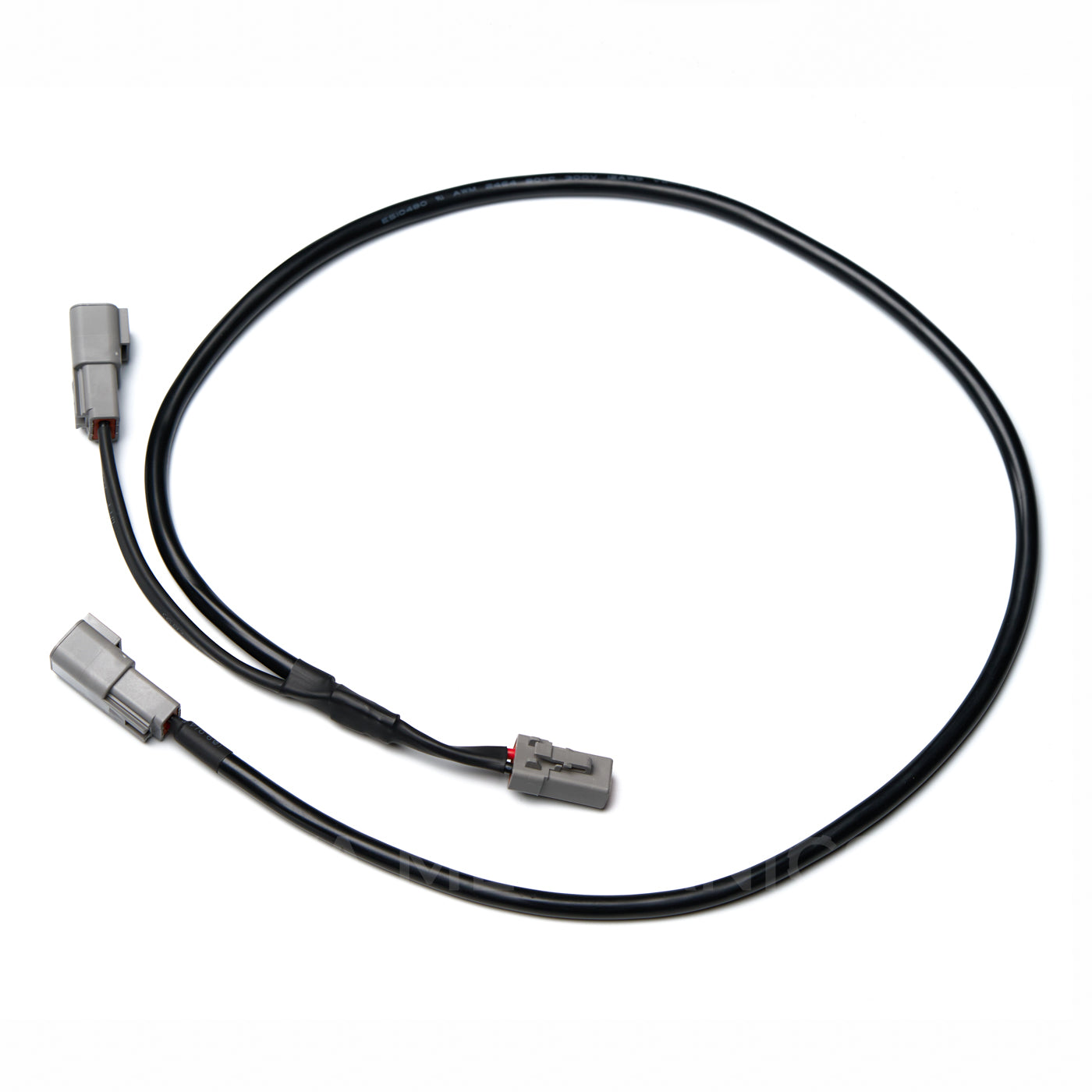
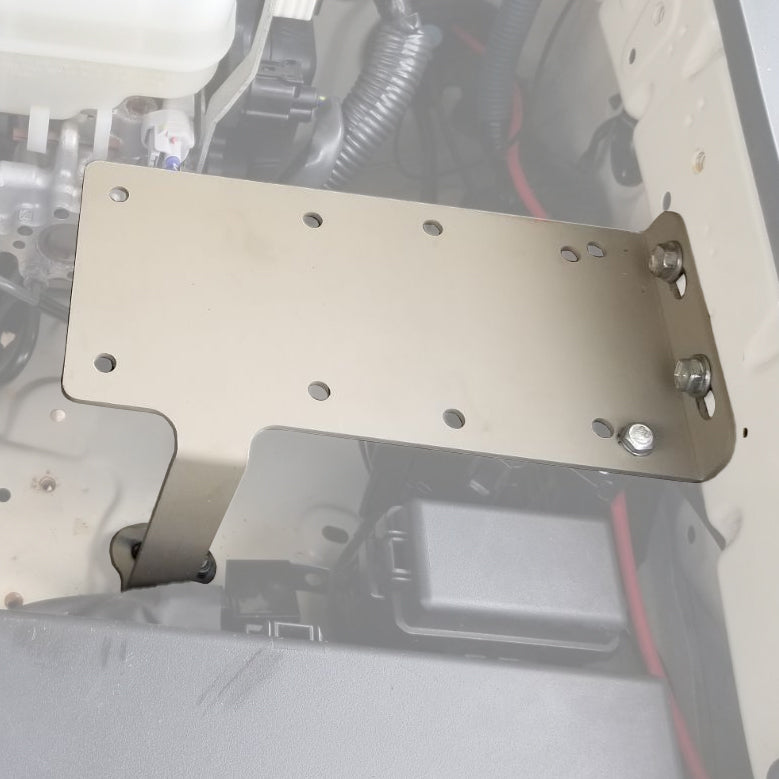
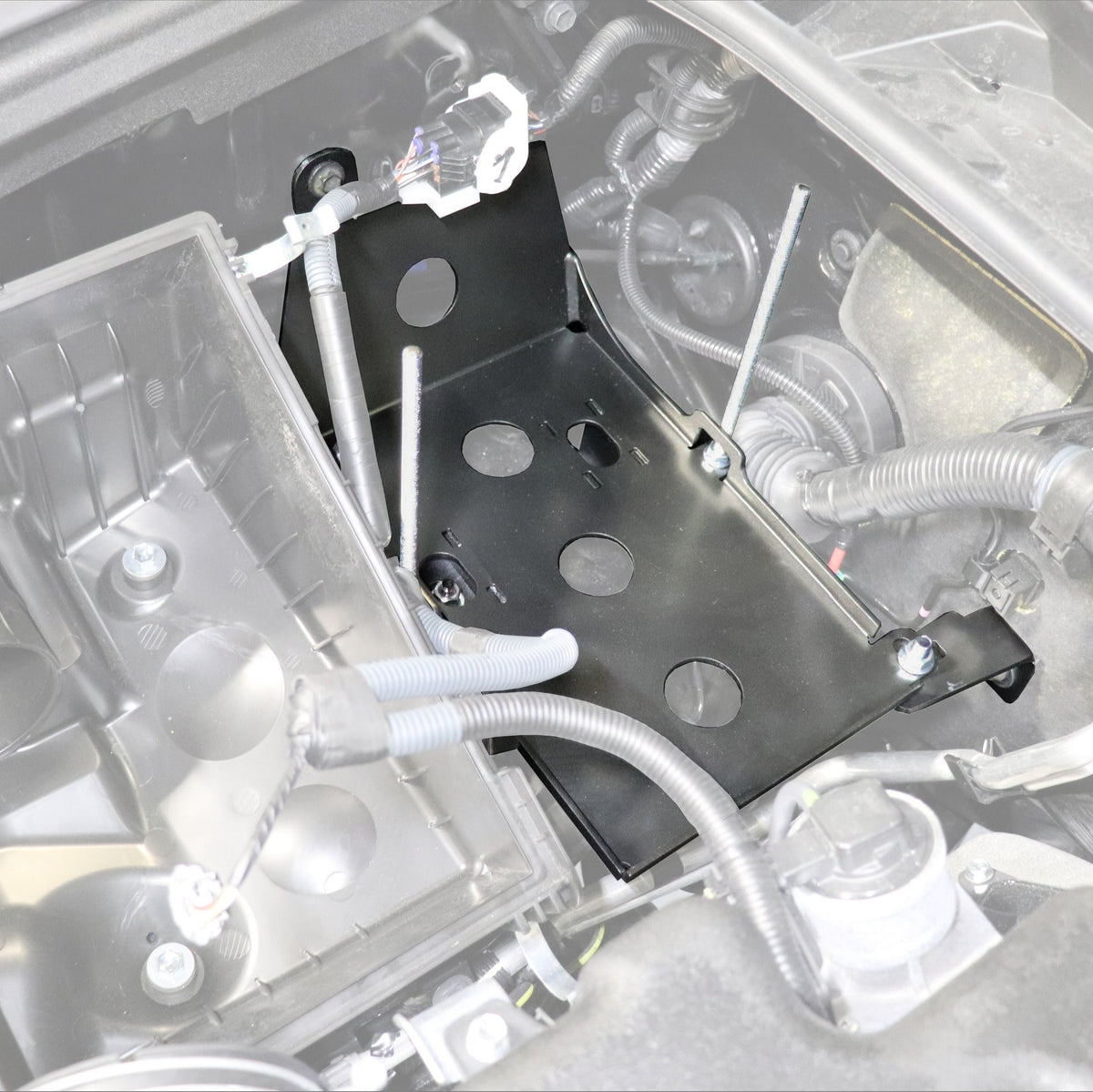
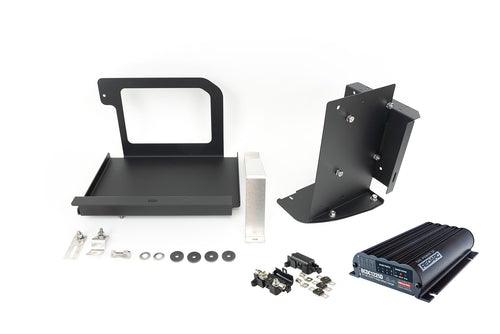
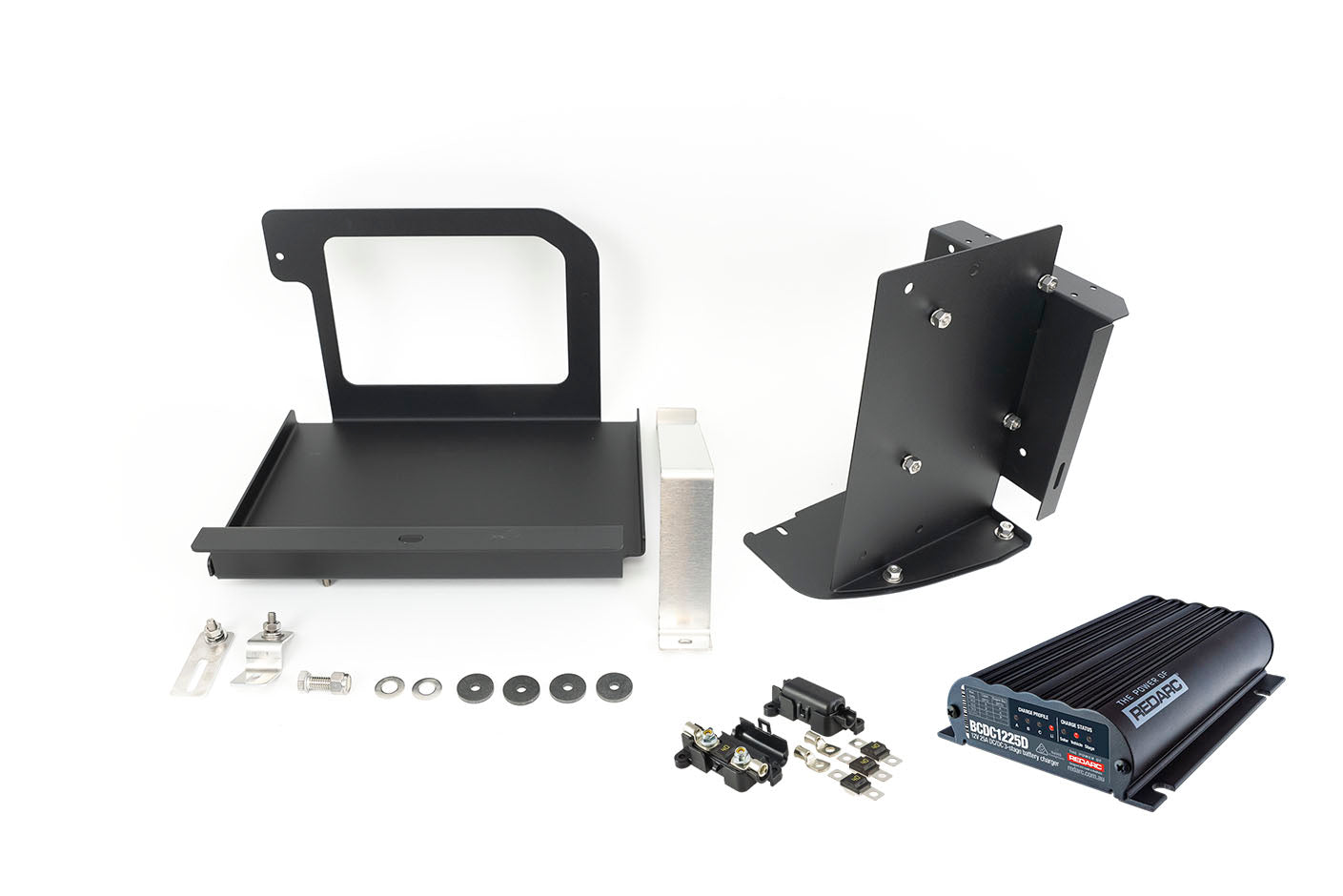
Off-road electrical parts including vehicle-specific battery trays, dual-battery kits, power pack systems, panel mounts, battery monitors, fuses and wiring. Brands include Genesis Offroad, PowerTrays, National Luna, Trail Grid Pro and Artec Industries. Confirm your vehicle and battery group size, such as Group 31 or 34, and plan accessories around your total load.








Electrical & Dual-Battery FAQs
Do I need a dual-battery setup for overlanding?
You need a dual-battery setup once your parked electrical draw — fridge, lights, inverter, air compressor — can outlast your starting battery overnight. A second, isolated house battery runs accessories while keeping the start battery charged and protected. If you only run a light bar and the occasional winch pull, a single quality battery may suffice. Add up your camp amp-hours to decide.
What's the difference between a dual-battery kit and a power pack?
A dual-battery kit wires a second vehicle battery under the hood with an isolator, charging off the alternator as you drive. A portable power pack is a self-contained lithium unit you can remove and recharge separately. Dual batteries suit permanent, high-draw builds; power packs suit renters, minimal wiring, and cross-vehicle use. Many overlanders end up running both.
How do I keep accessories from draining my starting battery?
Use a battery isolator or DC-DC charger so accessories pull only from the house battery, never the starter. The isolator separates the two circuits when the engine is off, guaranteeing you can always start the truck. Add a secure battery tray so the second battery survives washboard and impacts. Size your wiring to peak load to avoid voltage drop under a winch or inverter.
