





Frame Brackets
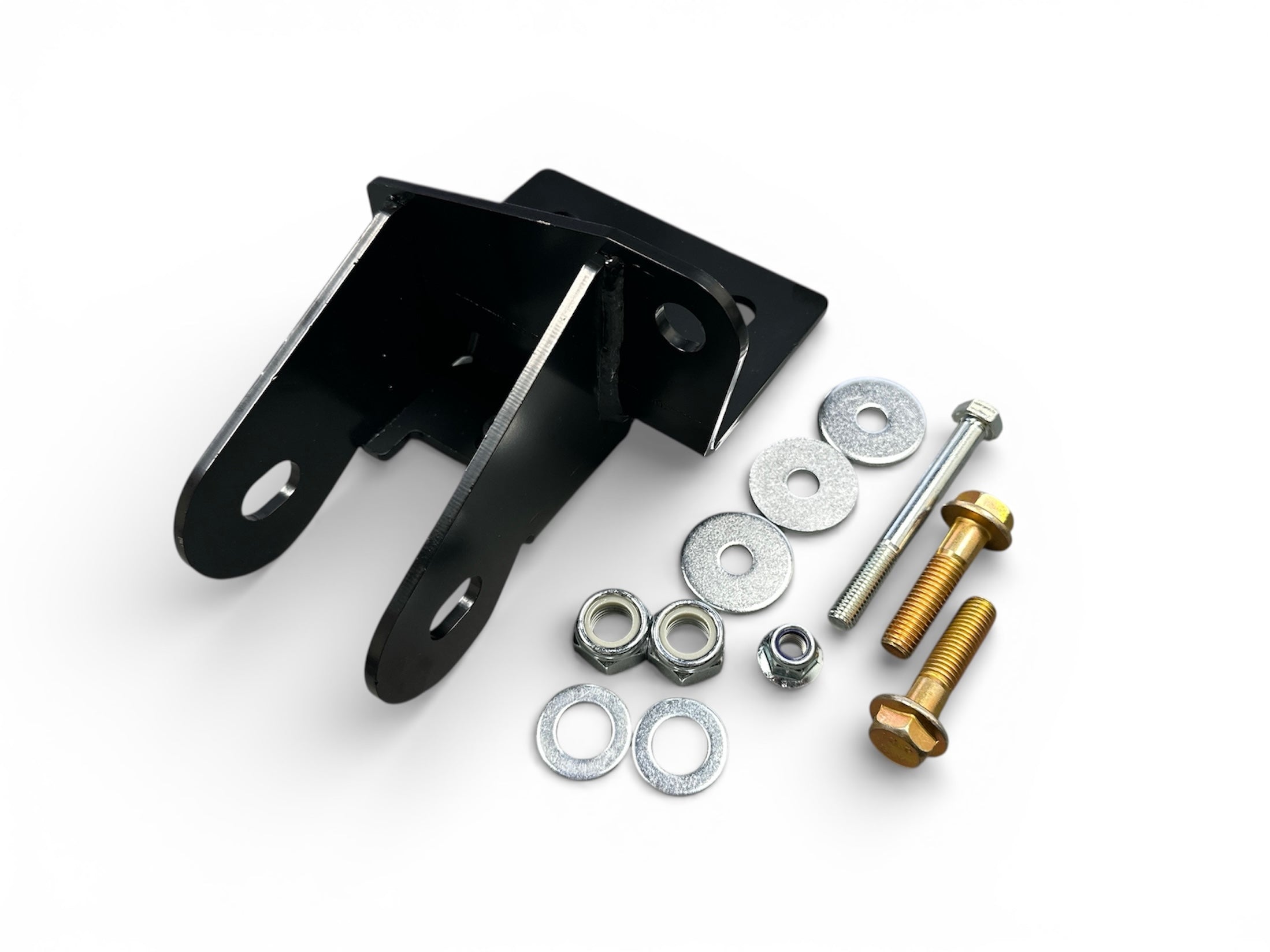
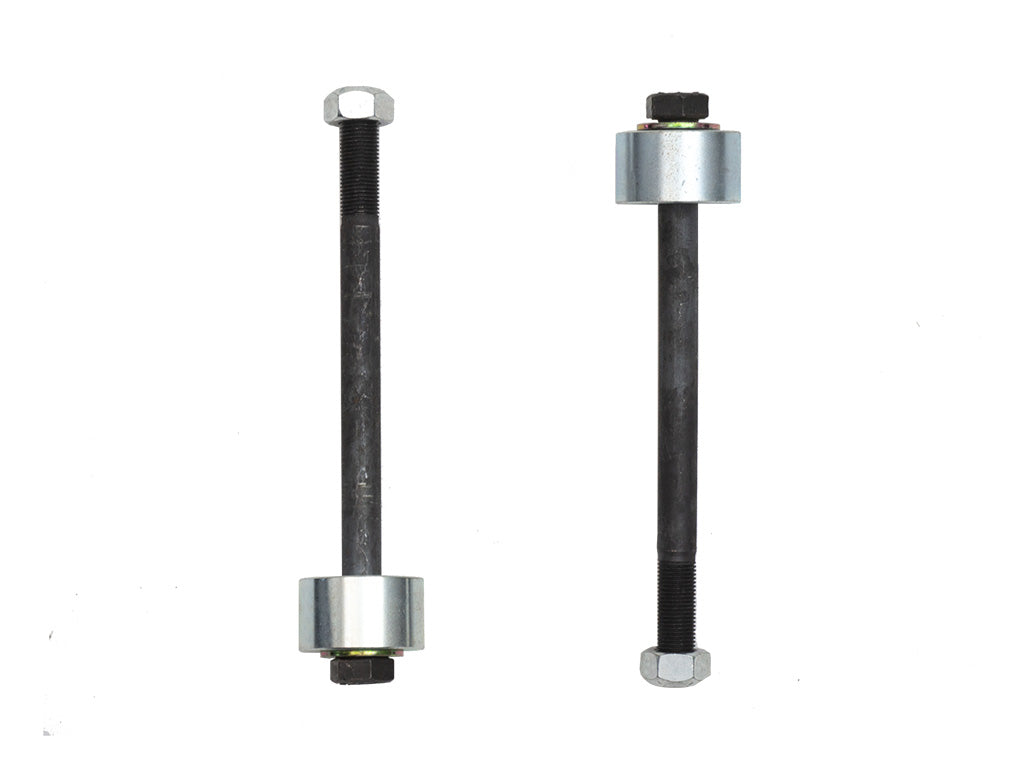
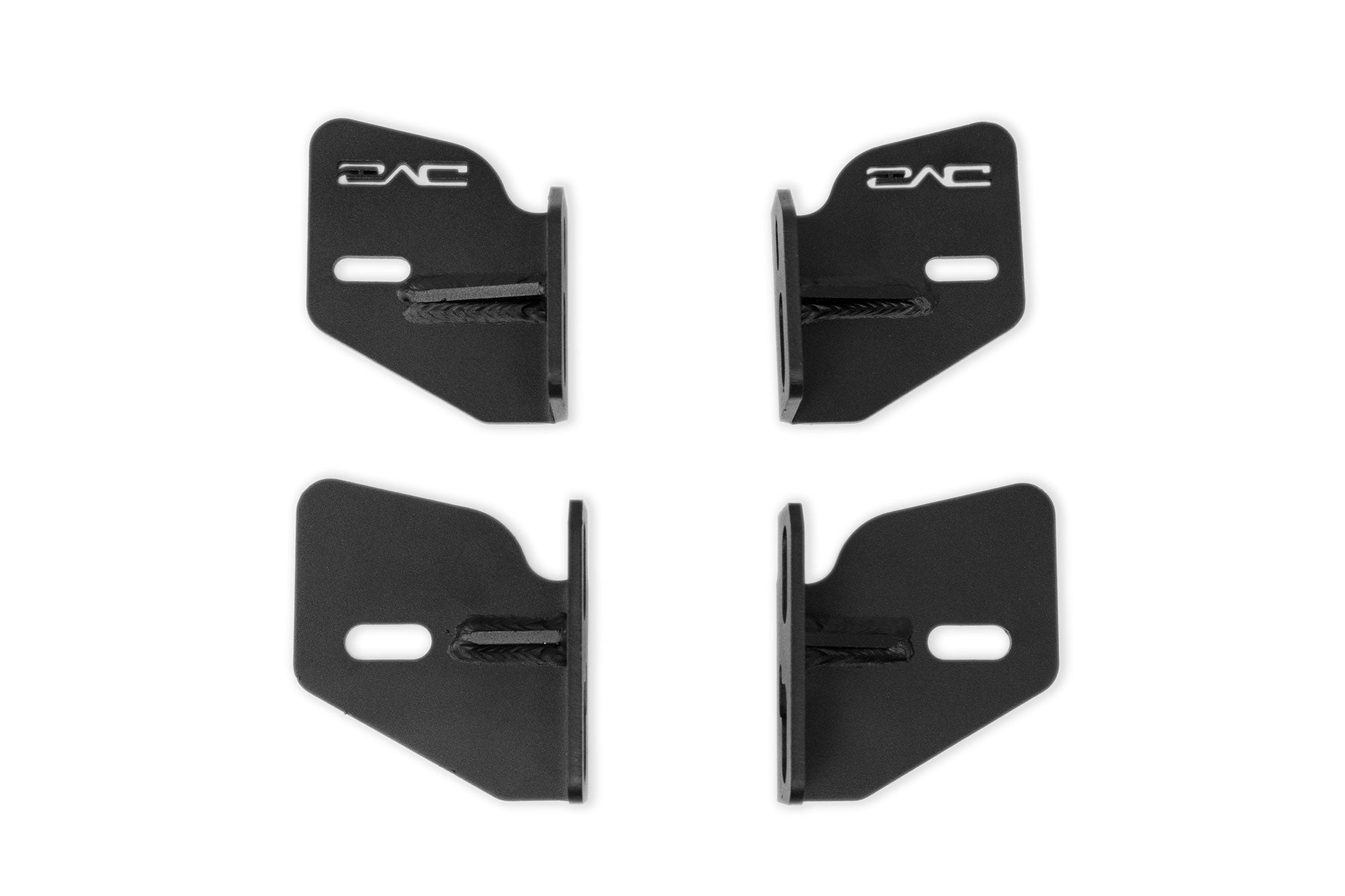
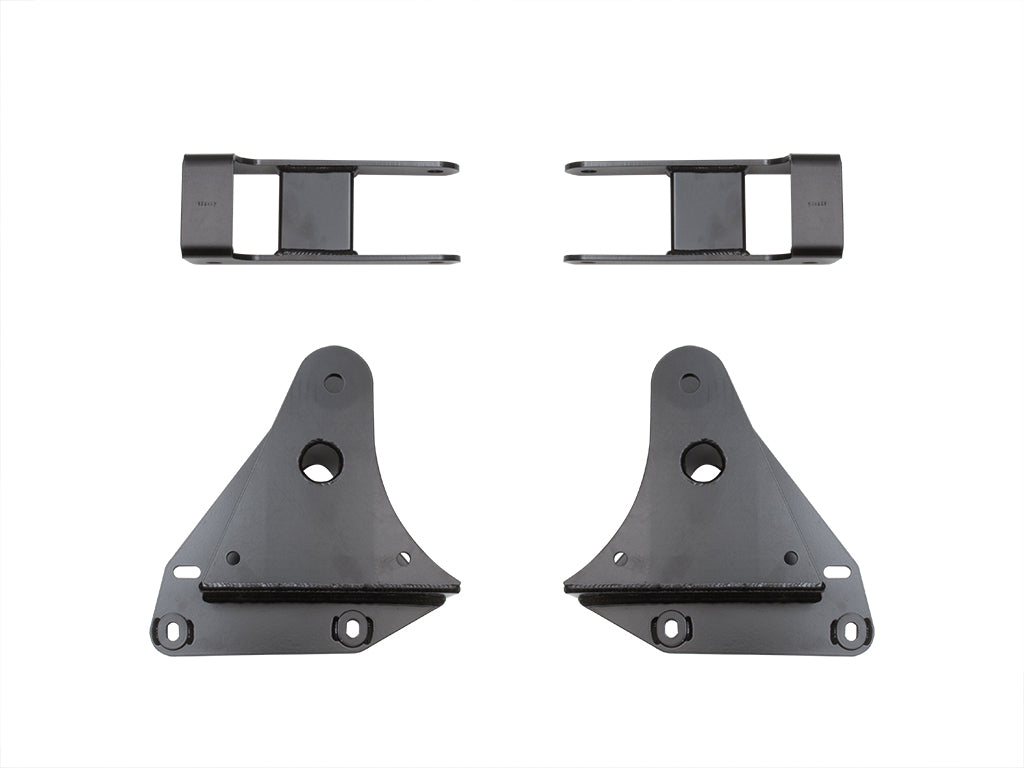
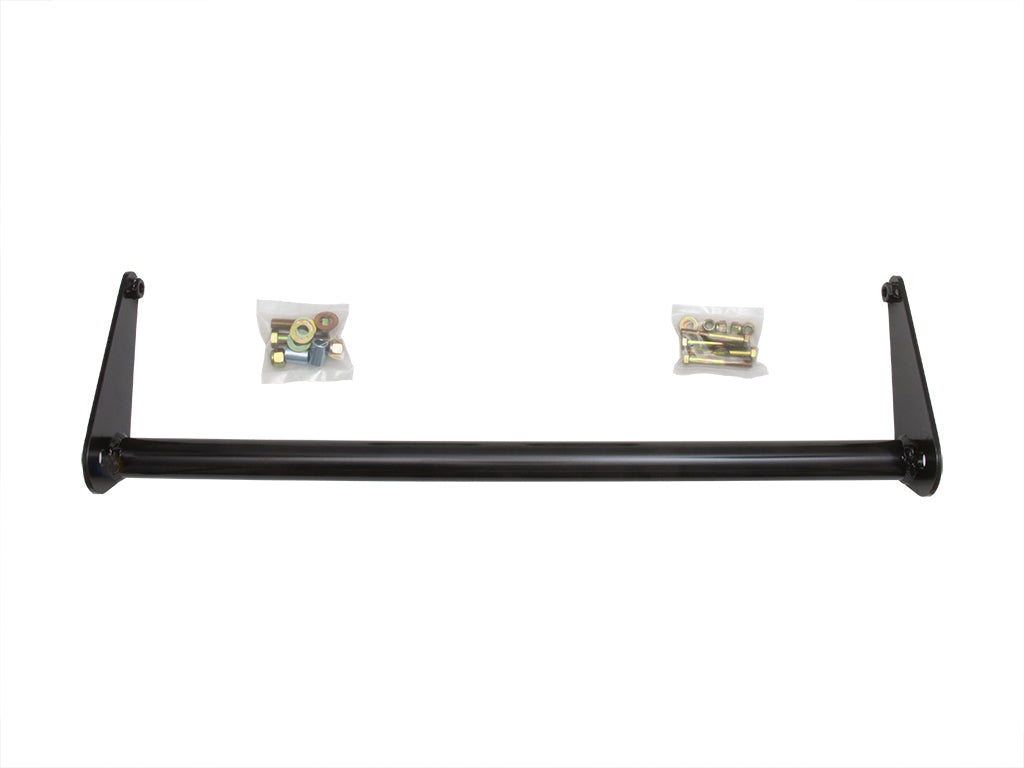
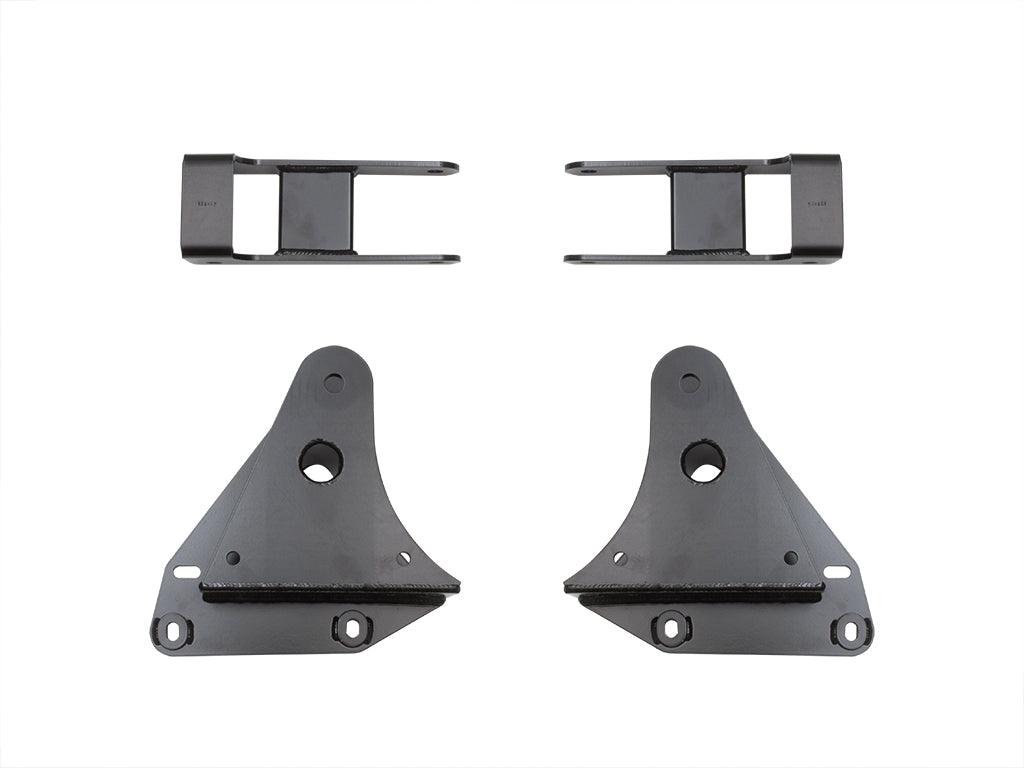
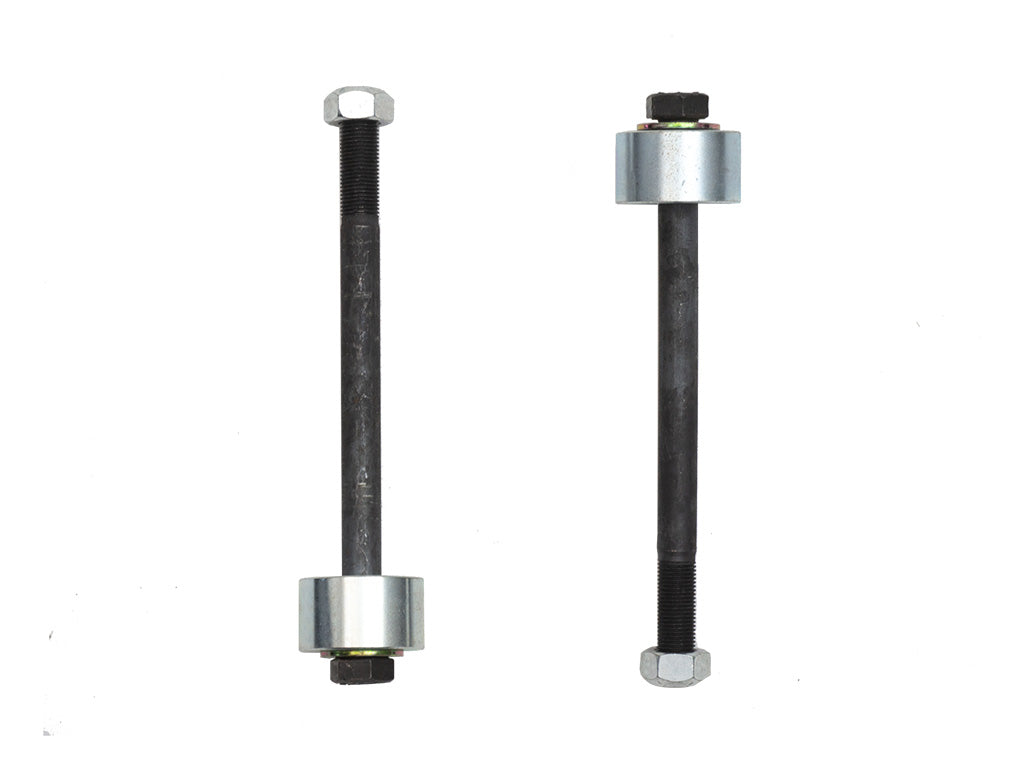
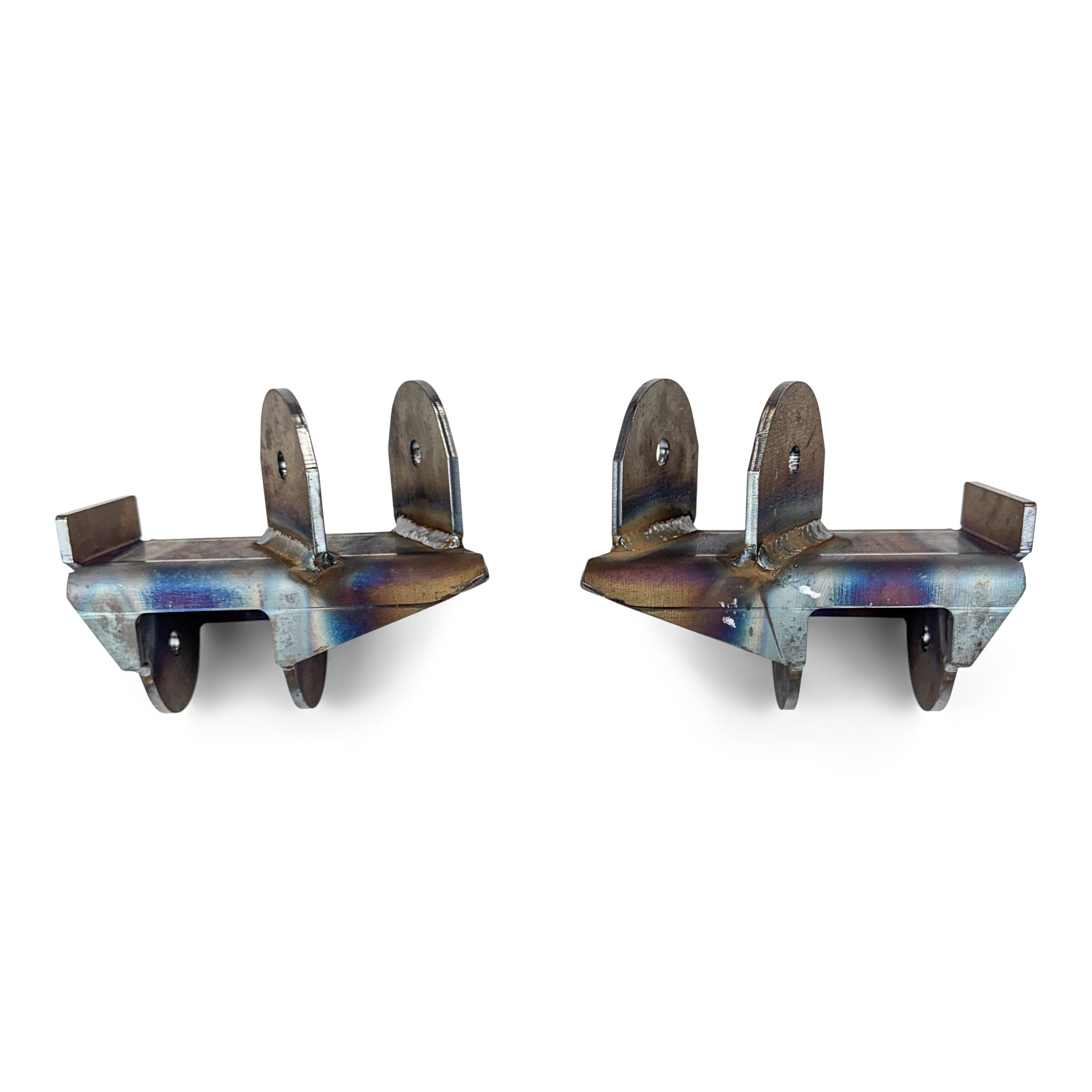
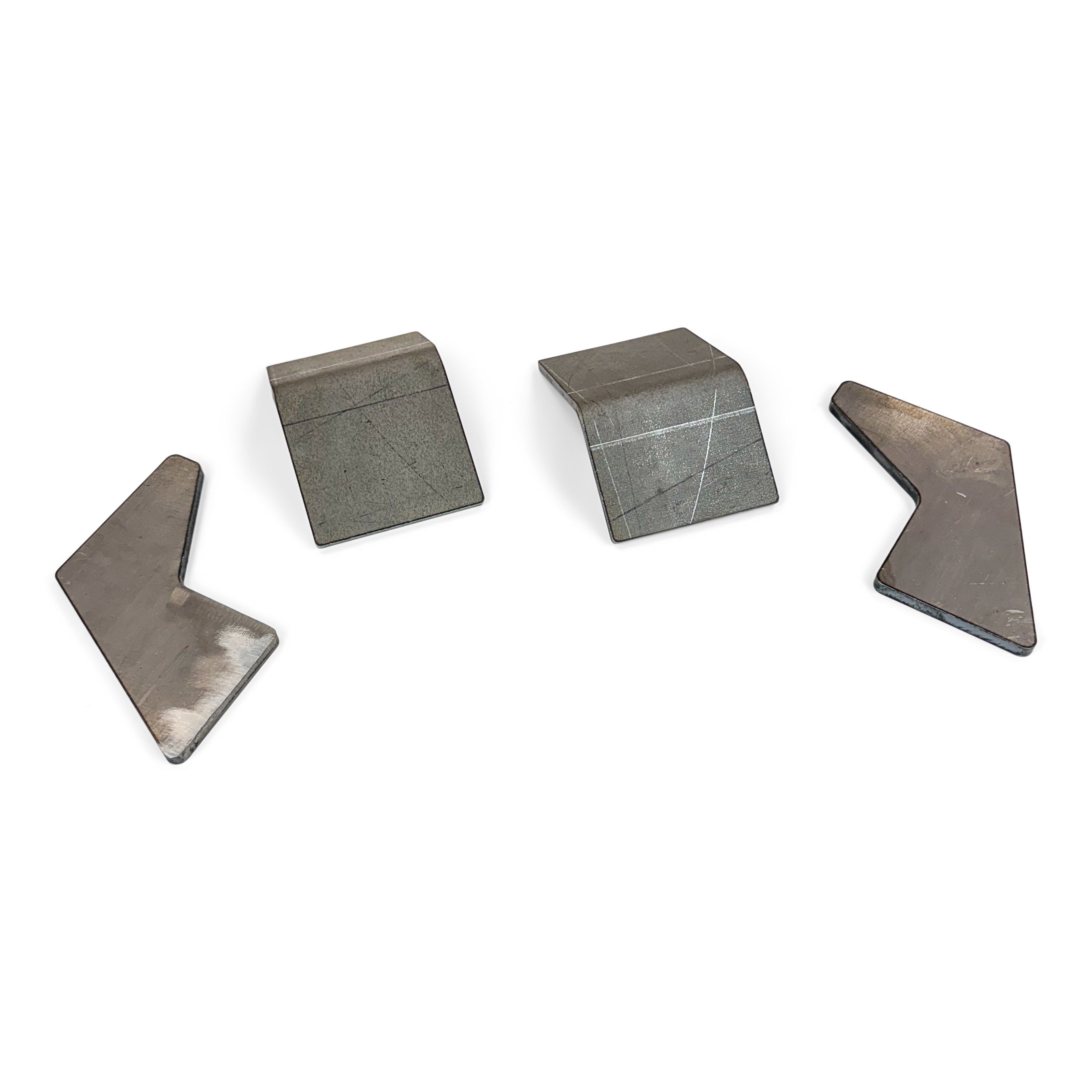
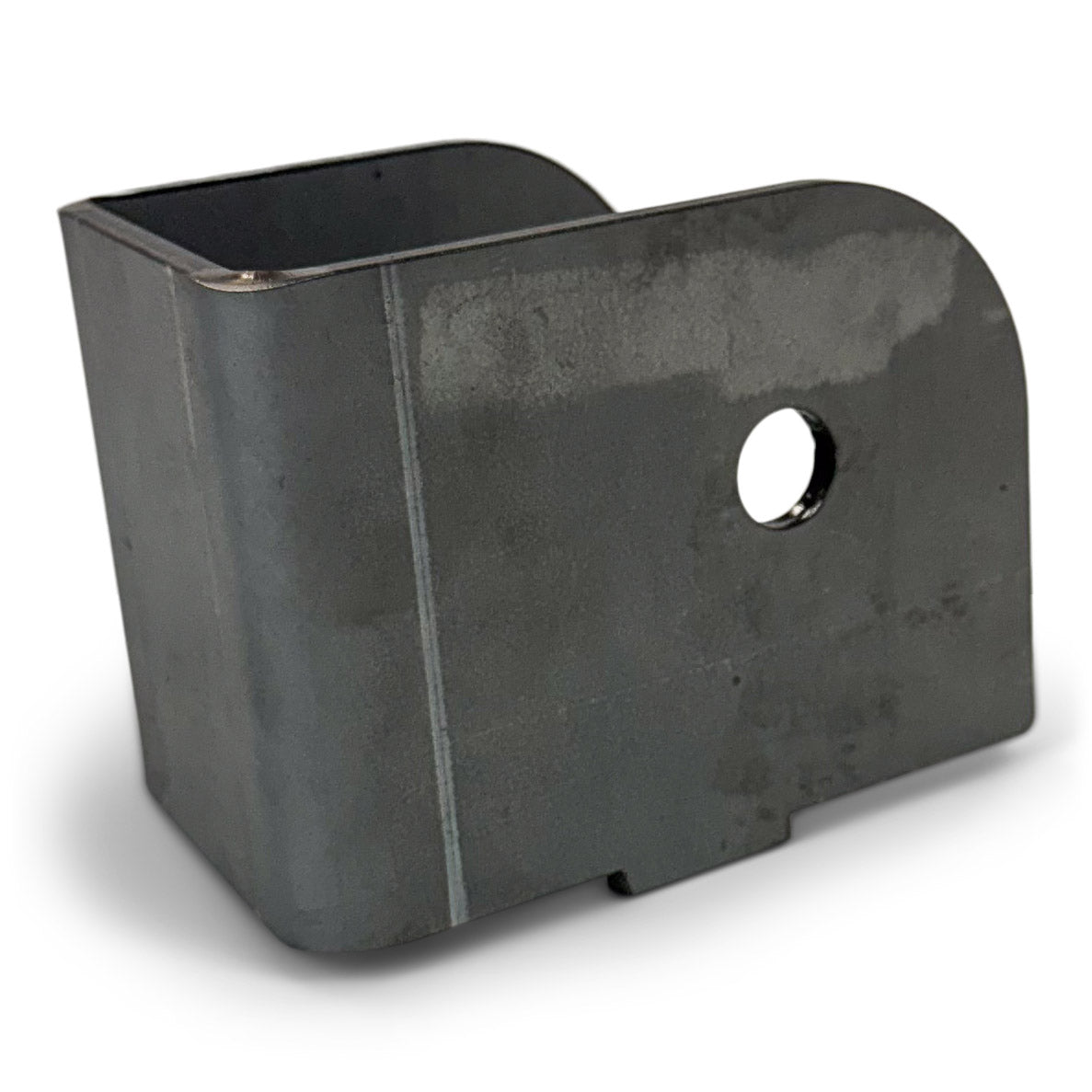
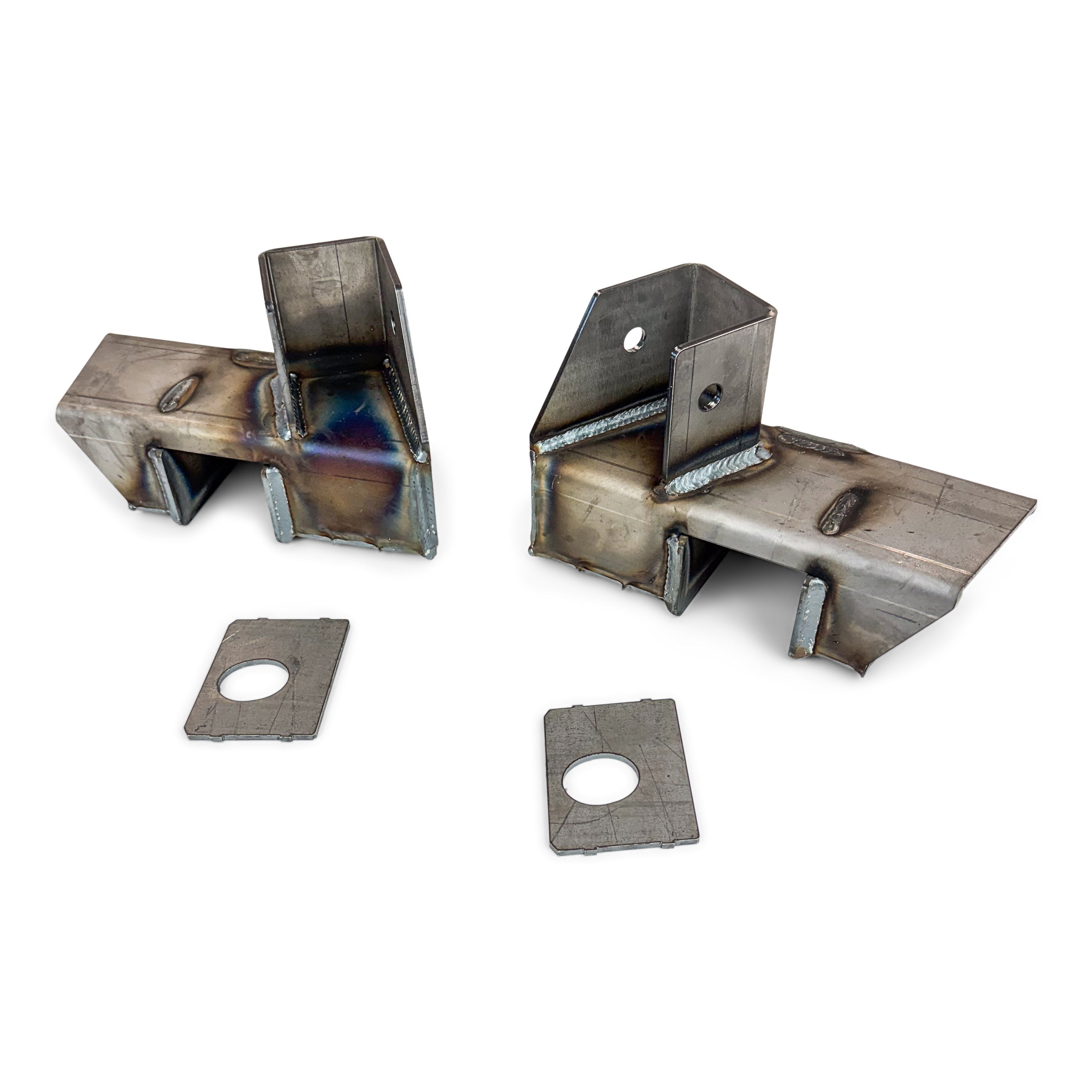
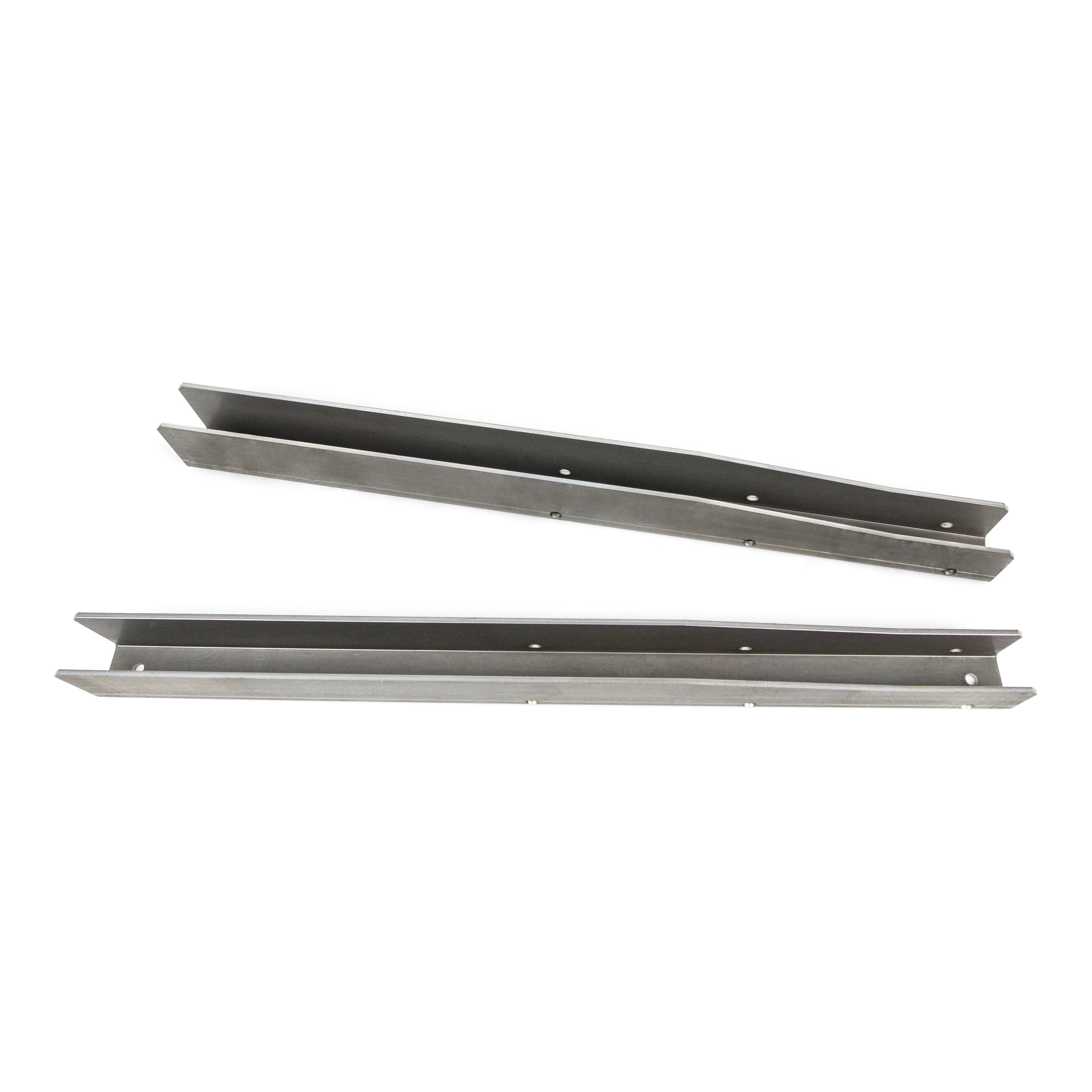
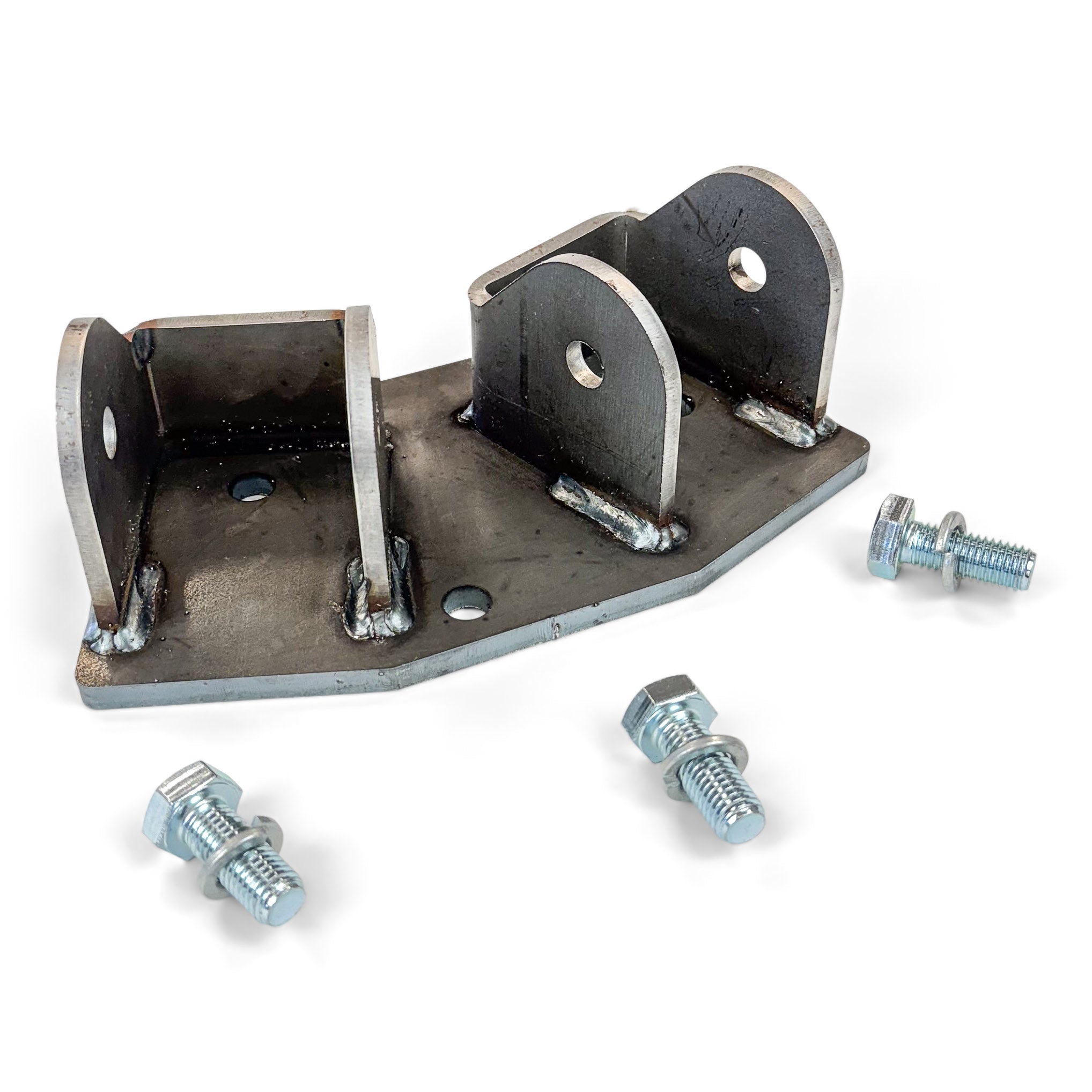
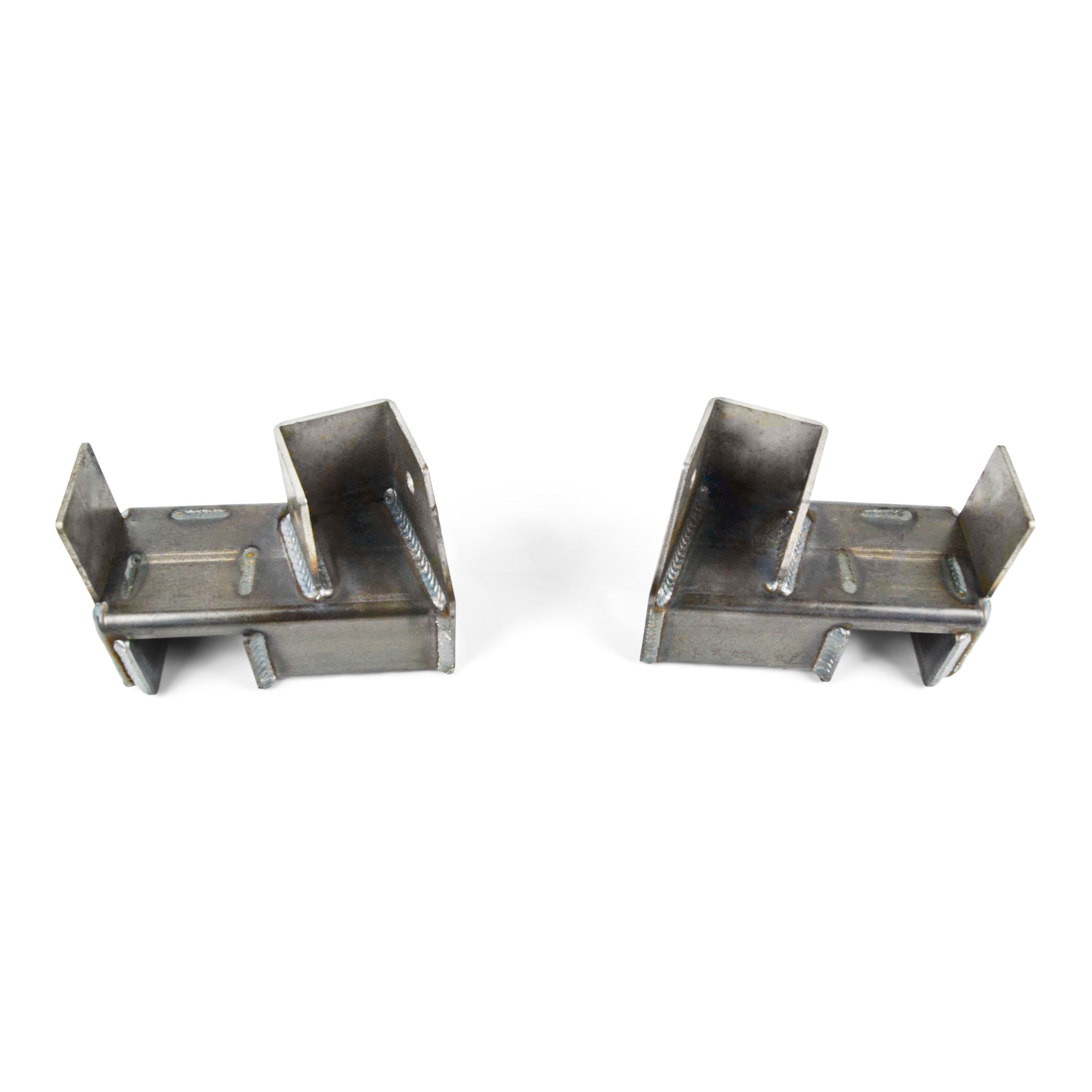
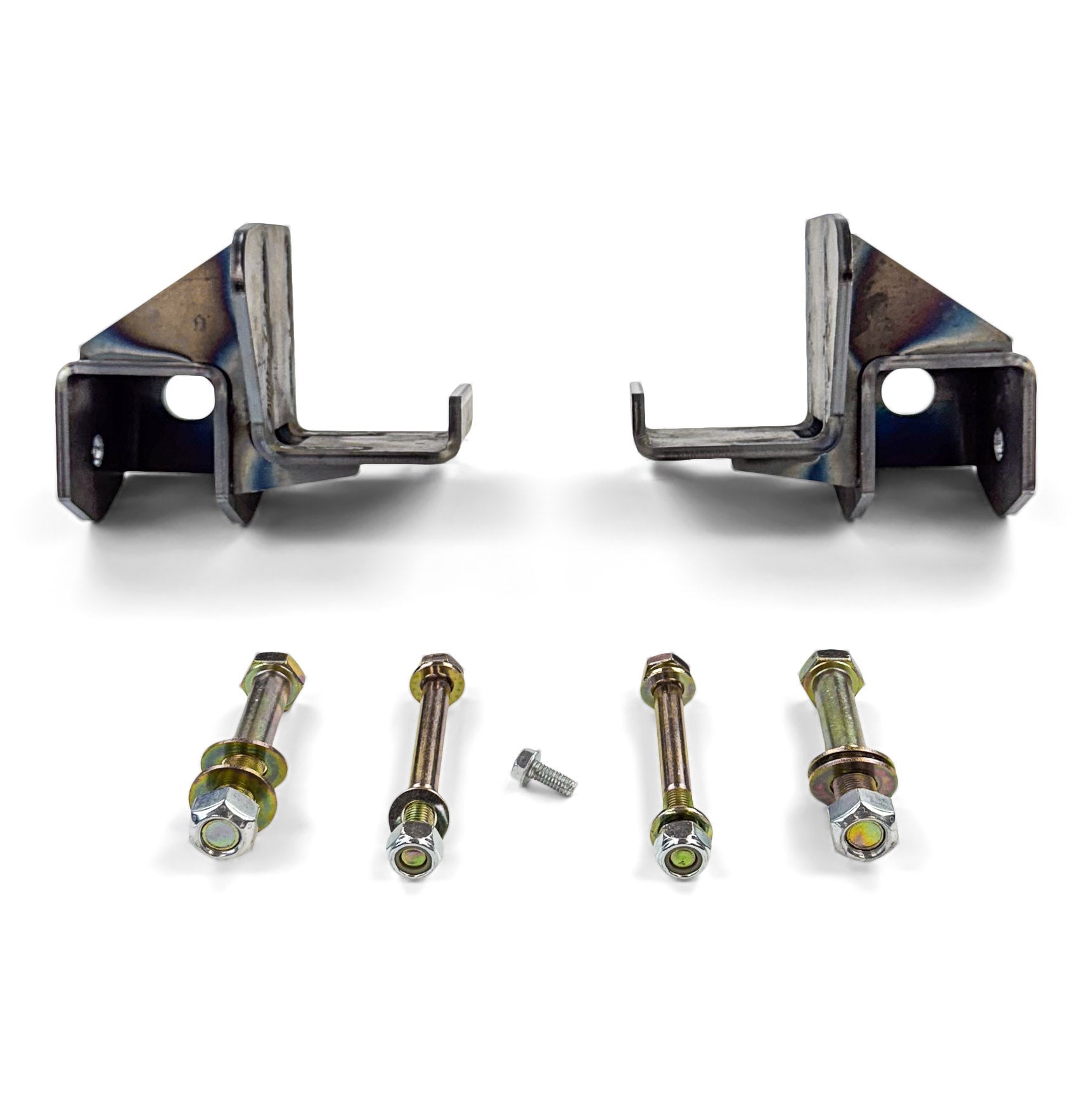
Frame-mounted suspension hardware: rear frame brackets, 3-link and 4-link mounts, hanger kits, panhard mounts, frame notch kits and differential drop kits. Brands include Clayton Off Road, ICON Vehicle Dynamics, Artec Industries and Fishbone Offroad, for Jeep TJ and Grand Cherokee WJ, Ford Super Duty, Bronco and Toyota models. Confirm your model year and lift height.







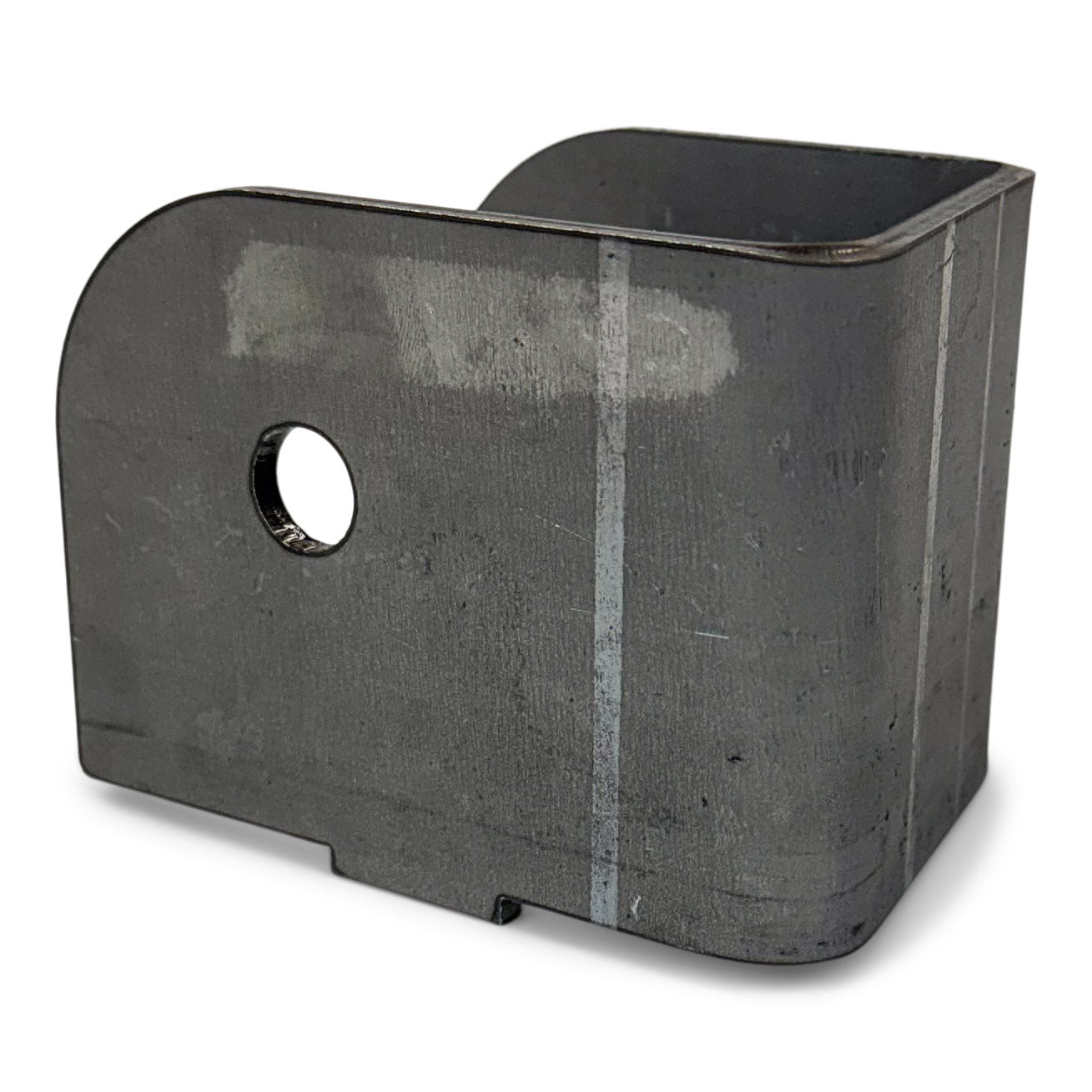

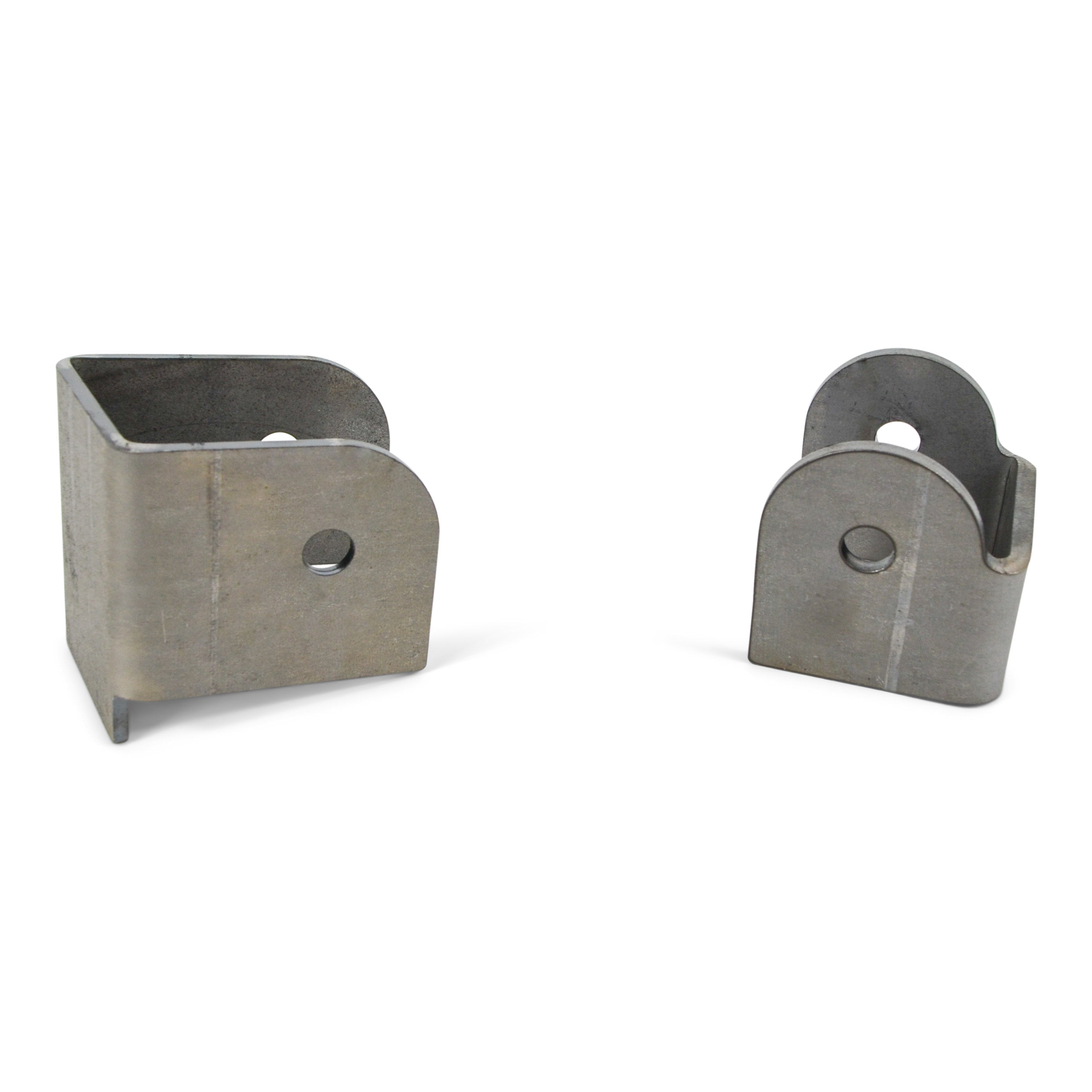

Frame Brackets FAQs
What are suspension frame brackets?
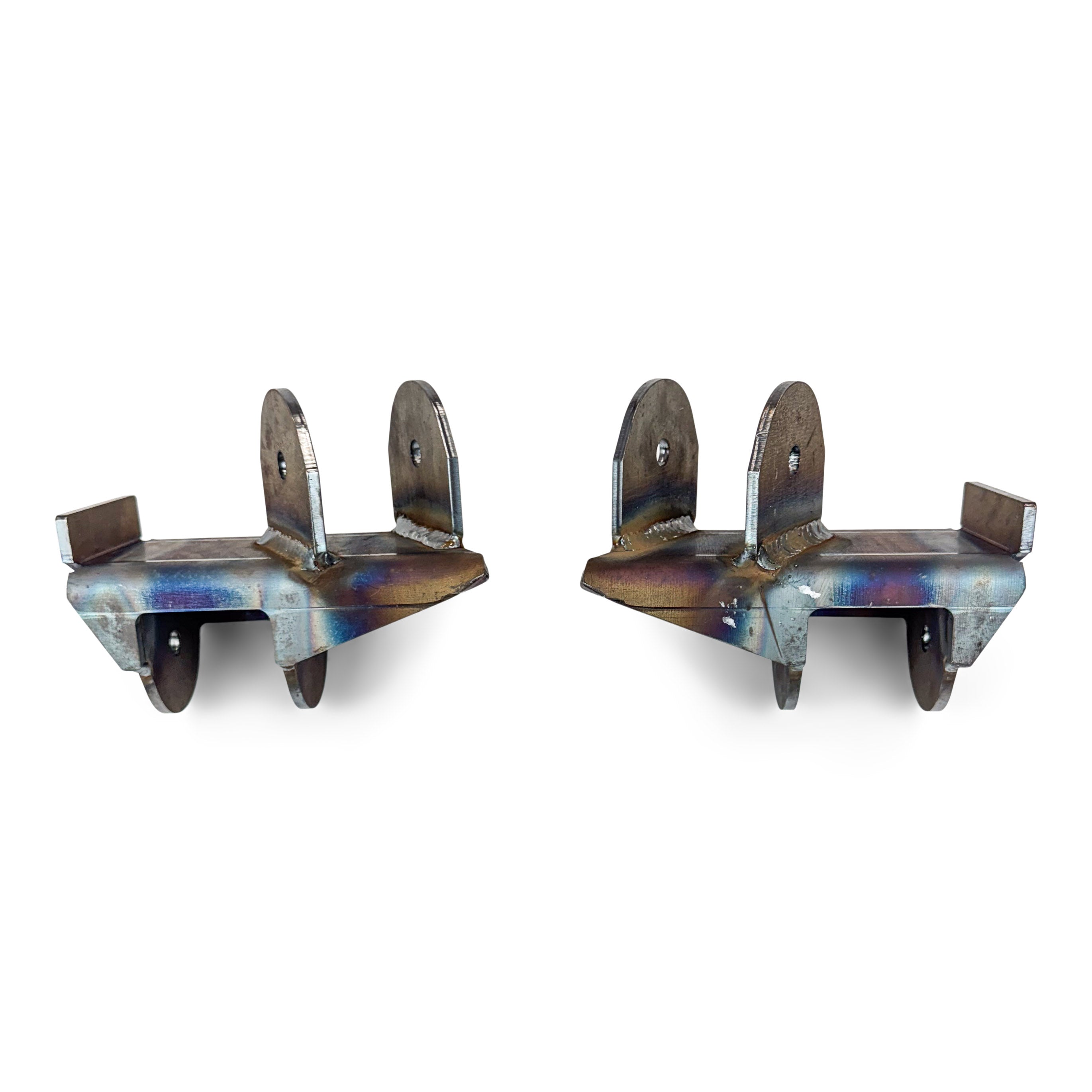
Frame brackets are reinforced mounting points that bolt or weld to the chassis to locate suspension links, control arms, or a track bar. They relocate or strengthen a mount so your geometry stays correct after a lift, or add a link point the factory frame never had. Weld-on brackets are strongest; bolt-on versions install without a welder but need proper torque and inspection.
Do I need a welder to install frame brackets?
Not always — many frame brackets are bolt-on and install with hand tools, while others are weld-on for maximum strength. Bolt-on brackets are fine for most builds if you follow the torque specs and re-check them after the first few drives. Weld-on brackets suit high-load, high-articulation rigs; if you are not confident welding to a frame, have a shop do it.
Why relocate suspension mounting points after a lift?
A lift changes the angles of your links and track bar, and relocation brackets restore correct geometry. Left uncorrected, steep link angles cause bump steer, poor articulation, and premature bushing wear. Frame and axle brackets move the mount back into its designed operating range, which is why they are common on 3-inch and taller builds running solid axles.
