





Exhaust Systems
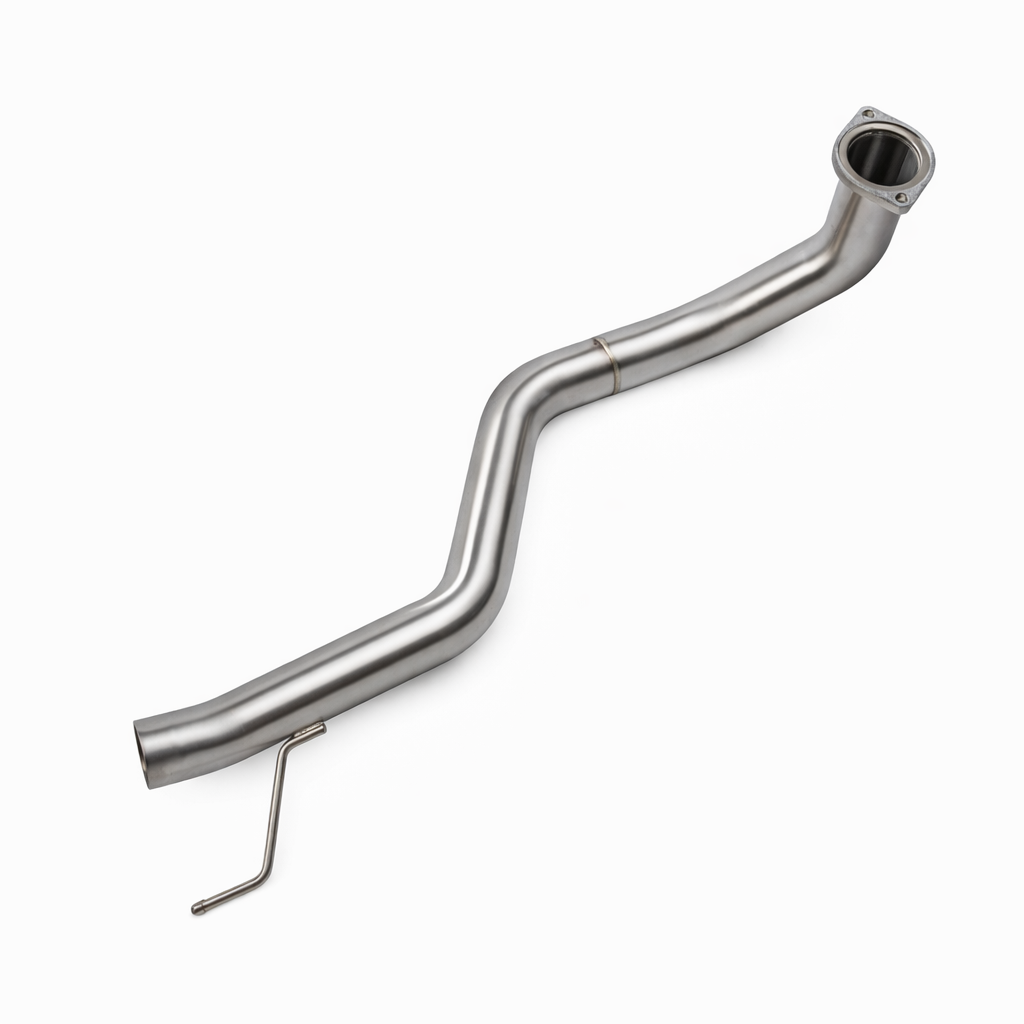
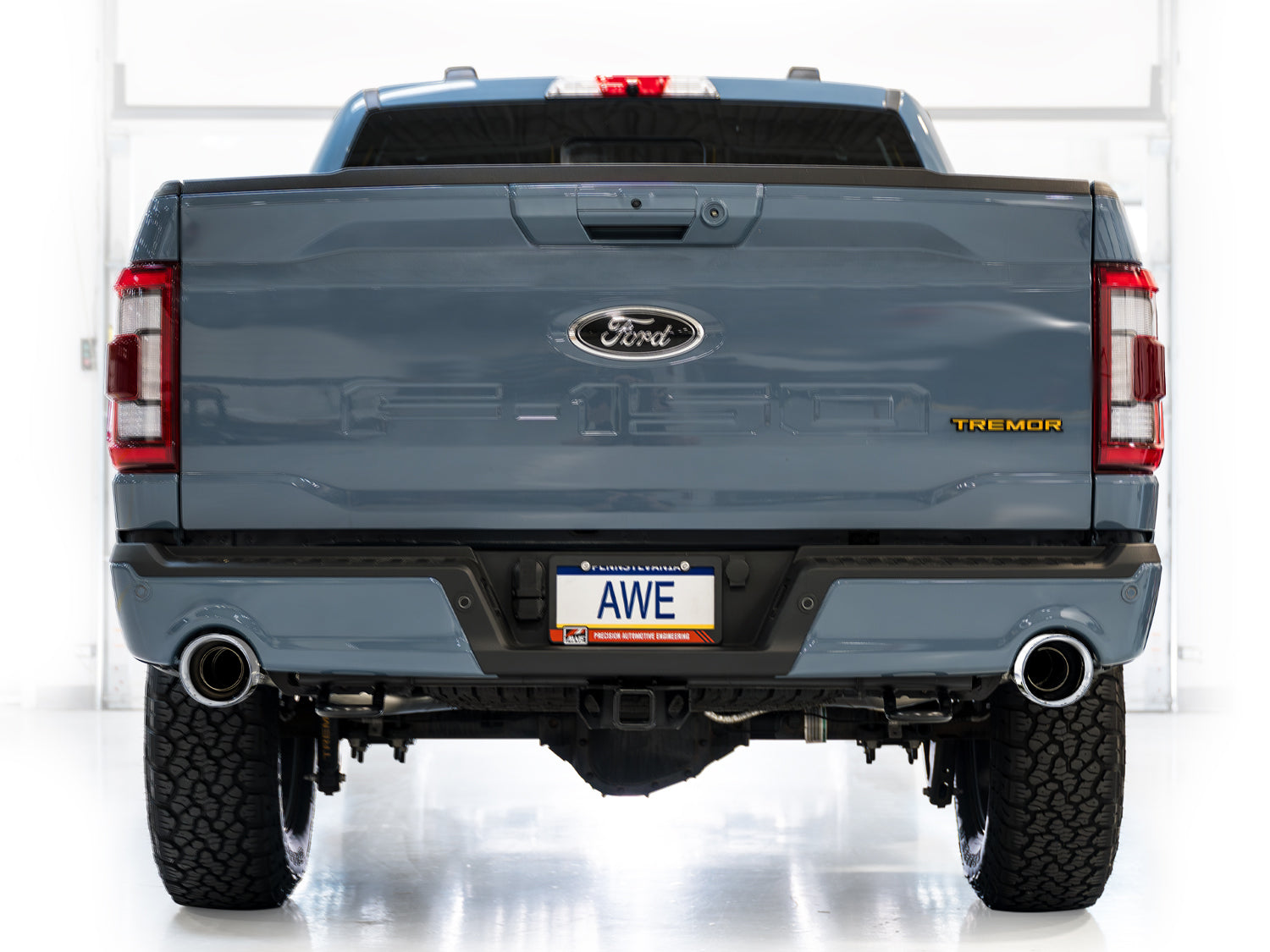
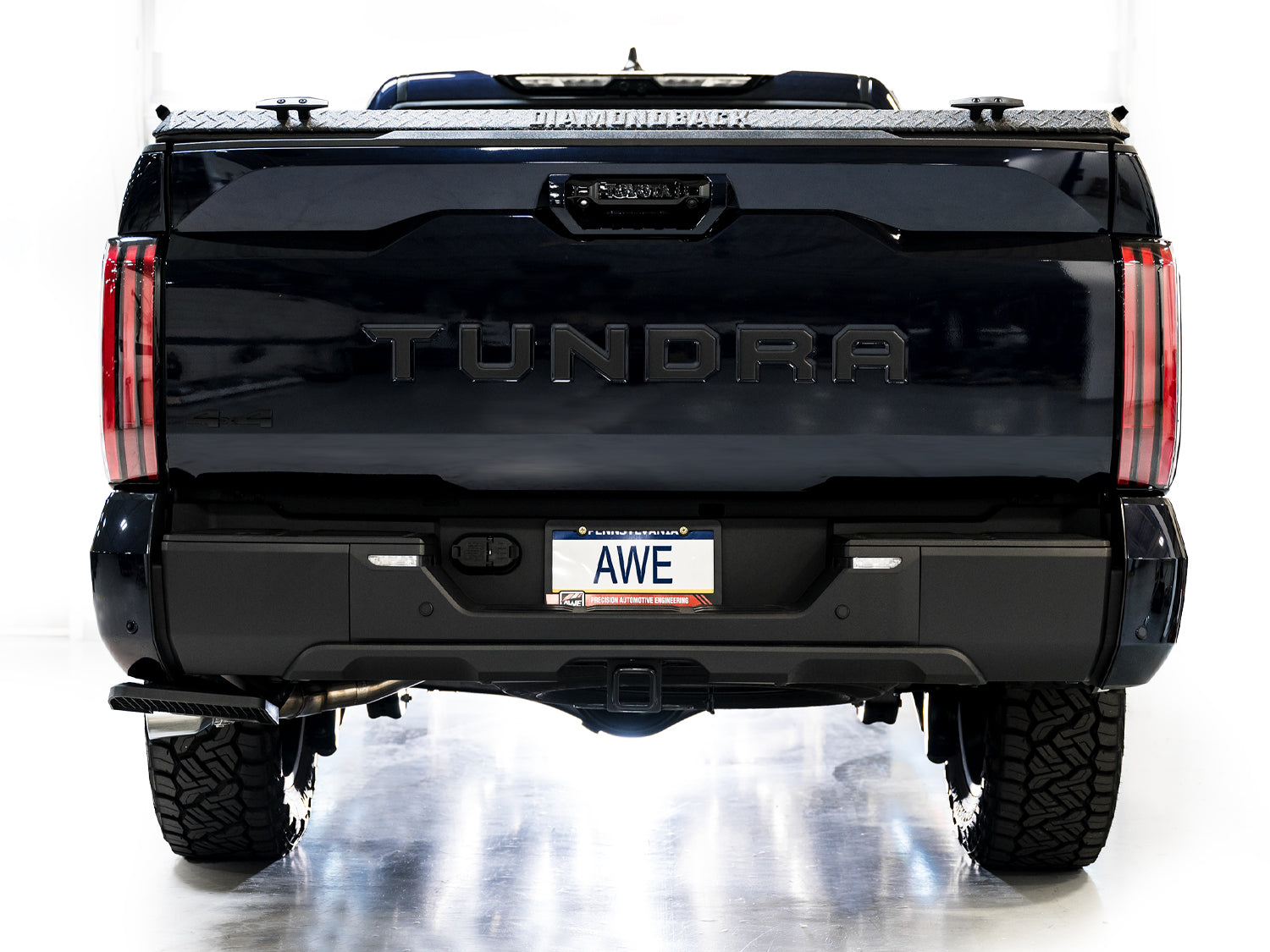
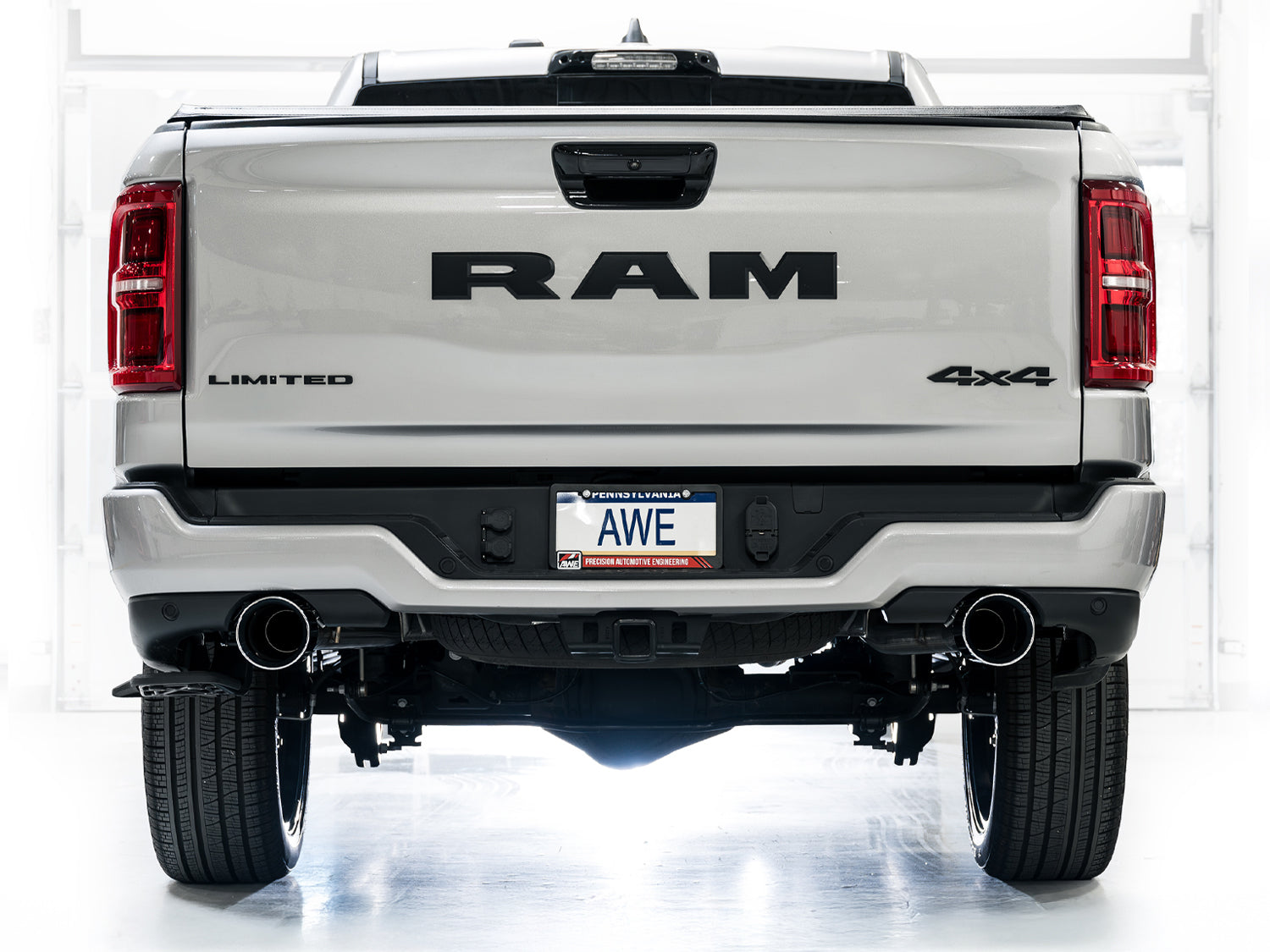
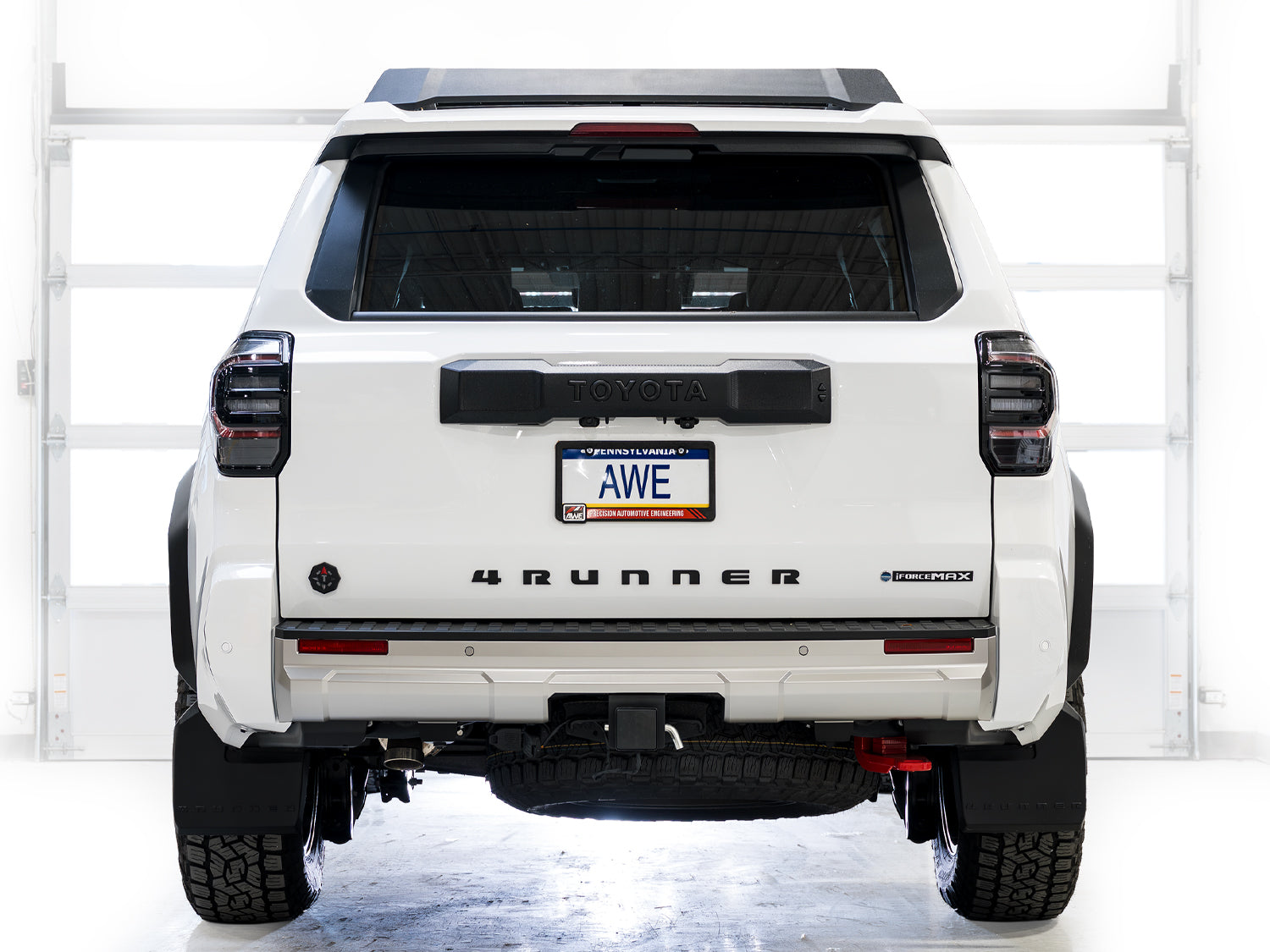
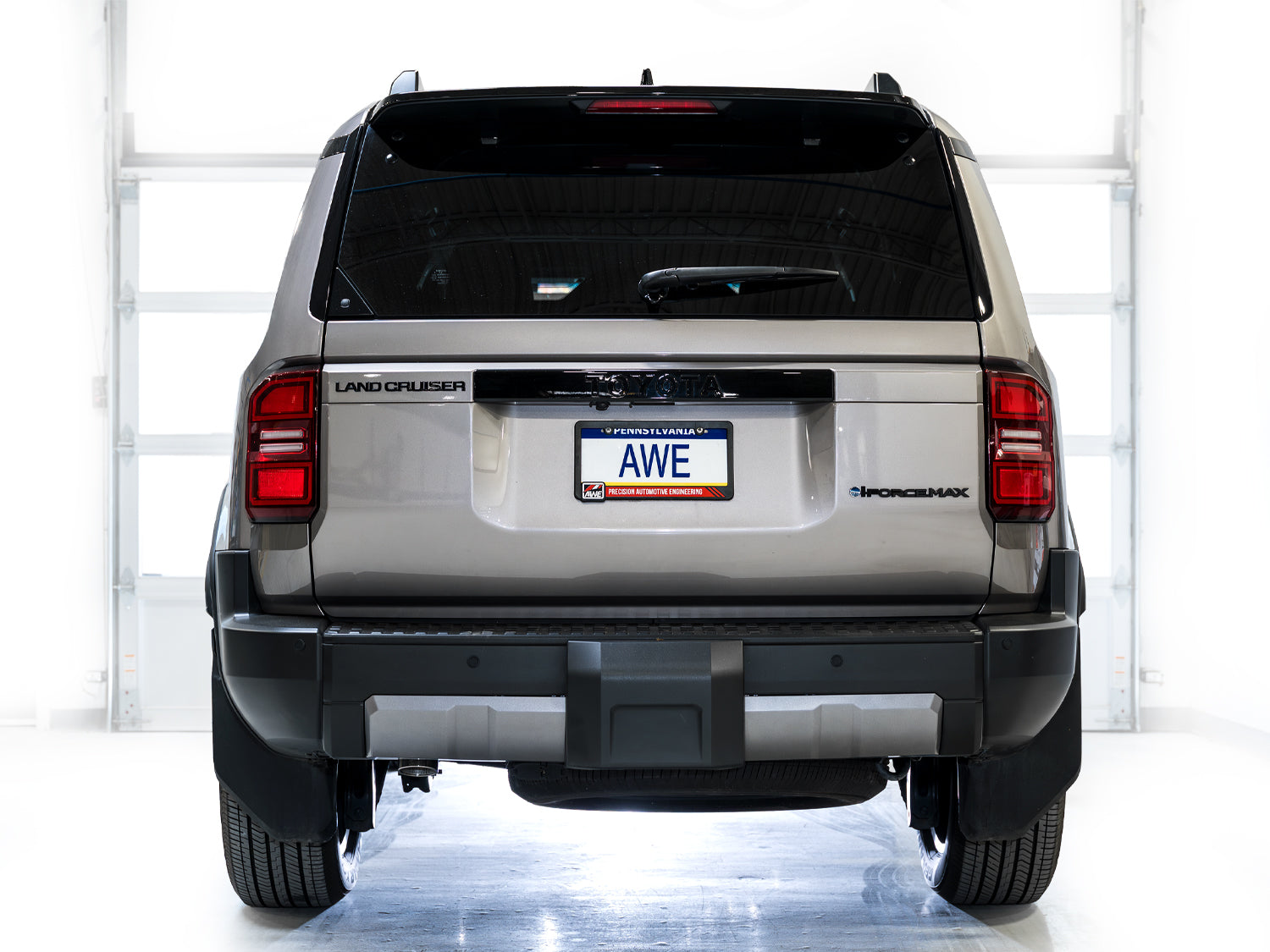
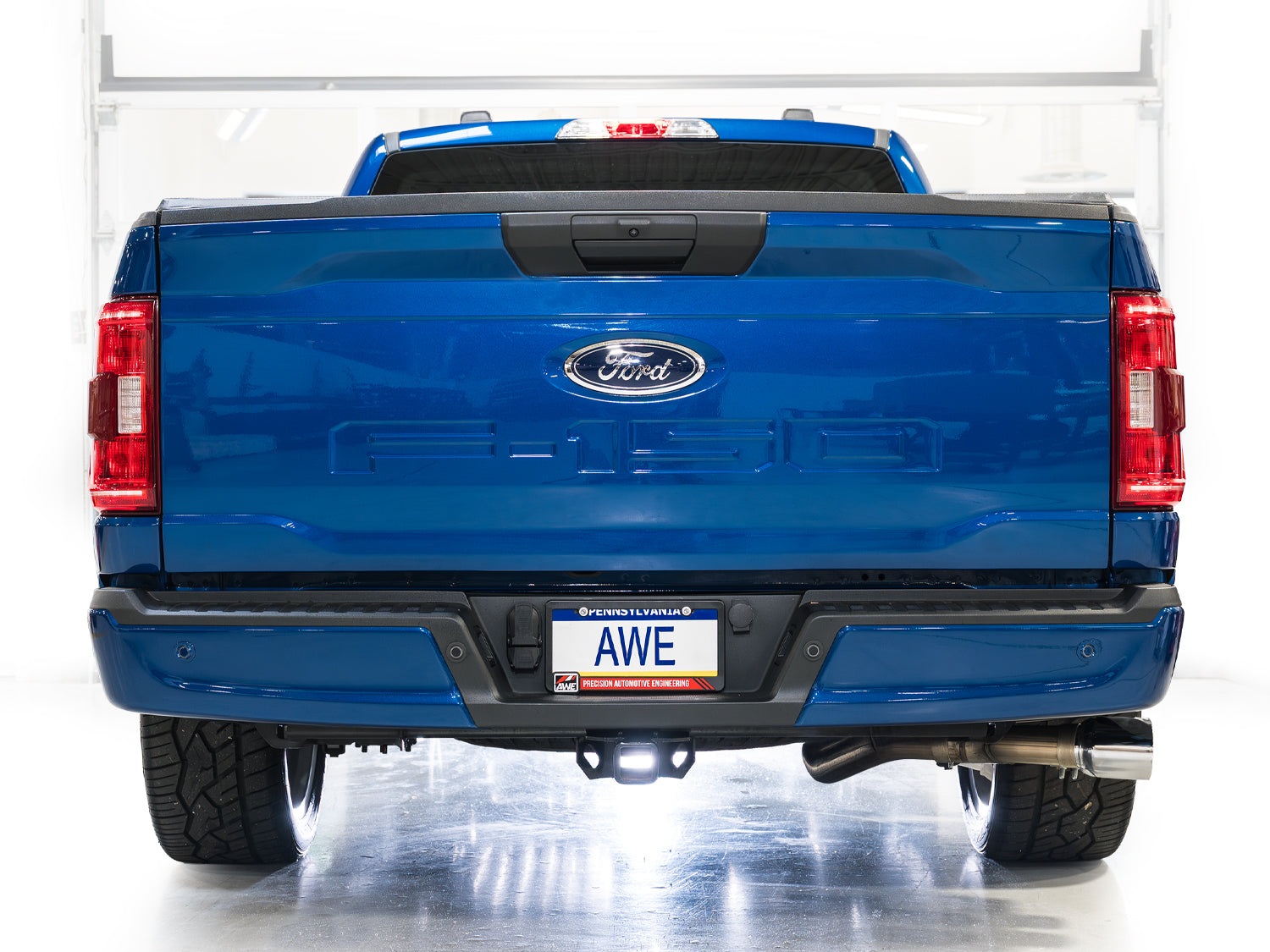
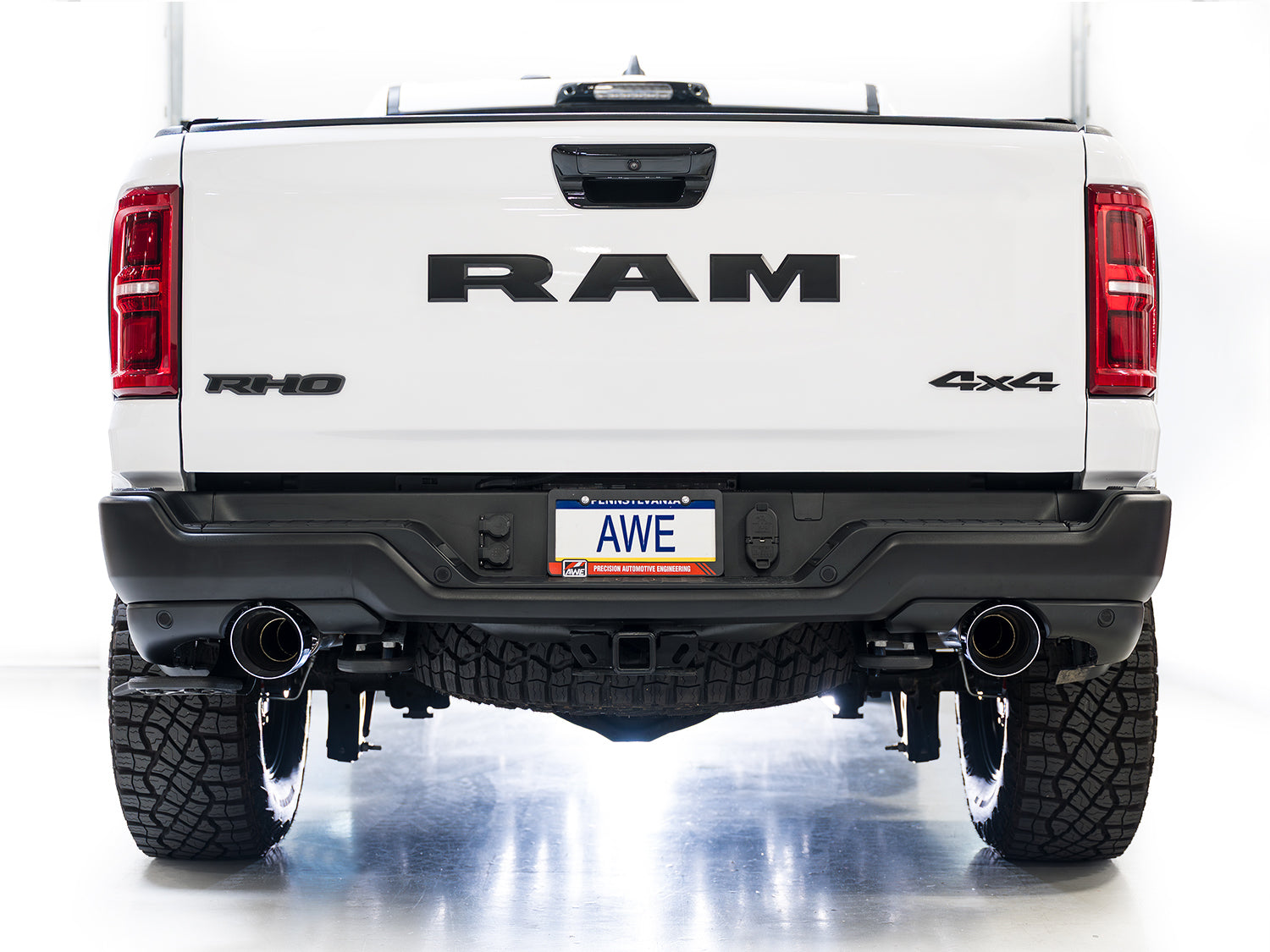
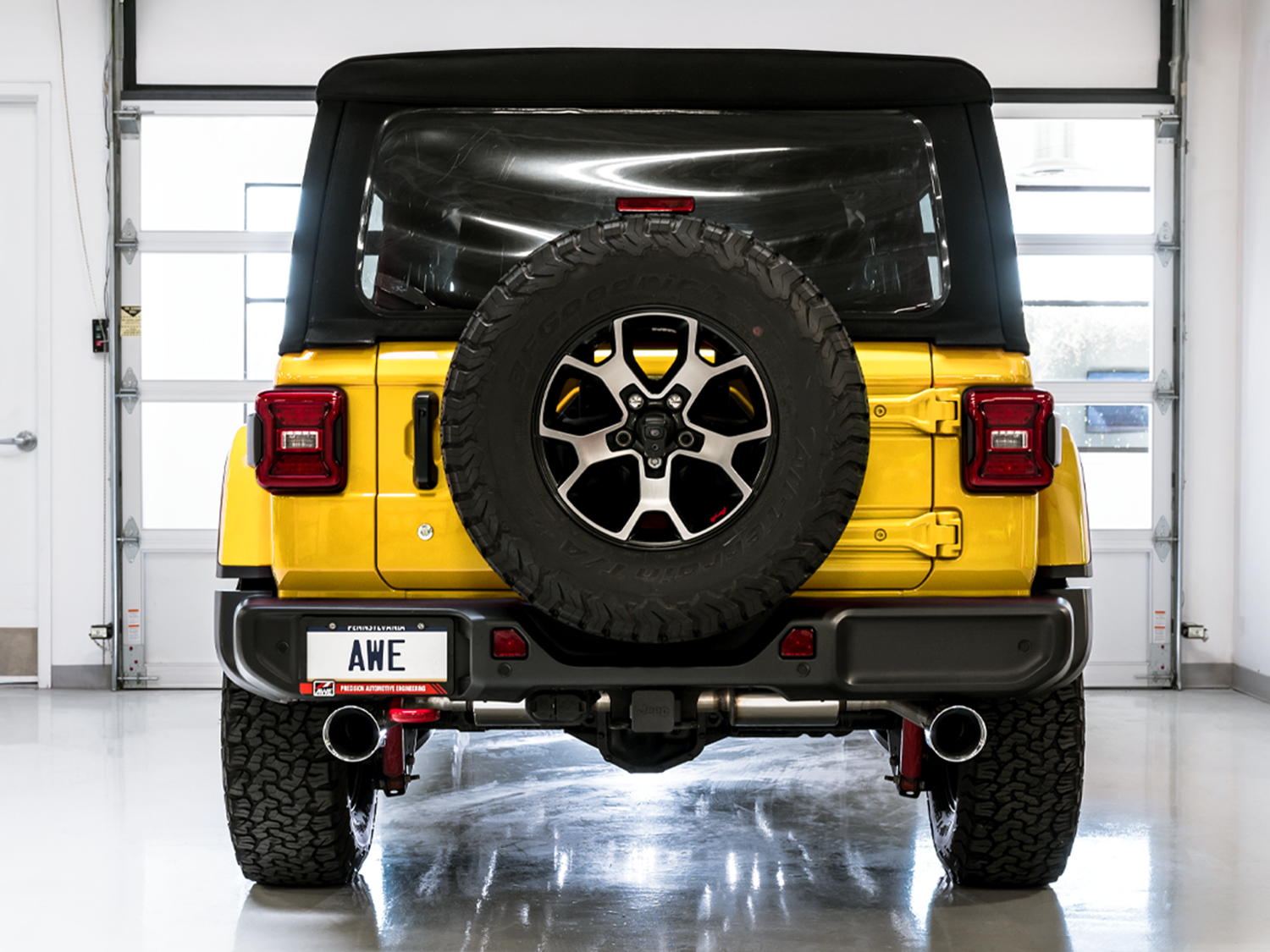
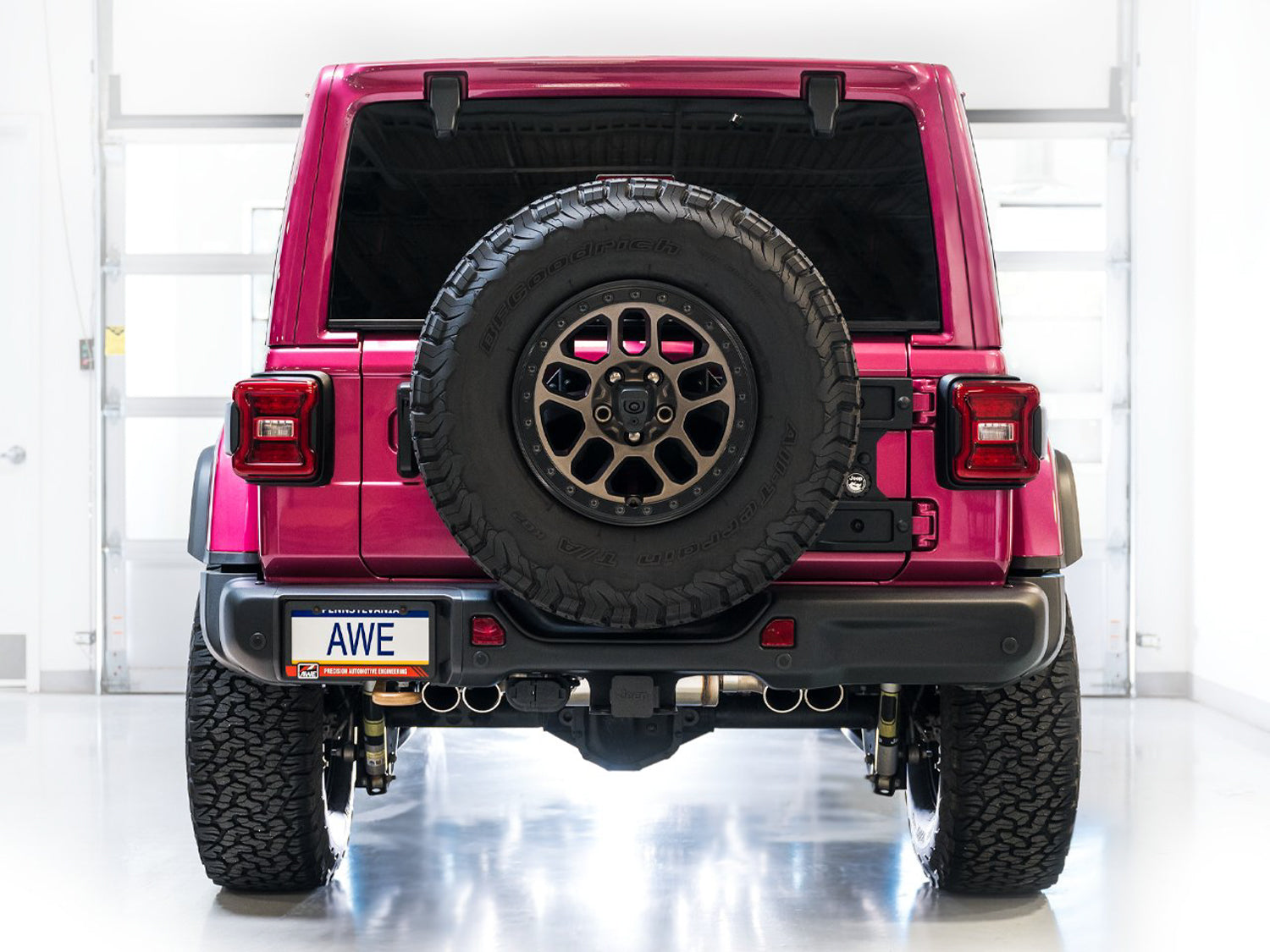
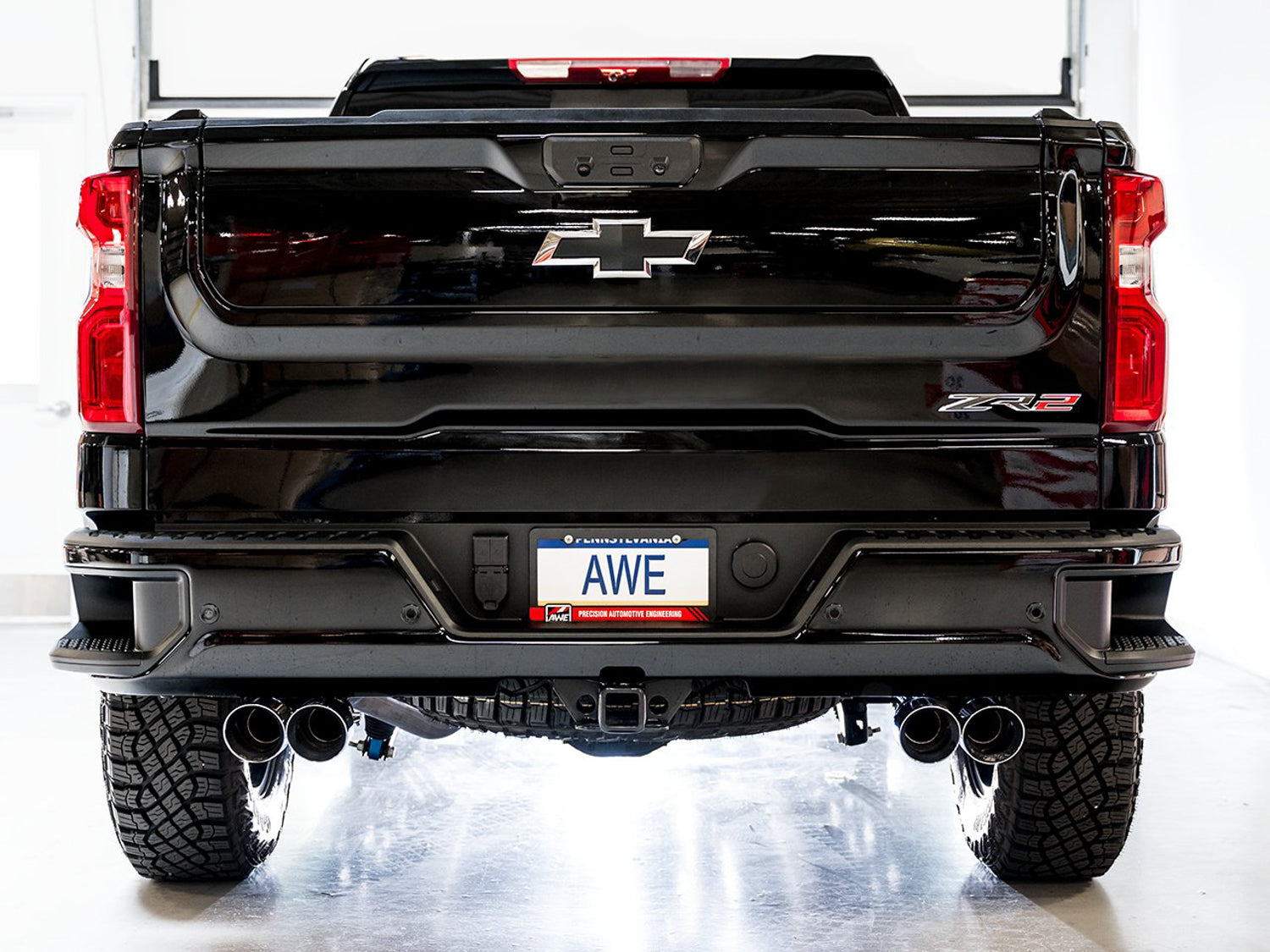
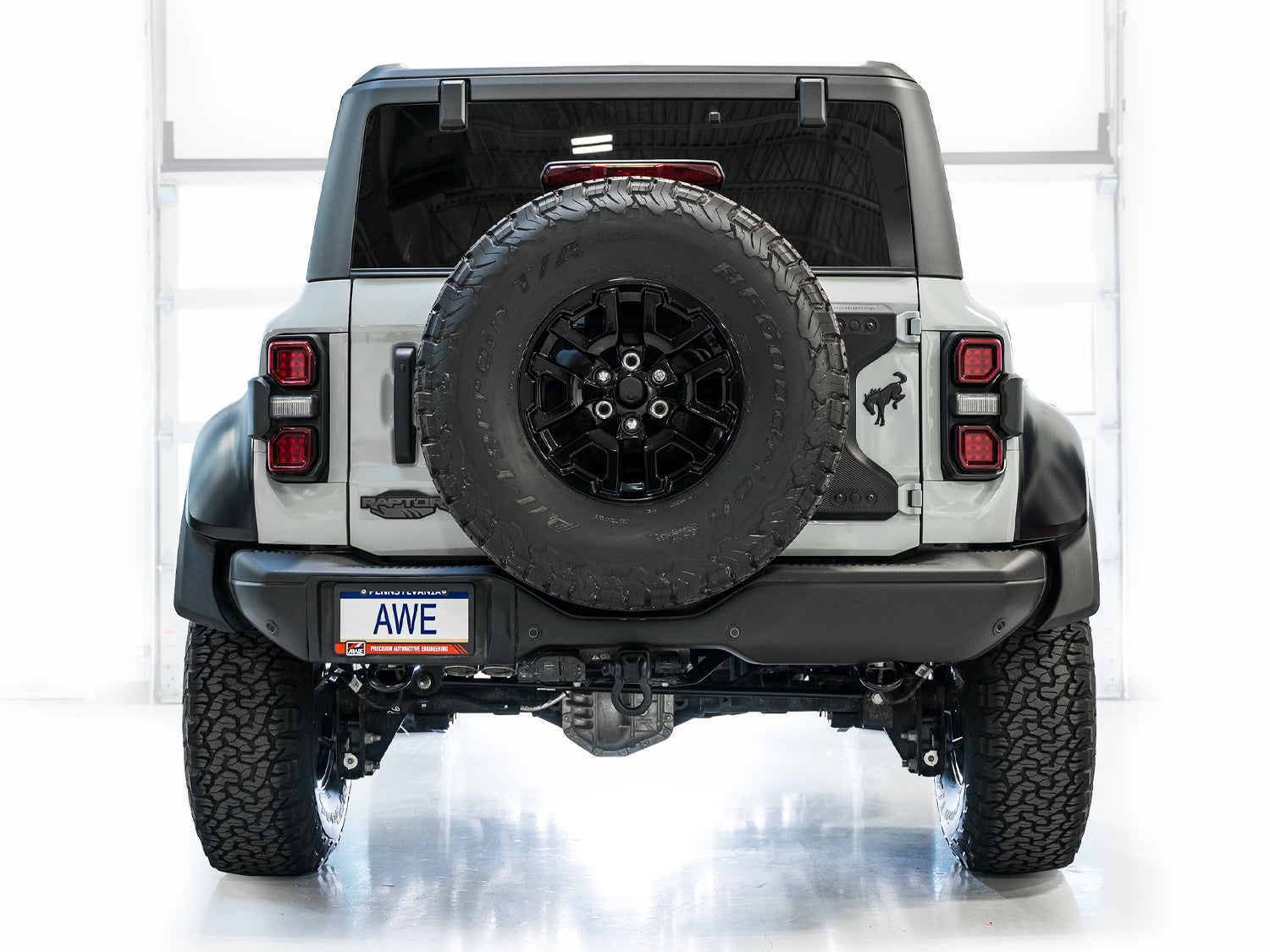
On a modern off-road truck, exhaust is more about clearance, heat, and tone than chasing big power. This is the full exhaust catalog — cat-back systems, high-flow mufflers, headers, and Catalytic Converters — sized for the naturally aspirated and turbo engines NVMOS builds run. A cat-back frees a few honest horsepower and drops the drone; on a lifted rig, tuck and hanger routing matter as much as flow. Filter by year, make, and model.








Exhaust Systems FAQs
Does a cat-back exhaust add horsepower?
A cat-back adds modest power — usually a handful of horsepower and a little torque on a naturally aspirated engine, more noticeable on forced-induction setups. The bigger real-world gains are a deeper tone, reduced highway drone, and better exhaust routing on a lifted truck. If you want measurable power, pair it with intake and tuning; alone, treat a cat-back as a sound and quality upgrade.
Will an exhaust upgrade require a tune?
A bolt-on cat-back or muffler does not require a tune; it works with the factory ECU. Headers or anything that changes the sensor setup can throw codes and benefit from tuning. Overland reliability favors keeping emissions equipment intact — check your state's rules before touching catalytic converters, since a missing cat is both illegal on-road and a check-engine guarantee.
Cat-back or axle-back — what's the difference?
Axle-back replaces only the section behind the rear axle; cat-back replaces everything from the catalytic converter back. Axle-back is cheaper and mostly changes sound; cat-back uses larger-diameter piping for better flow and bigger gains. On a trail truck, cat-back also lets you tuck the exhaust for clearance. Choose axle-back for tone on a budget, cat-back for flow and routing.
Will a new exhaust help engine cooling or towing?
Indirectly, yes — better exhaust flow lowers exhaust gas temperatures, which helps a loaded or towing engine run a little cooler under sustained load. It's not a substitute for a real cooling upgrade, though. If you tow heavy or crawl in low range for long stretches, address the cooling system directly alongside any exhaust work.
