






Body Mounts
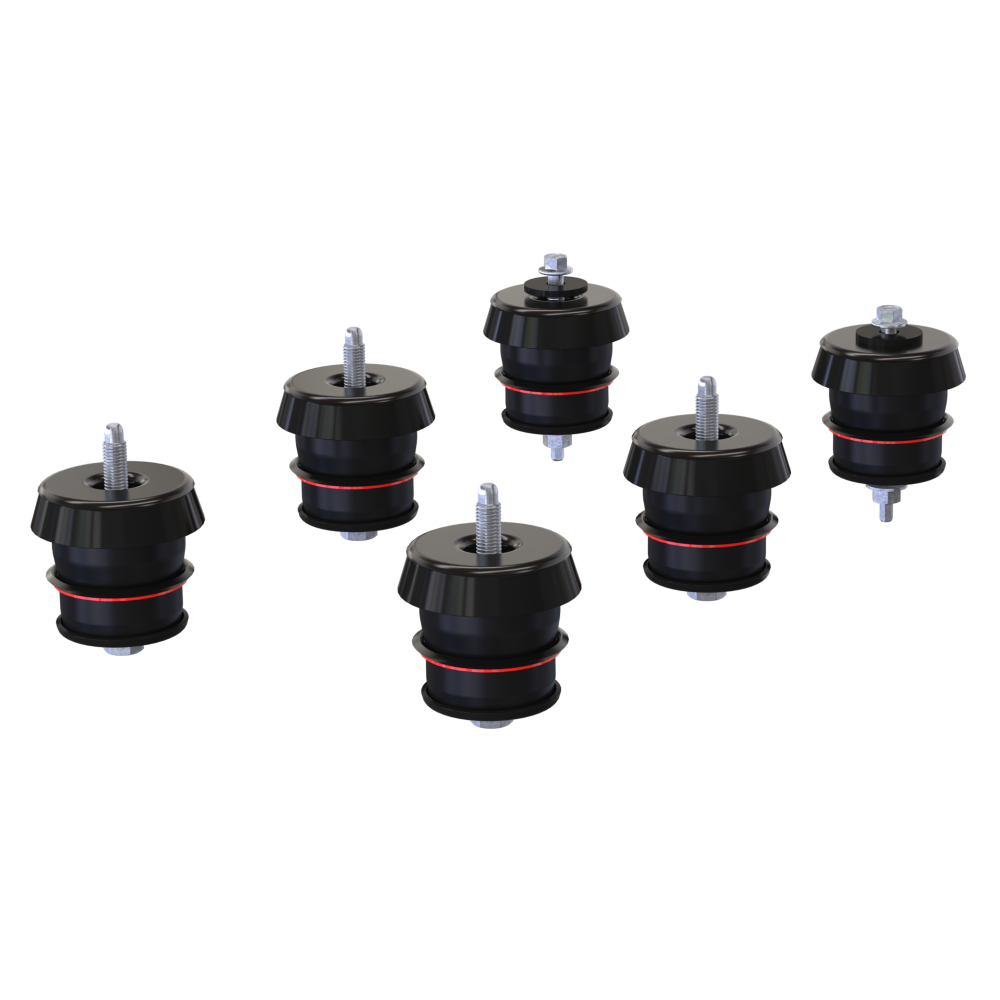
Body mounts are wear items nobody checks: the rubber sandwiches between frame and cab crush and crack with age and dirt miles, and suddenly the truck clunks over ledges and shivers on washboard. Fresh mounts — rubber for comfort, polyurethane for durability and crisper response — transform how an older platform feels. It’s the refresh high-mileage overland builds forget until they try it.







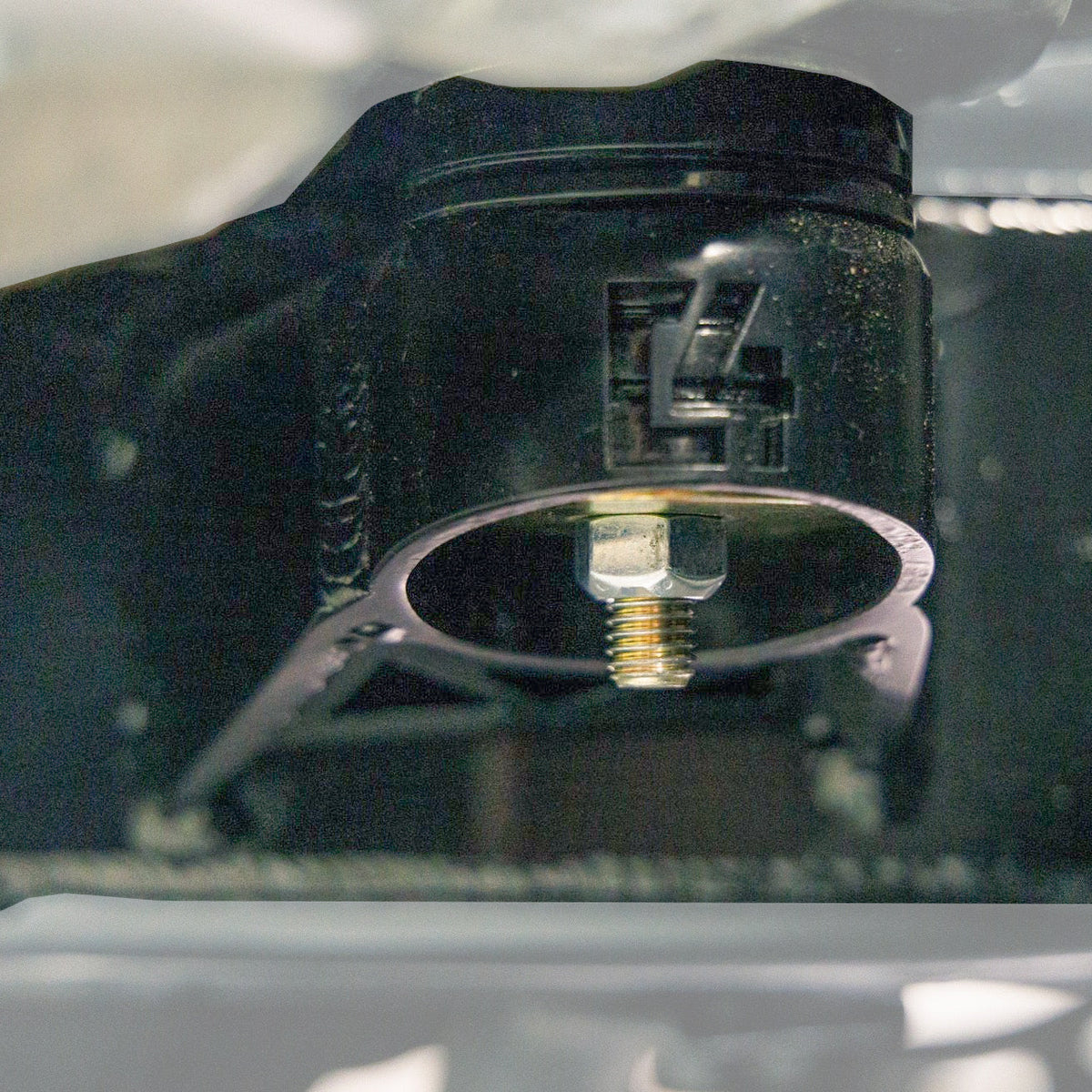
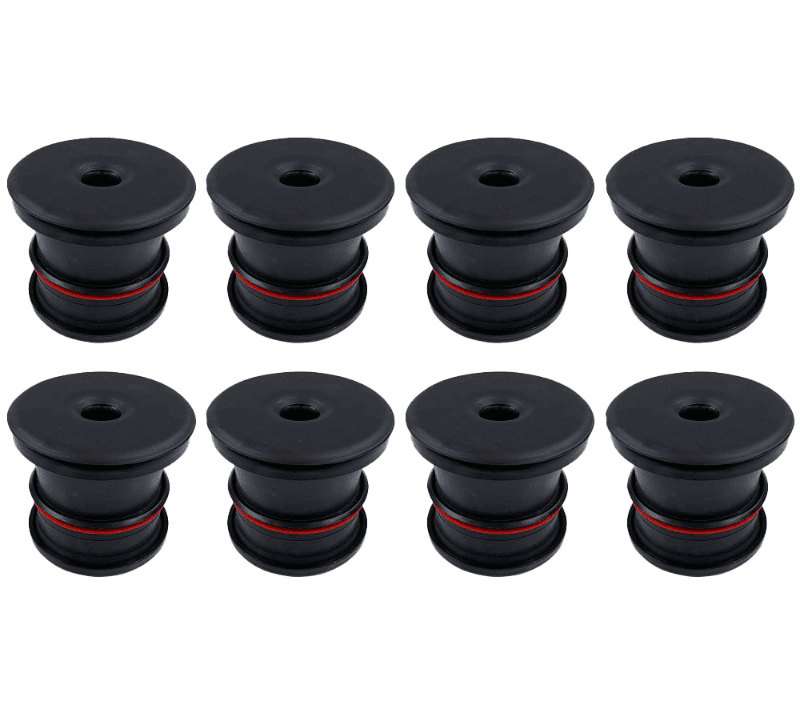

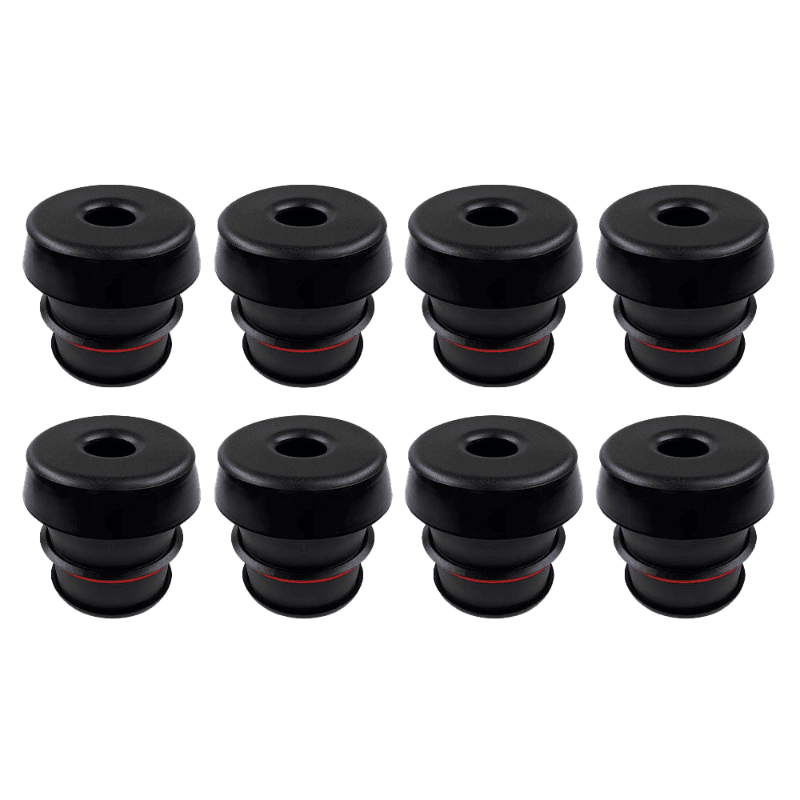
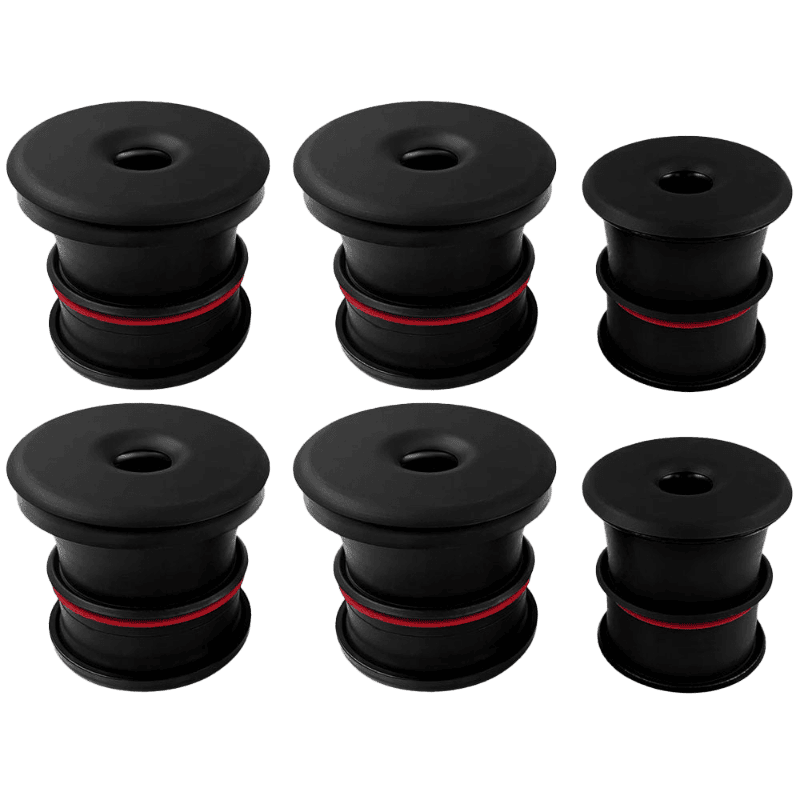

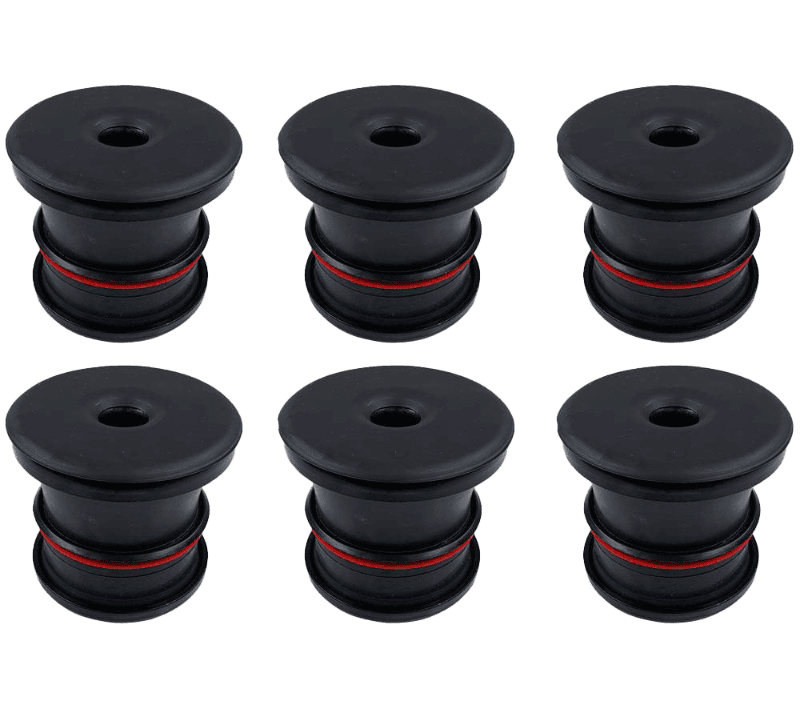


Body Mounts FAQs
What are the symptoms of worn body mounts?
Clunks over bumps, cab shudder on rough roads, vibration that has worsened over the years, and body panels drifting out of line with the bed or frame. Worn mounts also let the body shift under braking and off-camber loads, which you feel as vague slop the suspension can't explain. On an older or heavily loaded truck, mounts are a prime suspect.
Are polyurethane body mounts too harsh for a daily driver?
They're firmer than rubber, not punishing — most people acclimate within a week. You'll notice more road texture and a bit more noise in the cab, especially on coarse pavement, and that's the price for mounts that won't crush under a permanently loaded build. If maximum quiet matters more than longevity under load, quality rubber replacements are the better daily choice.
Do I have to replace all the body mounts at once?
Yes, treat them as a set. They've all seen the same years and the same loads, so when one collapses the rest are close behind, and mixing fresh mounts with crushed ones leaves the body sitting unevenly on the frame. Doing the full set also means one round of labor instead of chasing clunks corner by corner.
Does a heavy overland build wear out body mounts faster?
Noticeably. Factory rubber was specified around stock weight, and a build that adds steel bumpers, drawers, a tent, and gear keeps the mounts compressed all the time instead of occasionally. Washboard roads accelerate the breakdown further. It's why heavily built trucks show collapsed mounts at mileages where stock trucks are still fine — and why firmer upgrade mounts exist.
Do I need to lift the cab or remove the bed to replace body mounts?
The body has to come off the mounts at least slightly, yes — typically you unbolt and raise one section at a time rather than lifting the whole cab. Bed mounts are usually the easier starting point; cab mounts involve more care around steering, wiring, and lines. On many trucks it's a patient-afternoon job, not a specialist one, but read up on your platform first.
