








Ladders
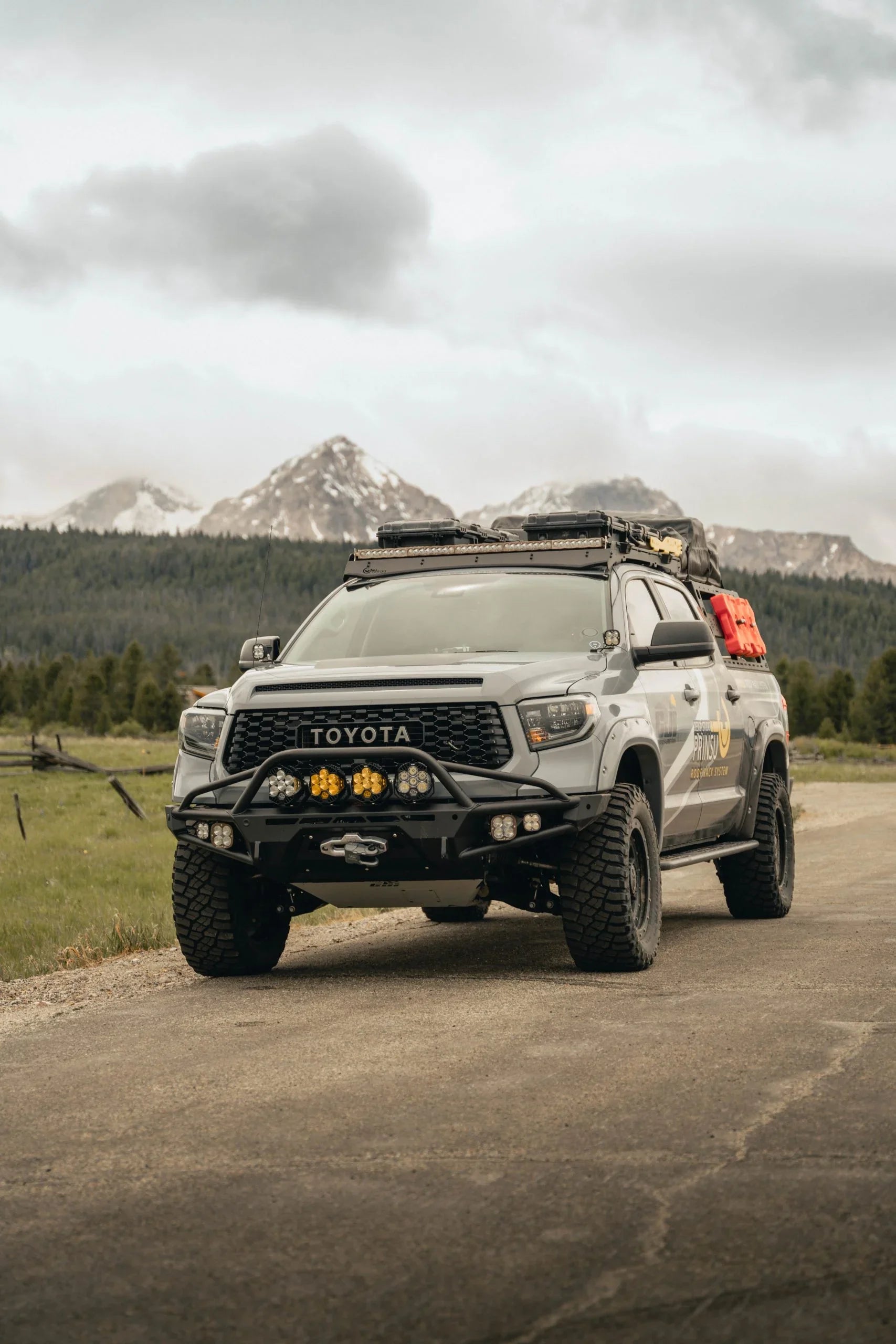
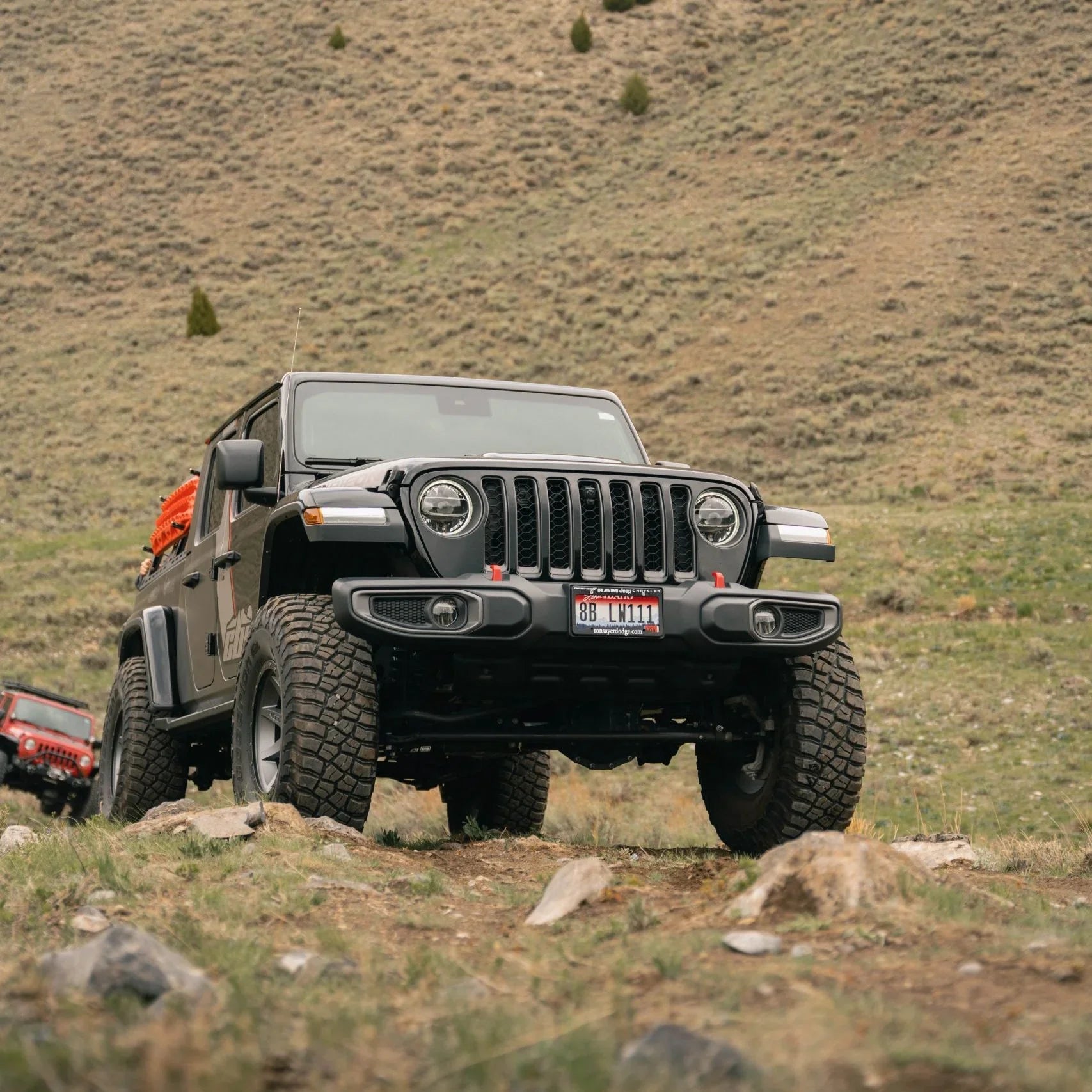
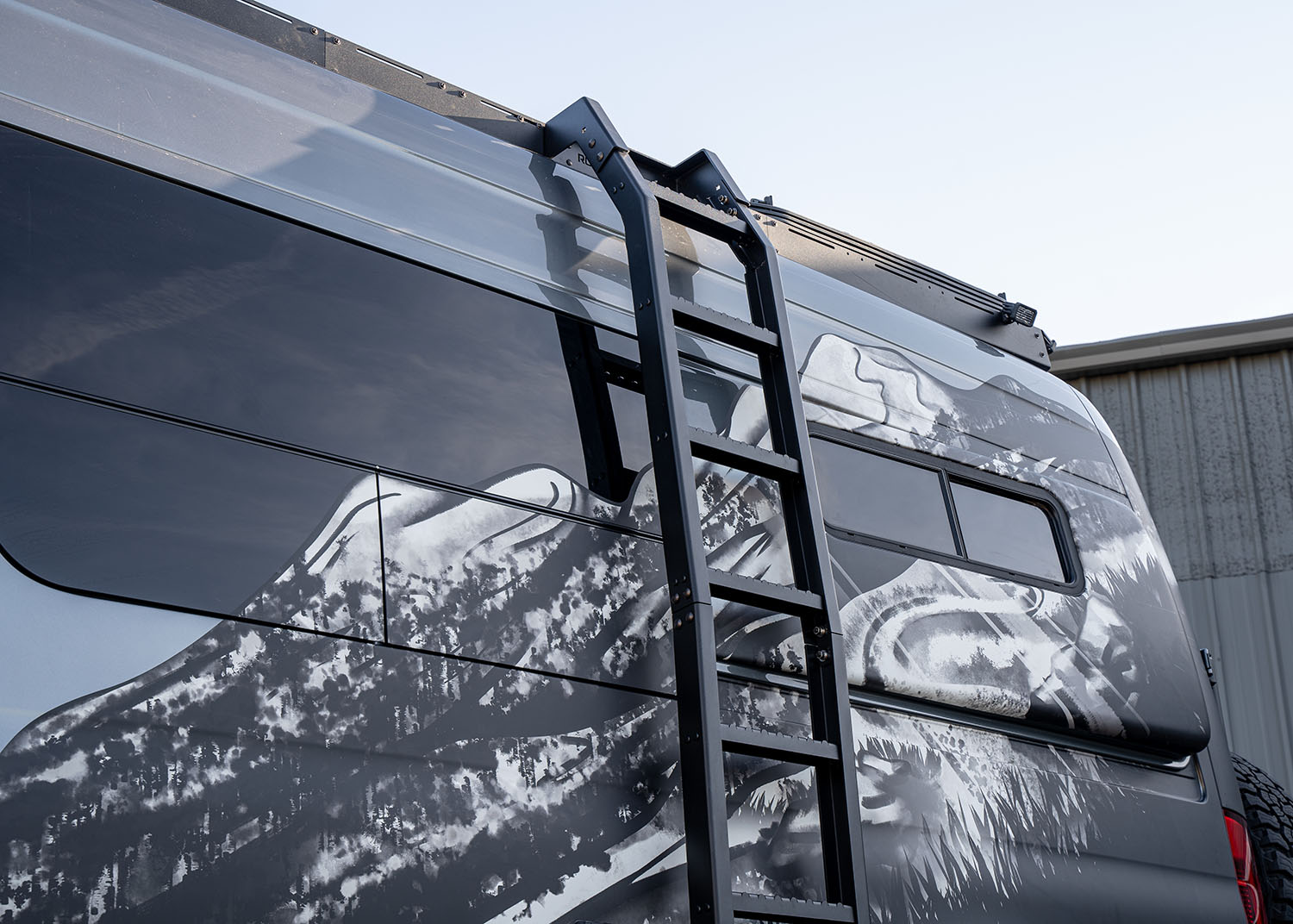
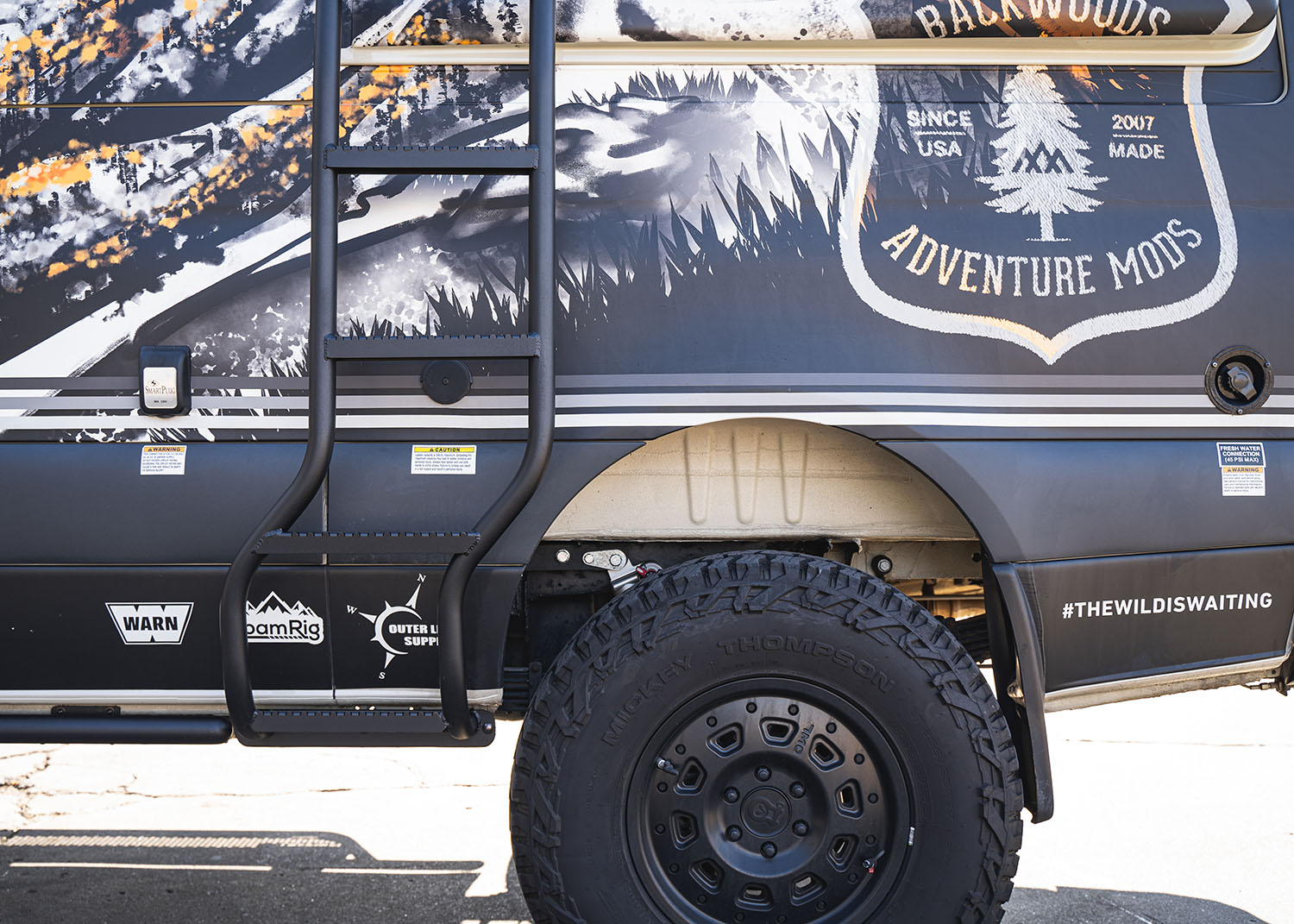
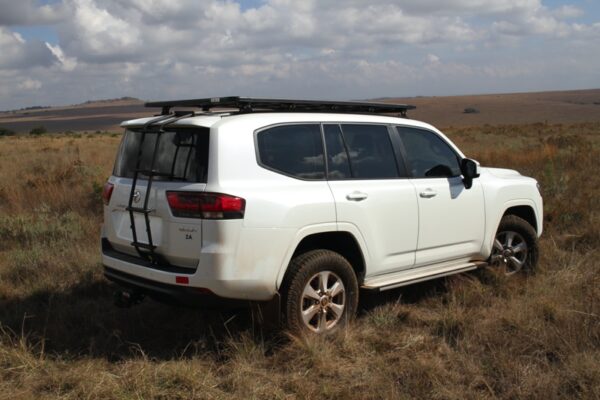
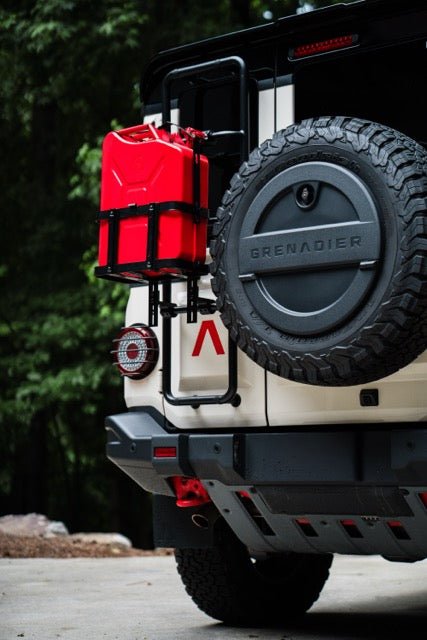
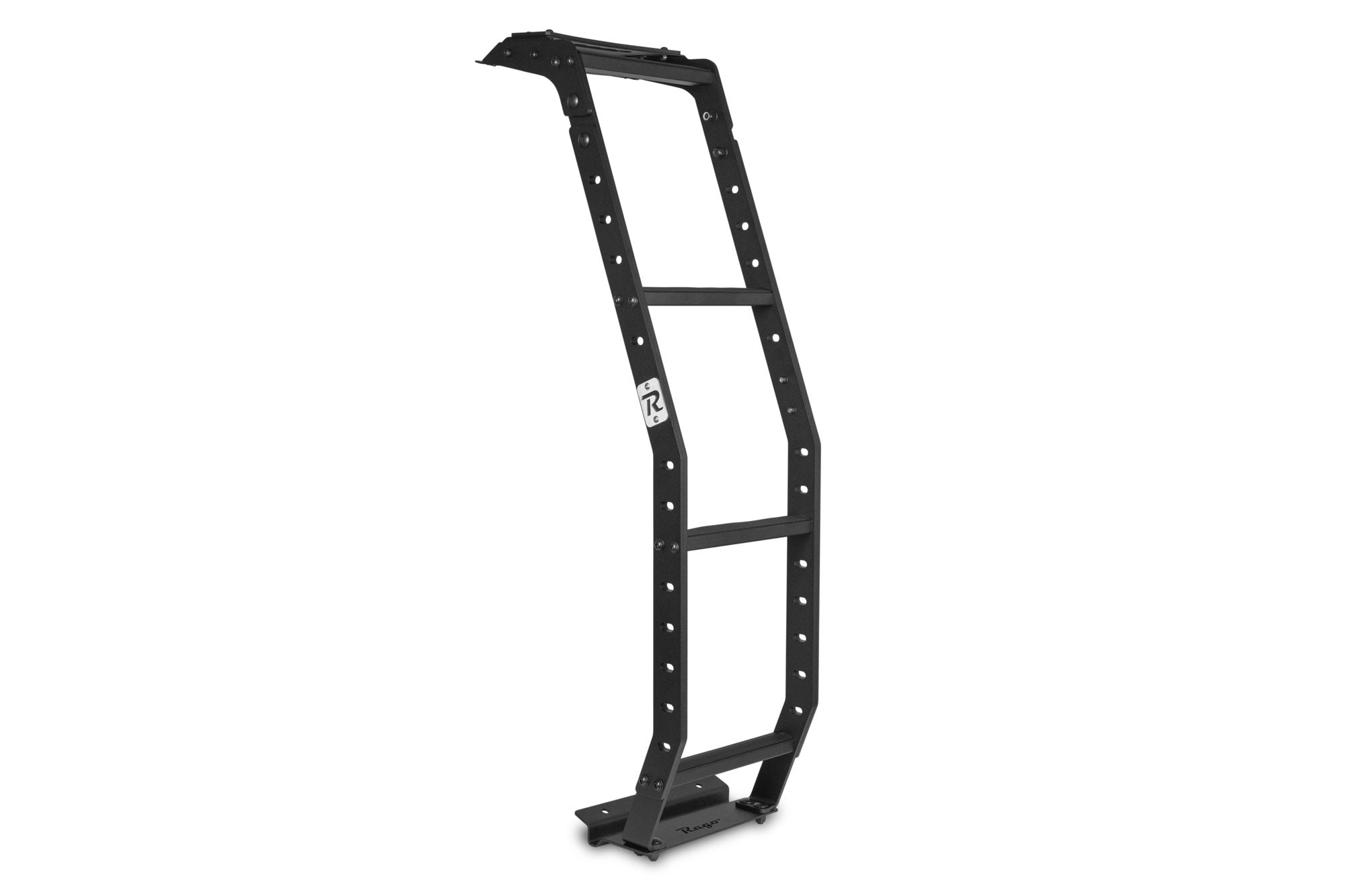
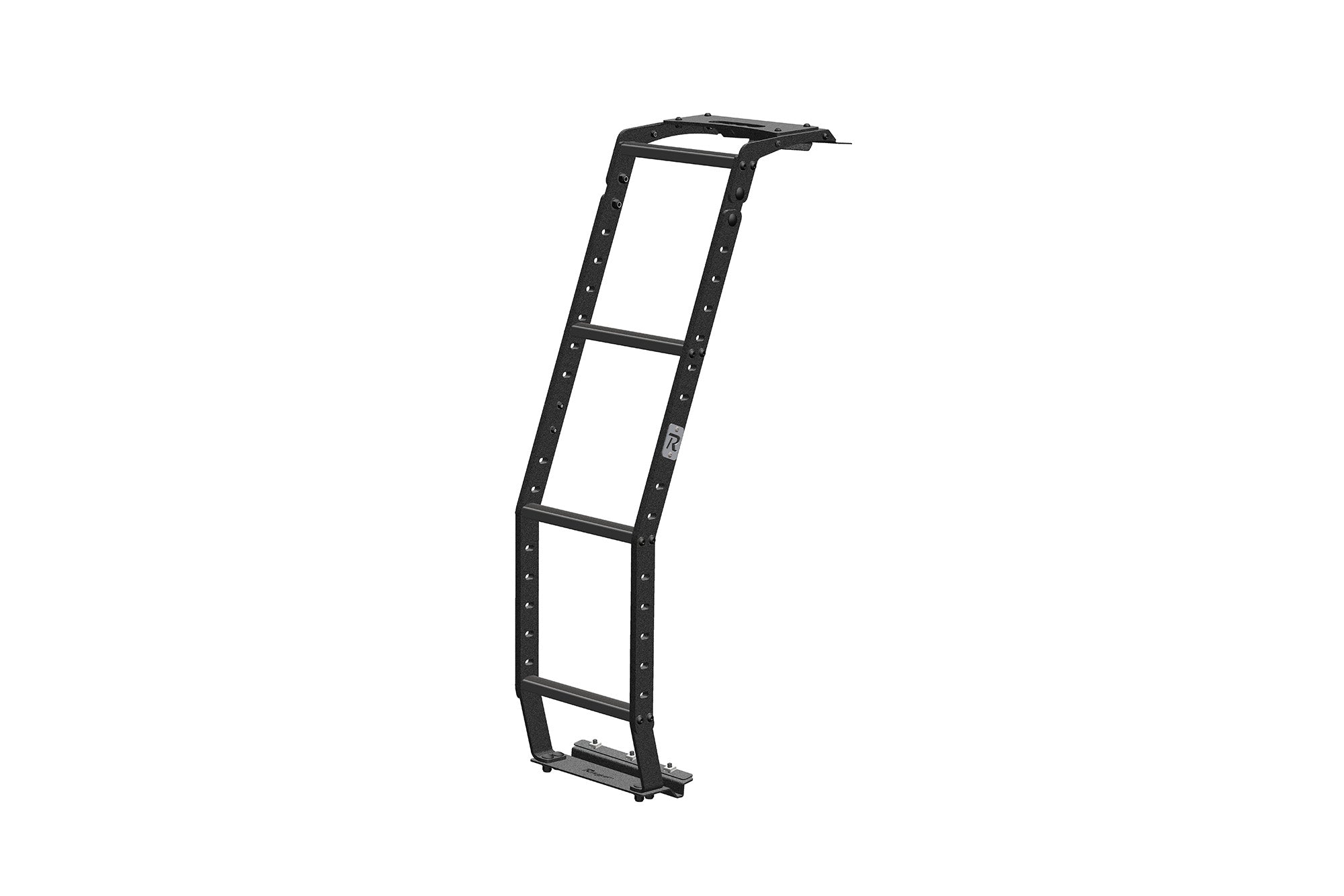
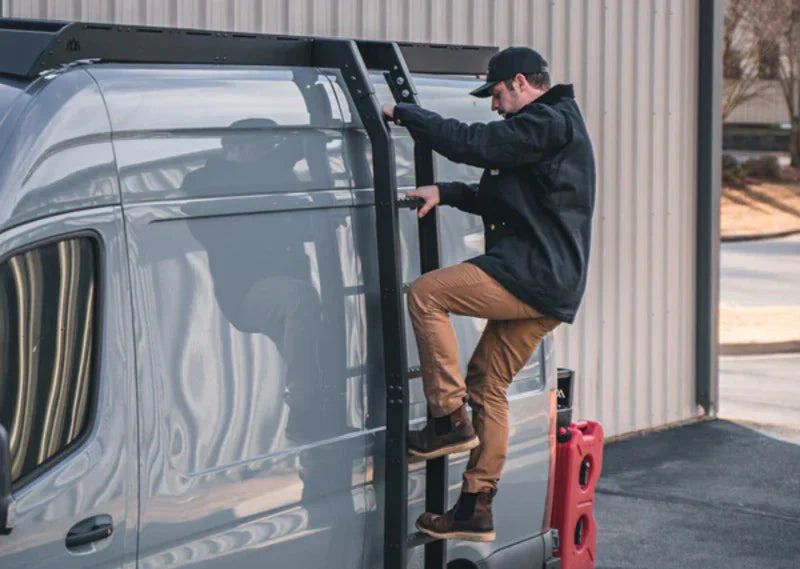
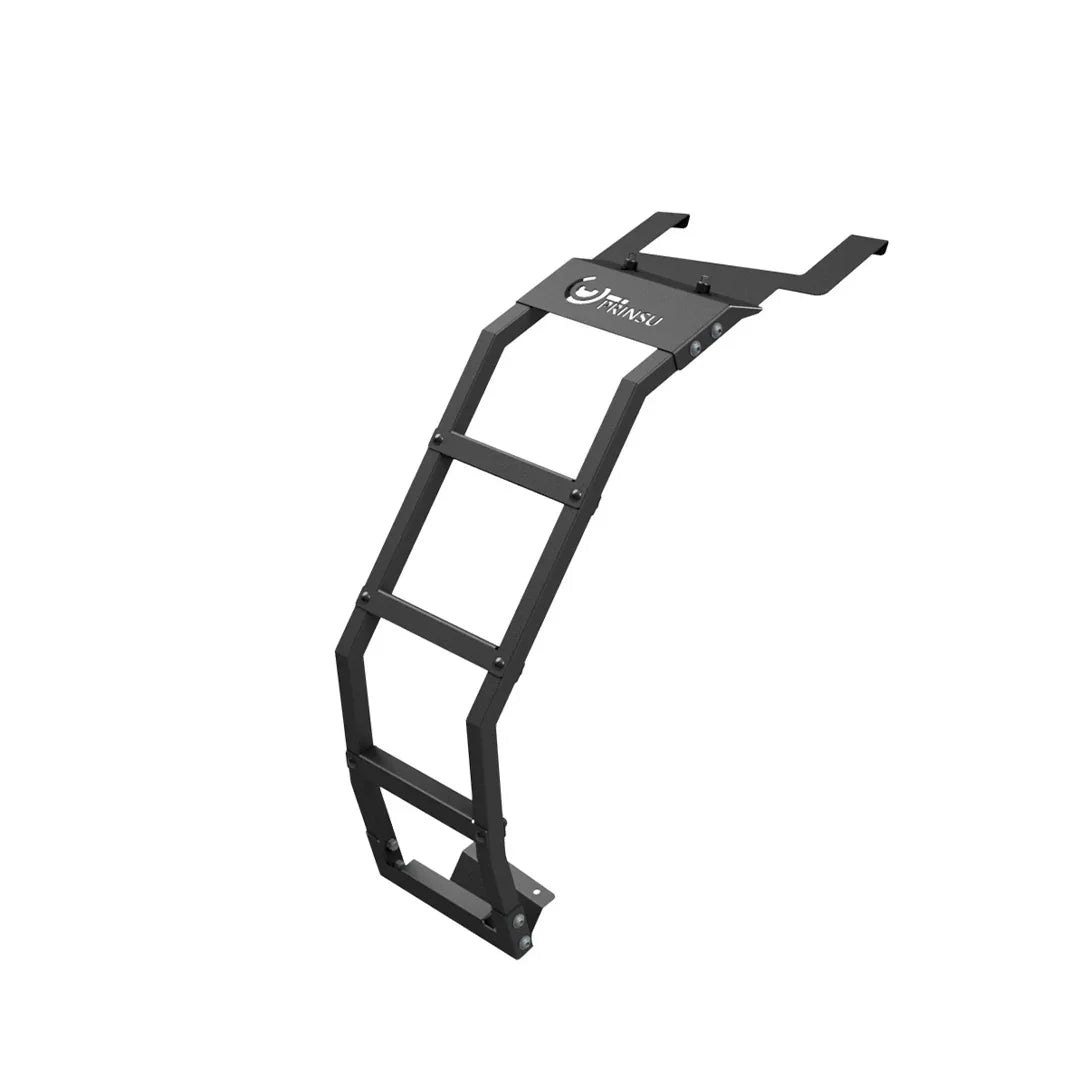
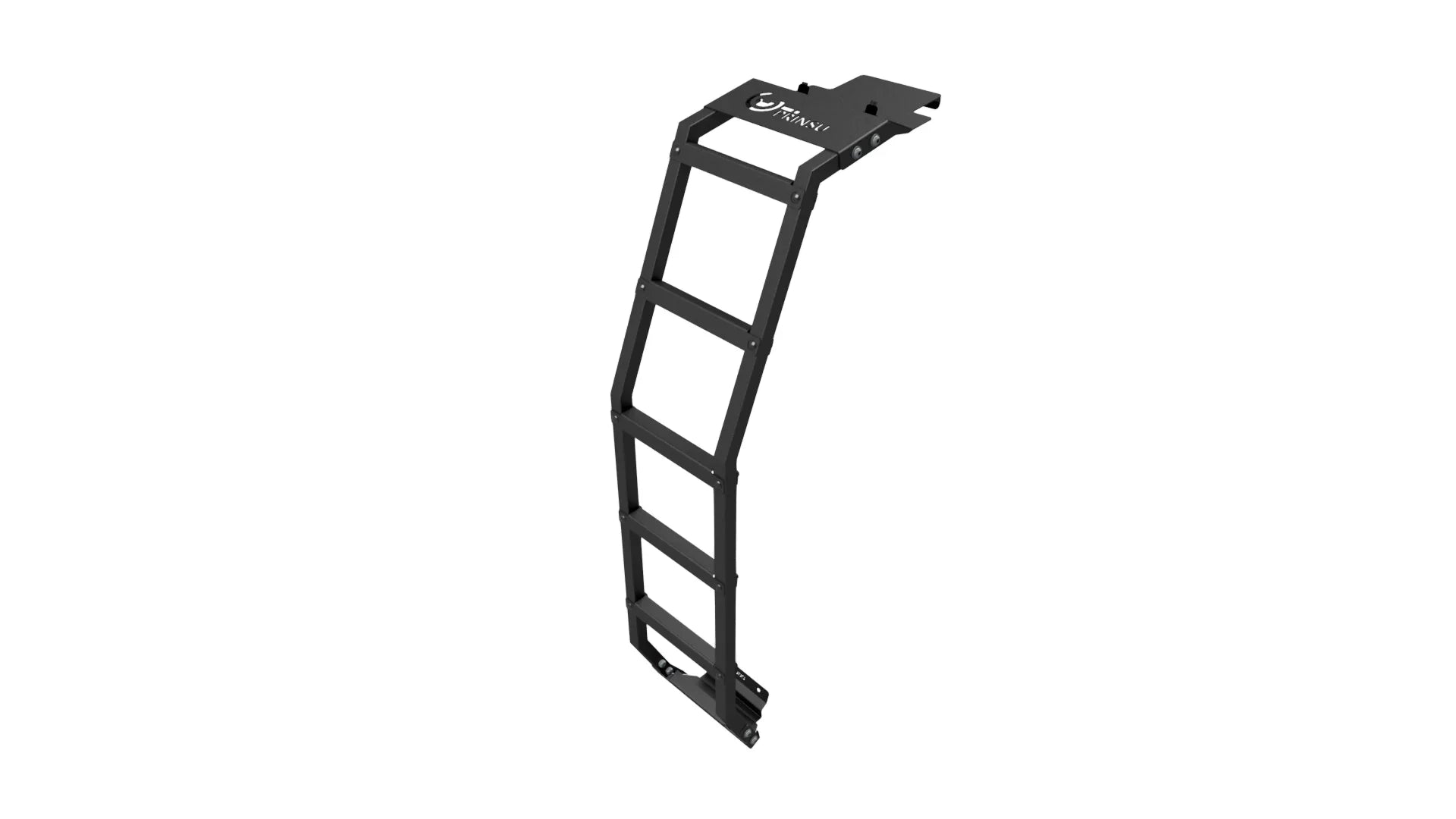
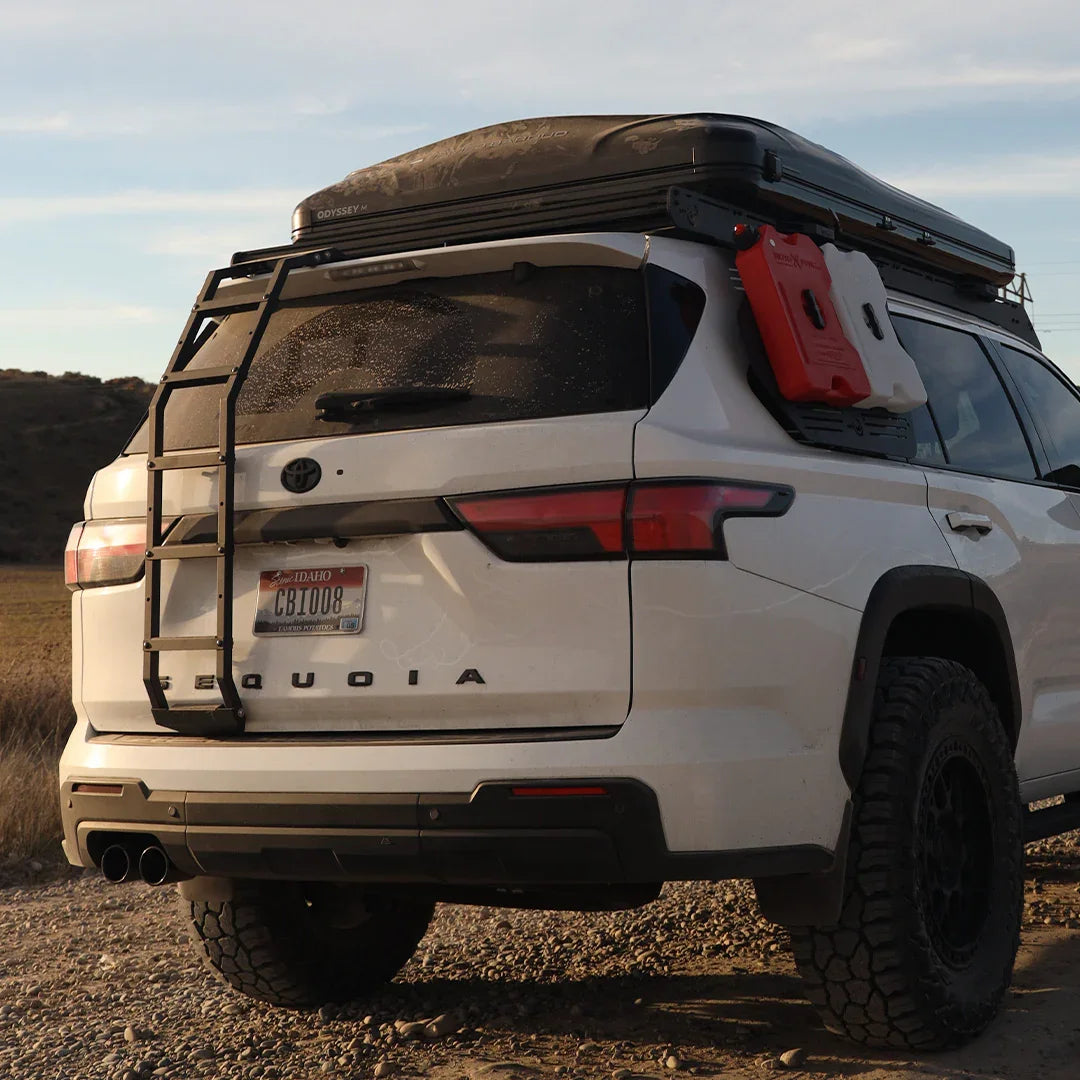
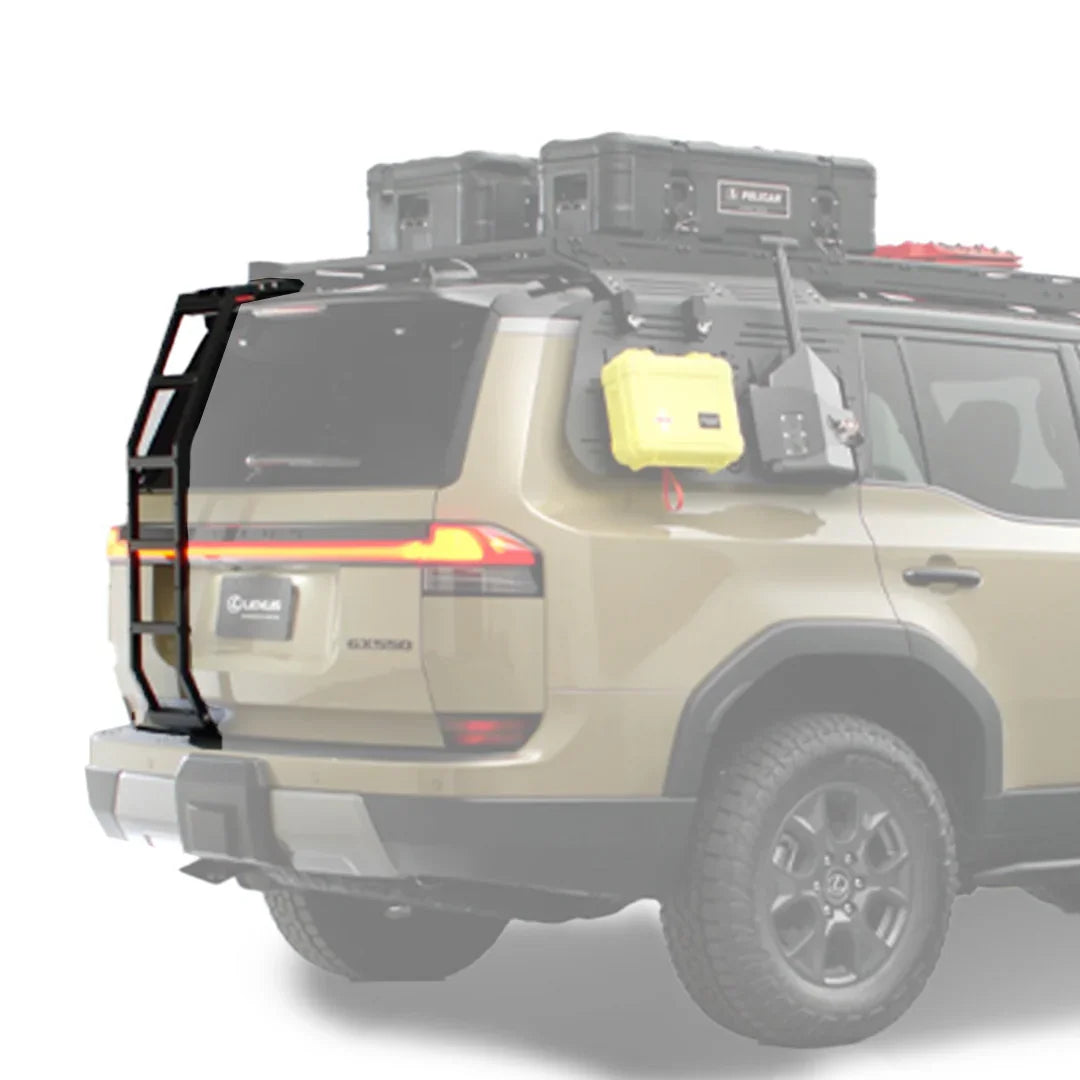
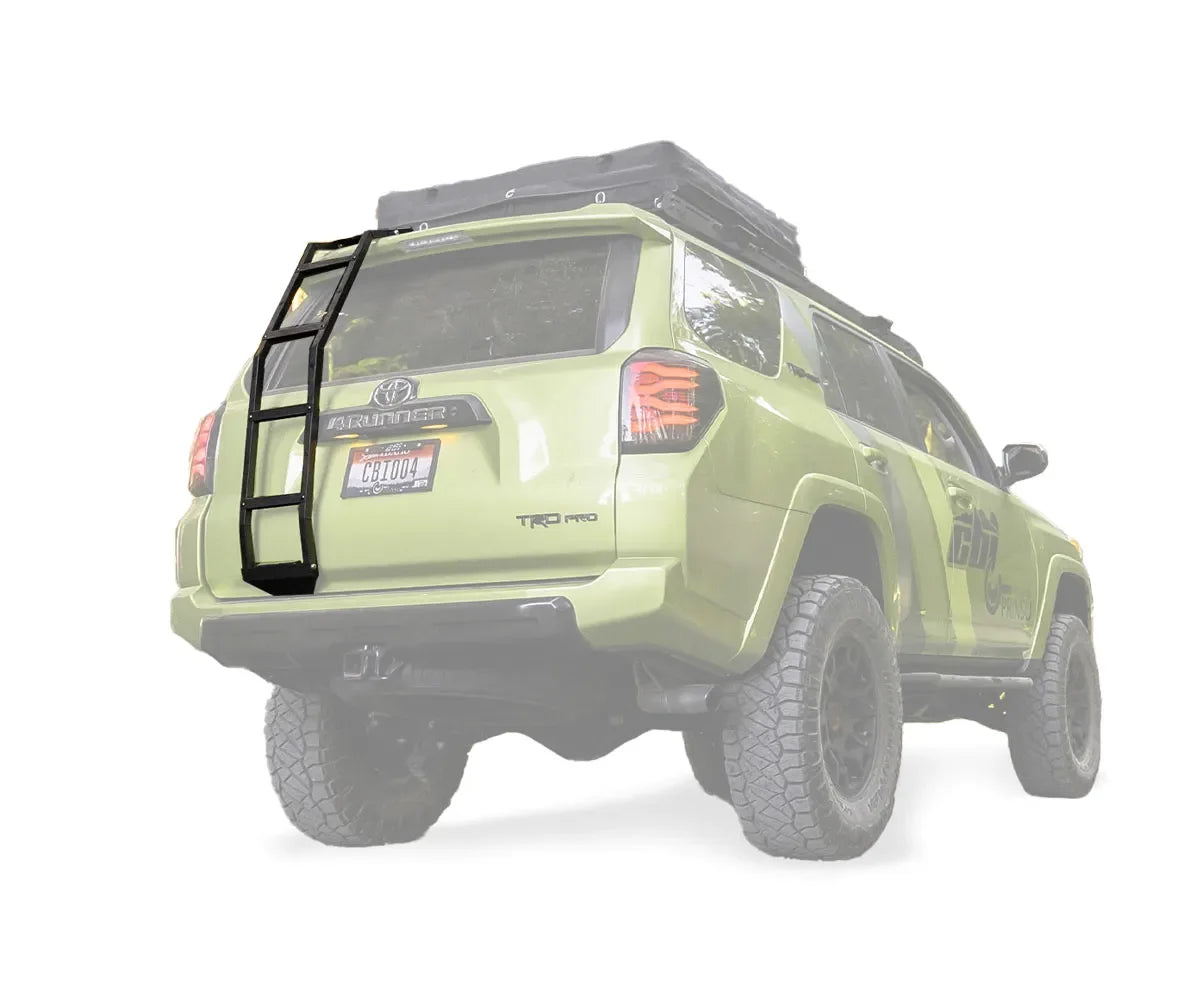
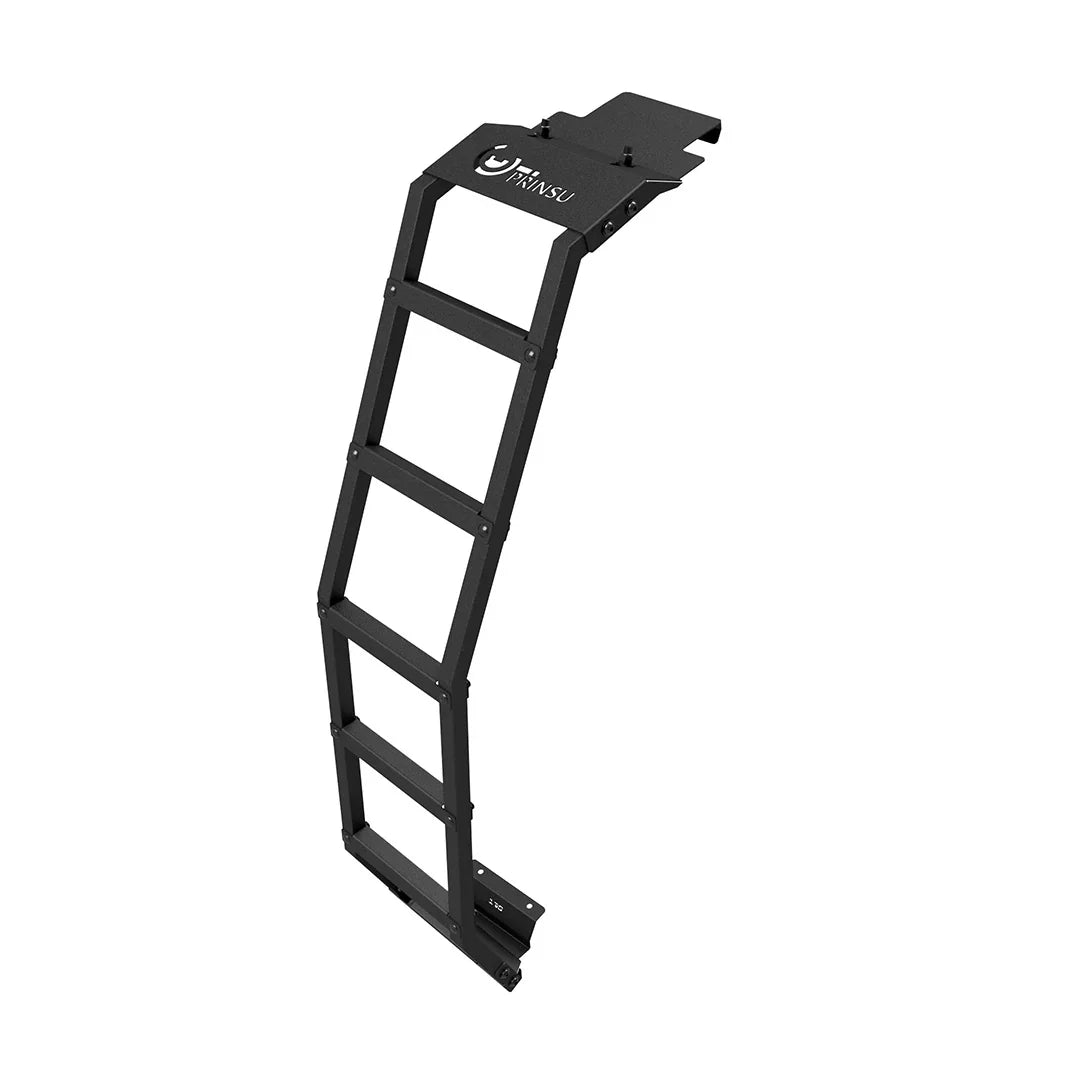
Once the roof starts working for a living — rack, tent, solar, recovery boards — you need a way up that isn't a tire, a door hinge, and a prayer. This collection covers vehicle-mounted ladders for hatches, beds, and tire carriers, plus rooftop tent ladders and extensions. Everything is filtered by year, make, and model, because a ladder that fits wrong is worse than no ladder at all.




Ladders FAQs
Do I need a ladder if I already have a roof rack?
If you load and unload up there more than occasionally, yes. The tire-and-door-hinge climb gets old fast, dents body panels, and gets genuinely sketchy with mud on your boots or gear in one hand. Daily rack users and rooftop tent owners get their money's worth quickly; a twice-a-year roof box does not require one.
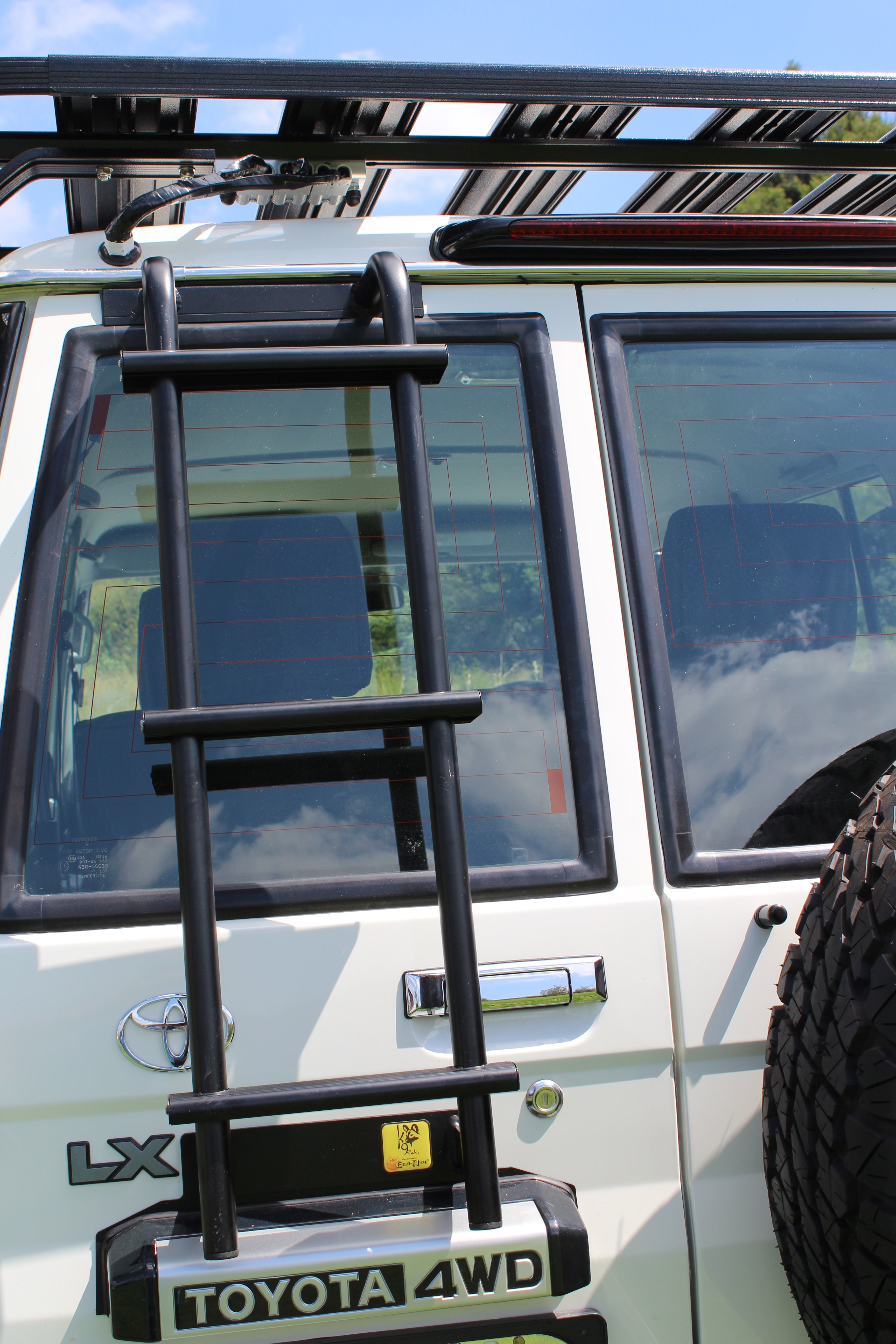
Will a hatch-mounted ladder damage my rear door?
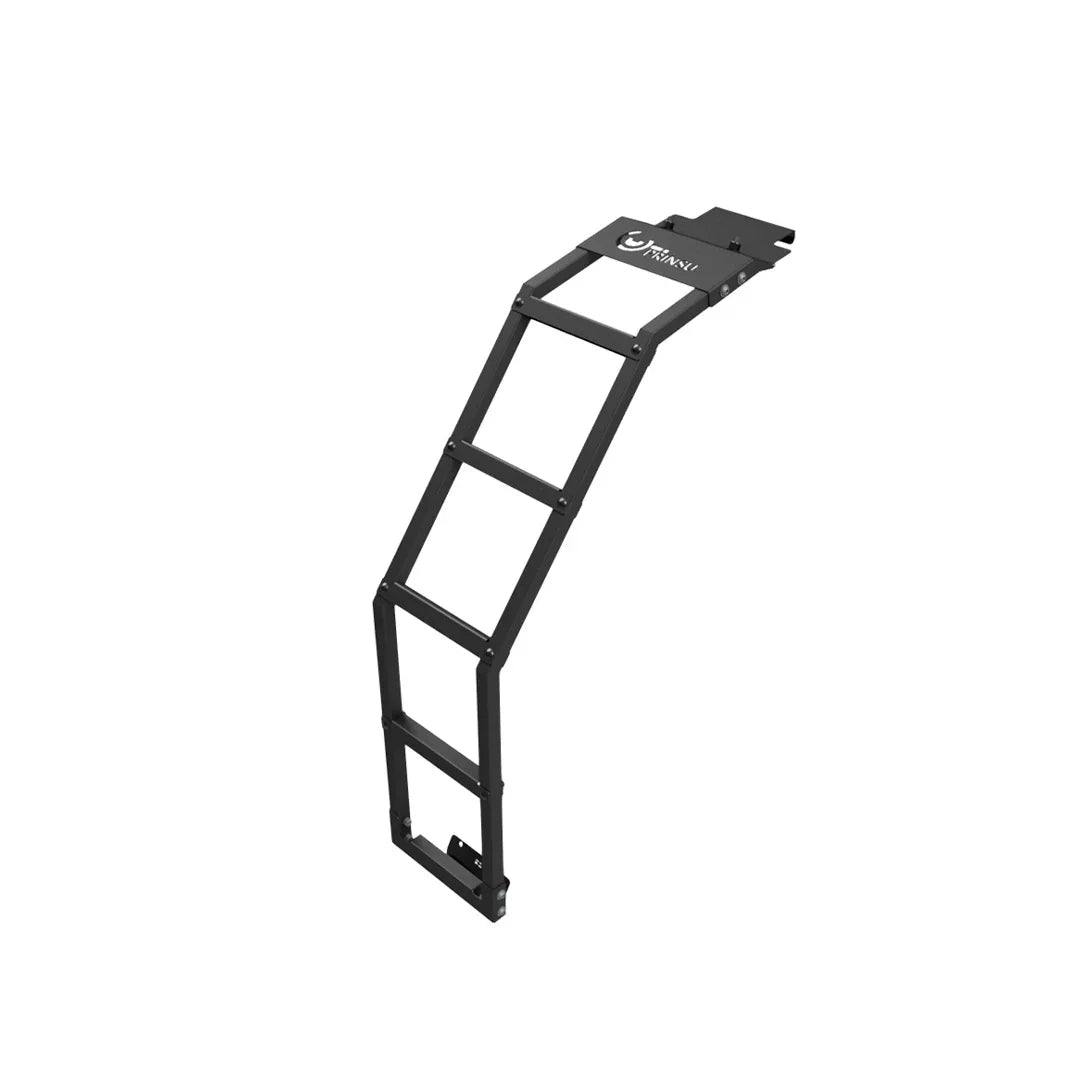
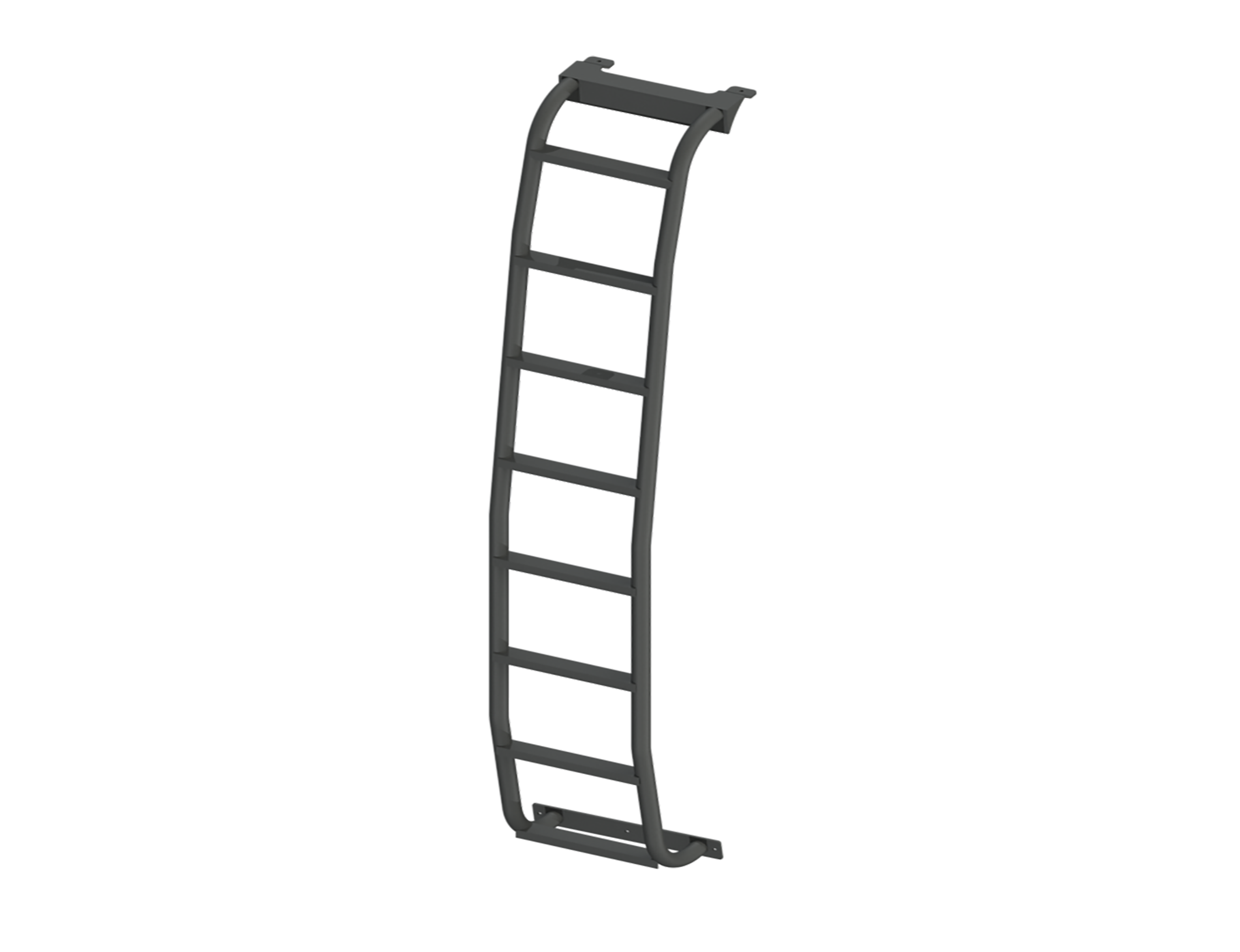
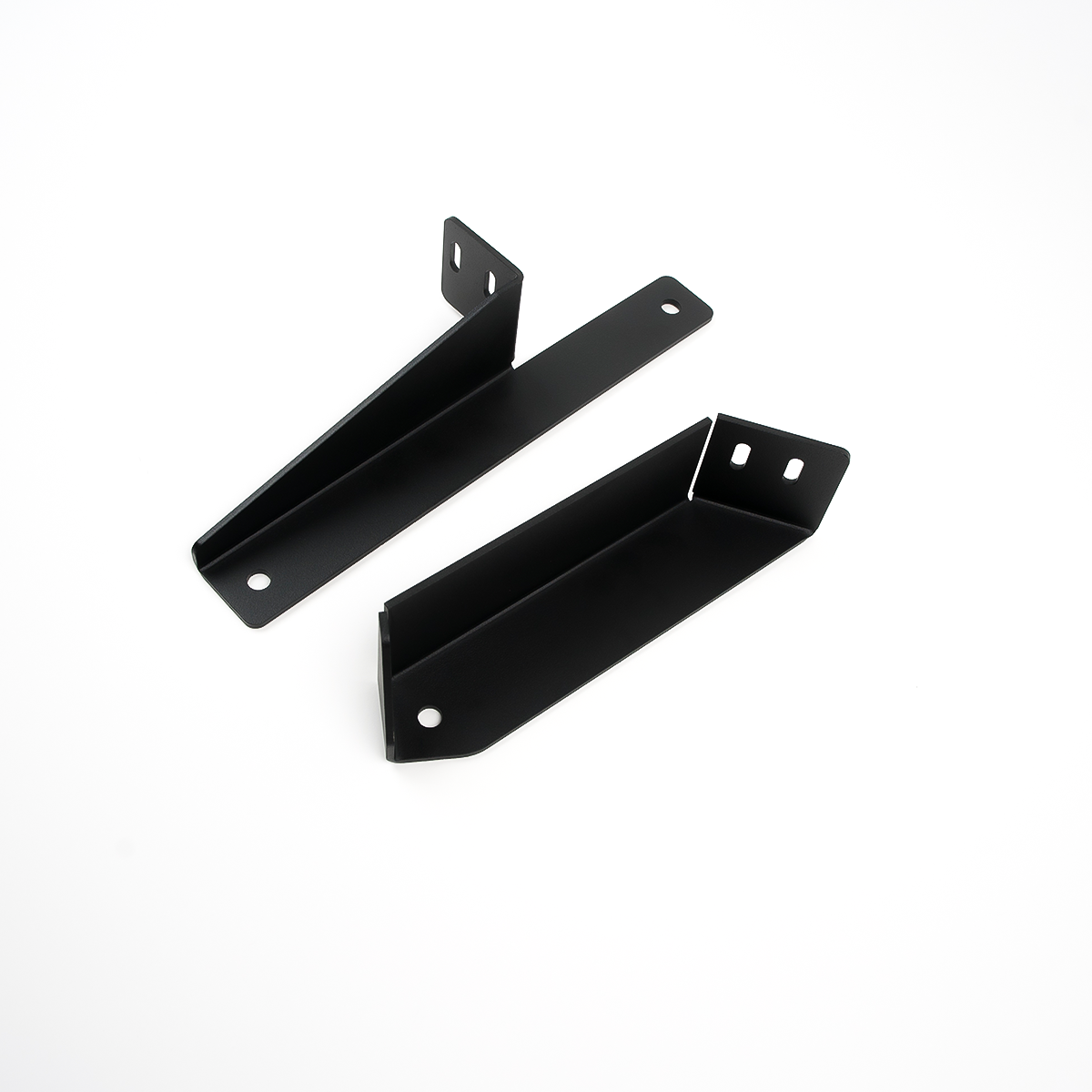
A model-specific ladder shouldn't — good designs bolt through reinforced points and spread climbing loads into structure rather than sheet metal. What causes trouble is loose hardware and universal ladders clamped where they don't belong. Torque the mounting bolts on schedule, recheck after the first rough trip, and climb with the door closed and latched.
Will a rear ladder block my window, wiper, or spare tire?
It depends on the design and your vehicle, which is why these are built model-specific — most route around glass, wipers, and factory spares deliberately. Some designs do limit features like glass-hatch opening, and the listing notes will say so. Filter by your vehicle first, read the clearance notes, and ask us if anything is ambiguous.
What's different about rooftop tent ladders?
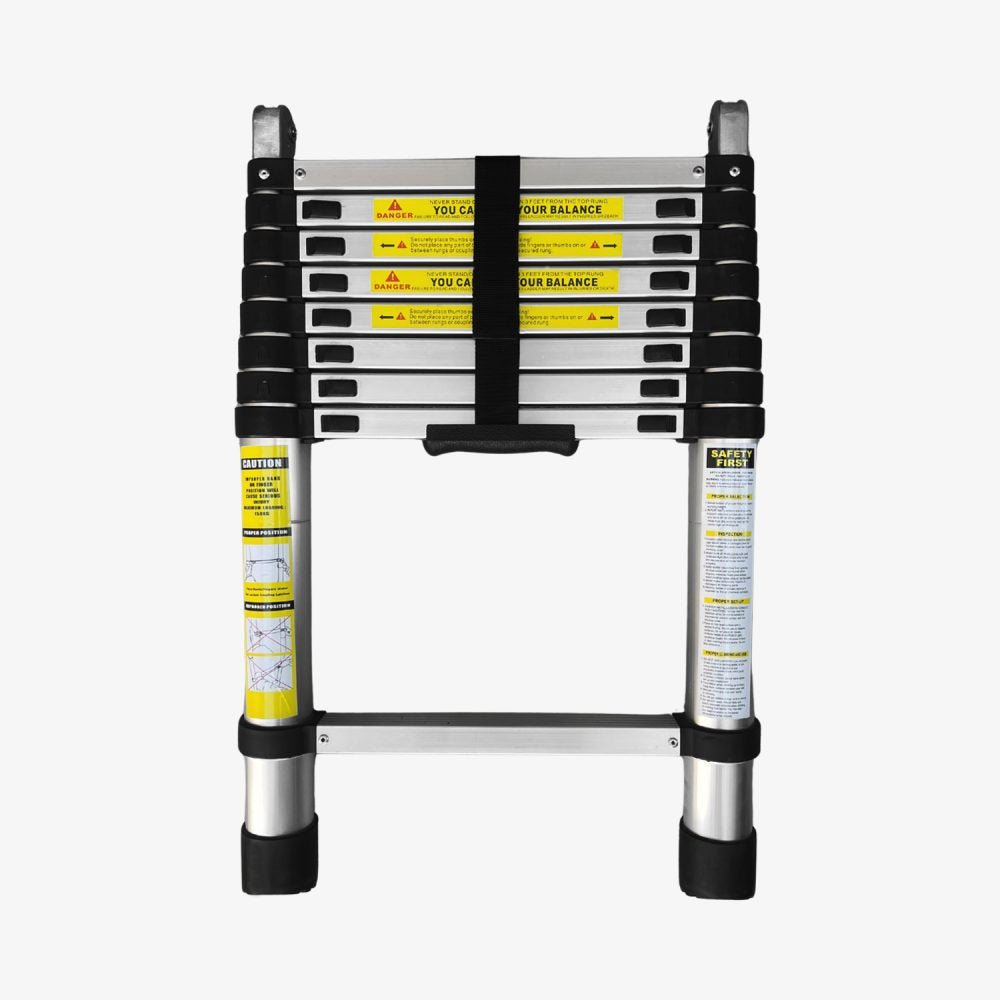
They're sized to the tent, not the vehicle — telescoping or fixed-length, set at a climbing angle, and built for nightly use. The catch is total height: a lifted truck with a rack puts the tent floor well above what a stock-length ladder reaches comfortably, which is what extensions are for. Measure at your real parked height before assuming the included length works.
Can I use a ladder as a jack point or tie-down anchor?
No. Ladders are rated for a climbing human, in one direction, through designed mounting points — not for jack loads or strap tension, which pull in ways the mounts were never meant to see. Use rated recovery points and proper anchors for that work, and let the ladder do the one job it's engineered for.
