





Coil Spacers
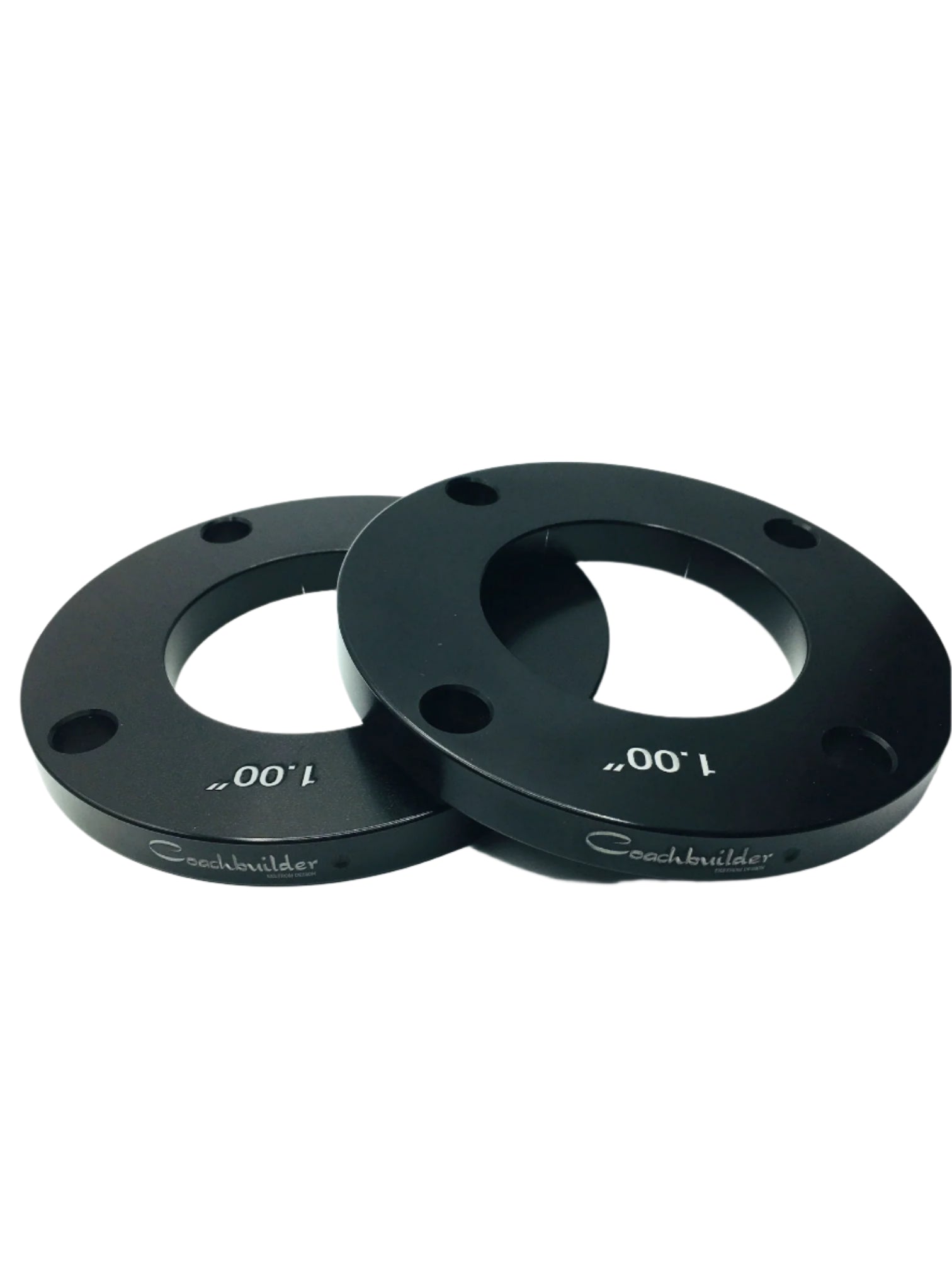
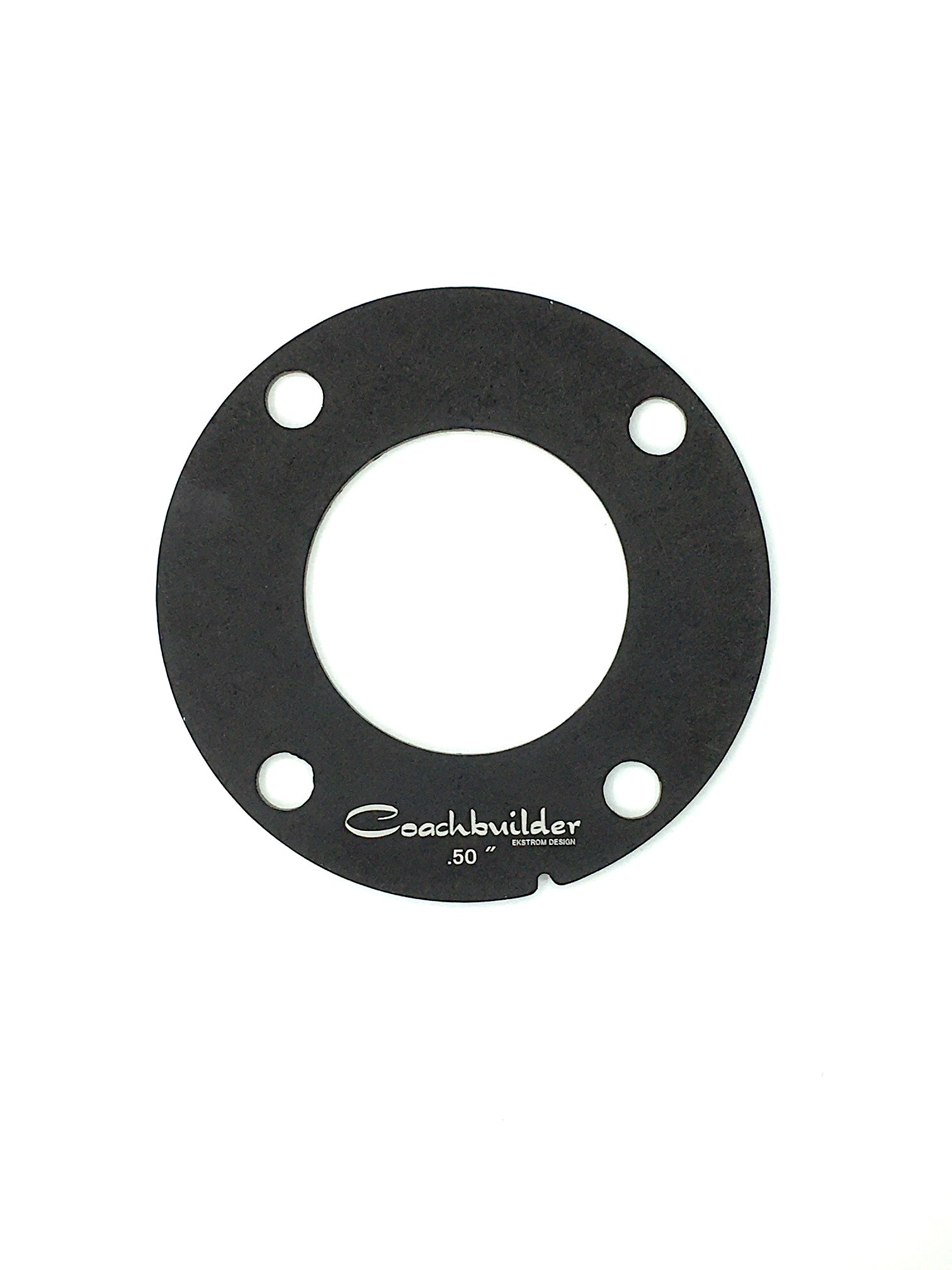
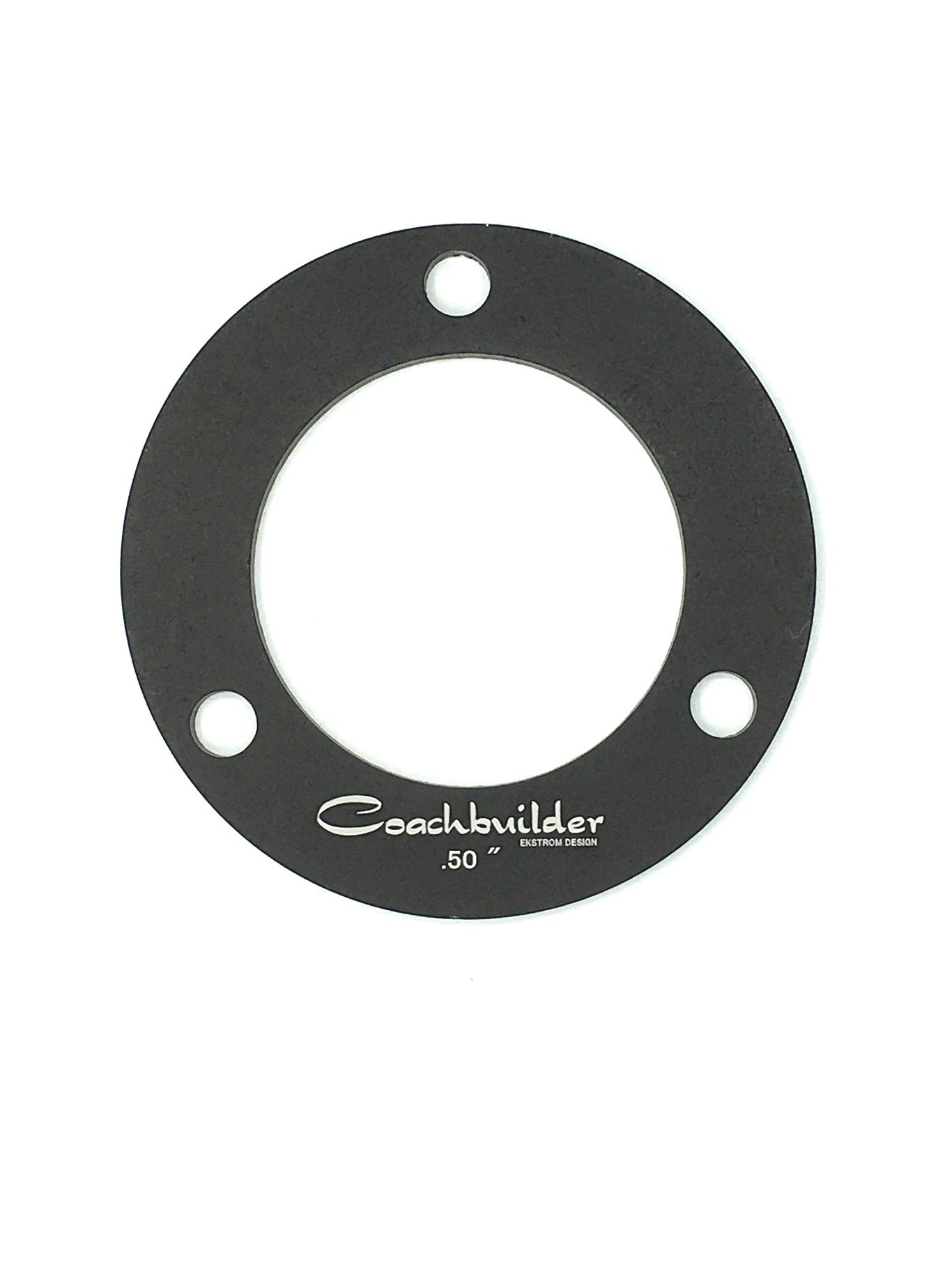
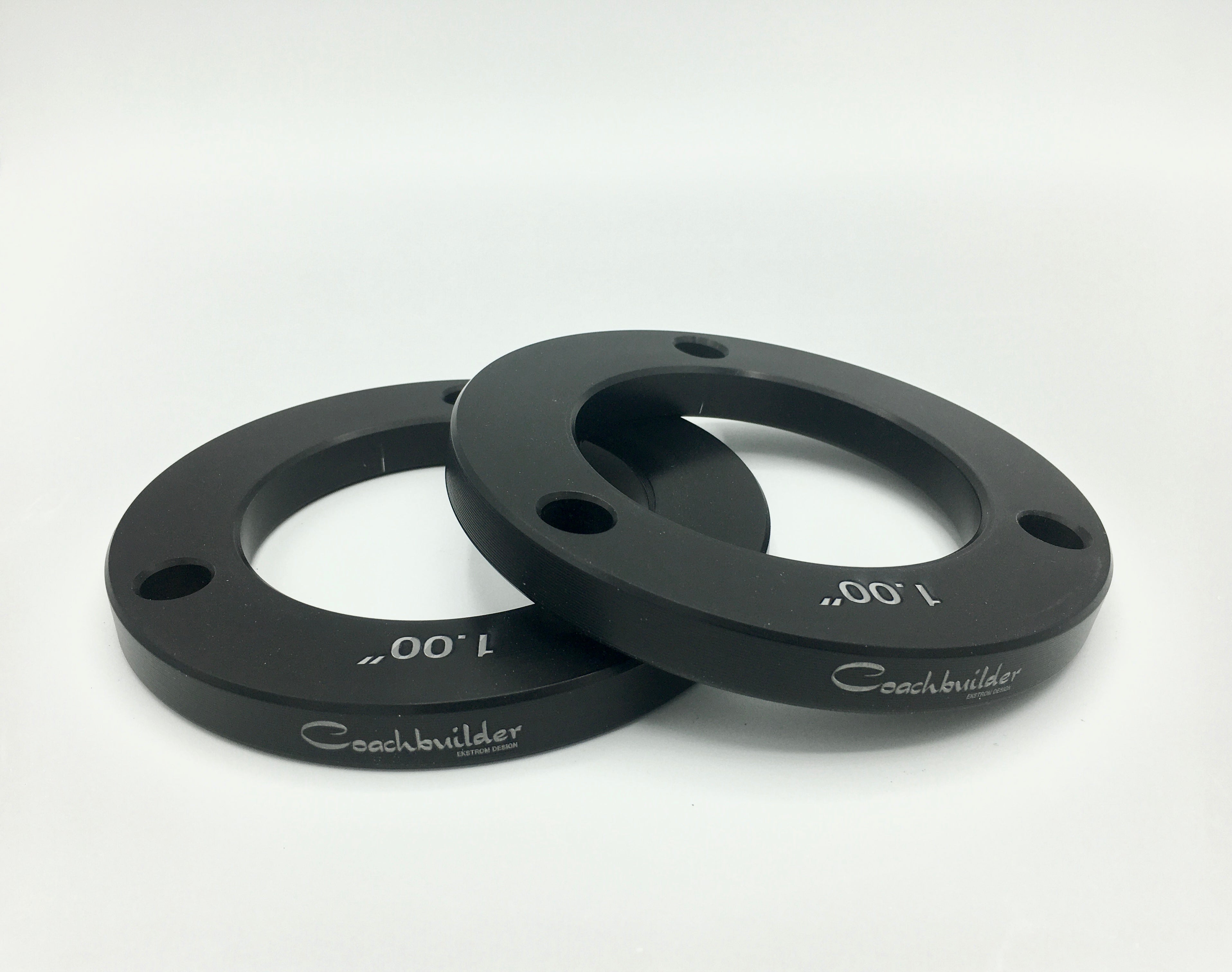
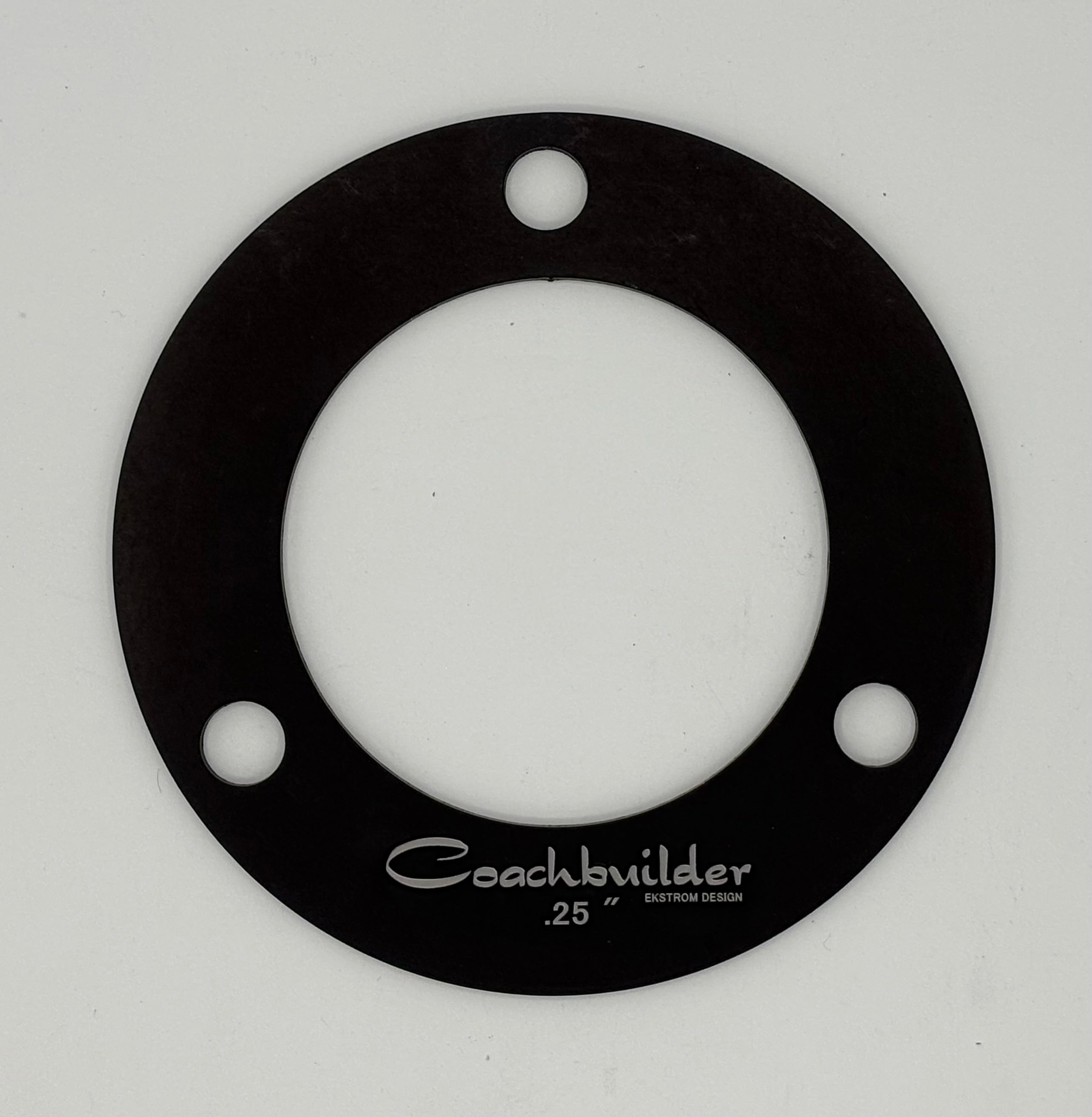
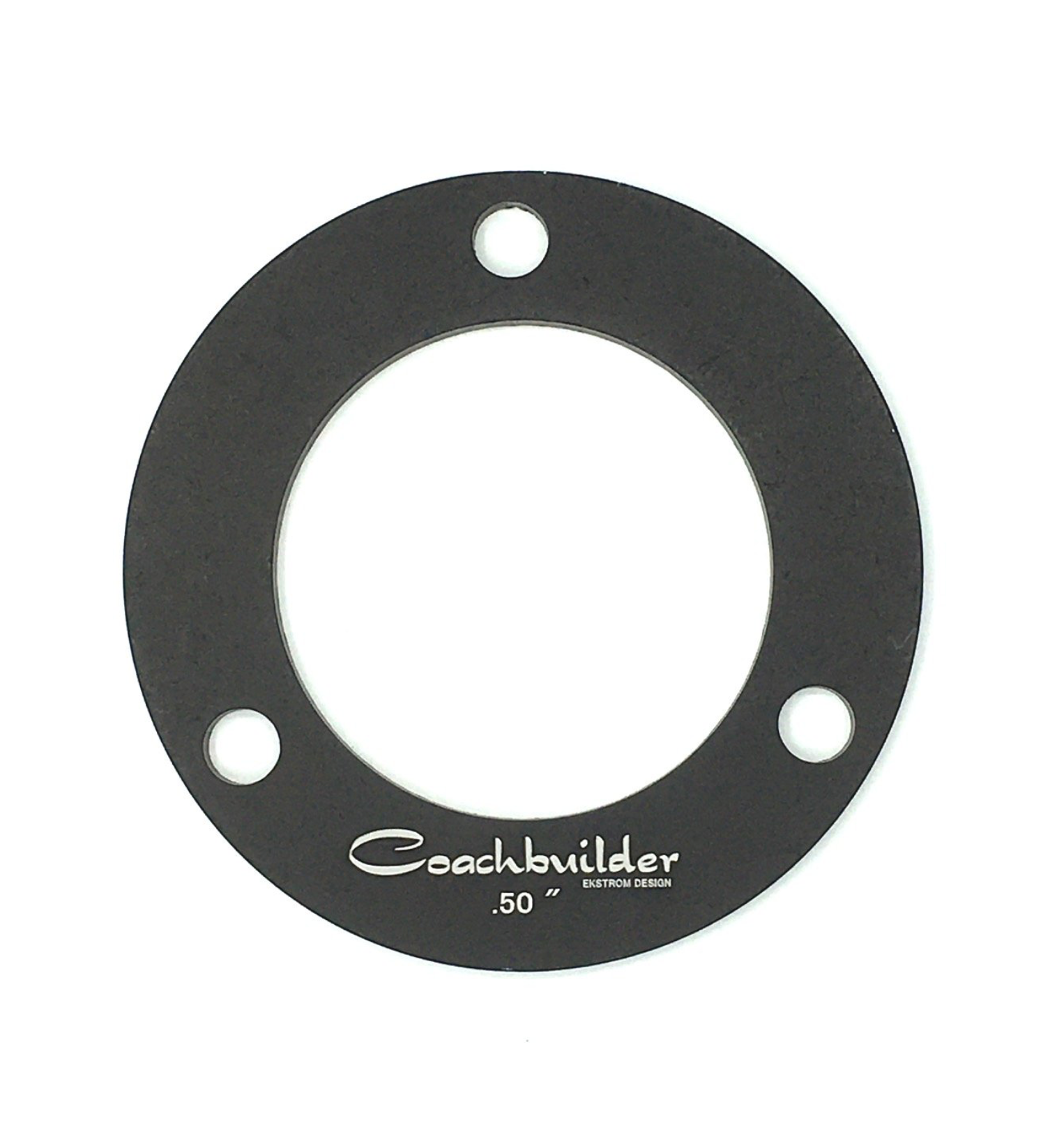
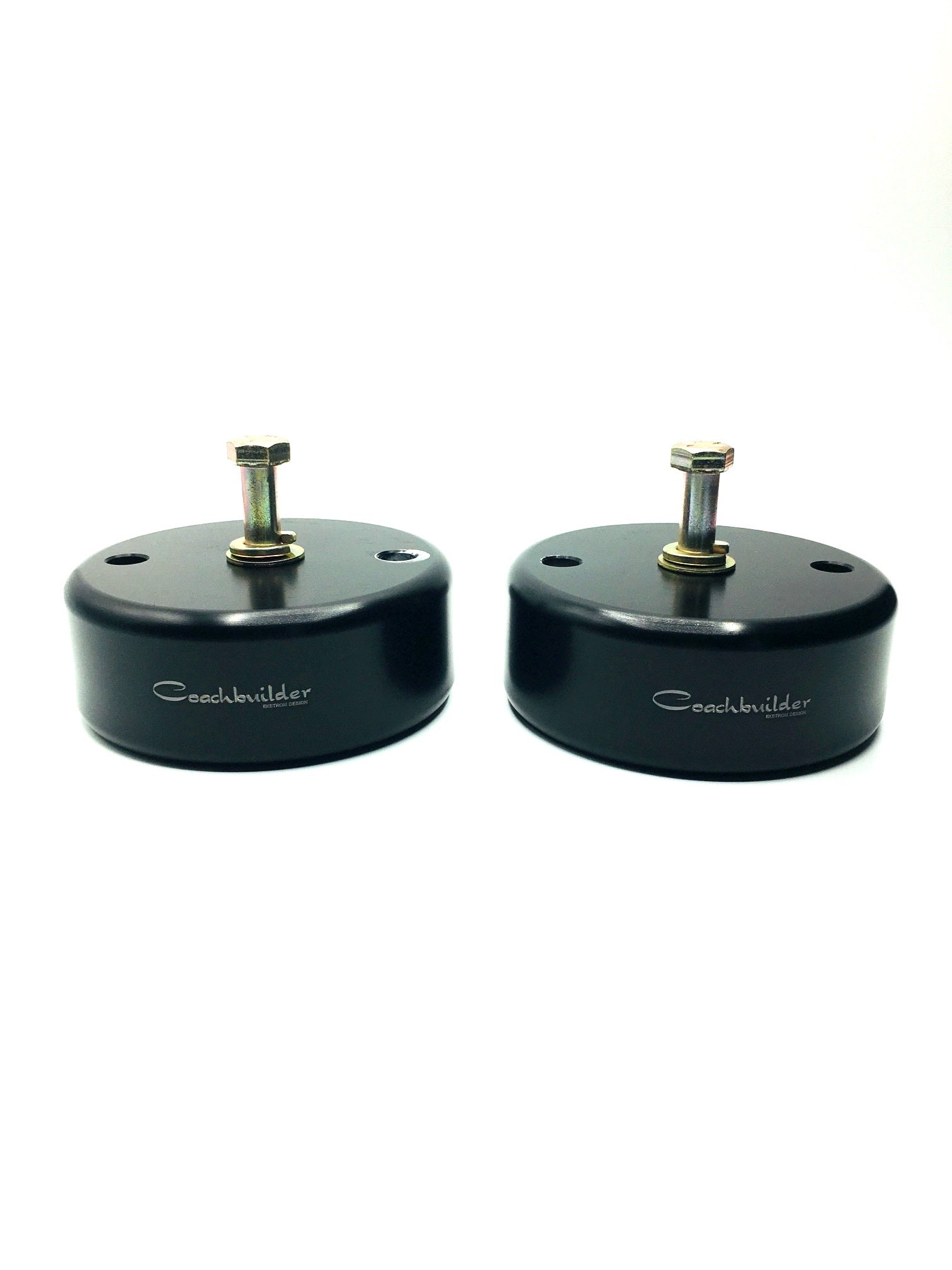
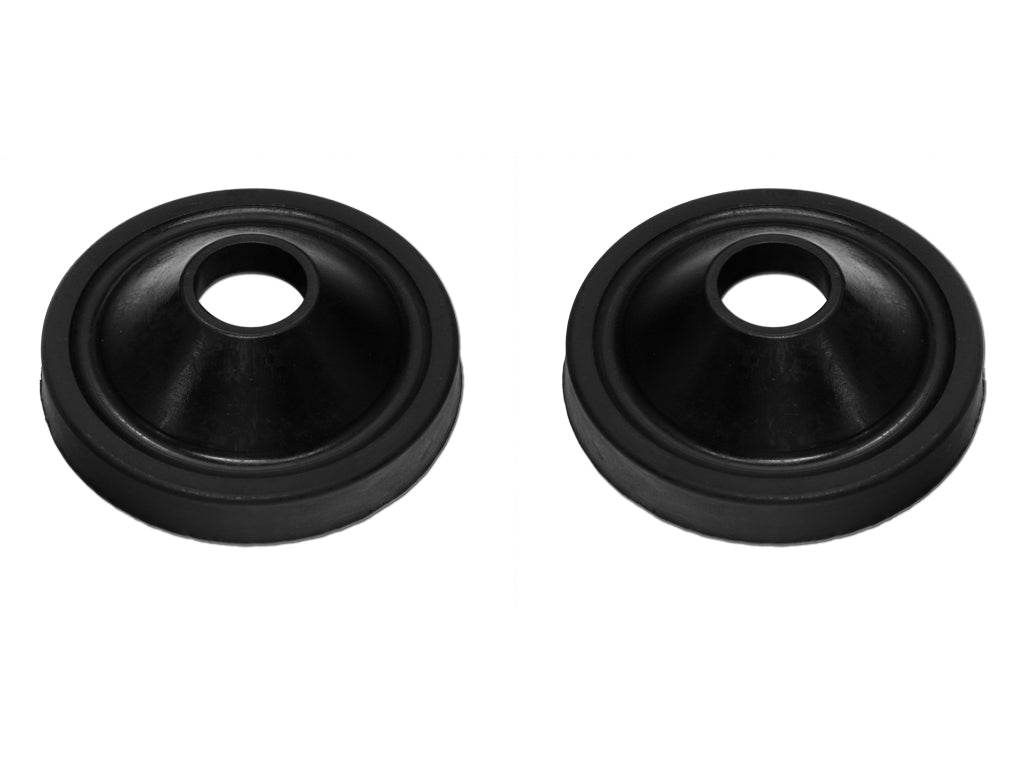
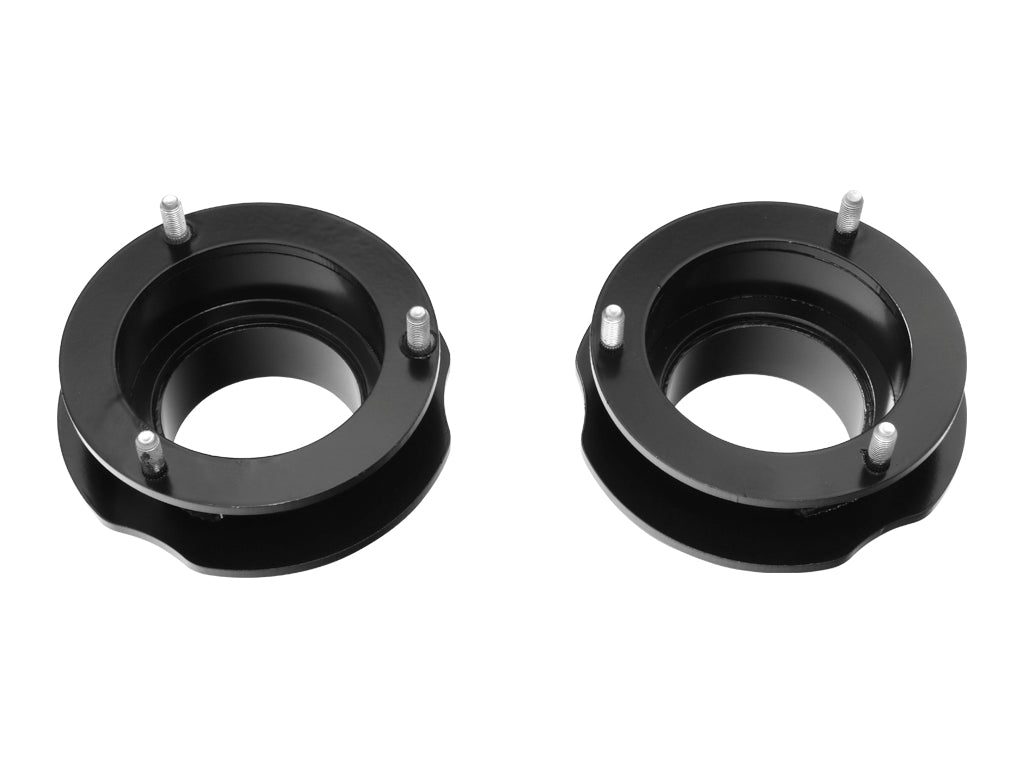
A coil spacer lifts by preloading the spring you already have — cheap height without new spring rate, and that trade-off defines what it can and can't do. This is the full coil spacer catalog: leveling and lift spacers that raise the front to clear larger tires and flatten the factory rake. Spacers don't add load capacity; if you need real payload, look at Coil Springs. Filter by year, make, and model.


Coil Spacers FAQs
Do coil spacers hurt ride quality?
A leveling-height spacer of one to two inches has little effect on ride, since it preloads the factory spring without changing its rate. Larger spacers reduce down-travel and can make the ride feel firmer and busier, because you're using more of the spring's compression just to sit at height. For mild leveling, spacers ride nearly stock; for bigger lift, springs ride better.
Coil spacers or new coil springs for a leveling kit?
Spacers are the cheaper way to level and clear tires; new springs are better if you've added weight up front. A spacer preloads the existing spring and adds height only, so a truck with a heavy bumper and winch will still sag — that's a job for a higher-rate coil spring setup. For a bare front end that just needs rake removed, spacers do the job.
Do I need an alignment after installing coil spacers?
Yes — align the front end after any spacer lift, because raising ride height changes camber and toe. Skipping it wears the inner or outer tire edges quickly and can make the truck track poorly. On strut-equipped trucks, also check for CV axle and brake-line angle; a mild spacer is usually fine, but a taller one may need supporting parts.
Can I use a coil spacer with a leaf-sprung rear?
On a front-coil, rear-leaf truck, a front coil spacer levels the nose while the rear stays on its leaf pack or gets its own add-a-leaf or block. Spacers only work where there's a coil, so they're a front-axle solution on most trucks. Match front lift to rear so the truck sits level loaded, not just empty in the driveway.
