







Suspension Components
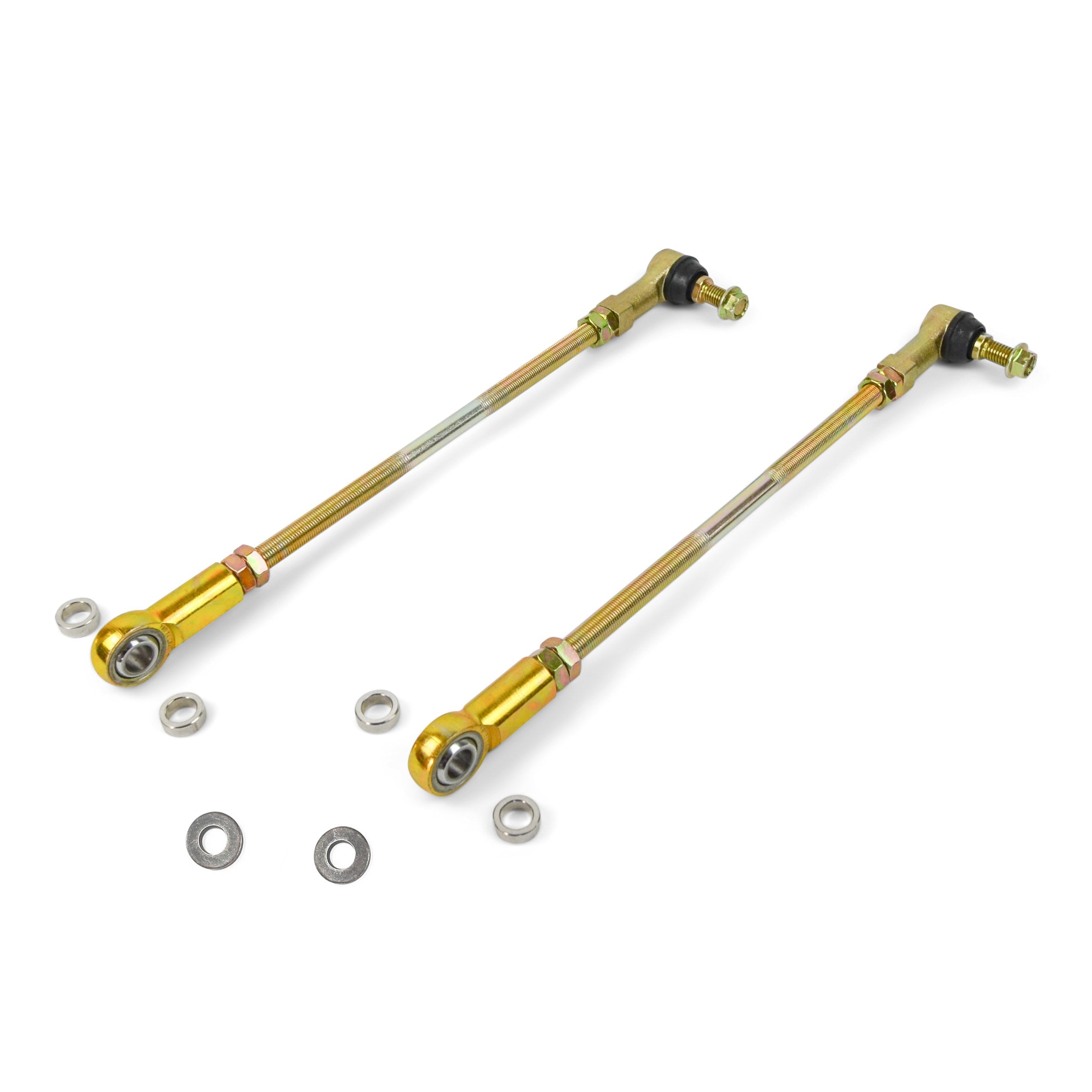
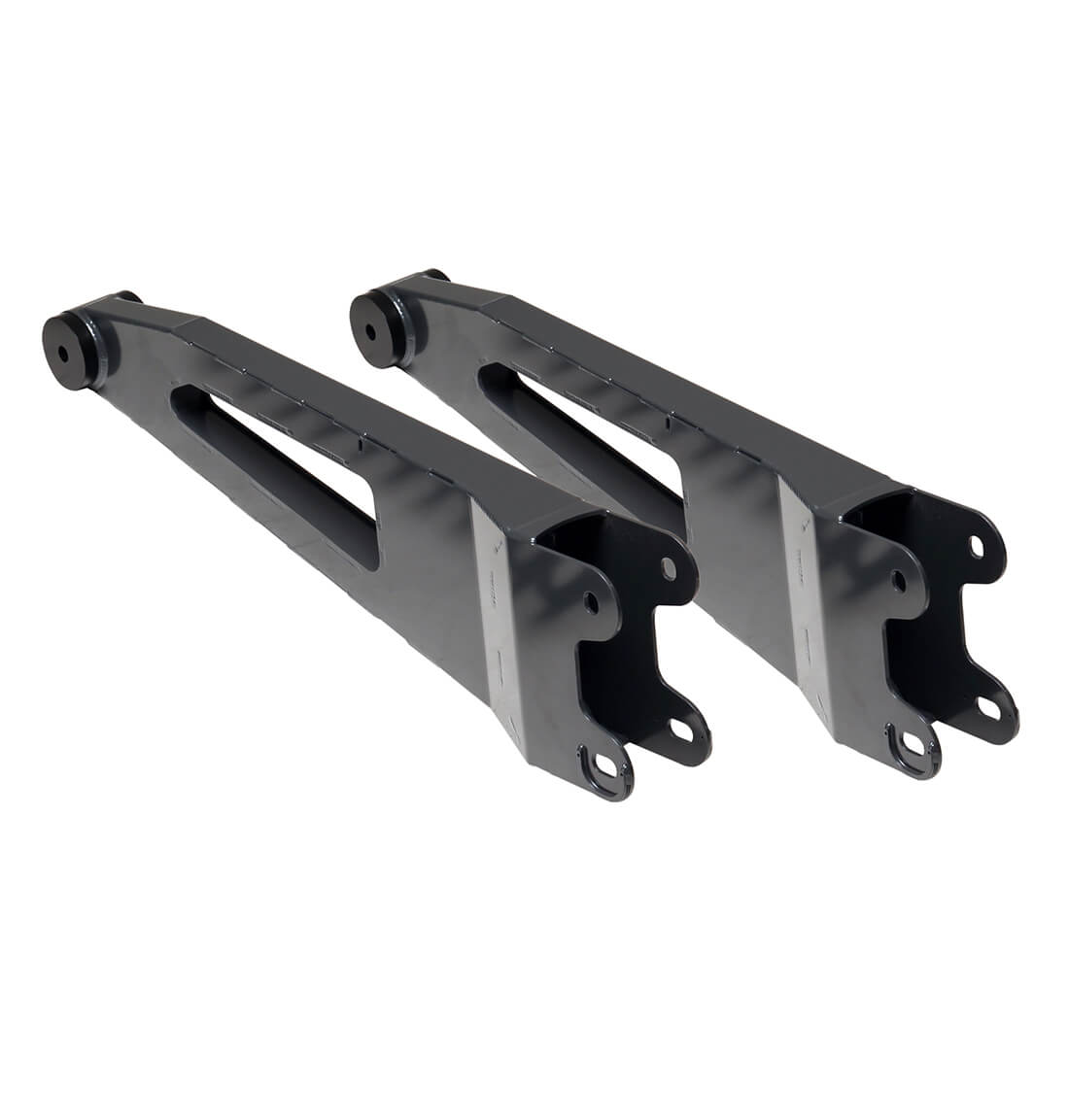
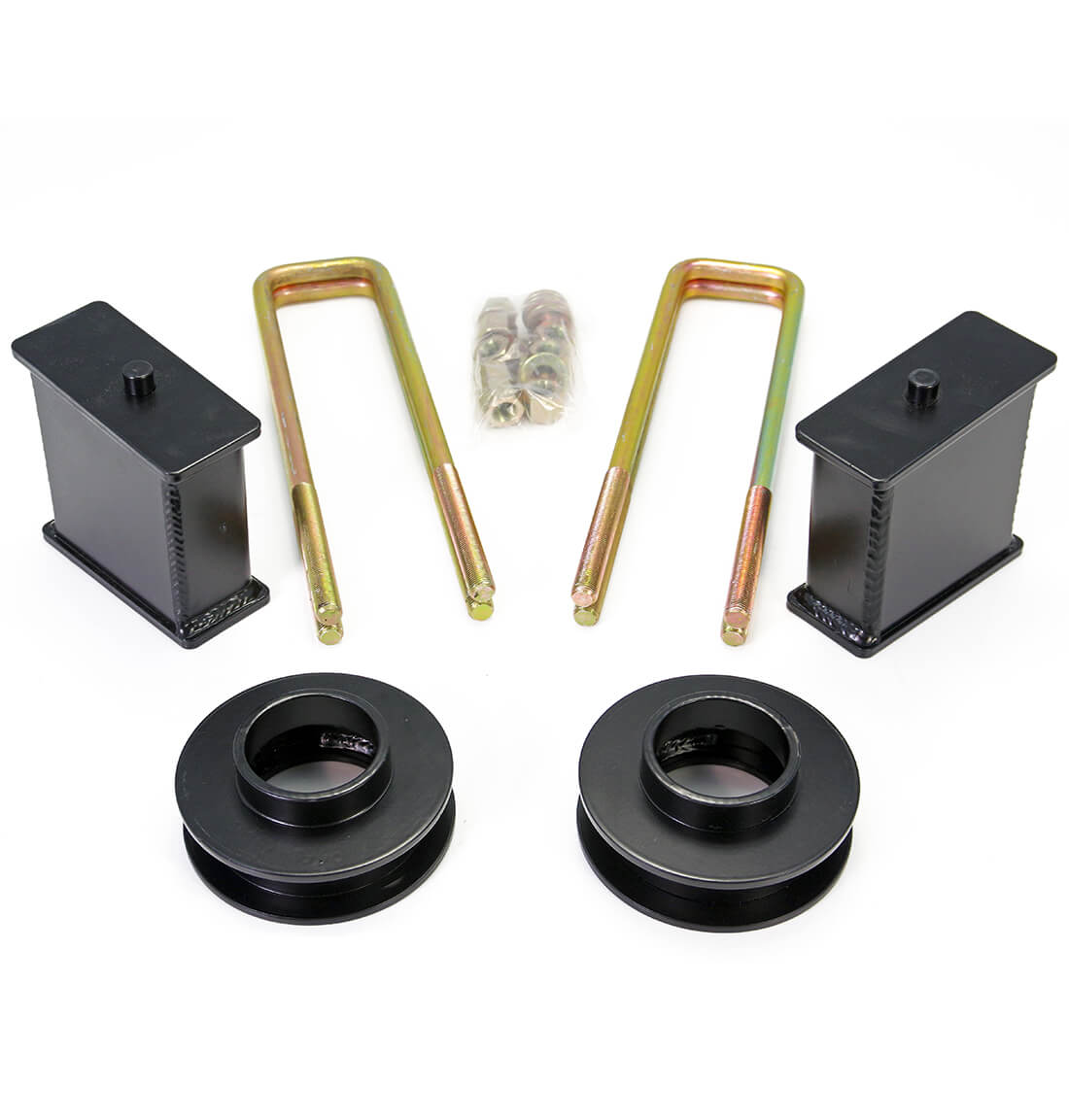
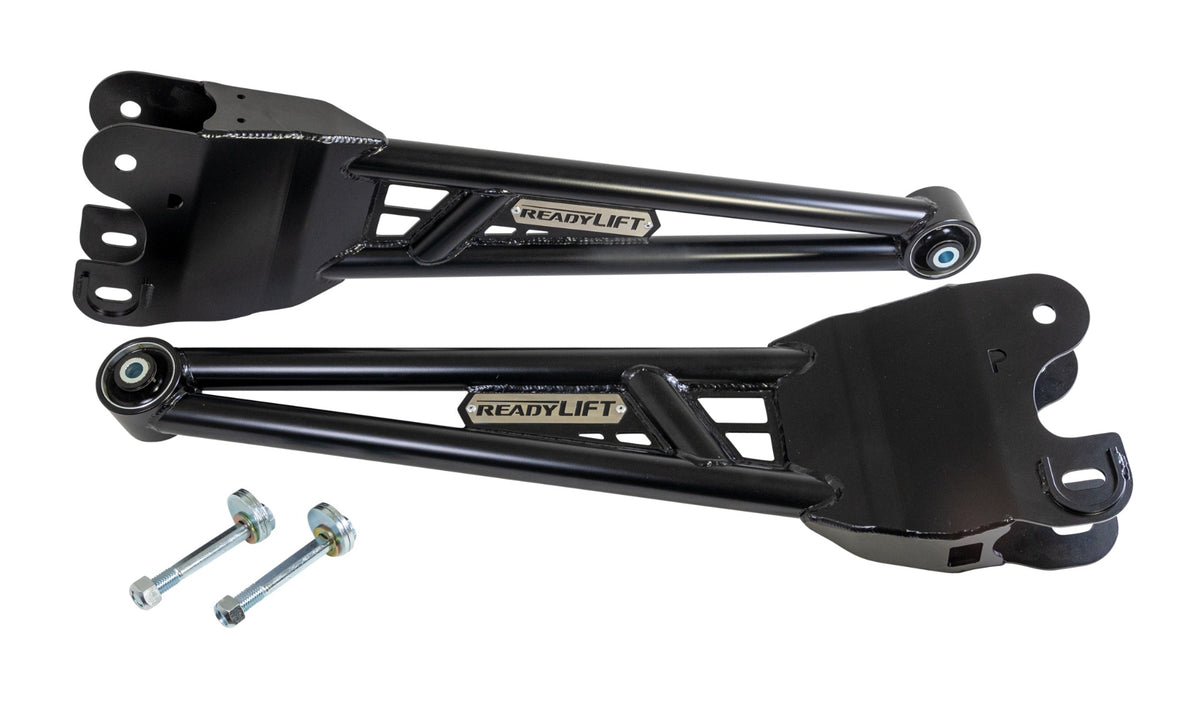
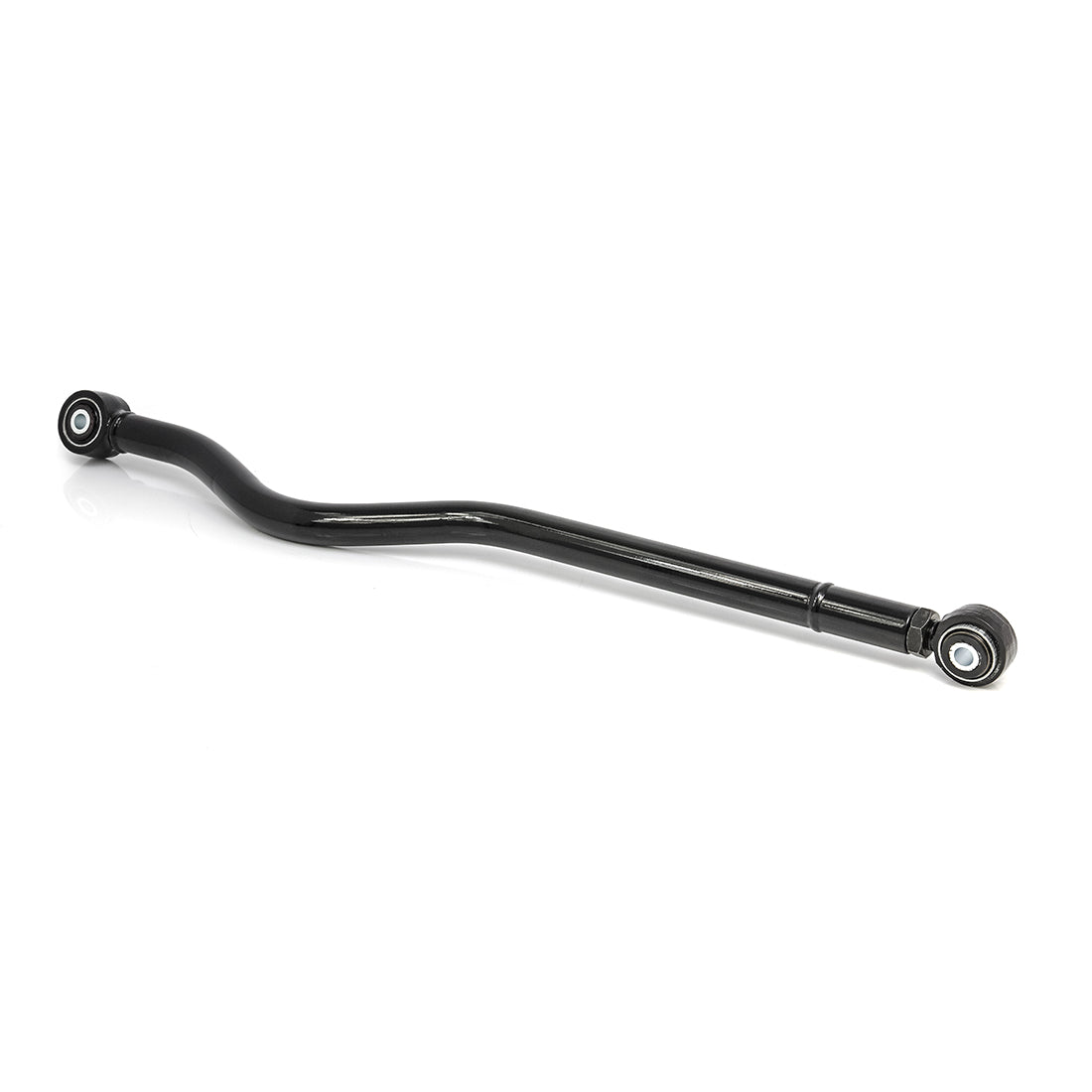
A lift changes your suspension's geometry; components are what bring it back into spec and keep it there. This is the catalog of the parts between your frame and axles — control arms, sway bars, bump stops, joints, and bushings that control alignment, articulation, and how hard the suspension lands. Filter by year, make, and model, and match components to your lift kit rather than reusing tired factory pieces on a taller truck.






Suspension Components FAQs
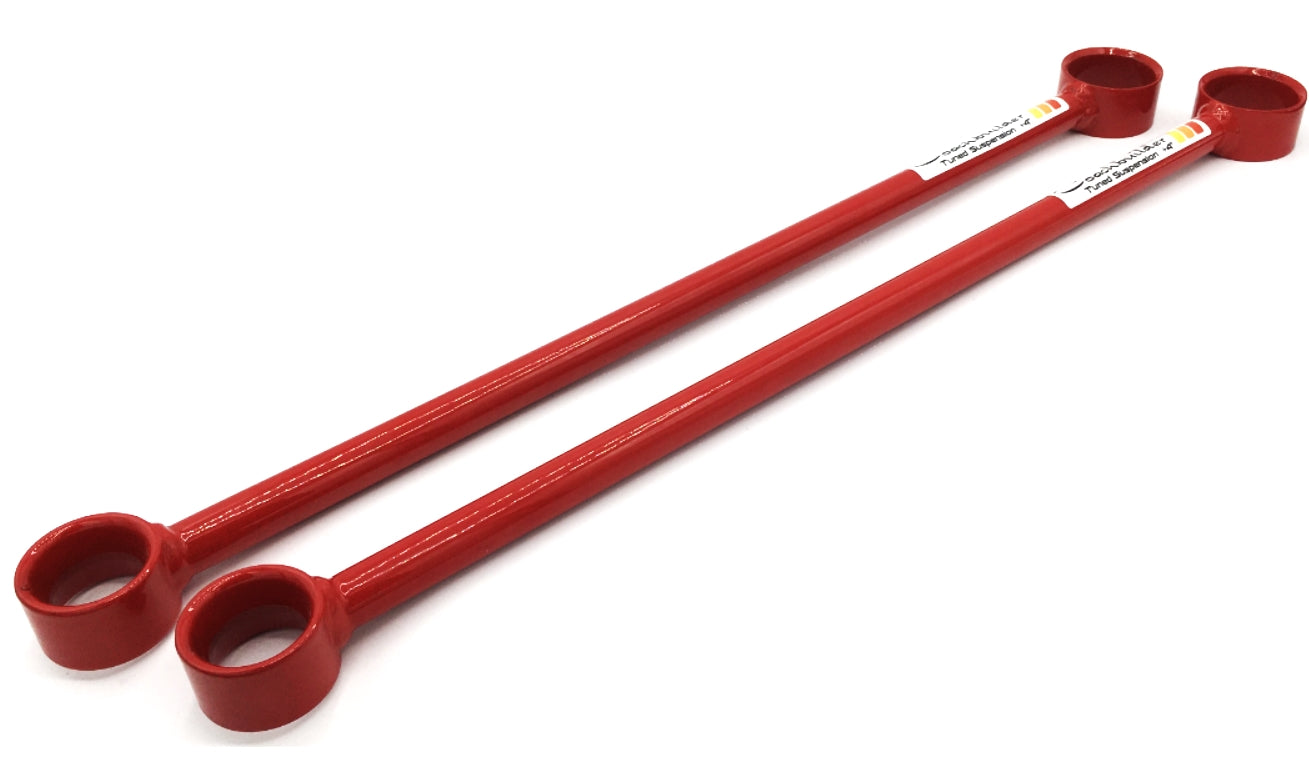
Do I need upper control arms with a lift?
Upper control arms are recommended once you lift a front independent suspension beyond about 2.5 to 3 inches, because they restore proper ball-joint angle and let you dial in alignment. Below that, factory arms often work with cam-bolt adjustment. Aftermarket arms also add caster for better on-center steering and clear larger coilovers and tires.
What does a sway bar actually do off-road?
A sway bar resists body roll on-road for stability, but off-road it limits how far your suspension can flex and keep tires planted. That's why many builds add a sway bar disconnect for the trail and reconnect it for the highway. Choose based on how you split your miles between pavement and articulation.
Should I upgrade bushings when I do a lift?
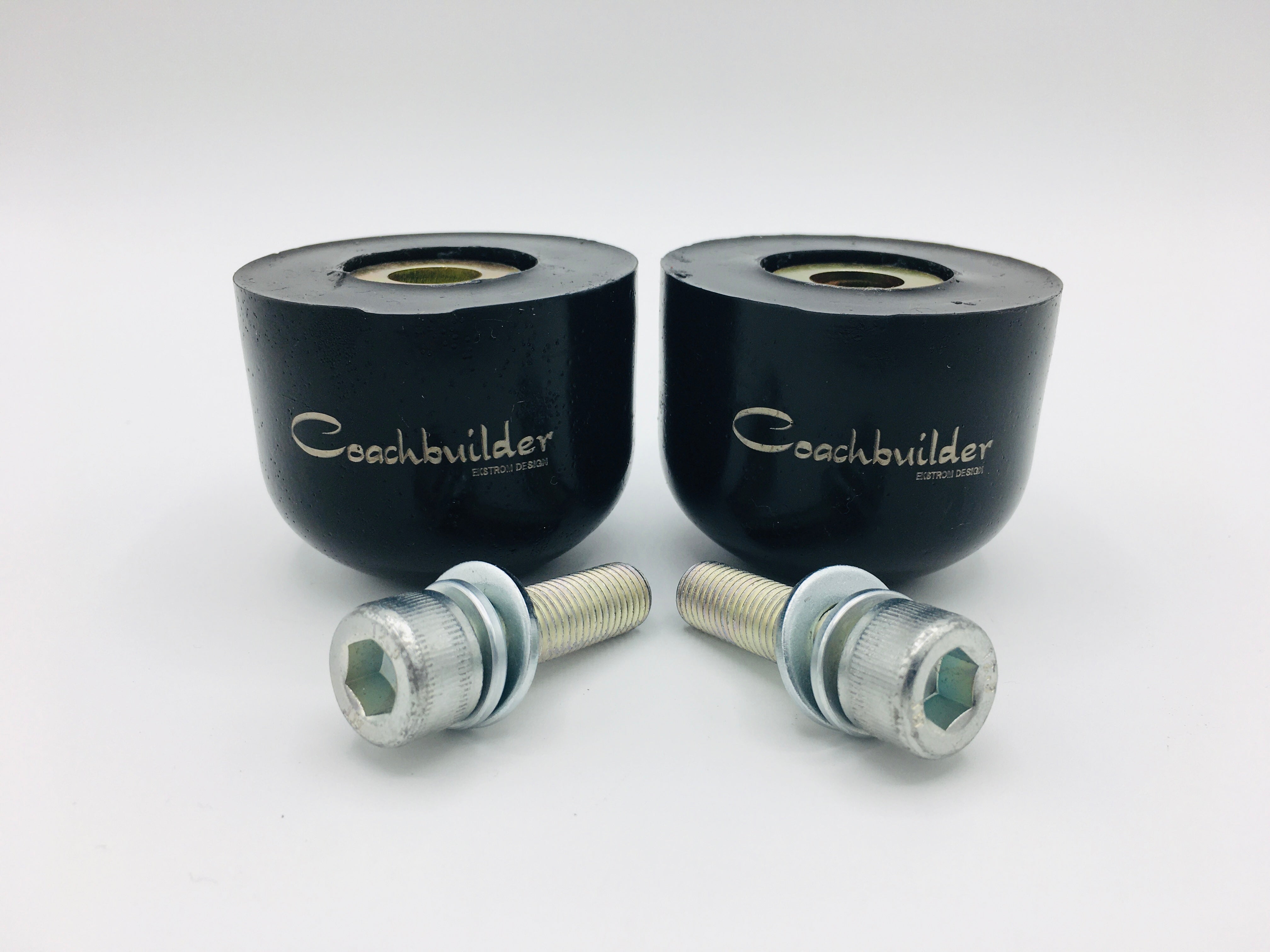
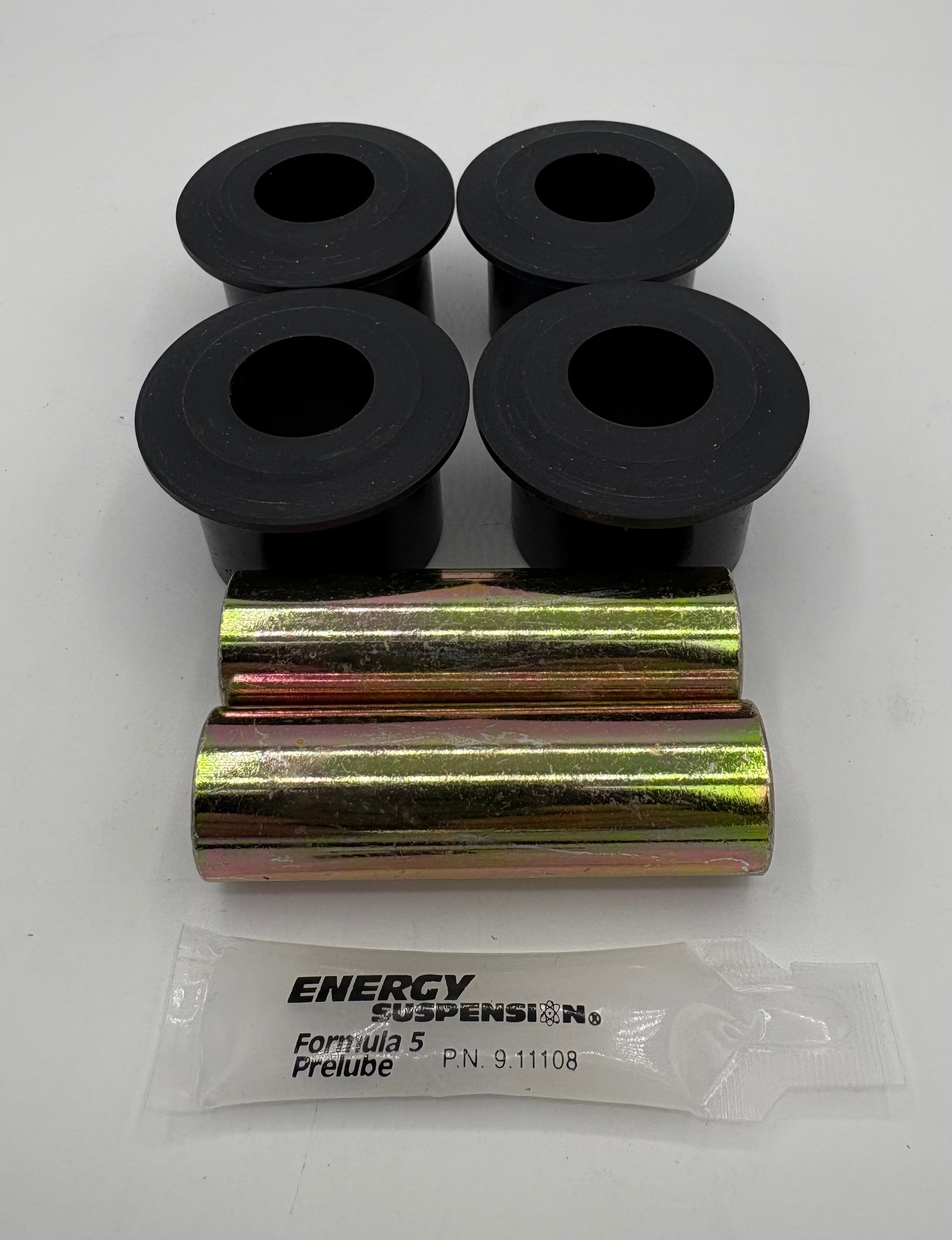
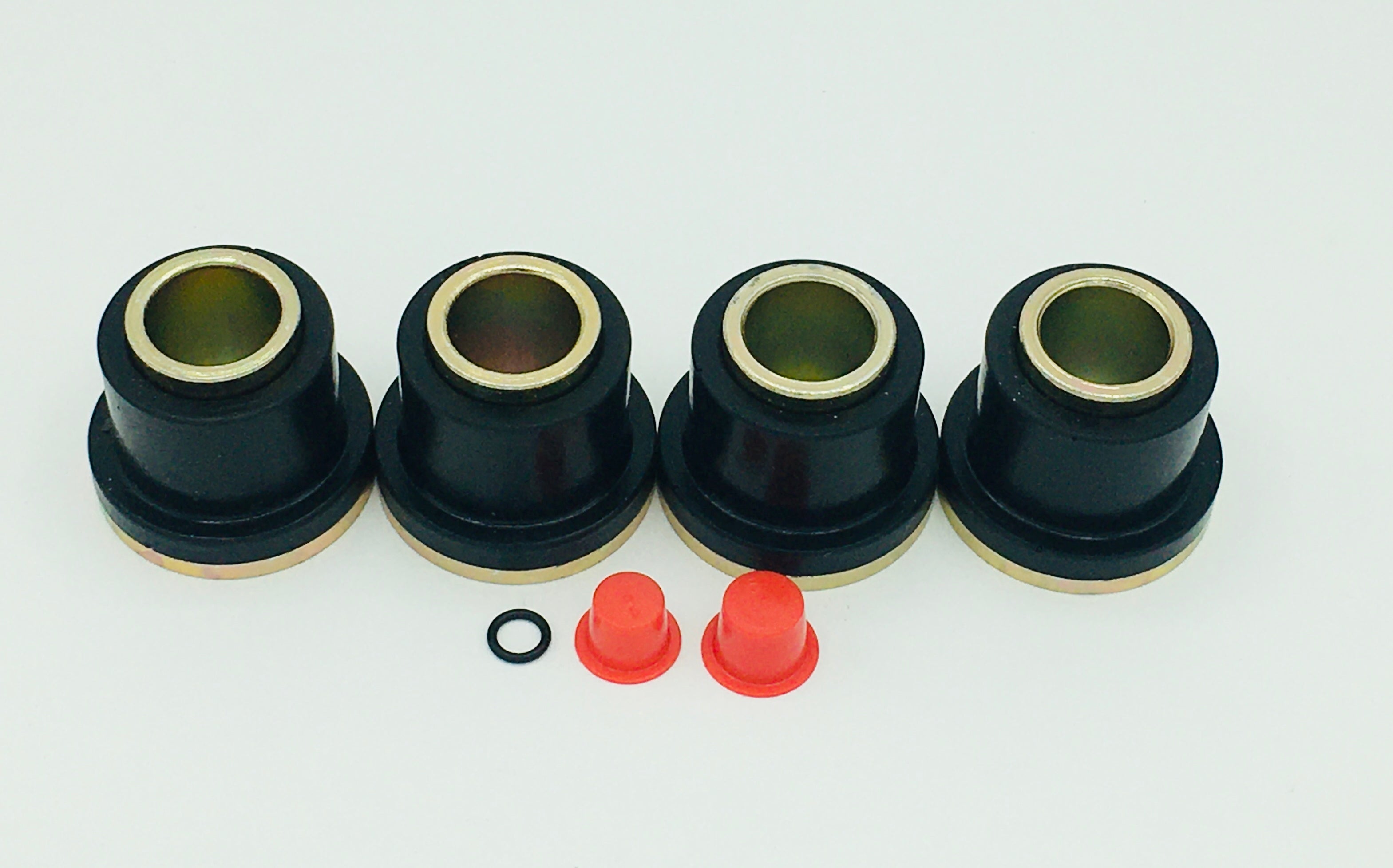
Upgrading bushings is worth it if your factory rubber is cracked or worn, since fresh bushings sharpen handling and remove suspension slop. Polyurethane resists abuse and lasts longer but transmits more noise and vibration; rubber rides quieter. On a high-mileage truck getting new arms or springs, refreshing bushings at the same time saves labor later.
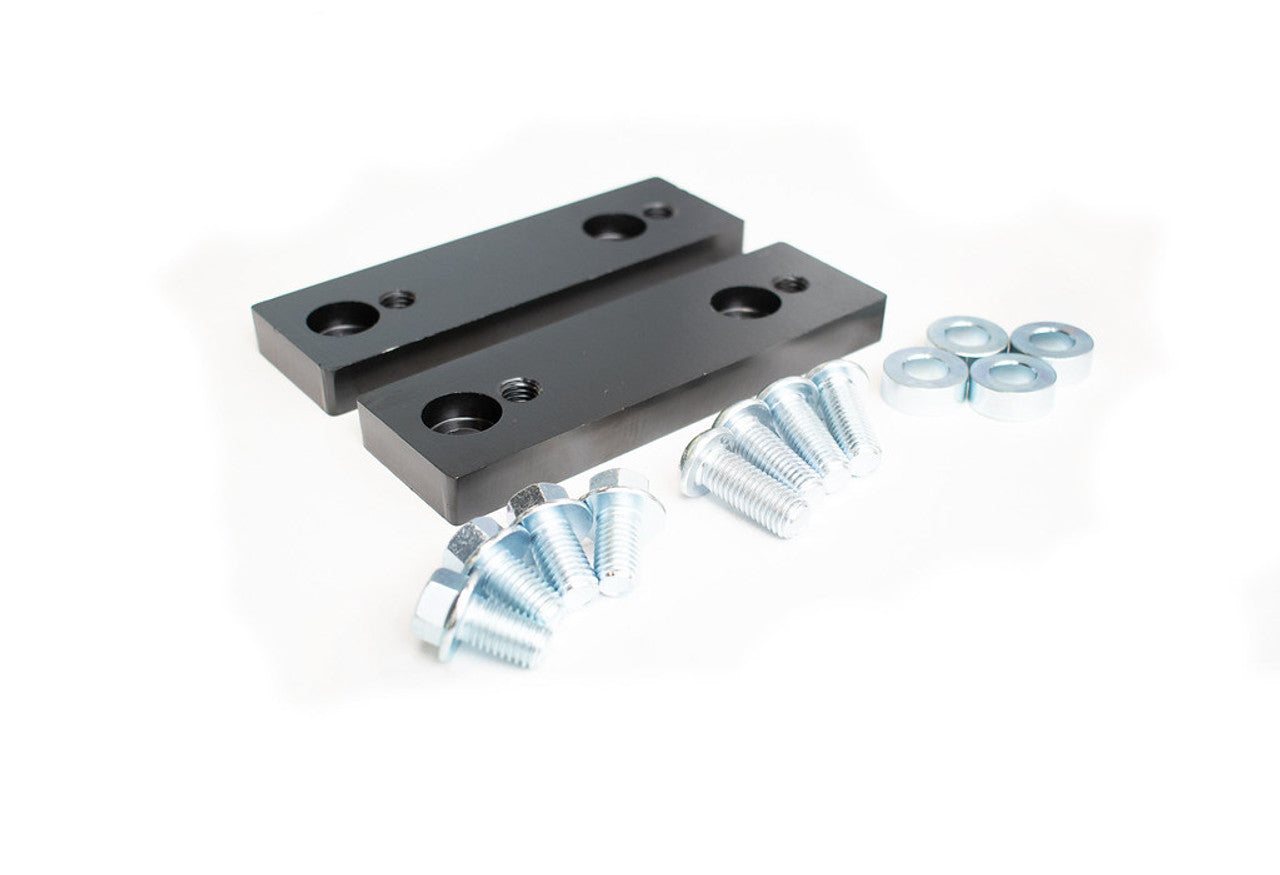
What are bump stops and do I need longer ones after lifting?
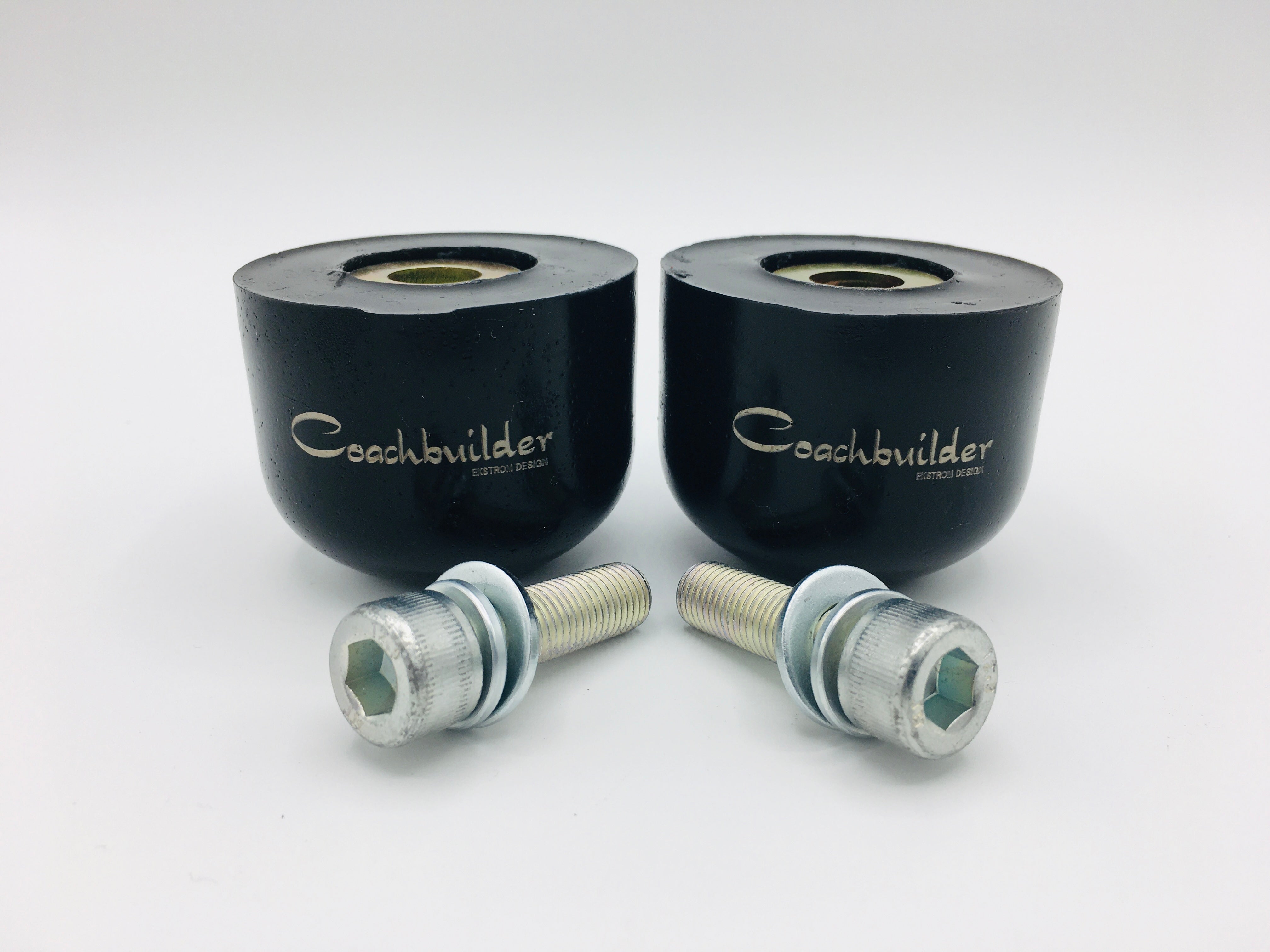
Bump stops cushion the suspension at the end of its travel, and yes, a lift usually calls for revised bump stops to prevent metal-on-metal contact and tire rub at full compression. Too-tall stops waste travel; too-short ones let things collide. Match them to your new ride height and shock length rather than reusing the factory pieces.
