






Polyurethane Body Mounts
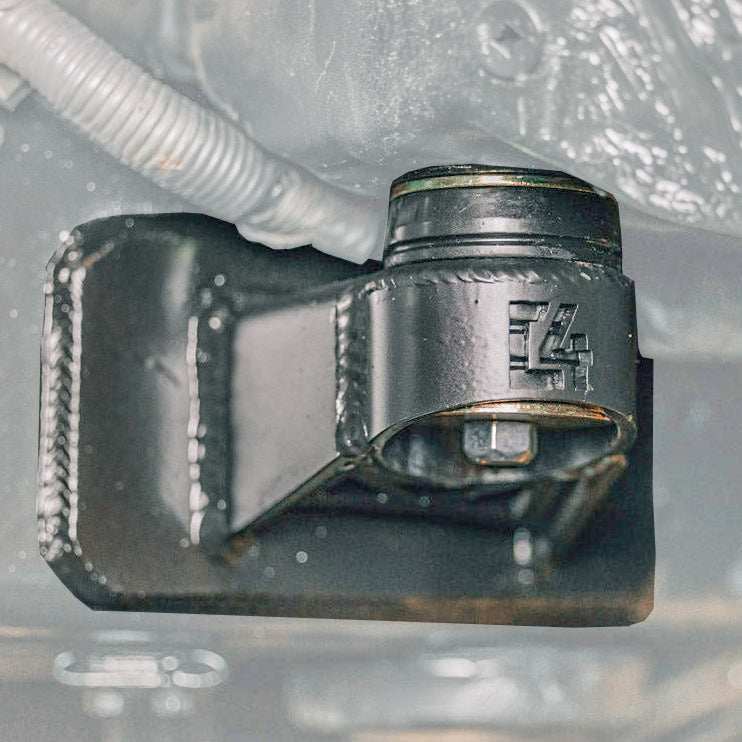
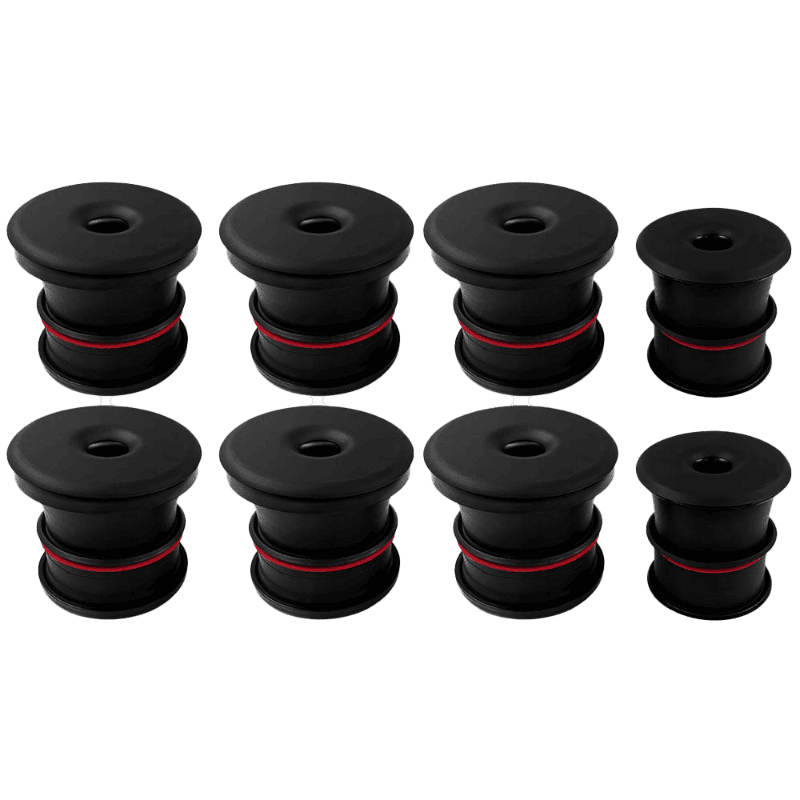
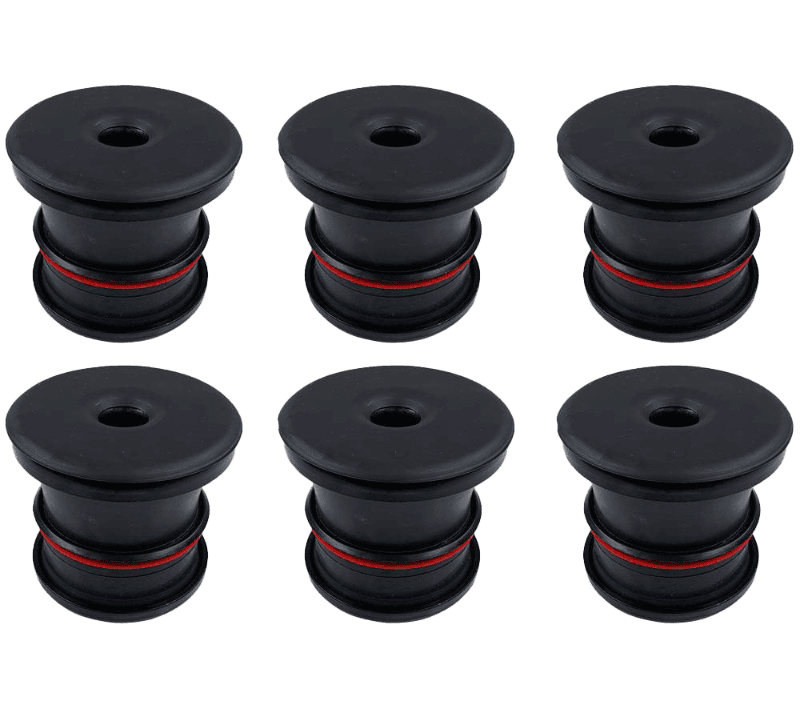
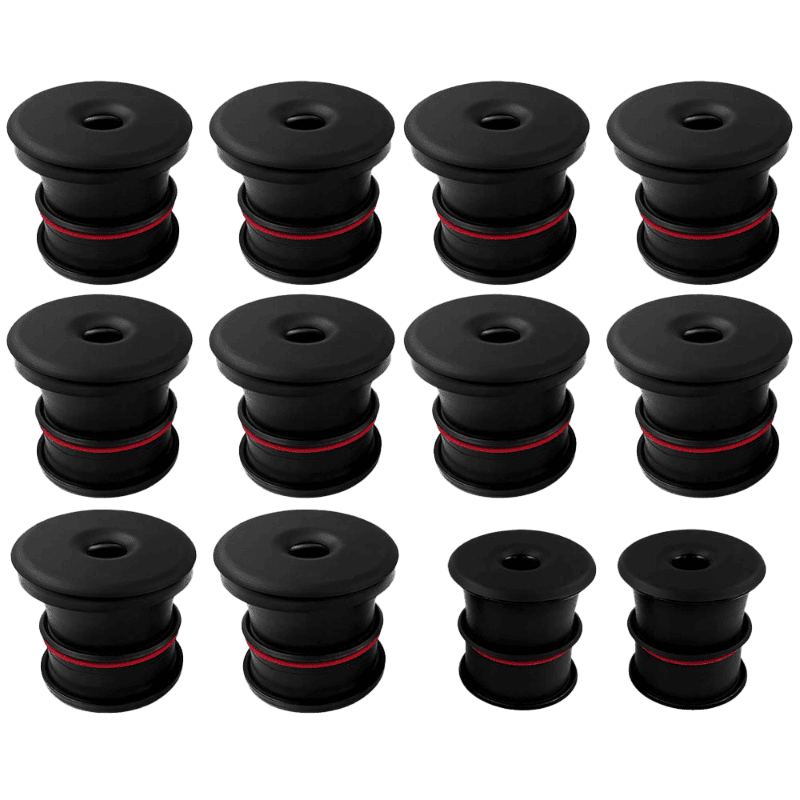
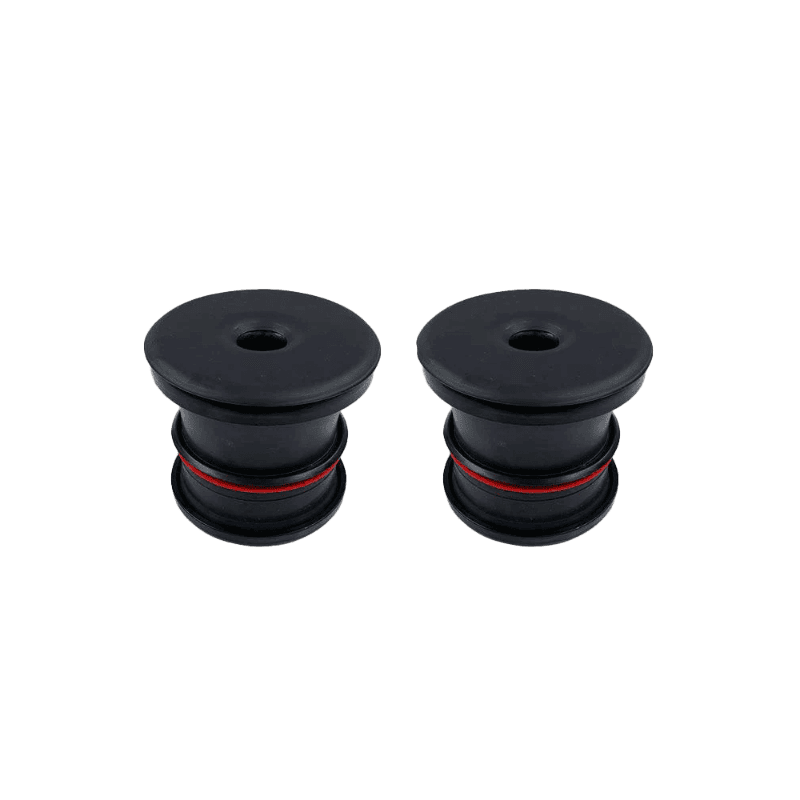
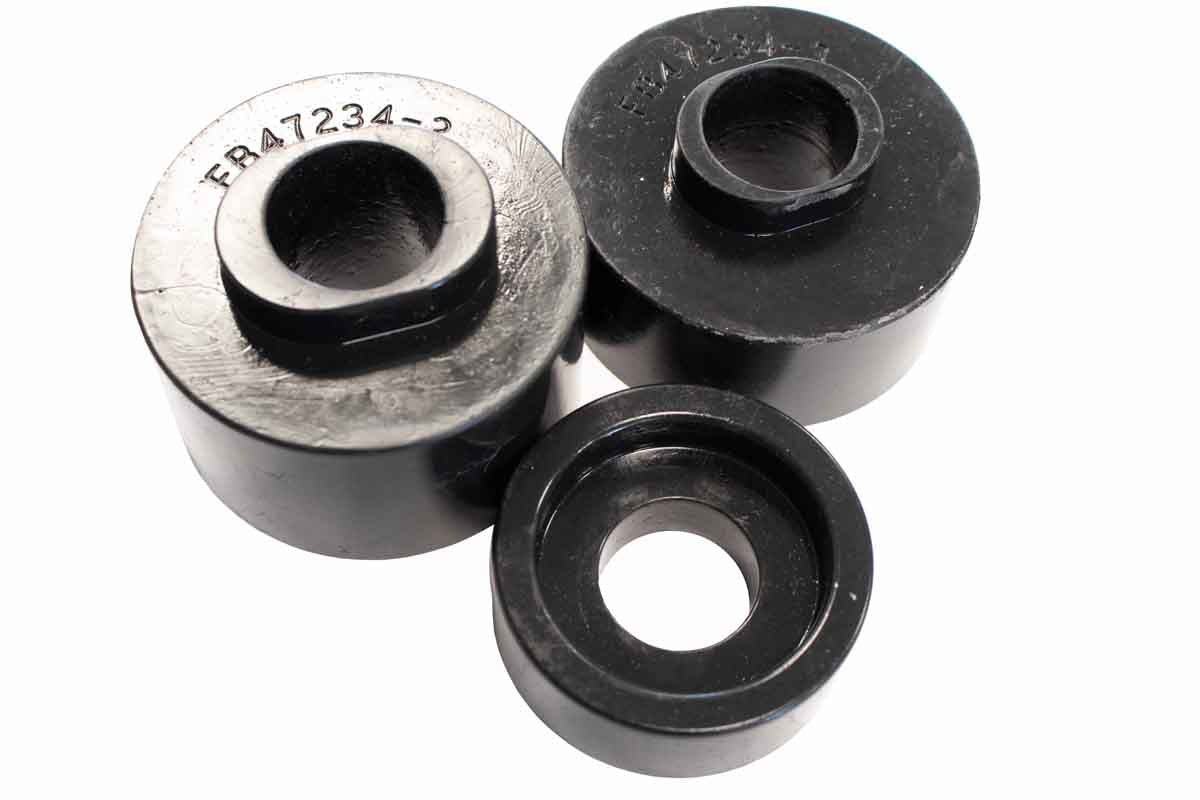
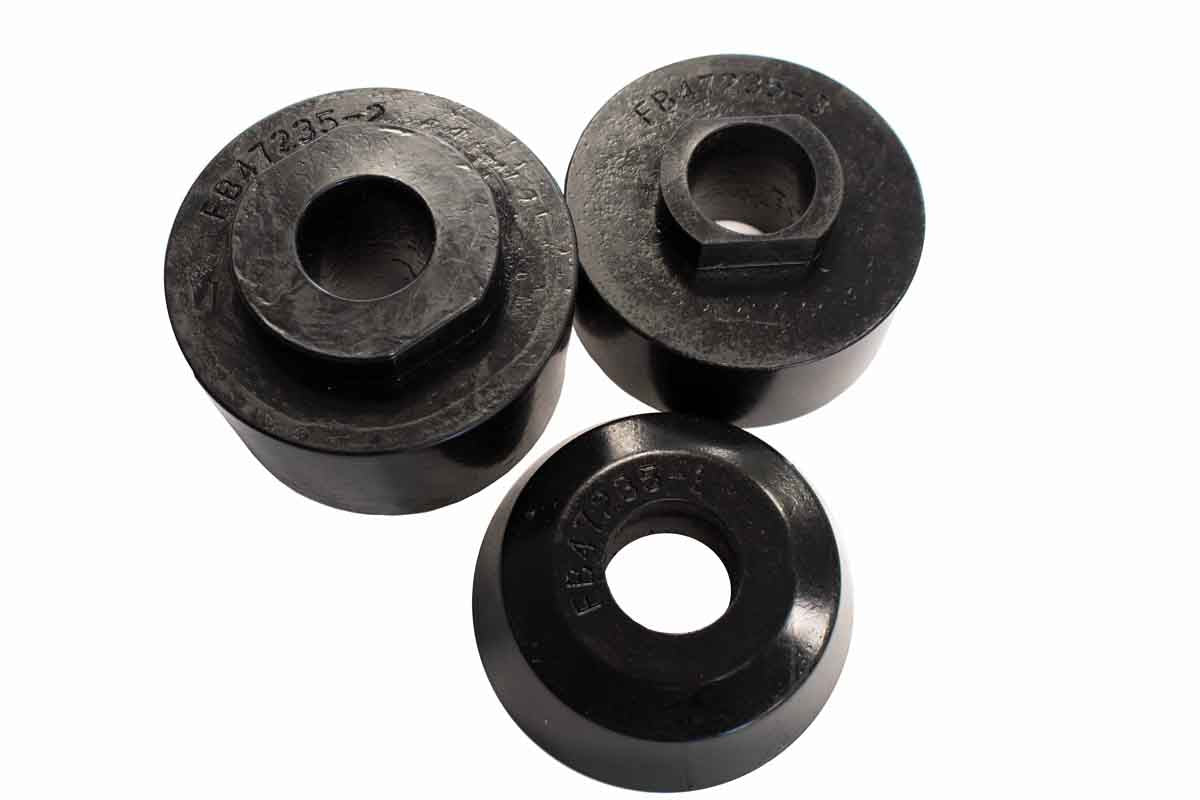
Body mounts are the wear item nobody checks until the cab starts knocking over driveway aprons. The polyurethane kits in this collection replace tired factory rubber with material that shrugs off oil, UV, and age, restoring a firm connection between body and frame on trucks that work for a living. It's a small, model-specific collection — filter by year, make, and model and what remains fits. Expect a more connected truck, and read the tradeoffs below before you commit.
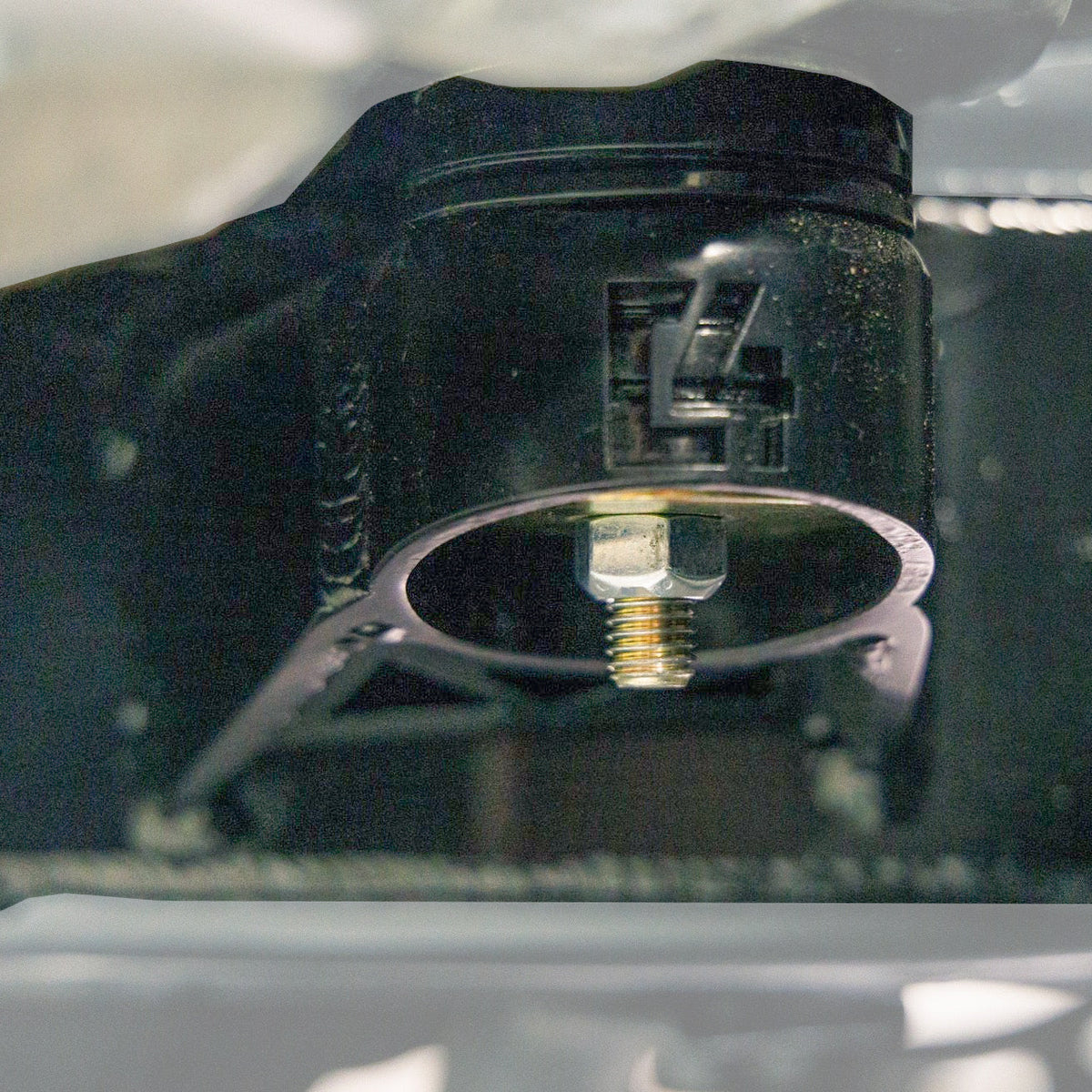
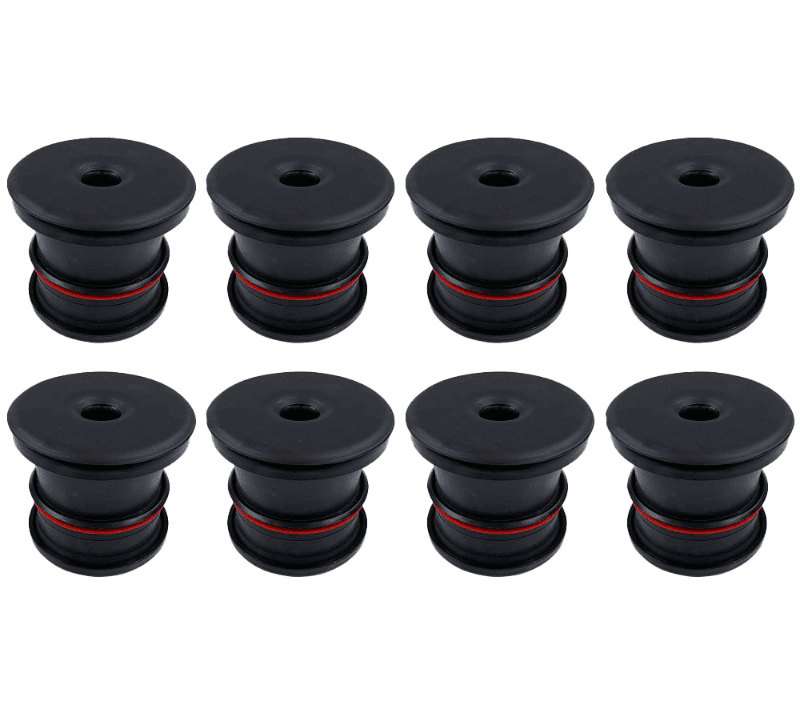

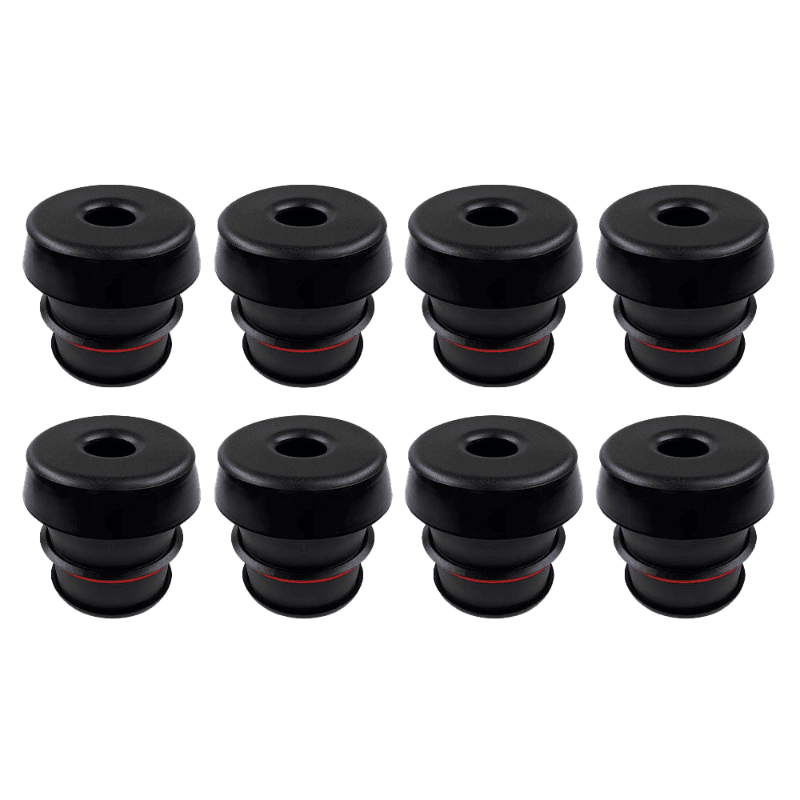
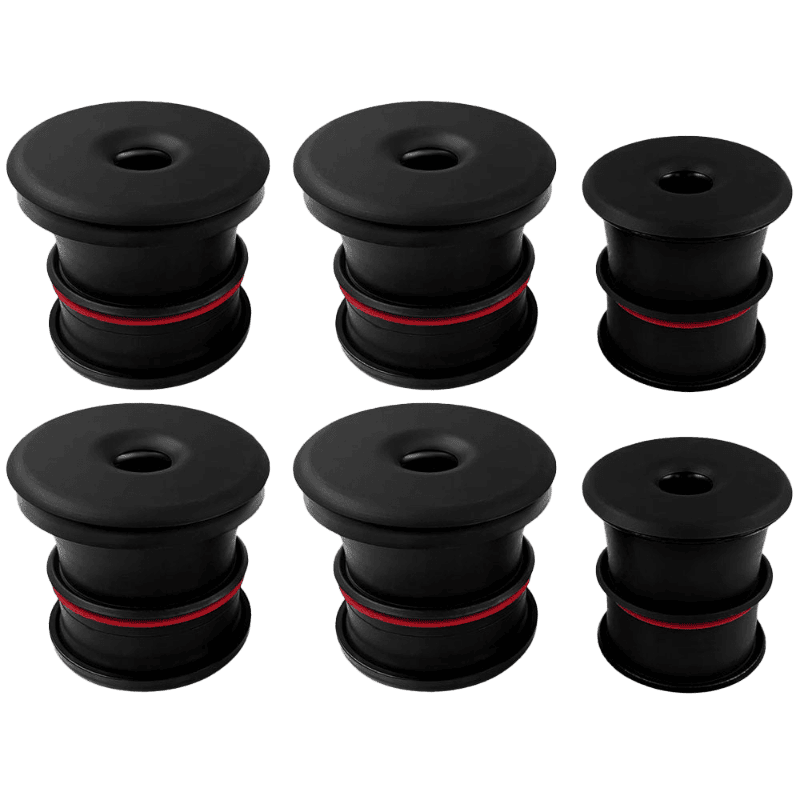




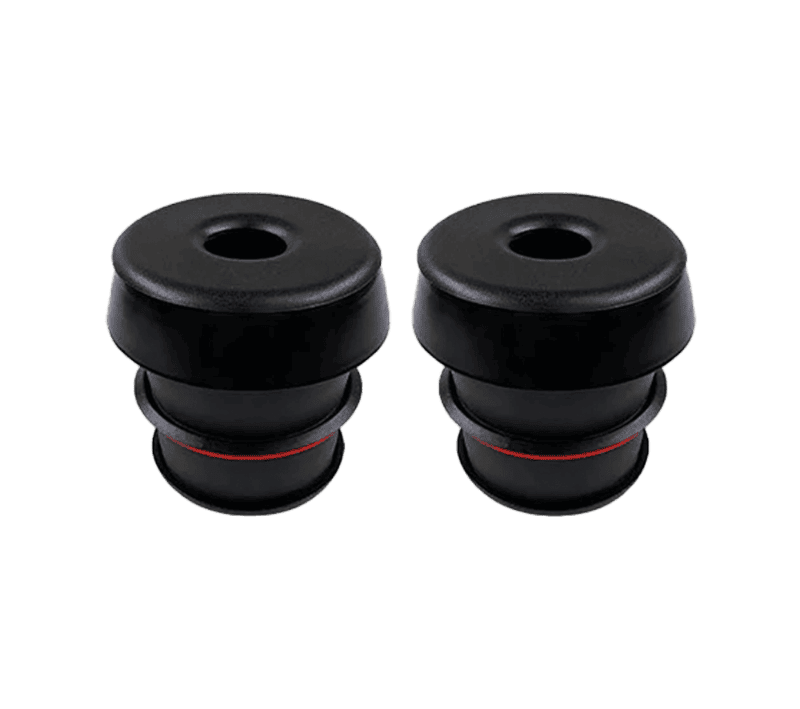


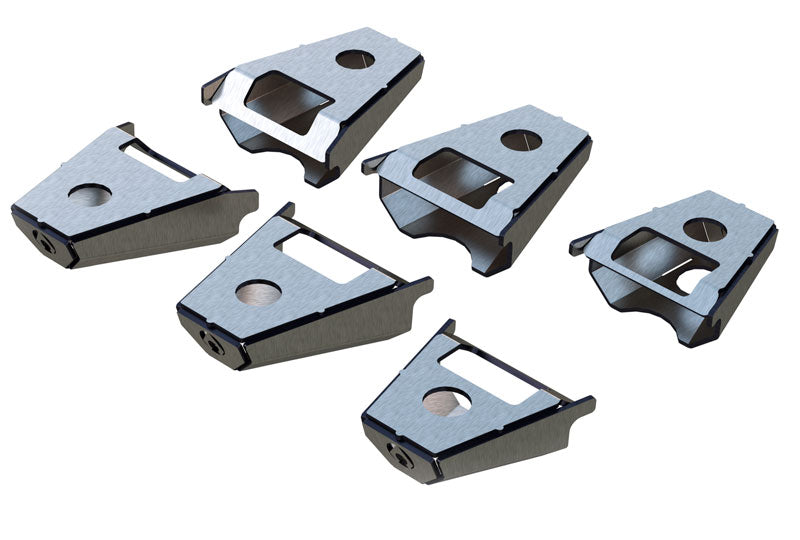
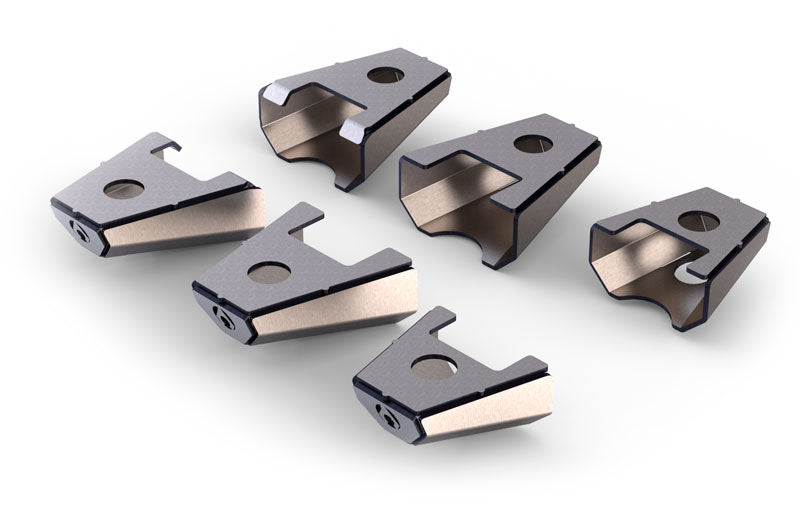
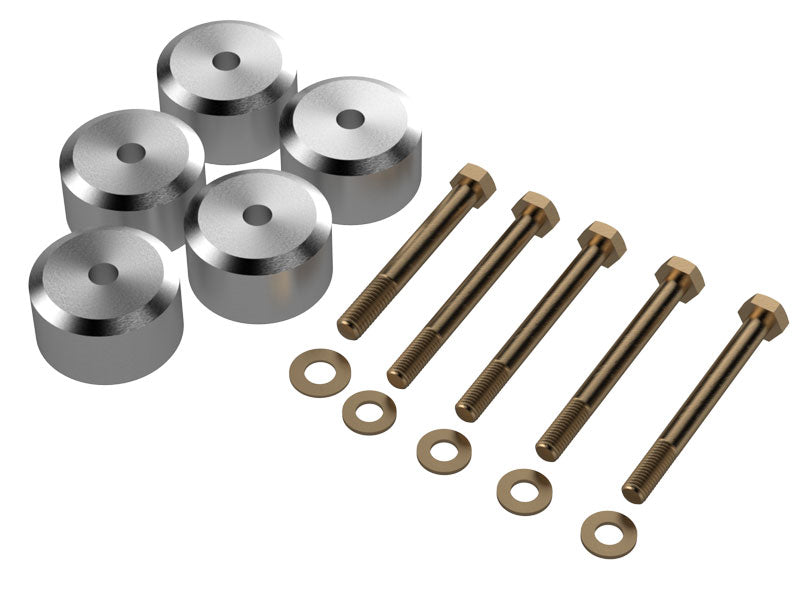
Polyurethane Body Mounts FAQs
What does a worn body mount feel like?
Clunks and shudders that shocks can't explain — a knock crossing driveway aprons, a cab quiver after big hits, body motion that feels a half-beat behind the frame on rough trails. Visually, look for cracked, bulging, or collapsed rubber between body and frame, or a body sitting unevenly. If your truck is old enough to vote and still on original mounts, assume they're tired.
Will polyurethane body mounts make my truck ride harsh?
Firmer, yes; harsh, no — the springs and shocks still do the actual ride work. What poly changes is the body-to-frame connection, so expect a more tied-together truck with somewhat more road texture and buzz reaching the cab. On a vehicle that works off-pavement or carries weight, most owners call that trade a bargain. If isolation is your top priority, stay with rubber.
Do polyurethane body mounts squeak?
Much less often than poly's reputation suggests. The squeak stories come from suspension bushings, which rotate under load; body mounts are clamped and mostly compress, so there's little of the movement that makes noise. Assemble with the supplied lubricant where the instructions call for it, torque everything properly, and a squeaky body mount is a rarity rather than an expectation.
Can body mounts be replaced without removing the body?
Yes — standard practice is loosening all the mounts, then raising the body slightly one section at a time to swap each one, so the body never comes off the frame. It's methodical rather than difficult. The honest warning is rusted body bolts: on salt-belt trucks they're the entire job, and soaking them for days beforehand is the cheapest insurance available.
Is it worth doing body mounts alongside other suspension work?
If the mounts are original and the truck has real miles on it, absolutely — worn mounts blur the improvements you just paid for elsewhere. Fresh dampers controlling the frame while tired rubber lets the cab wobble is buying a result and receiving half of it. The truck is already in the garage with the wrenches out; fresh mounts let the rest of the work show.
