





Suspension Joints
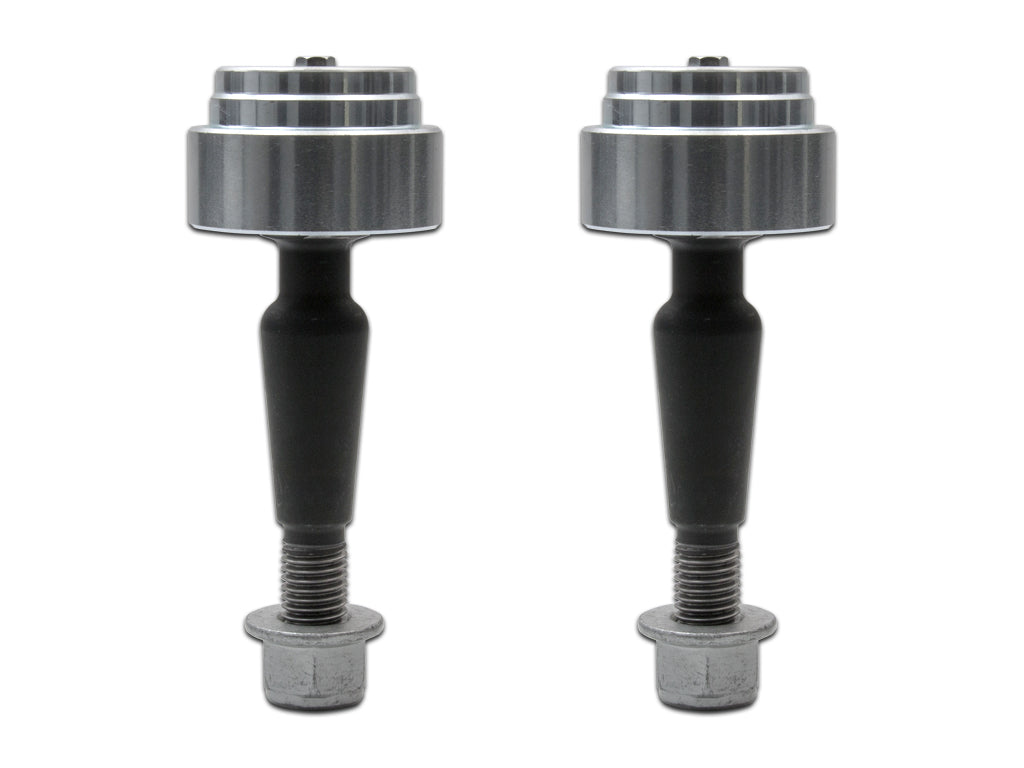
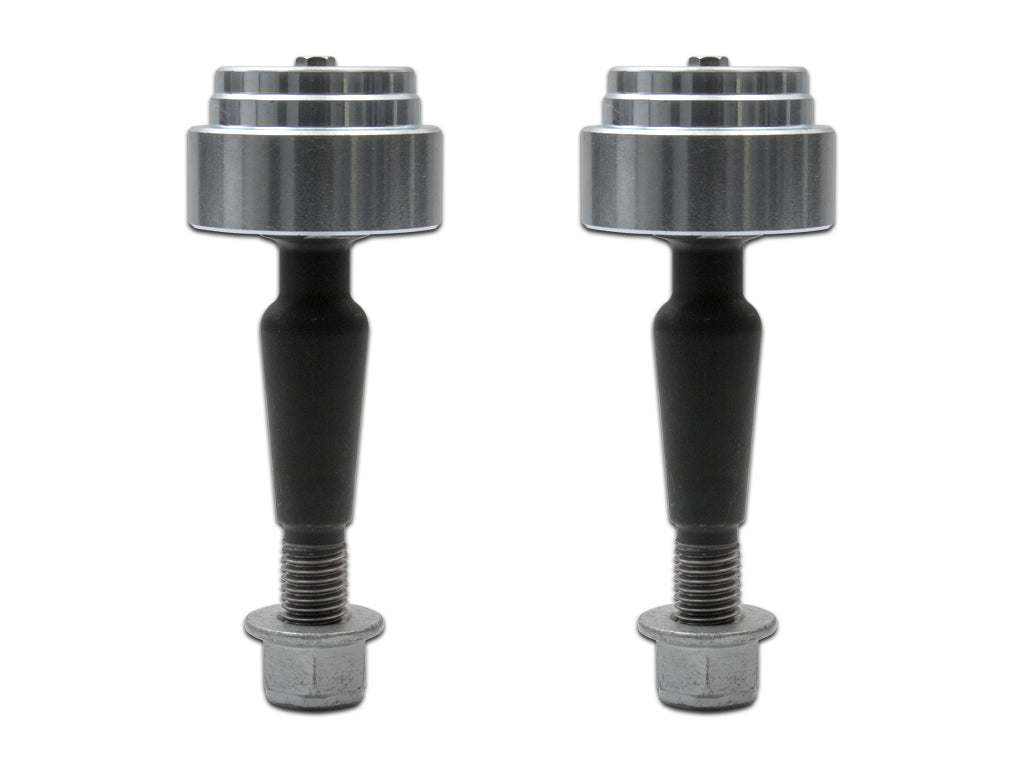
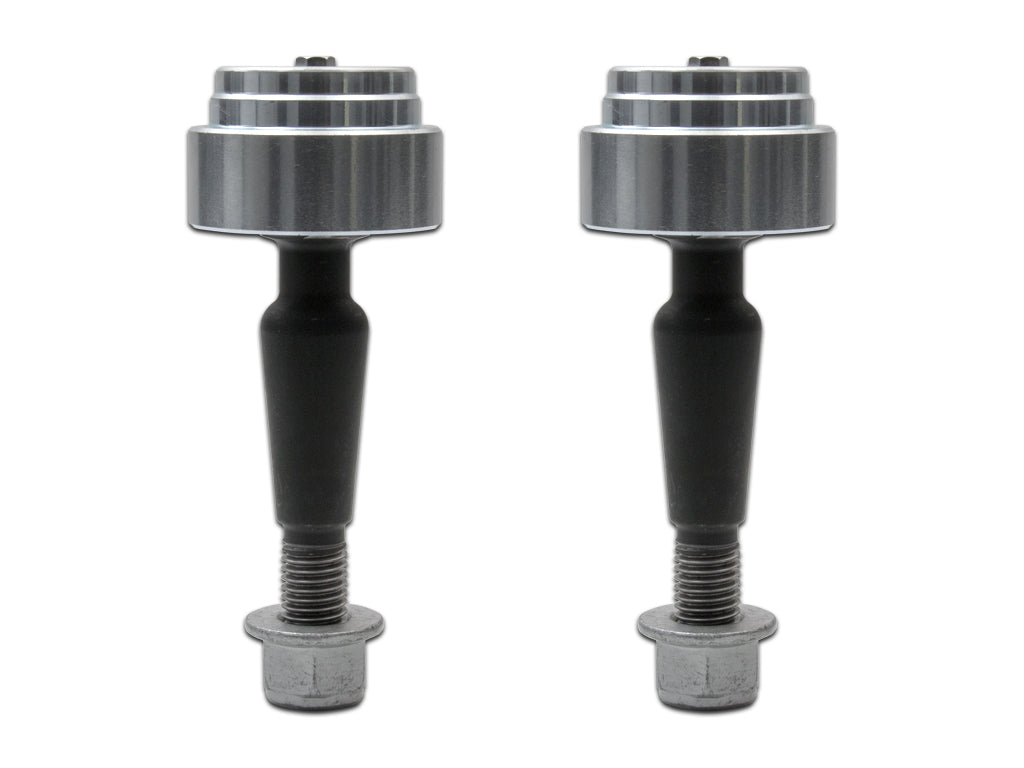
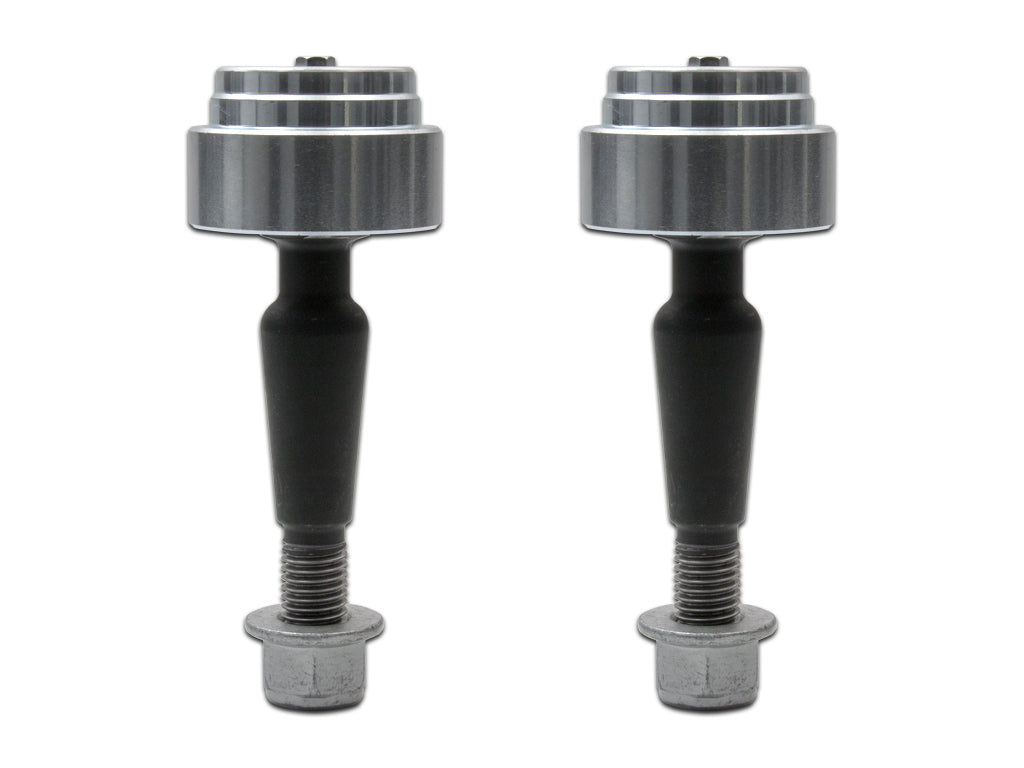
A suspension joint's only job is to let a link or arm swing through its arc without binding — and the type you pick trades articulation against noise and maintenance. This is the joint catalog: rebuildable flex joints, heim and rod ends, and uniballs used in control arms, links, and the rest of your suspension components. Uniballs and heims free up travel but pass road noise; greasable flex joints stay quieter and rebuild. Filter by year, make, and model.


Suspension Joints FAQs
What's the difference between a heim joint and a flex joint?
A heim (rod end) uses a hard ball-and-race for precise, high-misalignment movement, while a flex joint like a Johnny Joint wraps that ball in a serviceable, greasable design that damps noise. Heims give the tightest control and most travel but transmit vibration and wear faster in grit. Flex joints trade a little precision for a quieter ride and rebuildability, which is why they're popular on daily-driven trail rigs.
Do rod ends and uniballs wear out faster than bushings?
Yes — metal-on-metal joints wear faster than rubber bushings, especially in the dust, mud, and water off-road driving throws at them. That's the tradeoff for their articulation and precise feel. Choose greasable, rebuildable joints where you can, keep them serviced, and expect to refresh races and balls periodically. If low maintenance matters more than ultimate travel, a quality bushing lasts longer with less attention.
Are metal joints too noisy for a daily driver?
Uniballs and non-greasable heims do pass road noise and vibration into the cabin, which some drivers find harsh on pavement. Greasable flex joints are the middle ground — most of the articulation with far less NVH. If your truck sees more highway than trail, lean toward flex joints or bushings; if it's a dedicated wheeling rig, the noise is a fair price for the travel.
