





Sway Bars
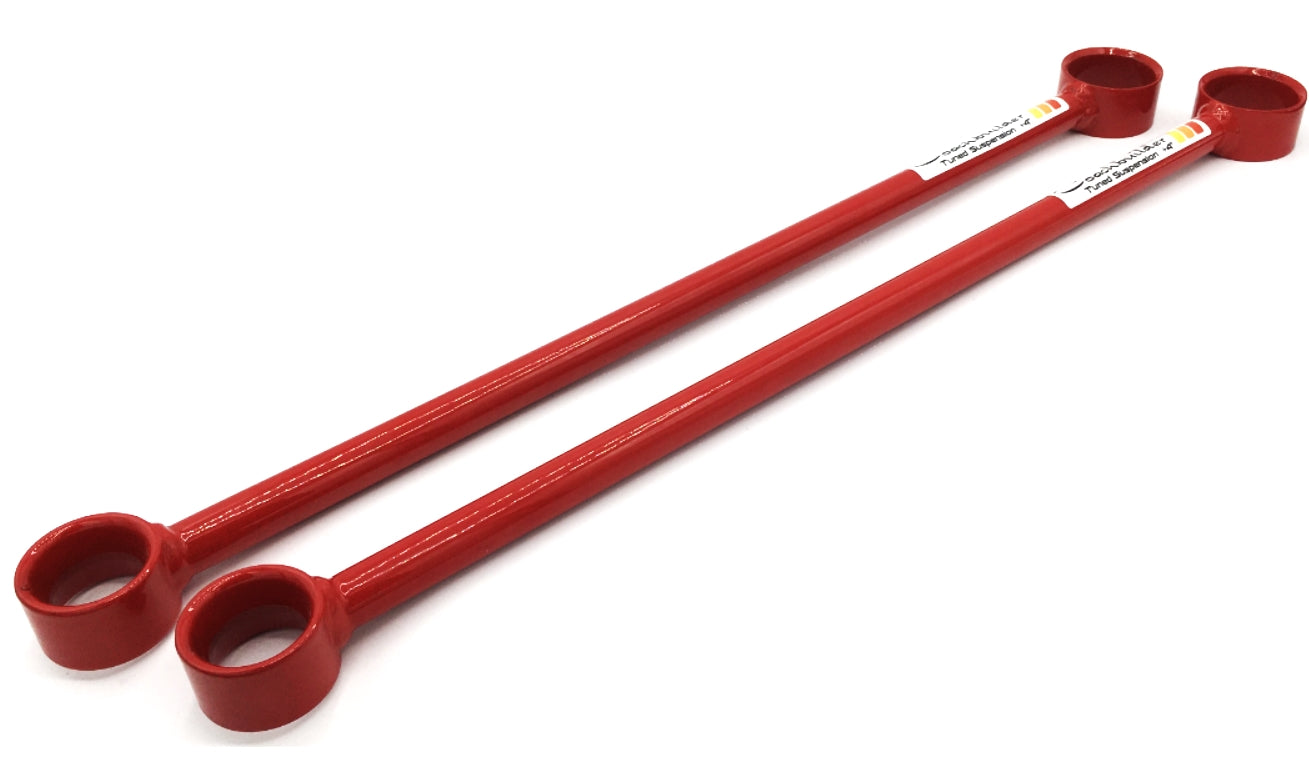
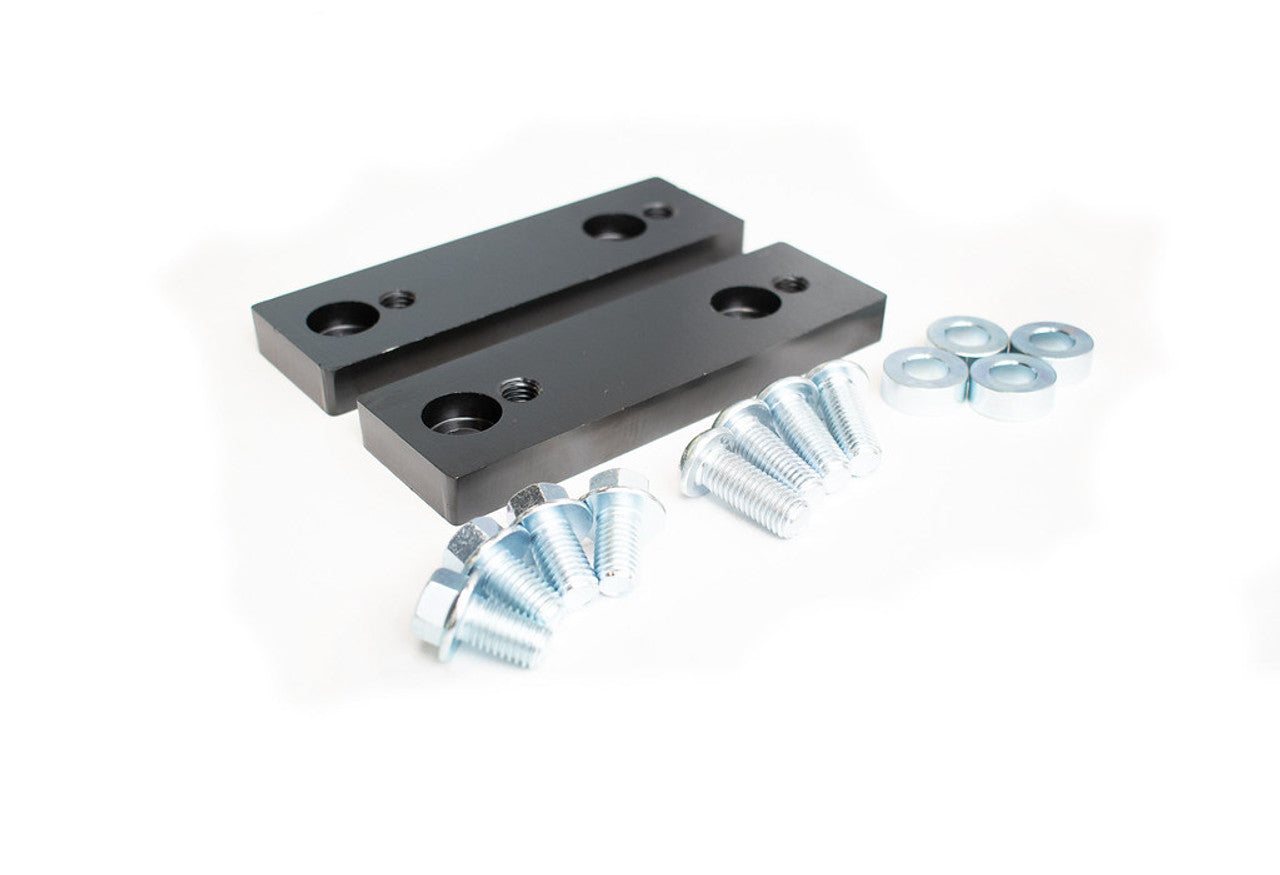
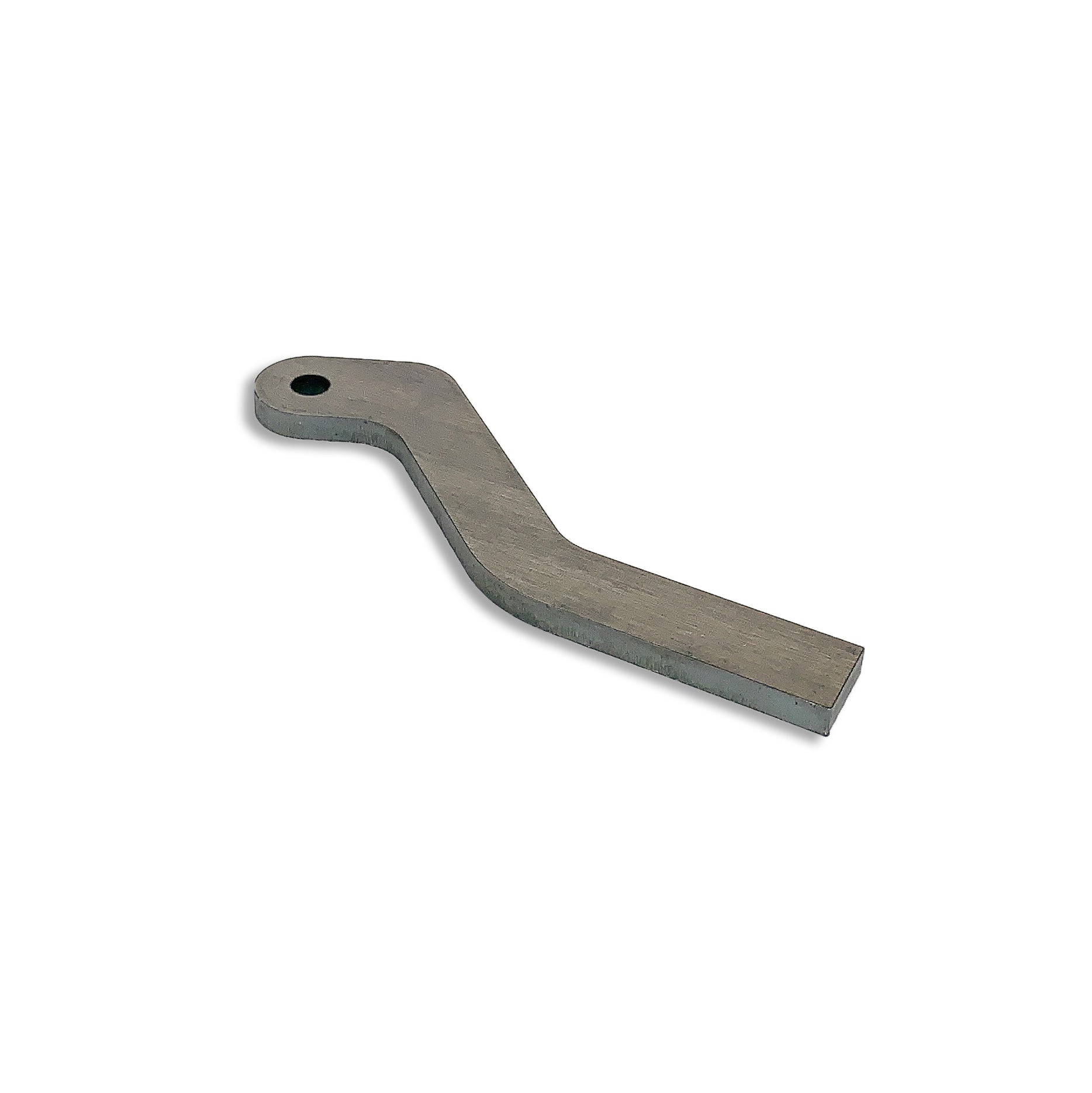
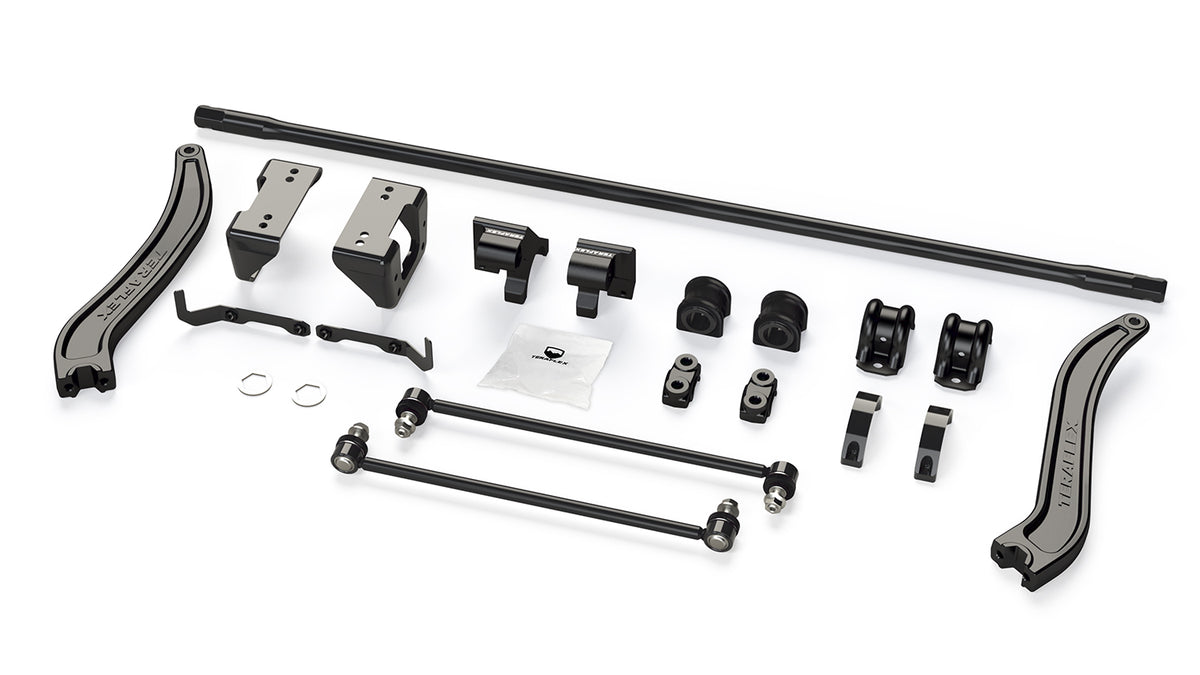
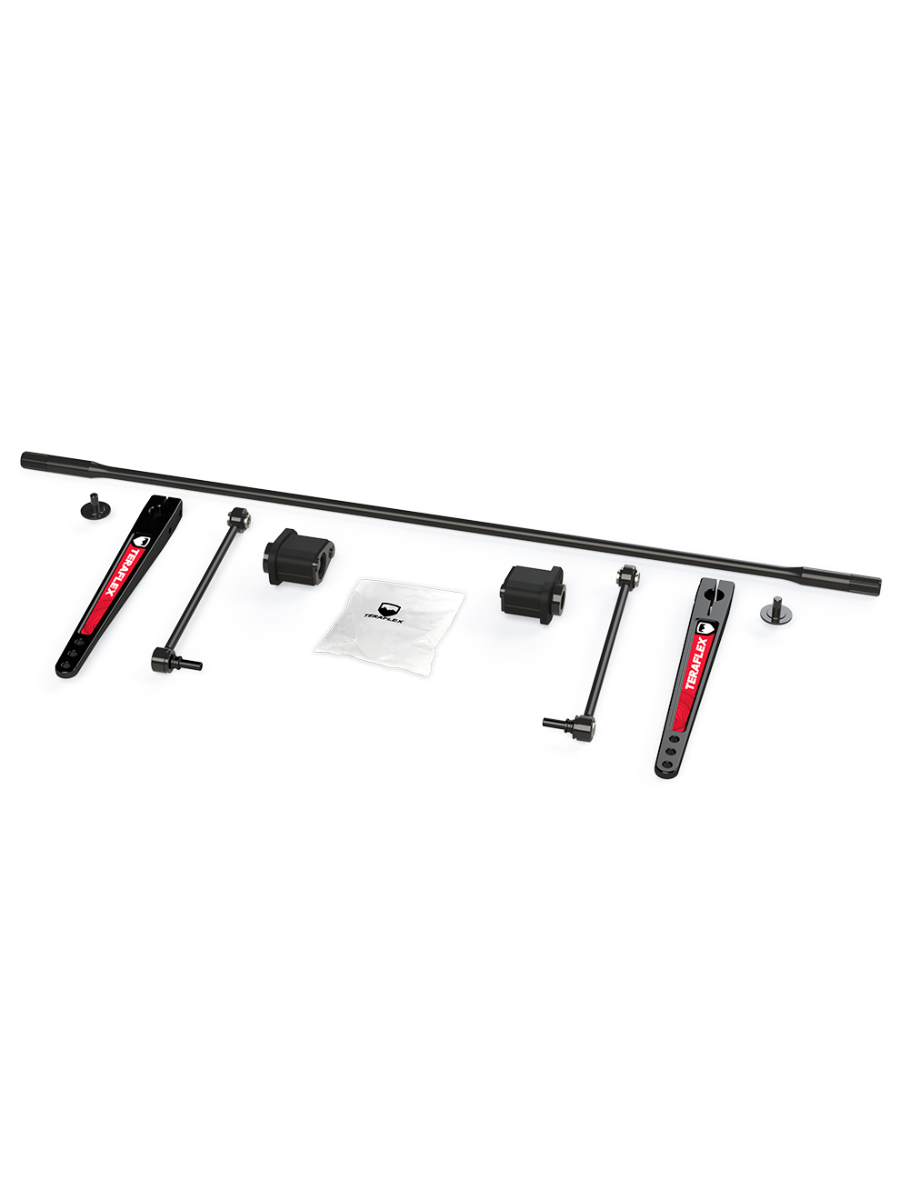
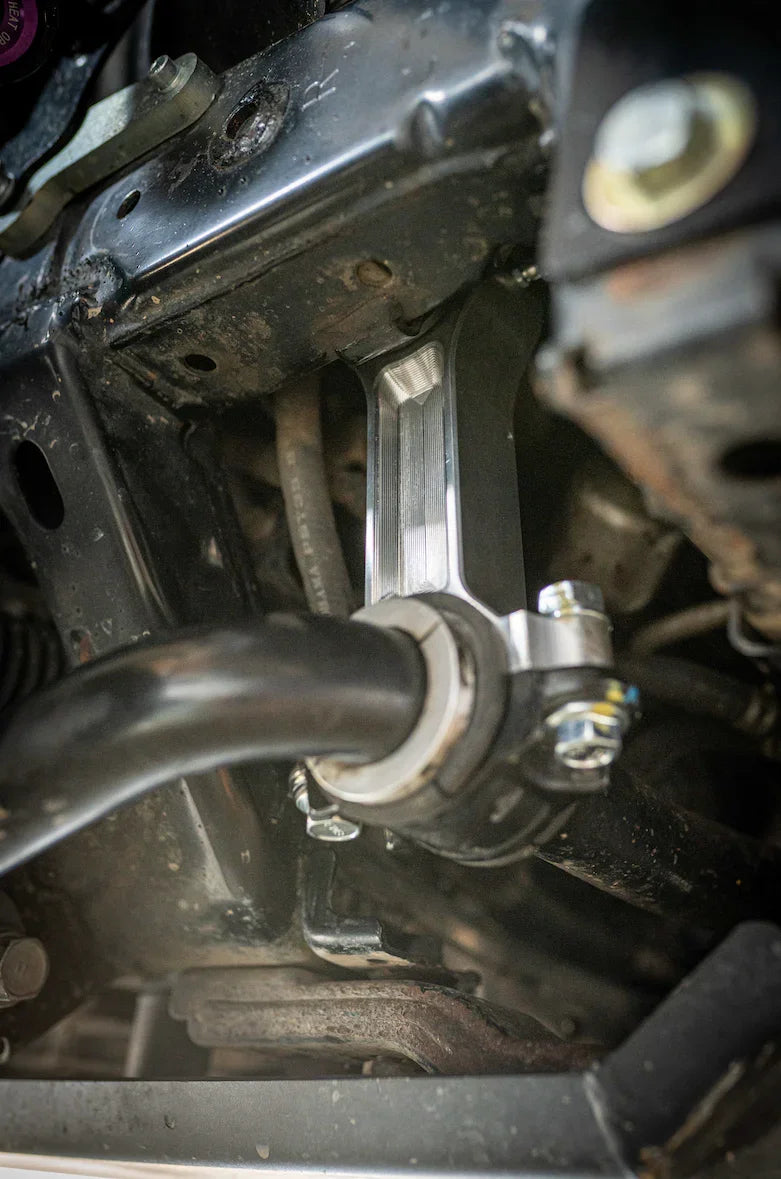
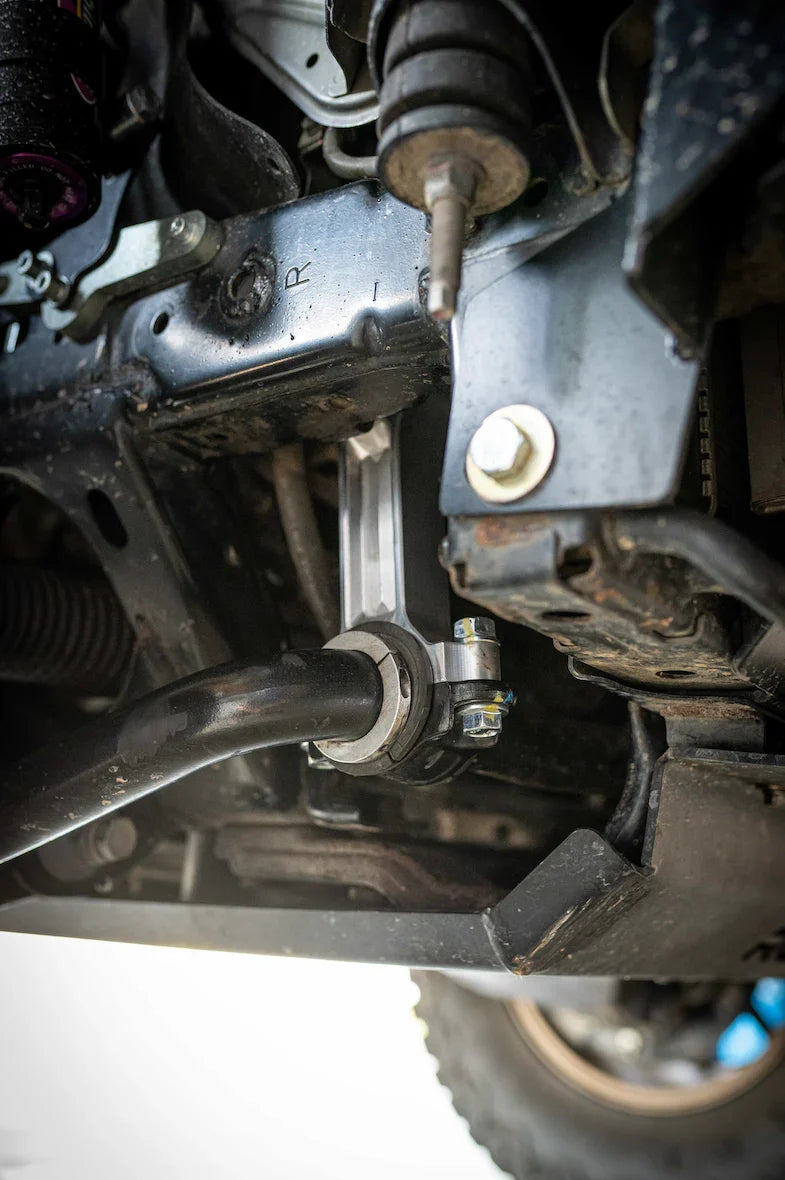
A sway bar trades articulation for on-road composure — stiffer bars flatten cornering, softer or disconnected bars let the axle droop and keep tires planted over rocks. This is the full sway bar catalog: heavier front and rear bars, adjustable end links, and quick-disconnect kits that give you both. Filter by year, make, and model, then pair the bar with fresh Suspension Bushings so the new rate isn't lost to worn rubber.








Sway Bars FAQs
Do sway bar disconnects improve off-road performance?
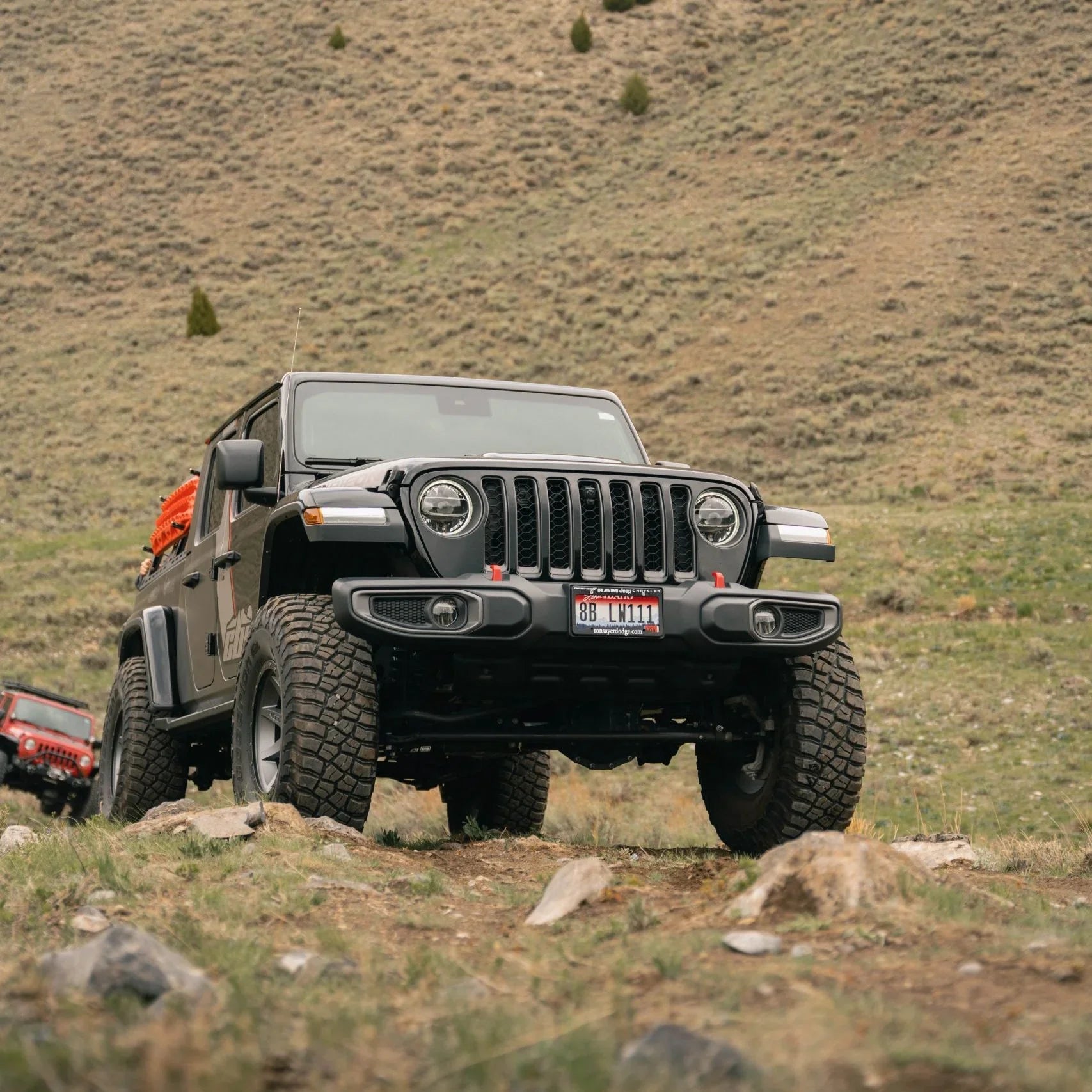
Yes — disconnecting the front sway bar lets the axle articulate several more inches, keeping tires on the ground and traction available over uneven terrain. On a solid-axle Jeep Wrangler or Gladiator, electronic or manual disconnects are one of the highest-value trail mods. Reconnect for pavement, where the bar controls body roll and keeps steering predictable at speed.
Will a stiffer sway bar hurt my ride quality?
Not the ride, but it reduces articulation. A stiffer bar resists body roll and helps a loaded or top-heavy overland rig feel stable, at the cost of some flex off-road. Ride harshness comes from spring rate and shocks, not the sway bar. If you tow or run a roof tent, a firmer rear bar is often worth the trade.
Do I need a rear sway bar after a lift?
It depends on how the truck feels loaded and at speed. Taller vehicles carry more body roll, so a rear sway bar helps IFS trucks and lifted SUVs stay composed with weight up high. Solid-axle rigs often go the other way and add disconnects up front for flex. Match the choice to how you actually drive, loaded or empty.
What are sway bar end links and do they matter?
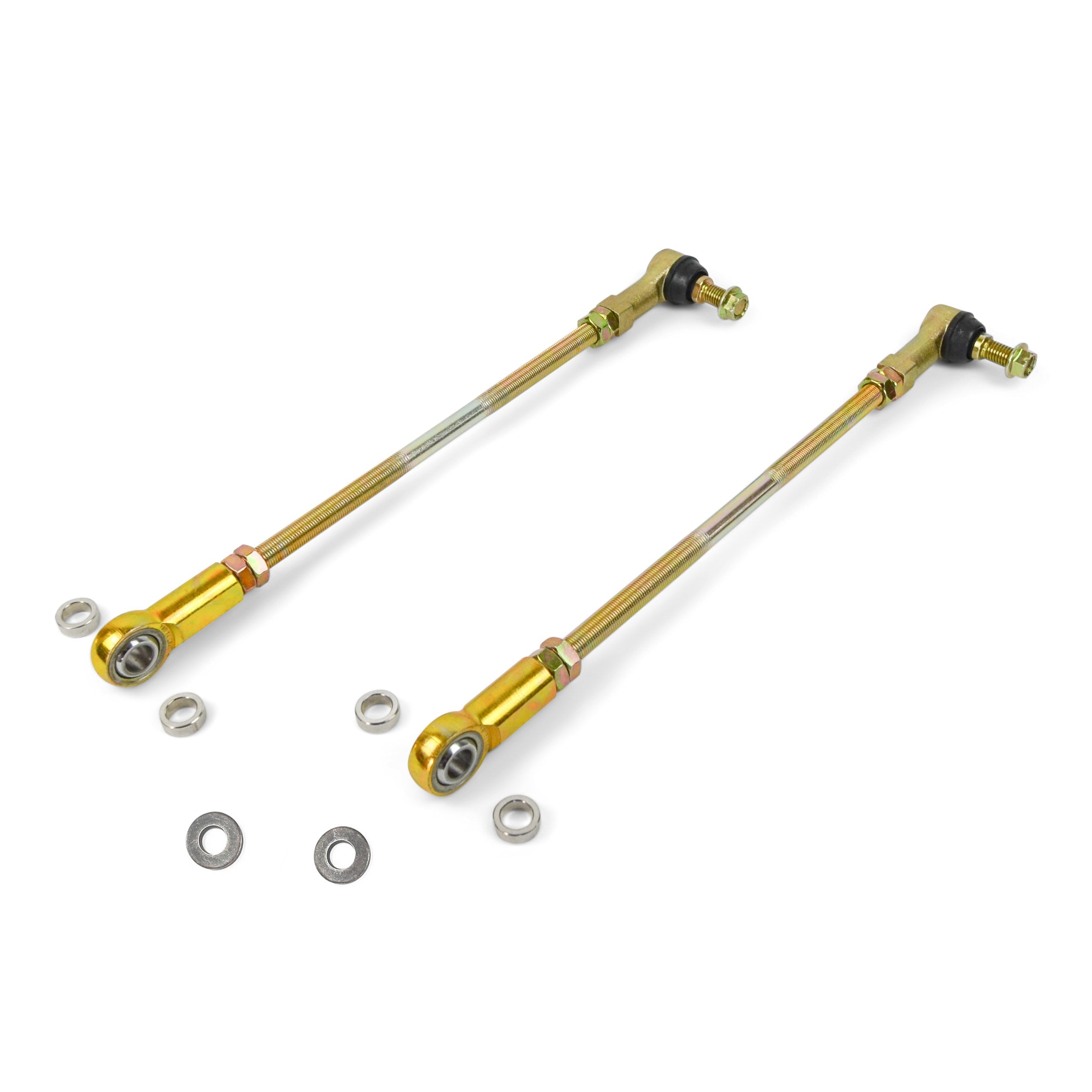
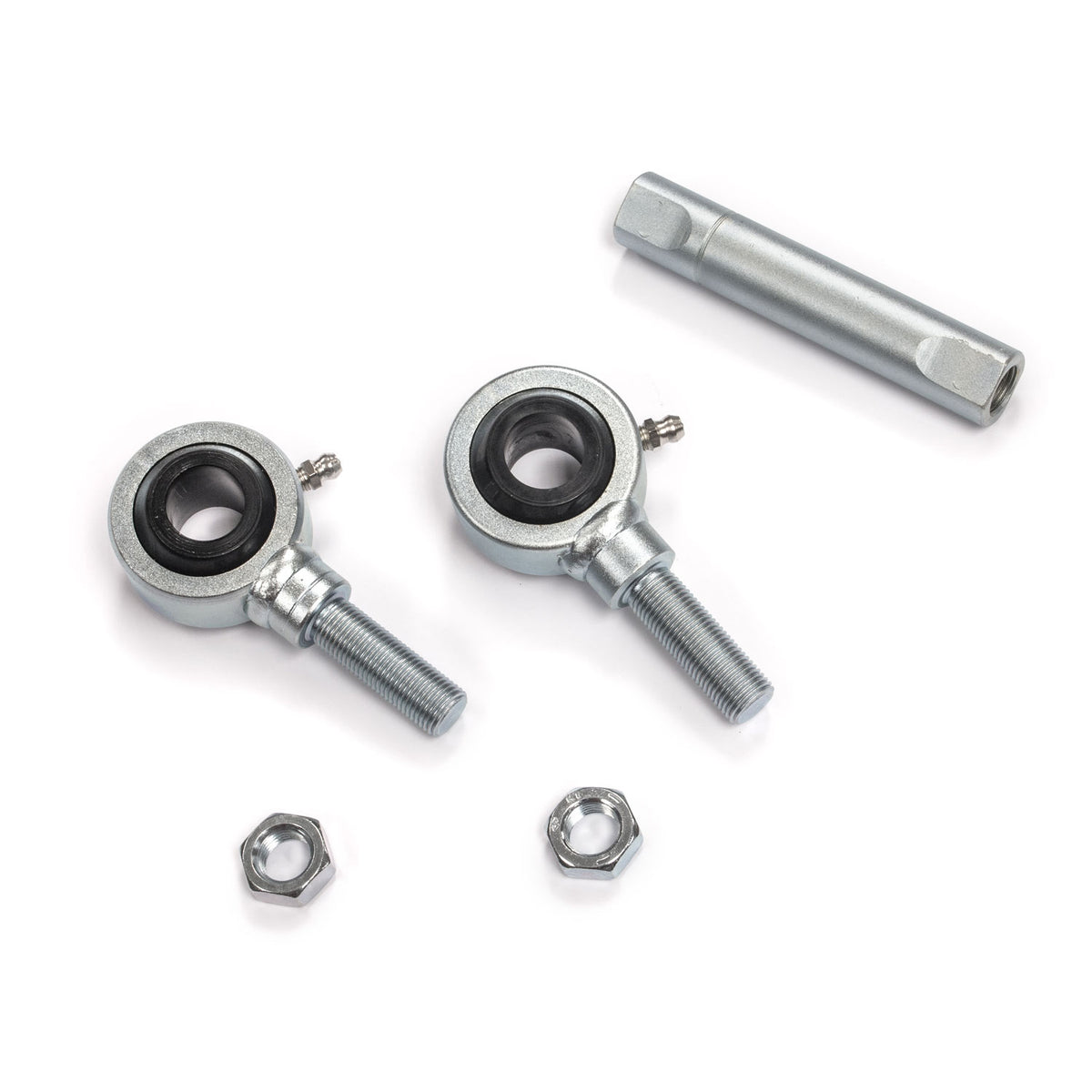
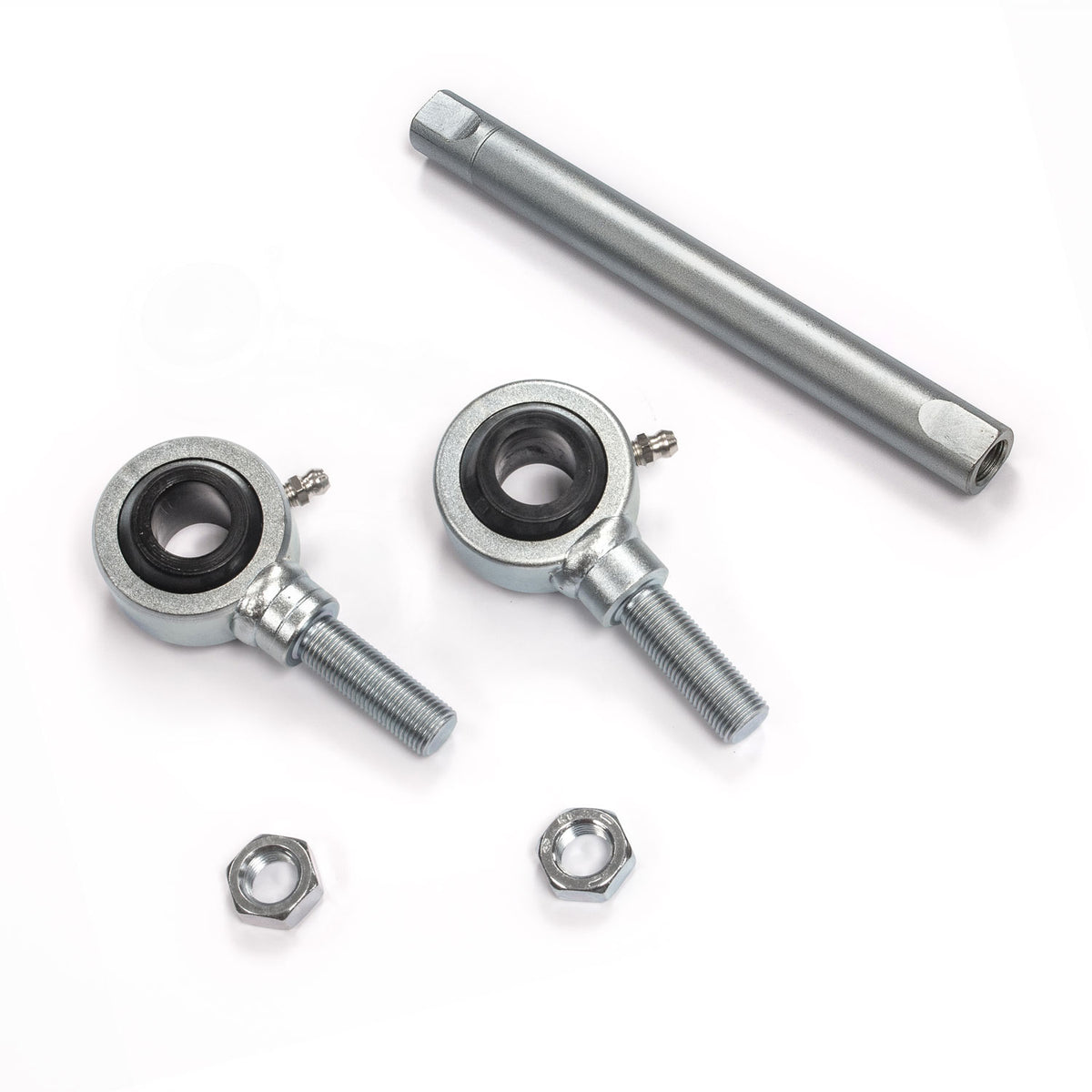
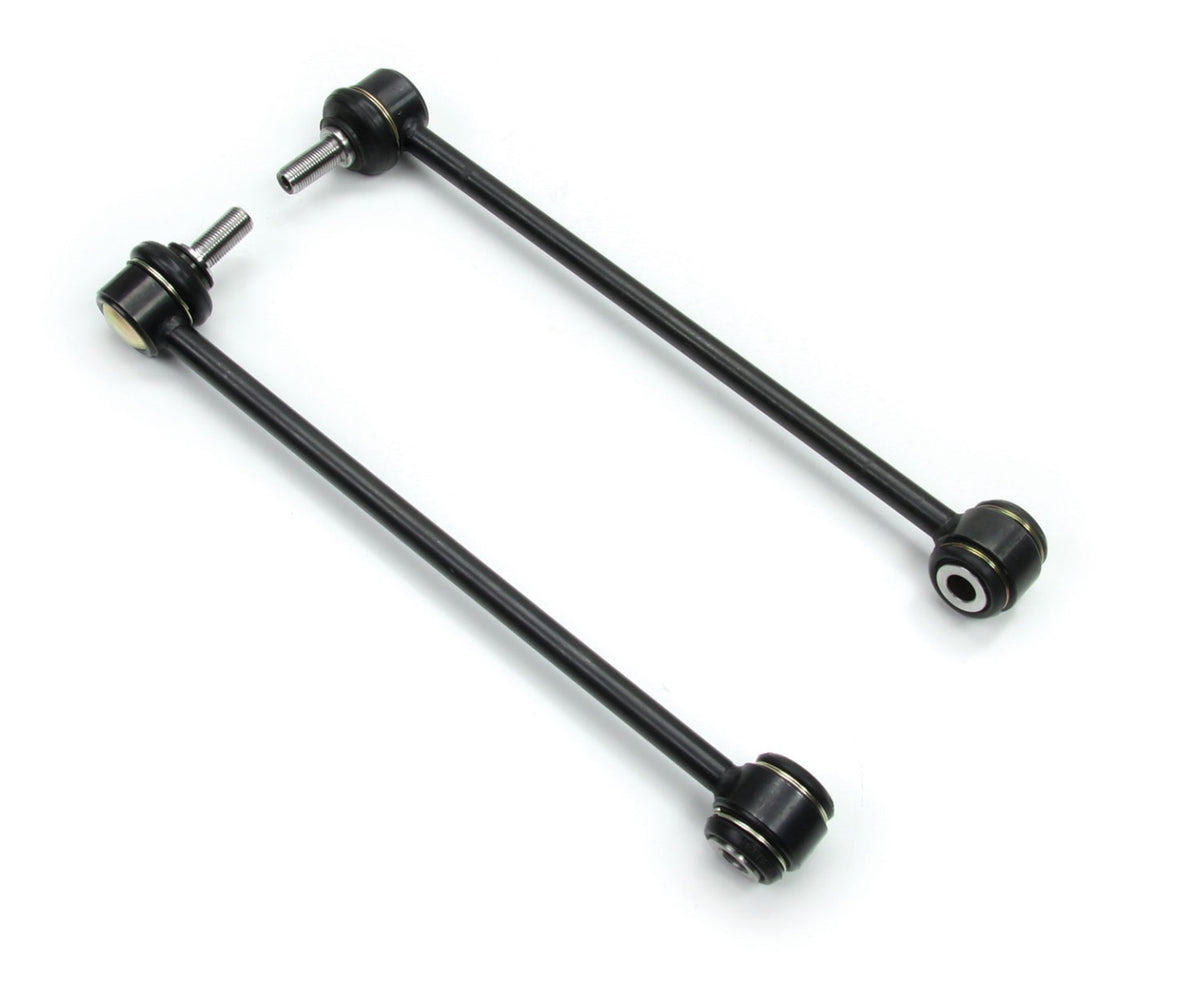
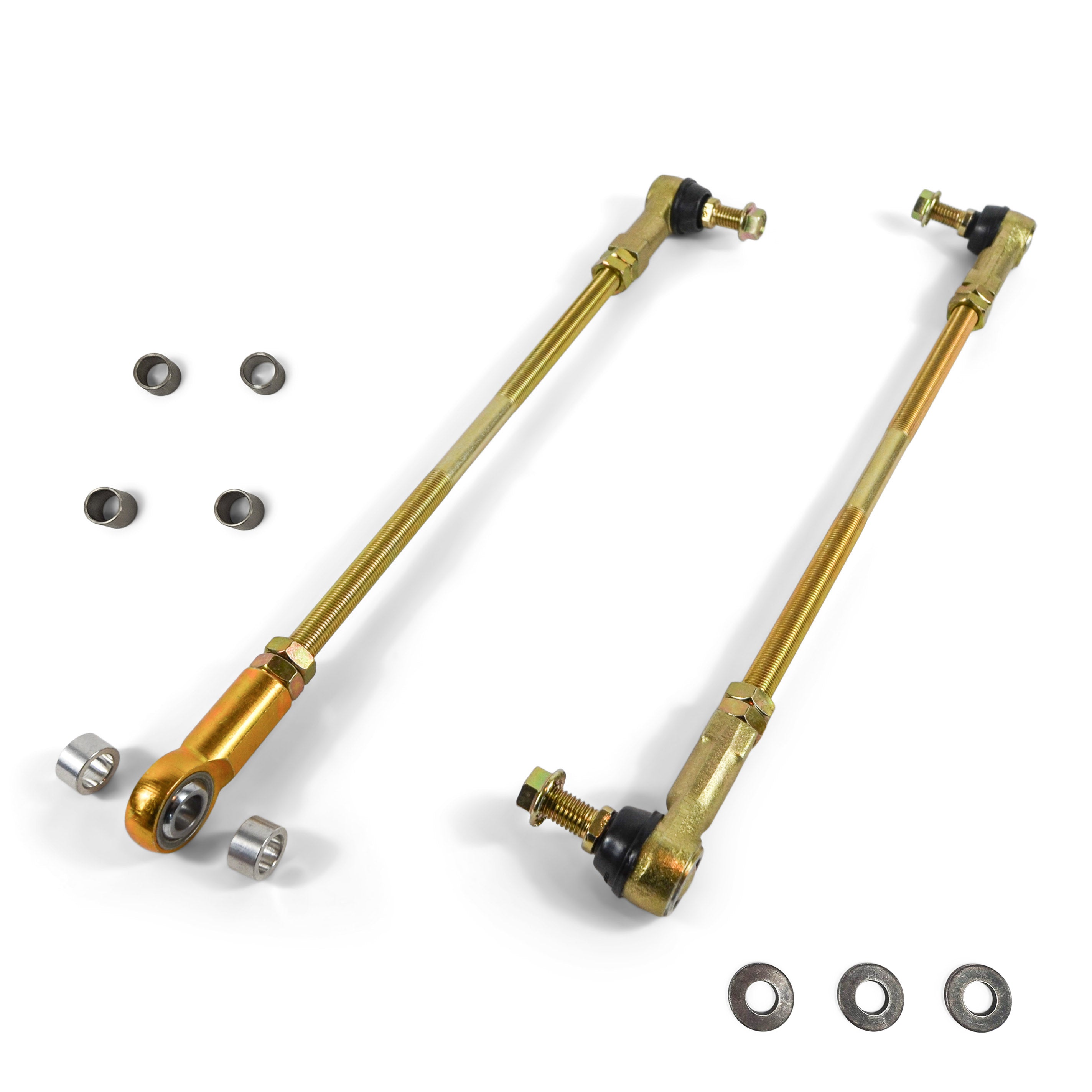
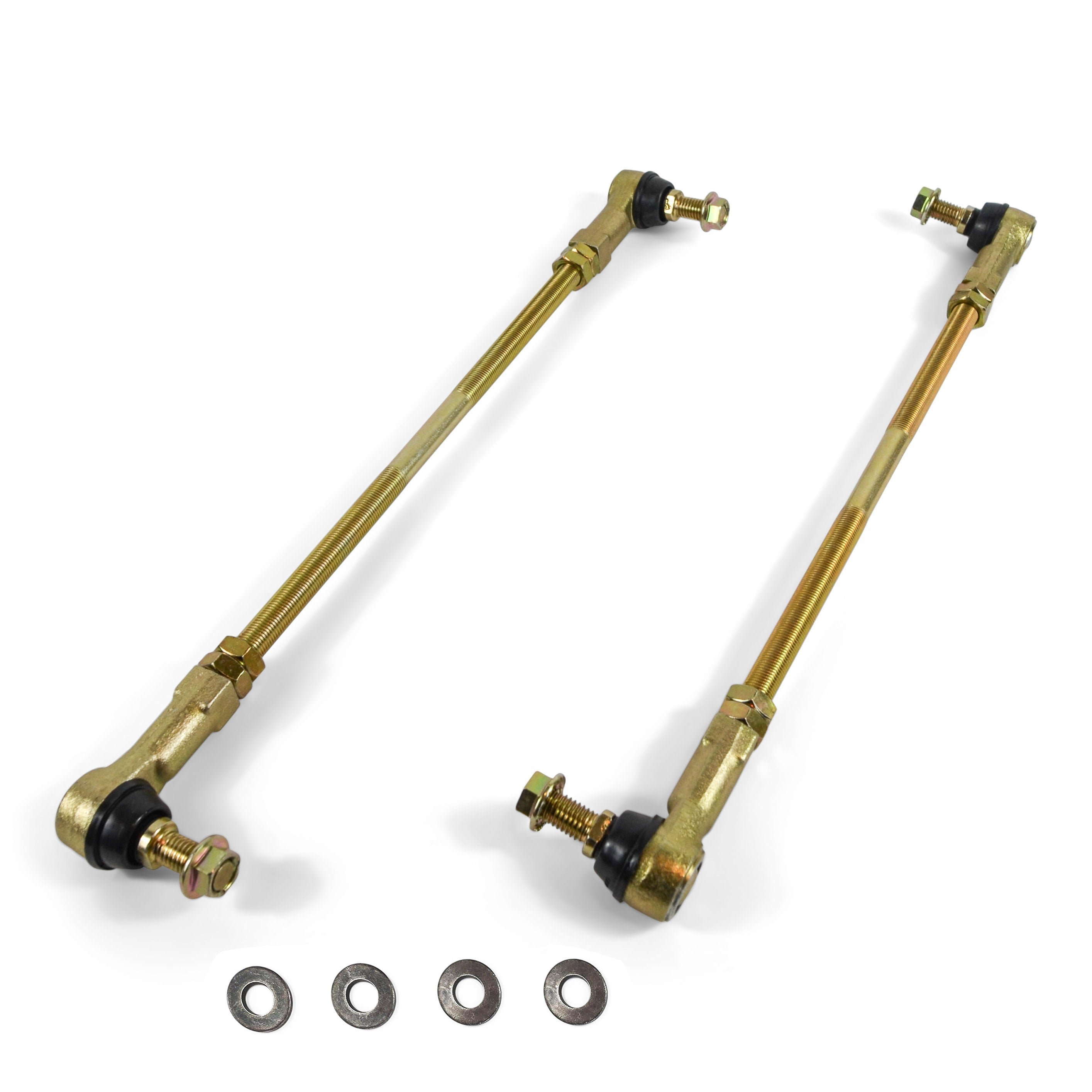
End links connect the sway bar to the axle or control arm, and yes, they matter after a lift. A taller ride height changes their angle, so lifted trucks often need longer or adjustable end links to keep the bar working without preload. Worn links clunk and let the bar act late; upgrade them alongside the bar.
