





Suspension Bushings
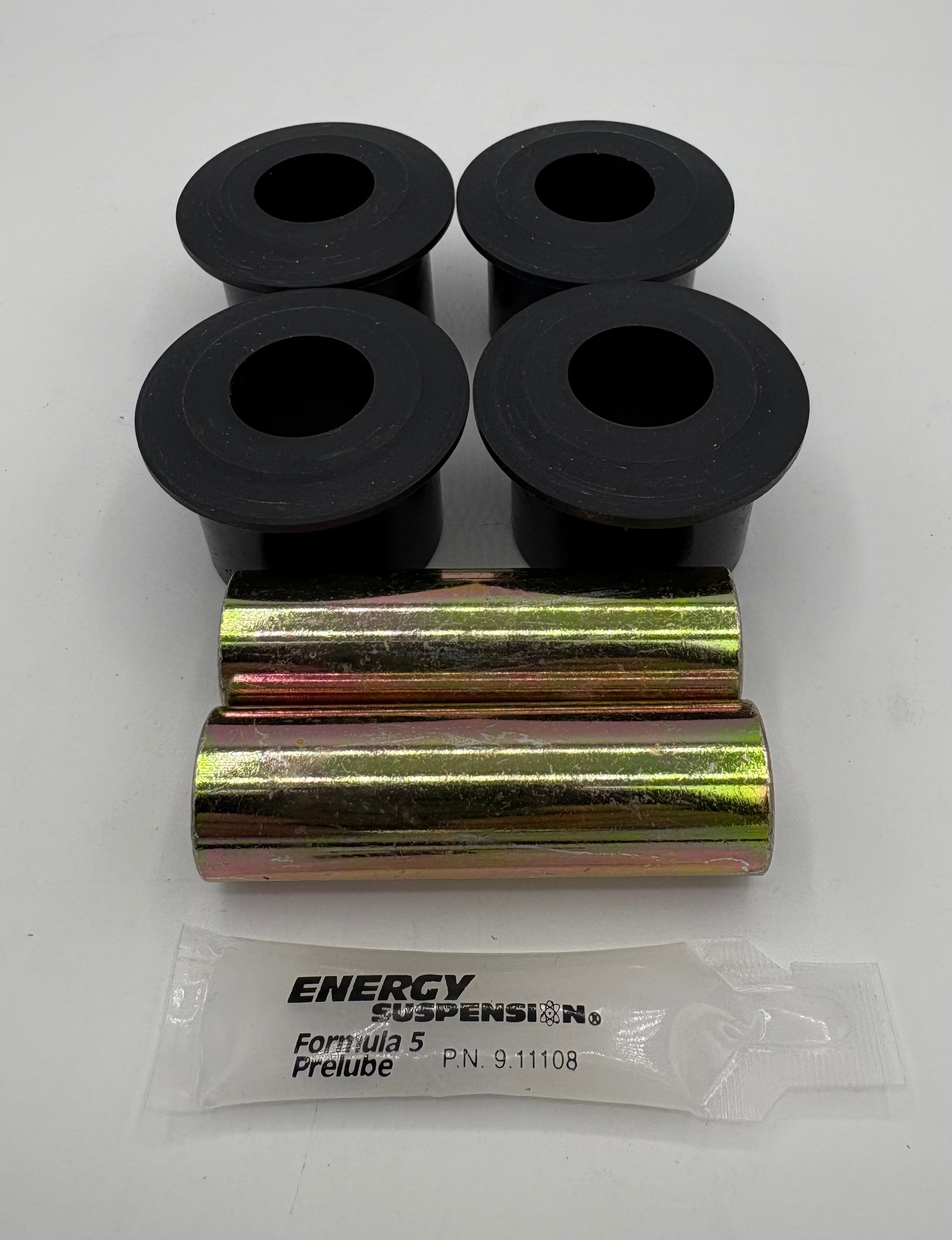
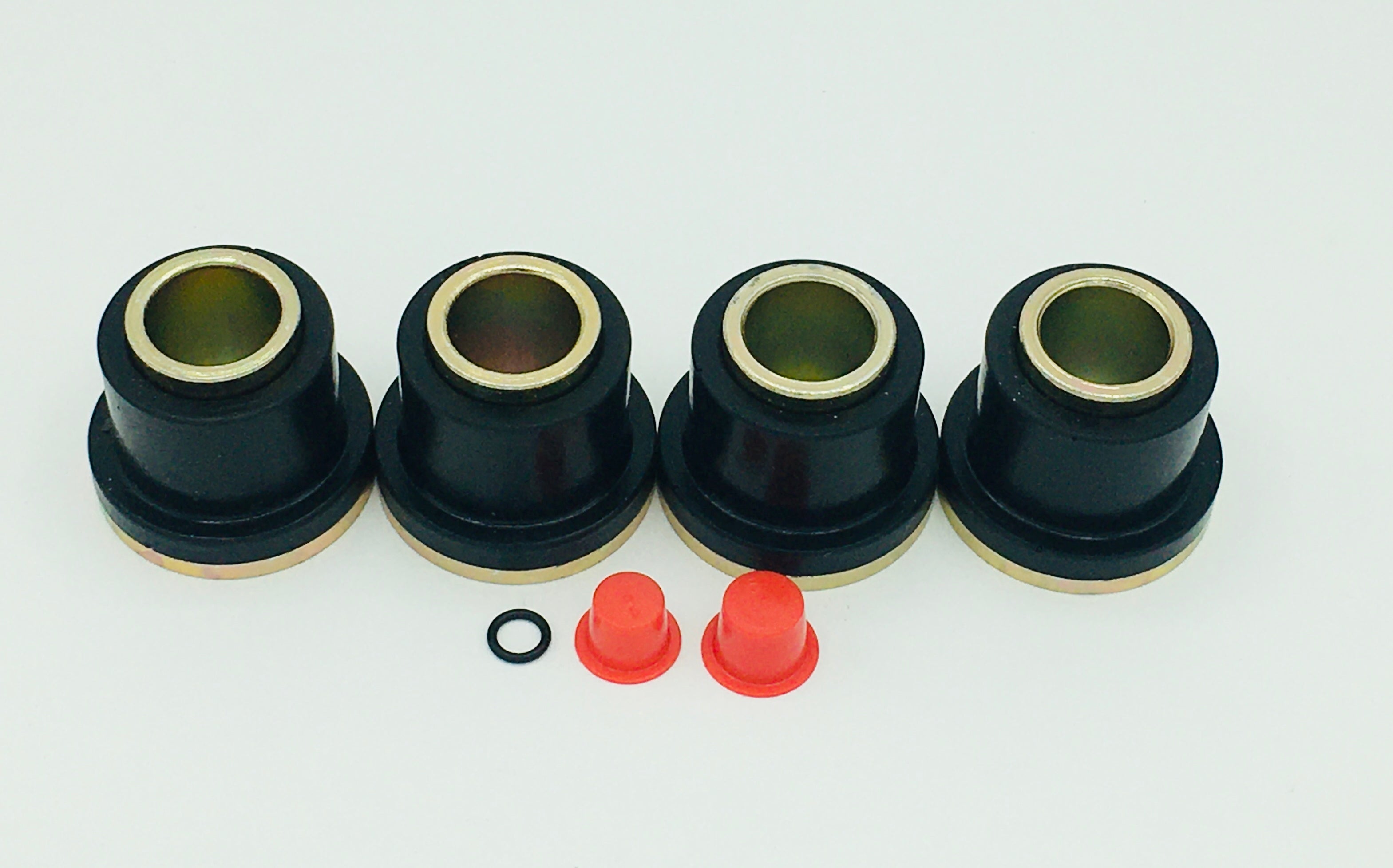
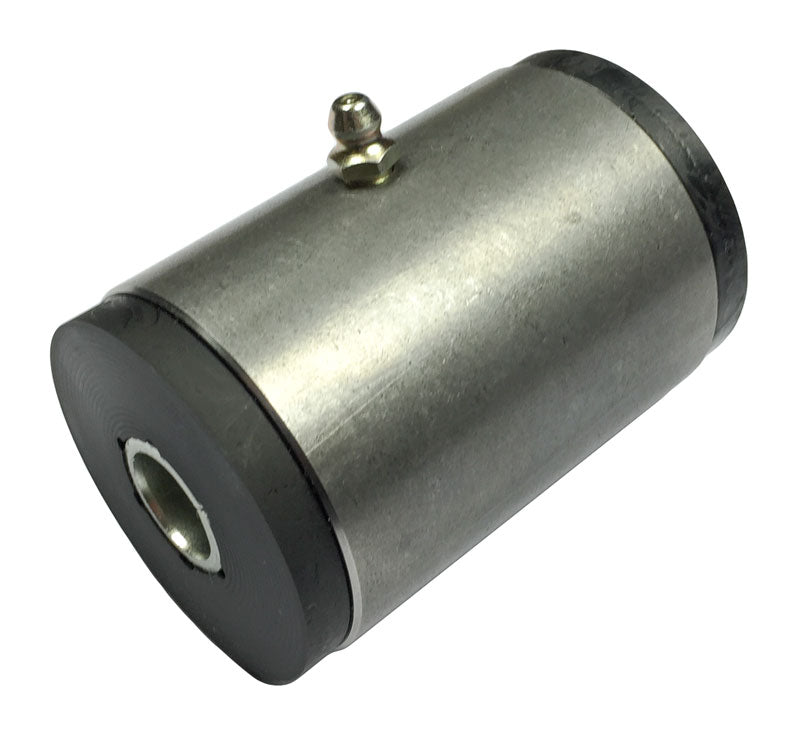
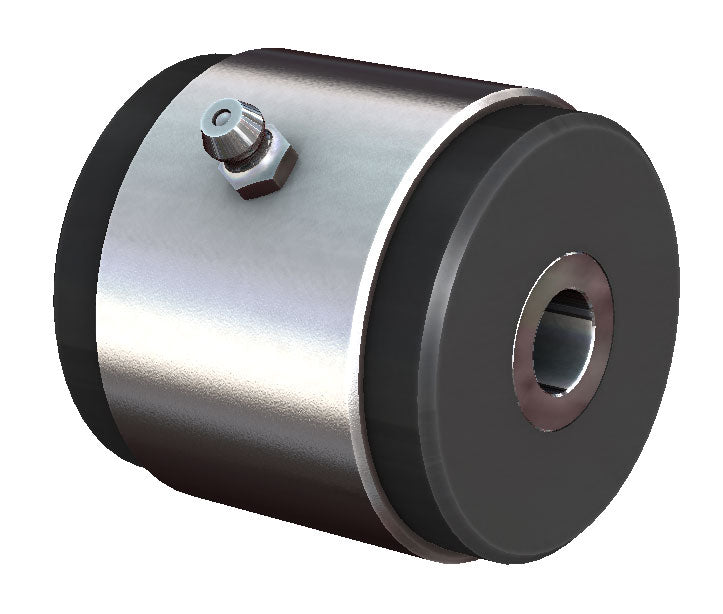
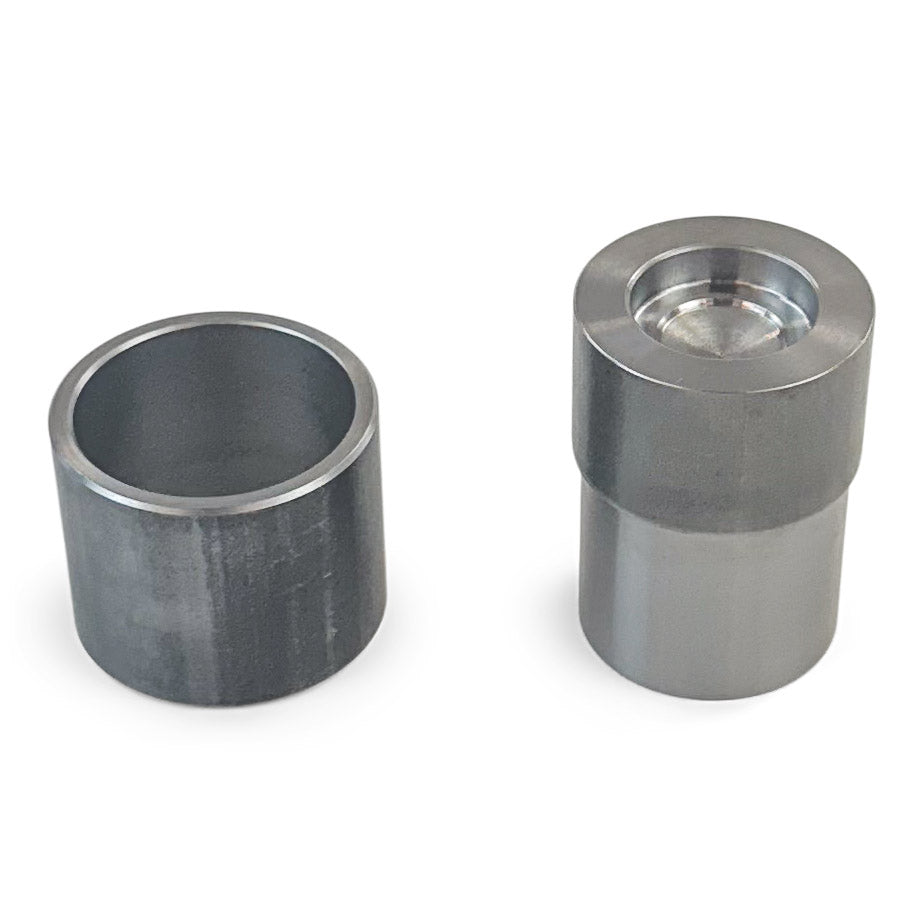
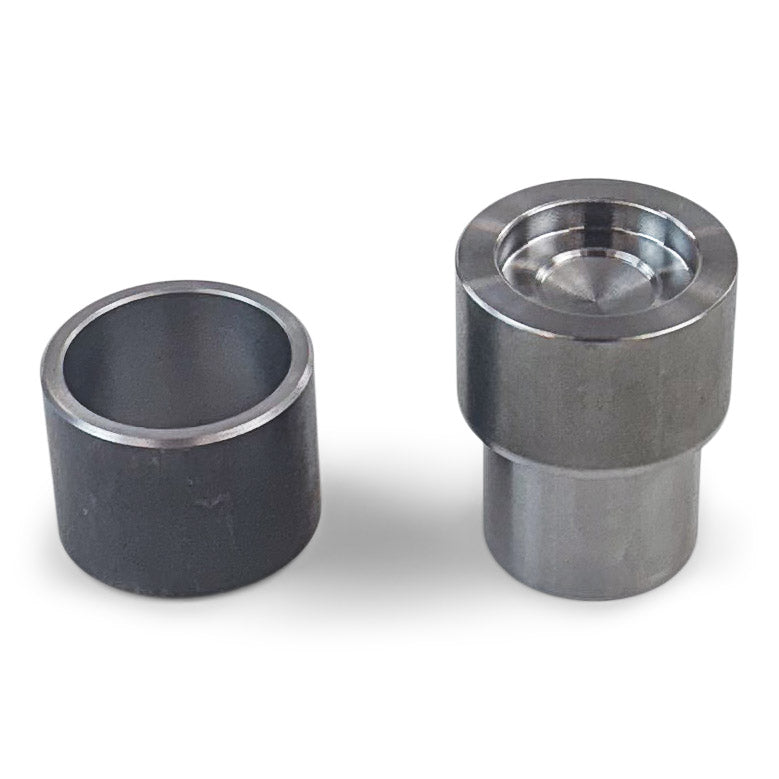
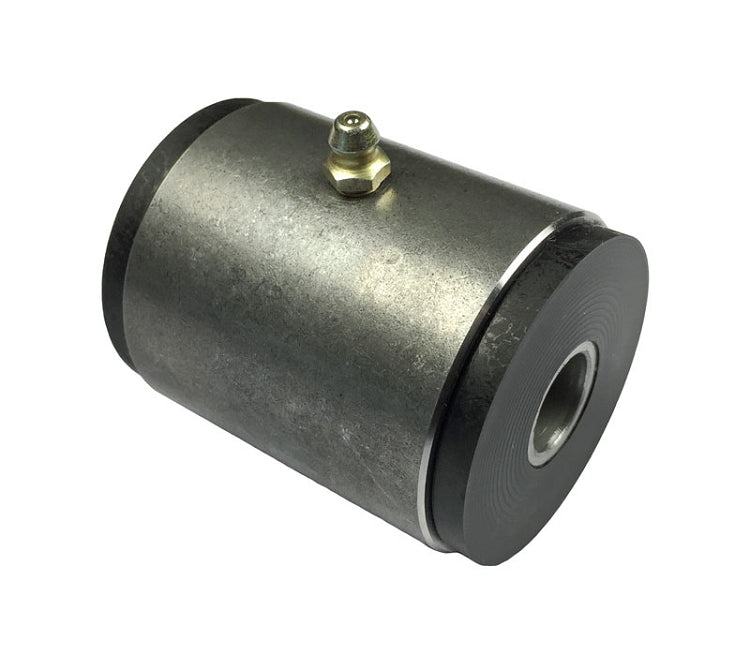
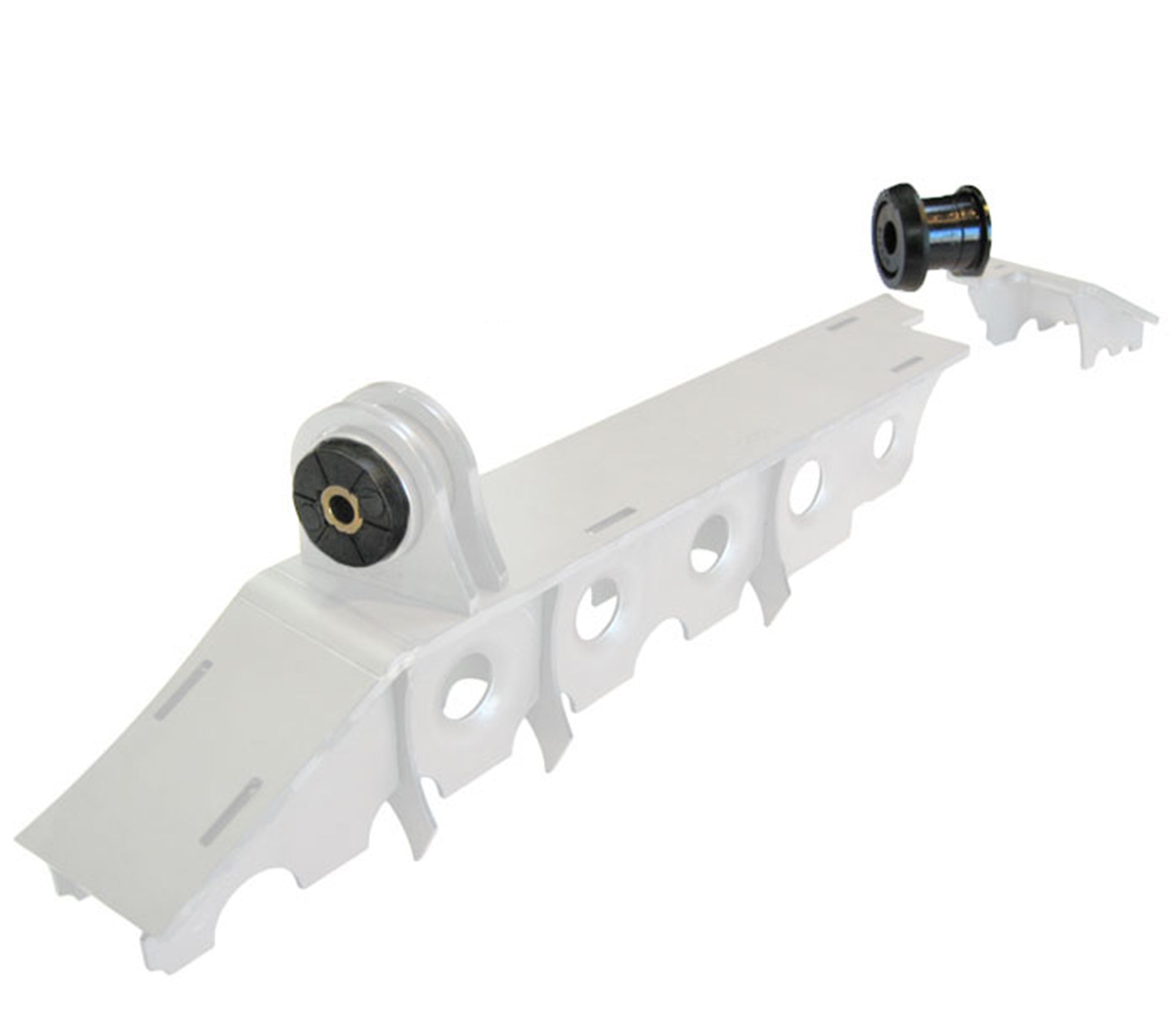
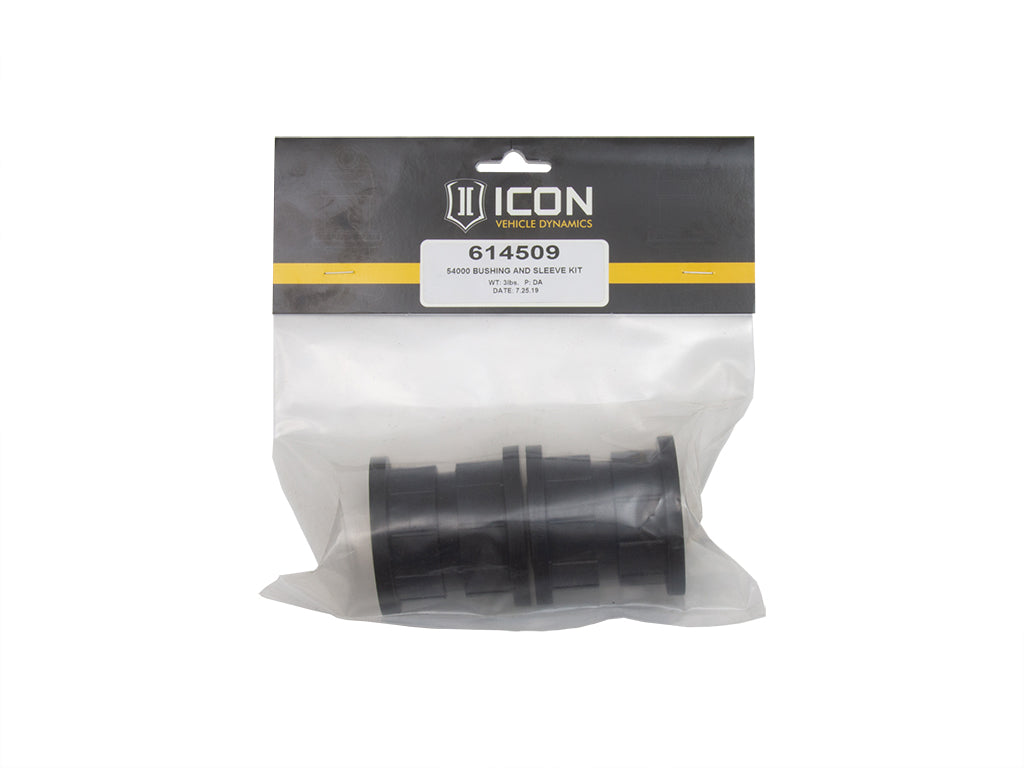
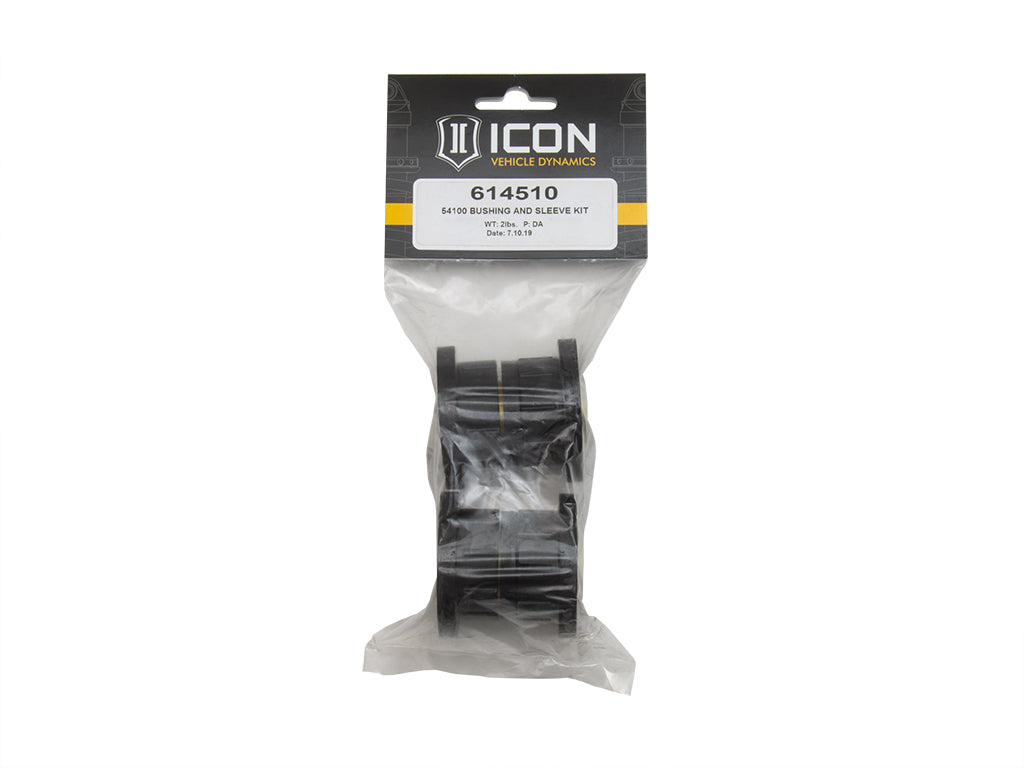
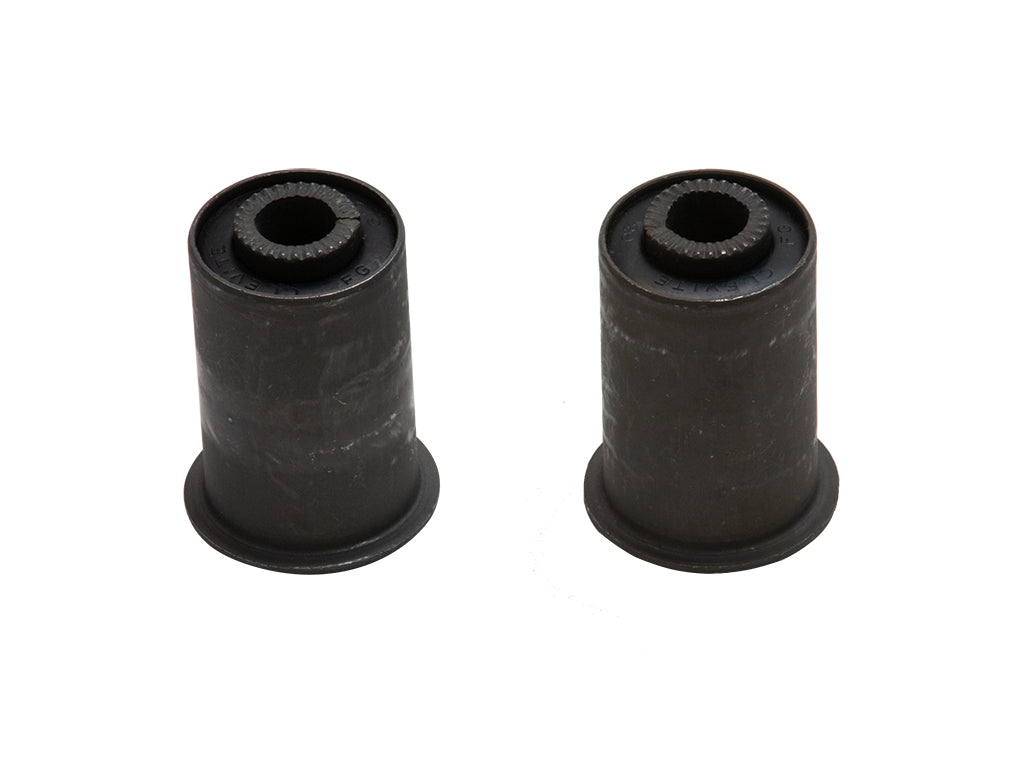
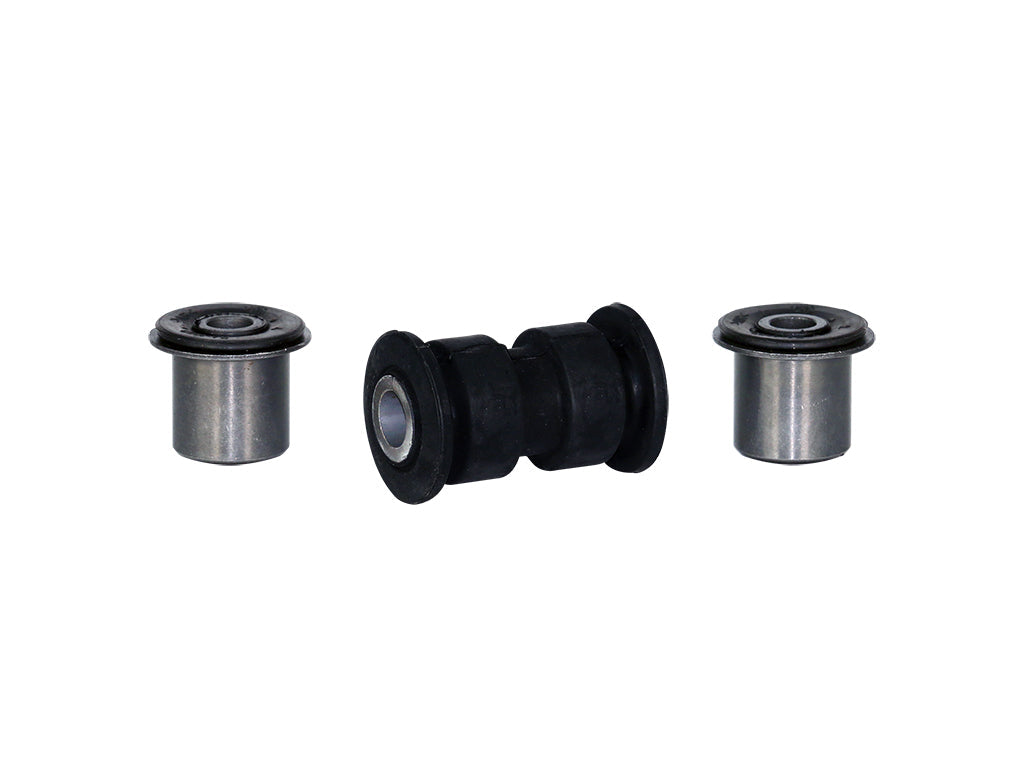
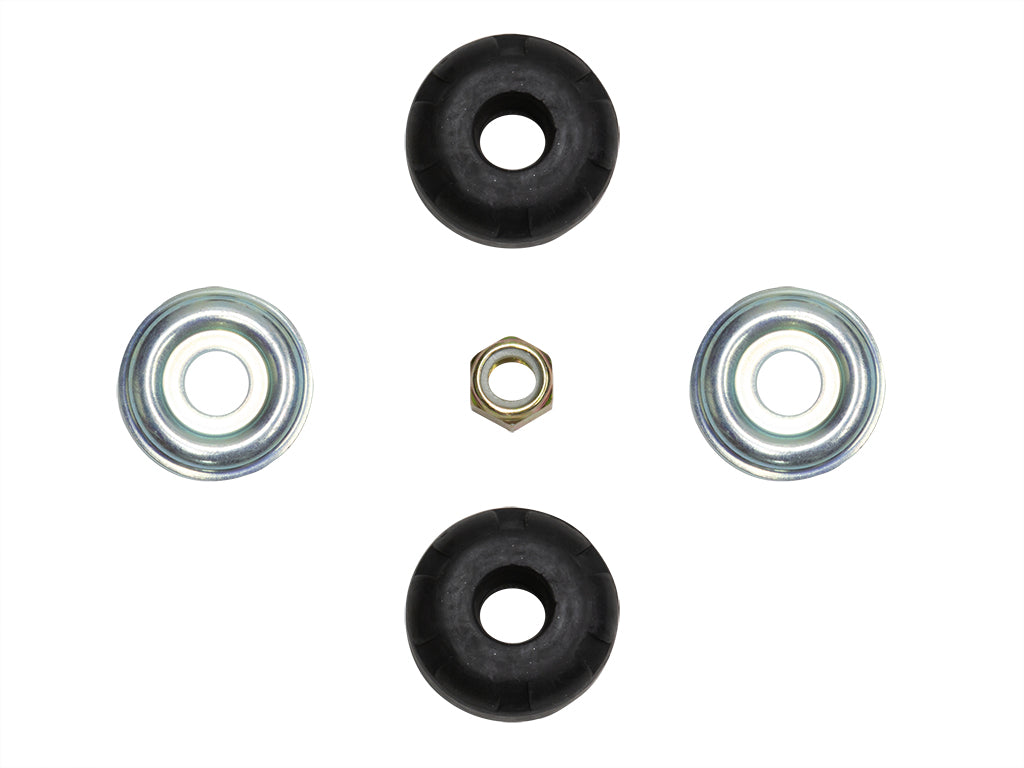
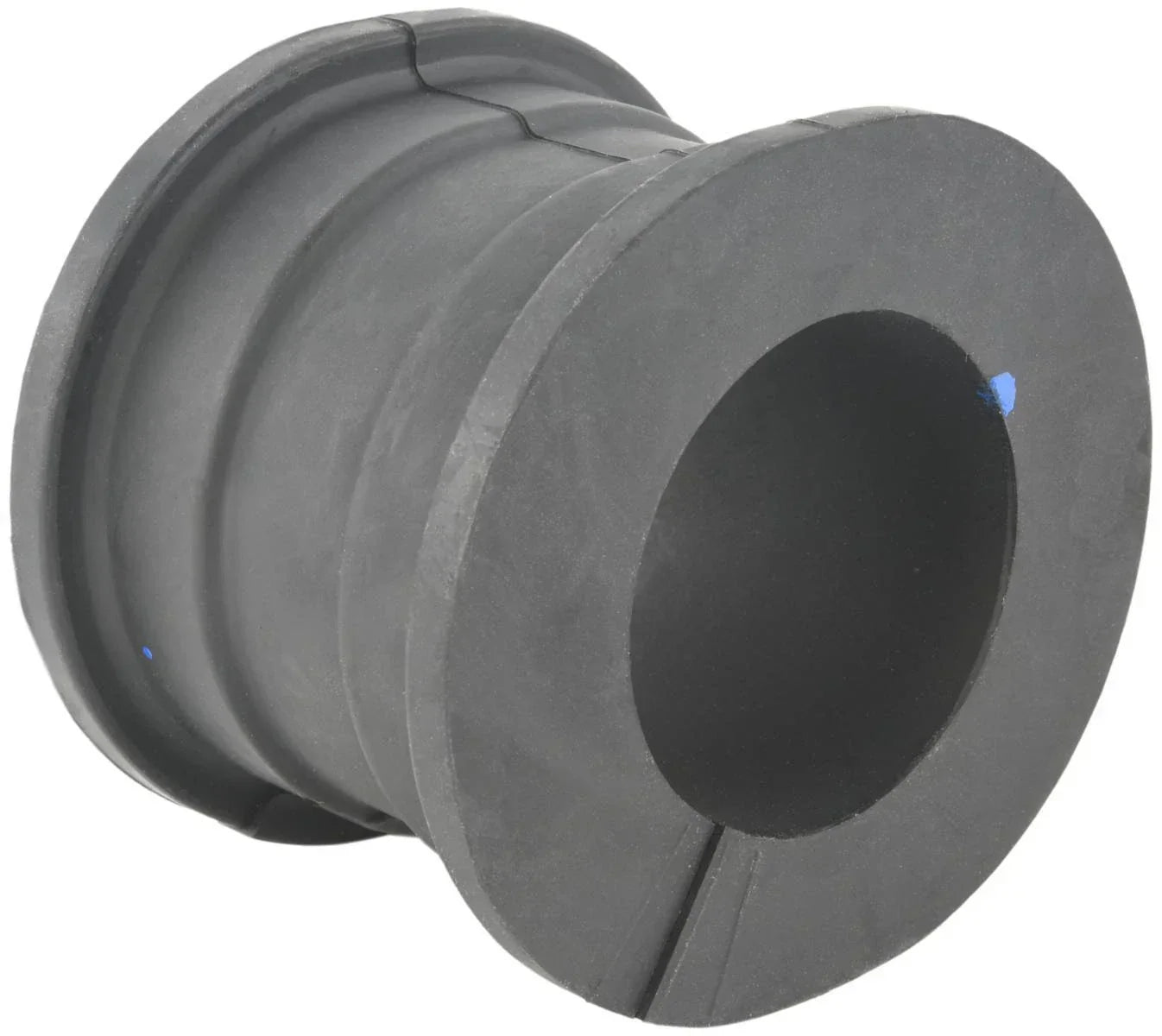
Bushings are the quiet compromise in every suspension — soft rubber isolates vibration, firm polyurethane sharpens control and lasts longer under abuse. This is the full suspension bushing catalog: control-arm, sway-bar, and track-bar bushings in rubber and poly for trucks that flex hard and carry weight. Worn bushings show up as clunks, wander, and uneven tire wear. Filter by year, make, and model, or browse the broader Suspension Components range.






Suspension Bushings FAQs
Polyurethane or rubber suspension bushings?
Rubber rides quieter and absorbs more vibration; polyurethane is firmer, lasts longer, and holds alignment better under load and articulation. Poly transmits more noise and needs occasional greasing, but it resists the tearing and sag that kill rubber on a wheeled truck. Daily-driven and comfort-focused rigs lean rubber; hard-flexing, loaded, or high-mileage off-road builds usually favor poly at the high-stress joints.
How do I know my bushings are worn out?
Listen for clunks over bumps and watch for wandering steering and uneven tire wear. Cracked, split, or oil-soaked rubber is a visual giveaway, and a pry bar will show play in a worn control-arm or sway-bar bushing. Worn bushings also let alignment drift, so if the truck won't hold a spec after adjustment, tired bushings are a common culprit.
Should I replace bushings when installing control arms or a lift?
Yes — a lift or new control arms is the right time to refresh bushings, since the parts are already apart. New control arms usually arrive with fresh bushings, but factory arms you're reusing often have originals well past their prime. Doing bushings, ball joints, and alignment together saves labor and keeps the whole front end tight rather than chasing one worn part at a time.
