





Pedals
Pedals are a small upgrade that touches every mile: machined grip for wet or muddy boots, a proper rest for your left foot, and a footwell that finally matches the rest of the build. The nine listings here are vehicle-specific — filter by year, make, and model and only what fits remains. Installation is a driveway job with hand tools. Just torque the hardware like it matters, because on a throttle pedal, it absolutely does.
Pedals FAQs
Do pedal covers change brake or throttle feel?
Marginally, and mostly for the better. A cover adds a little thickness and a much grippier surface, so your foot stays planted where you put it; actual pedal effort and travel don't change. Quality vehicle-specific sets keep the spacing between pedals sensible, which is worth caring about — it's why we stock model-matched pedals rather than one-size-fits-most covers.
Will a pedal cover slip under a wet boot?
Slipping is what these exist to prevent — machined texture holds a wet or muddy sole far better than aged factory rubber does. The genuine slip risk is a cover that was installed loose and shifts underfoot, which is an installation failure rather than a design one. Tighten the hardware properly, recheck it after a trip, and grip is the whole story.
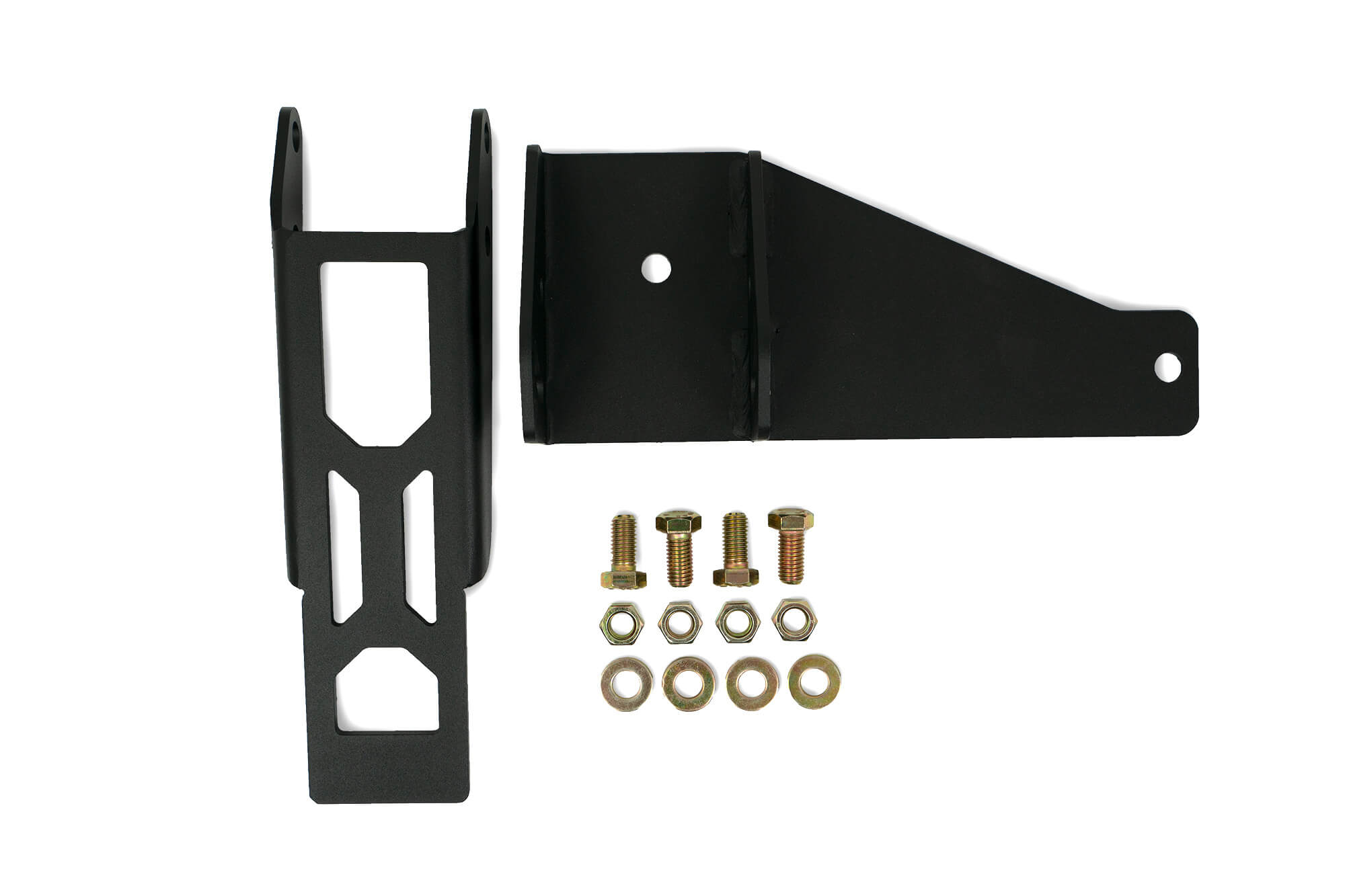
Do I have to remove the factory pedals to install these?
Generally no. Most covers in this collection mount over the existing factory pads using set screws or backing plates, so the pedal arm and everything attached to it stays put. A few designs replace the pad itself, and each listing spells out its method. Either way you're looking at hand tools and patience, not a shop visit.
Are these pedals universal or vehicle-specific?
Vehicle-specific, and that's deliberate. Pedal pad shapes, sizes, and spacing differ between trucks, so a universal cover is always an approximation of fitting. Filter this collection by year, make, and model and the listings that remain were designed around your exact pedals — correct contours, correct hardware, and no trimming ceremony in the garage.
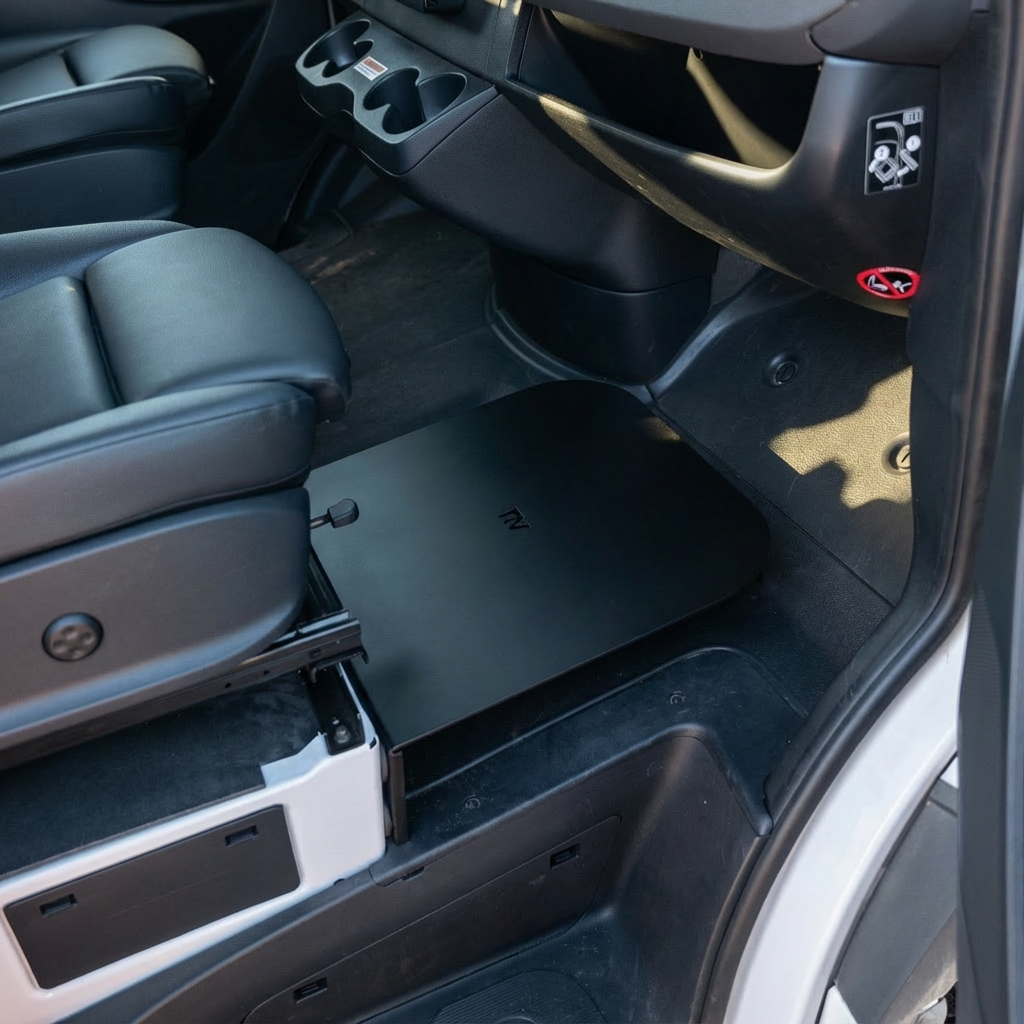
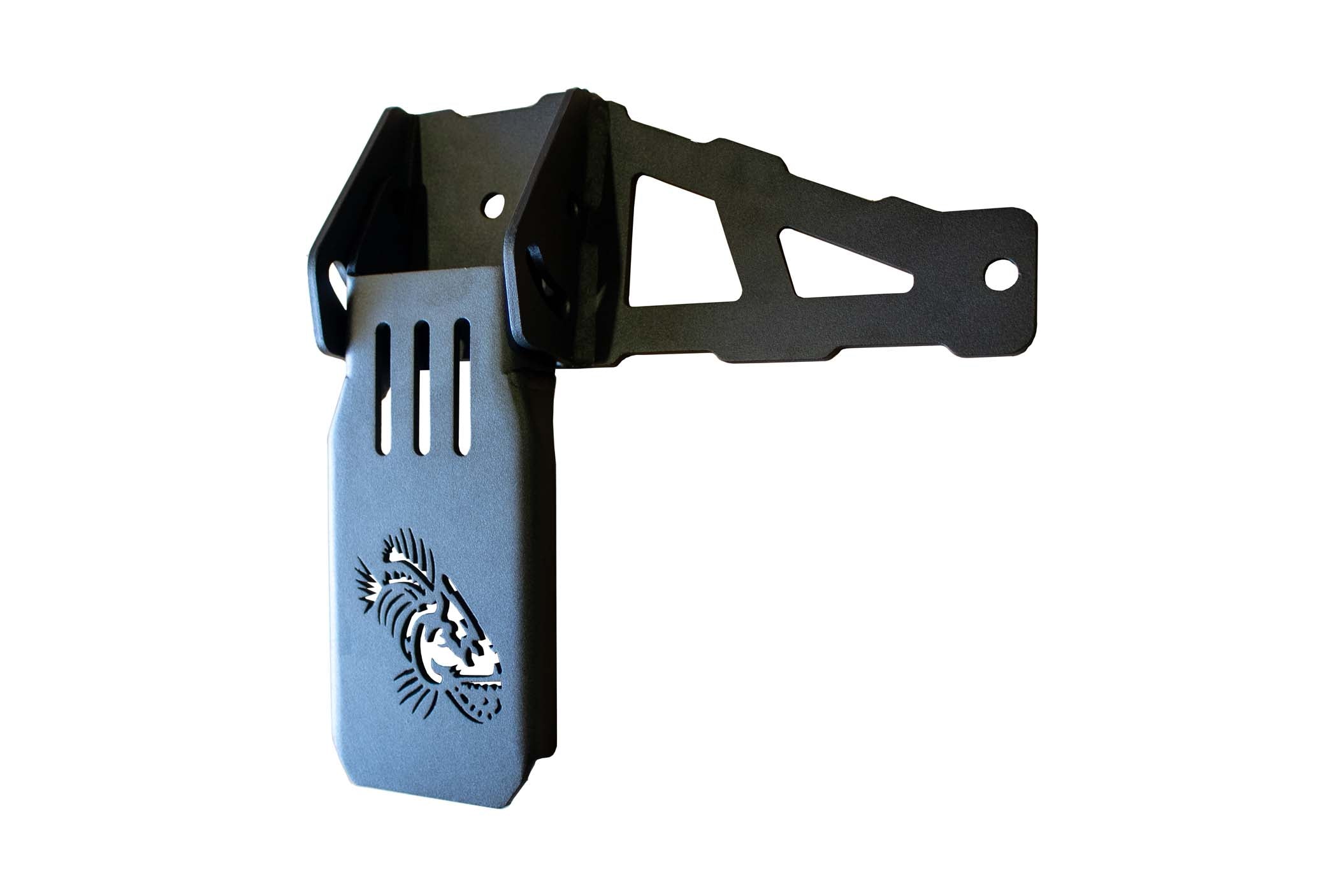
What's a dead pedal, and is it worth adding?
It's a footrest for your left foot, and it earns its keep on long days. A planted left foot braces your whole body on washboard and off-camber sections, which cuts fatigue and steadies your right-foot inputs. If your truck came without one — or with a carpeted suggestion of one — it's the sleeper upgrade of the footwell.
