





Air Filtration & Intakes
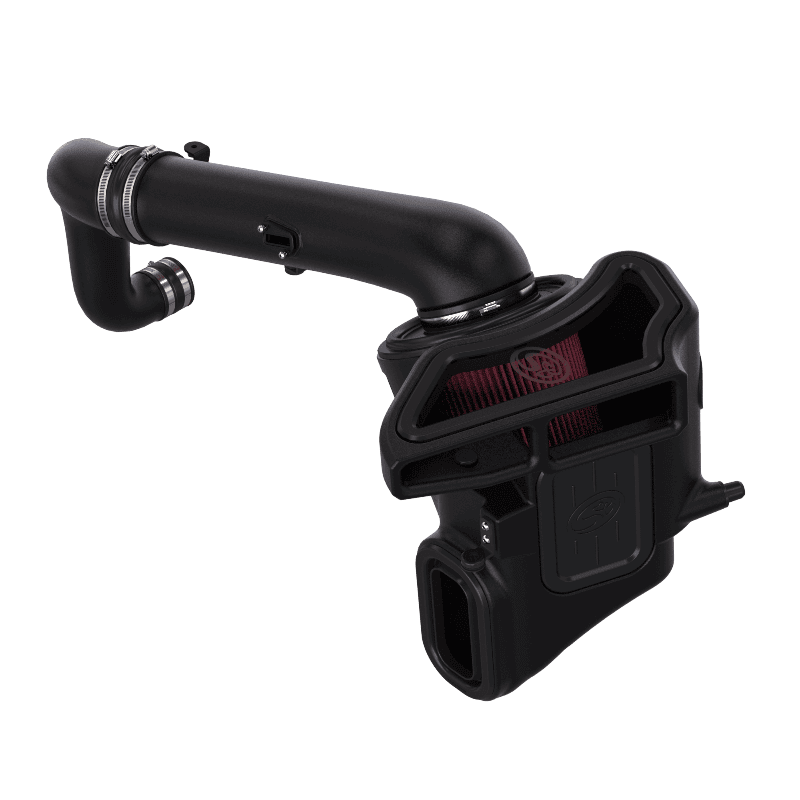
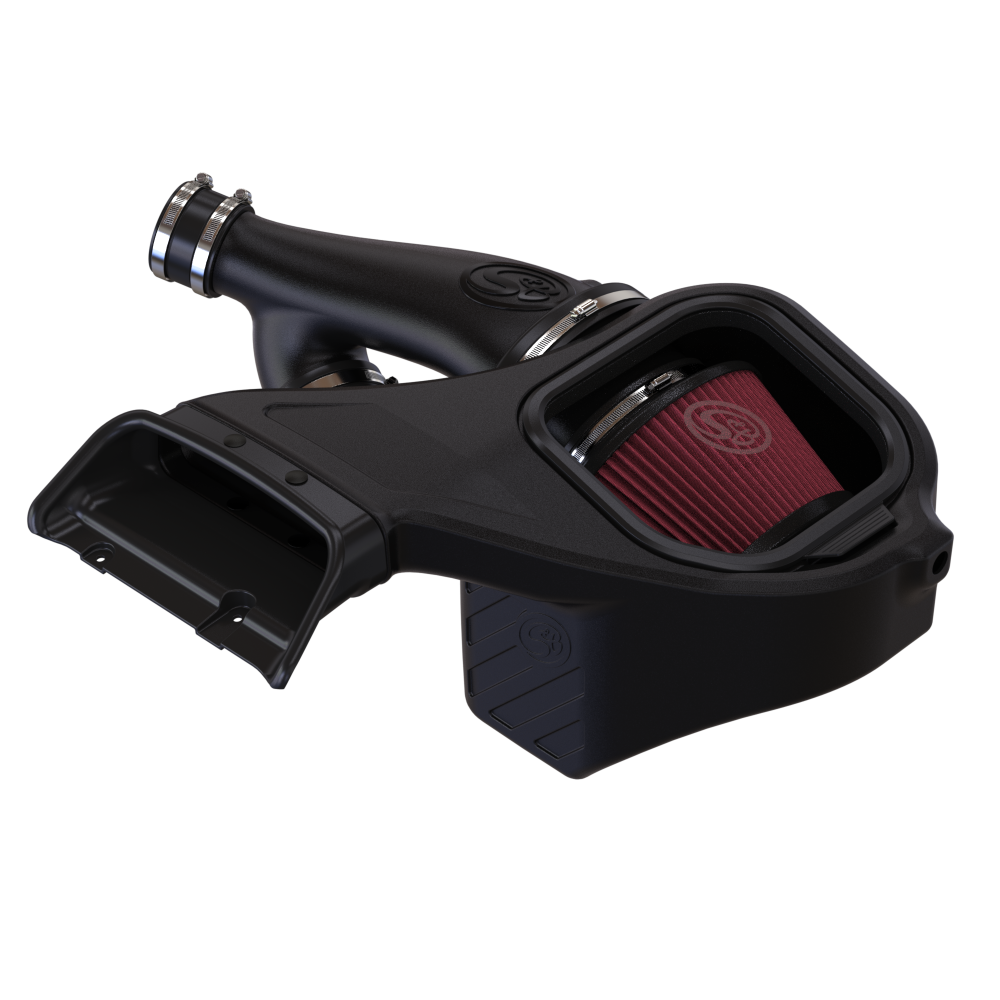
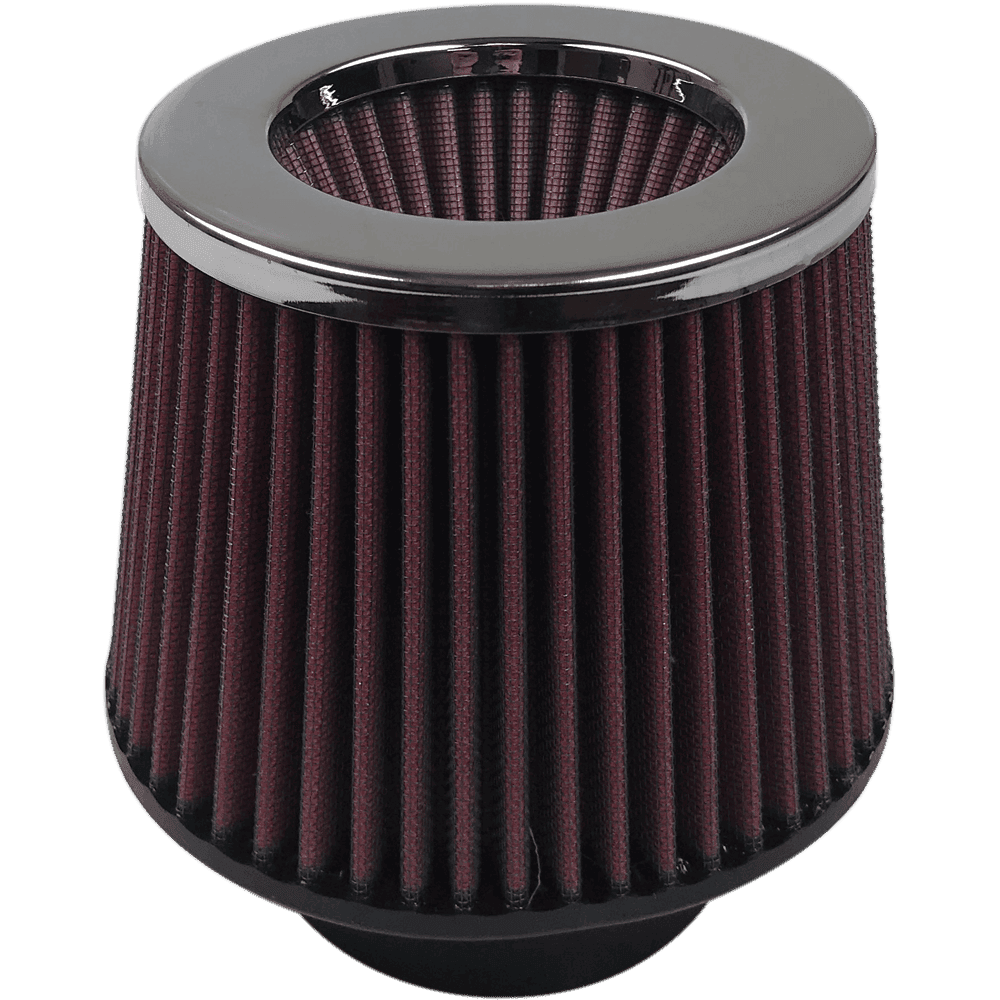
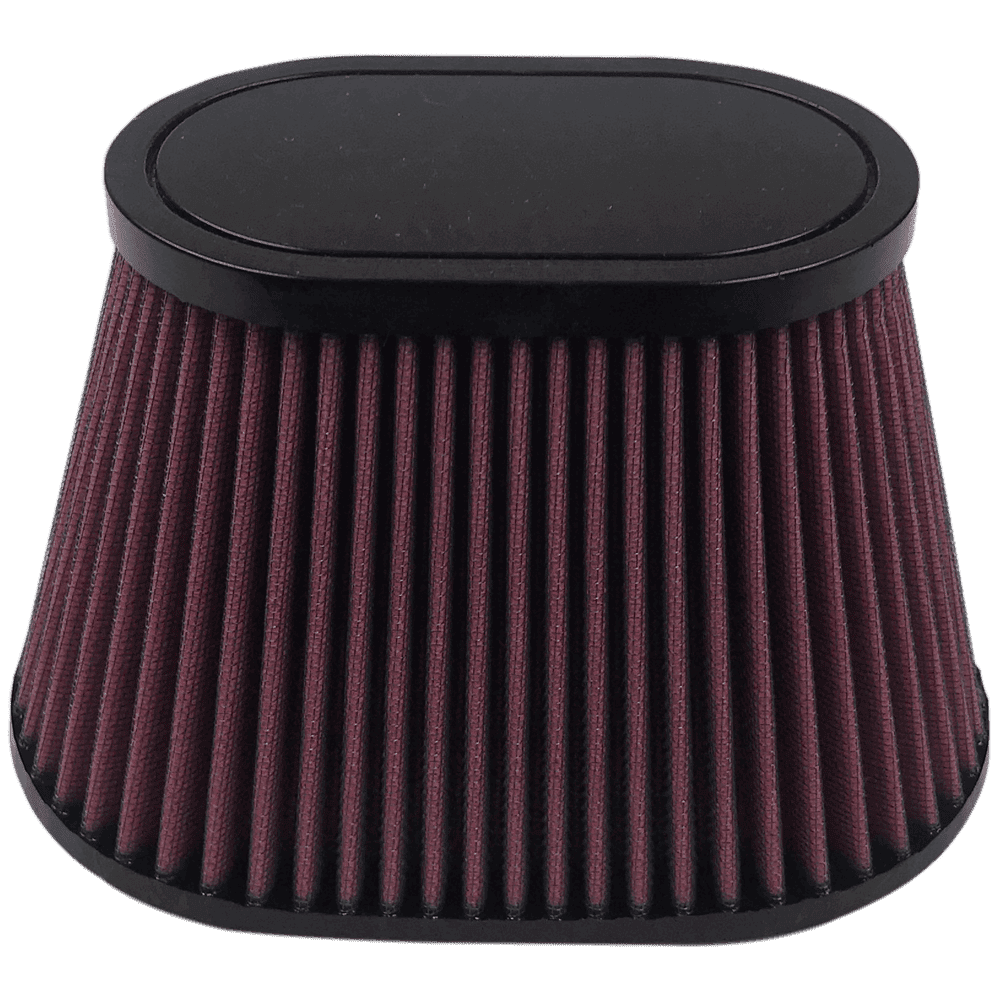
Cold air intakes, replacement filters, clear lids, filter wraps and other intake accessories, mostly from S&B with JLT and SXTH Element options. Listings cover Ford, Ram, Chevrolet and GMC trucks across gas and diesel engines. Confirm your year, engine and any supercharger or tune requirement, and match replacement filters to your existing filter model number.












Air Filtration & Intakes FAQs
Does a cold air intake actually add horsepower?
Modestly, and mostly at higher RPM. On a naturally aspirated truck a good intake frees a few horsepower and sharpens throttle response, but the bigger real-world benefit is a serviceable filter and easier future maintenance. If you want meaningful power, an intake is a supporting mod, not the headline — pair it with tuning and exhaust work rather than expecting it to transform the engine alone.
Do I need a snorkel or sealed airbox for overlanding?
If you run dusty trails or water crossings, yes — sealing beats raw airflow. A sealed airbox draws cooler, cleaner air and keeps fine dust out of the filter, which is what actually kills engines over time. A snorkel raises the intake for dust and shallow water. For mostly pavement with occasional trails, a quality panel filter in the factory box is usually enough.
How often should I clean or replace my air filter off-road?
More often than the manual says — dusty use can cut filter life in half. Check it every few thousand miles in dry, dusty conditions and after any heavy trail day. Oiled cotton filters are reusable but need careful re-oiling; dry synthetic and paper filters are simpler to service. A clogged filter costs you power and fuel economy long before it triggers a warning.
