






Couplers & Hoses
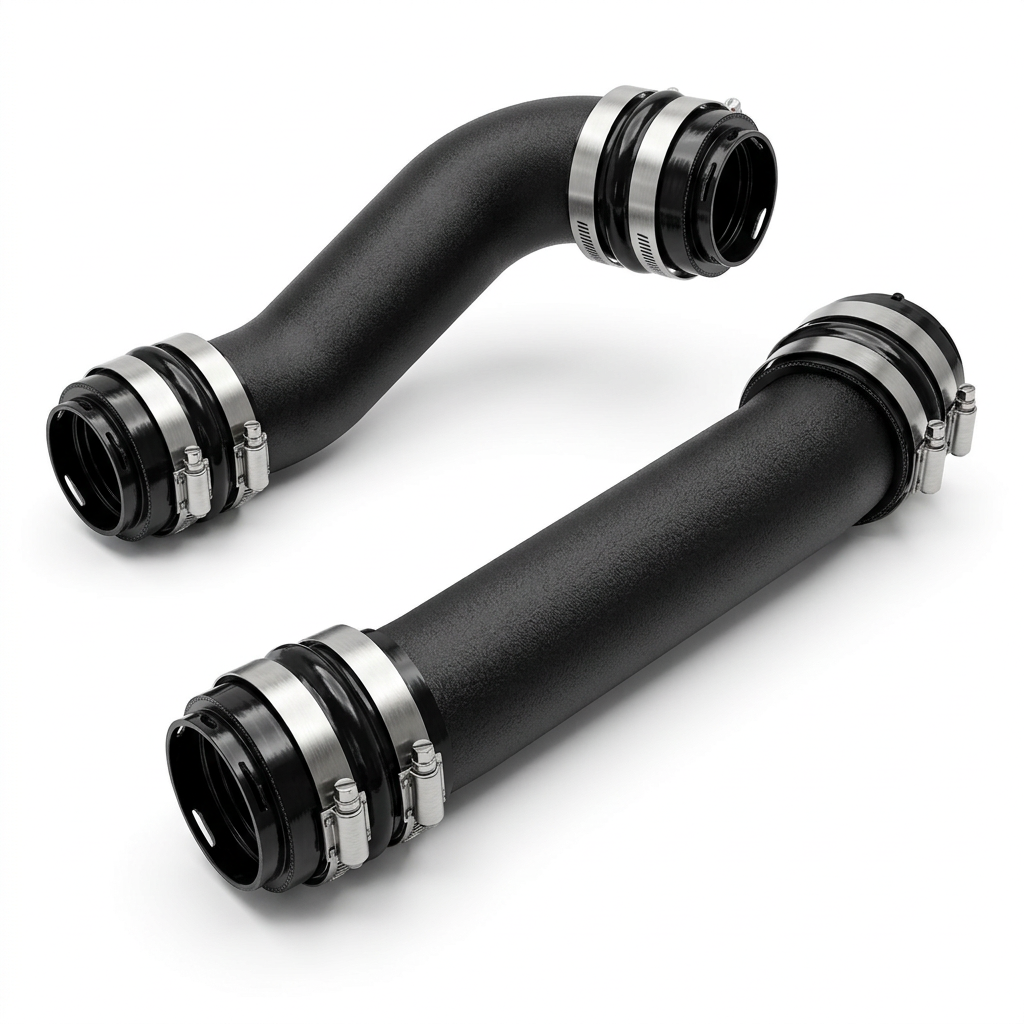
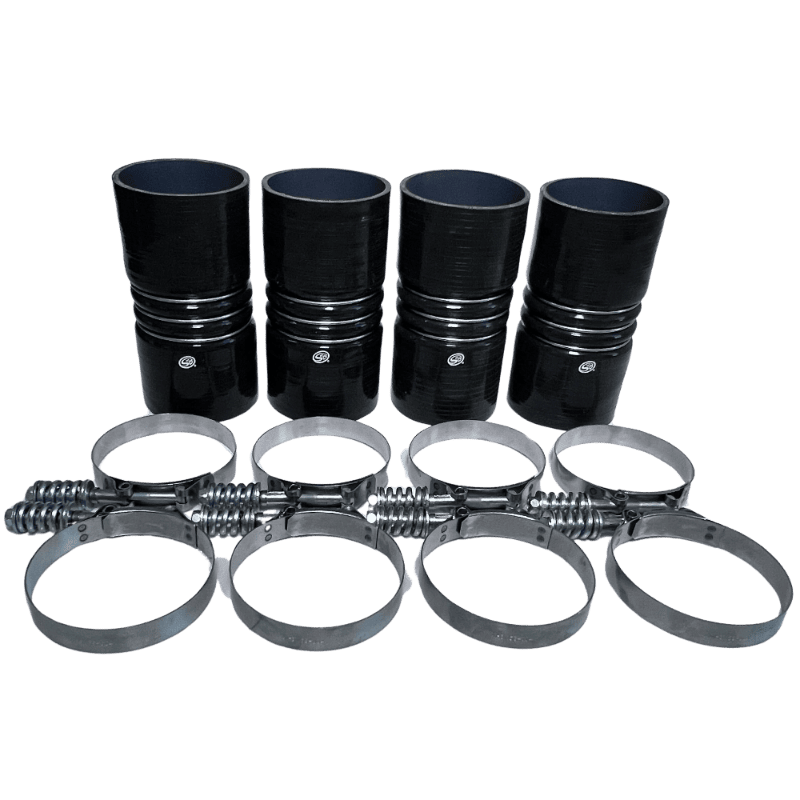
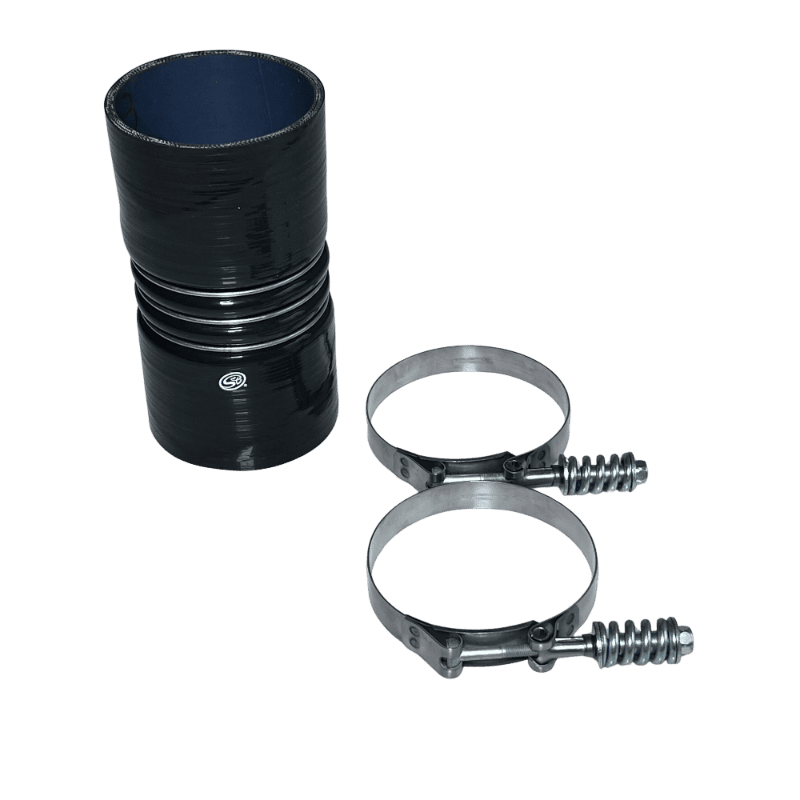
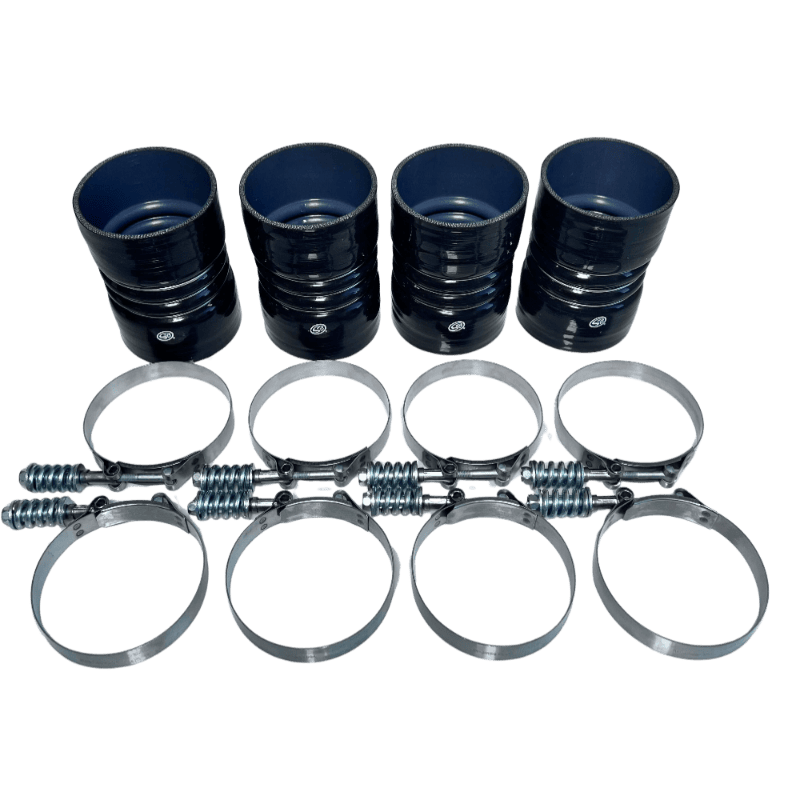
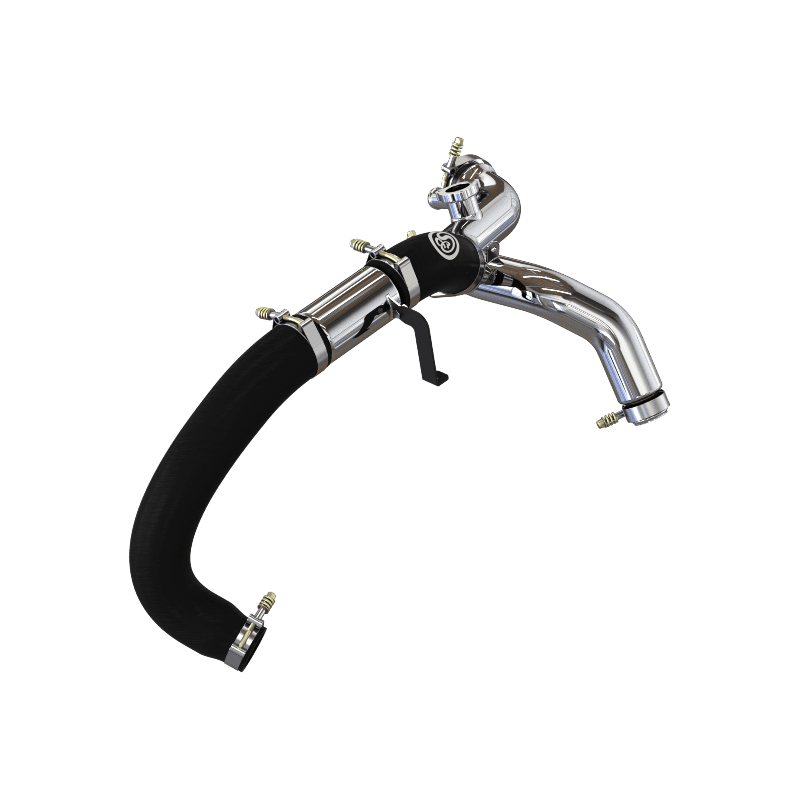
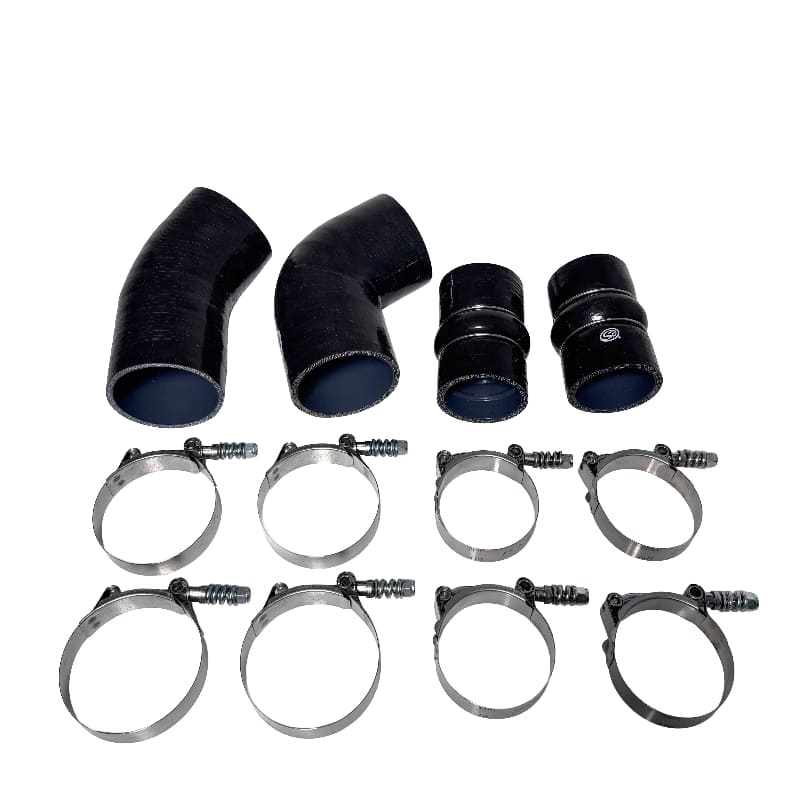
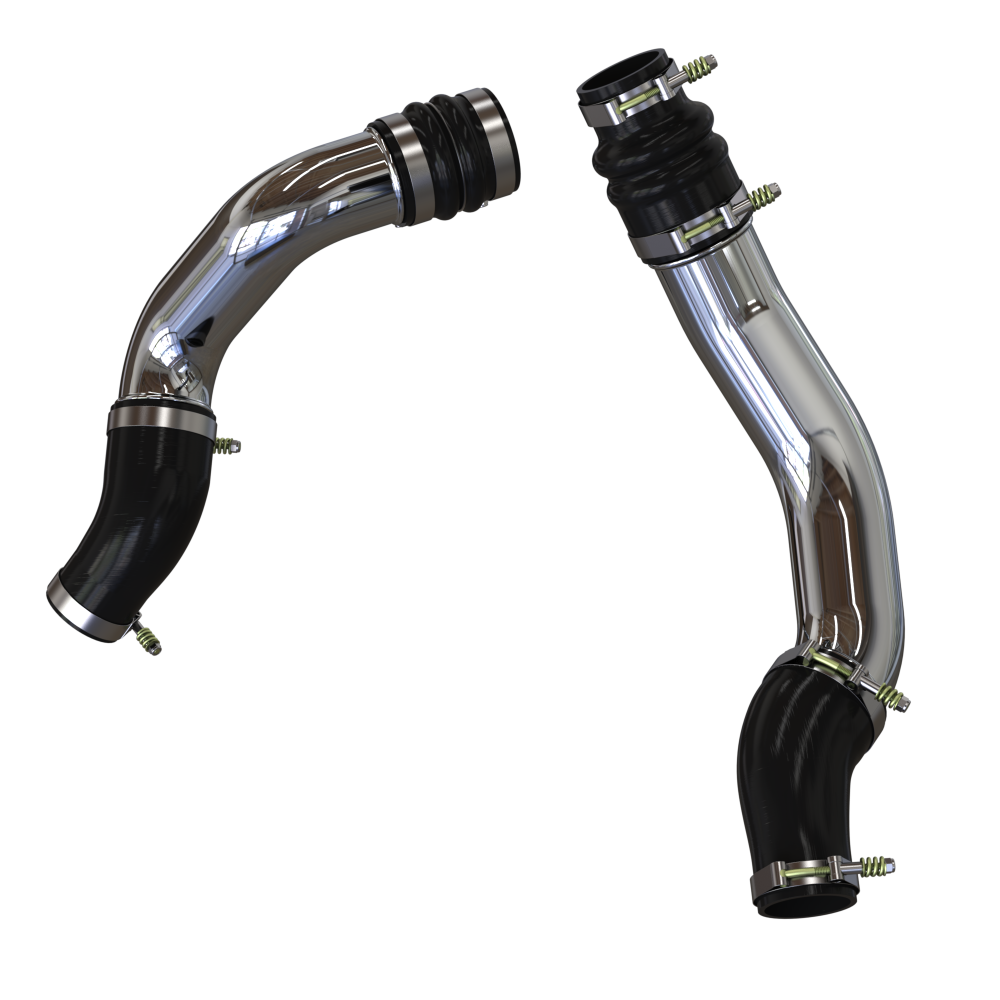
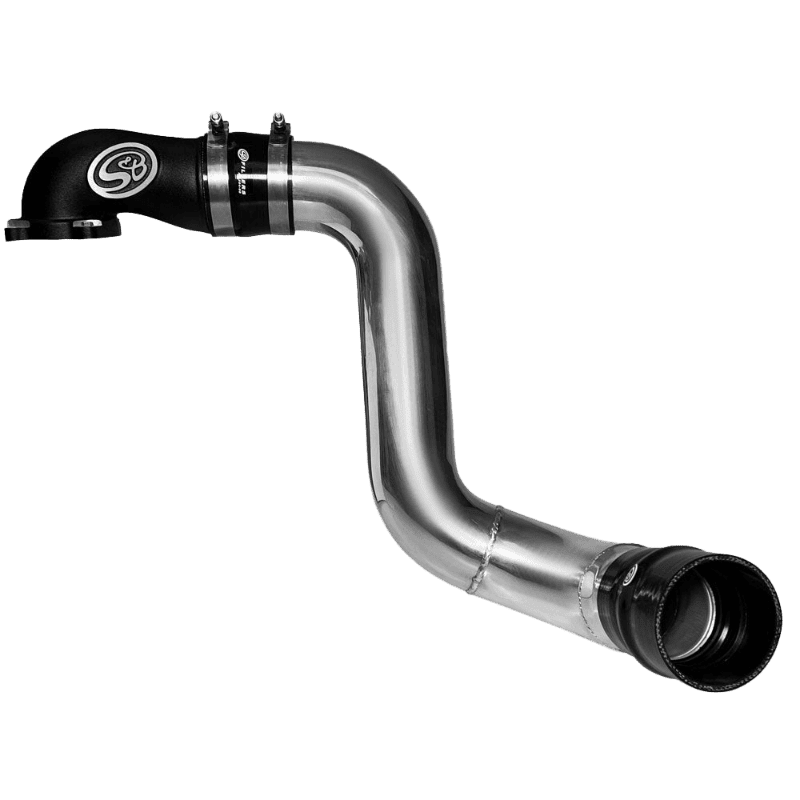
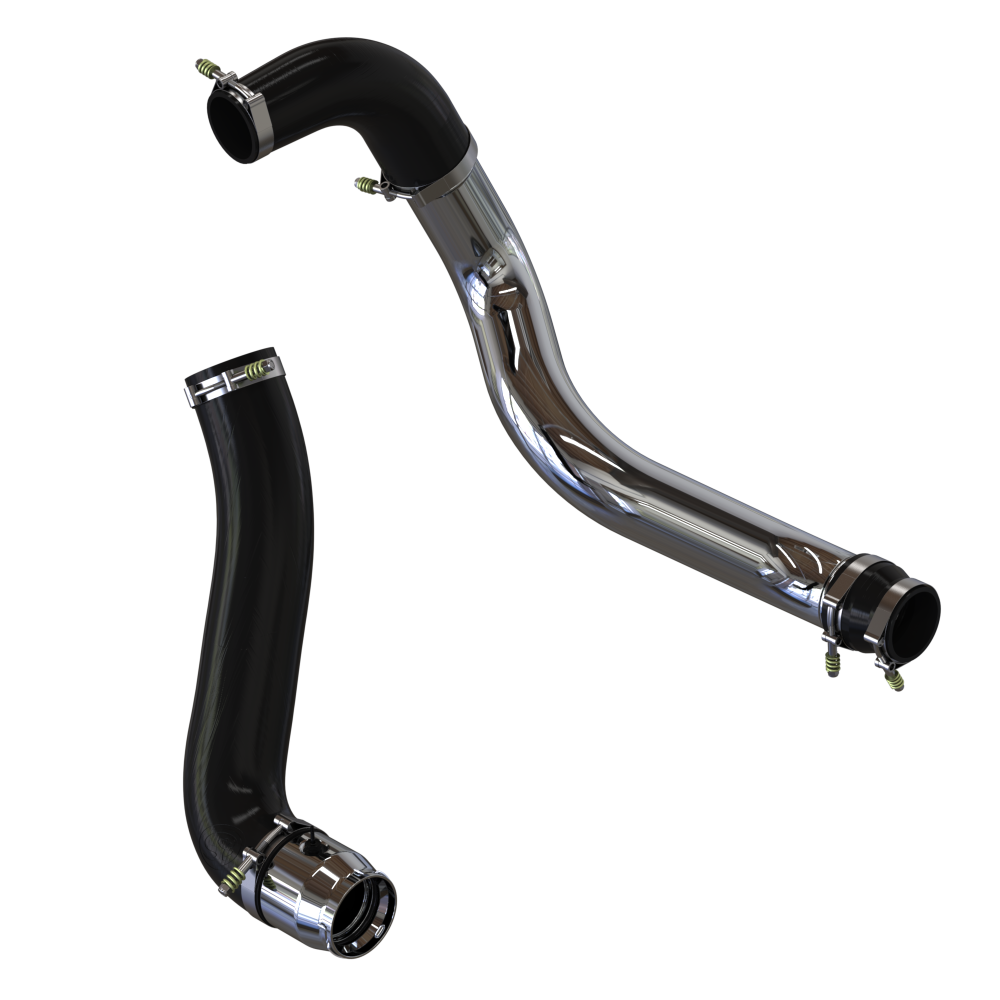
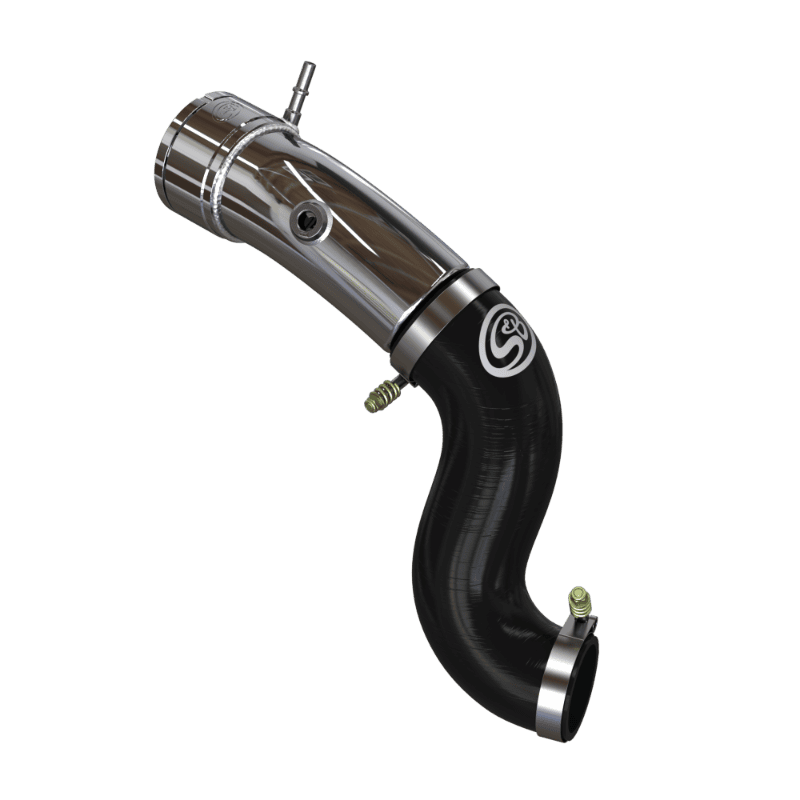
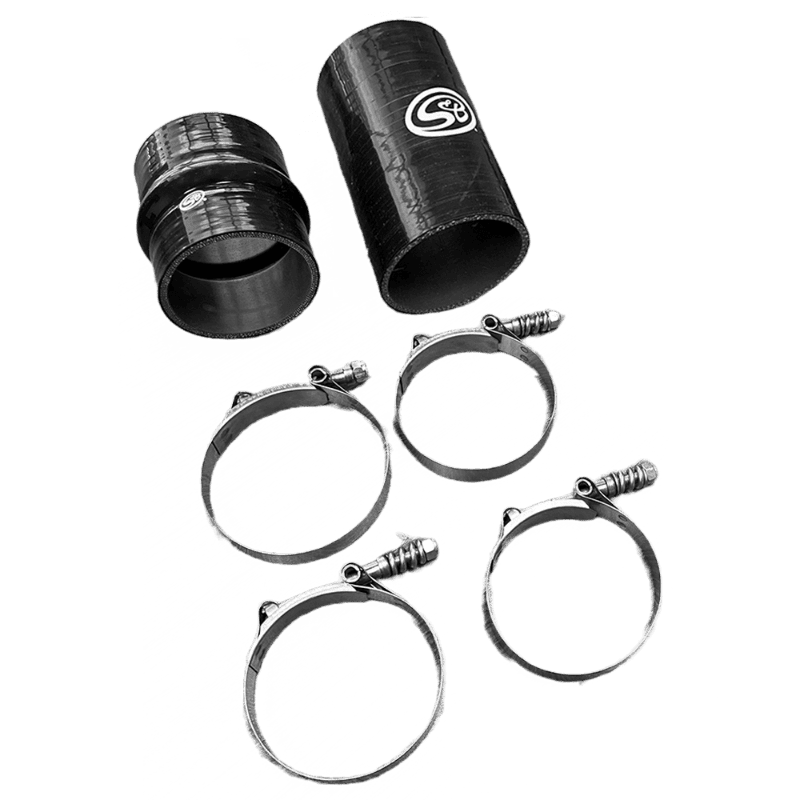
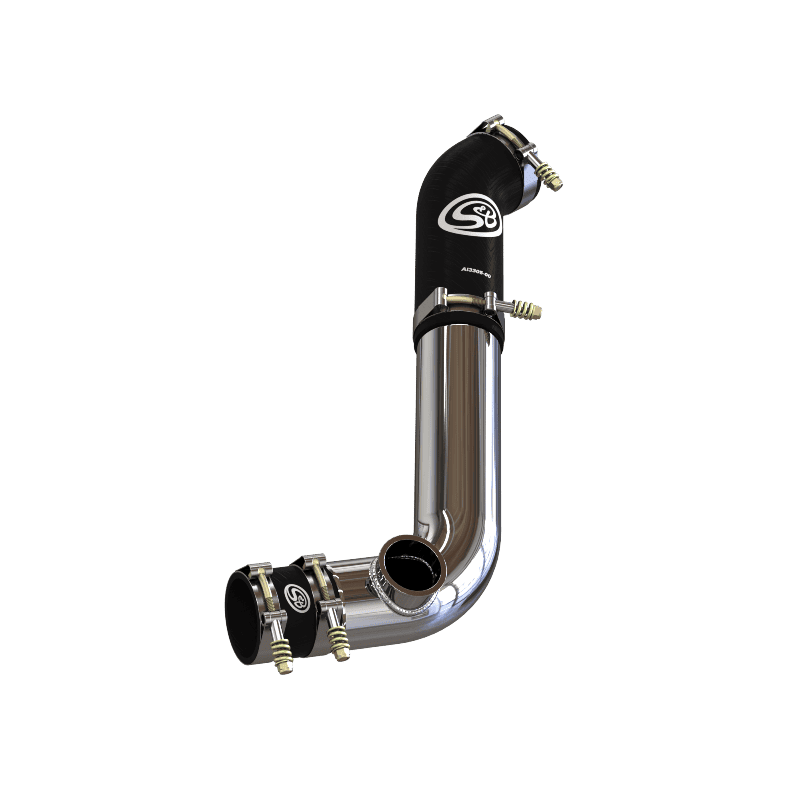
Intercooler pipes, boots with clamps and intake boot kits, nearly all from S&B. Listings cover Duramax, Cummins and Powerstroke diesels, Ford Ranger and Explorer ST, Colorado and Canyon, and a Tacoma, 4Runner and Land Cruiser charge pipe kit. Confirm your year and engine, and whether you need the hot side, cold side or both.








Couplers & Hoses FAQs
Are silicone radiator hoses better than rubber?
Silicone hoses handle heat cycles and vibration better and last far longer than OEM rubber, which hardens and cracks over time. Multi-ply silicone resists collapse and the internal degradation that clogs a system with rubber debris, making it a strong choice for hard-worked and older trucks. The tradeoff is cost and that silicone is slightly more slippery on the fitting, so proper clamps matter more.
When should I replace my coolant hoses?
Replace coolant hoses when they feel hard, brittle, spongy, or swollen, or show cracks and seepage at the ends — and proactively on high-mileage trucks before a trip. Rubber degrades from the inside, so a hose can look fine outside and be failing within. Squeeze a cold hose: it should be firm but pliable. A hose that's rock-hard or mushy is on borrowed time, and a roadside blow means an overheat.
Do silicone hoses need special clamps?
Silicone hoses work best with quality worm-gear or constant-tension clamps, and you should avoid overtightening since silicone is softer than rubber. Because the surface is slicker, a properly sized, full-contact clamp seated behind the hose bead prevents slipping under pressure. Spring-style constant-tension clamps are a good match because they maintain seal as the hose expands and contracts through heat cycles.
Can a bad coupler or hose cause overheating?
Yes — a collapsed hose, a leaking coupler, or a cracked line all reduce coolant flow or let the system lose pressure, and either one drives temperatures up fast. A hose that collapses under suction starves the pump; a weeping joint slowly drops the level until the engine runs hot. Inspect couplers and clamps whenever you chase a heat issue, not just the radiator and fan.
