





Wheel Spacers & Adapters
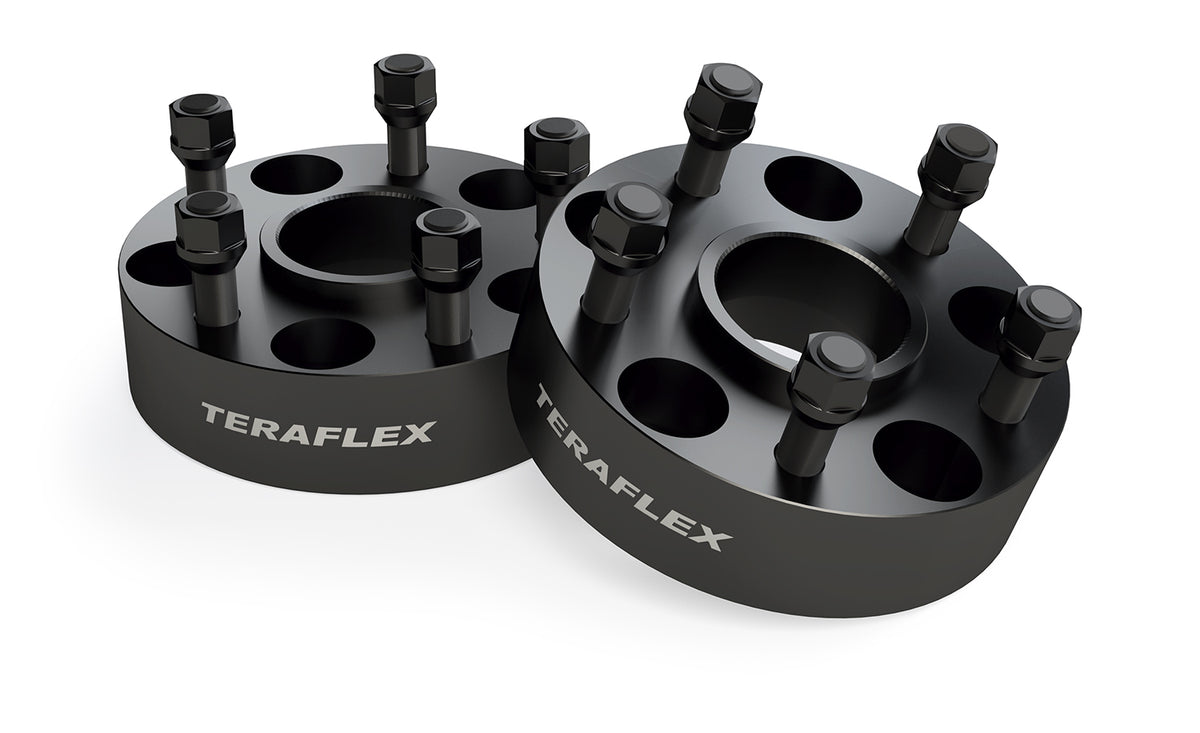
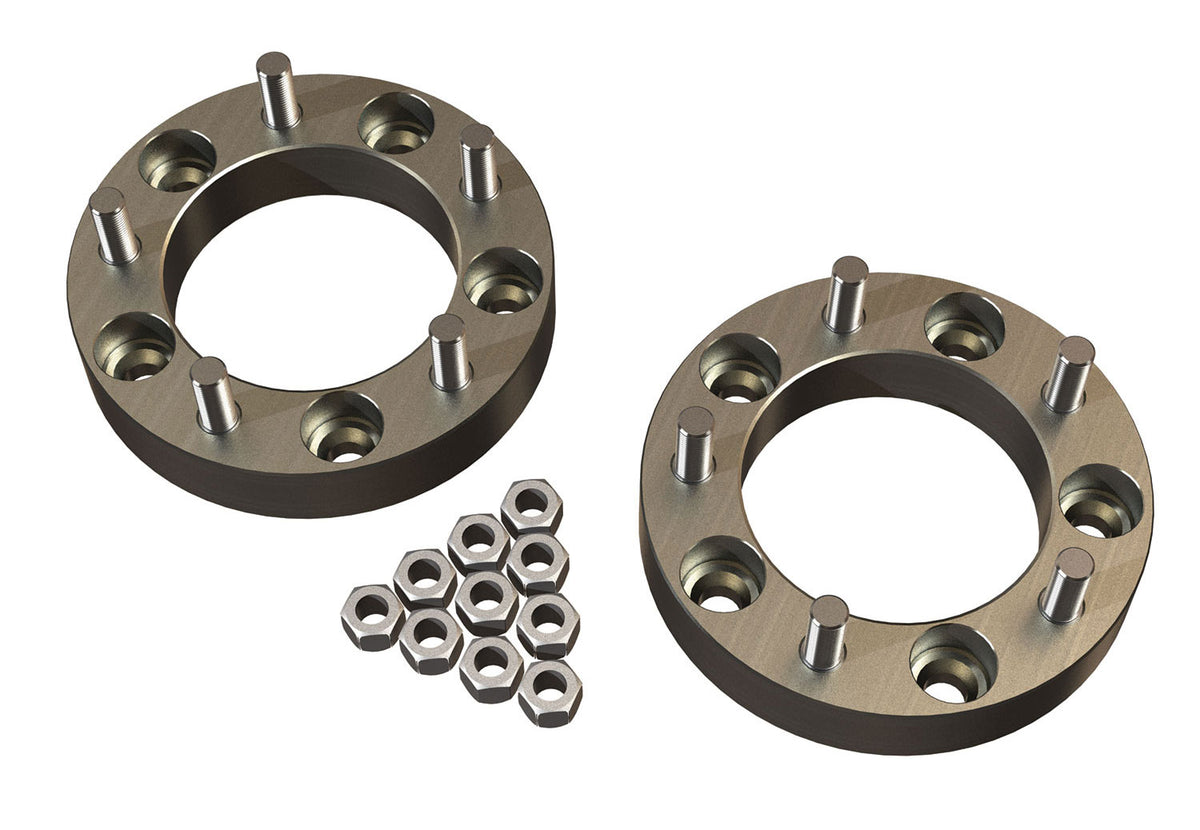
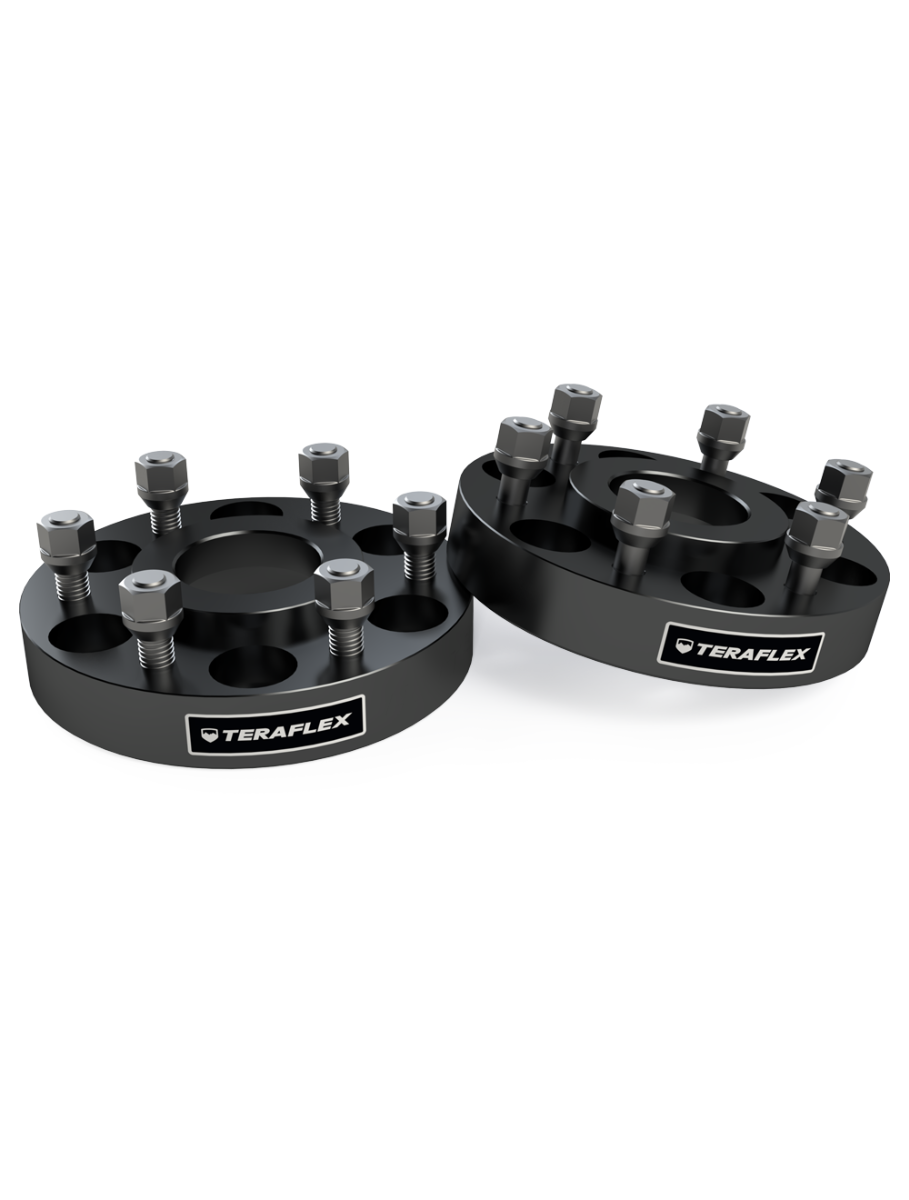
Two options here, on purpose — wheel spacers are a solve-a-specific-problem part, not a browse-for-fun category. Used correctly they buy clearance for a caliper, a control arm, or a wider stance; used casually they're a shortcut for wheels that should have been ordered in the right offset to begin with. Both products are filtered by year, make, and model. If you're not certain a spacer is the right fix, tell us the problem and we'll say so honestly.
Guides for this category
Wheel Spacers & Adapters FAQs
What's the difference between a wheel spacer and a wheel adapter?
A spacer moves the wheel outboard without changing the bolt pattern; an adapter moves it outboard and converts to a different bolt pattern, letting you run wheels that were never drilled for your hub. If your wheels already bolt on and you just need clearance or width, you want a spacer. If the pattern itself is wrong, only an adapter solves it.
How thick a spacer should I run?
The thinnest one that solves your measured problem. Measure the actual interference — tire to control arm at full lock, caliper to wheel spoke — with the suspension loaded, then add a small margin. Thickness beyond that buys nothing except extra leverage on components and a wider fan of debris up the bodywork. This is a measuring-tape purchase, not a guess.
What does a proper spacer installation involve?
Clean hub faces, correct torque, and a re-check. Get the hub surface down to clean bare metal so the spacer seats perfectly flat, torque in a star pattern to spec, and confirm every stud gets full thread engagement. Then re-torque after the first drive and again after the first long trip — that habit catches problems while they're still boring.
