





Lug Nuts
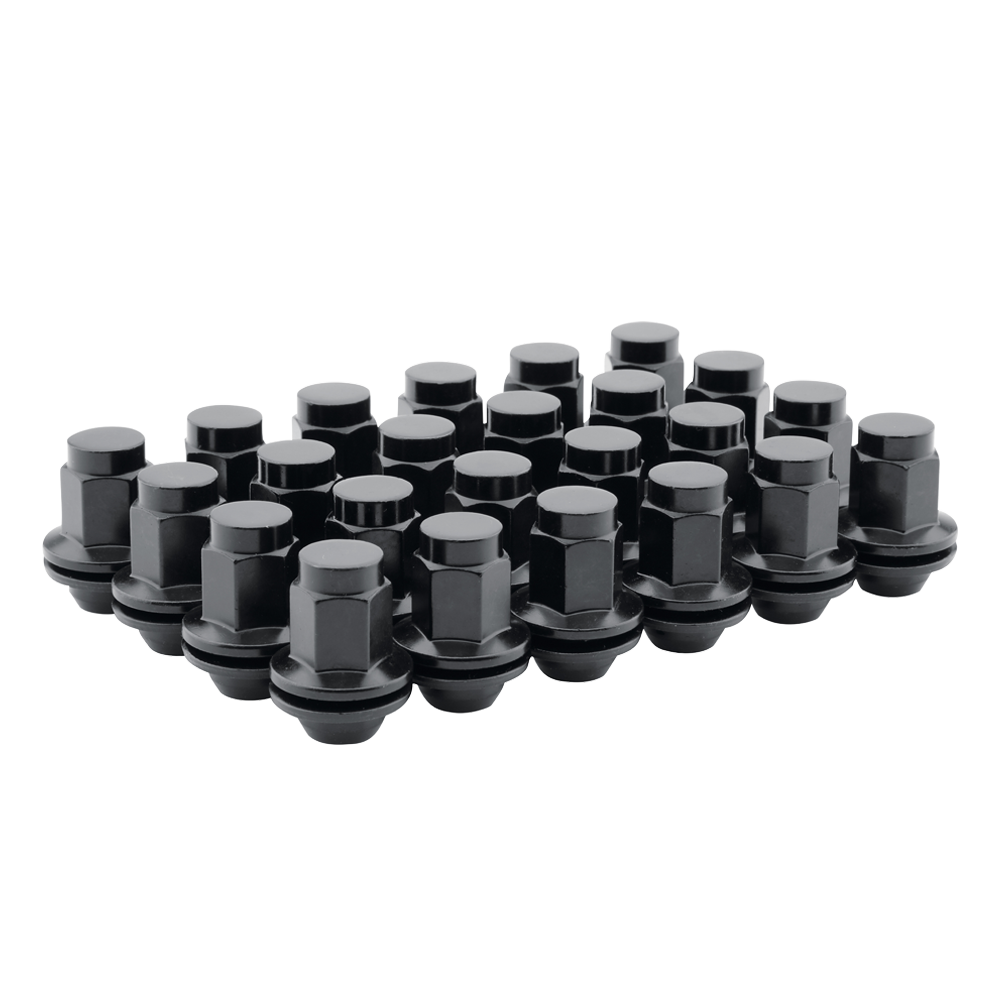
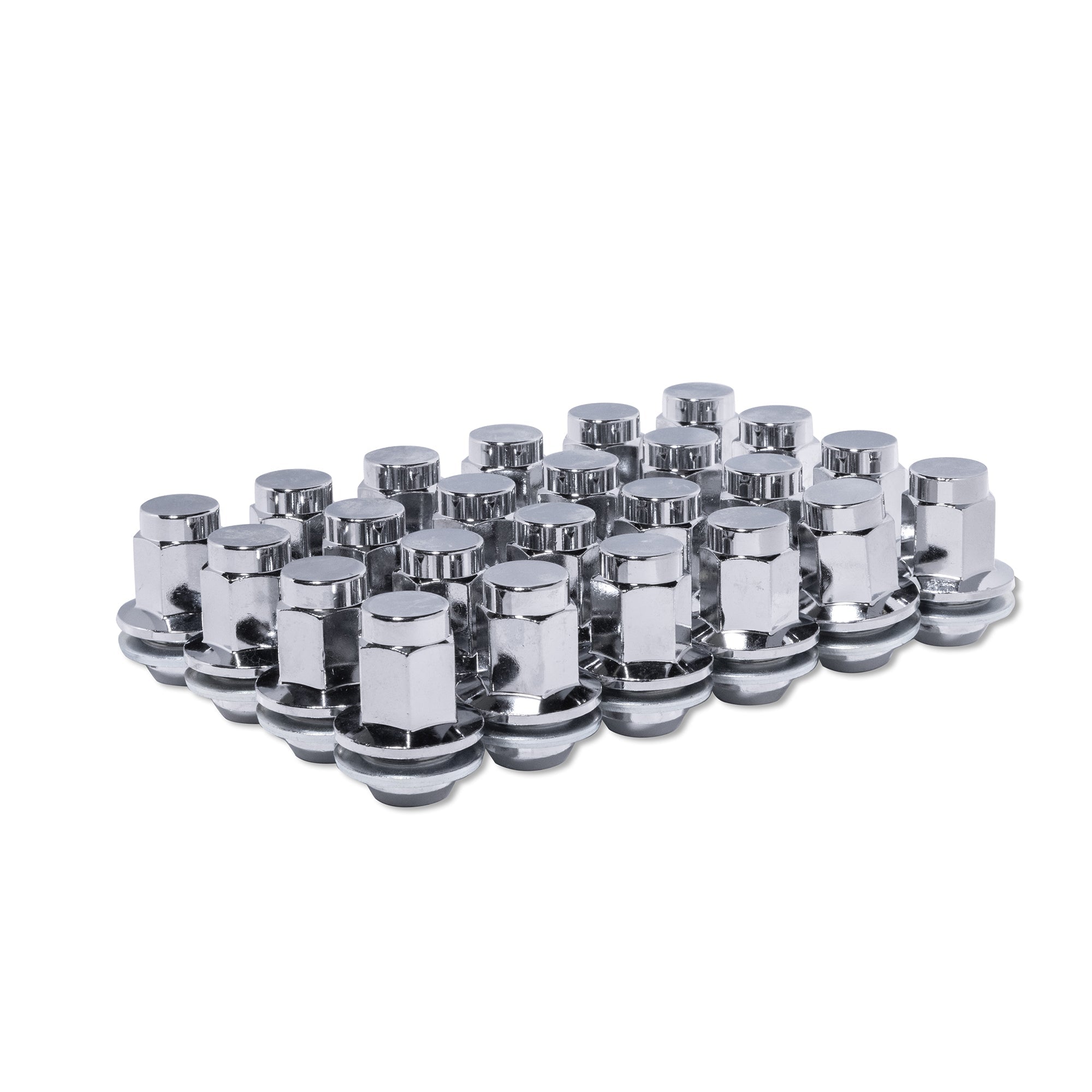
Lug nuts are the cheapest parts on your truck that can end a trip, so we keep this collection small and correct. Filter by year, make, and model and you'll only see hardware that matches your studs and your wheels' seat type. Running wheels from Method Race Wheels, KMC, Fuel Off-Road, Black Rhino, or ICON Alloys? Check which lug seat the wheel calls for before you order — that detail matters more than the finish ever will.
Guides for this category
Lug Nuts FAQs
What's the difference between conical, mag, and ball seat lug nuts?
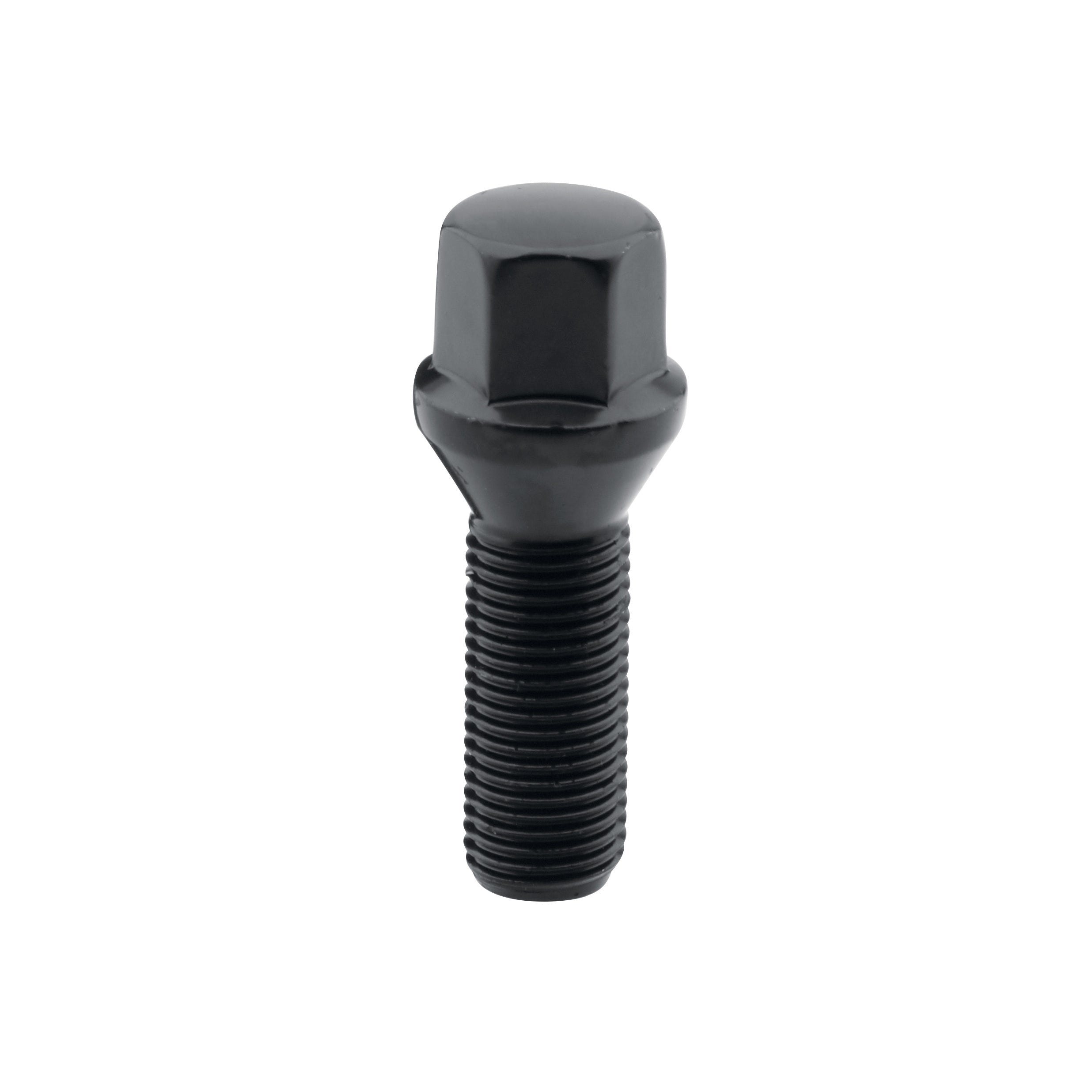
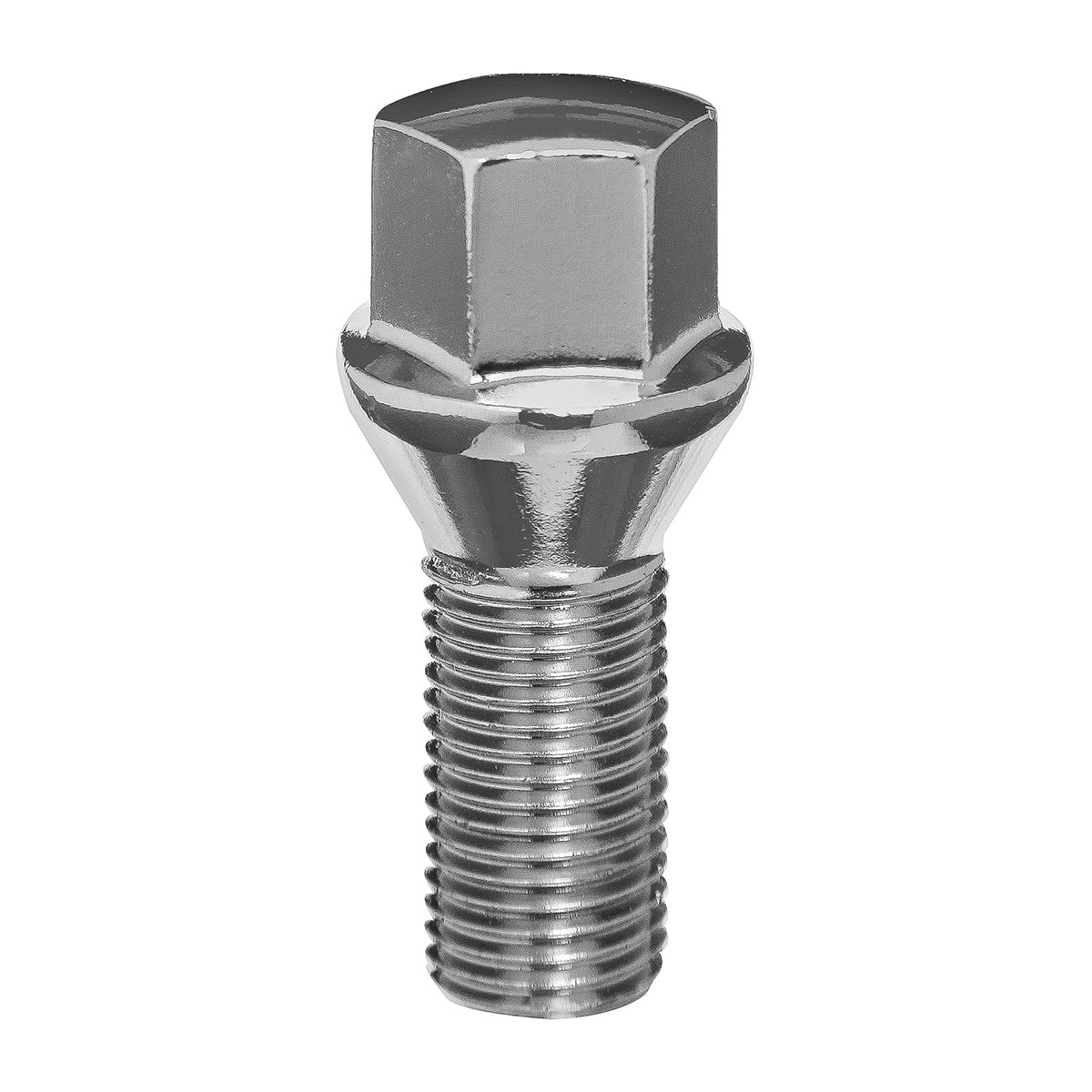
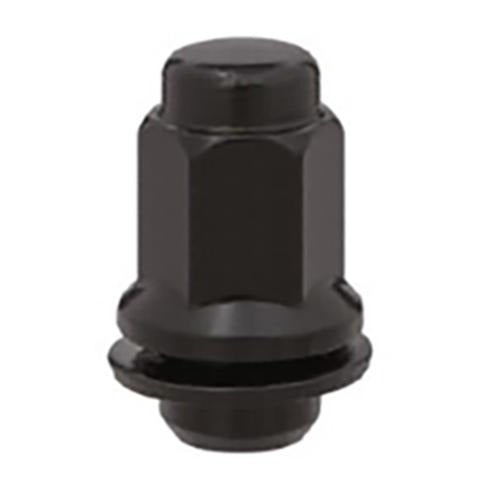
The seat is the surface that clamps the nut to the wheel: conical seats taper to full contact, mag seats use a flat washer with a shank, and ball seats are rounded. The wheel dictates which one you need — the wrong seat touches the wheel at a sliver of its intended contact area and works loose under trail vibration. Check the wheel maker's spec, not the hardware bin.
Are spline-drive lug nuts worth it for off-road wheels?
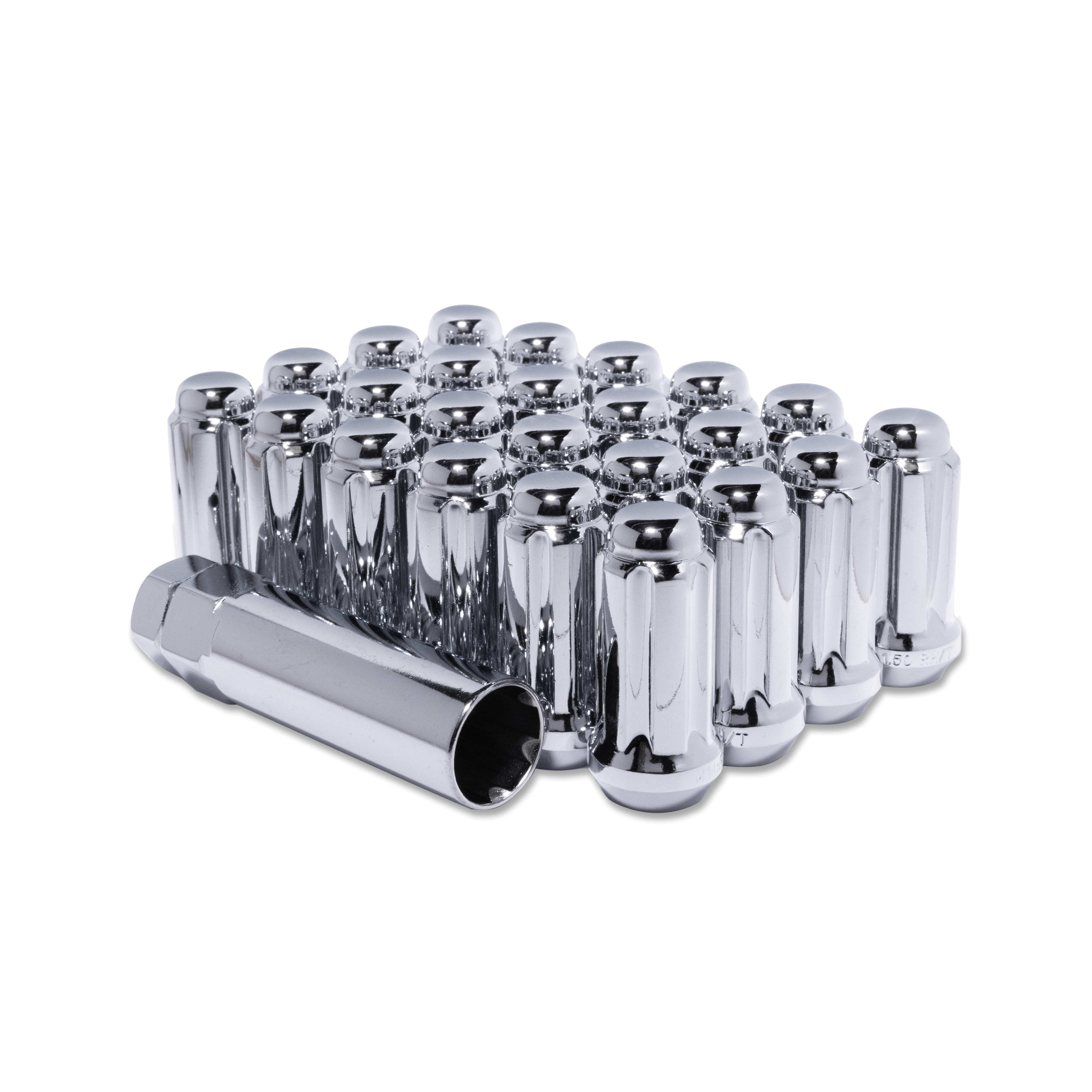
Yes, when your wheels have tight lug pockets — the slim spline body fits where standard hex nuts and thick sockets won't, and the keyed drive adds theft resistance. The catch is that the key becomes critical trail equipment: no key, no wheel change. Keep one in the truck permanently, know where a spare lives, and check whether your set ships with more than one.
How tight should lug nuts be, and how often should I re-check them?
Torque them to the spec in your owner's manual with a torque wrench — not to an impact gun's best guess — working in a star pattern. Re-check after the first 50 to 100 miles on fresh wheels, and again after hard trail days, because washboard is a professional-grade loosener. Keep threads dry: oil or anti-seize skews the reading and over-stresses the stud.
