






Beadlock Wheels
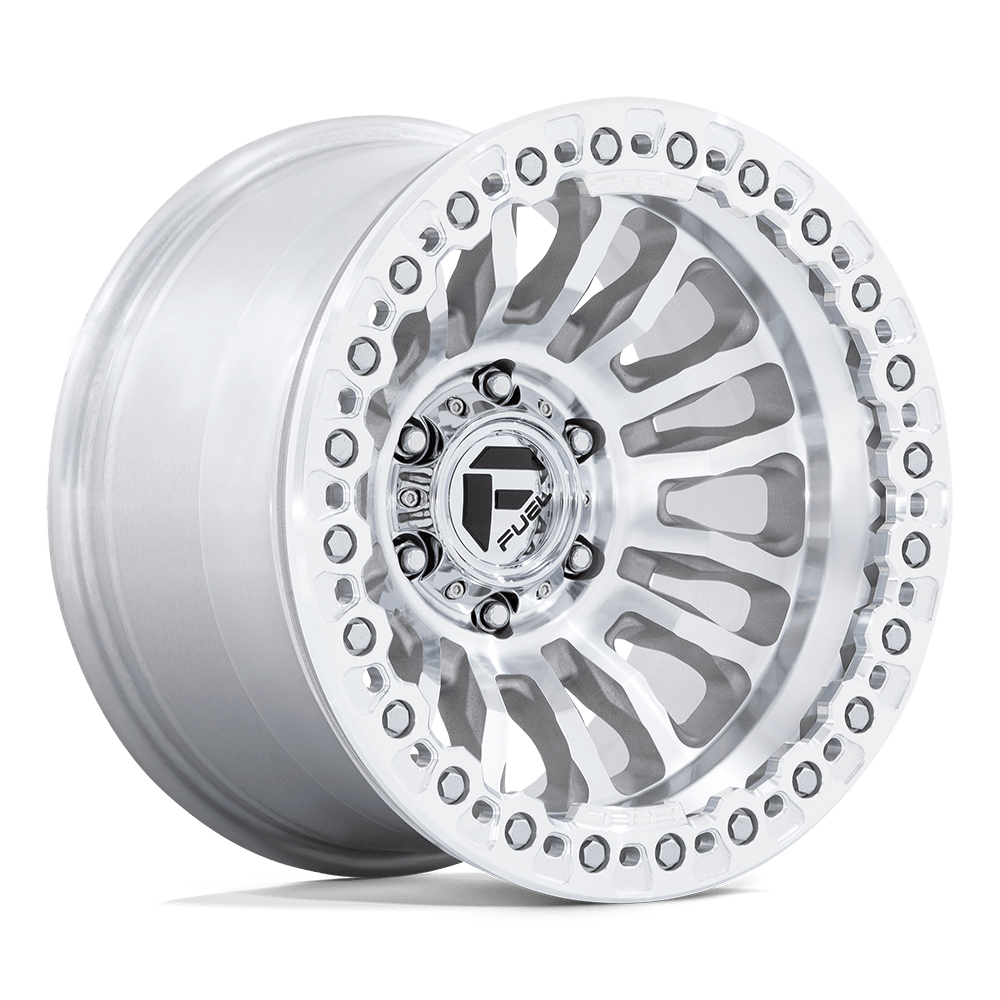
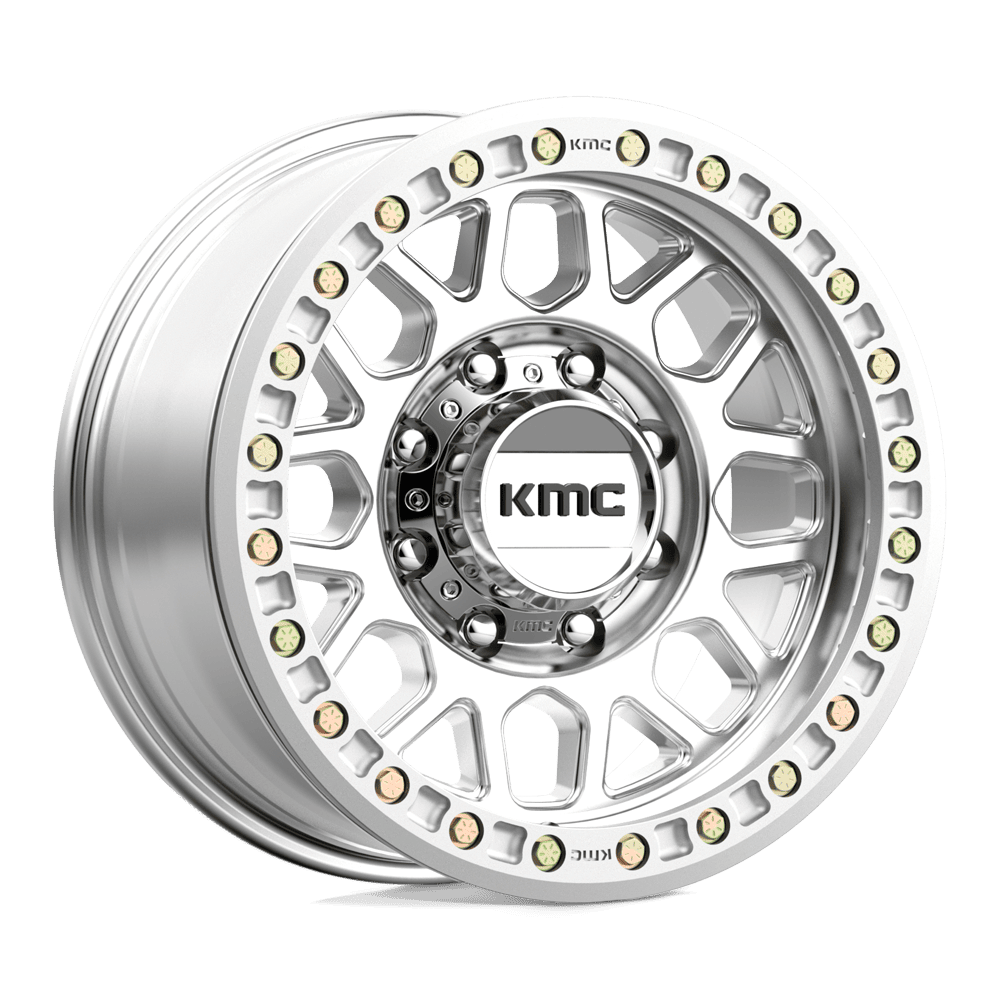
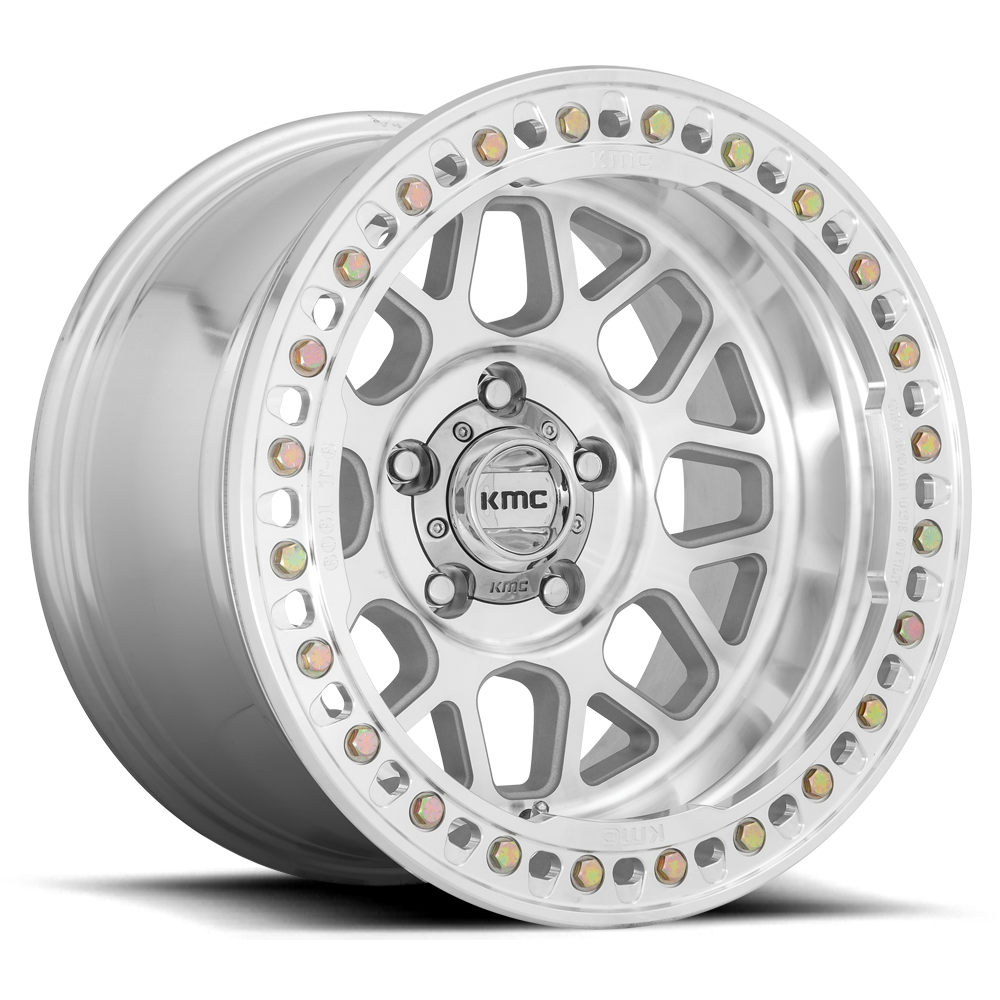
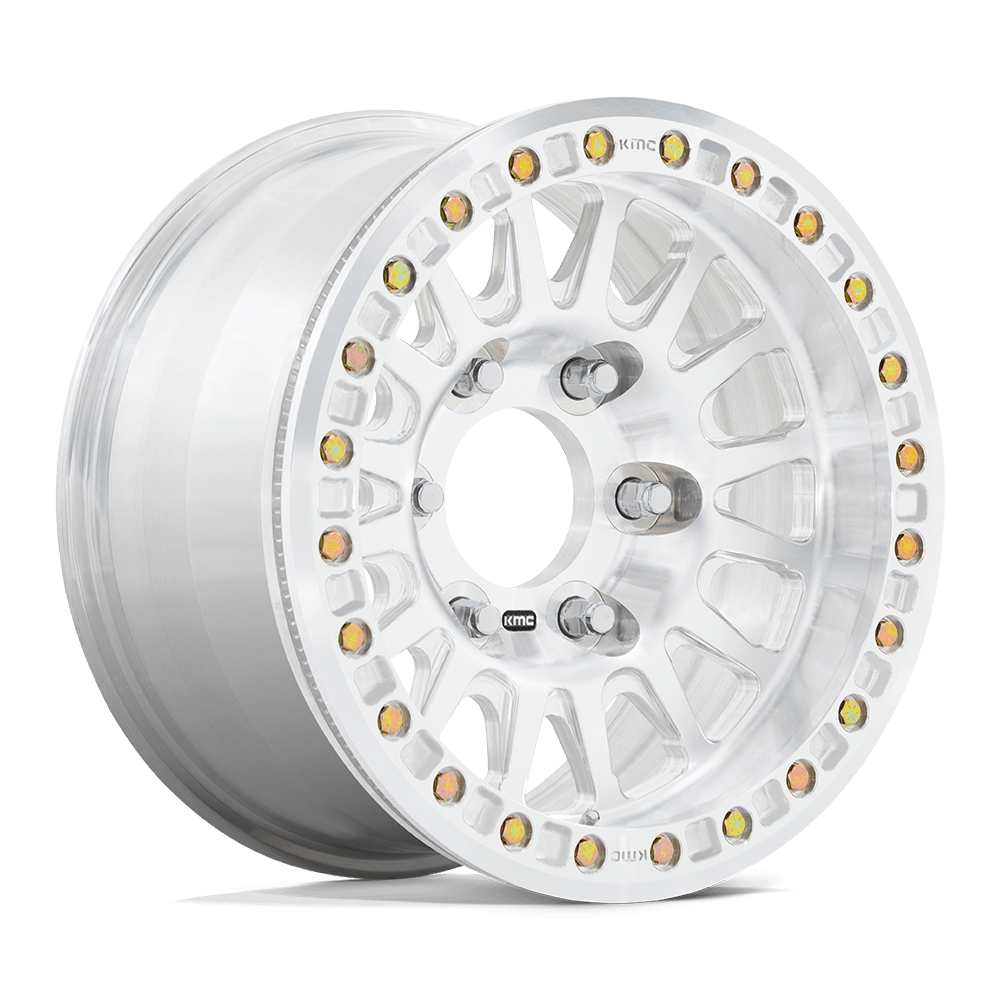
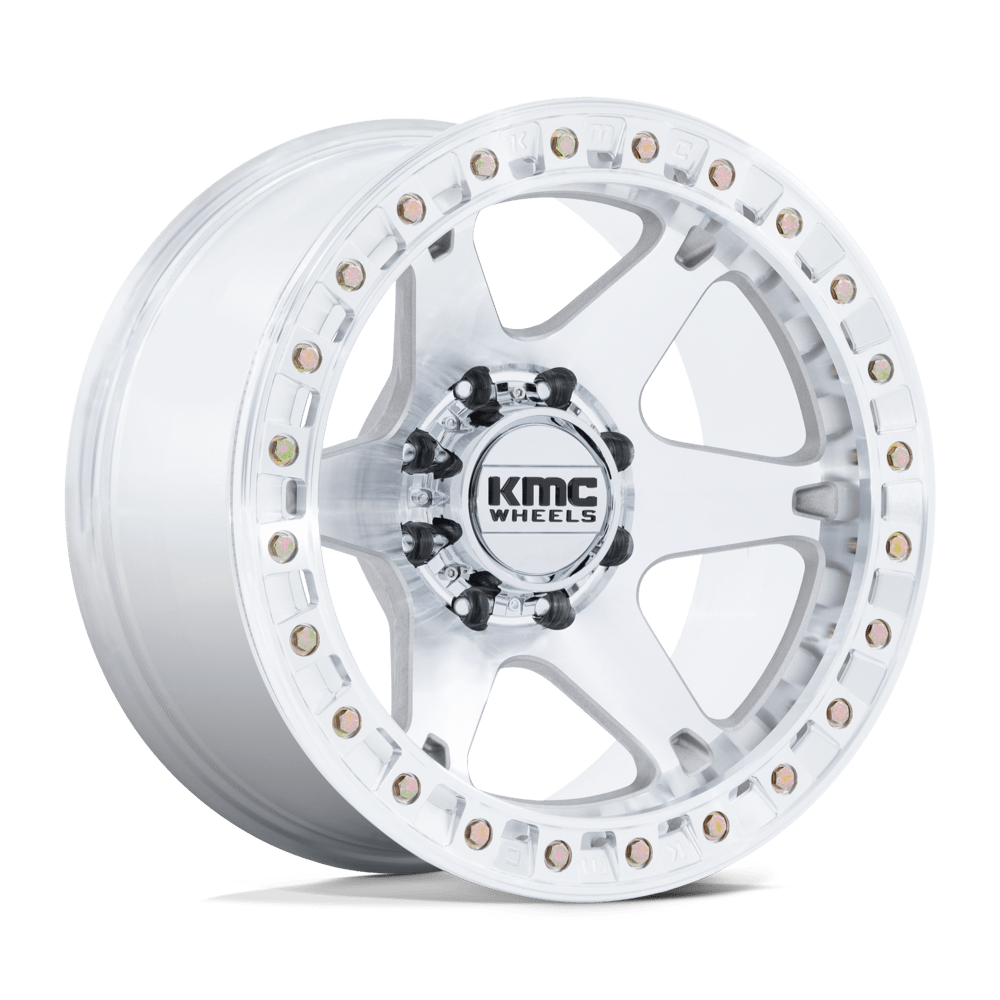
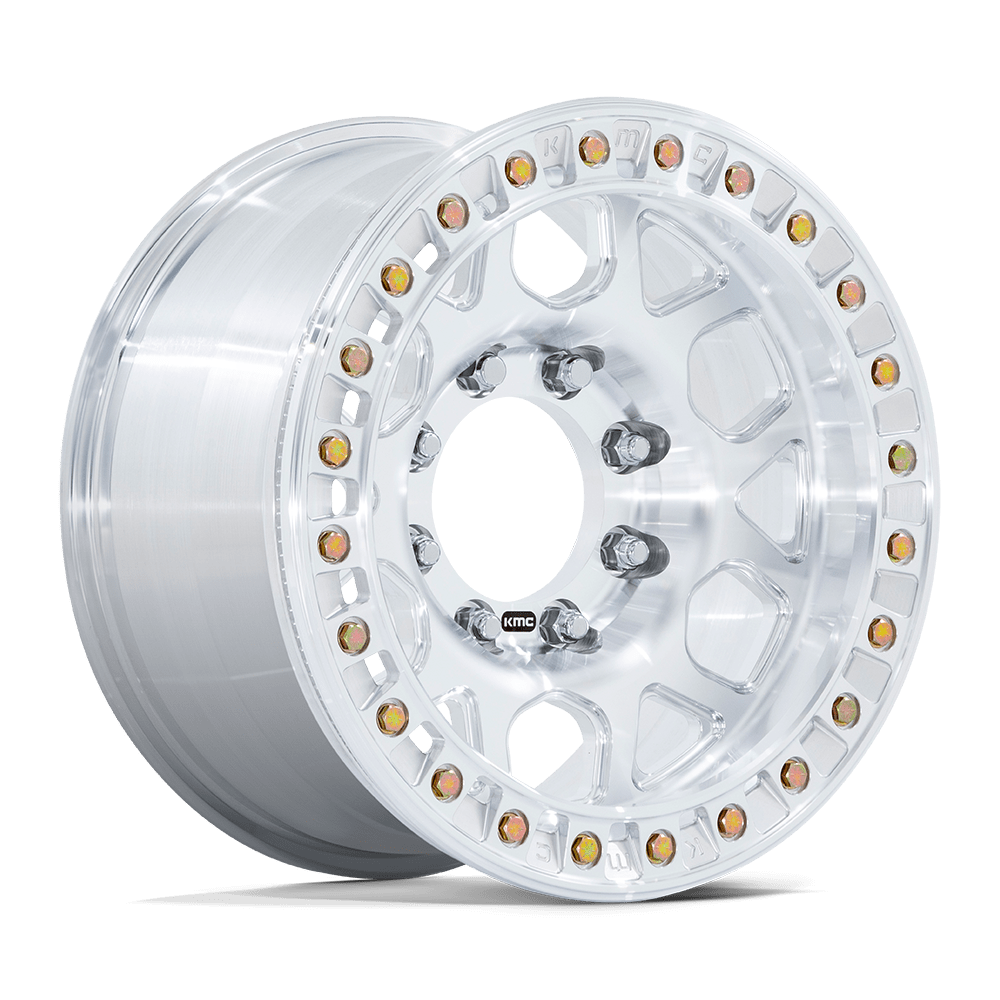
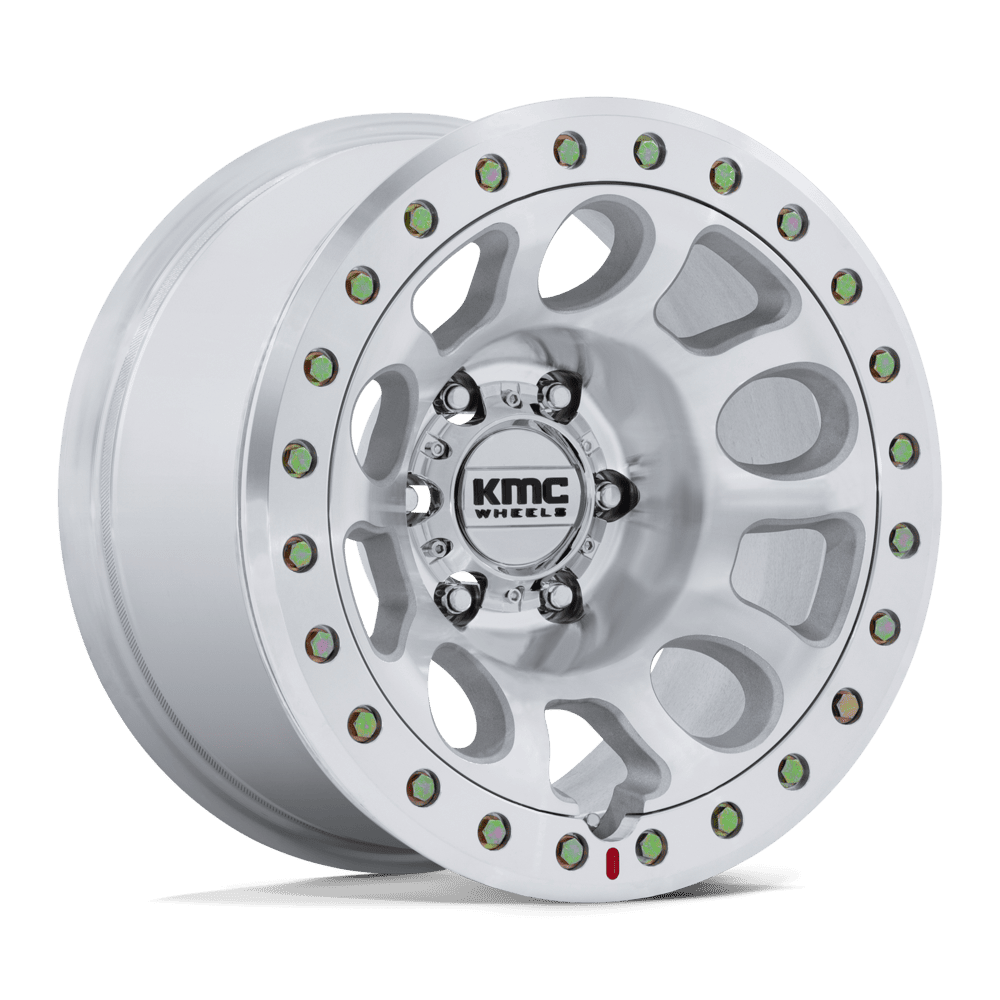
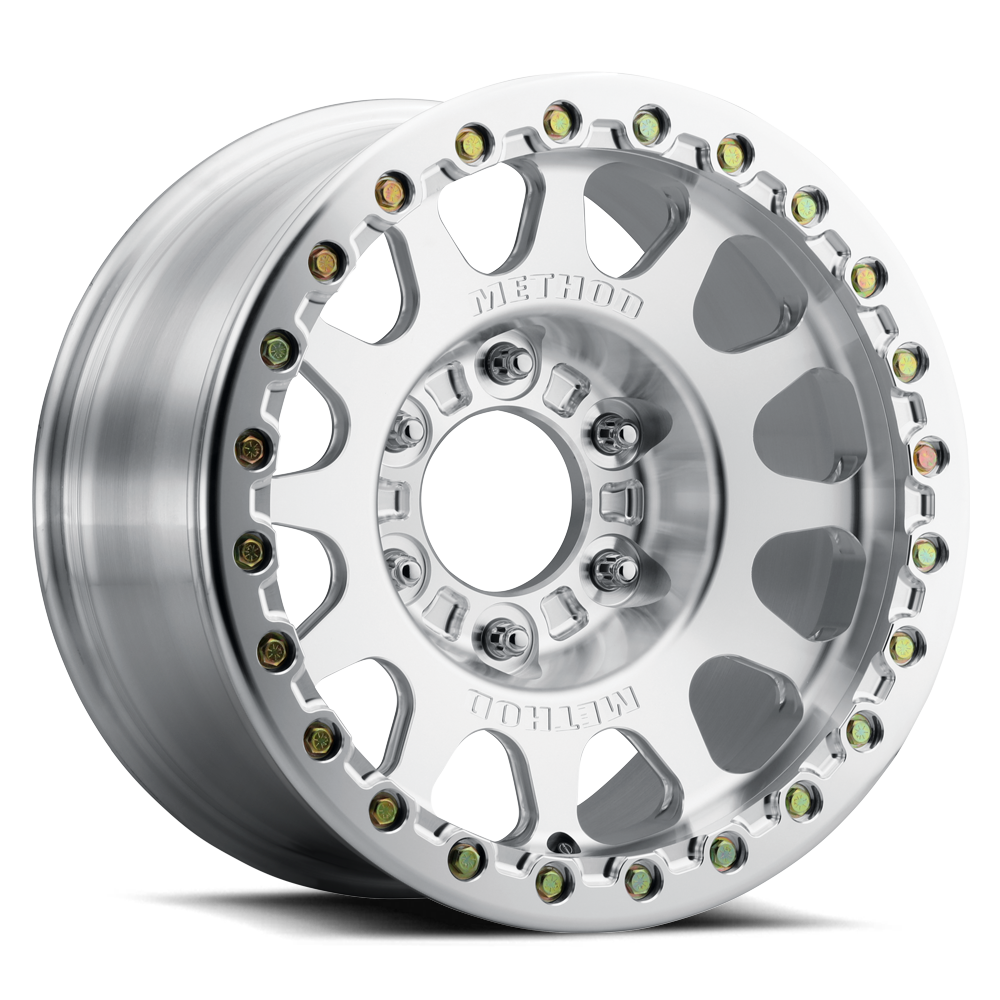
Beadlocks clamp the tire bead mechanically, so single-digit pressures stop being a gamble — maximum footprint for rock and sand without spinning a tire off the rim. The honest trade: more weight, periodic re-torque ritual, and street-legality nuance. If you air down below ~12 PSI regularly, they’re transformative; if not, quality standard wheels serve better. We stock true beadlocks from Method and will talk you into the right answer either way.






















Guides for this category
Beadlock Wheels FAQs
Are beadlock wheels street legal?
It's murky and varies by jurisdiction — true beadlocks generally aren't DOT-certified, and some states care more than others. Plenty of trucks run them on the road anyway, but that's a risk decision, not a legal blessing. Check your local regulations and your insurer's position before making them daily drivers. Beadlock-style wheels sidestep the question entirely, which is part of their appeal.
What's the difference between true beadlocks and beadlock-style wheels?
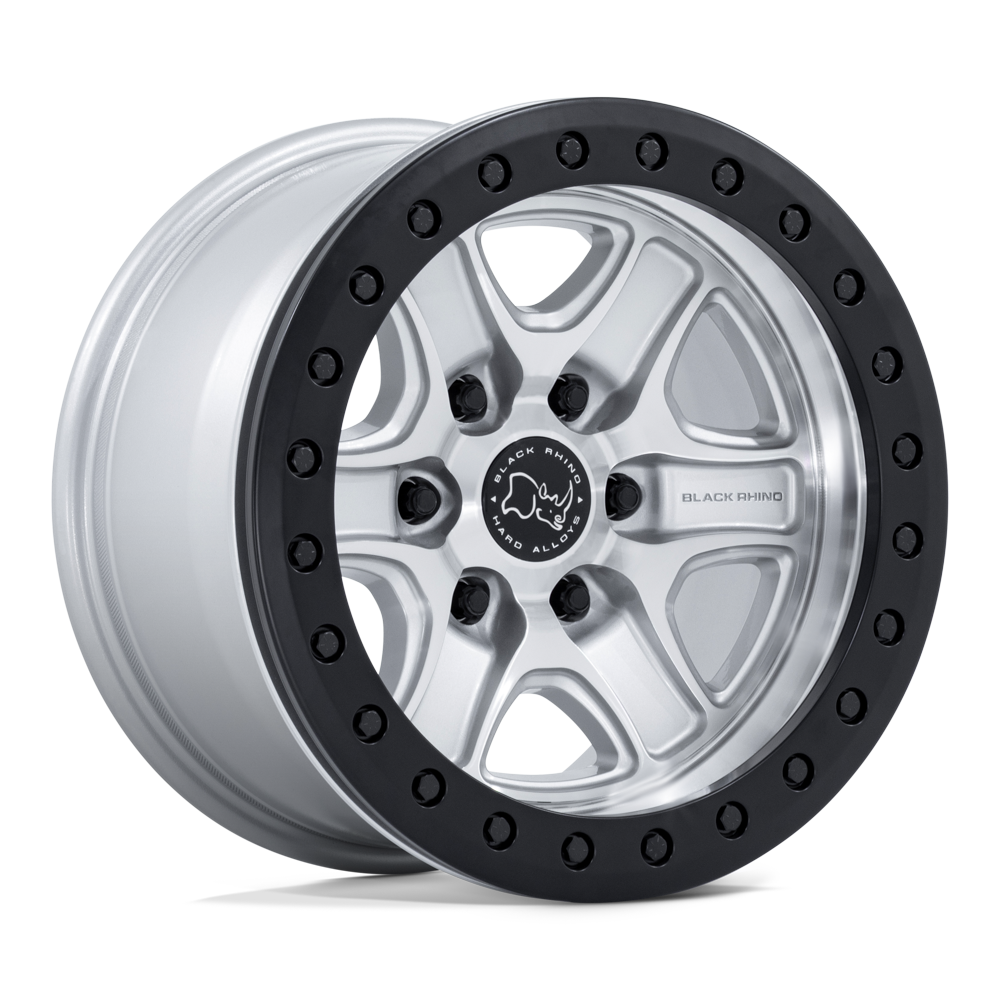
True beadlocks physically clamp the outer tire bead with a bolted ring; beadlock-style wheels wear the look while the bead seats conventionally underneath. Function versus fashion, and both are legitimate buys — one keeps tires seated at very low pressure, the other keeps mounting, balancing, and street use simple. Every listing states which type you're looking at, so confirm before checkout.
How often should beadlock bolts be checked?
At install, again after your first few drives as the assembly settles, and then on a regular schedule — before major trips is the habit that sticks. Always follow the wheel manufacturer's published torque values and sequence rather than a number from a forum thread. It's ten minutes with a torque wrench; skipping it is how rings loosen, leak air, and ruin trips.
Can I mount tires on beadlock wheels myself?
Yes — that's one of the genuine perks. The outer bead bolts down with hand tools, working in a star pattern across multiple passes so it seats evenly, and the inner bead seats conventionally with air pressure. It's slower than a shop visit and precision matters, but trailside tire swaps and repairs become realistic. Budget patience the first time; it gets faster.
Are beadlock wheels harder to balance?
Often, yes. The ring and its hardware add rotating mass at the rim's outer edge, and assembly variation means some wheel-and-tire combinations want more corrective weight than usual. Many owners do fine with conventional balancing; others switch to internal balancing media for big, heavy tires. If a vibration shows up after a trail weekend, recheck ring torque before blaming the balance.
