





Hitches & Receivers
A receiver hitch is the most versatile socket on the truck — towing, bike racks, cargo trays, and, with the right shackle mount, a legitimate rear recovery point. This collection covers hitches and receivers built to live off-pavement, where constant vibration and the occasional hard hit sort real hardware from the box-store shelf. Everything filters by year, make, and model, and every load-rating question has the same answer: the lower number wins. Ask us before you order if anything's unclear.





Hitches & Receivers FAQs
Can I use my receiver hitch as a recovery point?
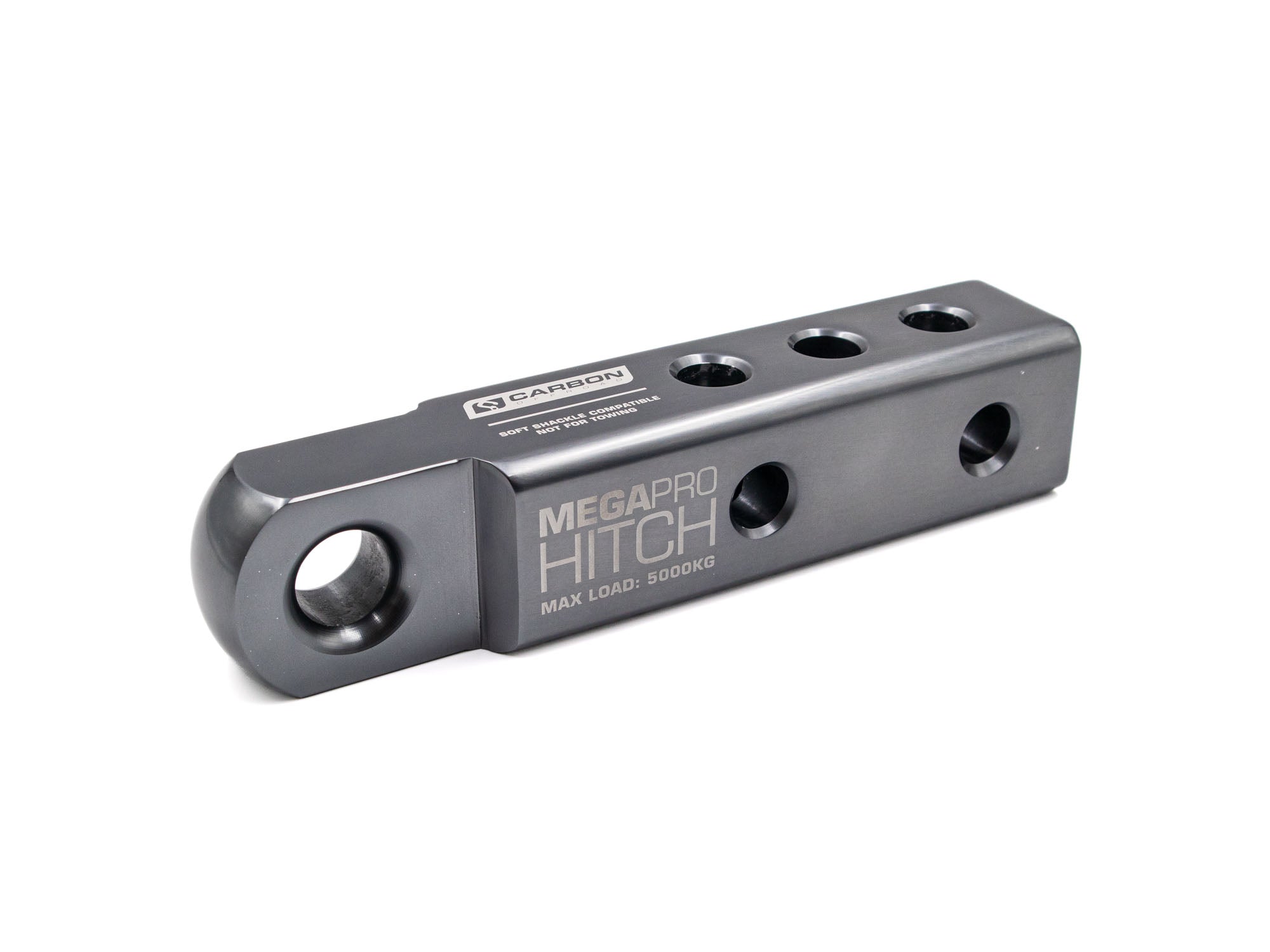
Yes — with a rated receiver shackle mount, and never off the hitch ball. A receiver bolted to the frame gives you a strong, centered rear recovery point, which most trucks otherwise lack. The ball is strictly towing hardware; under a snatch load it can shear and become lethal. Put a proper shackle mount in the receiver, add a soft shackle, and you're set up right.
What receiver size should I get?
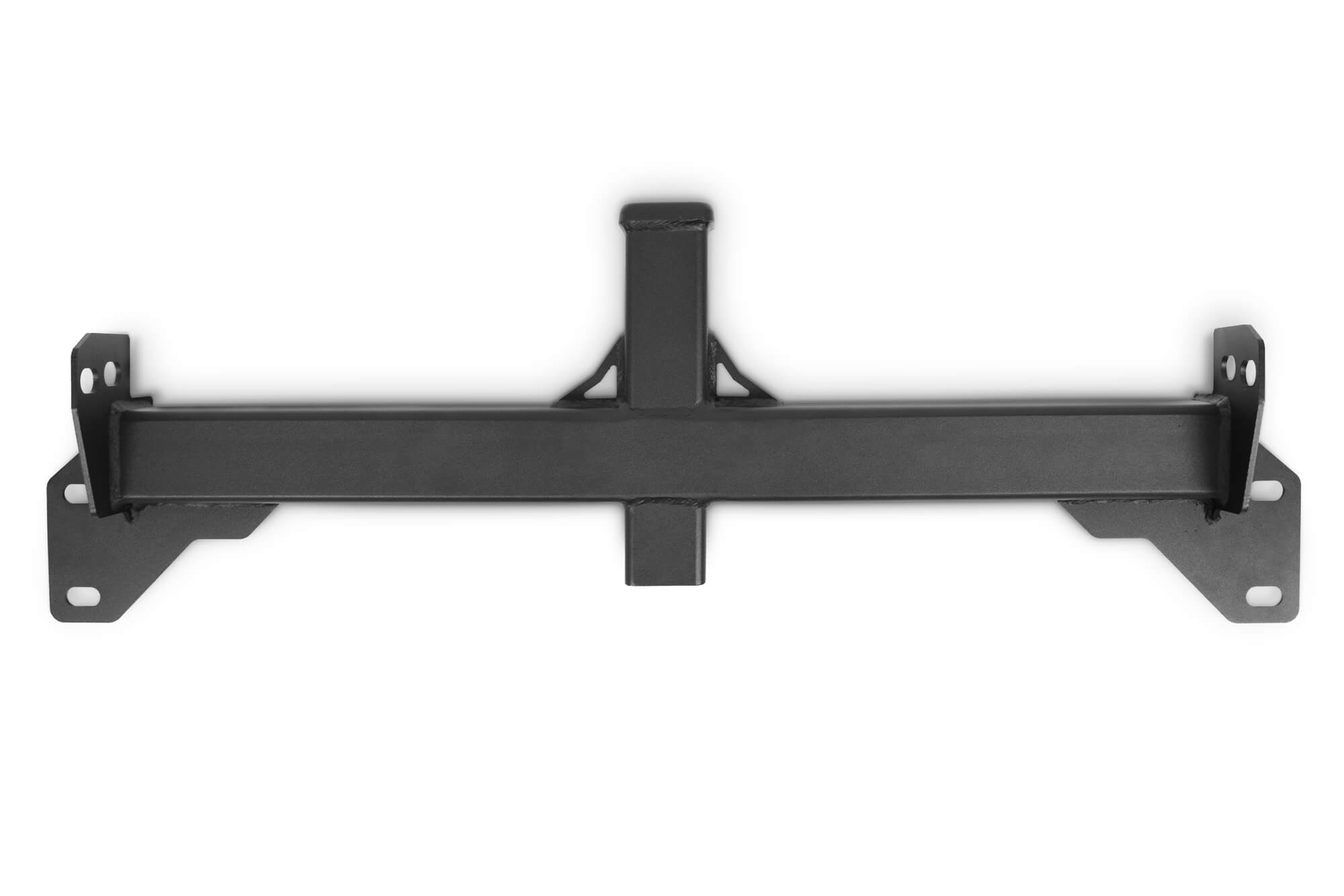
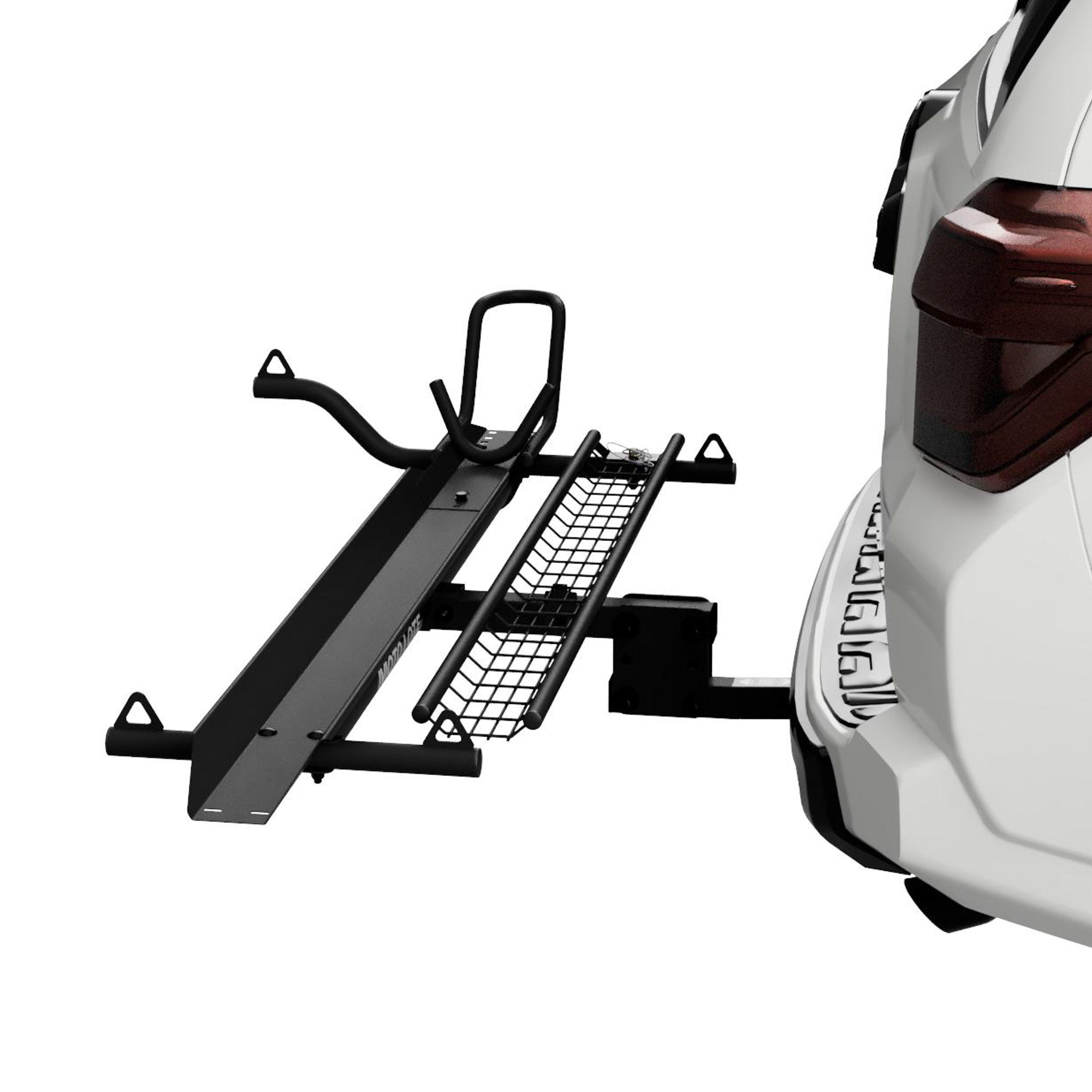
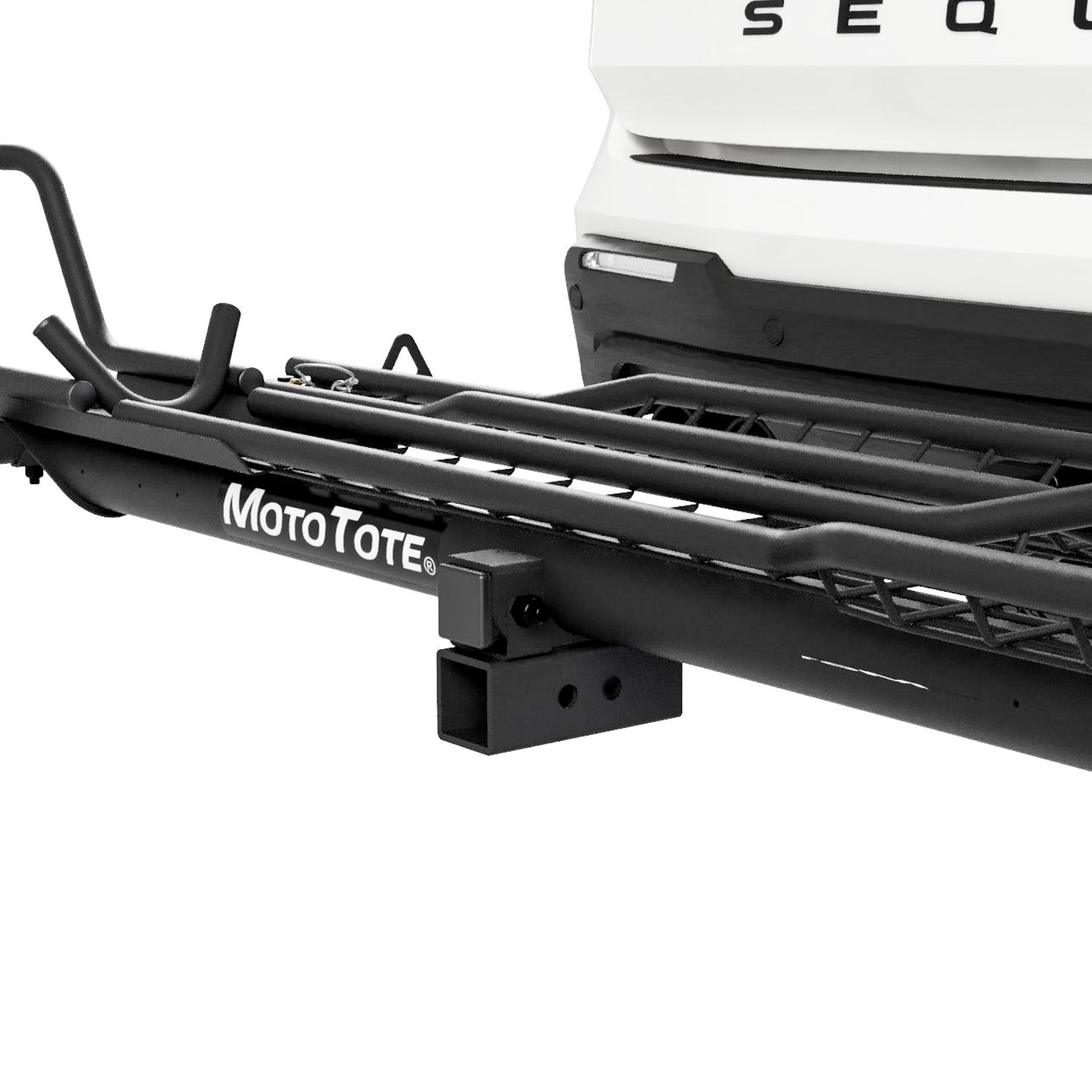
Two-inch receivers are the standard for trucks and SUVs, and most overland accessories — carriers, racks, shackle mounts — are built around that opening. Each hitch listing states its receiver size and rating; match it to what you plan to plug in, and confirm the hitch itself with the year/make/model filter. If you're between options, the more common size wins on sheer accessory availability.
Will a hitch hurt my departure angle off-road?
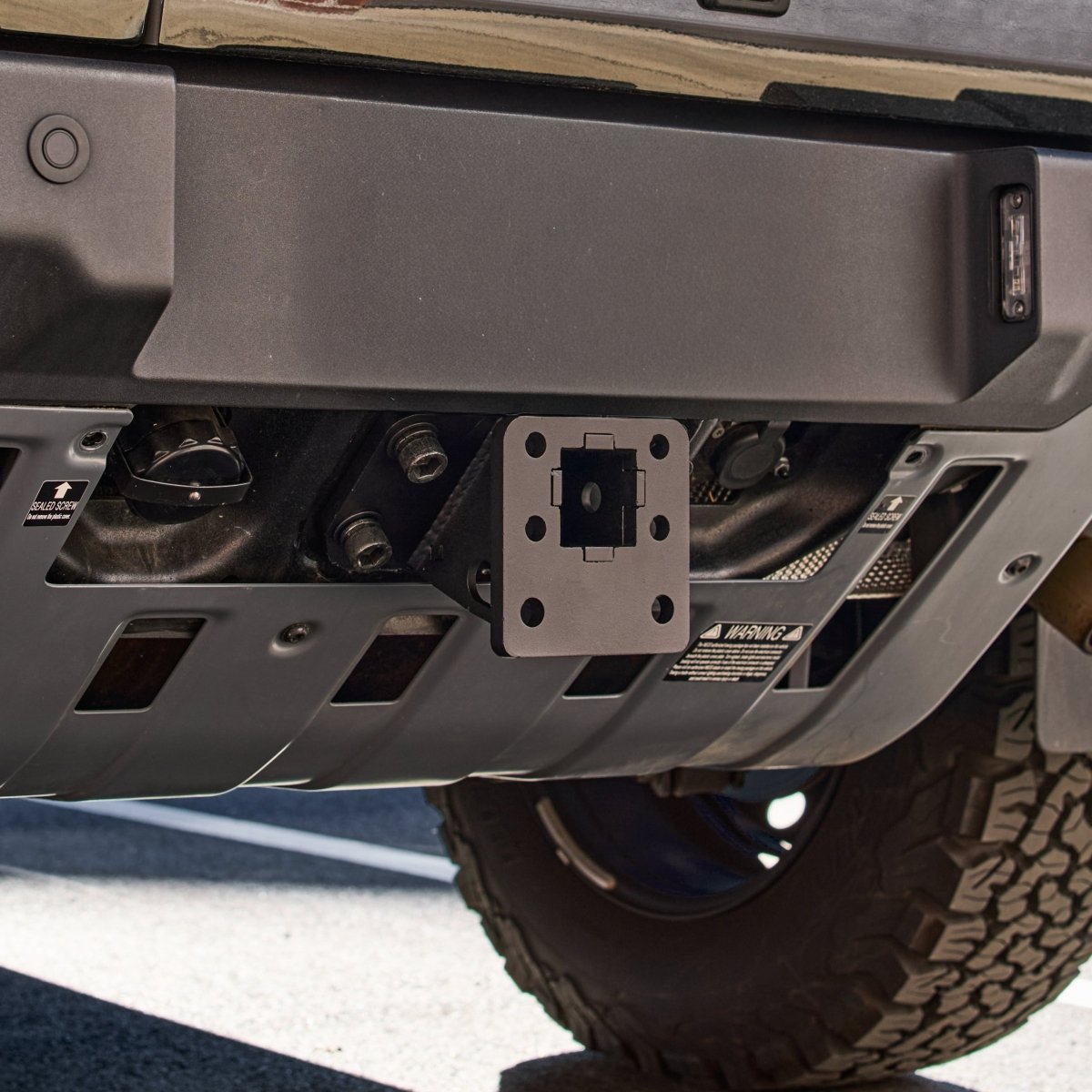
Somewhat — a receiver occupies the lowest rear point on the truck, and that's the honest cost of having one. How much depends on the design: some tuck up tight behind the bumper, others hang lower. Dragging the receiver over a ledge occasionally is normal life, and it's sacrificial steel in the right place. Just know it's there and drive departure-angle obstacles accordingly.
How do I stop hitch-mounted carriers from rattling off-road?
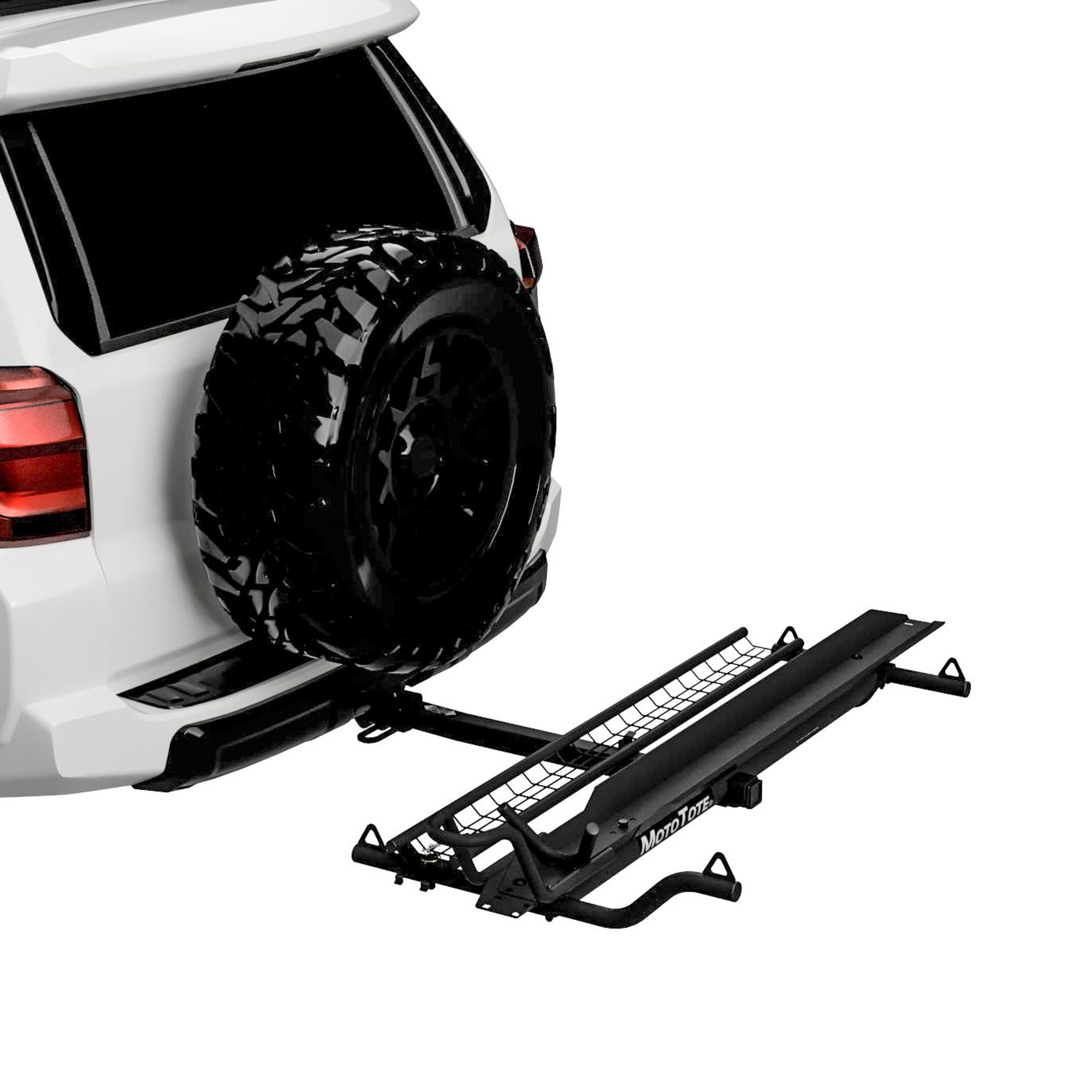
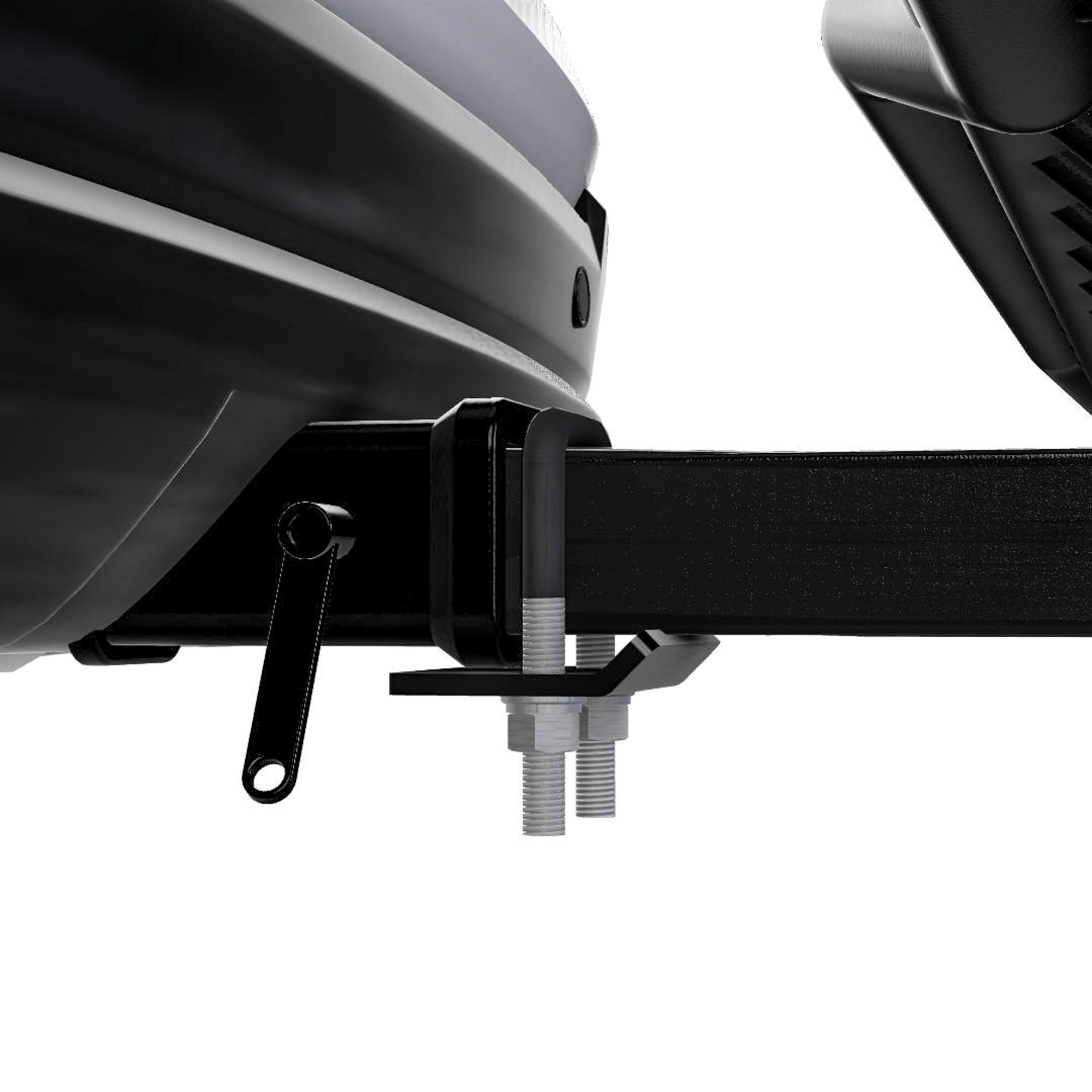
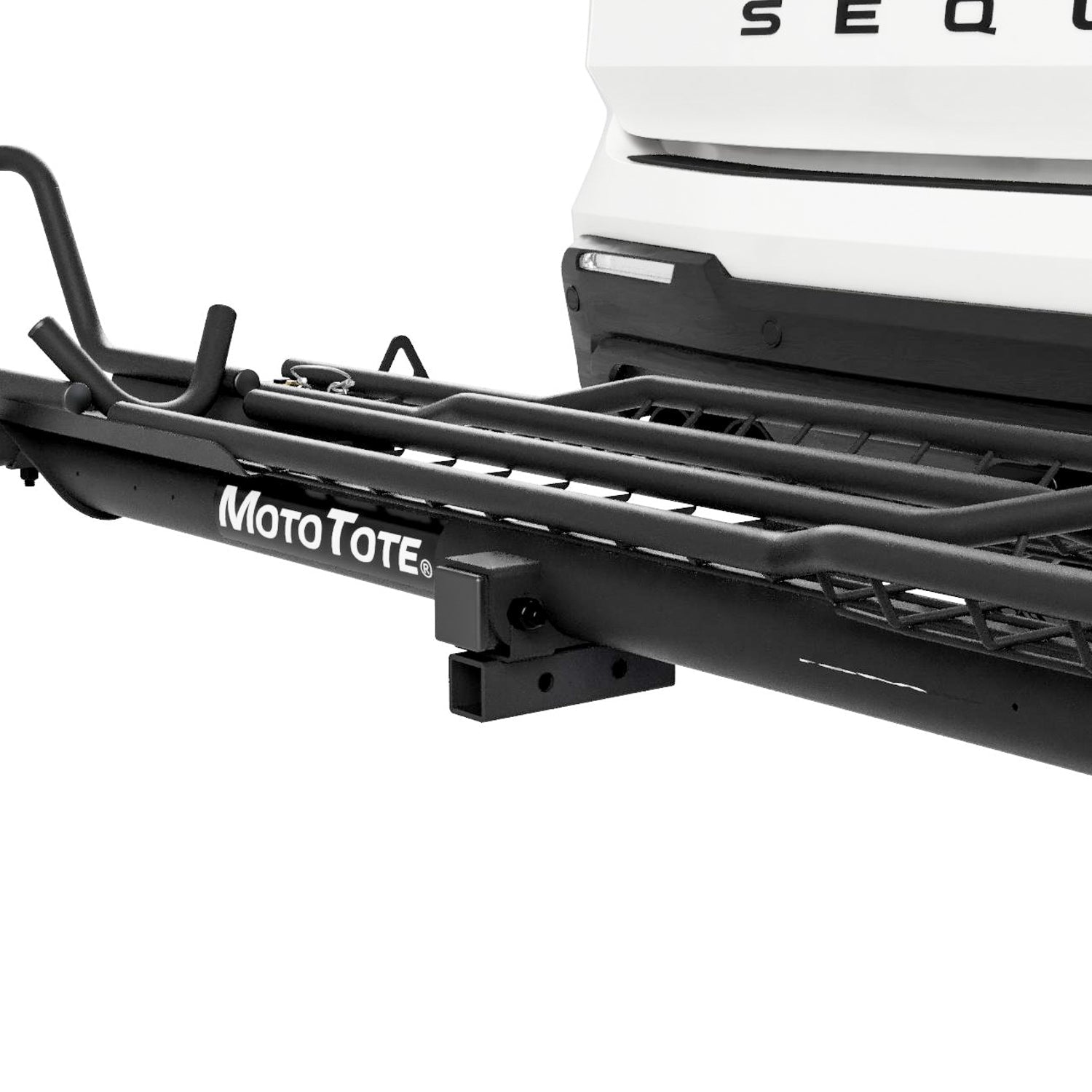
Take the slack out of the connection — that's the whole game. Receiver openings are deliberately loose for easy insertion, and washboard turns that clearance into a racket while it hammers your gear. An anti-rattle device that clamps the connection tight solves most of it; rechecking your carrier's bolts after the first rough miles solves the rest. If it still rattles, something is worn or loose.
Does an aftermarket hitch raise my truck's towing capacity?
No — your limit is whatever's lowest in the chain, and that's usually the vehicle, not the hitch. A hitch rated above your truck's tow rating buys margin and durability, which is worth having, but it doesn't change what the truck can legally or safely pull. Check the hitch's rating on the listing, your truck's rating in the owner's manual, and obey the smaller number.
