





Steering Stabilizers
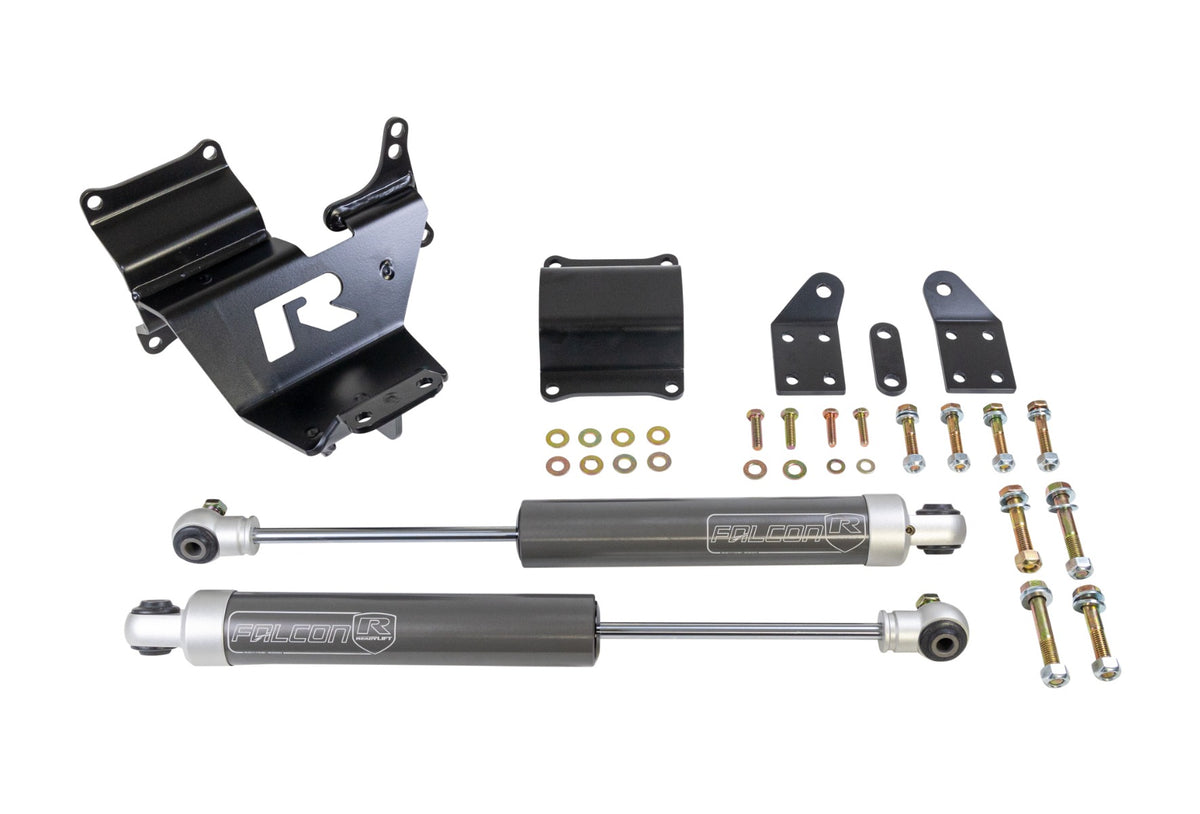
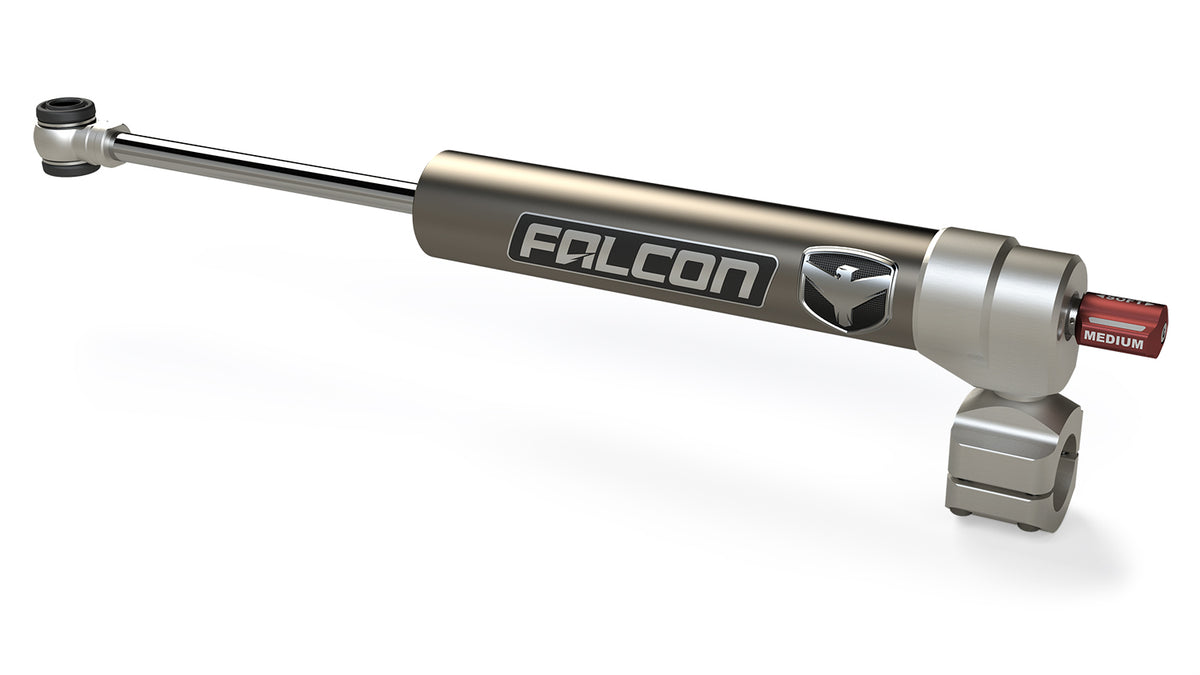
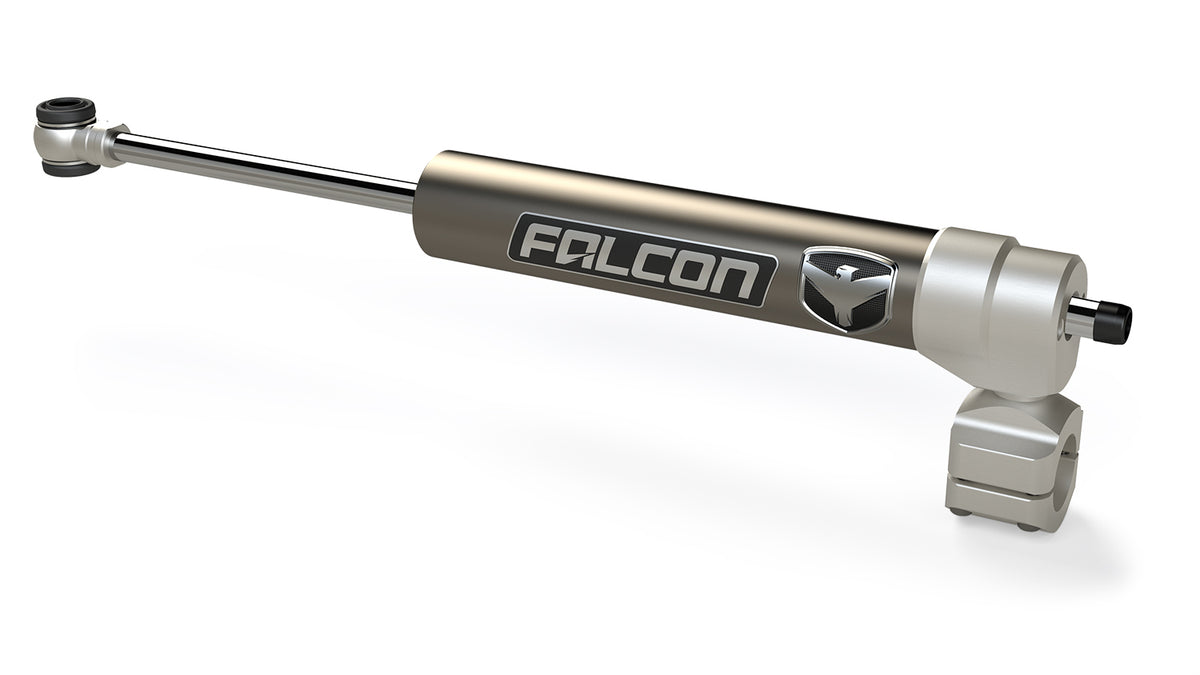
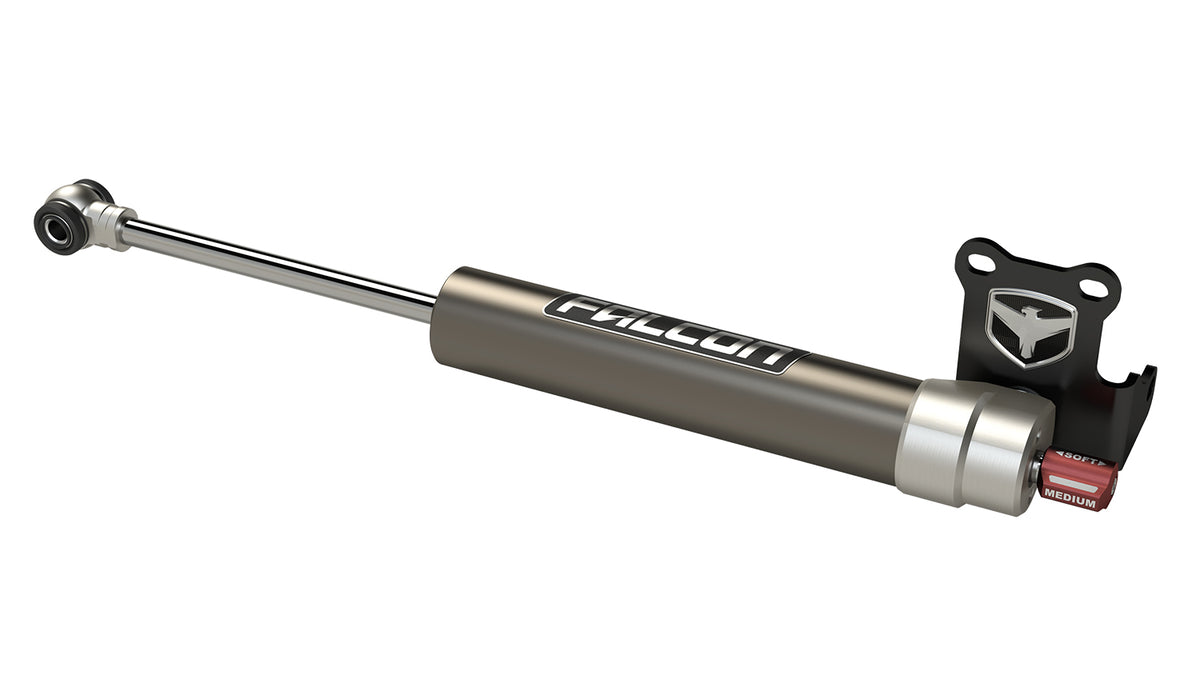
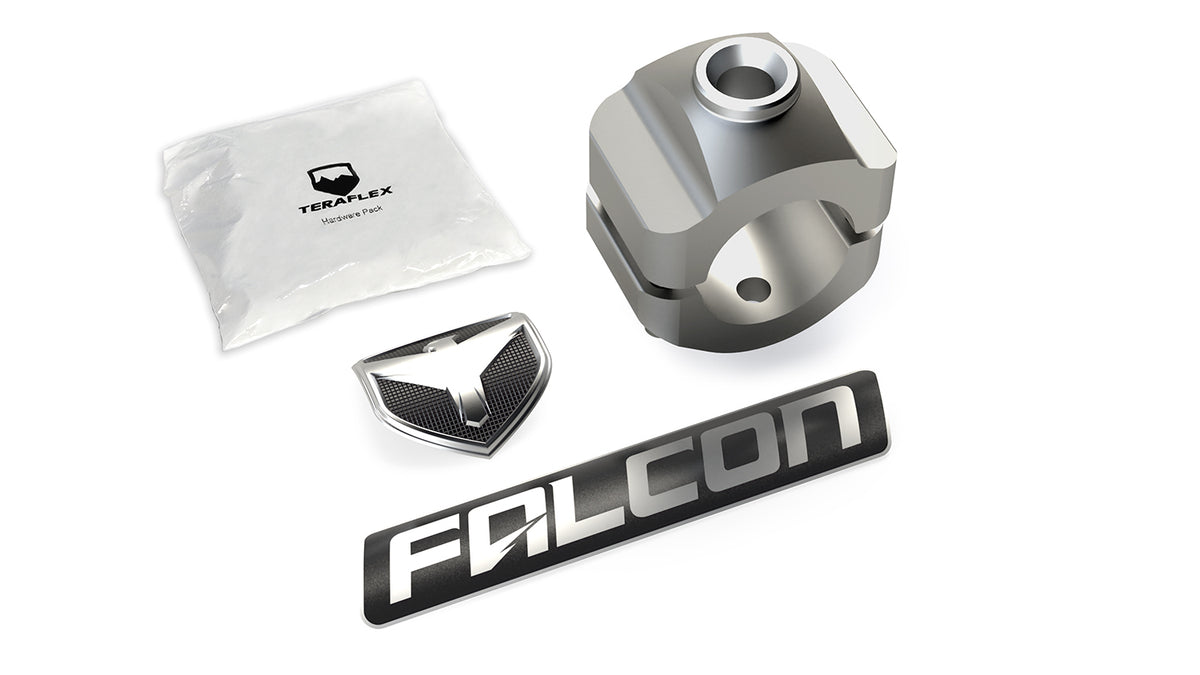
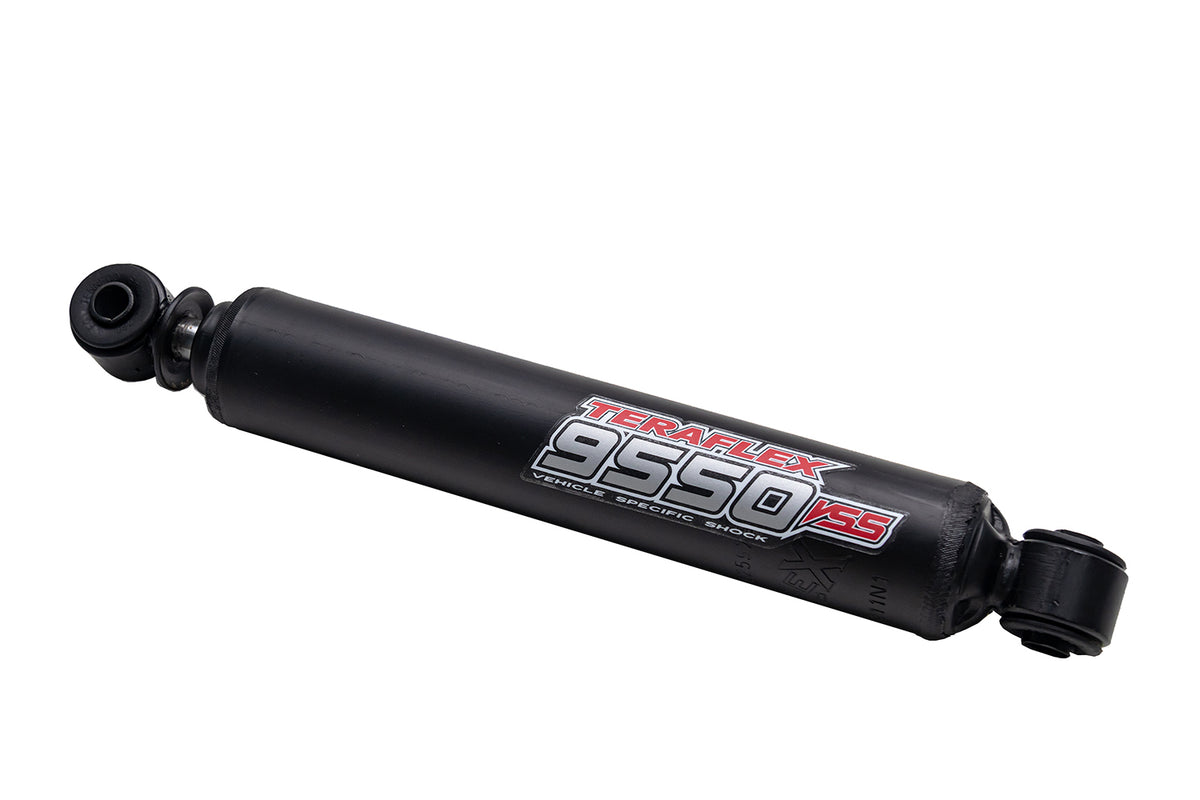
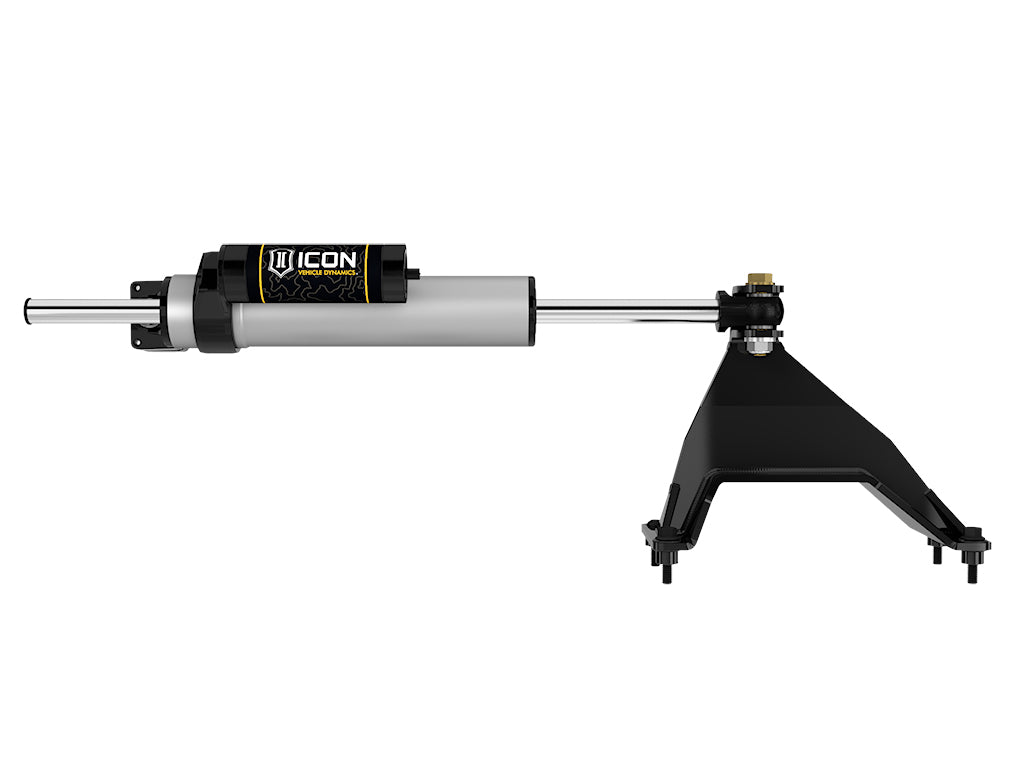
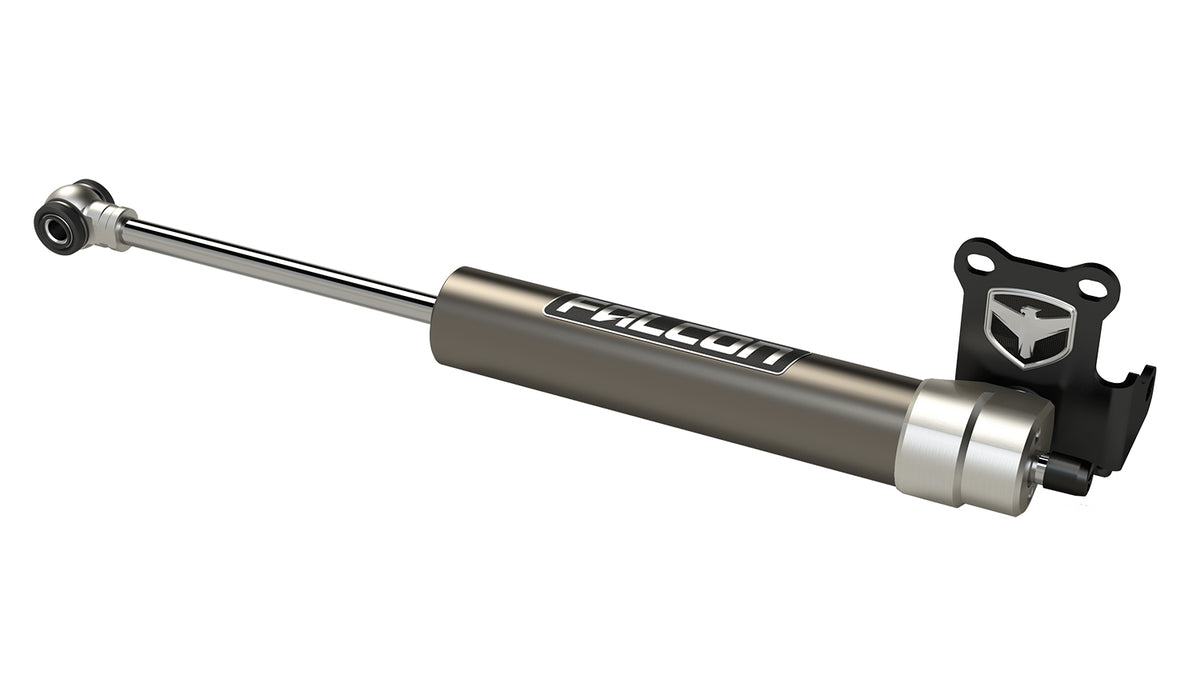
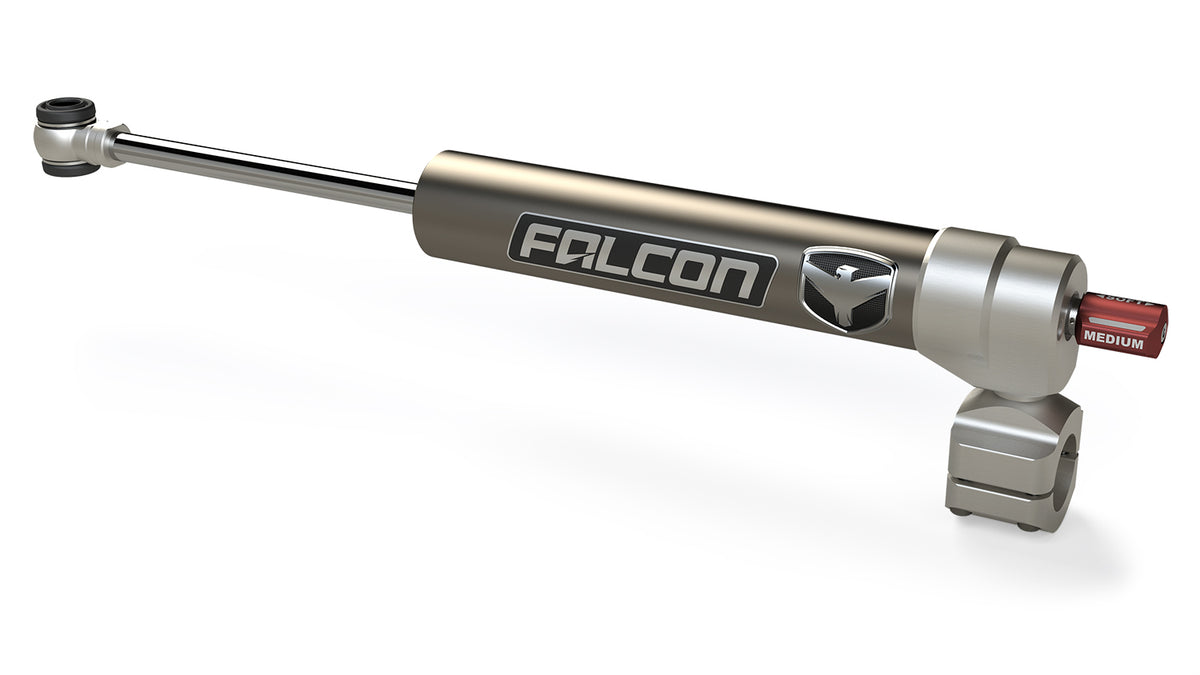
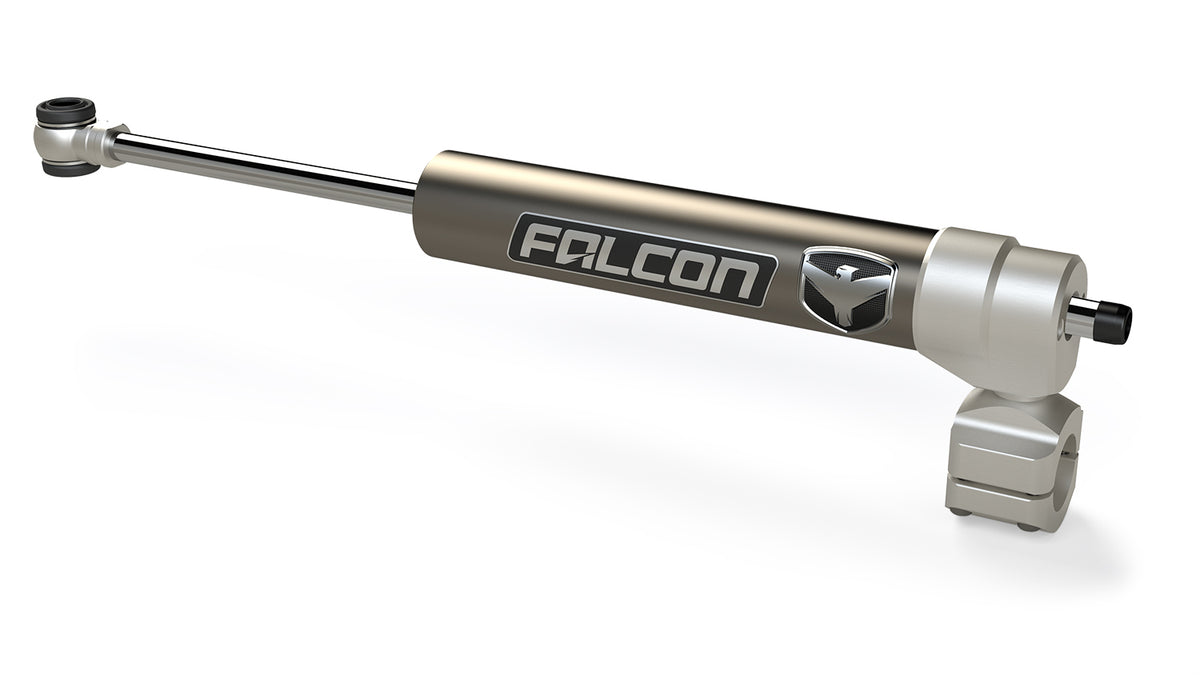
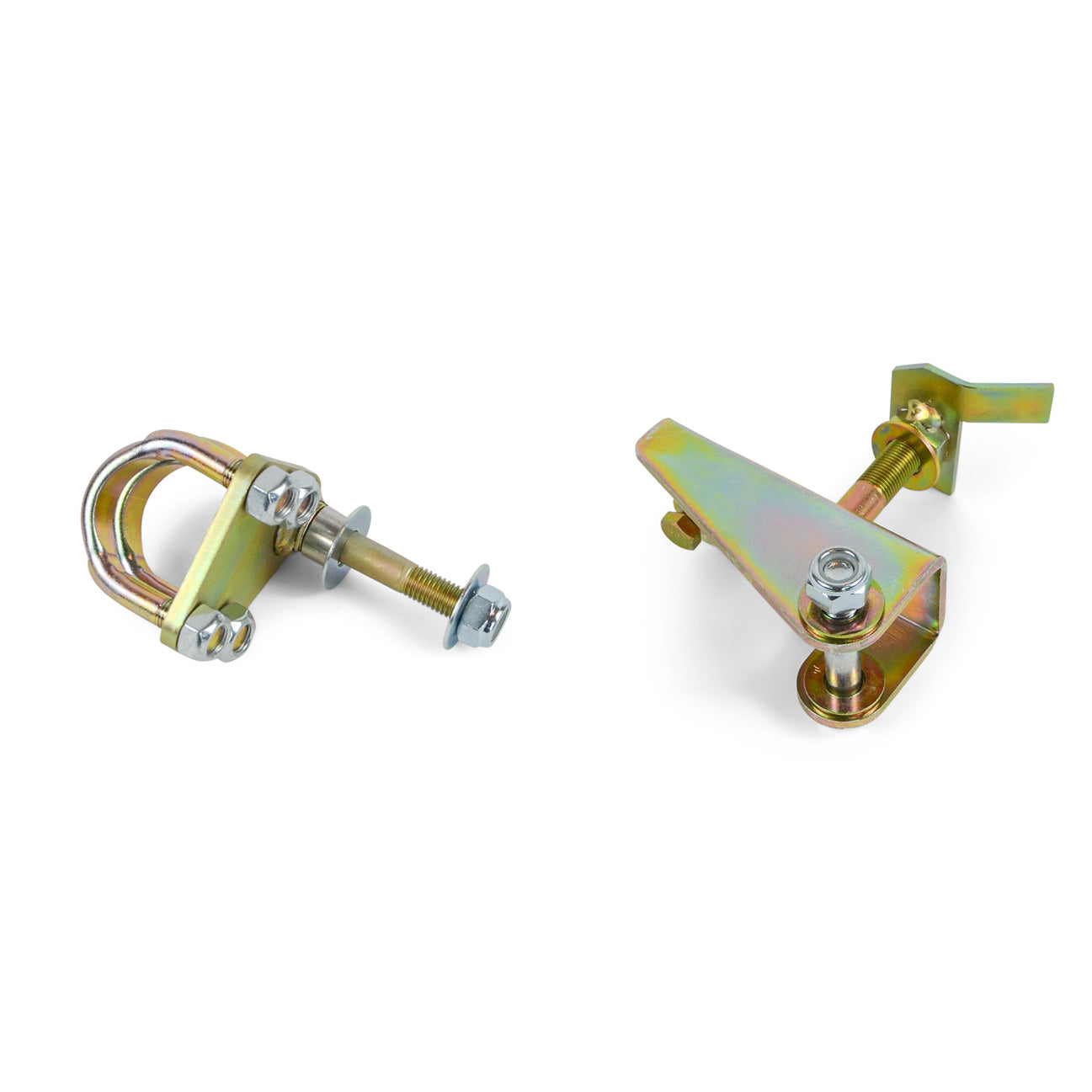
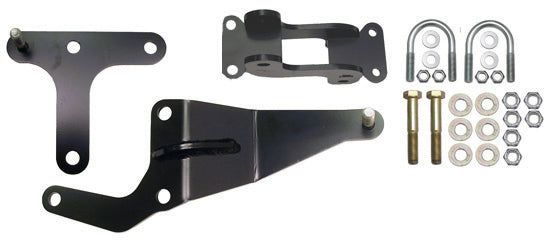
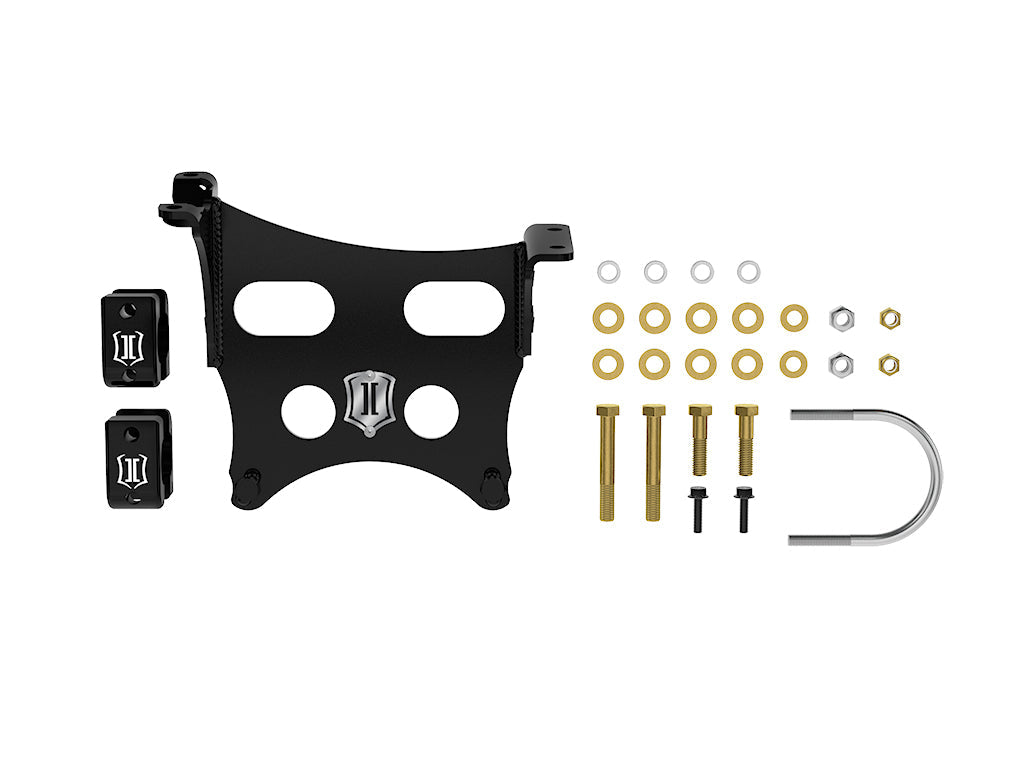
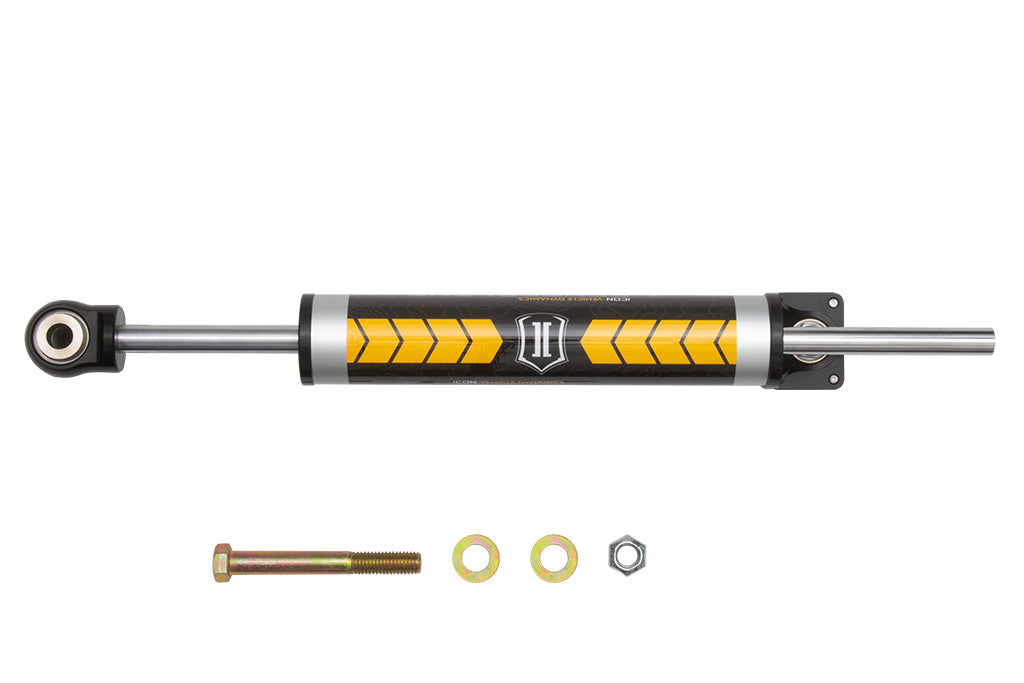
A steering stabilizer is a damper, not a cure — it calms bump-steer and wandering, but it can't fix worn joints underneath. This is the full steering stabilizer catalog: single and dual setups for solid-axle Jeeps and trucks running larger tires. The right damper settles the wheel over washboard and after impacts without deadening feel. Diagnose the front end first, then browse the broader Off-Road Steering Components range. Filter by year, make, and model.







Steering Stabilizers FAQs
Will a steering stabilizer fix death wobble?
No — a stabilizer masks death wobble but does not fix it. Wobble comes from play in worn track bars, ball joints, tie rod ends, or a loose steering box; the damper only slows how fast that slop oscillates. Diagnose and replace the worn part first. A stabilizer is the finishing touch on a tight front end, not a band-aid for a loose one.
Do I need a dual steering stabilizer?
Only if you run large, heavy tires or a solid-axle rig that wanders. A single stabilizer is plenty for most trucks; a dual setup adds damping for 37s and up, high-speed desert use, or steering that still feels busy after a single. More damping also adds resistance, so don't over-damp a street-driven truck — match it to tire size and terrain.
Does a steering stabilizer improve on-road handling?
It reduces wandering and kickback but does not sharpen handling. The damper soaks up bump-steer over washboard and impacts, so the wheel stops tugging at your hands, which feels like control. It won't tighten a vague front end or replace an alignment. If the truck darts or the wheel won't center, look at tie rods, ball joints, and toe settings first.
