





Ball Joints
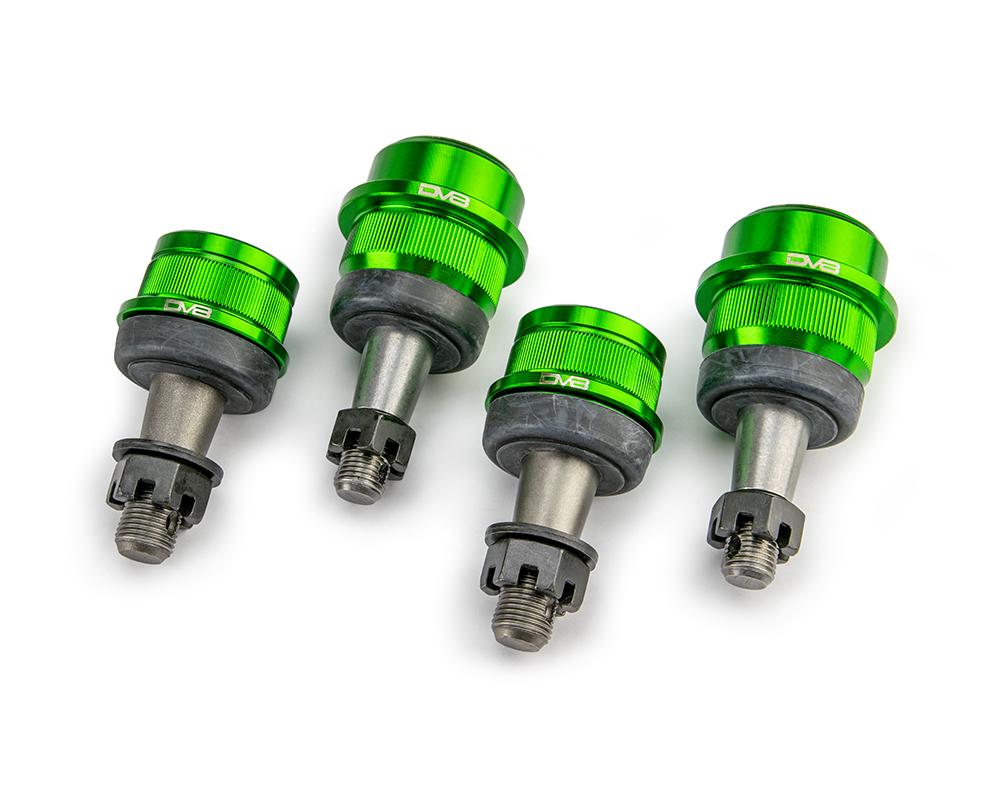
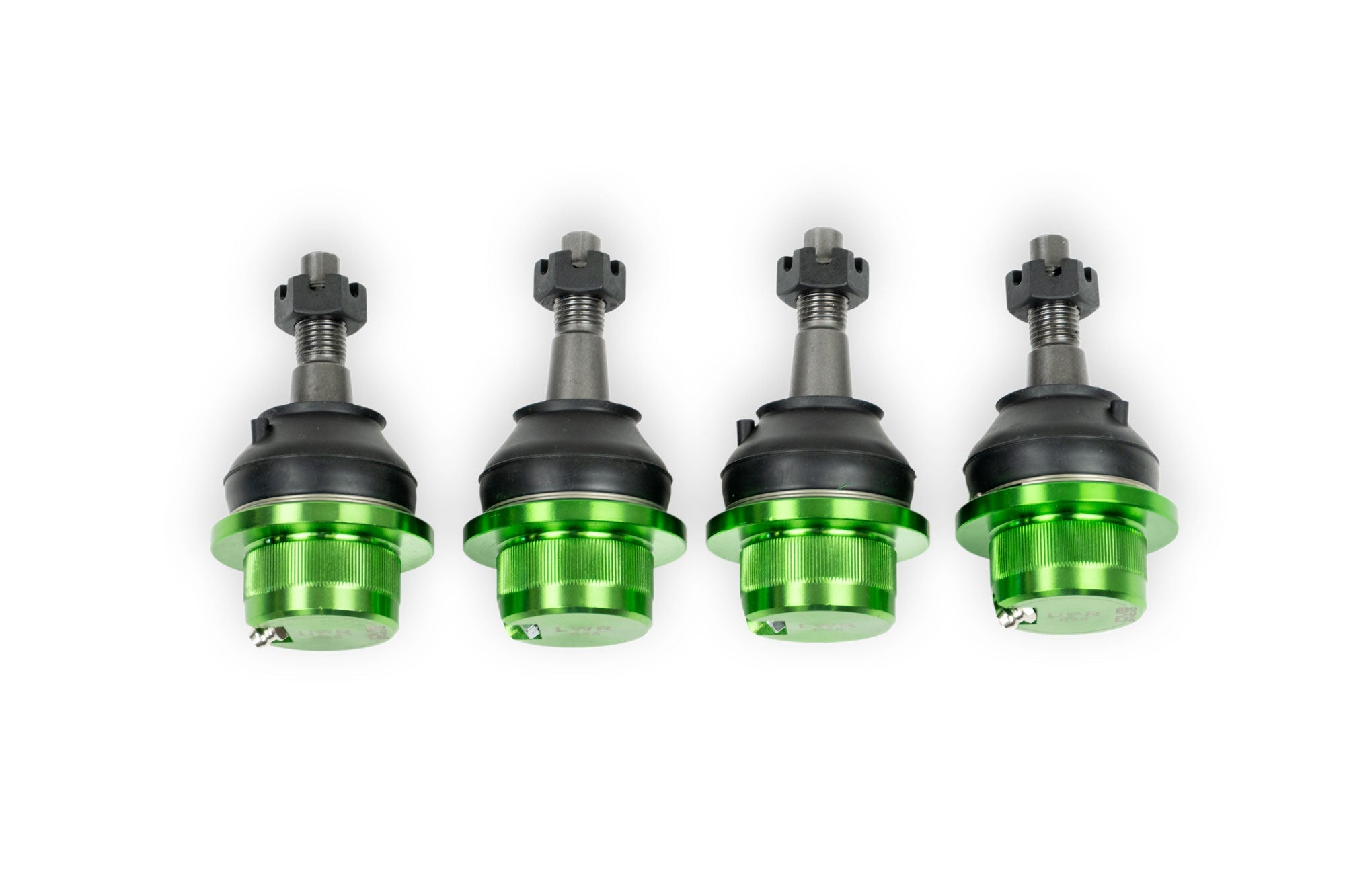
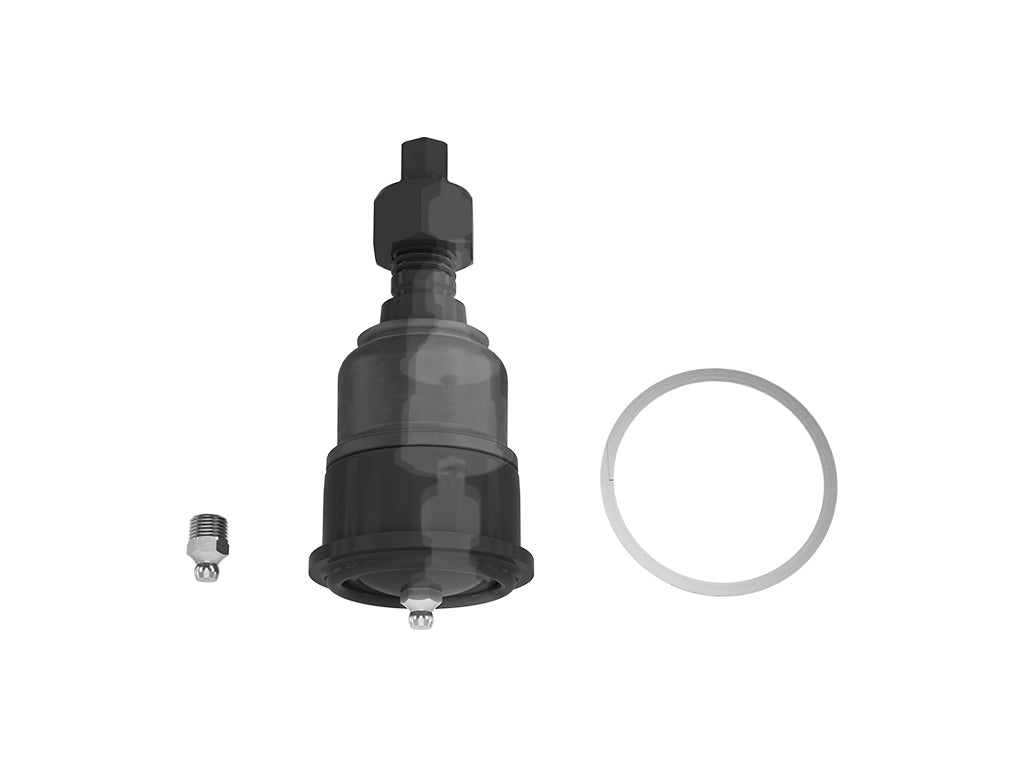
Bigger tires and a lift load the front ball joints harder than the factory ever planned for, and worn joints are where vague steering and uneven tire wear start. This is the ball joint catalog: heavy-duty upper and lower joints, and adjustable units that let you dial camber back after a lift. It sits within steering components alongside tie rods and steering joint components. Filter by year, make, and model.
Ball Joints FAQs
Do bigger tires wear out ball joints faster?
Yes — larger, heavier tires increase the leverage and load on the front ball joints, accelerating wear, especially the lower joints on an independent front suspension. More unsprung weight and a wider contact patch mean more stress every time you steer or hit a bump. Heavy-duty ball joints are a common upgrade on rigs running oversized tires, and inspecting them regularly catches play before it causes damage.
Do I need adjustable ball joints after a lift?
Adjustable ball joints are one way to correct camber and caster on a lifted independent front suspension when a lift pushes alignment out of the range of factory adjusters. They let an alignment shop bring the numbers back to spec, which protects tire life and steering feel. Not every lift needs them — many use alignment cams or control arms instead — so confirm what your specific lift requires before buying.
What are the signs of a bad ball joint?
Clunking over bumps, a vague or wandering steering feel, uneven inner or outer tire wear, and squeaking from the front end all point to worn ball joints. You can often feel play by jacking the wheel and rocking it. A failing lower ball joint on IFS is a safety concern because it can separate, so worn joints get replaced promptly rather than watched.
Should I replace ball joints in pairs?
Replace ball joints in pairs — left and right — because a worn joint on one side means the other has seen the same miles and loads. Doing both keeps steering and wear even and saves a second teardown soon after. On an independent front suspension, plan an alignment afterward, since replacing joints and disturbing the front end changes camber and toe.
