





Steering Joint Components
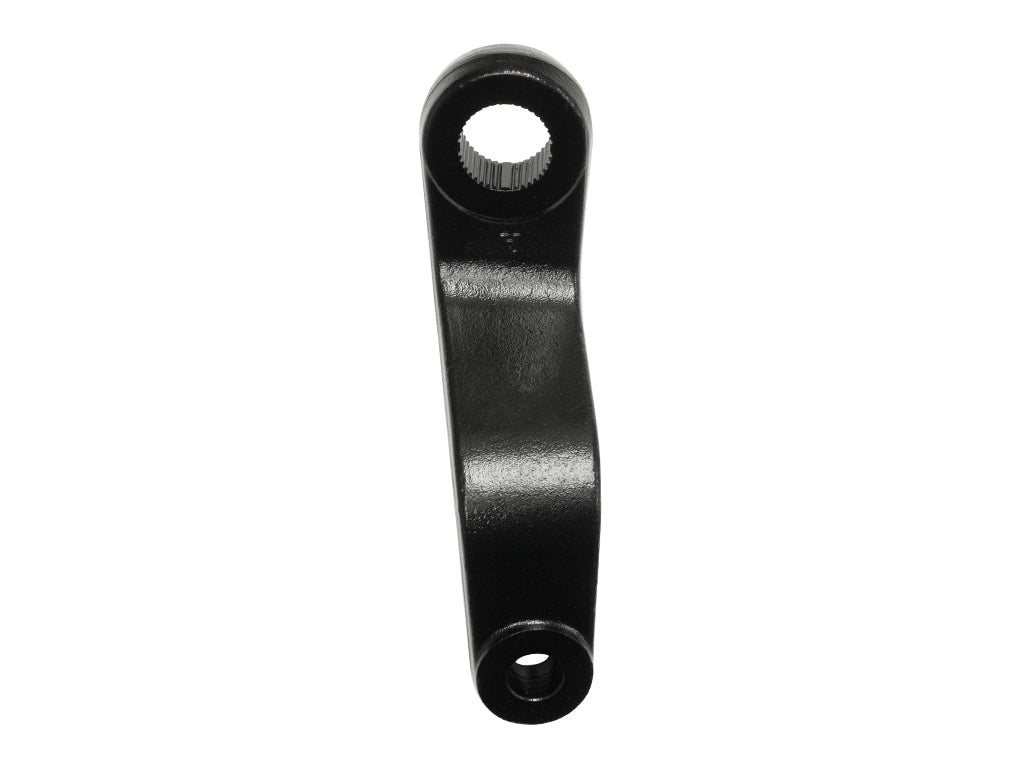
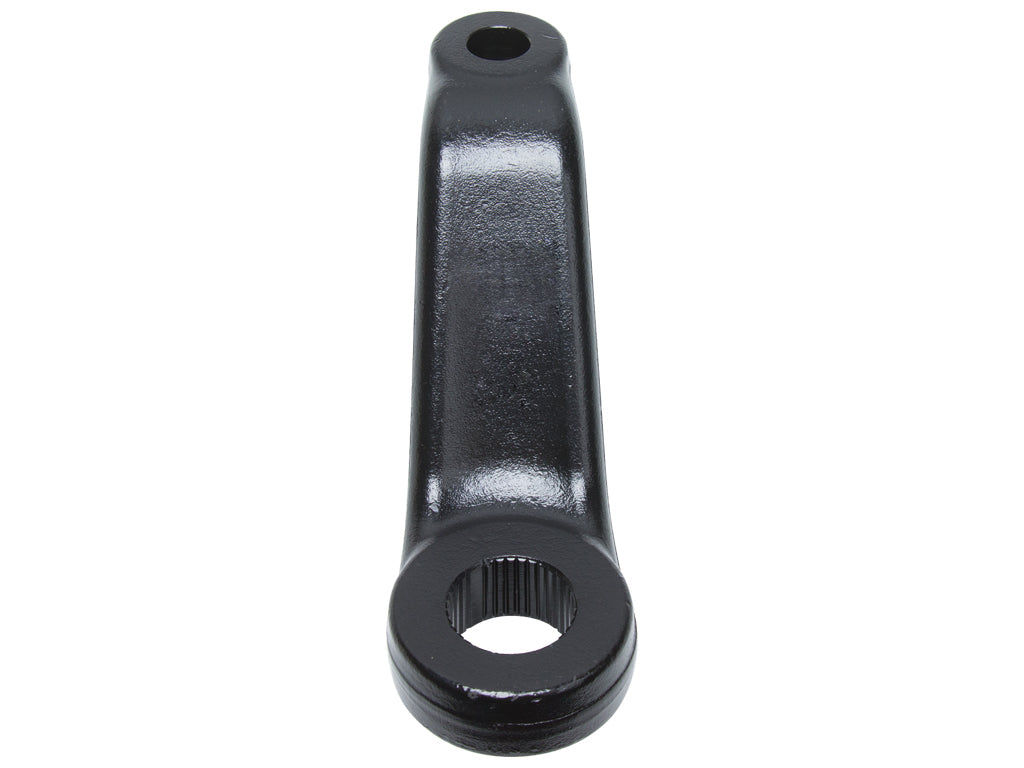
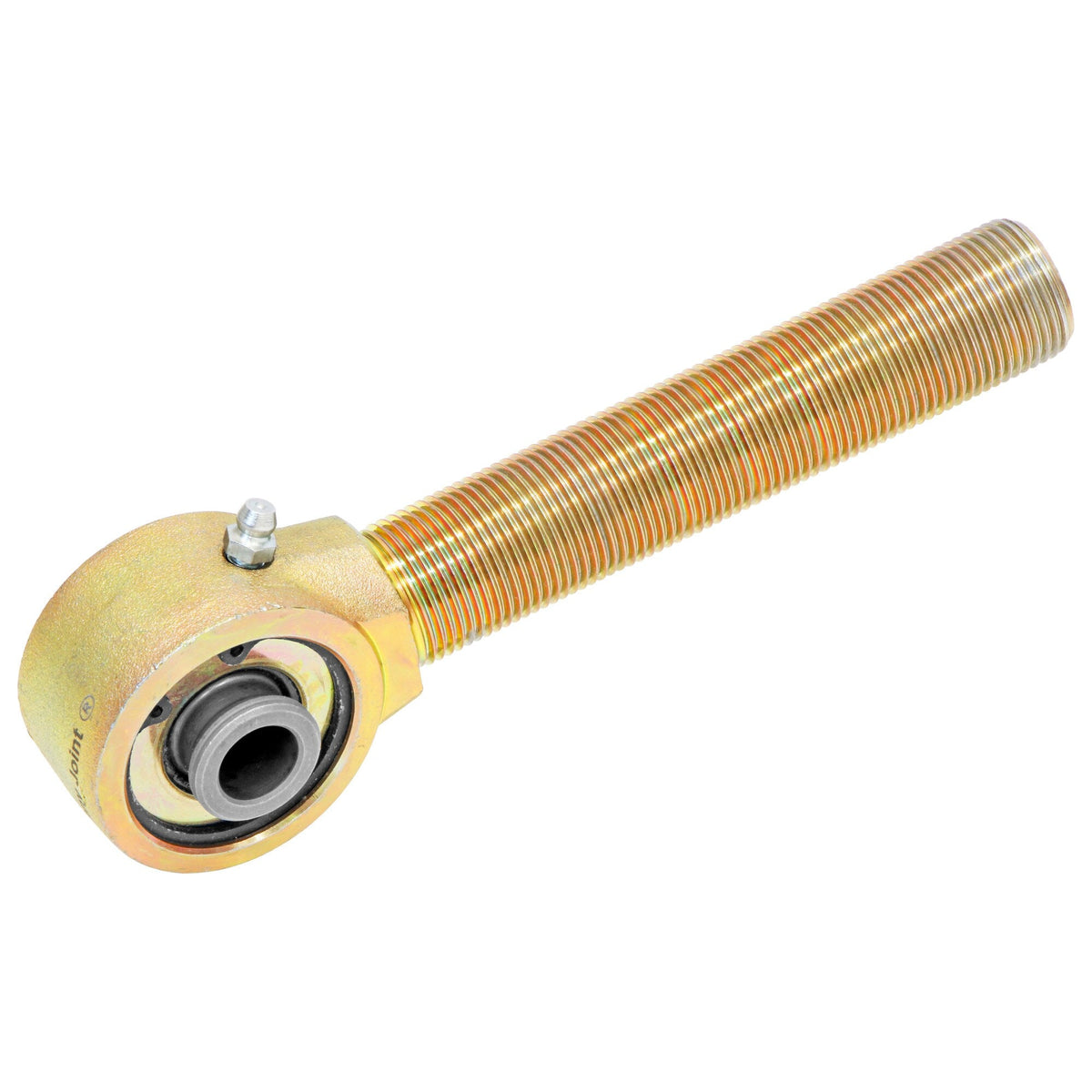
Steering joint components are the wear parts that connect your steering linkage — tie rod ends, adjuster sleeves, U-joints, and rebuild kits that take up play before it becomes a wandering wheel. When steering feels loose after a lift or big tires, the joint is usually the culprit, not the box. This collection sits under Off-Road Steering Components; pair it with new Tie Rods or a Steering Stabilizer for a tight front end.


Steering Joint Components FAQs
What are steering joint components?
Steering joint components are the connecting and wear parts in your steering linkage — tie rod ends, adjuster sleeves, U-joints, and rebuild kits. They transfer motion from the box to the wheels and are designed to be replaced as they wear. When you feel play in the wheel or uneven tire wear appears, a worn joint is a common cause and a cheaper fix than replacing whole assemblies.
How do I know if a tie rod end is worn?
Look for play: with the truck safely supported, grab the tire at 3 and 9 o'clock and rock it — movement at the tie rod end means it is worn. Other signs are loose or wandering steering, clunks over bumps, and inner or outer tire edge wear. Worn joints get worse fast under big tires, so replace them in pairs and align afterward.
Do lifted trucks need upgraded steering joints?
Often yes — a lift and larger tires load the steering harder, and factory joints wear faster or develop play sooner. Heavy-duty tie rod ends and rebuildable joints hold up better to the added leverage and off-road impacts. If you run 35s or bigger, or wheel technical terrain, upgraded joints are cheap insurance against a trail-side steering failure.
Should I replace the joint or the whole tie rod?
Replace the joint if it is the only worn part and your tie rod is rebuildable; replace the whole assembly if the bar is bent, threads are damaged, or the design is not serviceable. Rebuild kits and individual ends save money on serviceable setups. After any steering joint work, get an alignment — new parts change toe and will scrub tires otherwise.
