





Drag Links
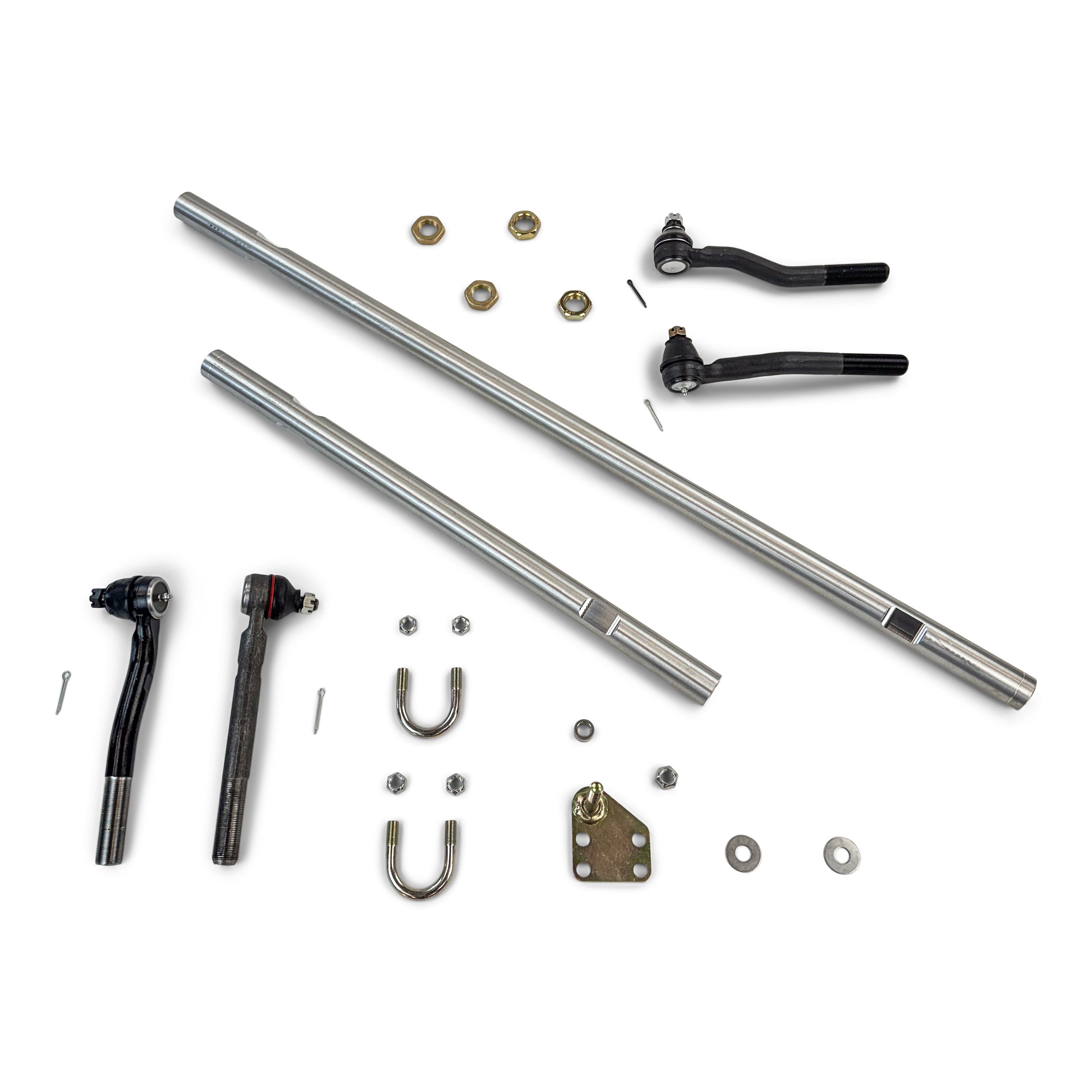
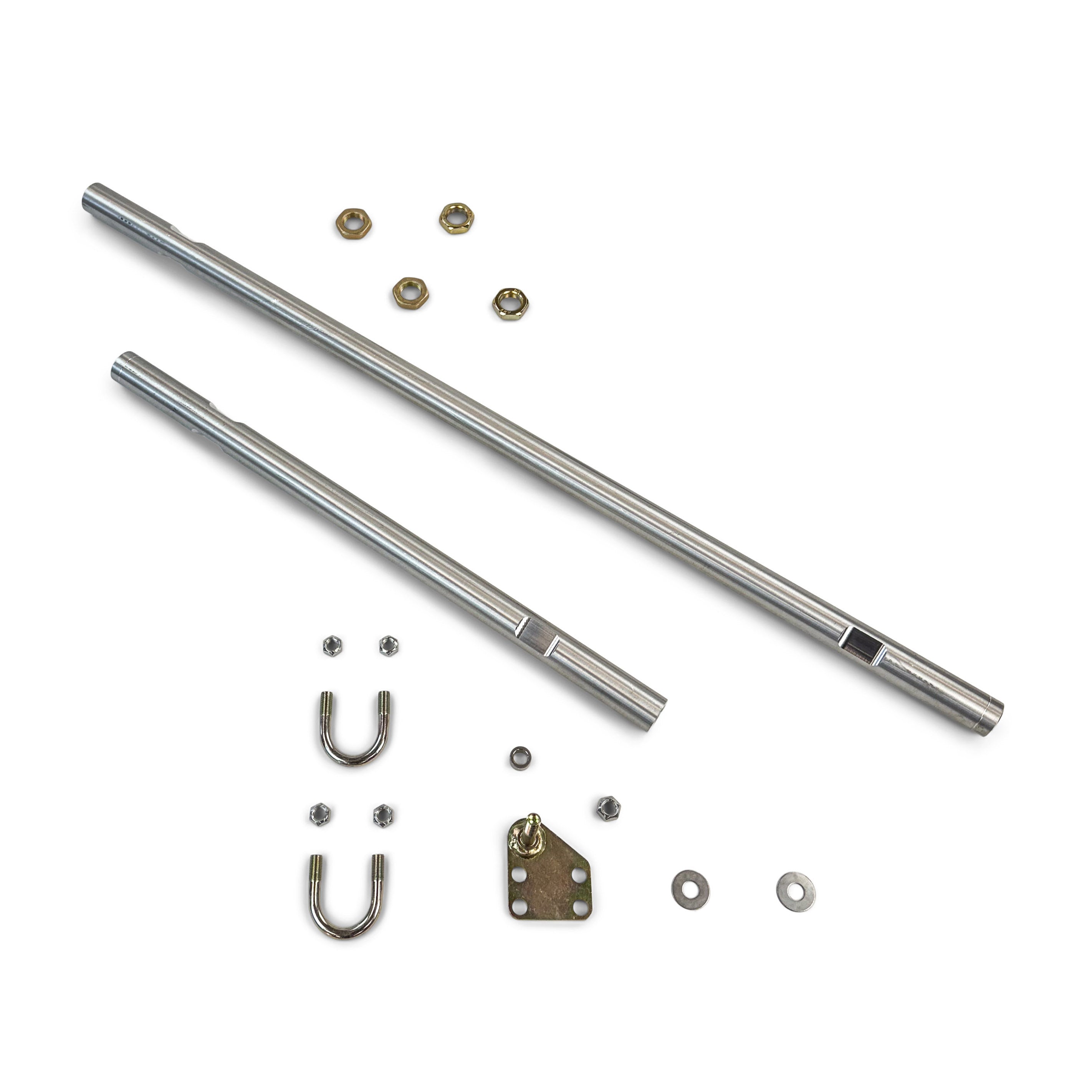
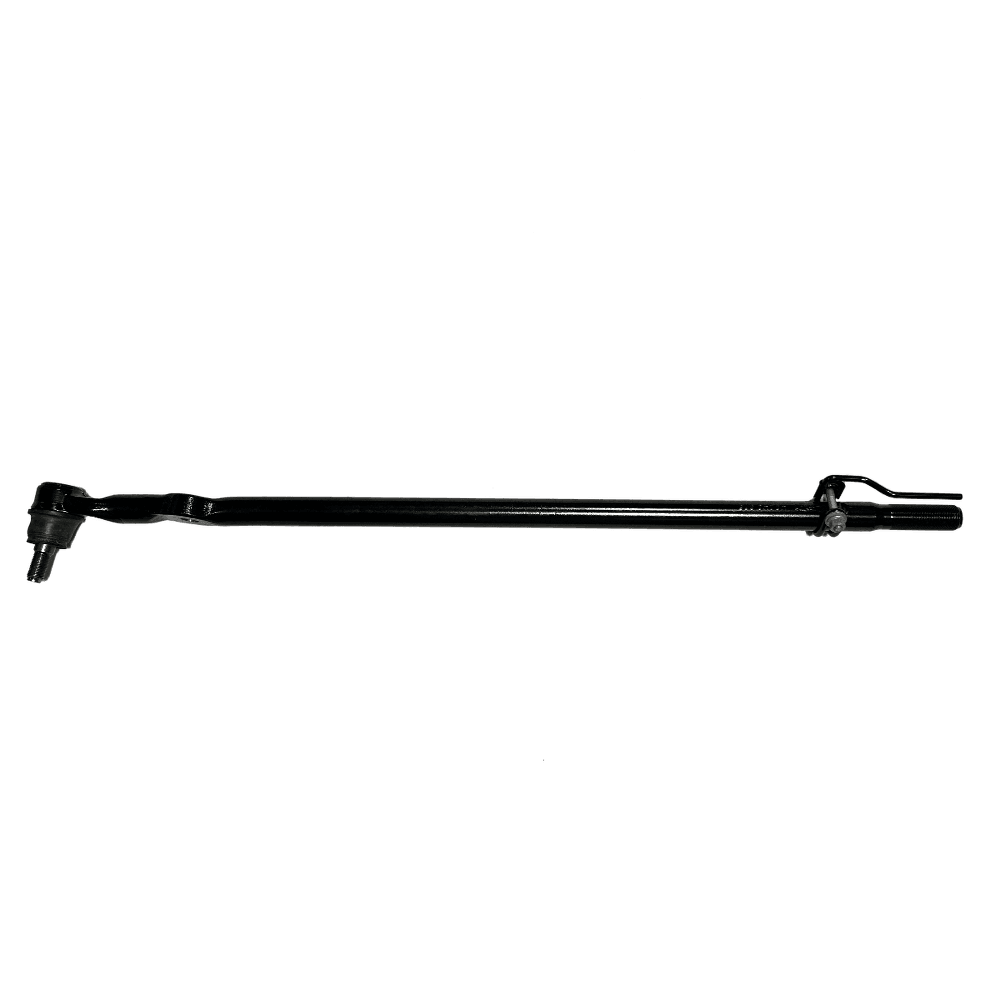
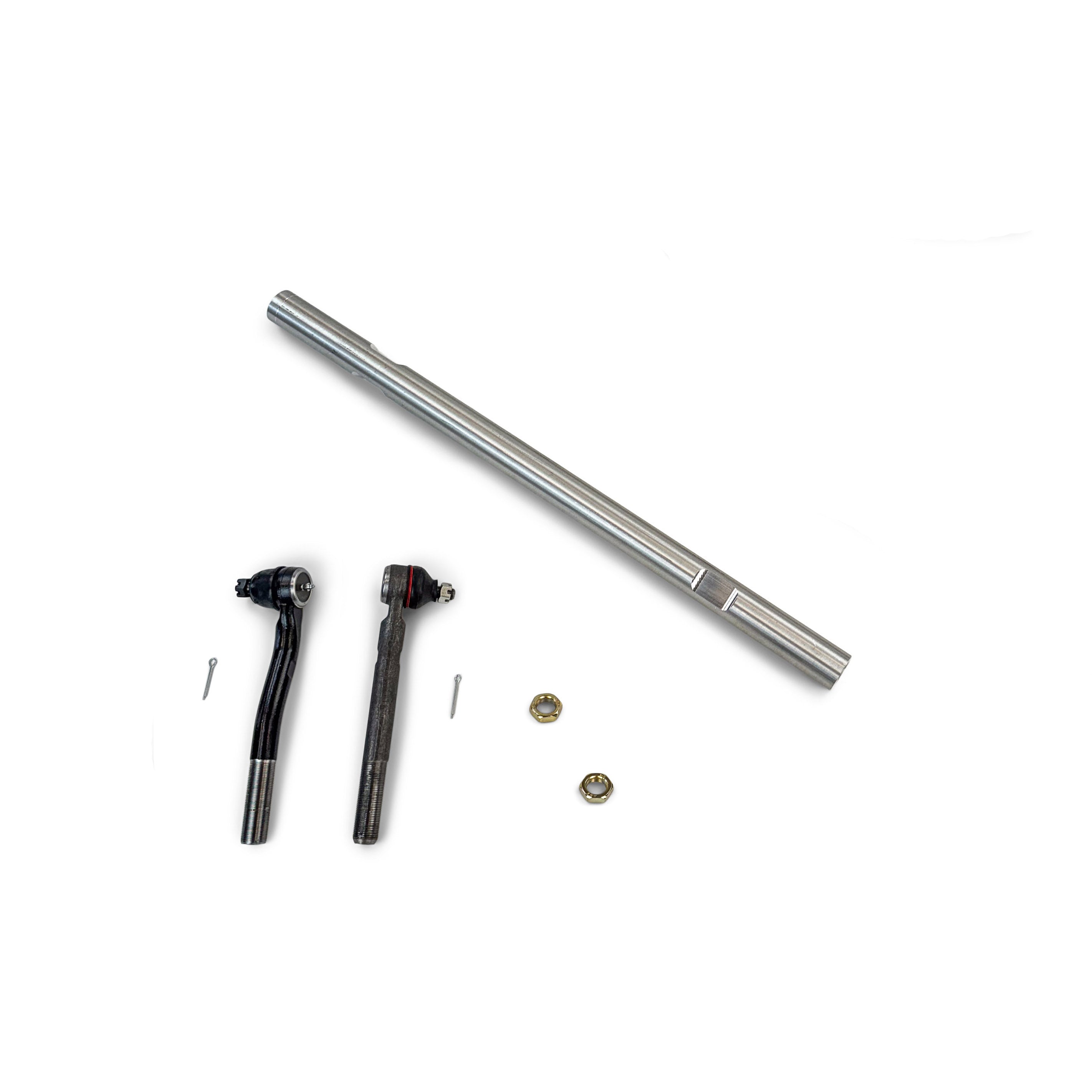
Drag links, drag link flip kits and full steering kits, mostly from CMM Offroad with Clayton Off Road options. Fitment covers Jeep Wrangler JK, JL, Gladiator JT and Grand Cherokee WJ, plus an OEM-style drag link for 2011-2016 Ford F-250/F-350. Confirm your model year and axle type, such as standard or Rubicon and wide-track axles, before ordering.



Drag Links FAQs
What's the difference between a drag link and a tie rod?
The drag link connects the pitman arm to a steering knuckle and carries your steering input to the axle; the tie rod links the two knuckles together so both front wheels turn as a pair. On a solid-axle setup they work in series — the drag link moves one side, the tie rod passes that motion across. Both wear at their ends, but a loose drag link shows up first as on-center wander.
Do I need an adjustable drag link after a lift?
Often, yes — lifting a solid-axle truck rotates the steering geometry and can leave the drag link and tie rod at an angle that causes bump steer. An adjustable drag link lets you re-center the steering wheel and restore the correct pitman-to-knuckle angle after the axle drops. On taller lifts, a high-steer or dropped-arm setup may be needed to get the link back near level.
Can a worn drag link cause death wobble?
Yes — excess play at the drag link ends is a leading contributor to death wobble on solid-axle vehicles, along with loose tie rod ends, track bar, and ball joints. Death wobble is a resonance triggered by a bump when steering components have slop, so tightening or replacing worn links is the first move. Inspect the whole steering and front-end system together; one loose joint is rarely the only one.
How do I know my drag link is worn out?
Grab the drag link and shake it — any felt play at the ball joint ends means it's worn. Symptoms include a loose, wandering feel on-center, clunking over bumps, uneven tire wear, and in severe cases death wobble. Off-road impacts can also bend a drag link, which shows up as a crooked steering wheel or pull. Replace worn ends rather than adjusting around the slop.
