





Tie Rods
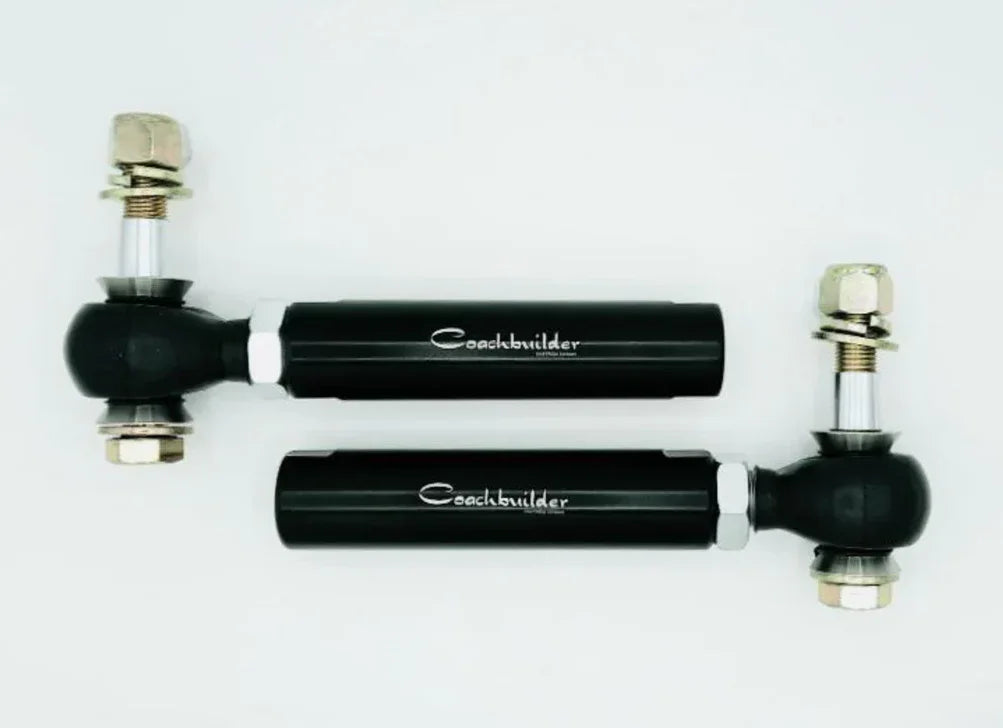
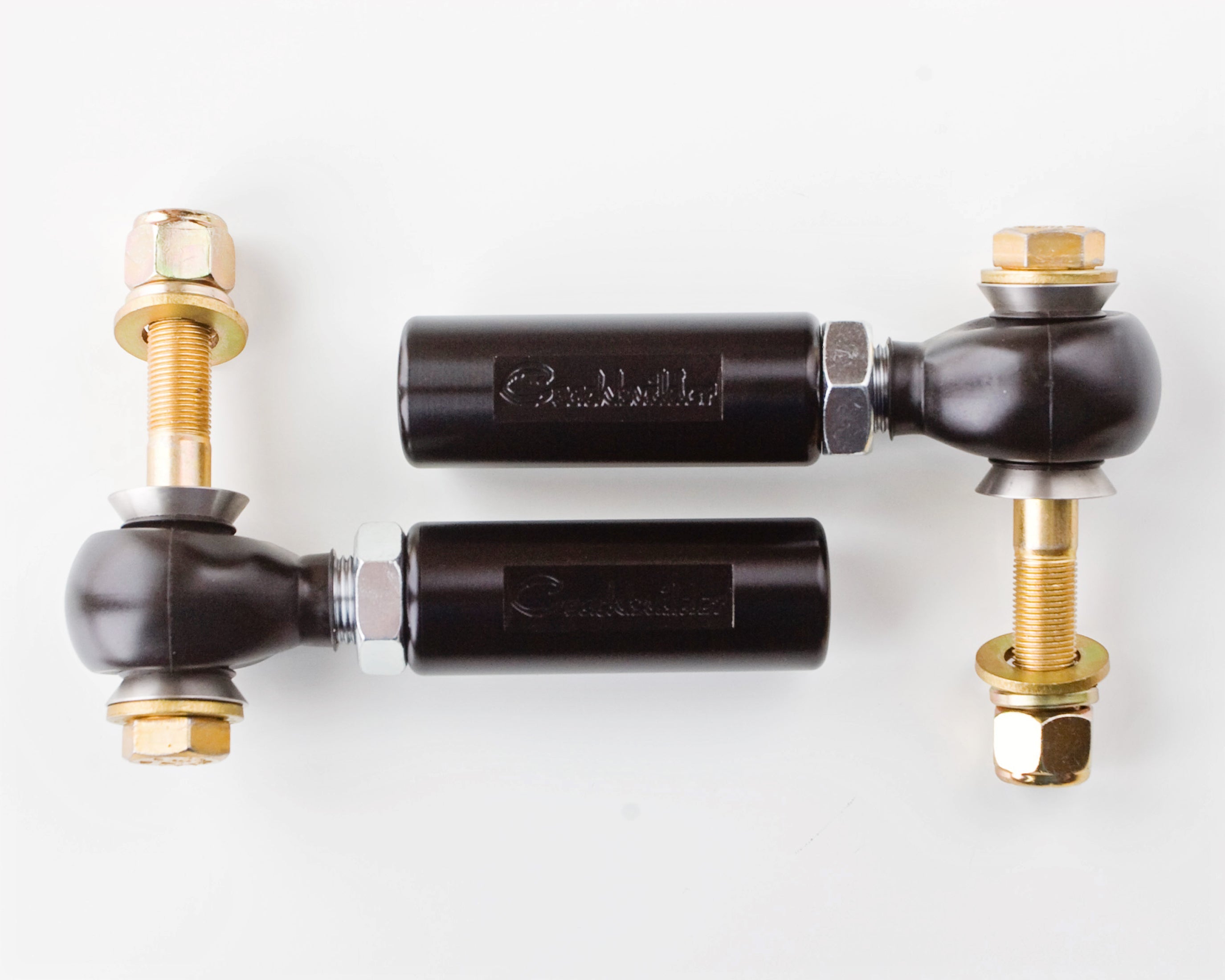
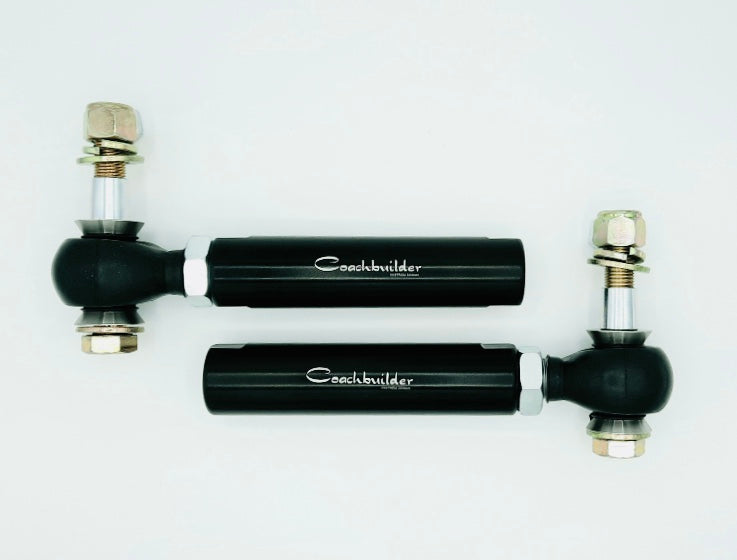
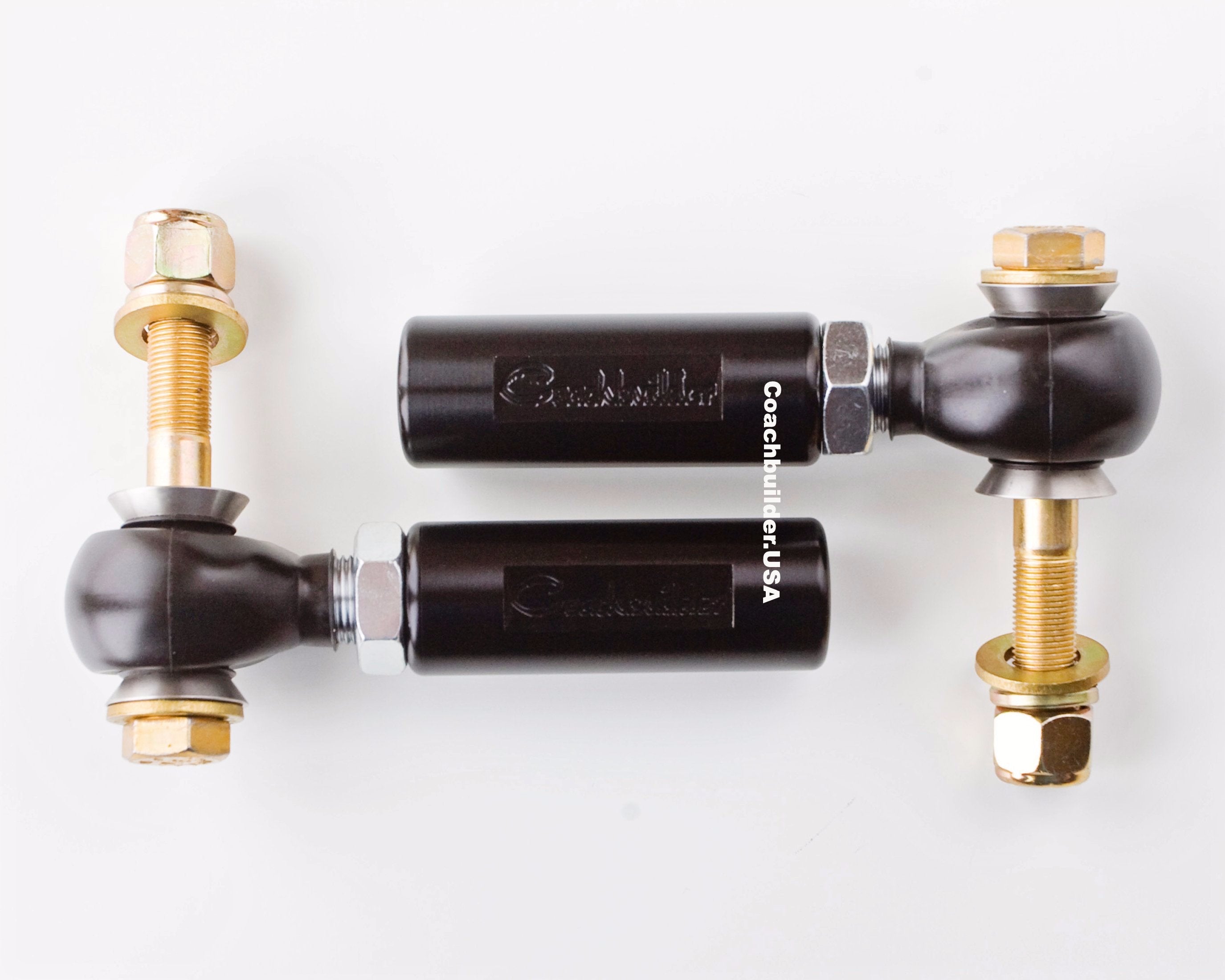
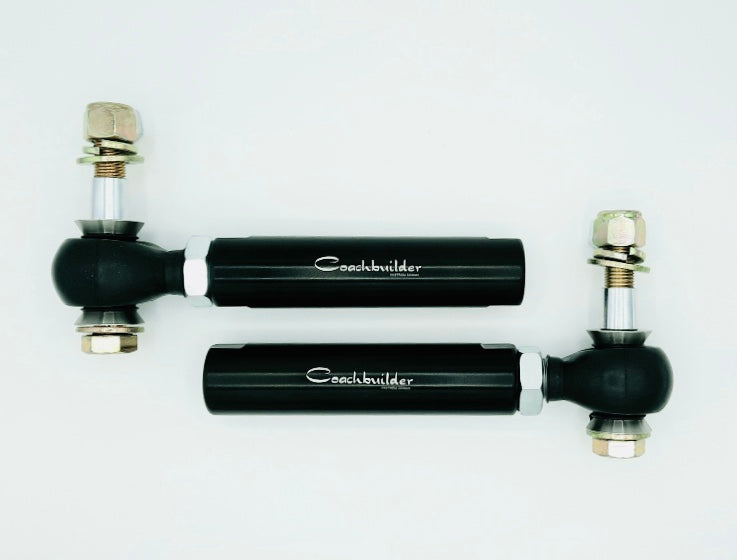
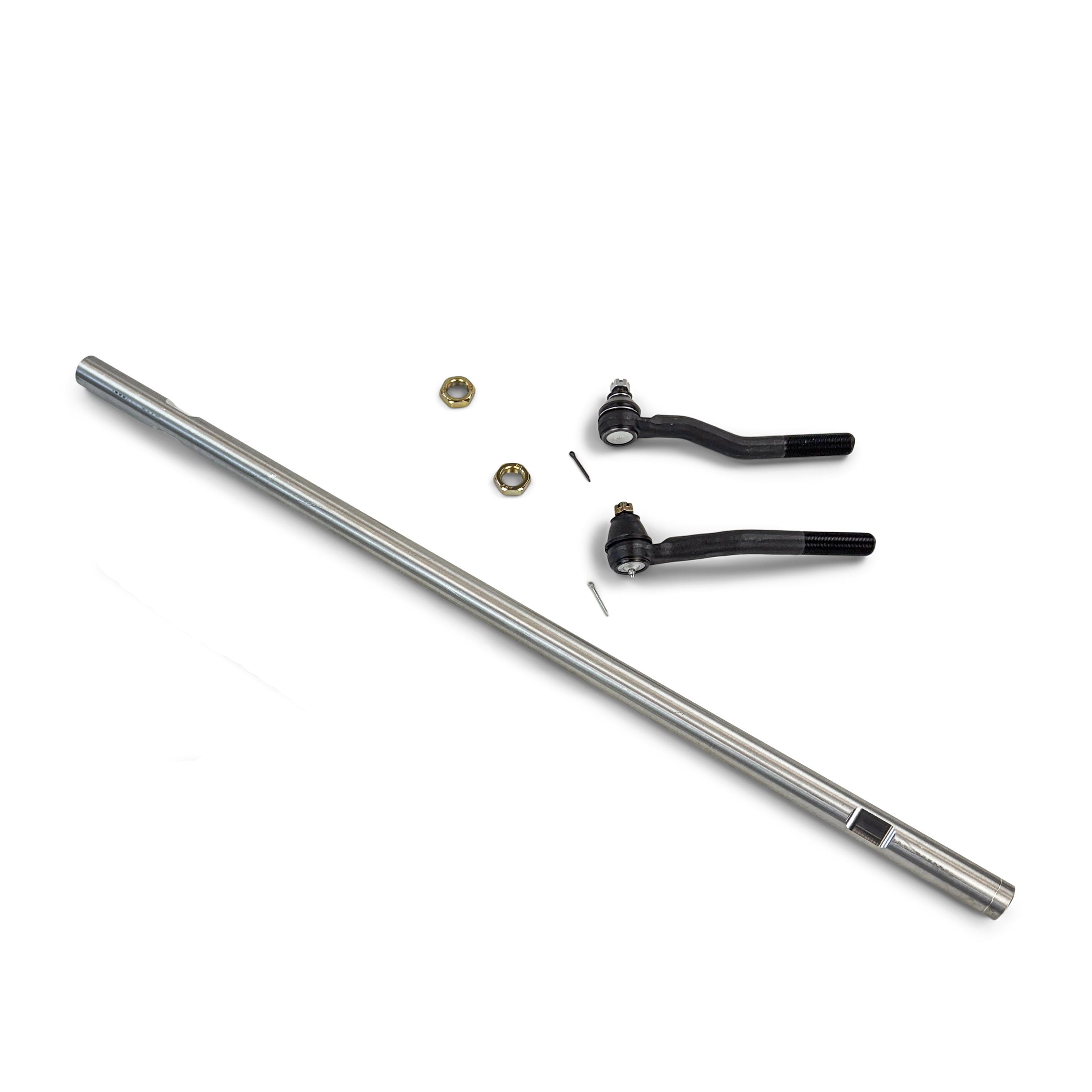
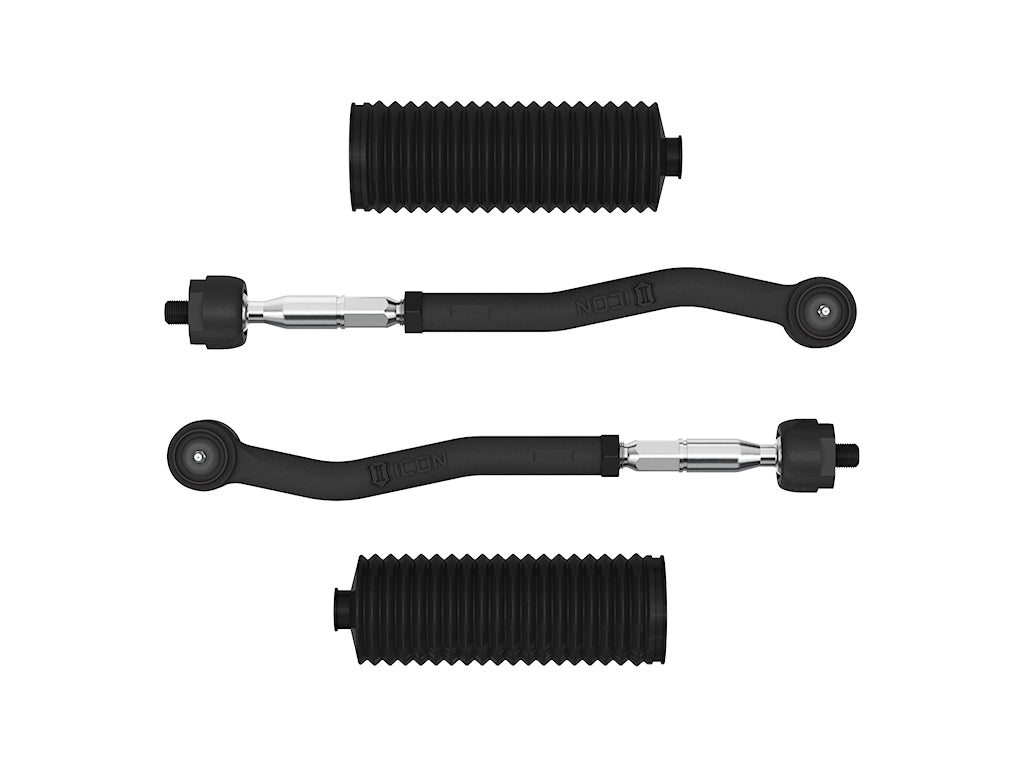
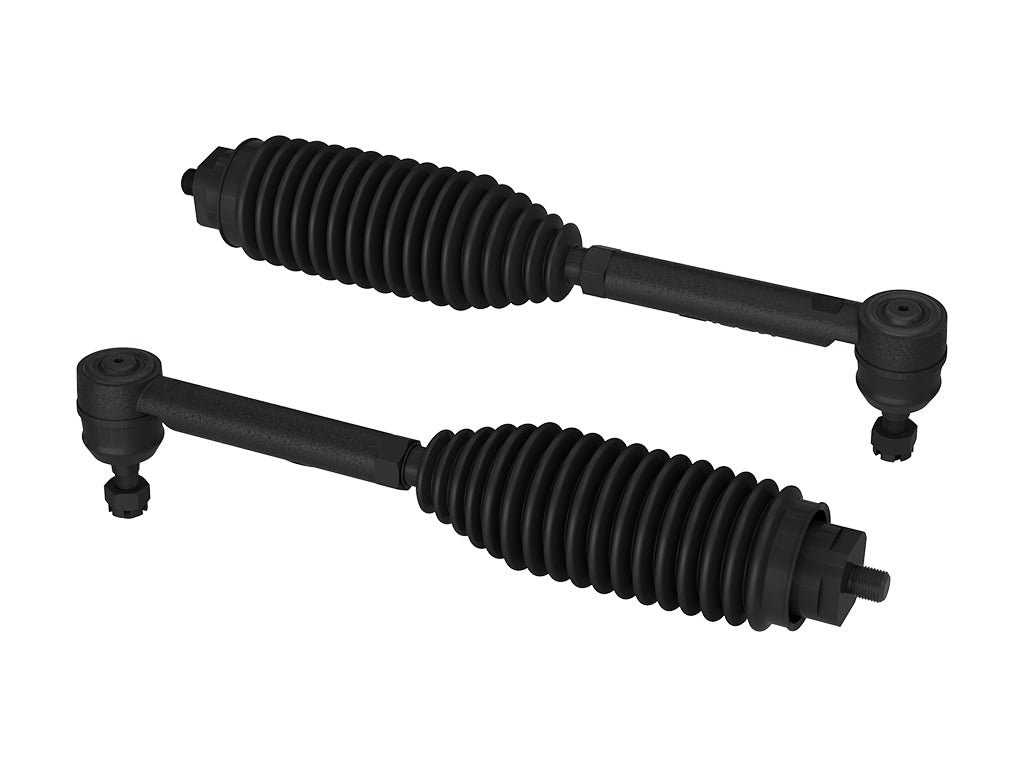
Tie rods are the last link between your steering and your tires, and on a lifted truck the factory pieces are often the weak point. This is the full tie rod catalog: heavy-duty and high-clearance tie rods that resist bending under big tires and hard hits. A bent tie rod means bump-steer, ruined toe, and chewed tires. Diagnose the whole linkage from the Off-Road Steering Components range. Filter by year, make, and model.




Tie Rods FAQs
Do I need heavy-duty tie rods after a lift?
If you run larger tires or wheel hard, yes — factory tie rods are a known bend point on lifted trucks. The added leverage from bigger tires and steeper steering angles overloads the stock rod, and a bend instantly ruins toe and steering feel. High-clearance heavy-duty tie rods resist that, and on many Tacoma and 4Runner builds they're one of the first steering upgrades people make.
What are the symptoms of a bad tie rod end?
Loose or clunky steering, wandering, and uneven tire wear on the inner or outer edge are the classic signs. A worn tie rod end has play you can feel by rocking the wheel or prying the joint, and it will fail an alignment because toe won't hold. Because it's a steering-critical part, replace a worn tie rod end promptly rather than waiting.
Do new tie rods need an alignment?
Yes — always align after replacing tie rods, since they set the toe. Installing a tie rod changes the adjustment, and driving on incorrect toe scrubs tires fast and makes the truck dart. Set toe to spec, and on a lifted truck have the whole front end aligned together. Budget for the alignment as part of the job, not an optional extra.
