





Coolers
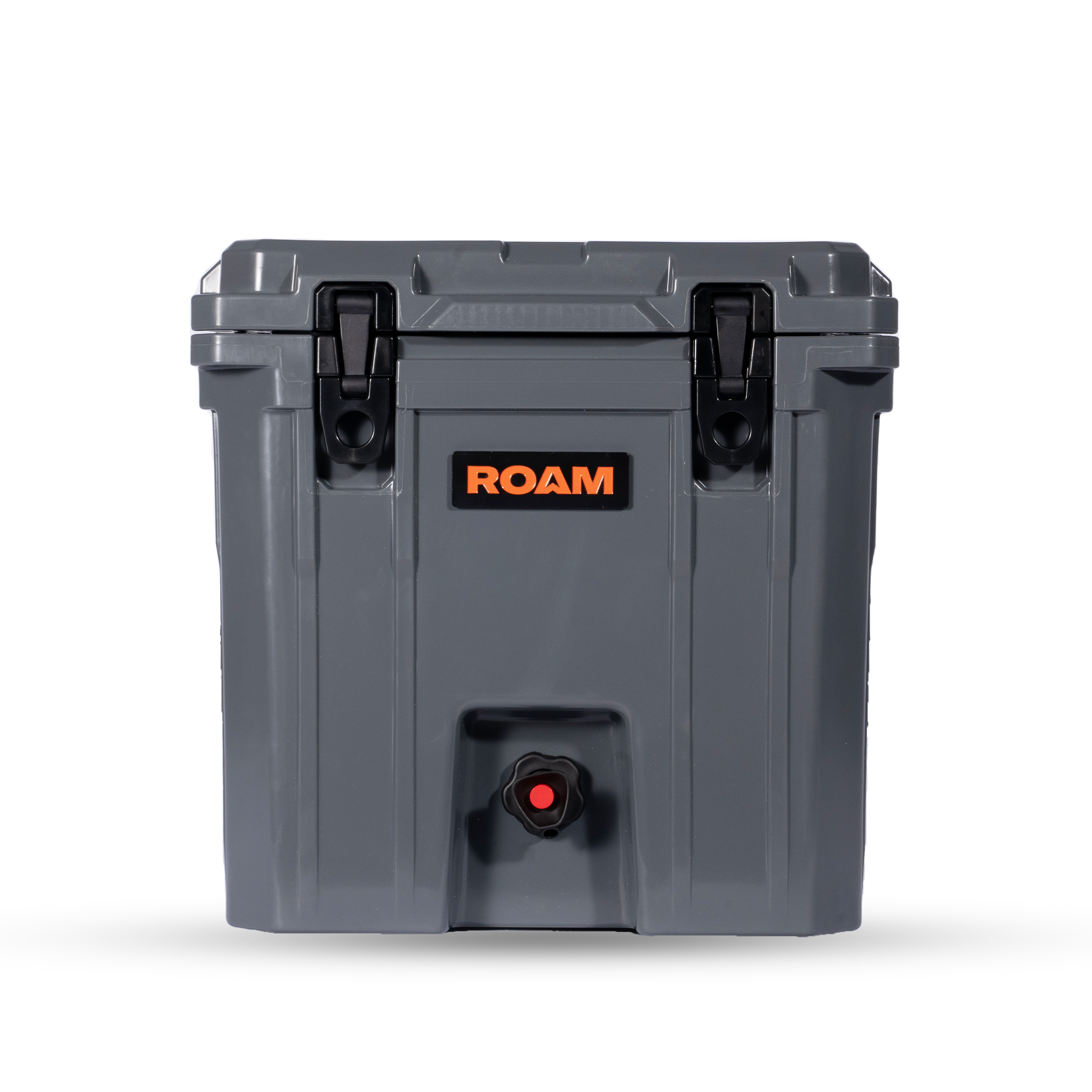
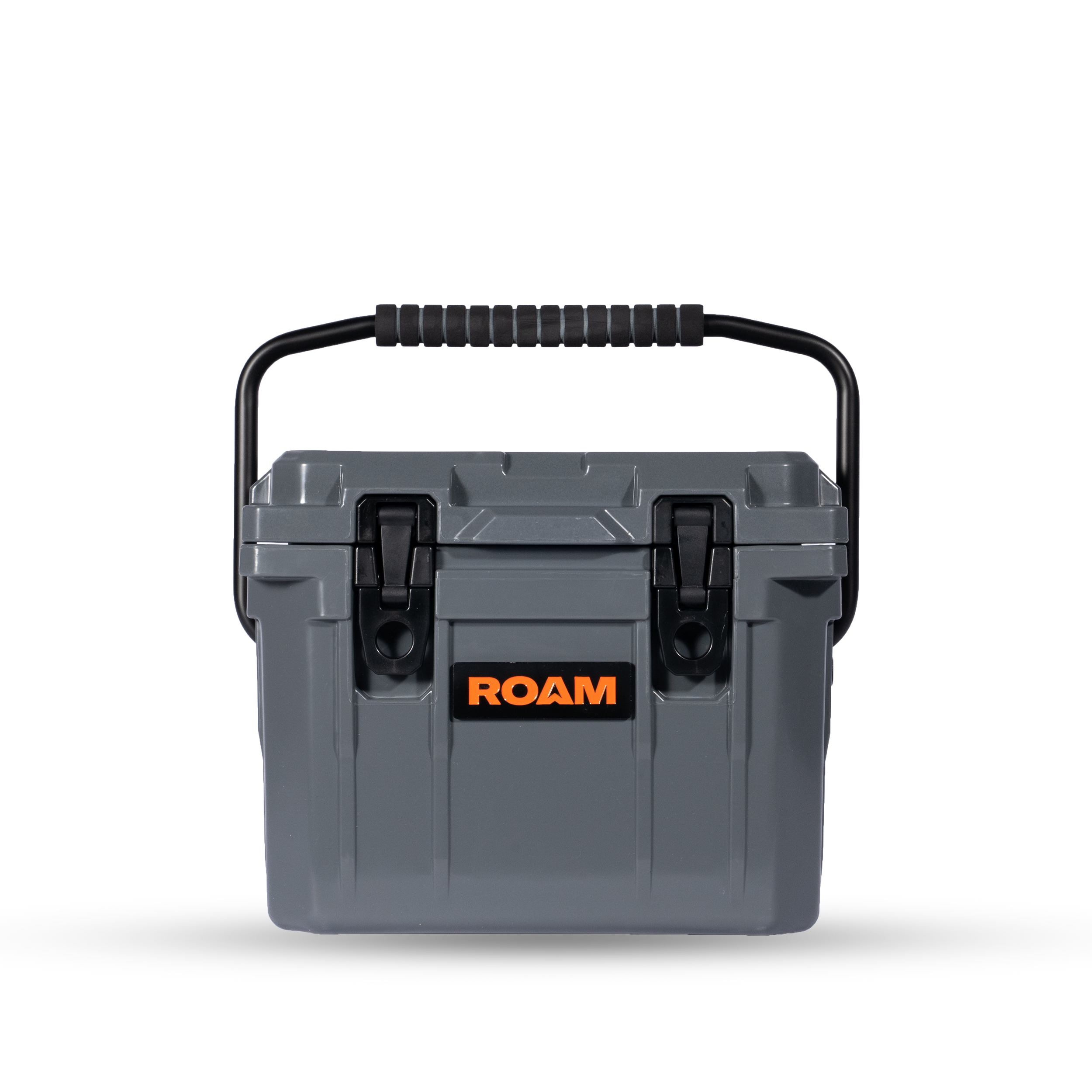
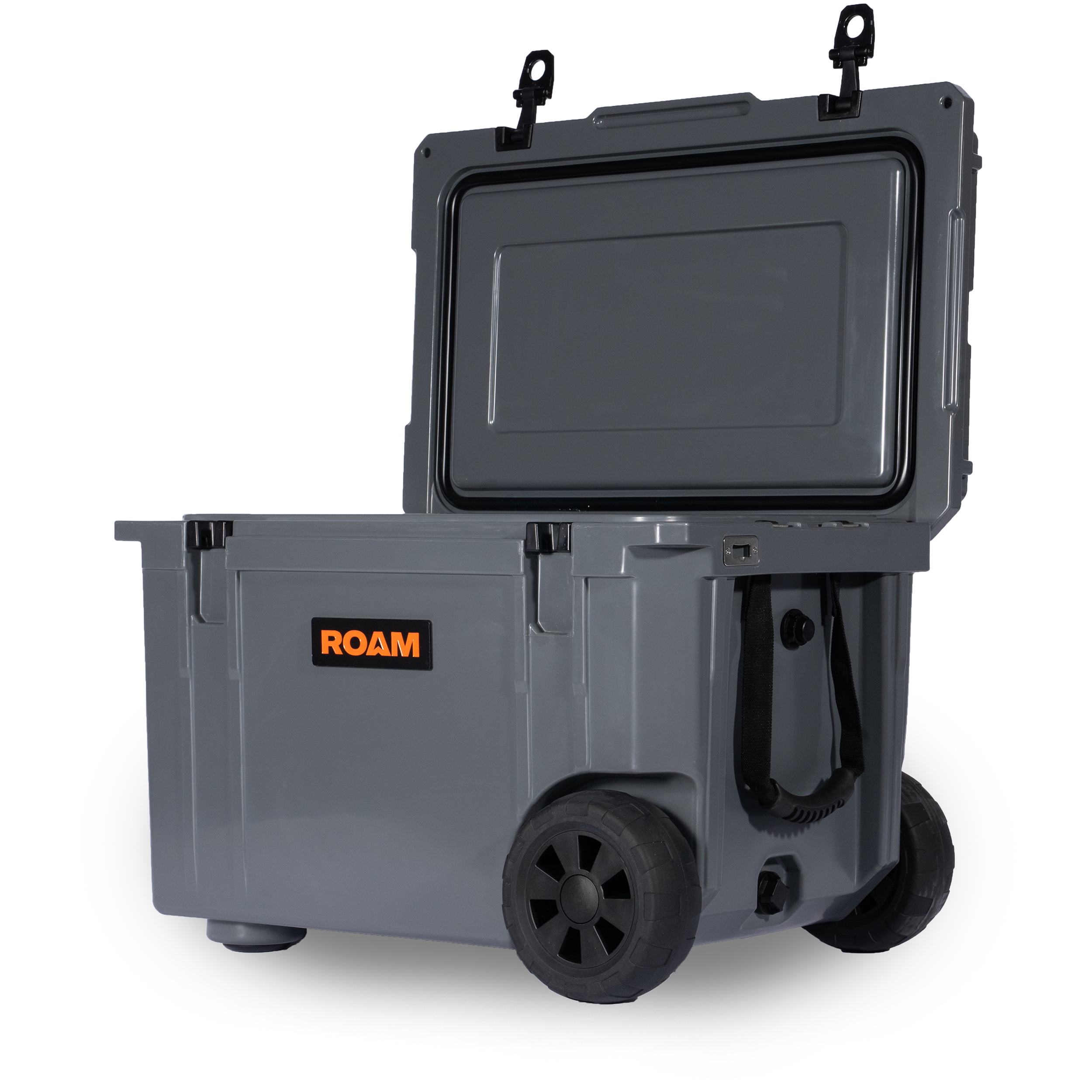
Ice done right still covers a lot of trips, and these ten coolers are the ones we'd load ourselves: insulation that holds through a summer weekend, hardware that survives years of tailgates, and shapes that tie down properly instead of skating across a truck bed. No wiring, no battery math — pre-chill it, pack it full, and keep it shaded. If it needs to share space with a fridge or a drawer system, ask us and we'll talk placement.




Coolers FAQs
How do I make ice last longer on a trip?
Start cold: pre-chill the cooler overnight and load pre-chilled or frozen contents, because a warm box burns its first ice just cooling itself. Use block ice over cubes, keep the cooler full, park it in shade, and ration how often the lid opens. Done consistently, that routine roughly doubles real-world ice life compared to tossing warm drinks onto a bag of gas-station cubes.
What actually separates a premium cooler from a cheap one?
Insulation thickness, a lid gasket that seals, and hardware that doesn't die — hinges, latches, and drain plugs are where cheap coolers fail first. Premium boxes hold ice for days instead of hours, partly through thicker walls and mostly through that seal. The tradeoff is honest: they're heavier and cost more, and if your trips are single overnights, a modest cooler used with good technique closes most of the gap.
How big a cooler do I need for a weekend versus a week?
Bigger than the food math suggests, because ice claims roughly a third of the space on longer trips. A weekend for two fits comfortably in a mid-size box; a week or a full crew pushes you toward the large sizes or a second cooler that splits drinks from food. Mind the loaded weight, too — water and ice add up fast, and the biggest cooler is useless if one person can't move it.
How do I keep food from ending up soaked in meltwater?
Waterproof the food, not the cooler: sealed containers and heavy zip-top bags make meltwater a non-issue, and cold water actually preserves the remaining ice better than constant draining does. Keep meat sealed and on the bottom where it's coldest, and repack anything in cardboard before it goes in. Drain when the water gets warm or in the way — not on a schedule.
How should I clean and store a cooler so it doesn't grow a smell?
Wash it out promptly, rinse with a mild bleach solution if anything funky rode home, and — the part everyone skips — dry it completely and store it with the lid cracked open. A sealed, damp cooler grows mildew in weeks, and the gasket holds the smell forever. Baking soda handles most odors that get established; sunlight helps with the stubborn ones.
