Need Help? Contact us at support@nvmos.com | (920) 249-7744

Crossmembers

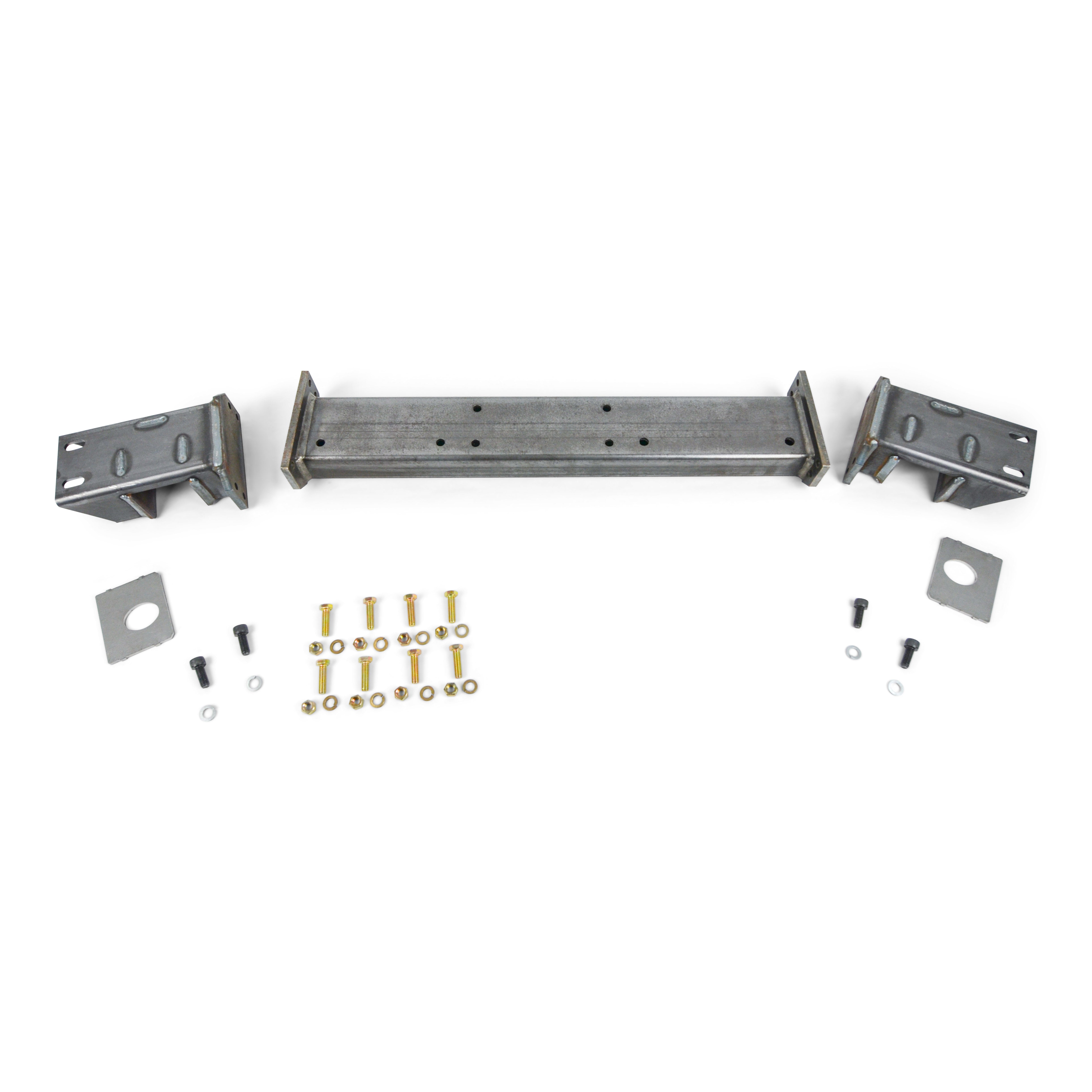
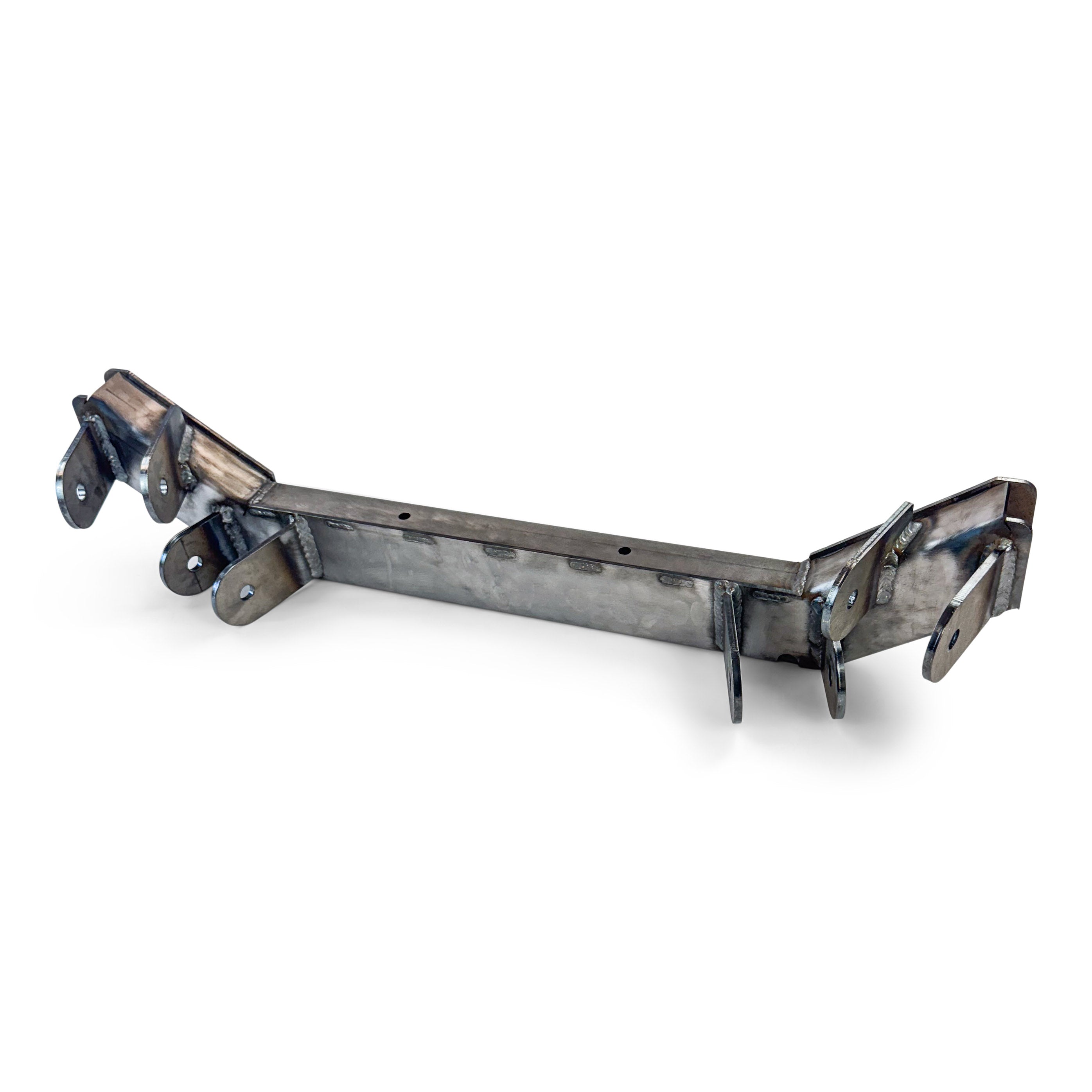
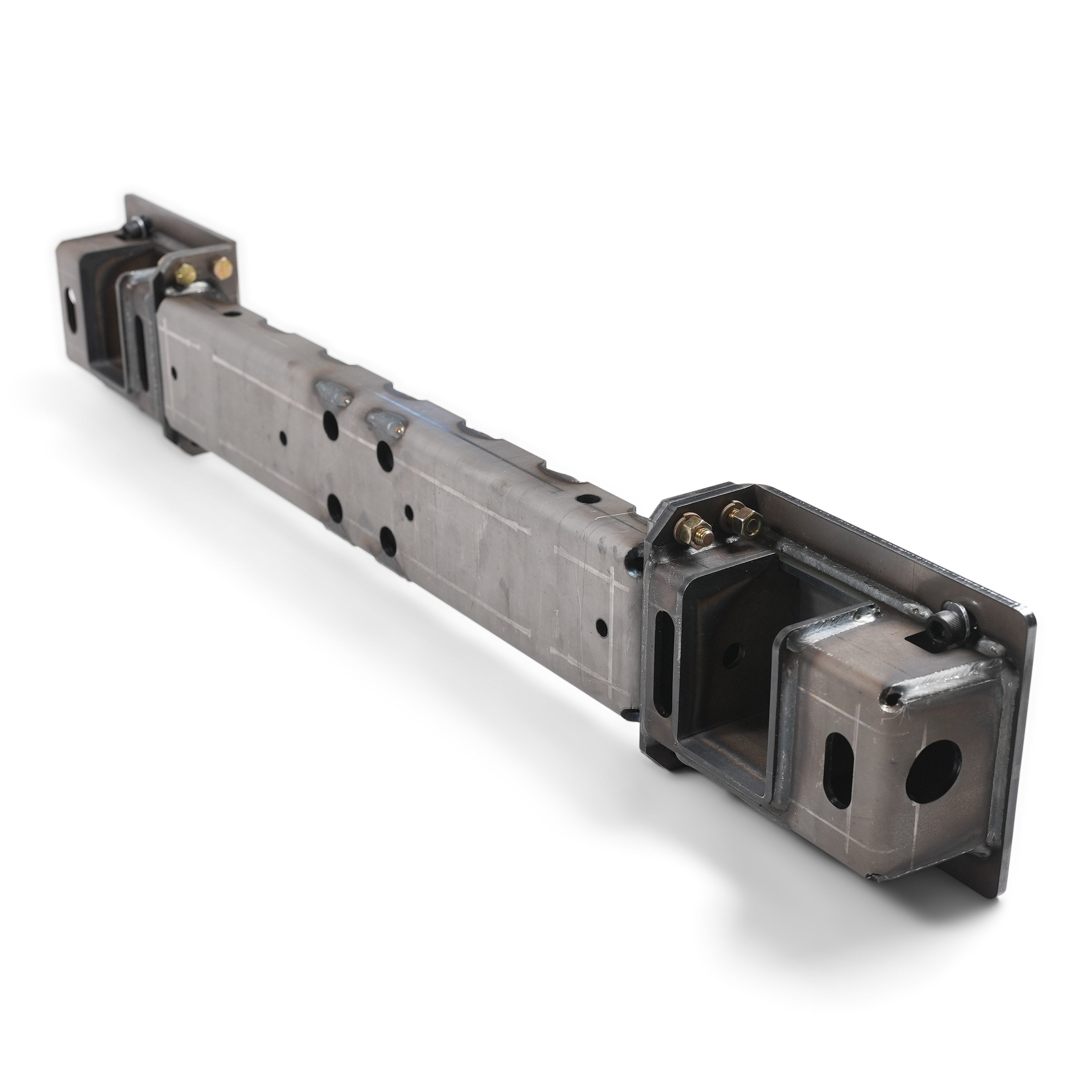
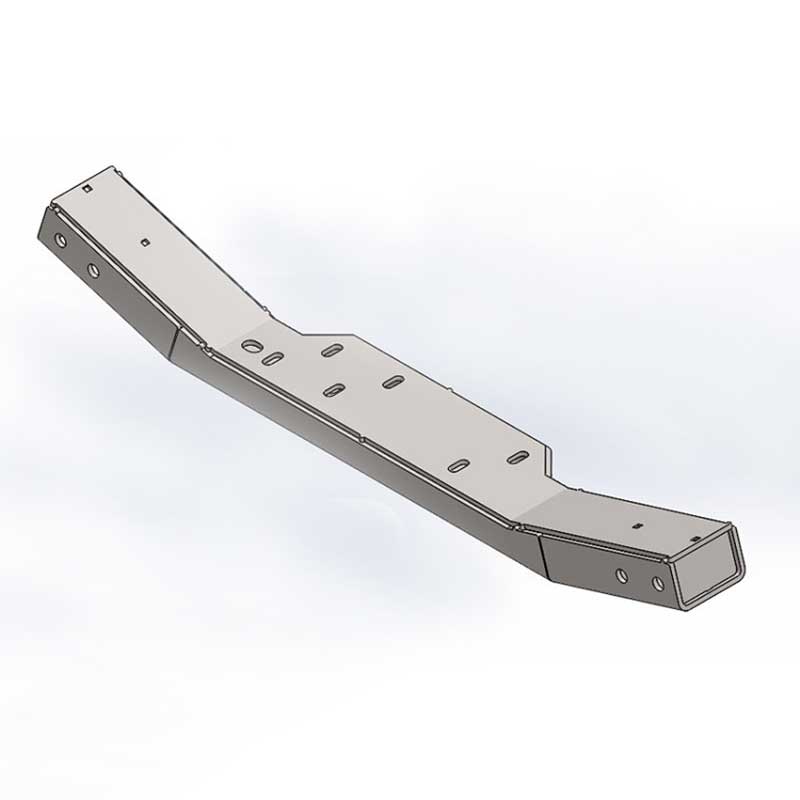
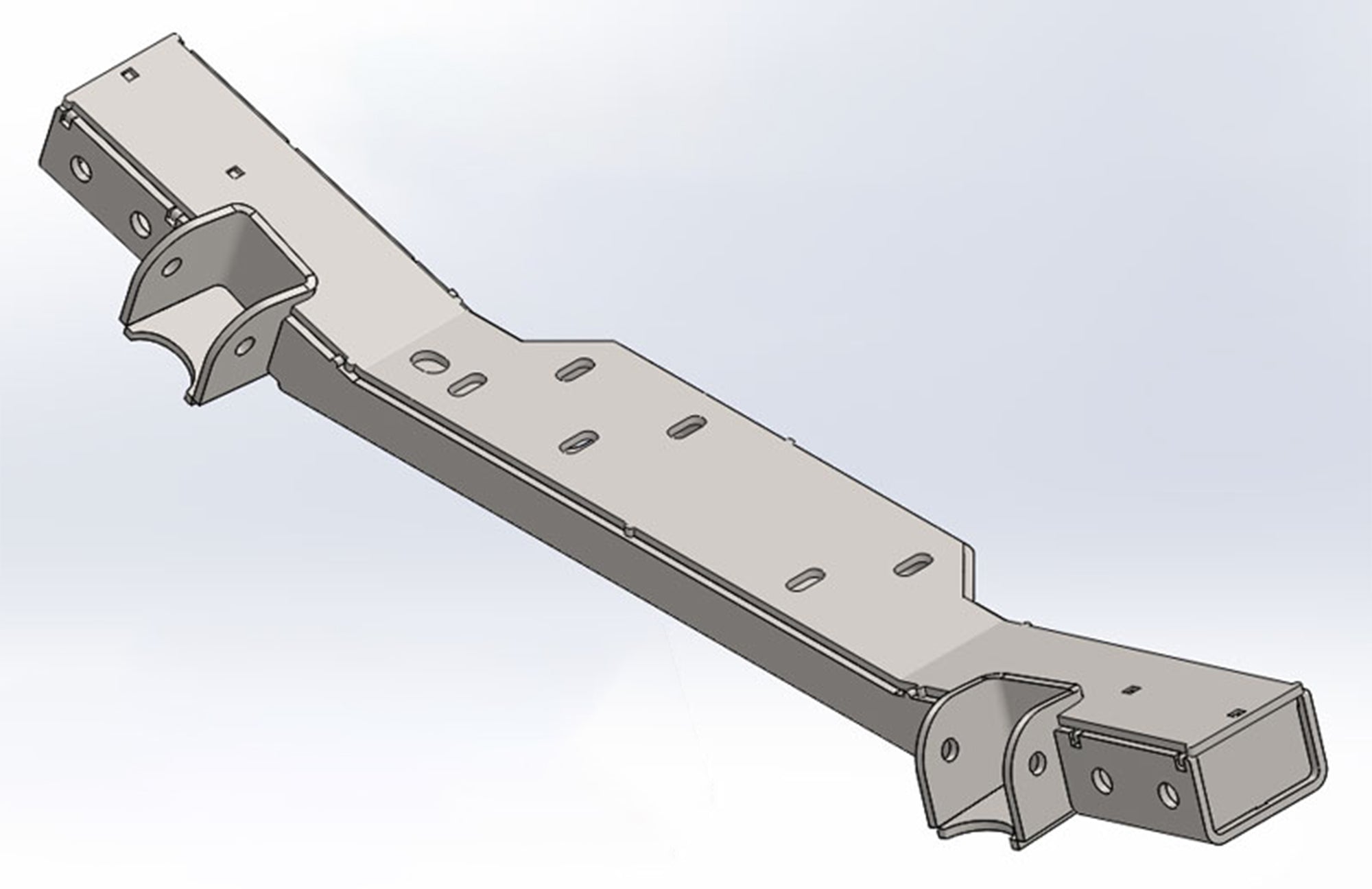
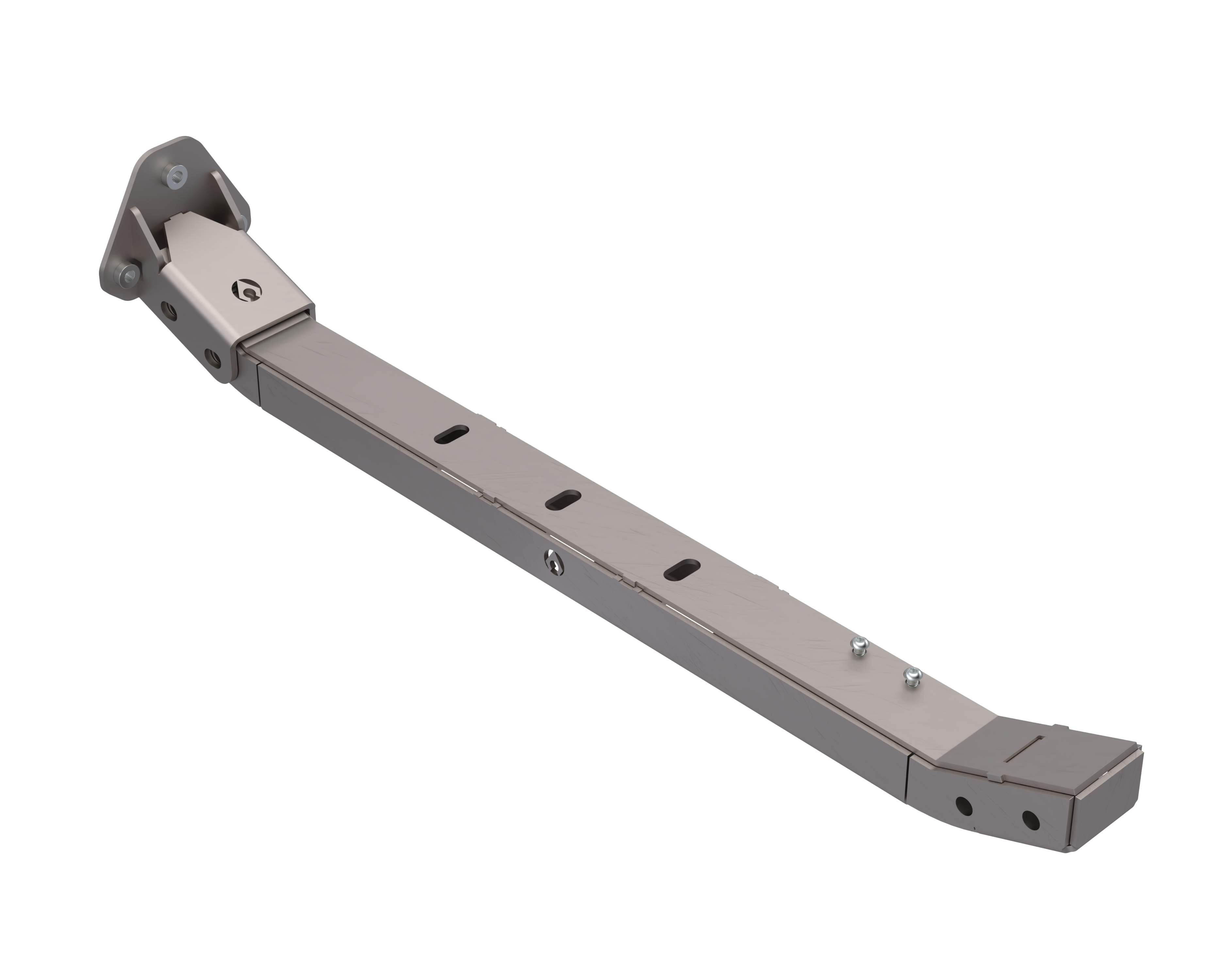
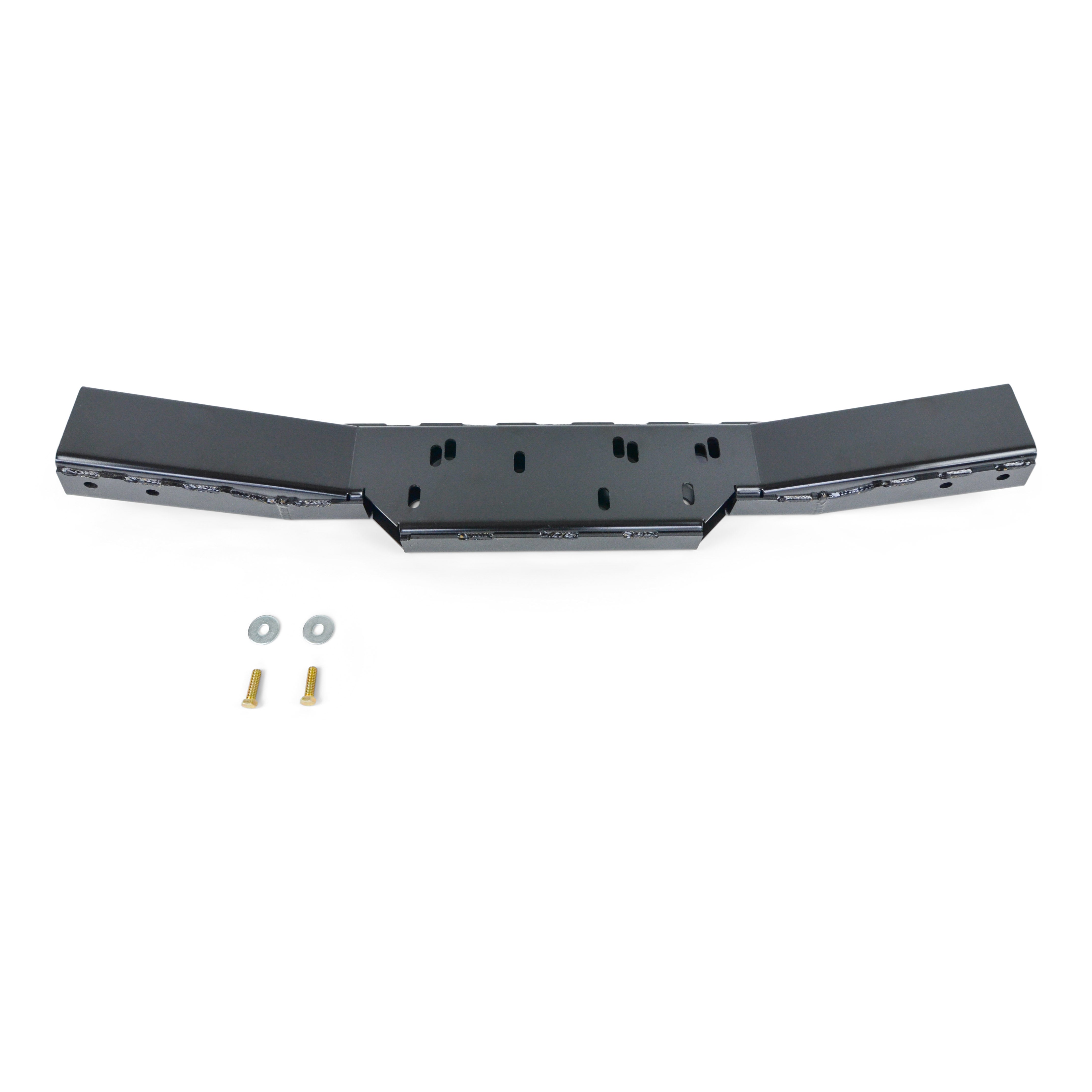
A transmission crossmember is the lowest bolt-on structure under most trucks, which is exactly why it's usually the first thing to hit rock. This is a small, deliberate collection — high-clearance and heavy-duty replacements for the stamped factory piece, filtered by year, make, and model so you're only looking at parts that bolt to your frame. If you're building toward a flat belly or just tired of hanging up on ledges, start here.
Why the factory crossmember is the weak point

The factory transmission crossmember on most trucks is stamped steel, shaped for the assembly line rather than for ground clearance. It hangs below the frame rails, catches ledges, and folds when it takes a real hit — and since it carries the transmission mount, a folded crossmember is not a trail fix. The replacements here, from builders like Artec Industries and Clayton Off Road, do two things: tuck the lowest point up toward the frame, and swap thin stamping for plate steel that slides over rock instead of snagging on it.

How to choose the right one

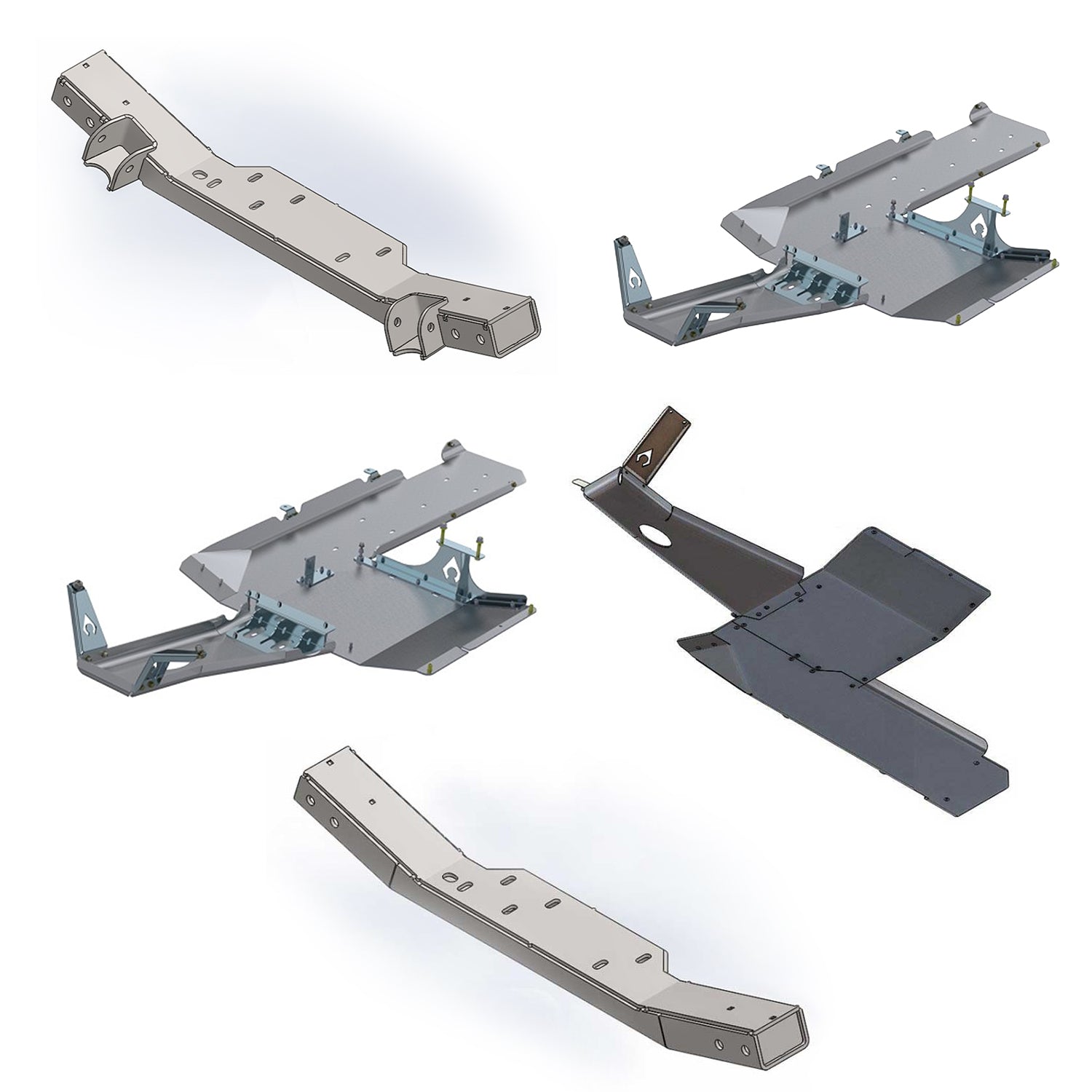
Start with the year, make, and model filter — crossmembers are frame- and drivetrain-specific, and the same truck can need a different part depending on its engine and transmission combination. Then think about the rest of the underbody. If a full skid system is in your plans, choose the crossmember those skids are designed around; high-clearance crossmembers and flat-belly protection are usually engineered as a pair, and mixing designs is how you end up drilling new holes from a creeper. It's the same logic that runs through our whole drivetrain lineup: parts that were meant to work together, do.

What it costs you

The honest tradeoffs: plate steel weighs more than the stamping it replaces, and some high-clearance designs raise the transmission slightly, which can change driveline angles — worth checking if you're running a lift from our suspension range. Installation means supporting the transmission on a jack while you swap parts: a garage-floor afternoon, not a parking-lot job. If you're hardening the driveline while you're under there, axle reinforcements follow the same buy-once thinking. This is a small, focused collection, so if your Wrangler or truck runs an unusual combination, ask us before ordering rather than after.

Crossmembers FAQs

What does a high-clearance crossmember actually gain me?

It raises the lowest hard point under the middle of your vehicle and replaces stamped steel with plate that slides instead of snags. The exact gain varies by vehicle and design, but the practical difference is that ledges you used to hang up on become obstacles you skate over. It also gives skid plates a flat, strong structure to tie into.

Will a new crossmember change my transmission or driveline angles?

Sometimes, slightly. Most bolt-in replacements keep the transmission mount at factory height, but some high-clearance designs tuck the transmission up to gain clearance, which changes driveline angles by a degree or two. On a lifted rig that can actually help; on a stock-height truck it's worth reading the product notes before ordering so nothing surprises you.

Do I need a high-clearance crossmember if I already run skid plates?

They solve different problems, so possibly yes. Skid plates protect what's behind them; a crossmember is structure, and a low-hanging factory one forces the skids to hang low with it. Many flat-belly skid systems are designed around a high-clearance crossmember and won't sit flush without one. If sliding over obstacles instead of stopping on them is the goal, the crossmember is the foundation.