






Hi-Lift Jack Mounts
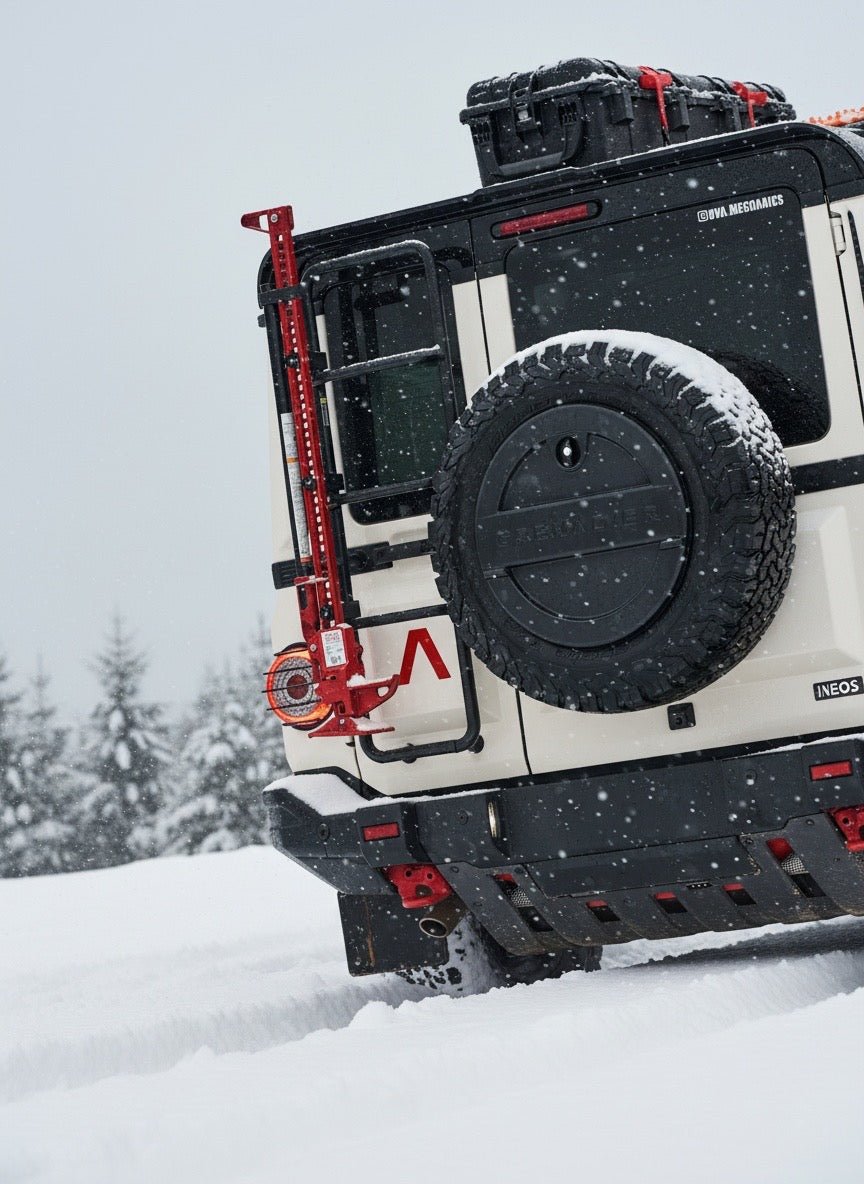
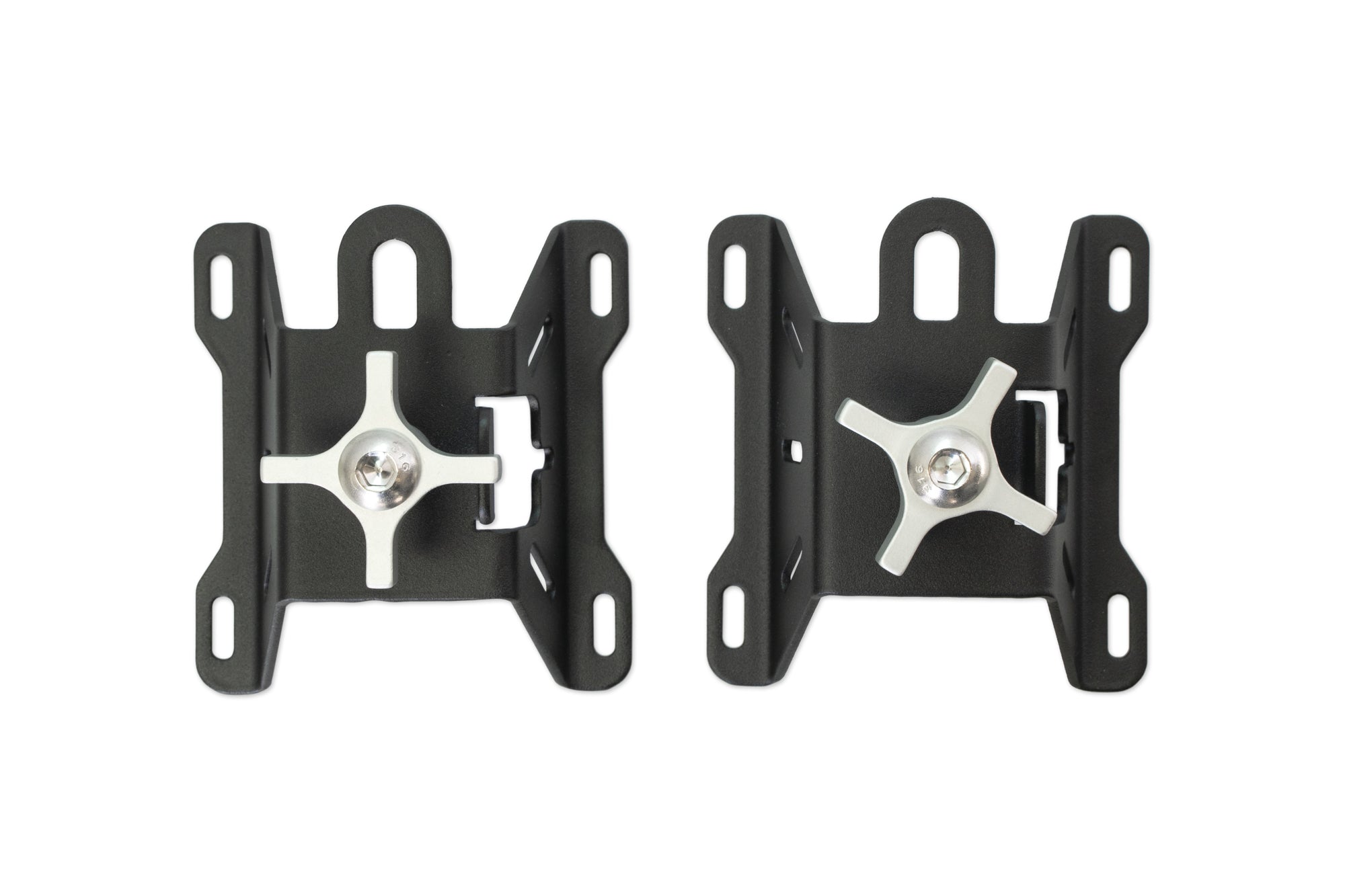
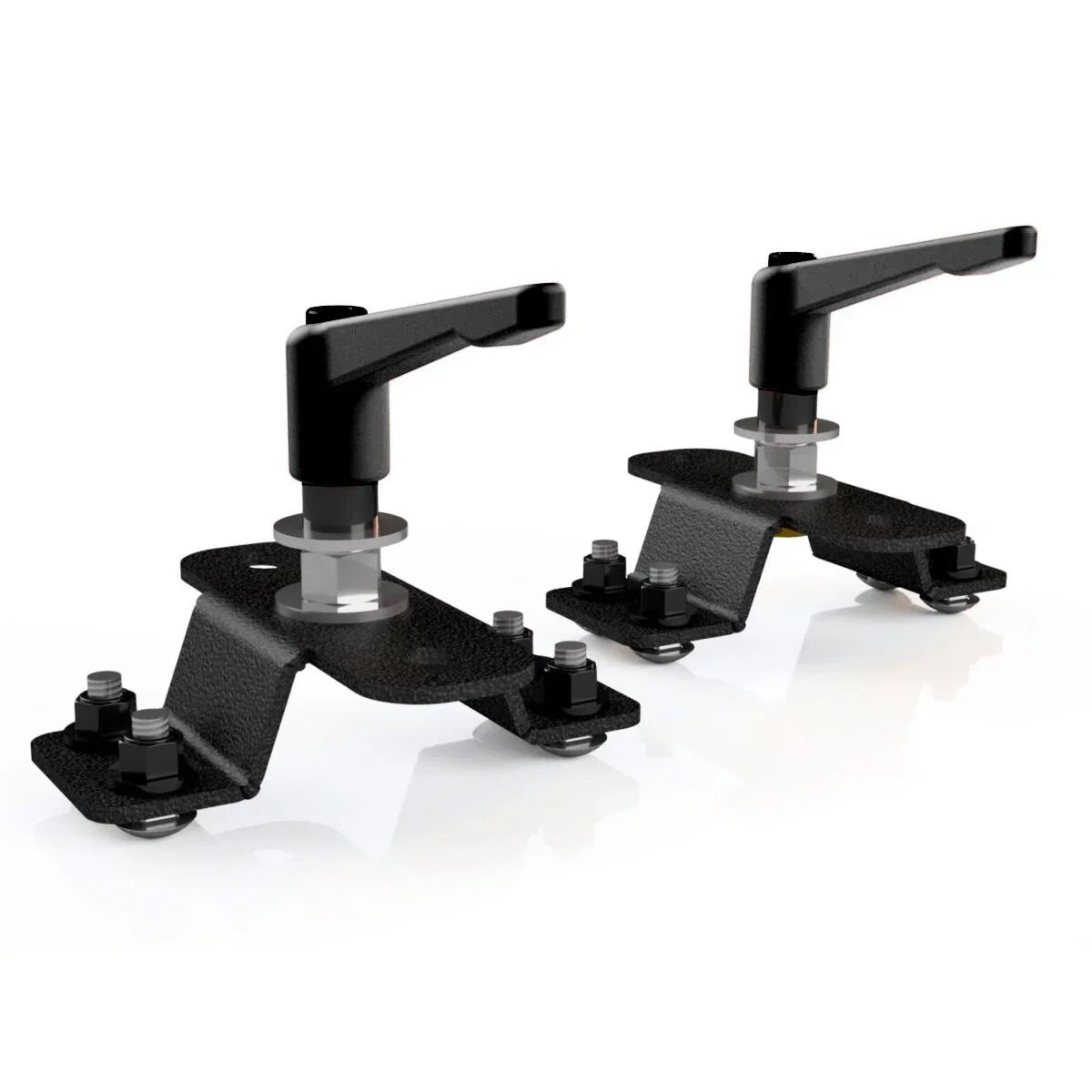
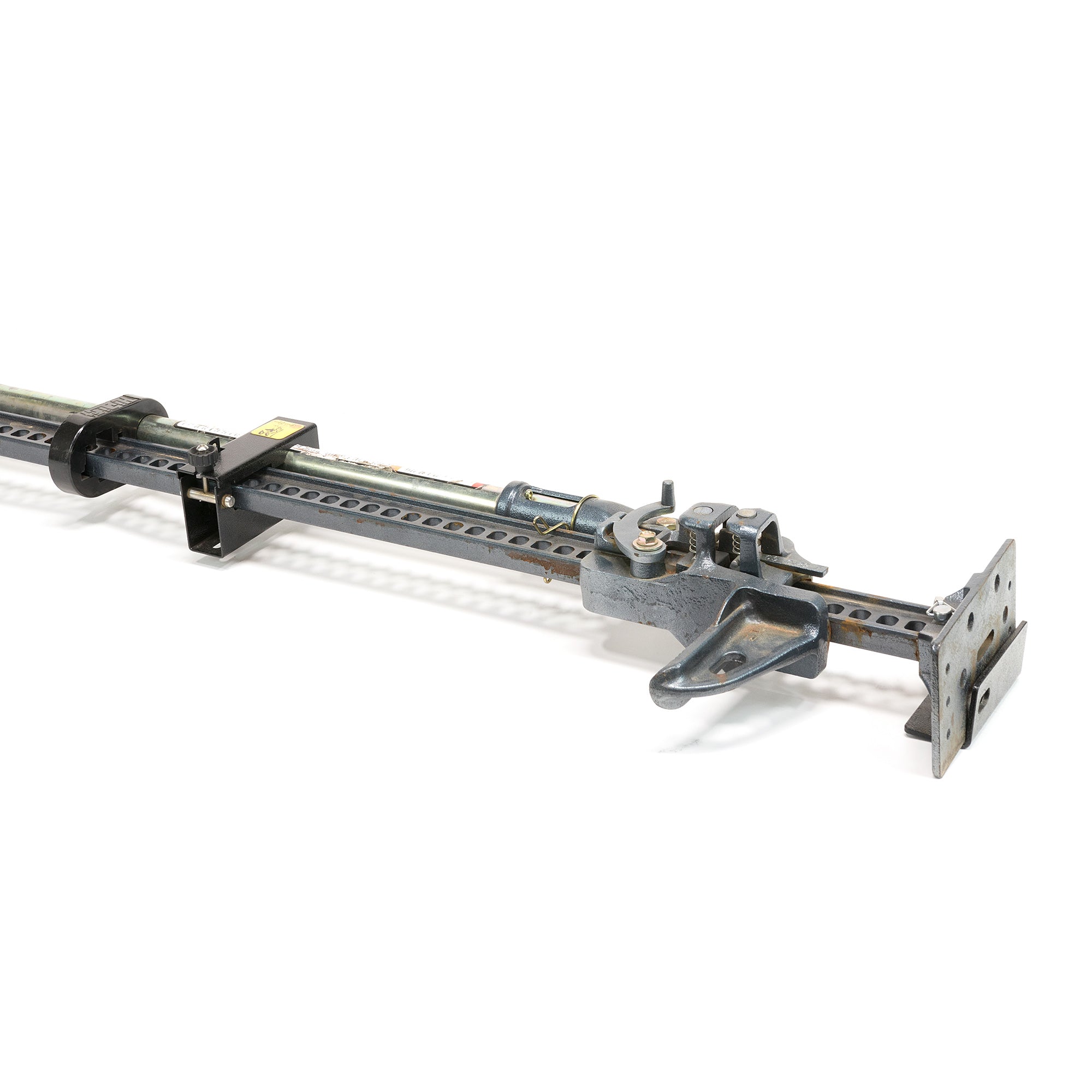
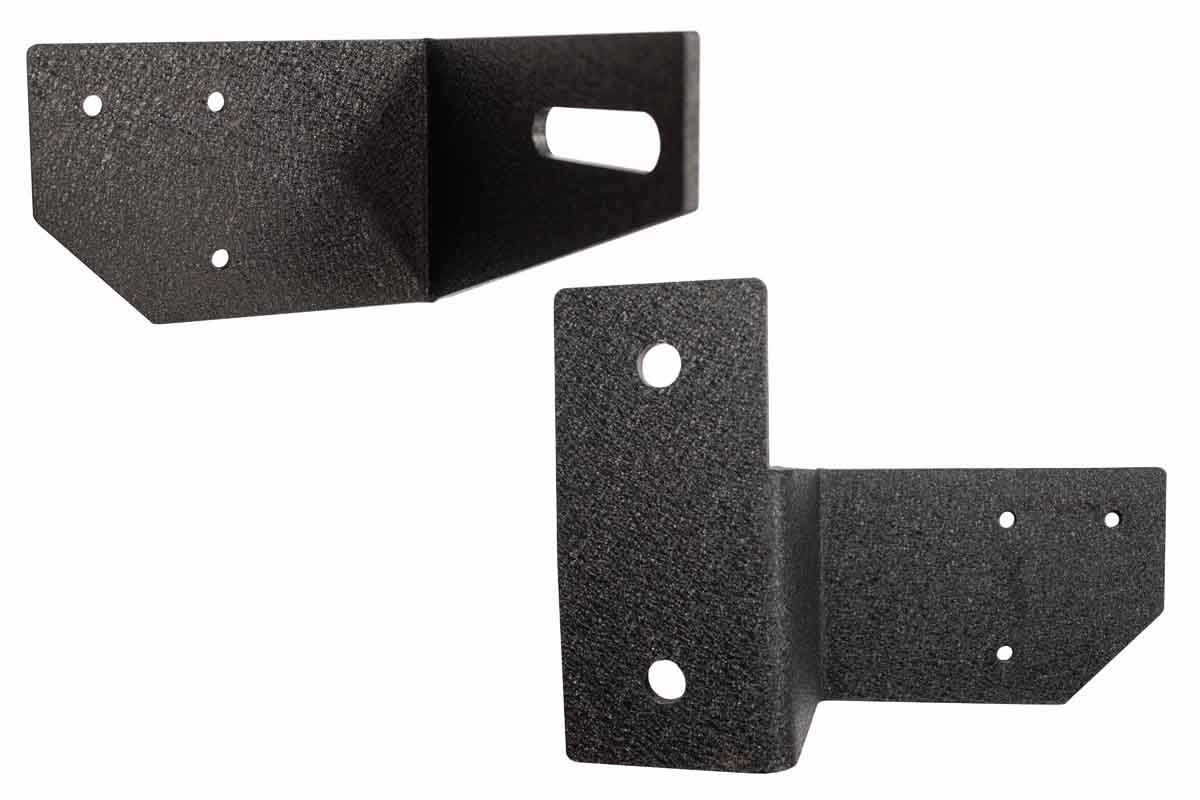
A hi-lift jack is one of the most capable recovery tools you can carry, and one of the worst things to leave loose in the truck: a long bar of heavy cast steel that becomes a projectile in a hard stop and a rattle machine on washboard. The mounts here bolt it to your roof rack, bed rack, or bumper so it rides silent and stays reachable. Filter by year, make, and model — and know which rack you run before ordering.
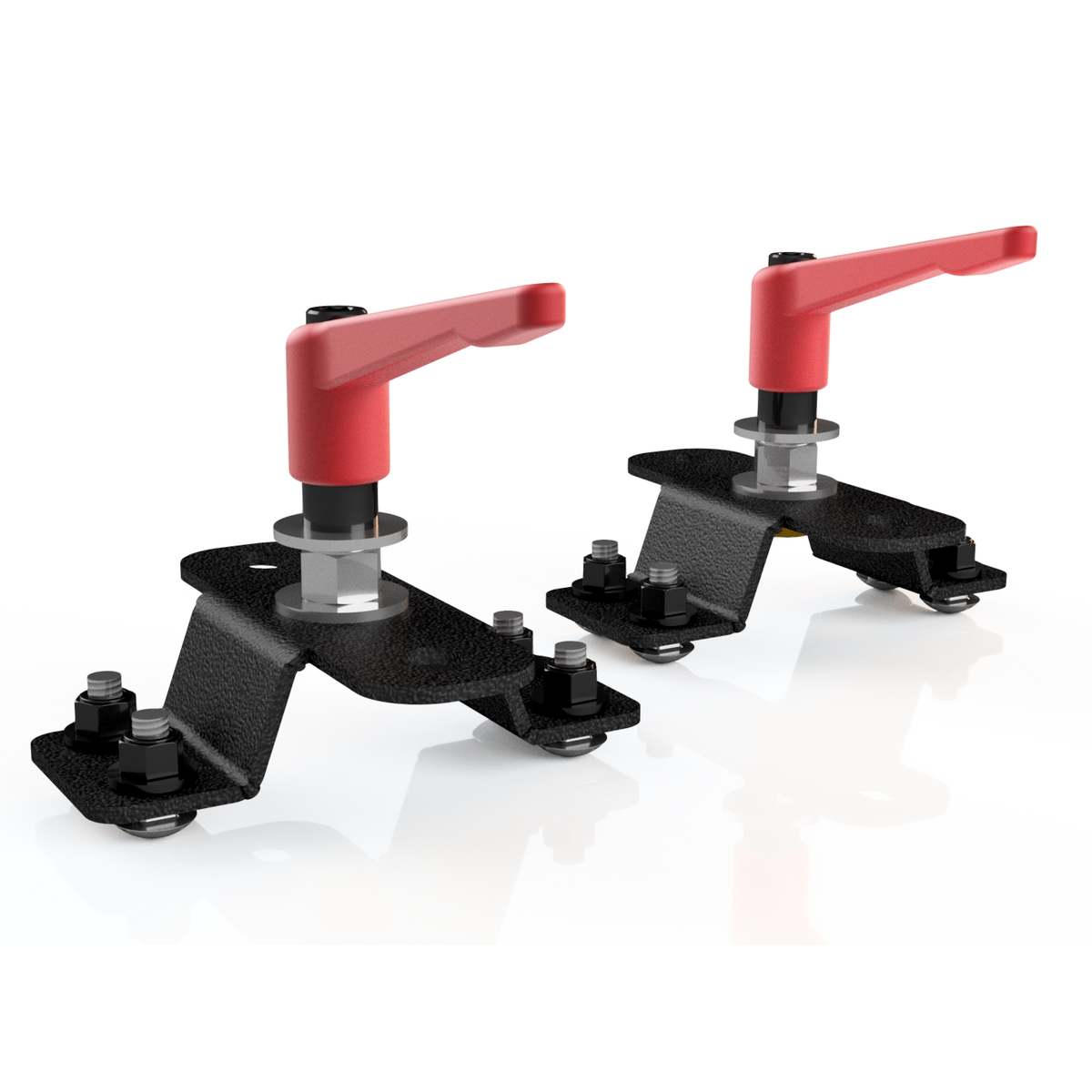
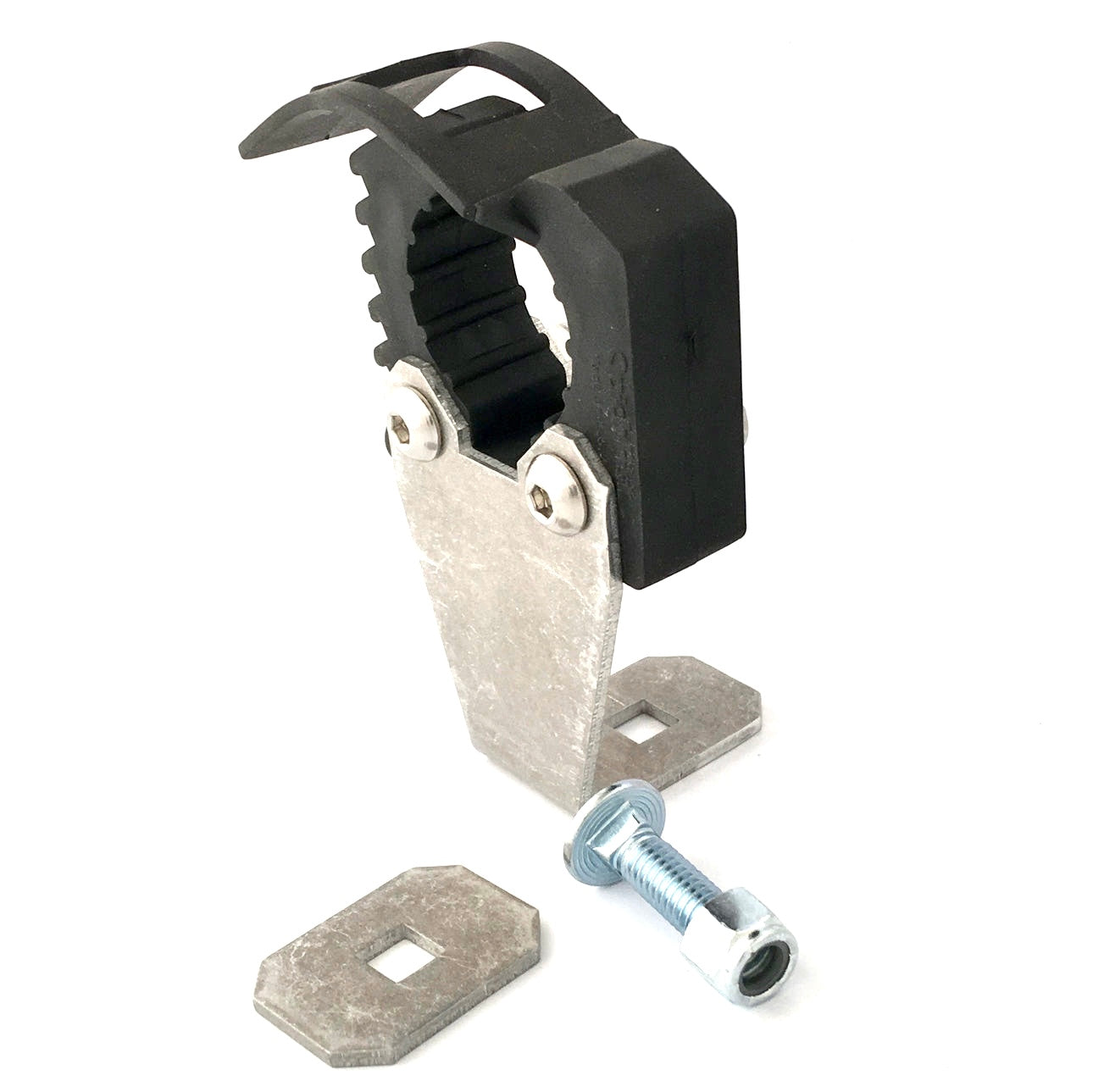
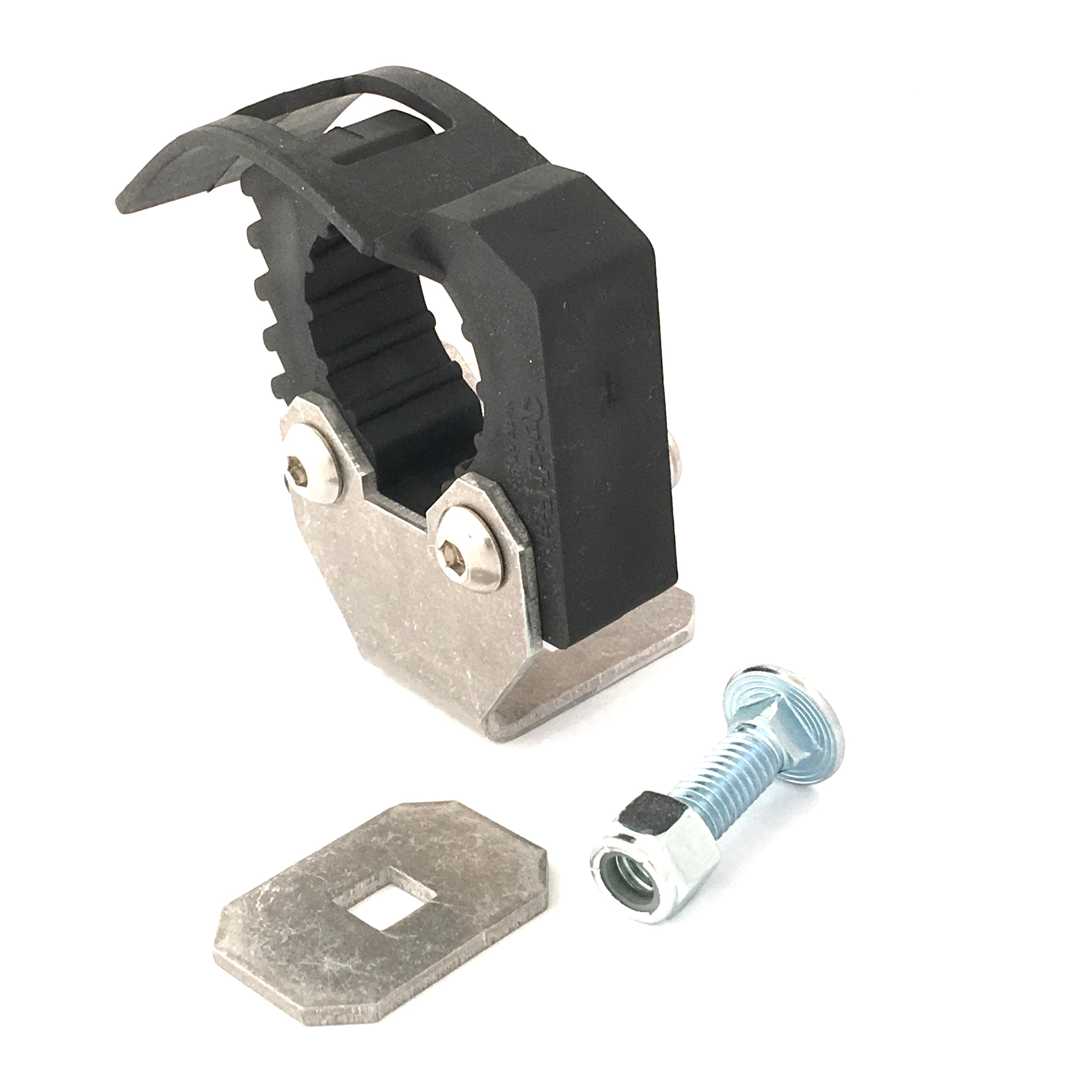


Hi-Lift Jack Mounts FAQs
Where is the best place to mount a hi-lift jack?
Wherever you can reach it with muddy hands and it can't reach you in a crash — for most builds that means the roof rack or bed rack. Roof mounting keeps the jack out of the way but adds weight up high; a bed rack splits the difference; bumper mounts are the handiest and also the most exposed to mud and road spray.
Will a mount stop my hi-lift from rattling?
Yes, if it clamps the beam at two points and captures the handle. Most hi-lift noise is the handle slapping the bar and the running gear jiggling, not the mount failing. Isolated clamps plus a handle keeper make the jack ride silent on washboard, and a cheap hook-and-loop strap around handle and beam is good insurance on top.
Do hi-lift mounts fit any roof rack?
No — most are designed for a specific slat spacing or bolt channel, so match the mount to your rack before your truck. A mount made for one rack system usually won't line up on another without drilling. Check the listing's compatibility notes alongside the year/make/model filter, and tell us which rack you run if it isn't named.
How do I keep my hi-lift from getting stolen off the truck?
Slow the thief down: choose a mount with locking knobs or a padlock provision, and accept that nothing bolted to the outside of a truck is theft-proof. Locks defeat the opportunist with two free hands, which covers most of the real-world risk. For overnight street parking in cities, the honest answer is to pull the jack and stow it inside.
How do I keep a rack-mounted jack working after months outside?
Exercise it — cycle the mechanism a foot up and down before each trip, and hit the running gear with dry lube every few outings. A jack that lives on the roof collects dust and road film that gums up the climbing pins exactly when you need them. A cover helps if the truck sits outside year-round.
