


Shackles & D-Rings
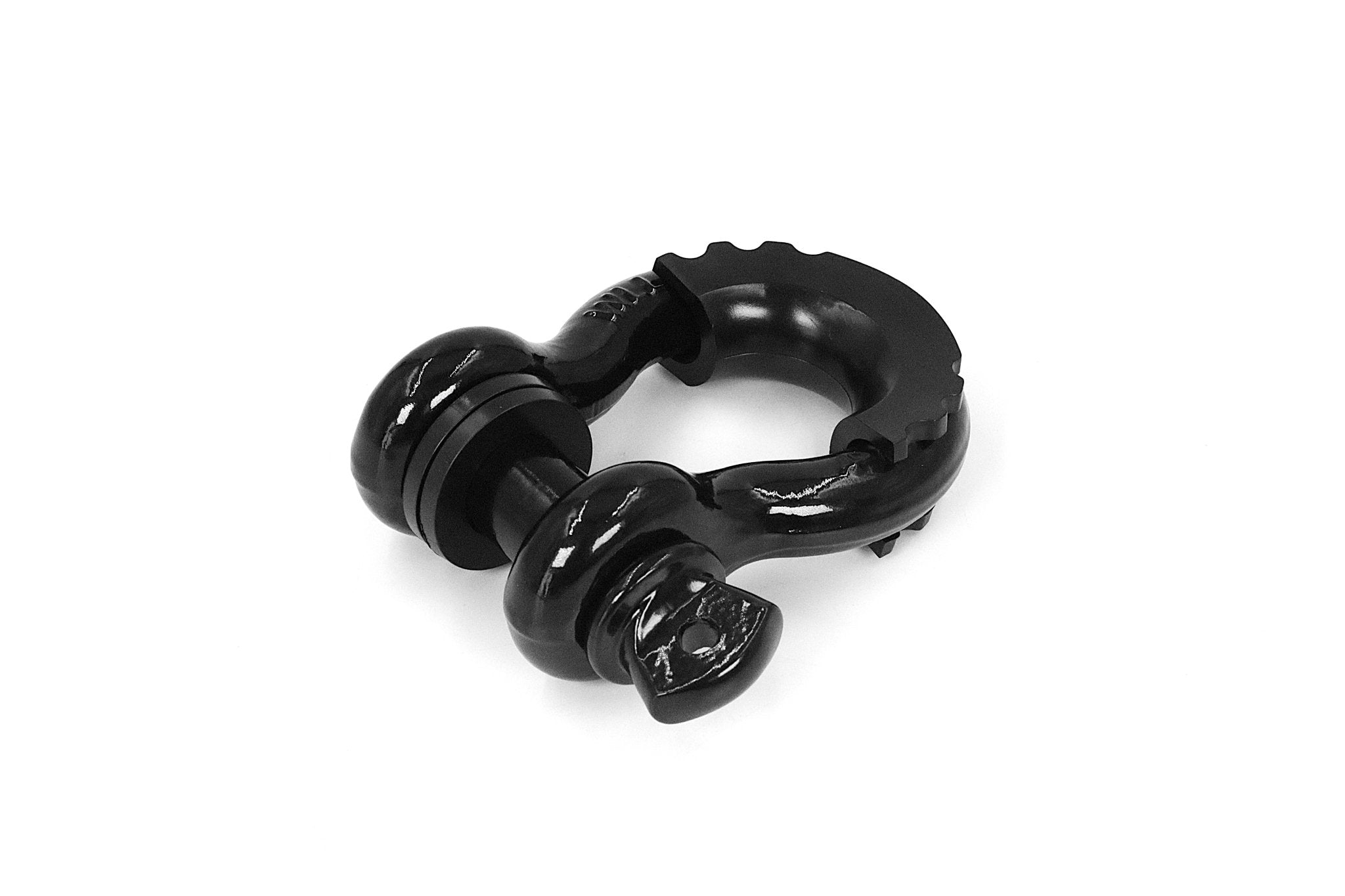
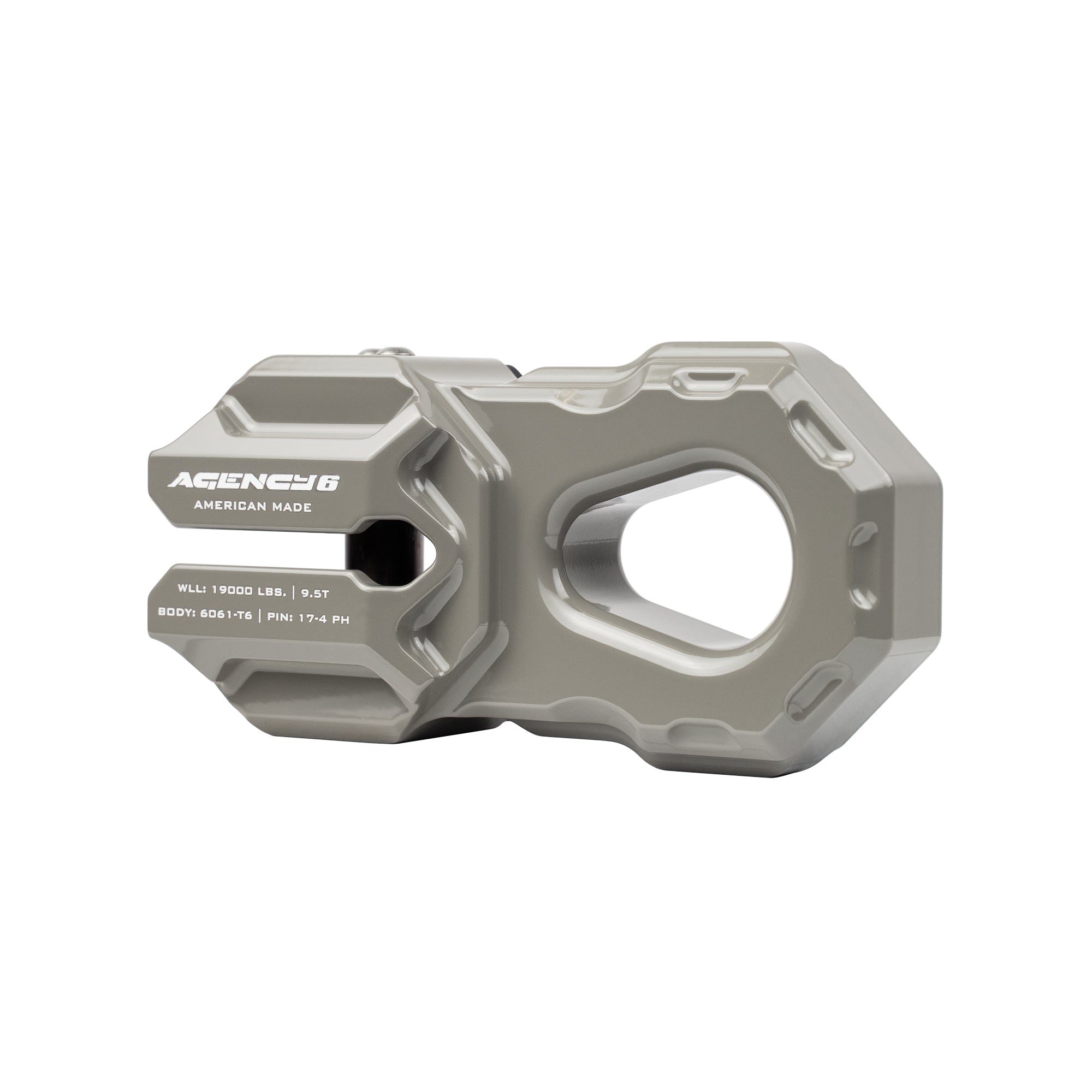
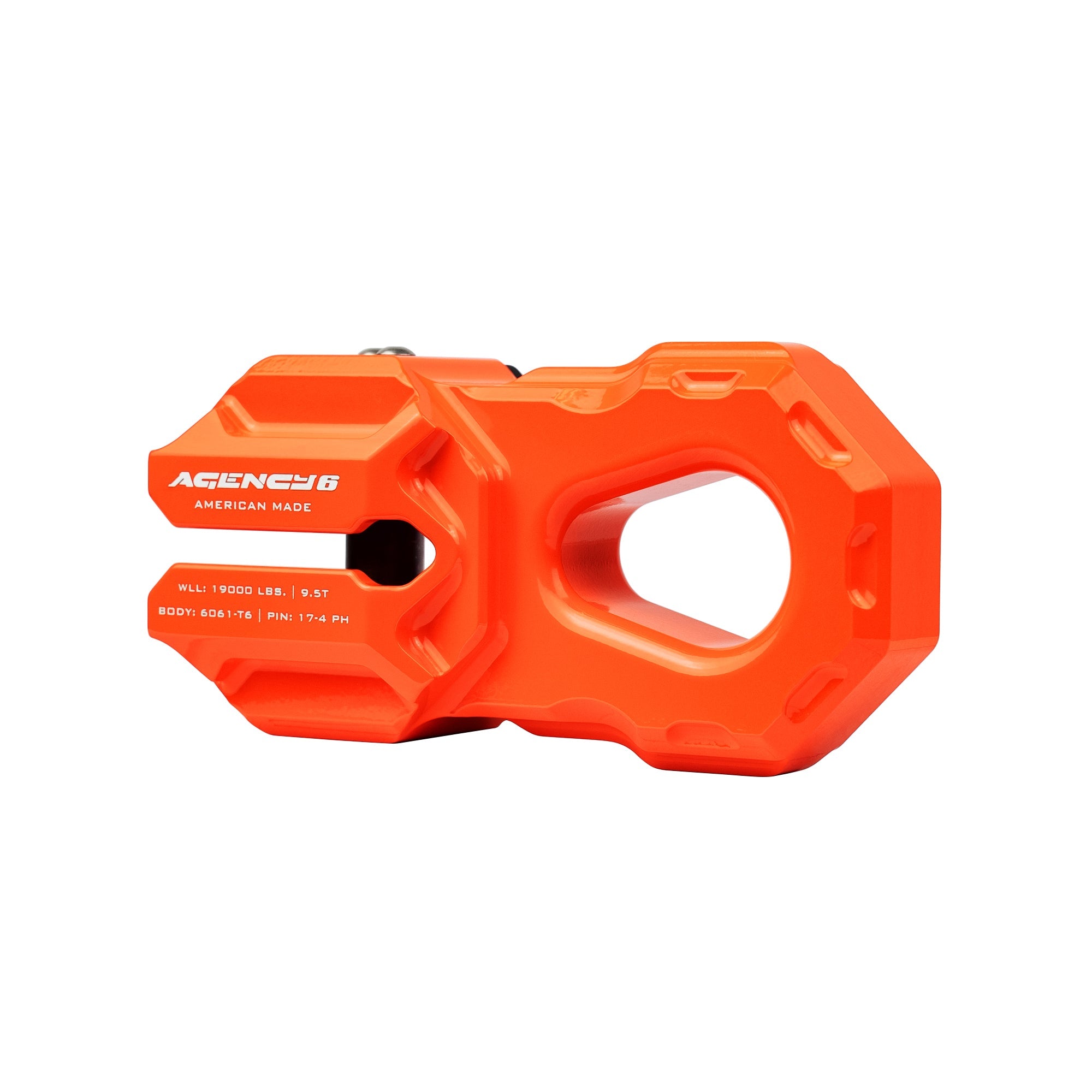
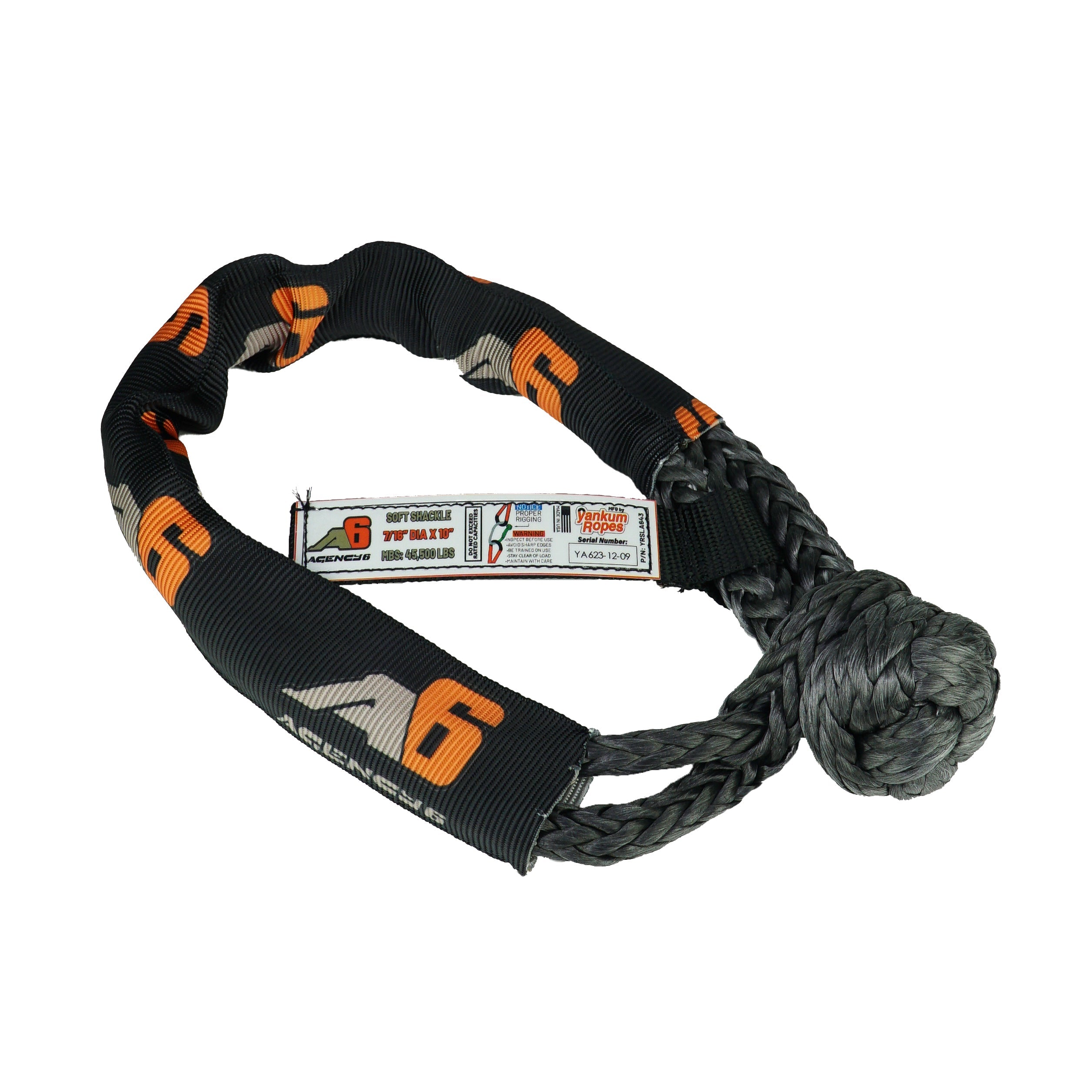
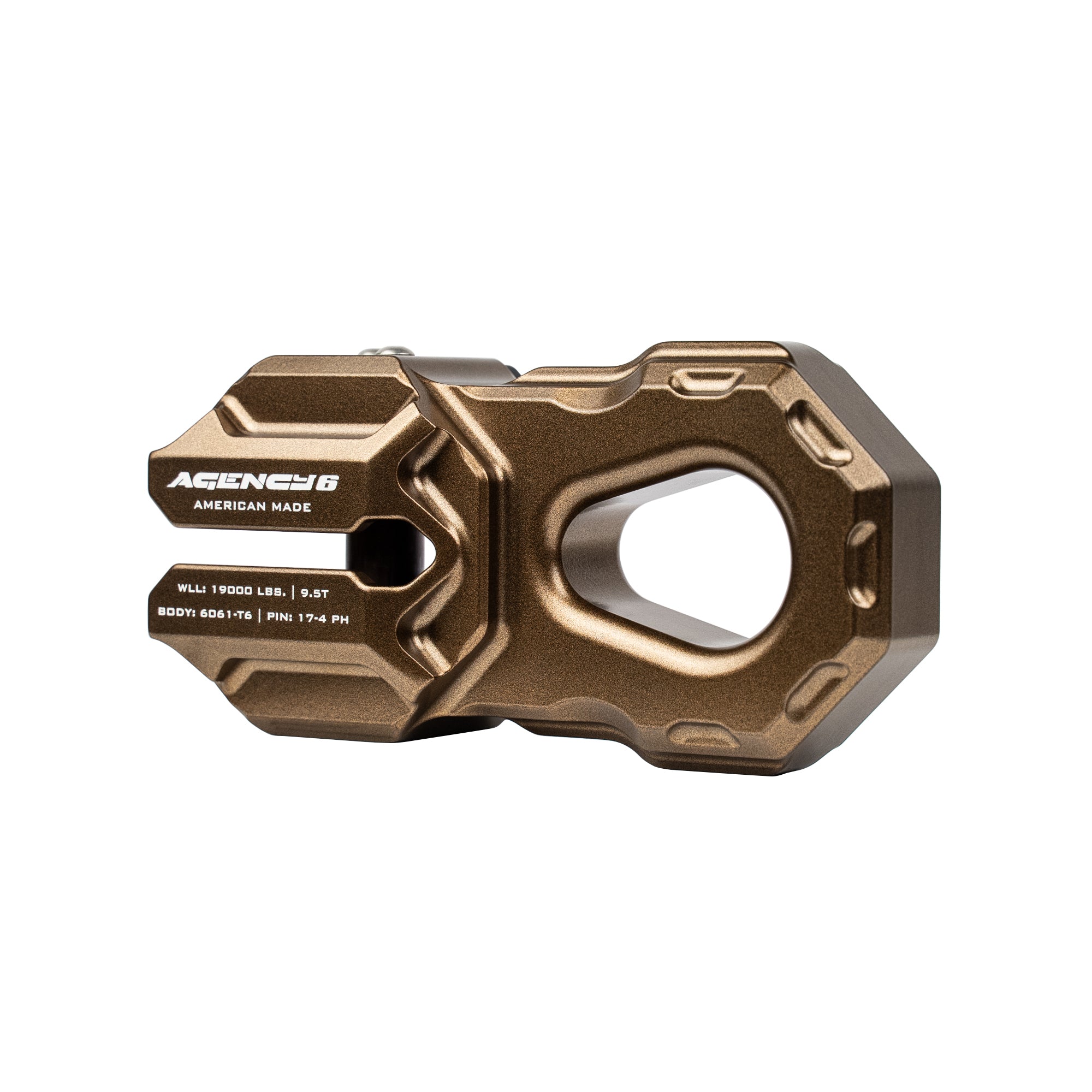
Every recovery runs through its connection points, and modern shackles fixed the old failure mode: rated soft shackles weigh nothing, sink nothing, and fail safe, while billet aluminum hard shackles from Agency 6 dress rated strength in machined beauty. Keep four soft shackles in the bag and a pair of hard points on the bumper — the redundancy costs less than one bent recovery point story.








Shackles & D-Rings FAQs
What's the difference between a bow shackle and a D-shackle?
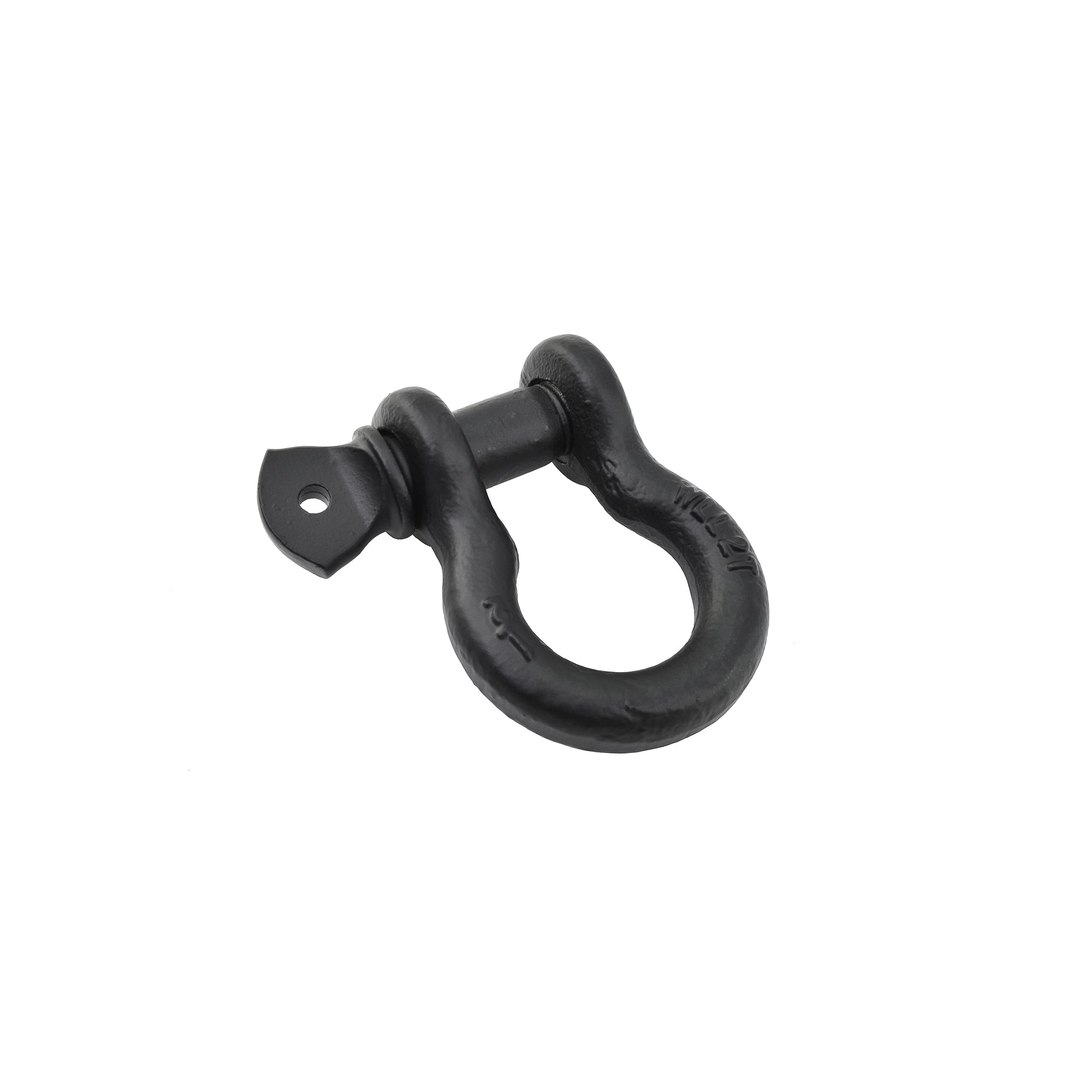
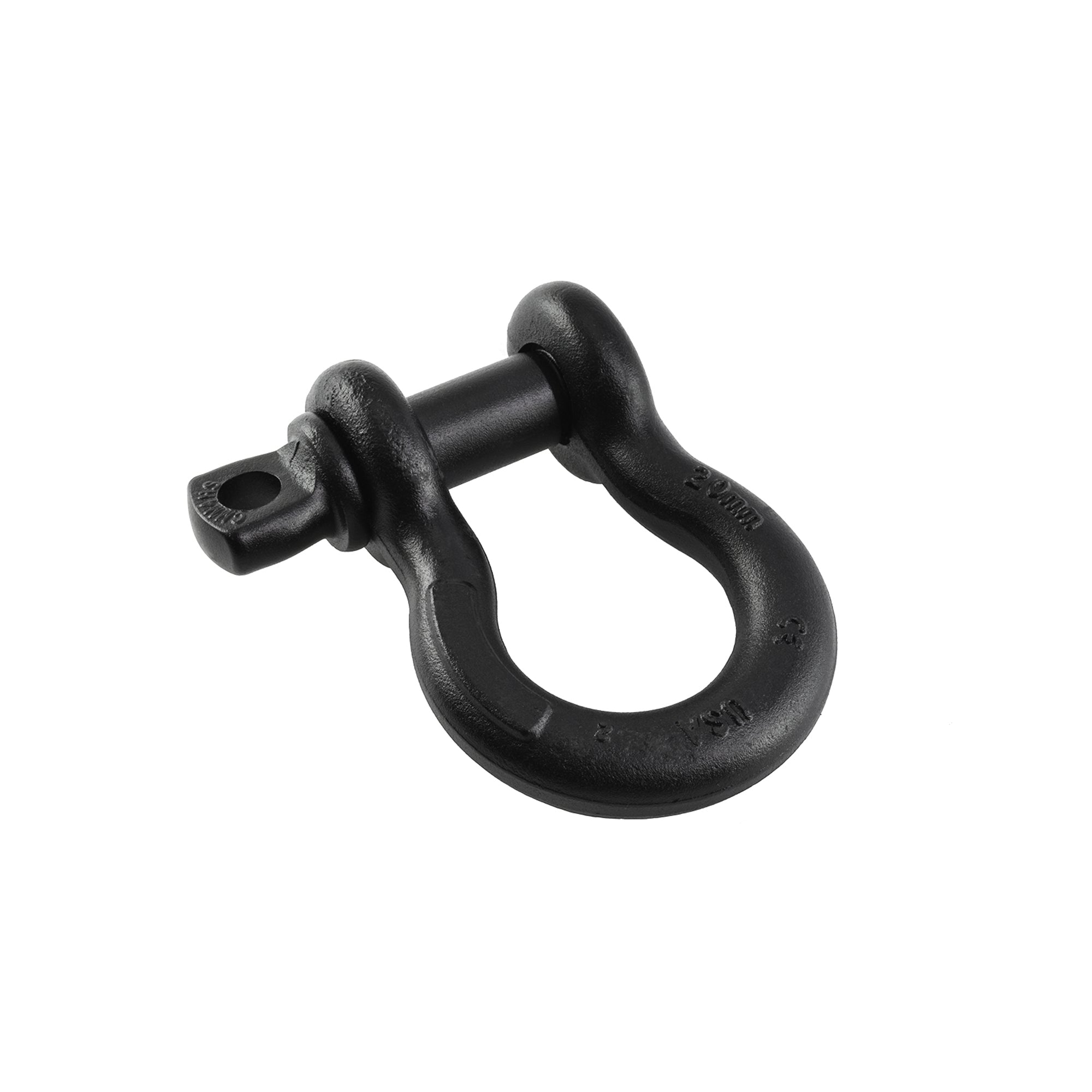
The shape of the loop, and what pulls it can take. A true D-shackle is narrow and strongest in a straight-line pull, but side loads stress it. A bow shackle's rounded body accepts angled pulls and fatter straps — which is why most recovery shackles are bows, even though everyone calls them D-rings. For strap-and-shackle recovery work, the bow shape is the more forgiving, versatile choice.
How do I know what rating my shackles need?
Work from your truck's loaded weight and check the working load limit on every piece you buy. Rigging should be rated as a system — shackles, straps, and attachment points that all make sense together — and kinetic recoveries multiply loads well past a static pull, so leave margin. If a shackle doesn't publish a rating, it isn't recovery gear.
How tight should the pin on a screw-pin shackle be?
Fully seated, then backed off about a quarter turn. Snugging it home and easing back keeps the threads from galling and seizing under load, so you can undo it by hand after the pull instead of with pliers and profanity. Never load a shackle with the pin partially threaded, and confirm the pin is fully engaged before every pull.
What's a hitch receiver shackle mount for?
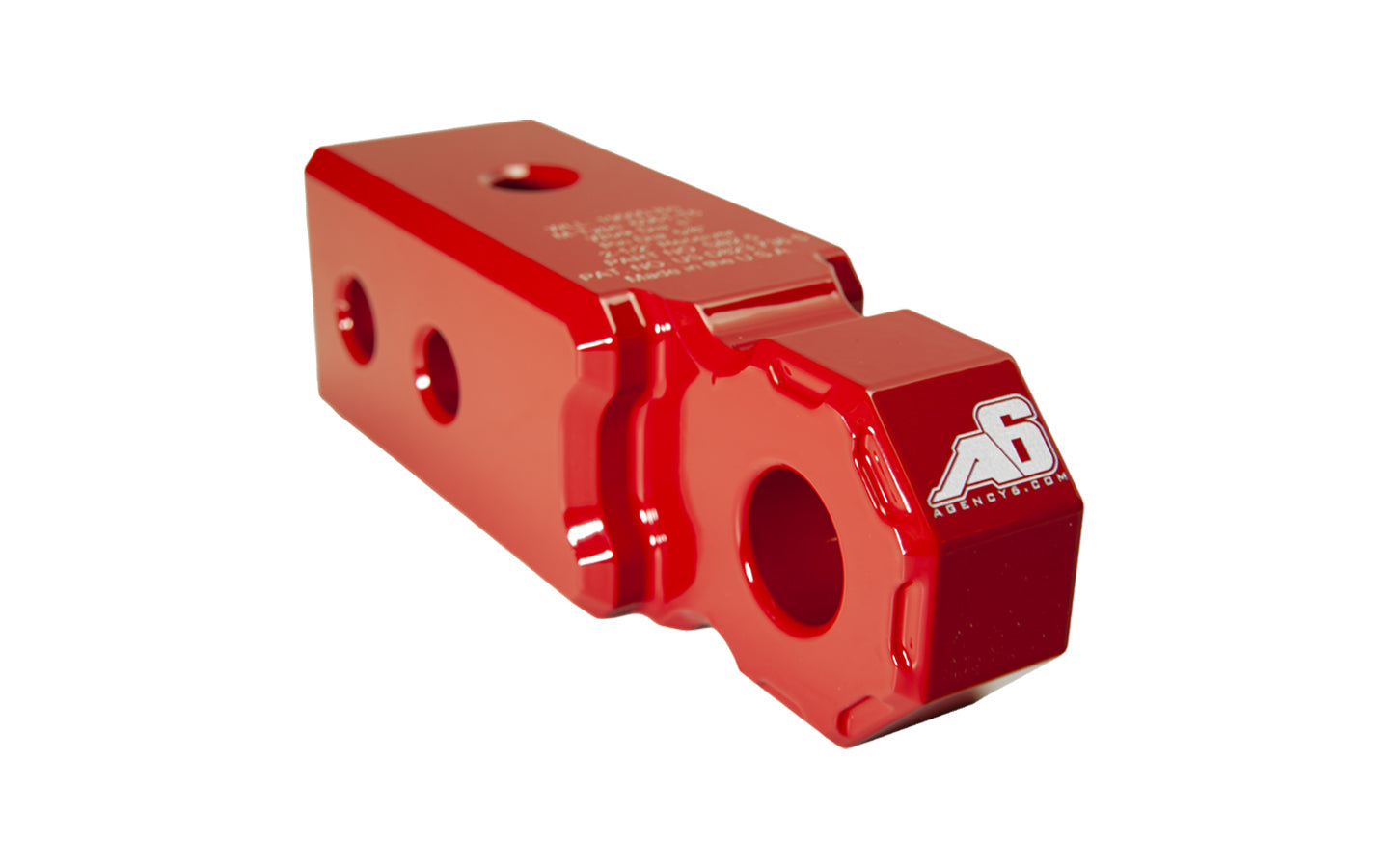
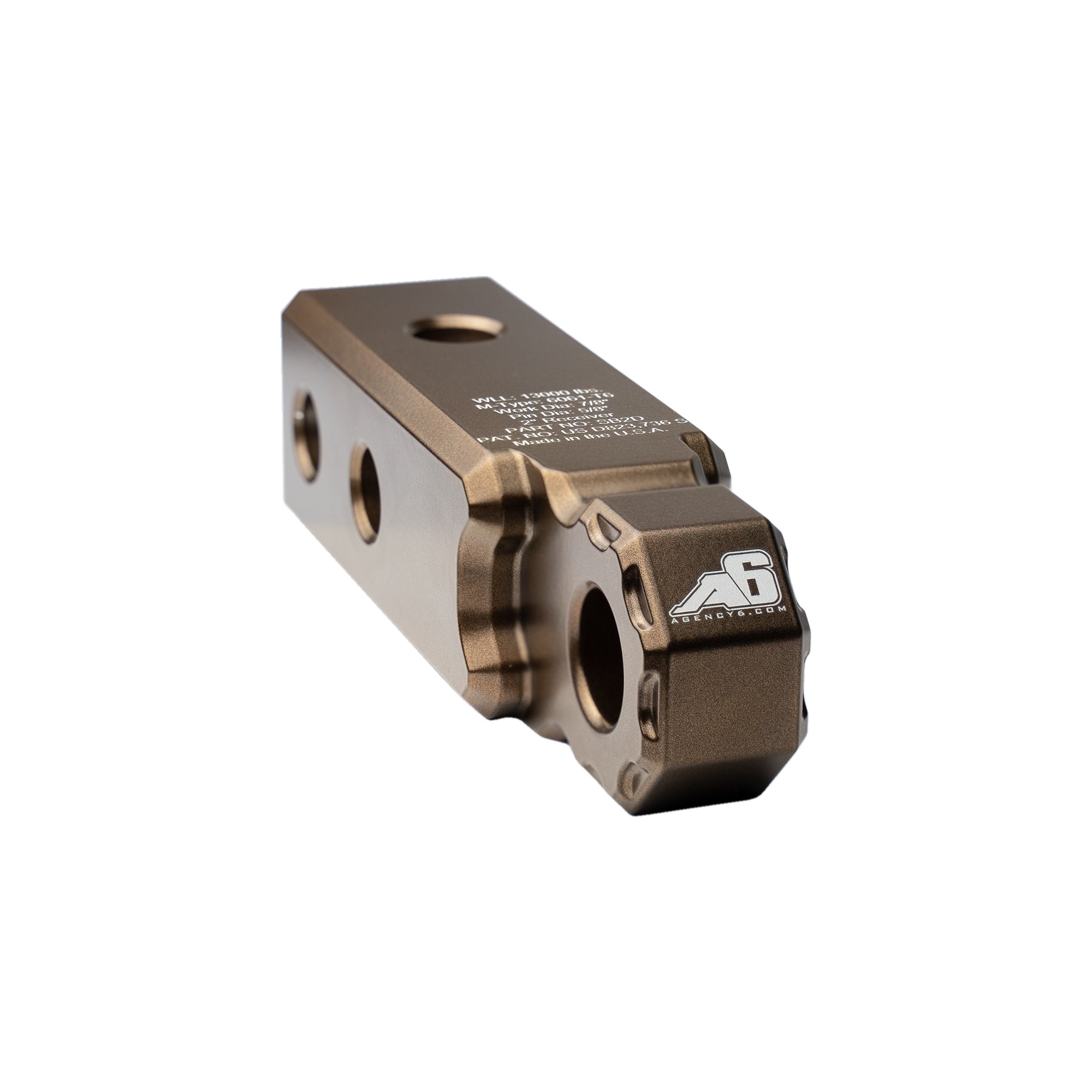
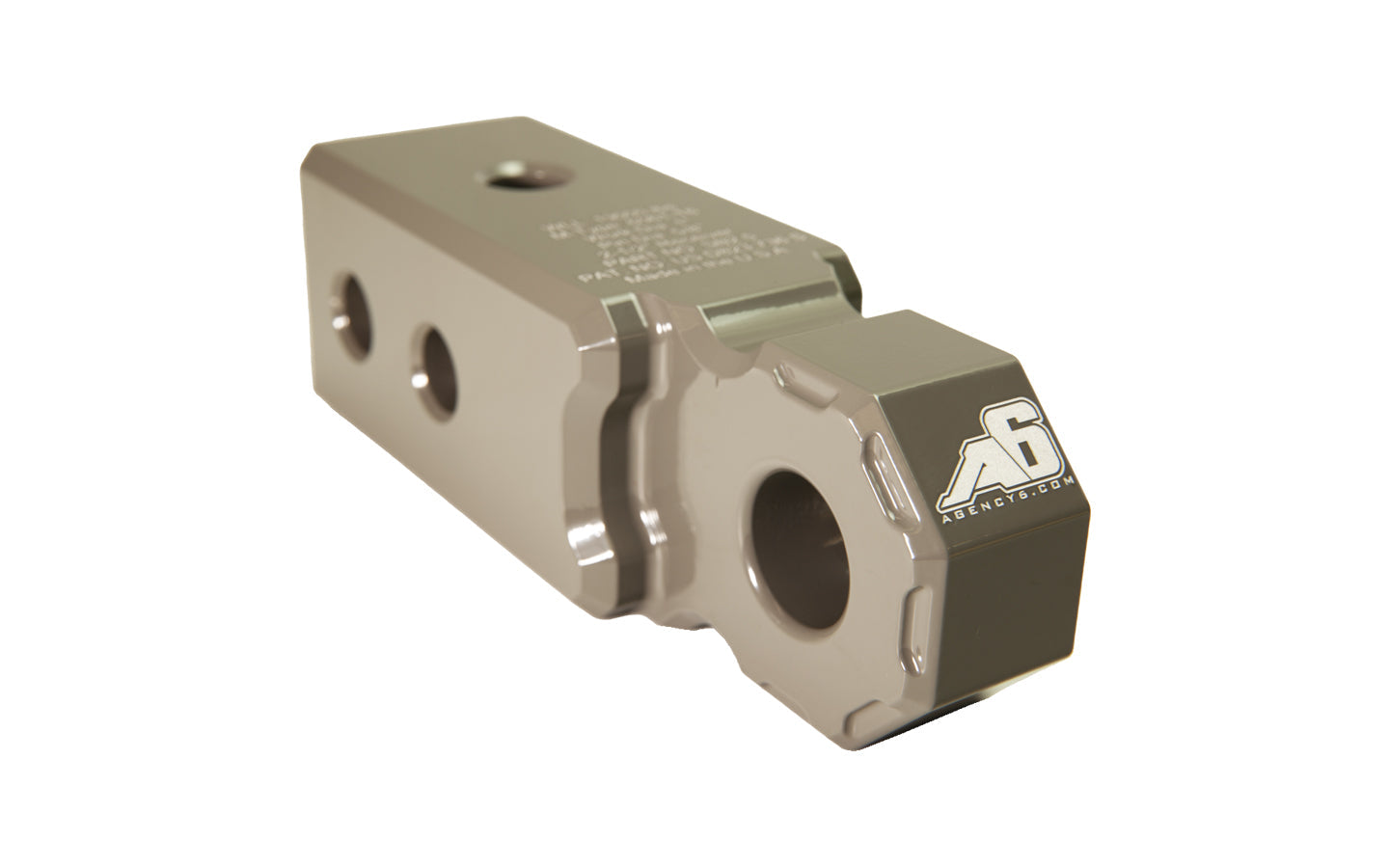
It turns a standard two-inch receiver into a proper rated rear recovery point. Plenty of trucks leave the factory with no honest rear attachment, and a shackle block slots in, takes a rated shackle, and spreads load through the hitch structure. Use a rated hitch pin with it, and pull it out when you're parked — they're shin-finders in camp.
How long do soft shackles last?
There's no calendar answer — retire on condition, not age. Cut strands, glazing from heat, heavy fuzzing, or a stiff, dirt-packed weave all mean the shackle is done. Sunlight and grit age synthetics faster than actual pulls do, so store them bagged and out of UV. Inspect before every use; a shackle you can't trust isn't worth carrying.
