





Brake Line Brackets
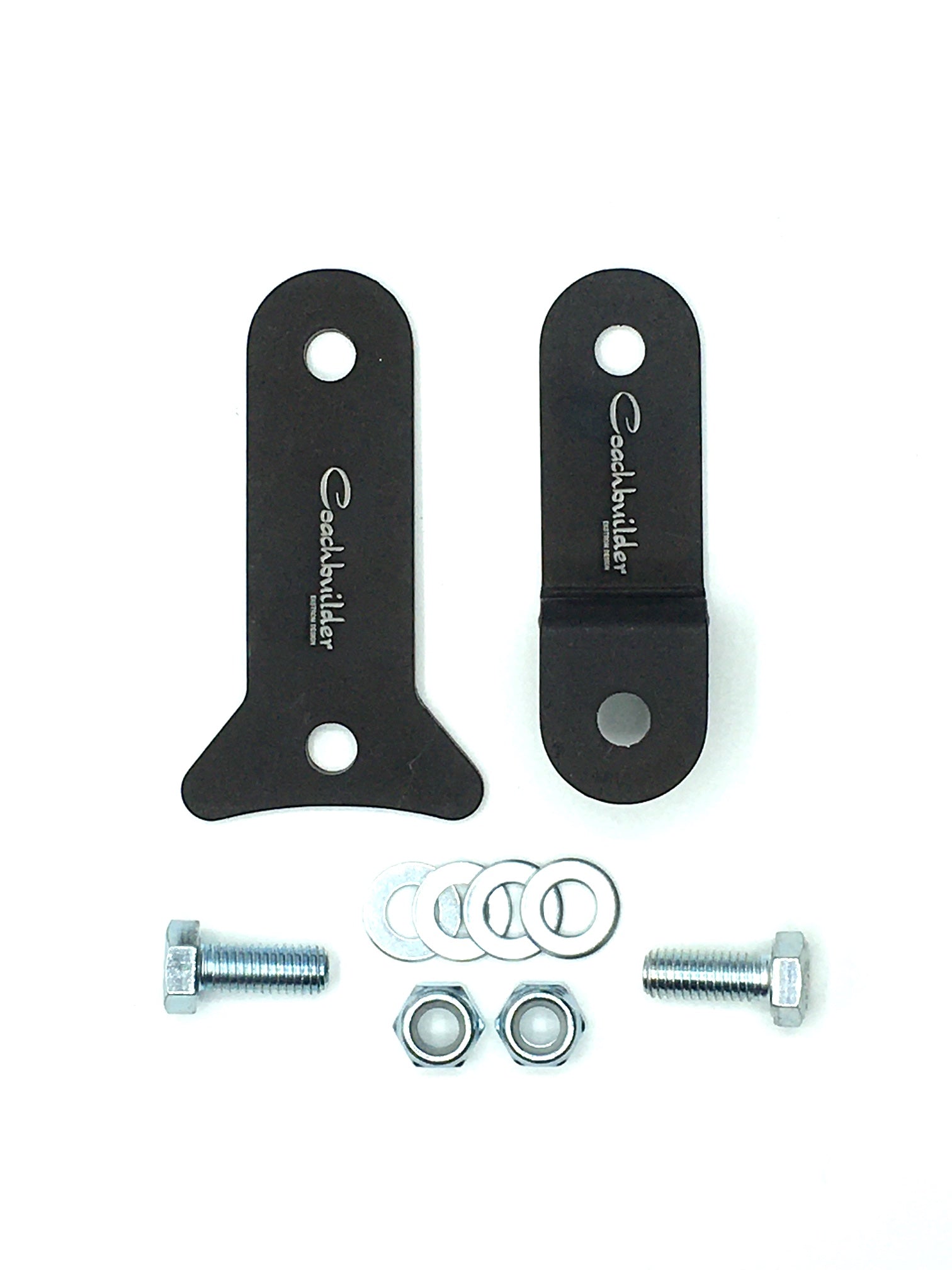
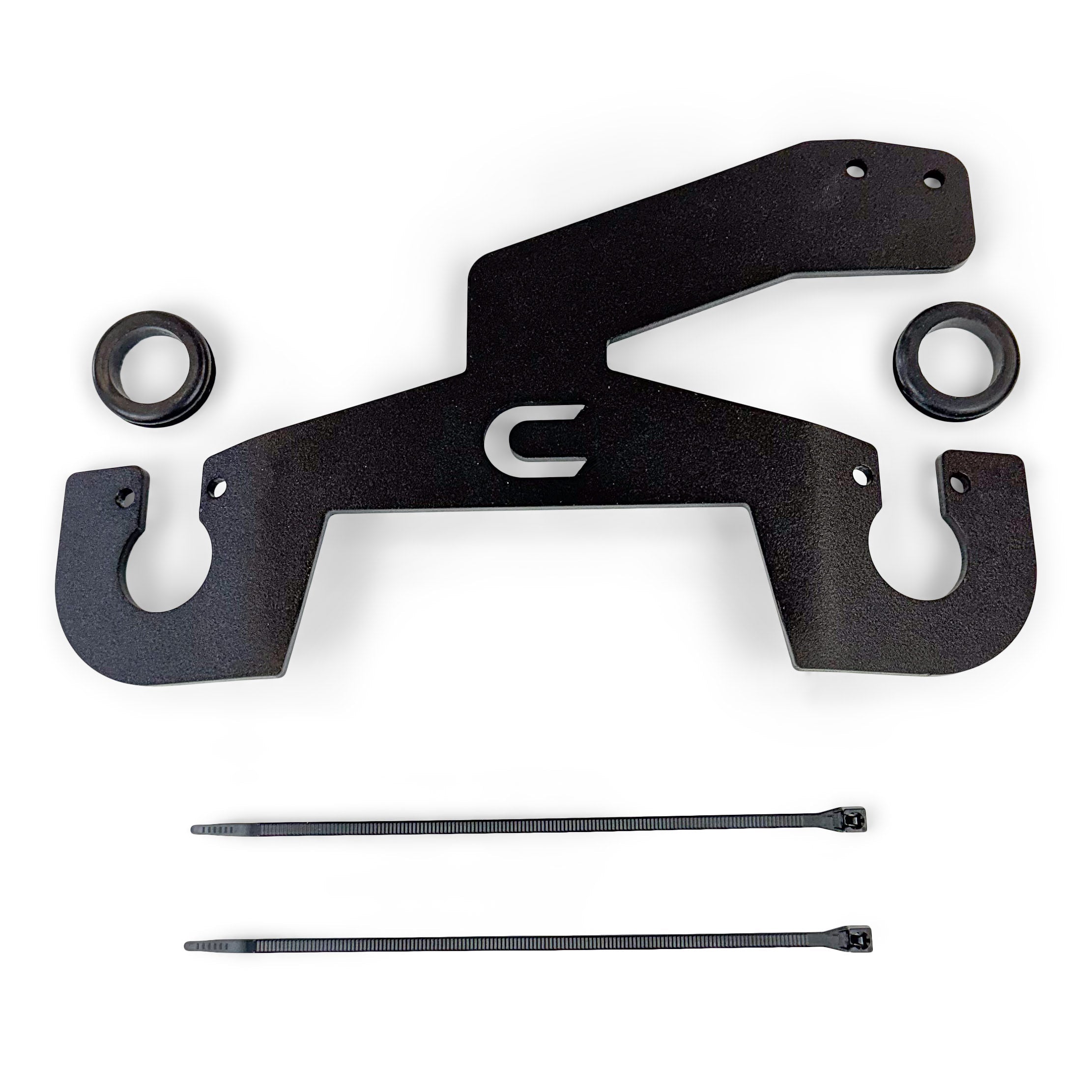
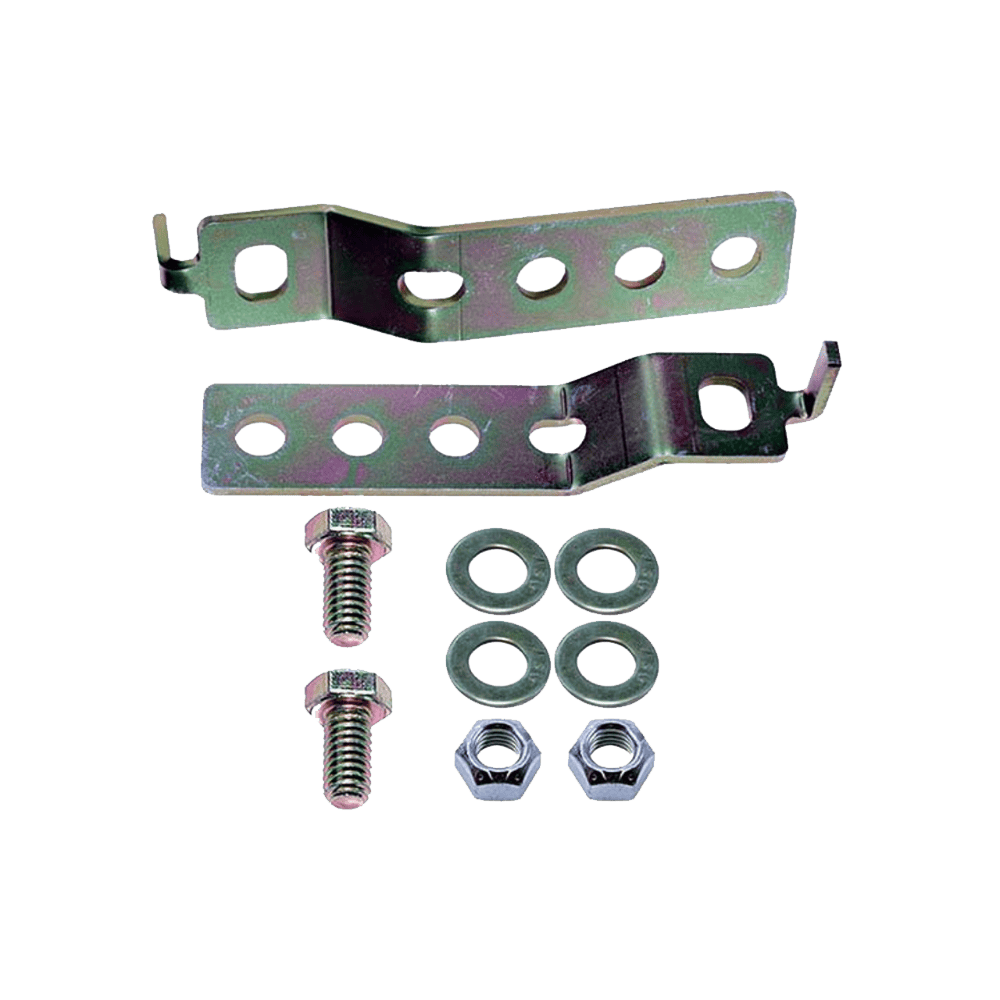
Small parts, one critical job: keeping your brake hoses connected and un-stretched when the suspension does what you lifted it to do. Relocation brackets move the hard line's mounting point so the factory flex line can follow the axle through its new travel instead of going taut at full droop. Everything here is filtered by year, make, and model — pick your rig, see what fits, and if your lift is unusual, ask us what your setup actually needs.


Brake Line Brackets FAQs
Do I need brake line relocation brackets after installing a lift?
If the lift or longer shocks added droop travel, very likely — factory flex lines are sized for stock travel and run out of slack exactly when the suspension is working hardest. Check what your lift kit already includes: some ship with brackets or longer lines, others assume you'll handle it separately. A full-droop flex test settles the question either way.
Brackets or extended brake lines — which does my setup need?
Brackets reuse your factory hoses by moving their anchor points, which suits moderate lifts and keeps proven OEM rubber in service. Past that, no bracket can create length that doesn't exist, and extended lines take over; big-travel builds often run both, correctly anchored. Tell us your lift height and shock travel and we can tell you which side of that line you're on.
Can I keep wheeling on a tight brake line until I get around to fixing it?
No — this is the wrong item to defer. A taut hose can tear at full droop, and losing hydraulic pressure mid-descent is the worst version of a bad day. If the flex test shows tension, park the trail plans, order the fix, and keep the truck on pavement until it's installed. The part is minor; brake failure is not.
