





Battery Accessories
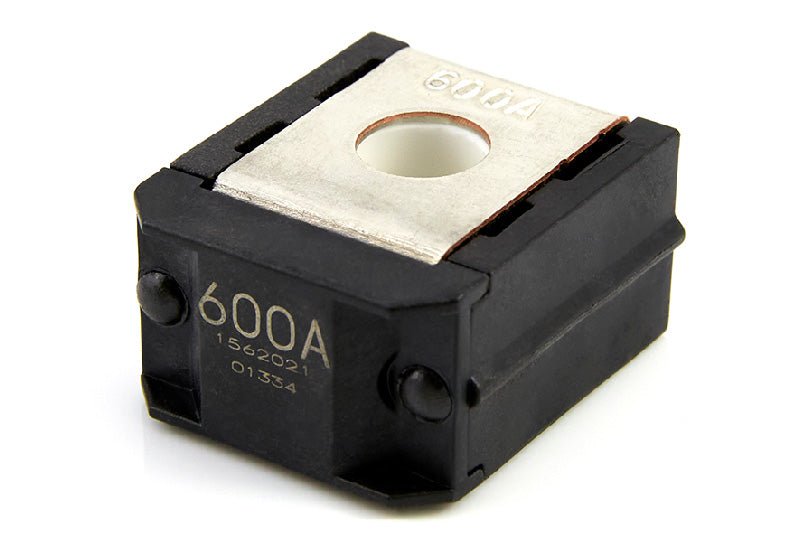
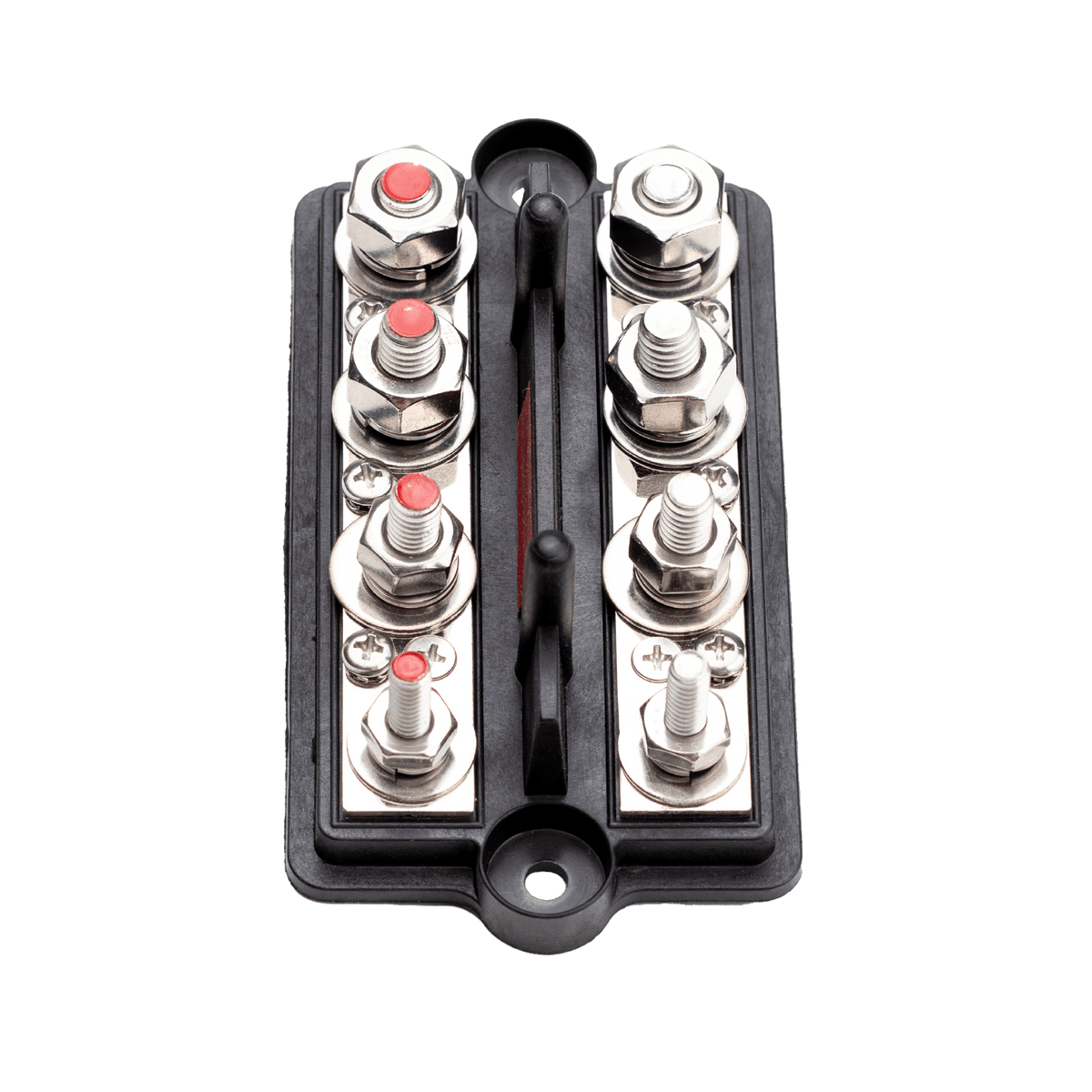
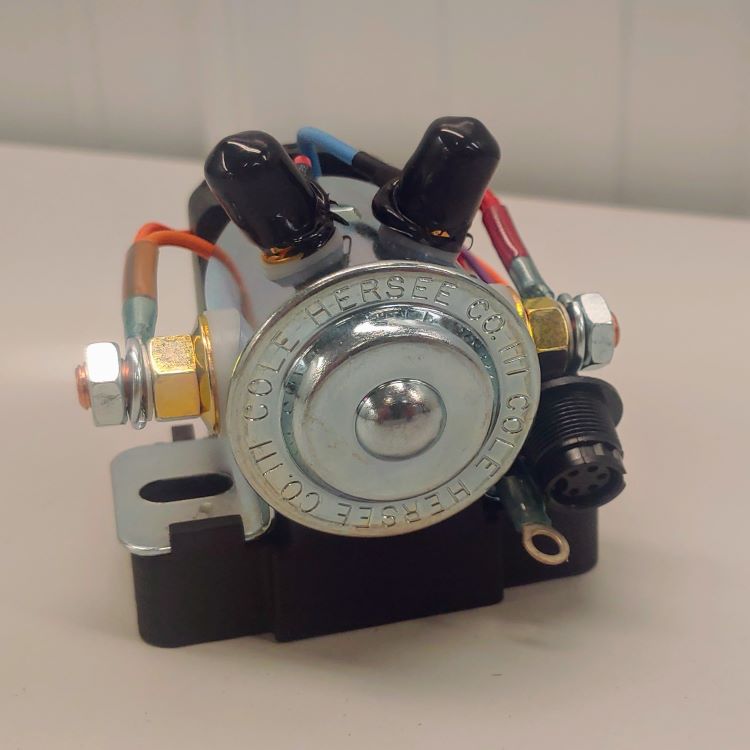
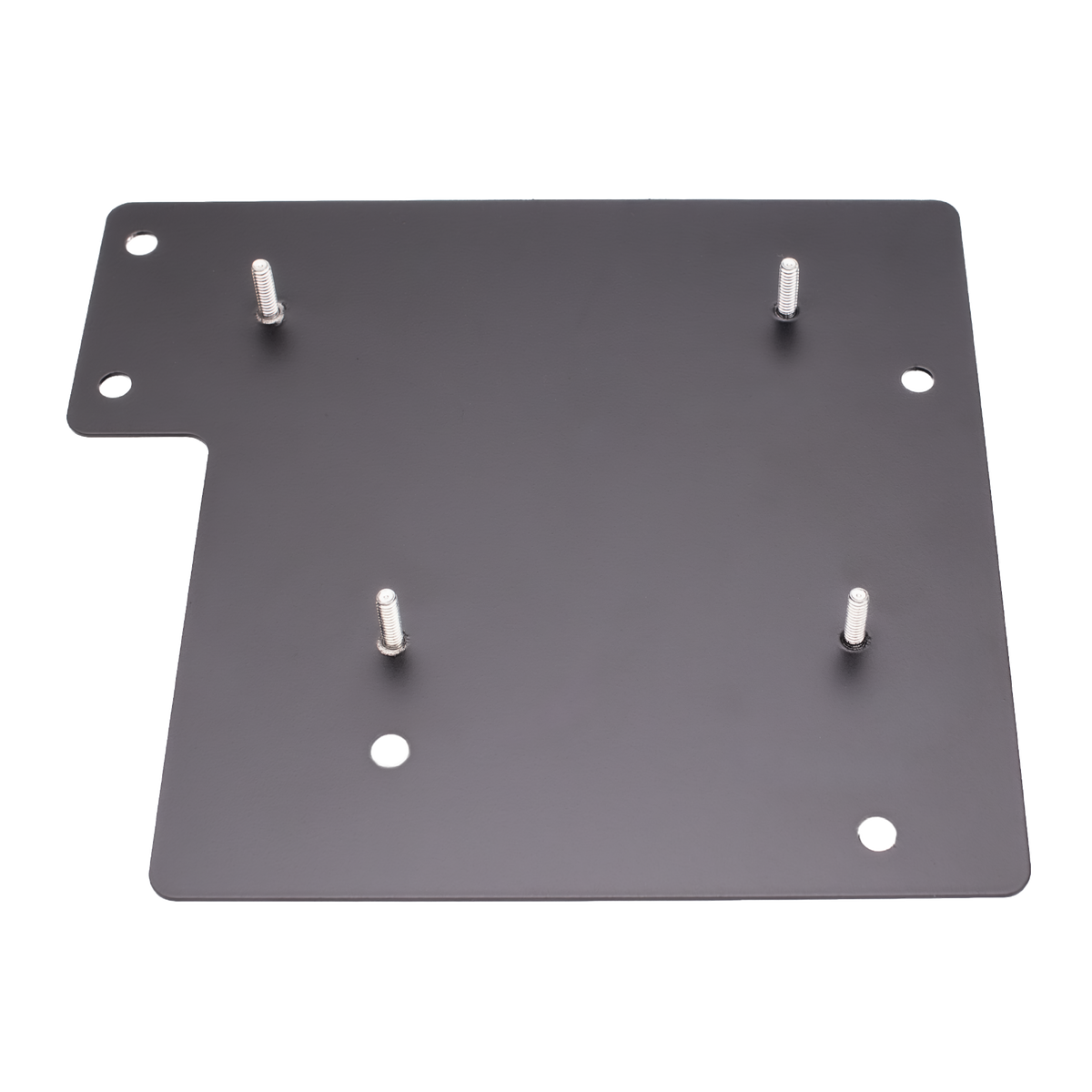
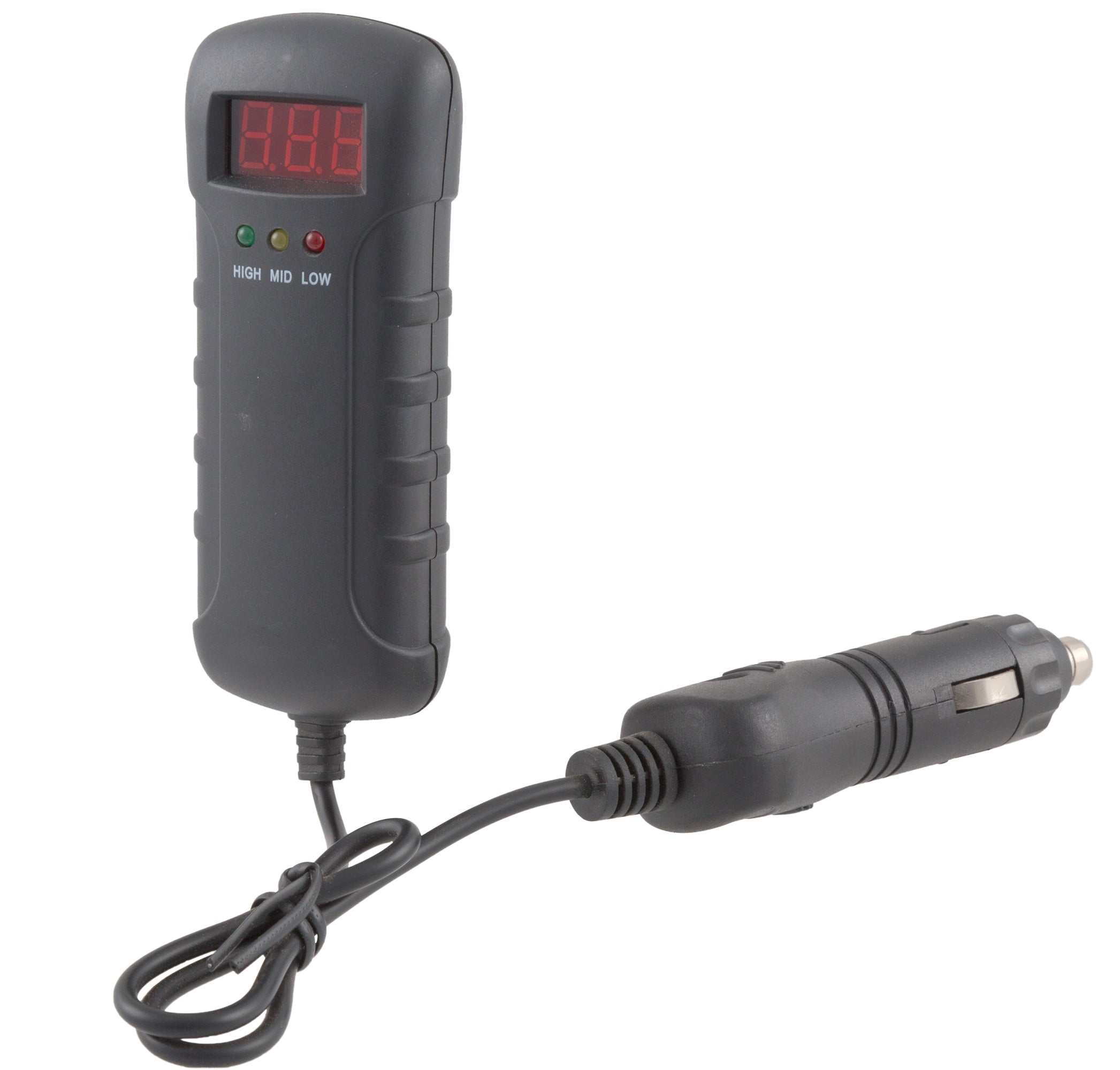
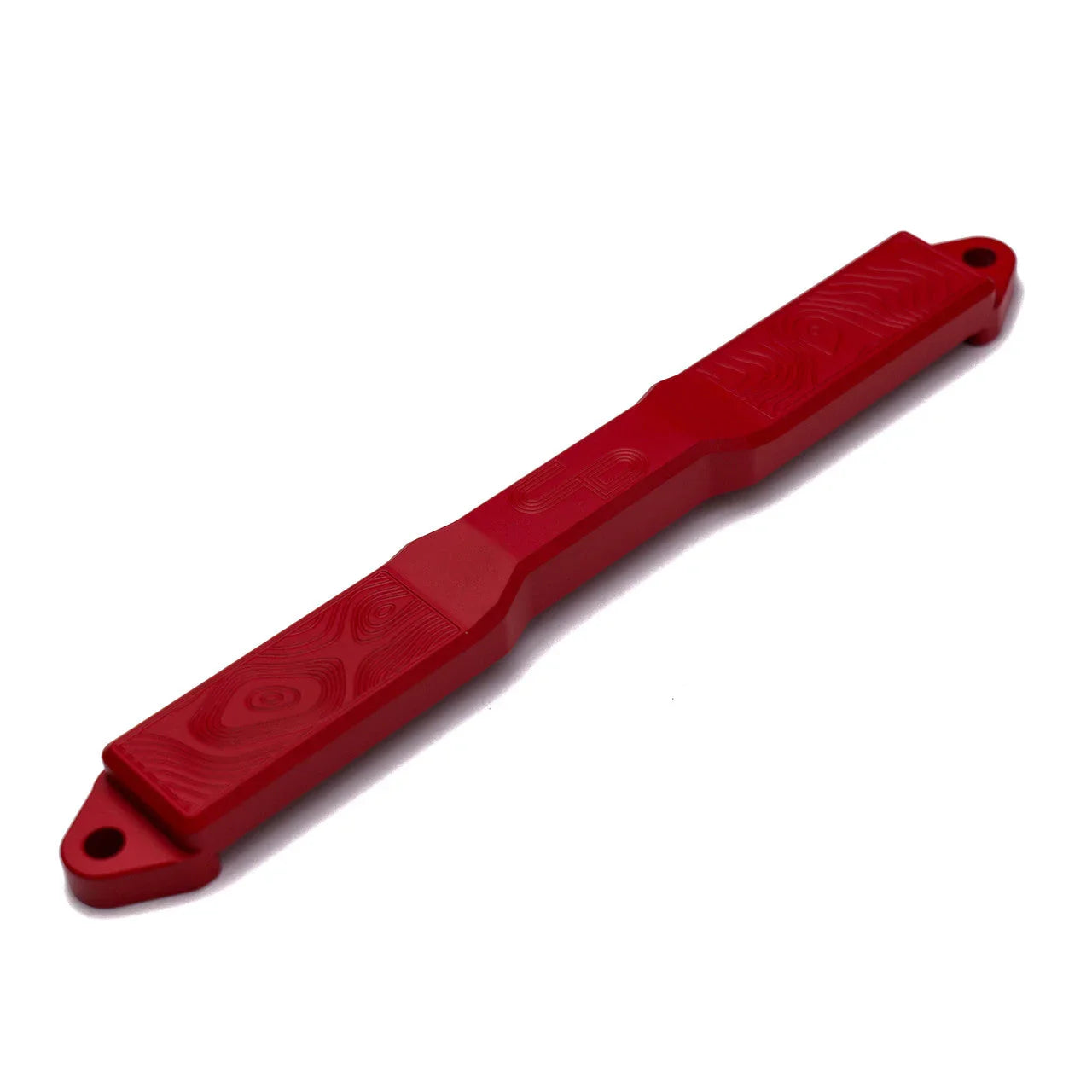
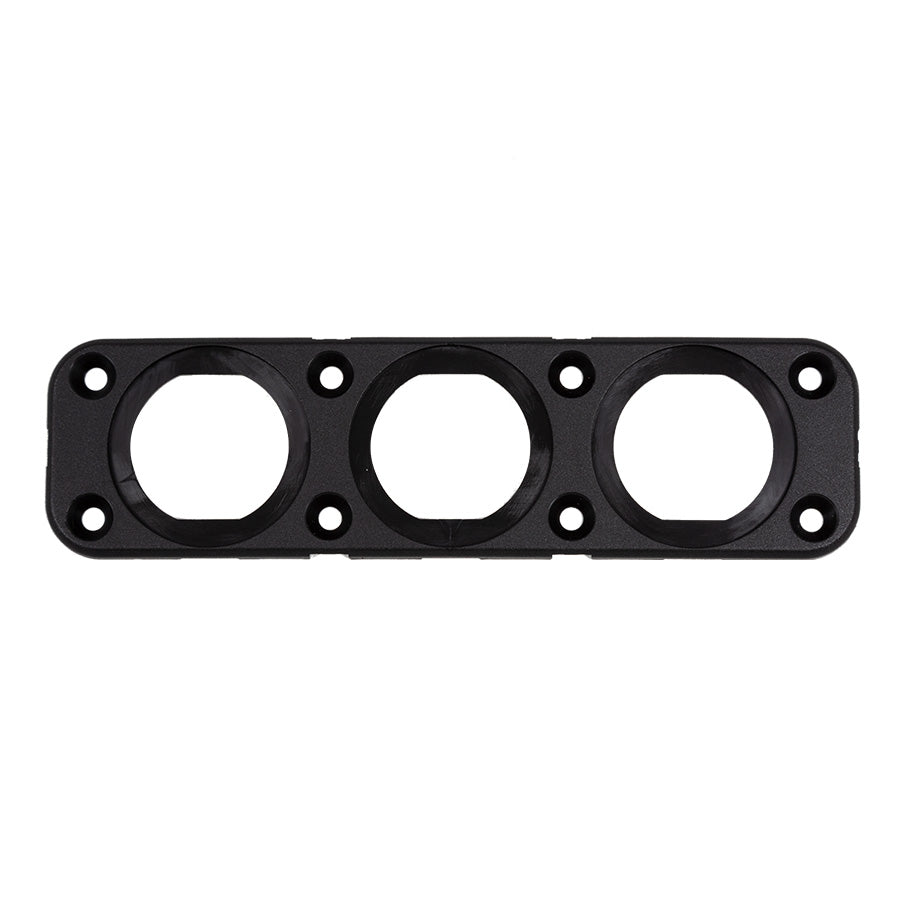
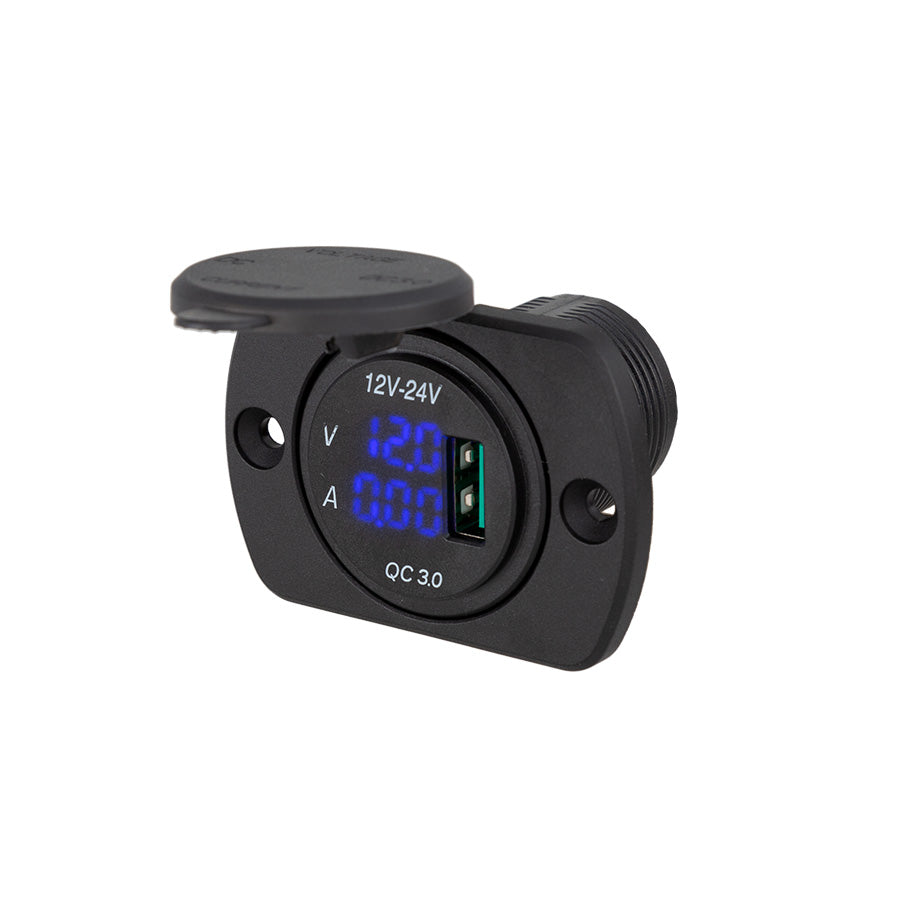
Accessories for auxiliary battery setups: 29mm panel mounts and flush mount plates, volt and amp meters, accessory bundles for Switch-Pro PowerTrays, temperature sensors, circuit breaker tie-downs and mounting hardware. Brands include National Luna, PowerTrays and Genesis Offroad. Confirm your tray or battery system and the voltage range of any meter before ordering.










Guides for this category
Battery Accessories FAQs
What do I need electrically to add a winch?
A winch needs heavy-gauge cable, quality terminals, and a solid ground path to pull its rated current without cooking the wiring. The battery has to supply big momentary loads, so upgrade the cabling and connections before worrying about a second battery. Many builds also add a battery isolator or a second battery so a long pull doesn't leave you unable to restart, but the connections come first.
Do I need a dual battery setup or just better accessories?
It depends on your loads — light accessory use is fine on a single battery with upgraded terminals and cabling, while a fridge, inverter, and camp electronics that run with the engine off call for a second battery. A dual battery kit isolates your starting battery so accessories can't strand you. If you camp off the grid or draw power overnight, go dual; if you just run lights while driving, accessories may be enough.
Are AGM and lithium batteries worth it off-road?
AGM batteries handle vibration and deep cycling far better than standard flooded batteries, which makes them a common off-road and dual-battery choice. Lithium goes further on weight and usable capacity for house-power systems but costs more and needs compatible charging. Match your terminals, isolator, and cabling to the battery chemistry you choose, since charging profiles and current-handling differ between them.
Why do my battery terminals corrode and how do I stop it?
Corrosion comes from a poor seal, escaping gases, and moisture reacting with the lead terminals, and it adds resistance that starves your accessories. Clean the posts, use quality tight-clamping terminals, and apply dielectric grease or anti-corrosion felt washers to slow it. Loose or corroded connections are a leading cause of hard starts and dim accessories, so good terminals do more than a bigger battery in many cases.
