






Programmers & Tuners
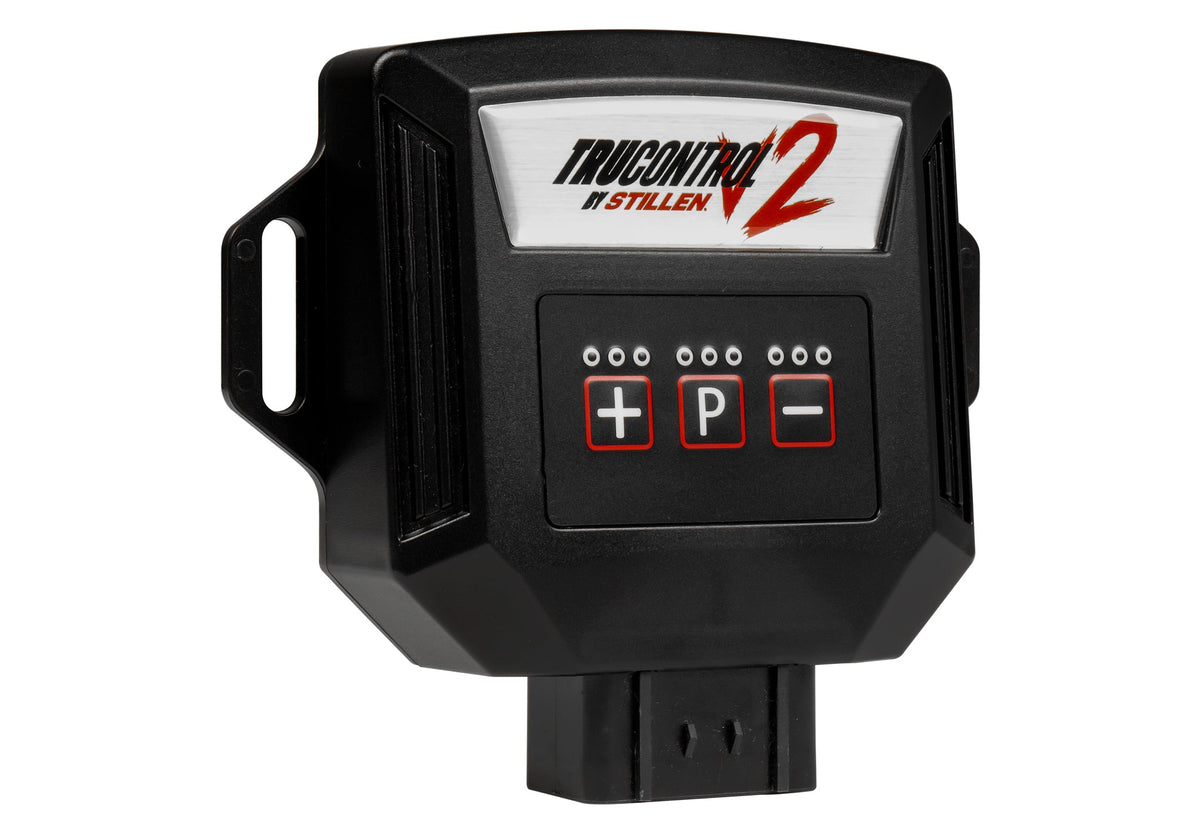
The most useful thing a tuner does on a built truck isn't horsepower — it's telling the computer the truth about your tires and gears again. This is the programmers and tuners catalog: handheld programmers and tuning devices that recalibrate speedometer, shift points, and tire size, plus performance and tow tunes. It sits within performance parts alongside throttle controllers. Filter by year, make, and model.





Programmers & Tuners FAQs
Does a tuner fix the speedometer after bigger tires?
Yes — recalibrating for tire size is one of the primary reasons to run a programmer. Larger tires make the speedometer read low and can throw off shift points and the odometer; a tuner enters your new tire diameter (and any gear change) so the computer reads speed correctly again. Many devices also let you correct for regeared axles, which restores proper shift behavior and cruise-control accuracy.
Will a programmer actually add power?
It can, but the gains depend heavily on the engine and platform — forced-induction and diesel trucks see the largest, most reliable increases, while naturally aspirated gas engines gain less. Beyond peak numbers, a good tune sharpens throttle response and can add a dedicated tow calibration that firms up shifts under load. Set realistic expectations: the tire and shift corrections are often more valuable day-to-day than the headline power figure.
Are tuners street-legal and emissions-compliant?
It depends on the specific device and your state's emissions rules — many tuners offer emissions-compliant calibrations, while some off-road tunes are not street-legal. Check the product's CARB or emissions status for your platform before you buy, especially in states with testing. Tire-size and shift-point corrections are generally the least intrusive changes; aggressive power tunes are where compliance questions come up.
Do I need a tuner if I regeared my axles?
You should recalibrate after regearing so the computer knows the new axle ratio, and a tuner is the usual tool for it. Without it, the speedometer and shift logic assume the old ratio and behave incorrectly. Enter both the gear ratio and current tire size, and the transmission shifts where it should. This pairs naturally with a tire-size correction if you upsized rubber at the same time.
