









Overland Water Tanks
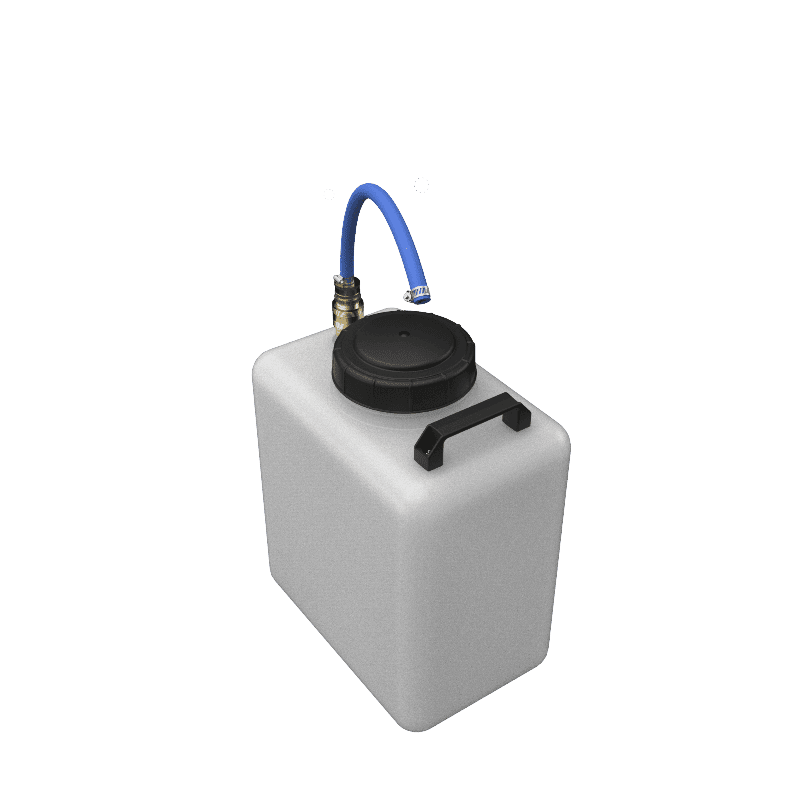
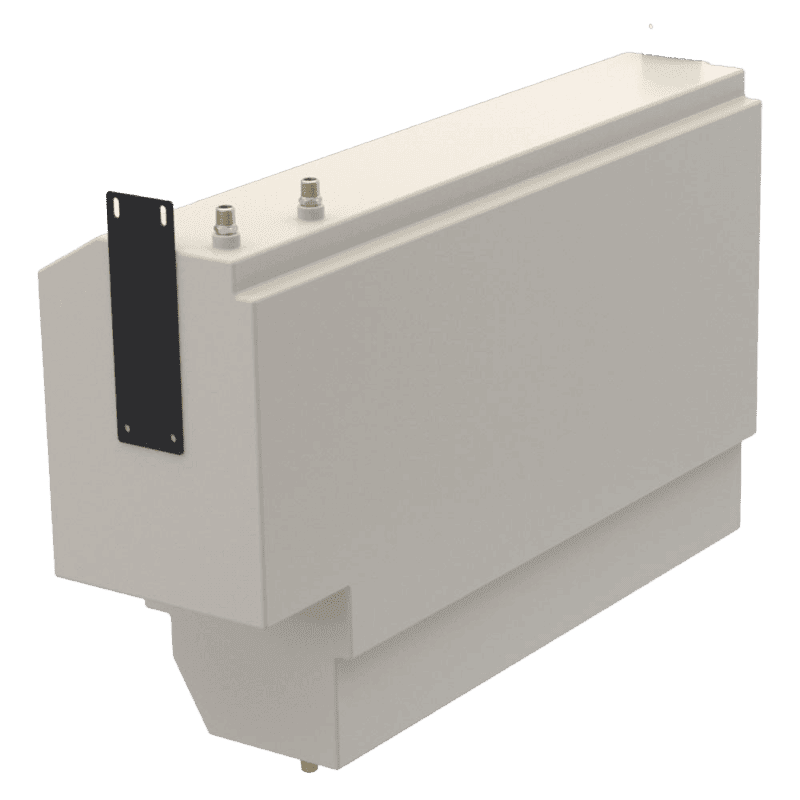
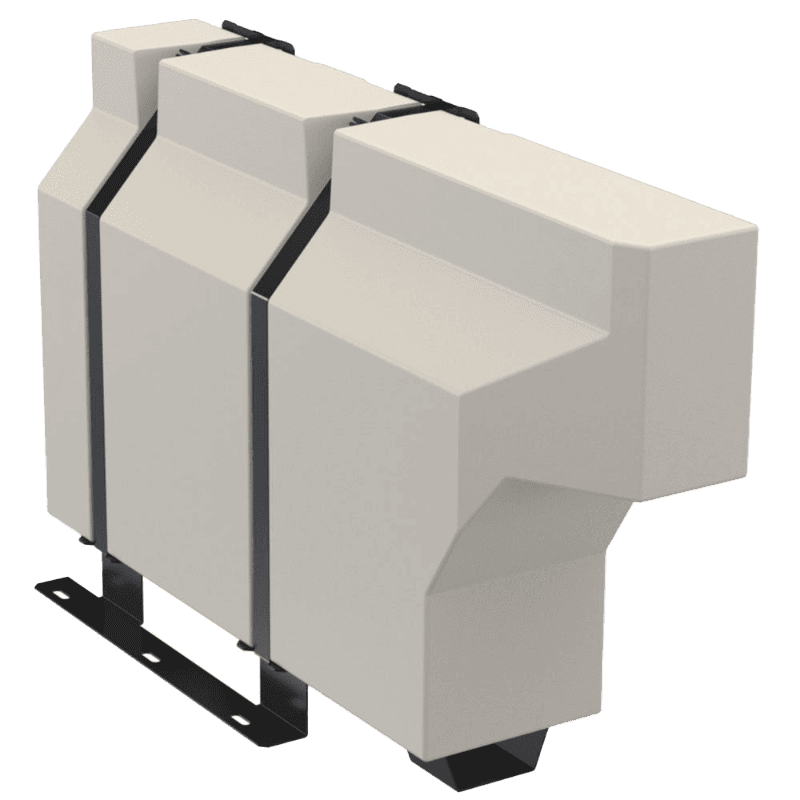
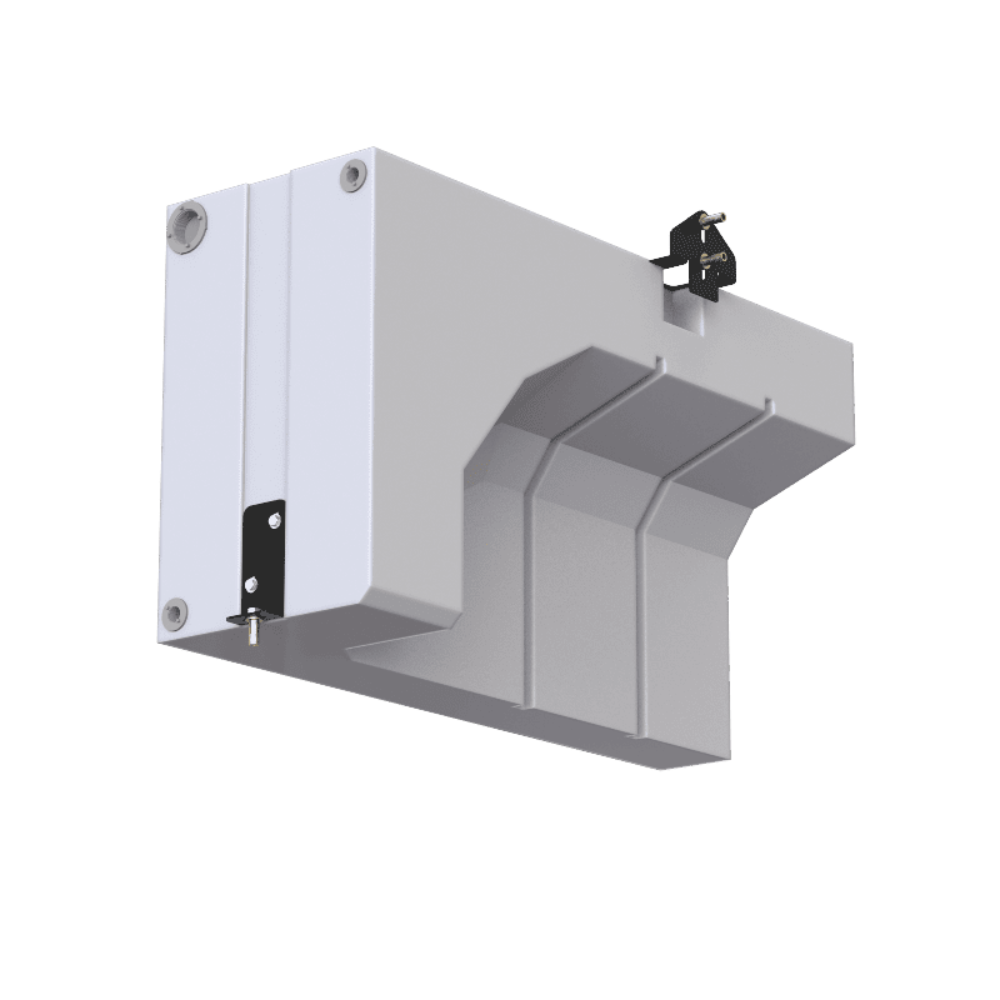
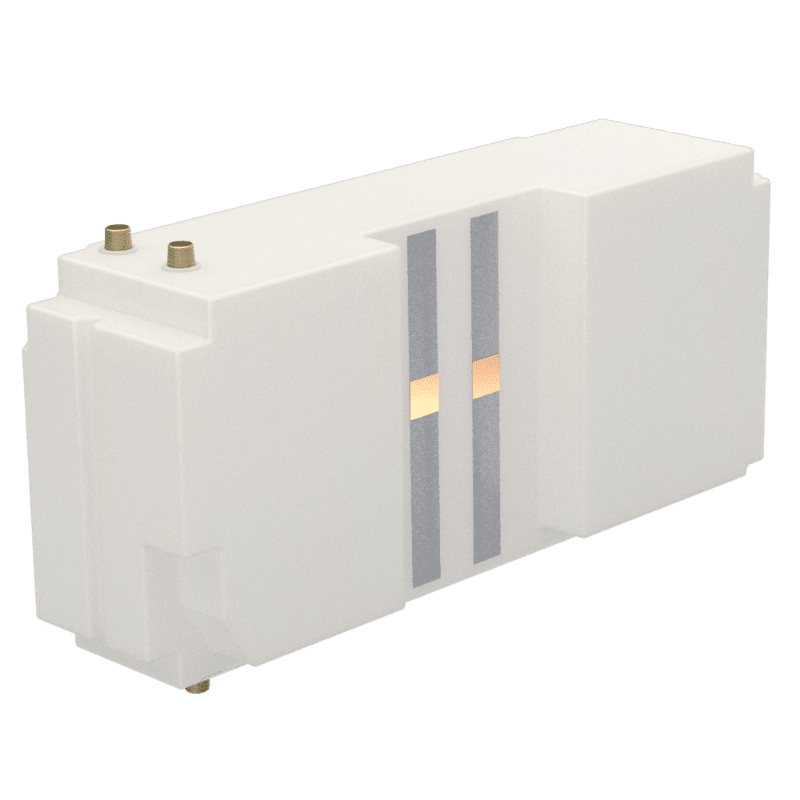
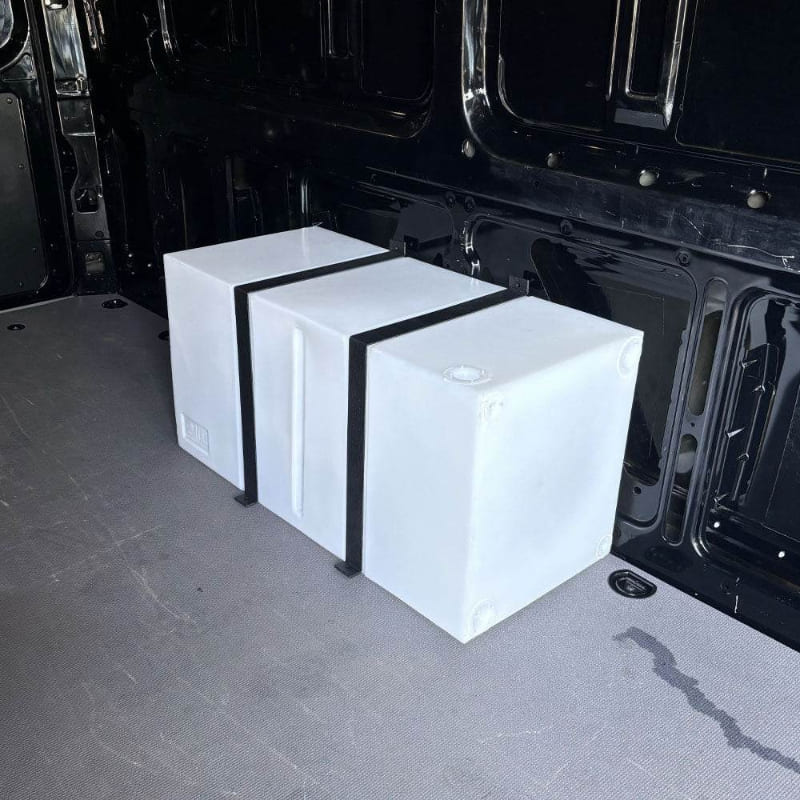
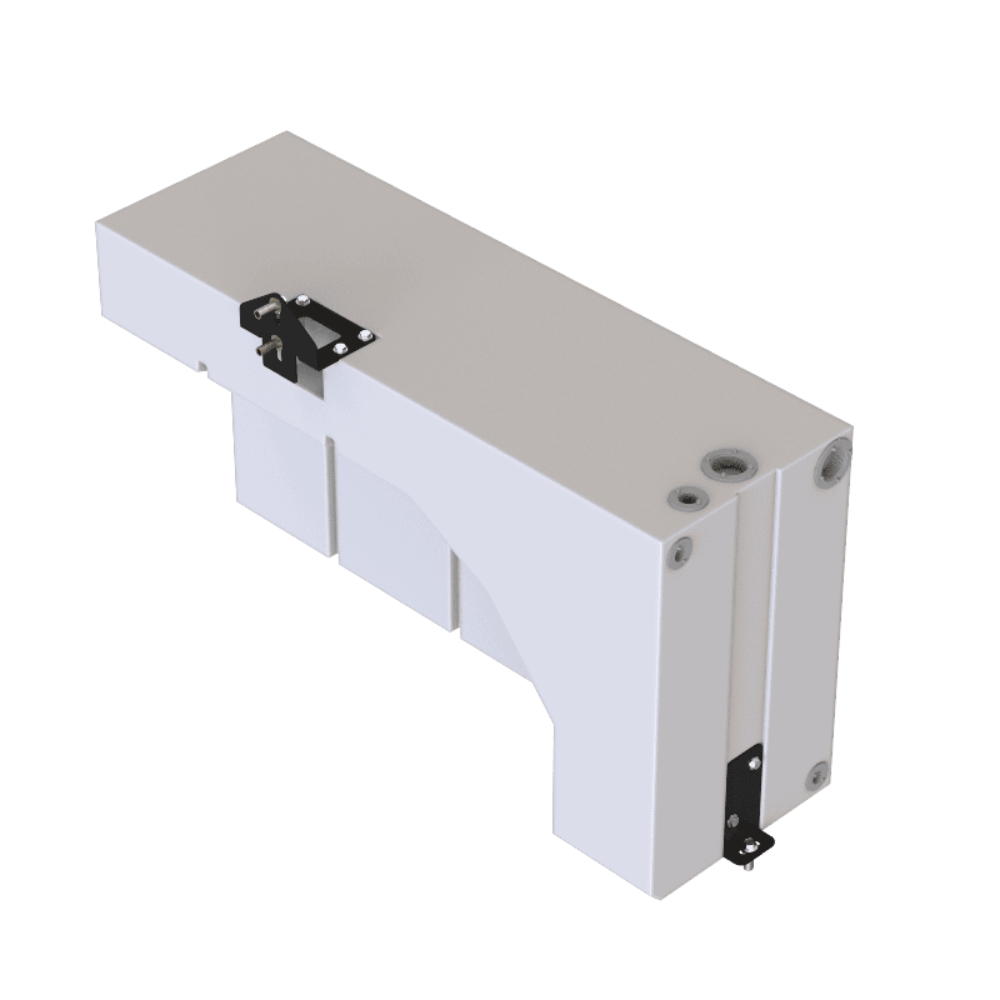
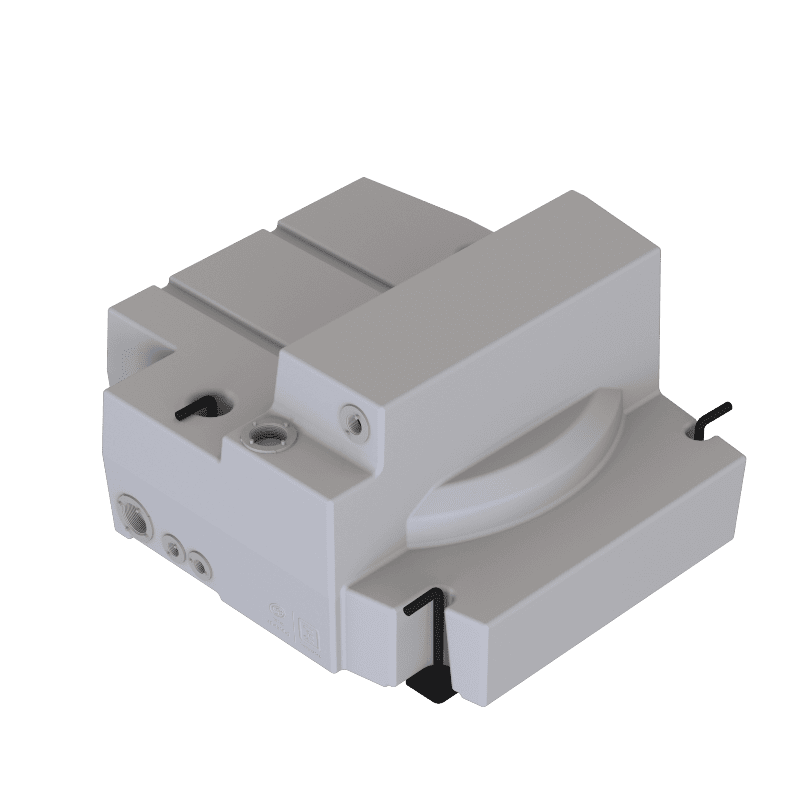
Water is the heaviest consumable on the truck, and a proper tank beats a pile of loose jugs the moment weight and space get serious. The tanks here span shapes and capacities built to tuck into real cargo areas and stay put on washboard. Placement decides everything — low and centered keeps the handling honest — so measure your space, run the fitment filters where they apply, and plan the fill point and the spigot before you buy the tank between them.








Overland Water Tanks FAQs
Are these tanks safe for drinking water?
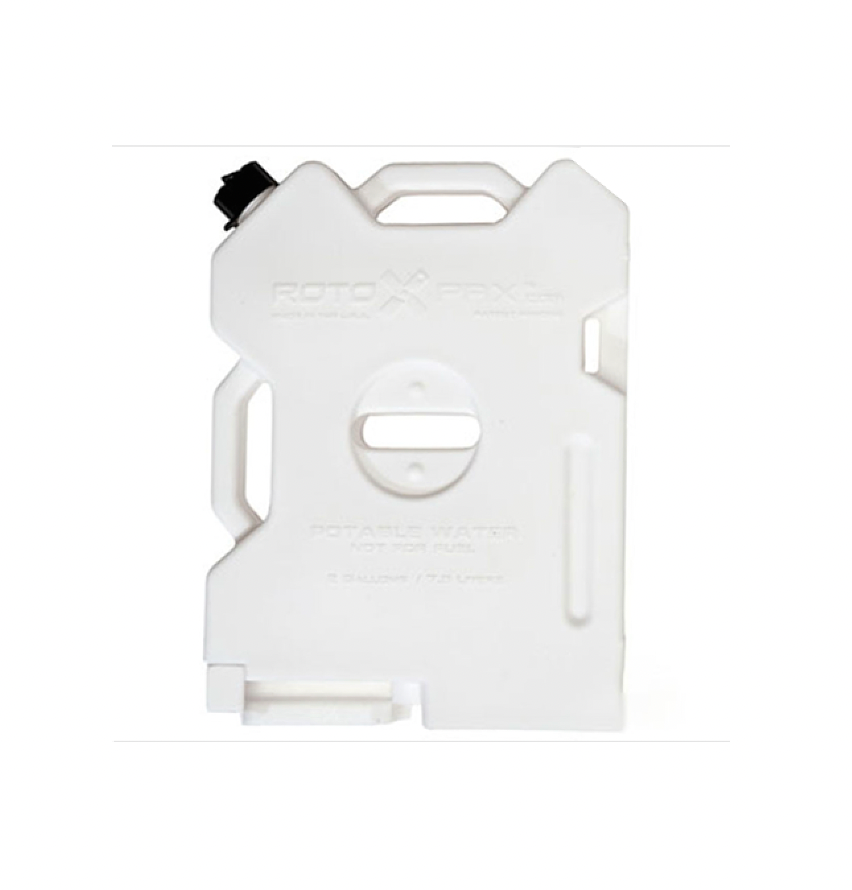
Check the individual listing — tanks intended for potable water are made from food-safe materials and say so, and that's the confirmation to look for before plumbing one for drinking. Whatever the tank, freshness is on you: sanitize before first use, drain between trips, and refill from sources you trust. A food-safe tank with stale water in it still makes bad coffee.
Where should a water tank be mounted in the vehicle?
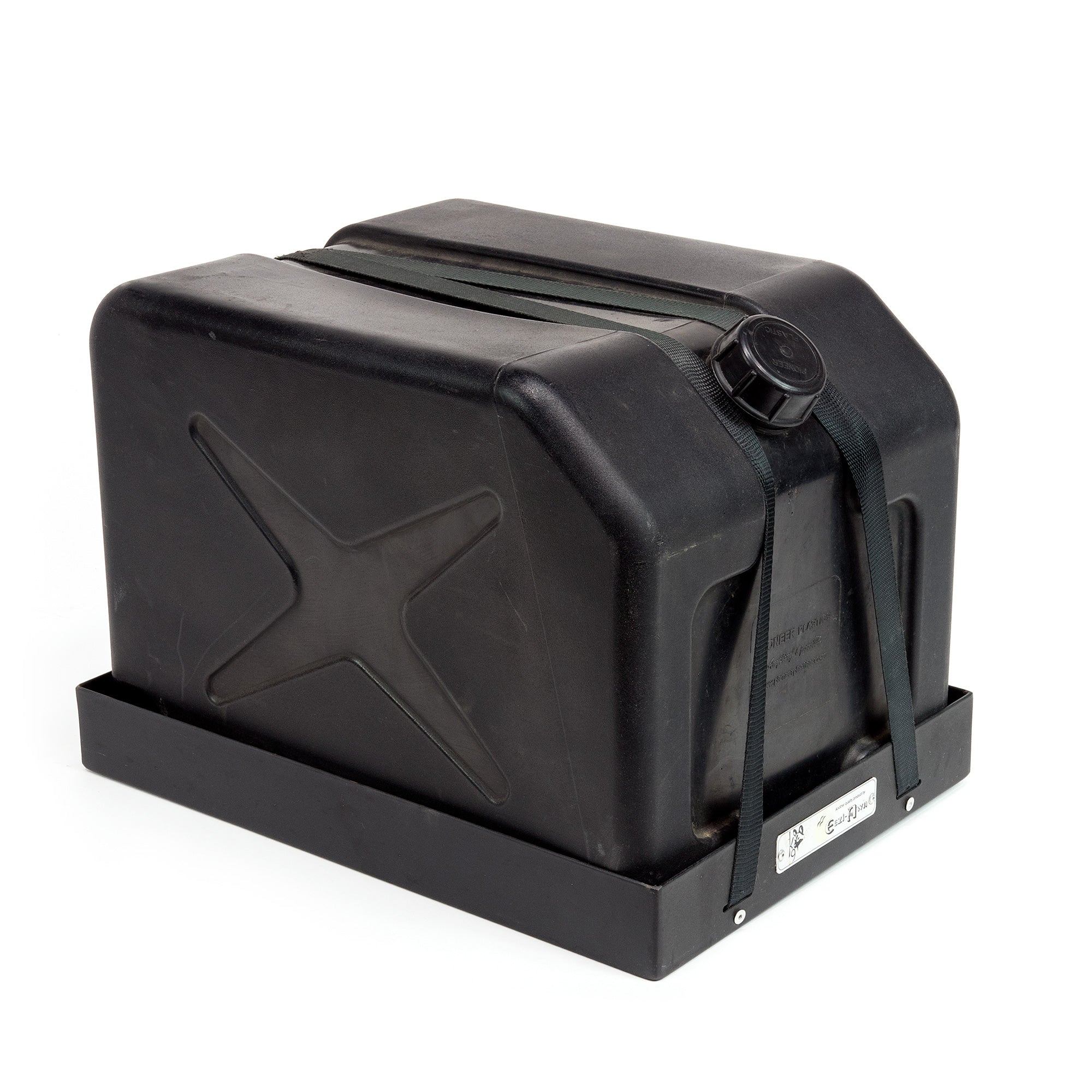
As low and as centered as your layout allows. Water is dense — a full tank can outweigh most of the gear on the truck — so mounting it high buys you body roll, and mounting it far rearward changes how the truck squats and steers. Between the axles at floor level is ideal, which is exactly why low-profile and wheel-well-contoured tanks exist.
Do I need a pump, or will gravity feed work?
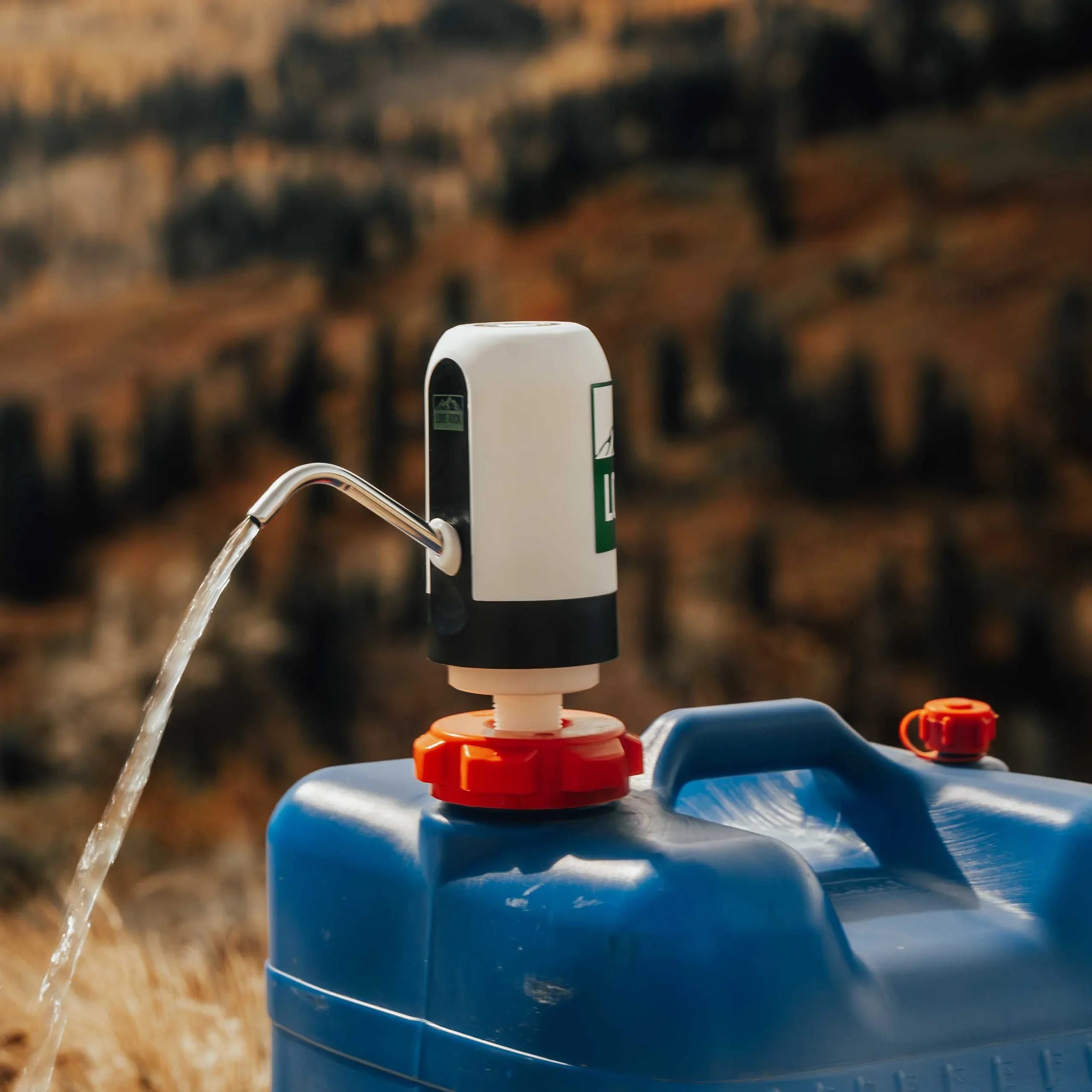
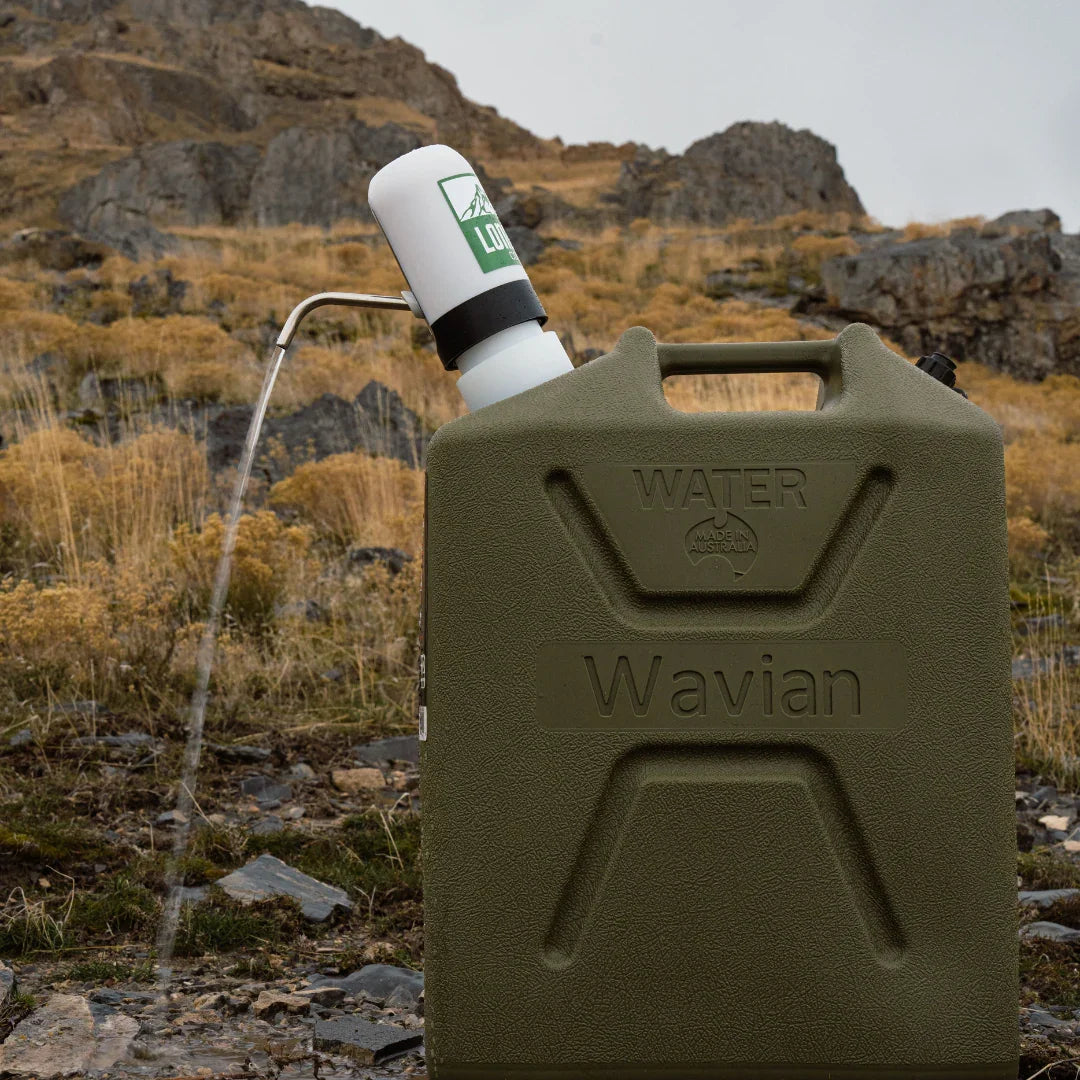
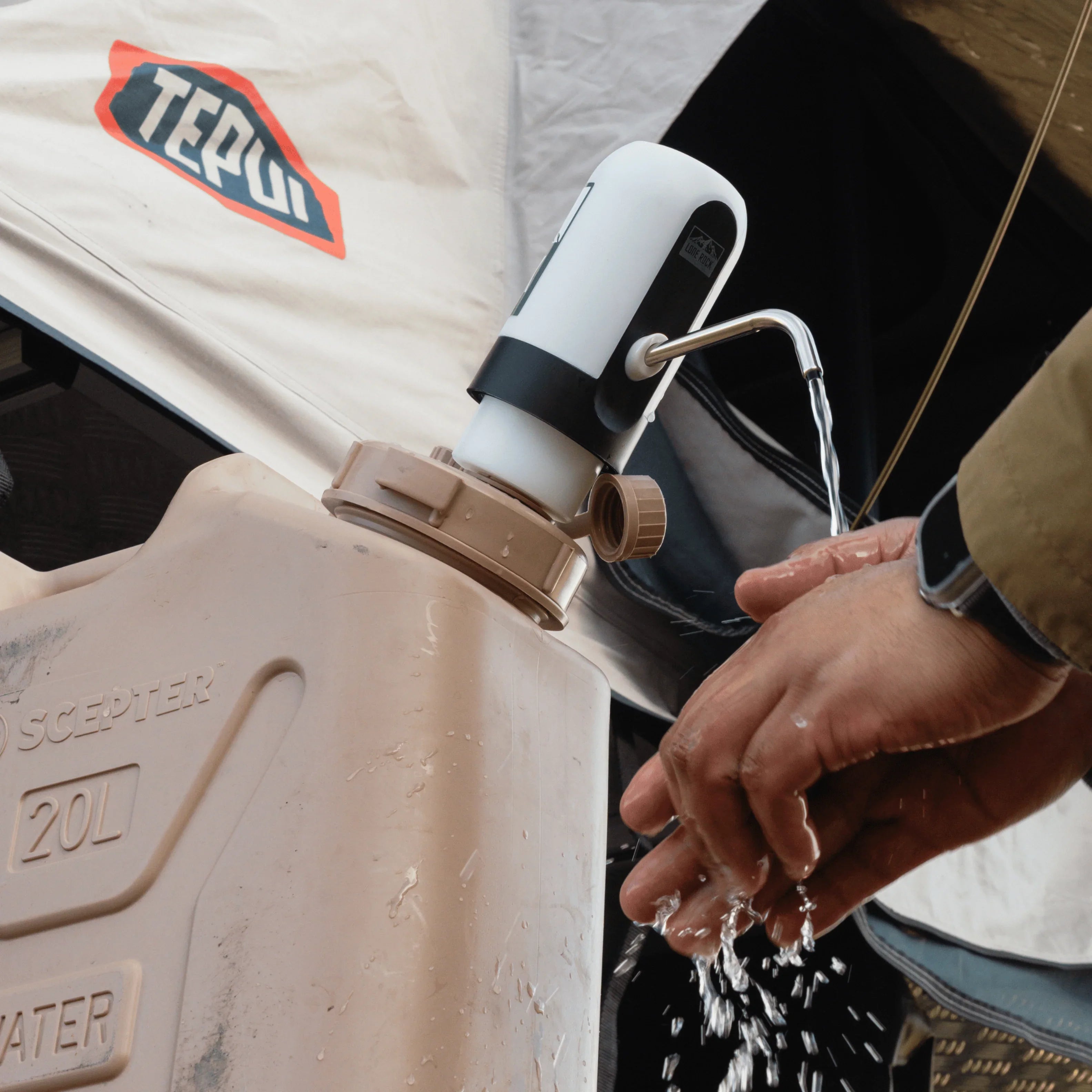
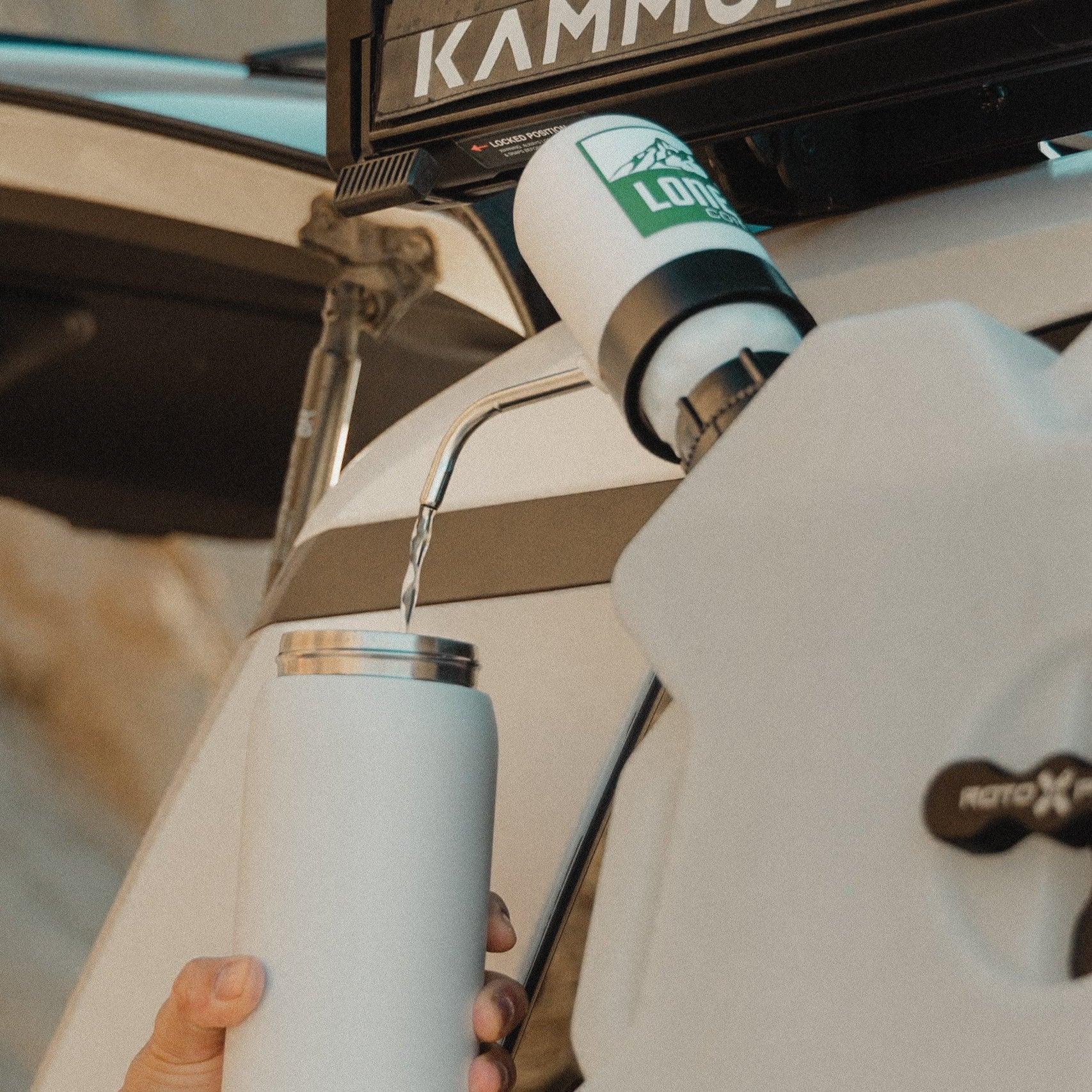
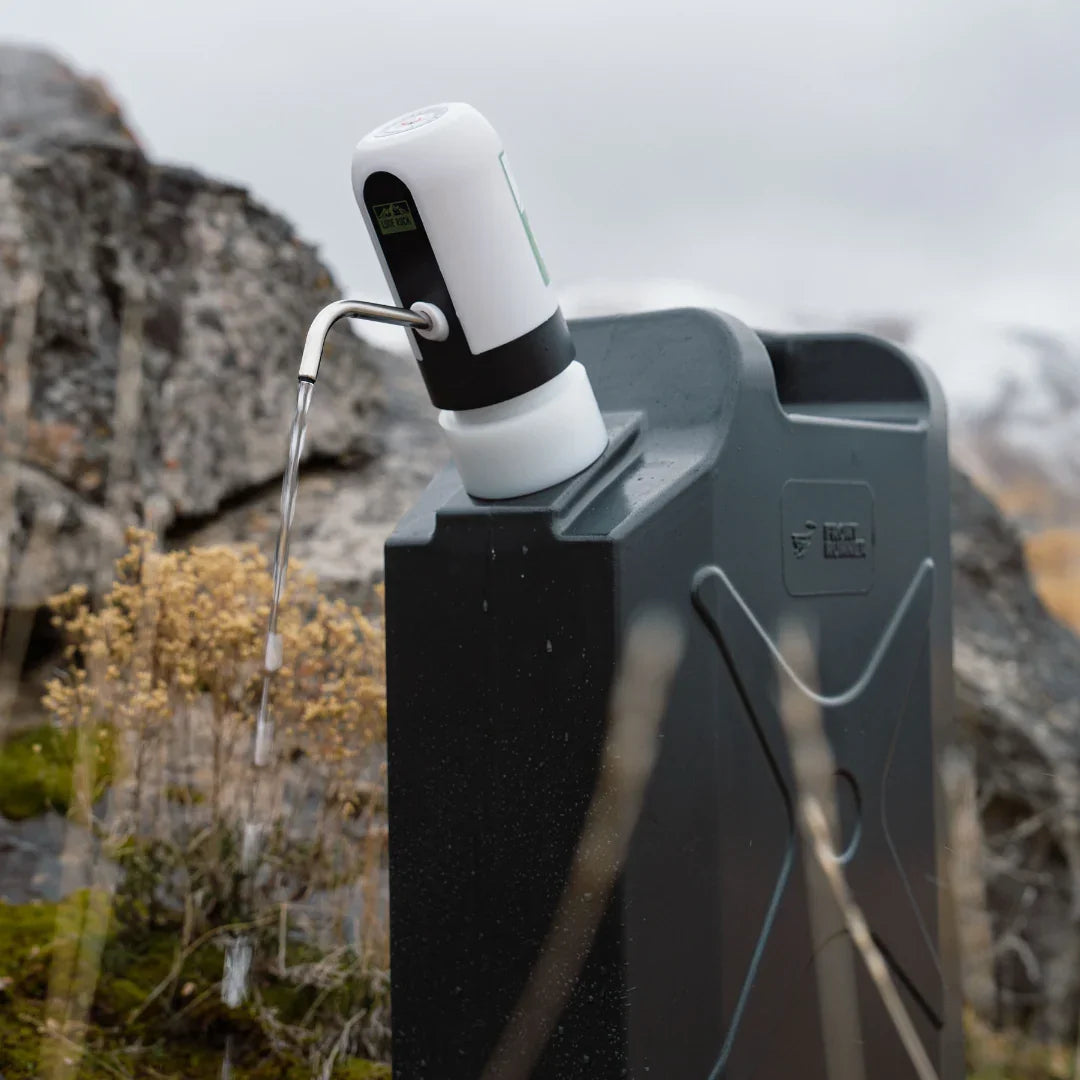
Gravity works when the tank sits higher than the spigot and you're patient — fine for filling pots and rinsing hands. A 12V pump becomes worth the wiring the moment you want pressure, or the tank mounts low, which good placement usually demands. The two aren't rivals so much as a progression: most people start with gravity and add a pump after the first full dish load.
How do I keep tank water from going stale or growing algae?
Keep it dark, keep it moving, and clean the tank on a schedule. Algae needs light, so opaque tanks and shaded mounting solve most of it; staleness comes from water sitting sealed in warm weather, so use and refill the supply on the road rather than treating it as untouchable. Between trips, drain the tank, and sanitize with a mild bleach solution a few times a season.
Will a full water tank freeze and split in winter?
Water expands roughly nine percent when it freezes, so a completely full, hard-frozen tank can damage fittings or the tank itself. The fixes are simple: run tanks partly empty in freezing weather to leave expansion room, mount inside the cab or canopy where the truck's residual warmth helps, and drain pumps and lines — the small plumbing freezes and cracks long before the tank does.
