








Shifters
Shifters are one of those parts you never think about until a lift or a steep off-camber climb makes the factory linkage bind, pop out of gear, or leave you guessing. This collection covers shifter upgrades and fixes for lifted and modified rigs — filtered by year, make, and model so what you see matches your drivetrain. Cheap insurance for the moment you need four-low and need it now.

Shifters FAQs
Why does my transfer case pop out of gear off-road?
Usually because the shift linkage geometry no longer matches the drivetrain. Lifts, body lifts, and worn bushings all change the relationship between the lever and the case, so suspension flex can physically pull the linkage partway out of engagement. The fix is restoring correct geometry with an adjusted or upgraded shifter — not holding the lever with your knee, which is the traditional but worse solution.
What does a cable shifter conversion actually fix?
It separates shifting from drivetrain movement. A rigid factory linkage depends on the engine, transmission, and body all staying in their stock positions; a cable routes around that problem entirely, so the case gets a clean, full-travel shift no matter how the drivetrain moves or what mounts you've changed. It's the durable fix for rigs where lifts or swaps have permanently changed the geometry.
Do I need shifter work after a body lift?
Very often, yes. A body lift raises the cab — and the shifter mounted to it — while the drivetrain stays put, which changes every linkage angle at once. Small body lifts sometimes get away with simple adjustment; beyond that, relocation brackets or redesigned shifters restore full engagement. If four-low suddenly takes a wrestling match after your lift, this is why.
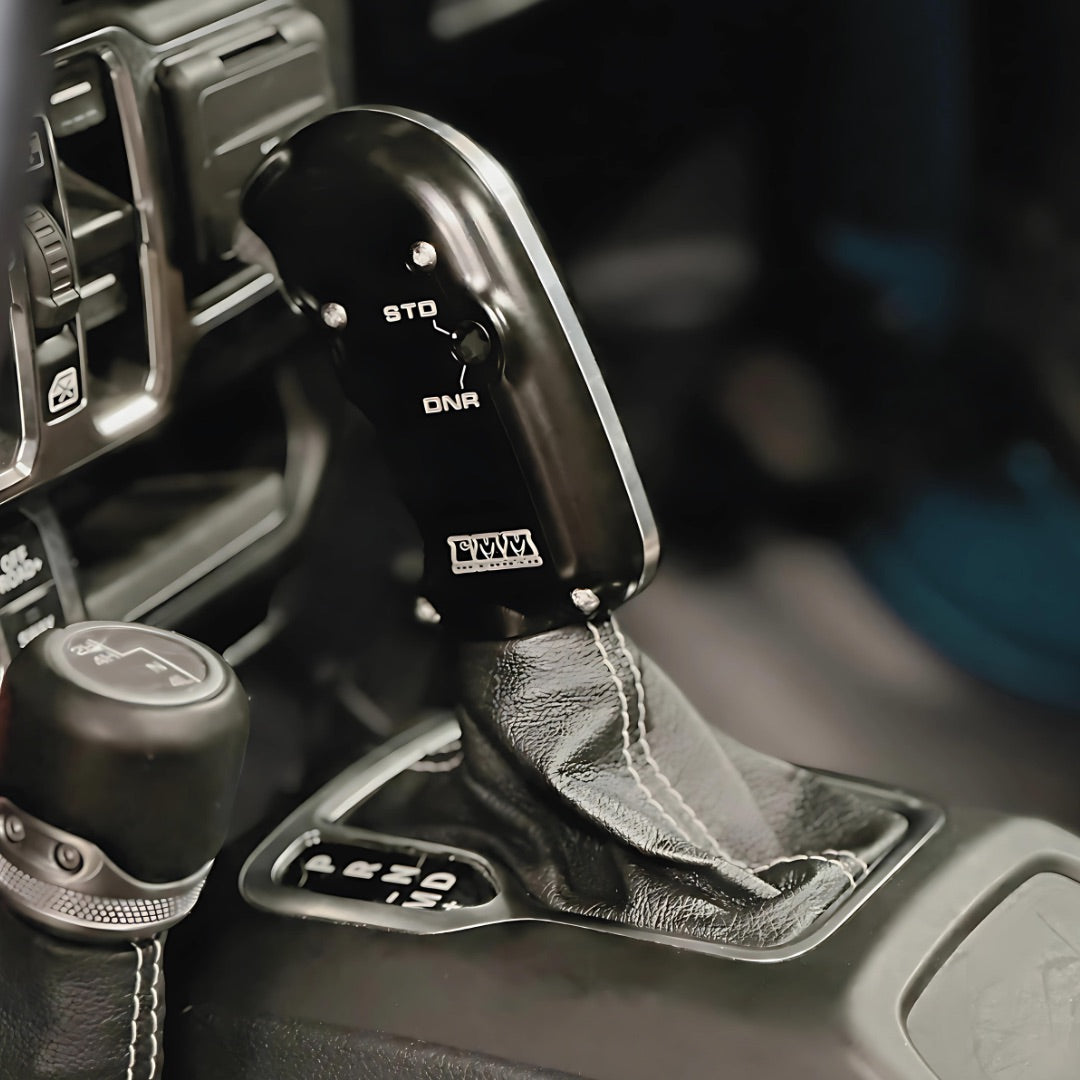
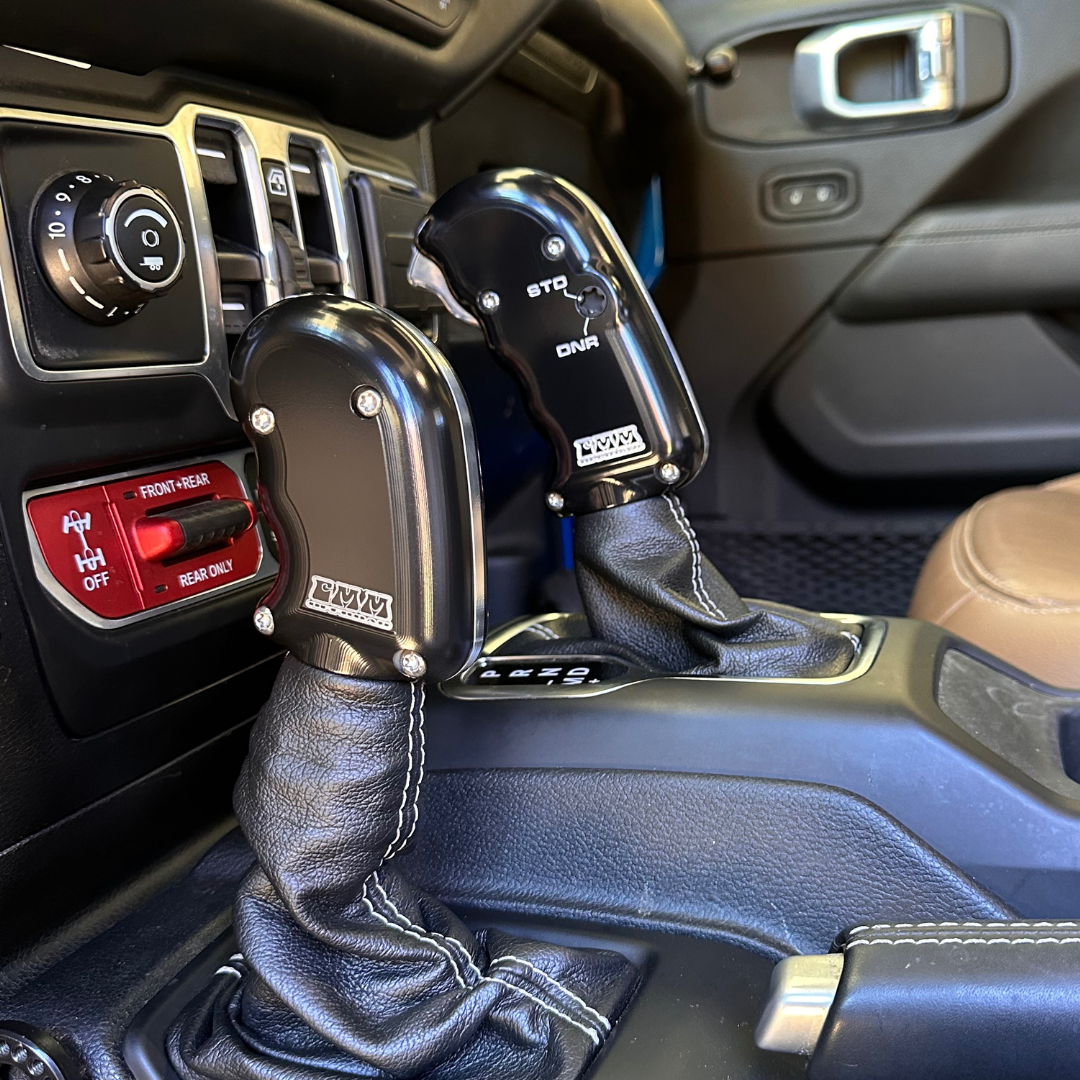
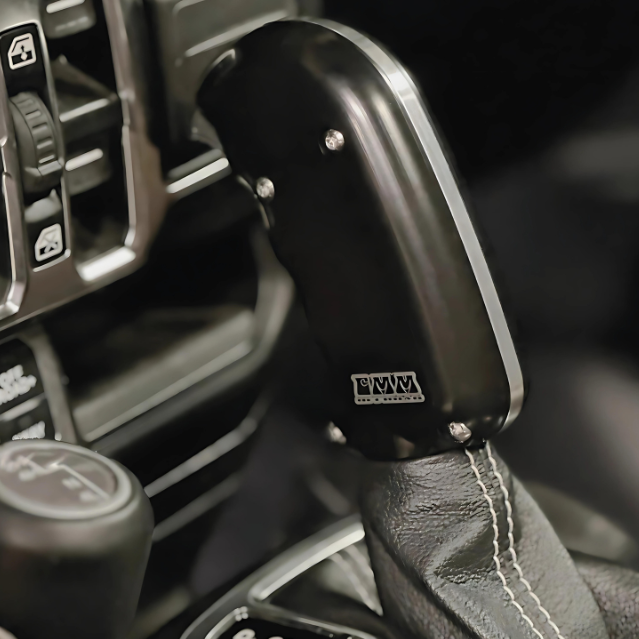
Are upgraded shift knobs and levers just cosmetic?
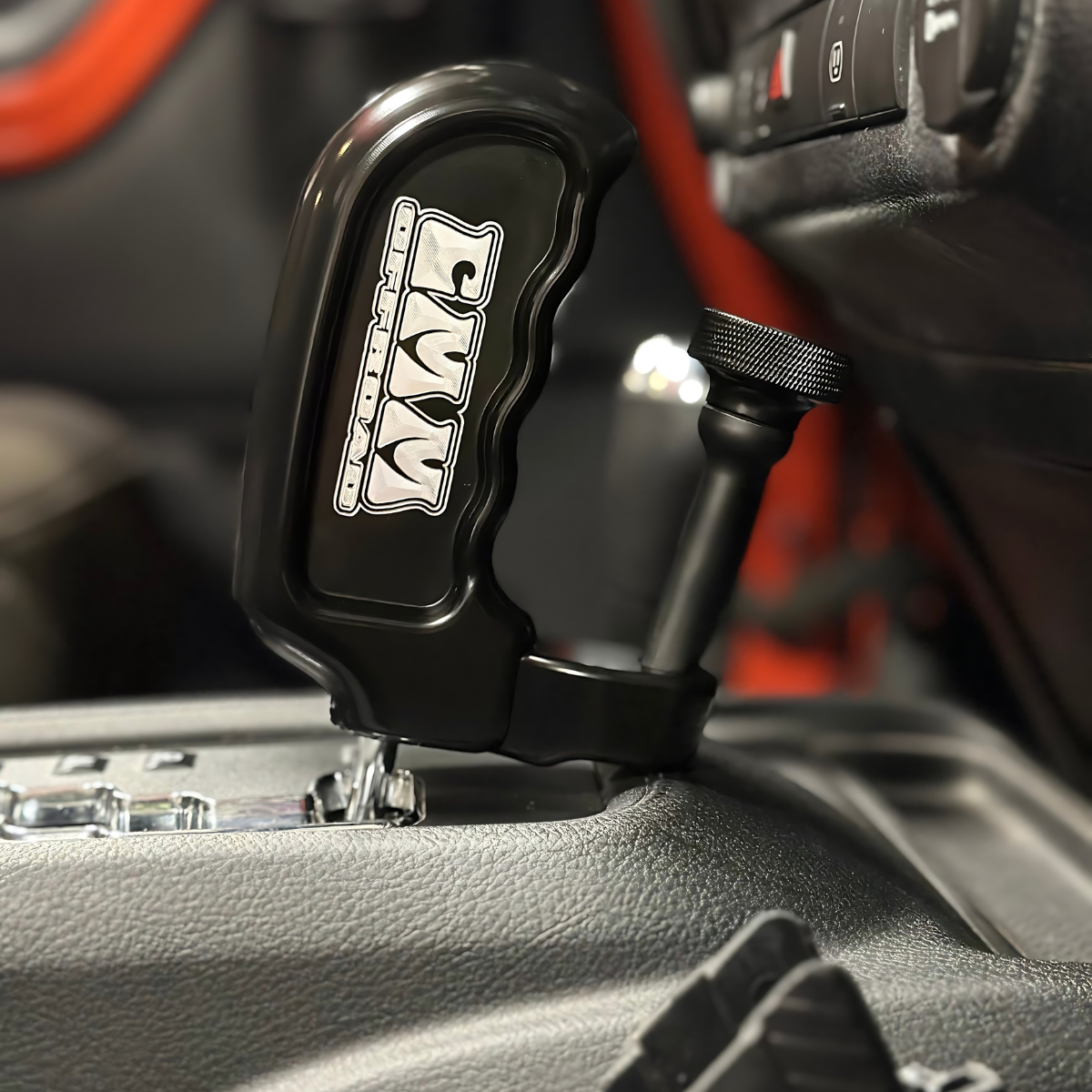
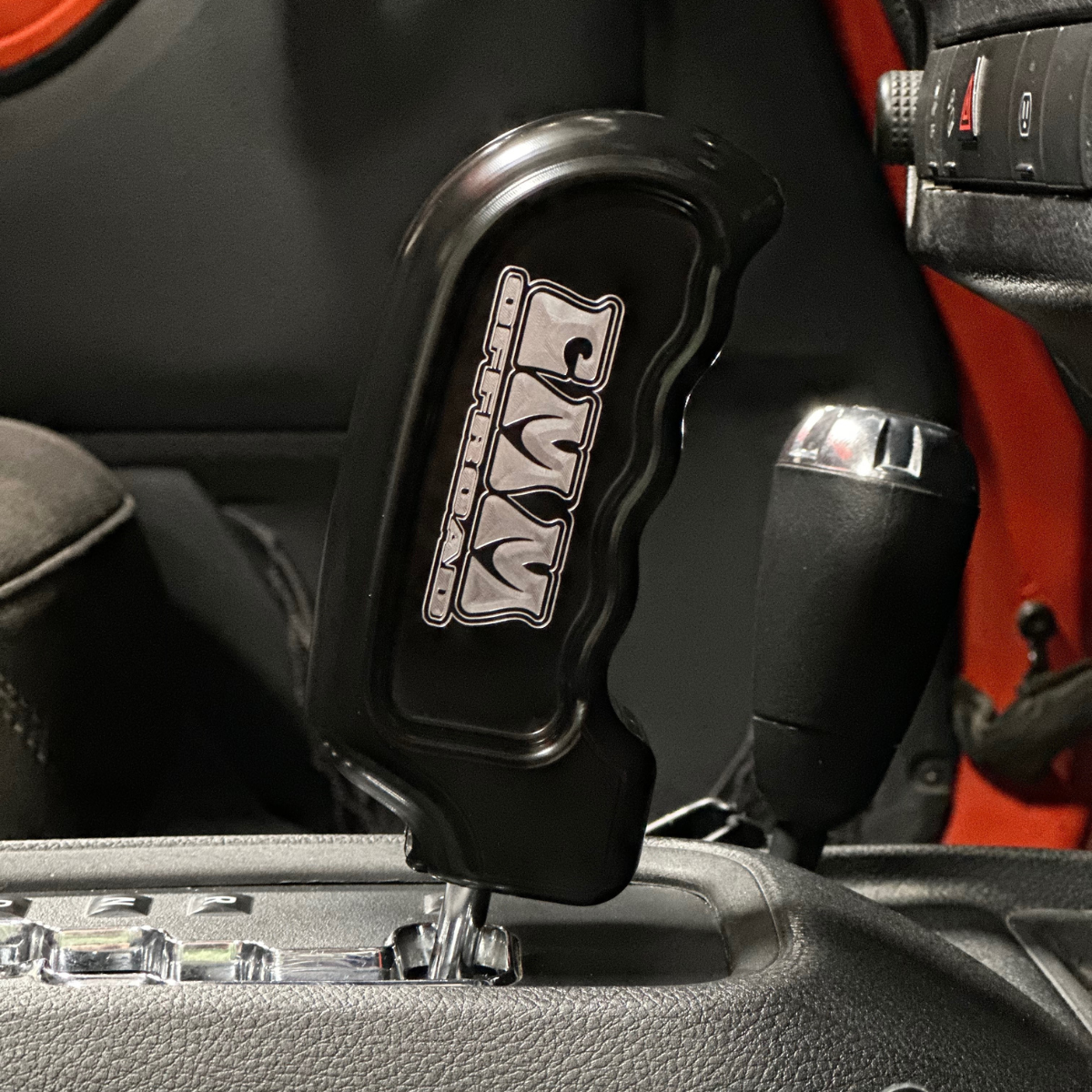
Mostly they're about feel, which stops being cosmetic on a rough trail. A different lever length changes throw and leverage; a properly shaped knob is easier to grab with gloves or in a bouncing cab. None of it adds capability the way a linkage fix does, so treat knobs and levers as ergonomics — worthwhile, but solve engagement problems first.
Can I fix a sloppy shifter without replacing the whole assembly?
Sometimes — it depends on what's worn. Slop usually comes from tired bushings and loose linkage joints, and replacing those small parts can tighten things up cheaply. But if the geometry itself is wrong because of a lift or a swap, no bushing will save it; you need hardware that corrects the angles. Diagnose which problem you have before spending either way.
