





Traction Bars
Put enough torque through a leaf-sprung rear axle and the springs wind up before the truck moves — axle wrap. You feel it as wheel hop off the line, and it beats up leaf packs, U-bolts and driveshaft angles.
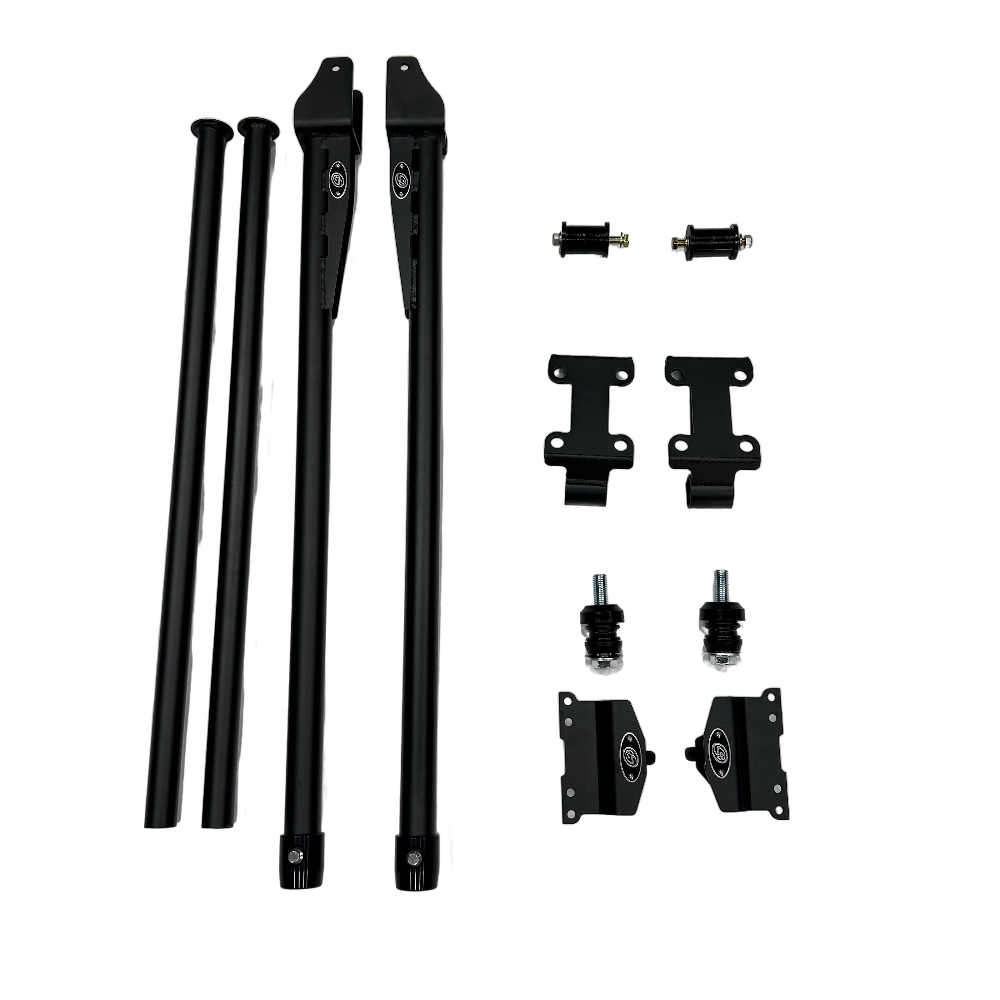
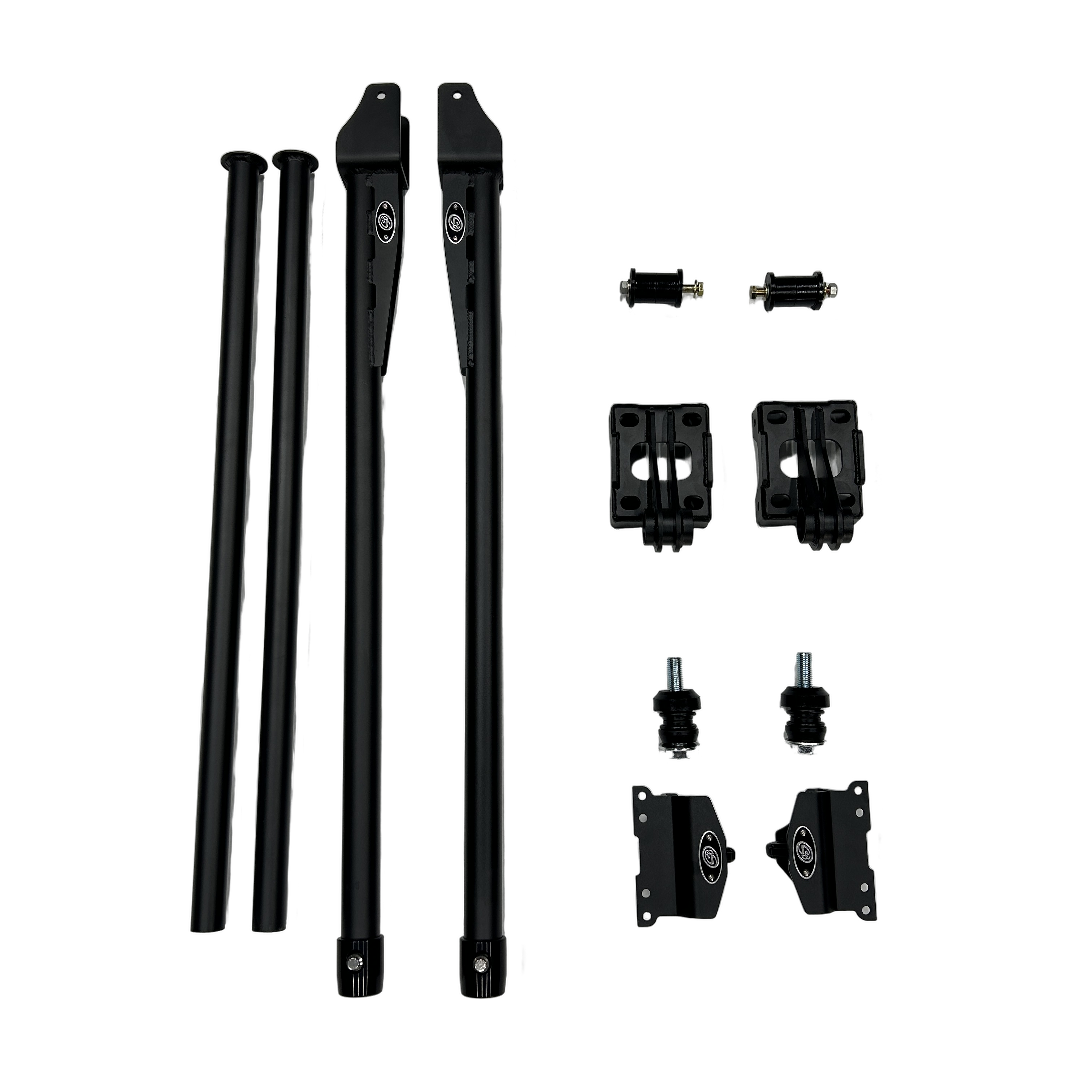
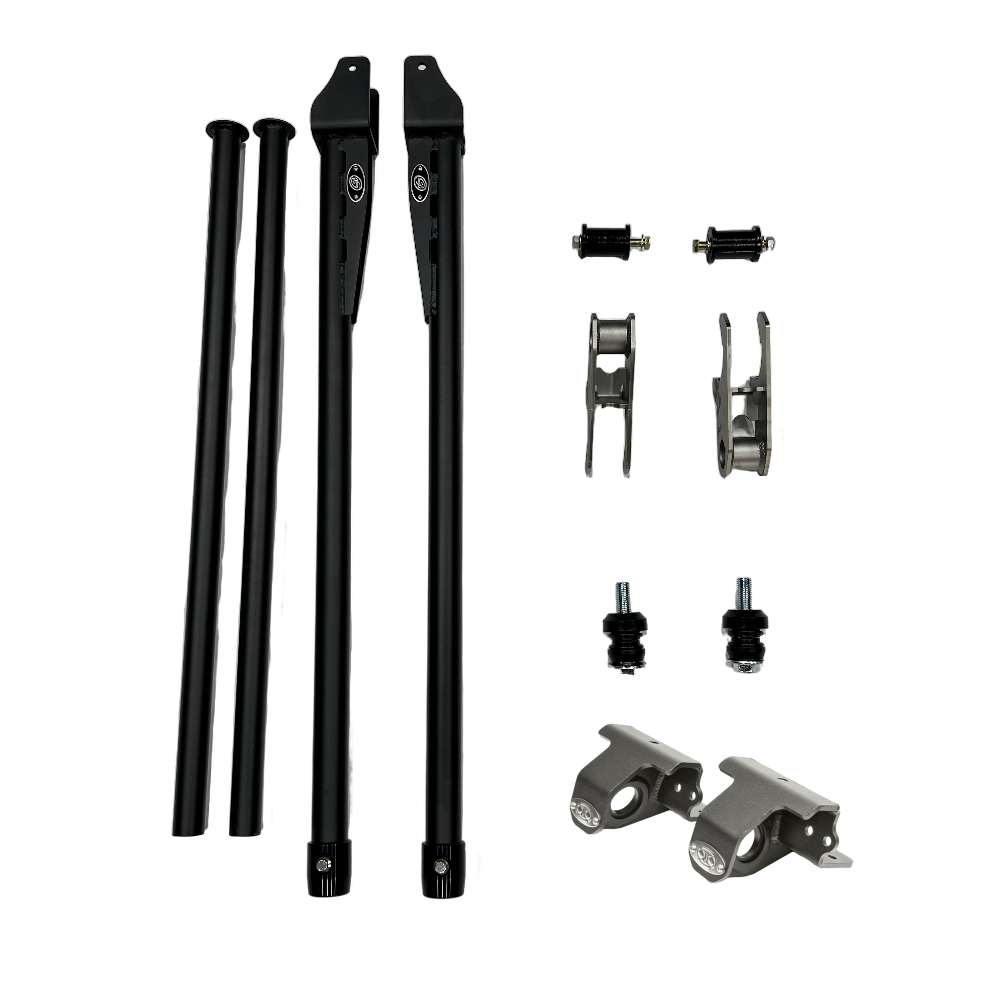
Traction bars tie the axle to the frame so it cannot rotate under load. Diesel trucks that tow heavy or run added power are the usual candidates, along with any lifted truck where the pinion angle has already moved.
Bolt-on vs. weld-on
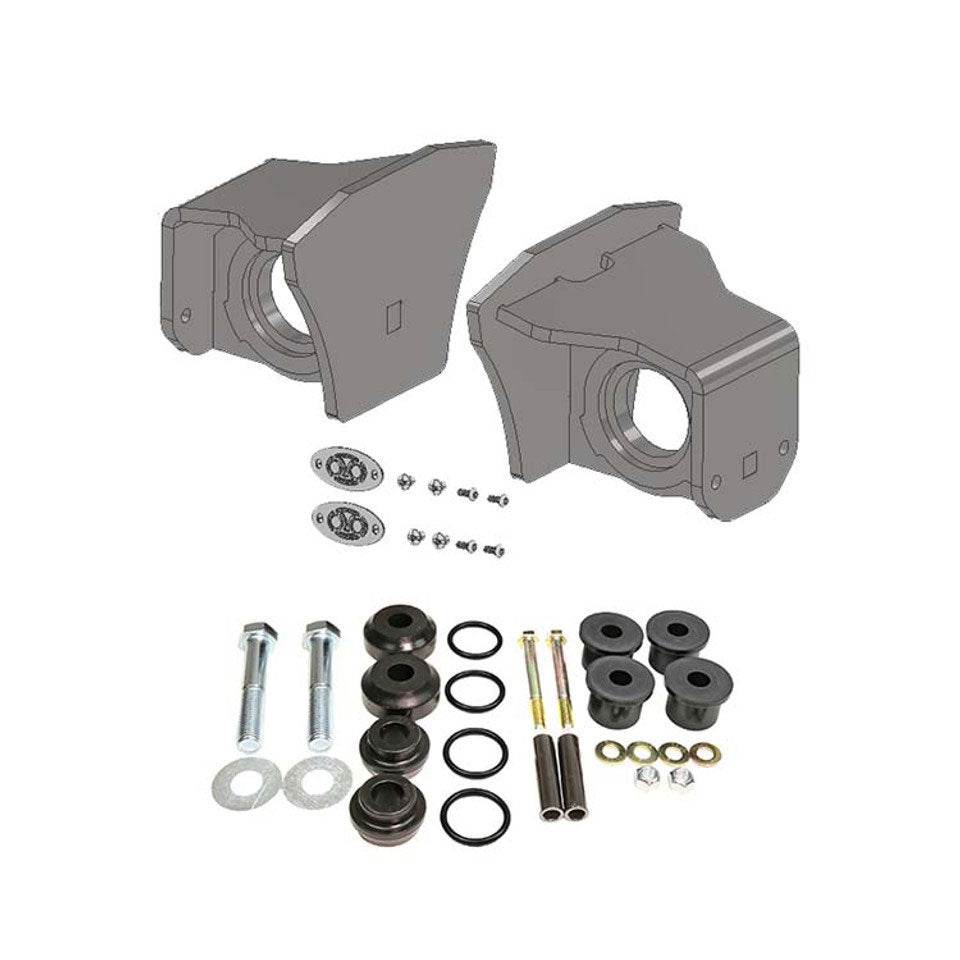
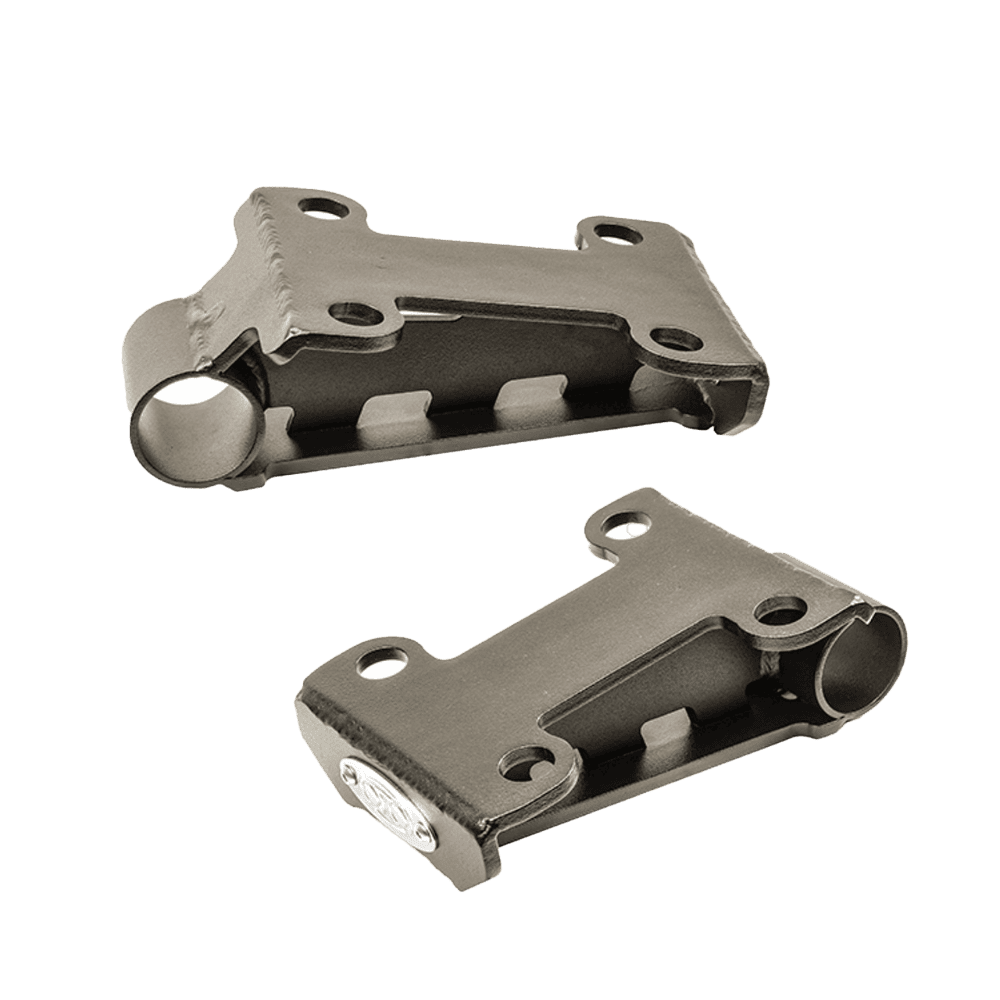
Bolt-on kits install with hand tools and are removable. Weld-on frame mounts are stronger and cleaner packaging, but permanent and best left to a competent fabricator.
Measure before ordering
Fitment depends on axle tube diameter, lift height, and whether your U-bolts point up or down. Verify all three — these kits are not one-size-fits-all.

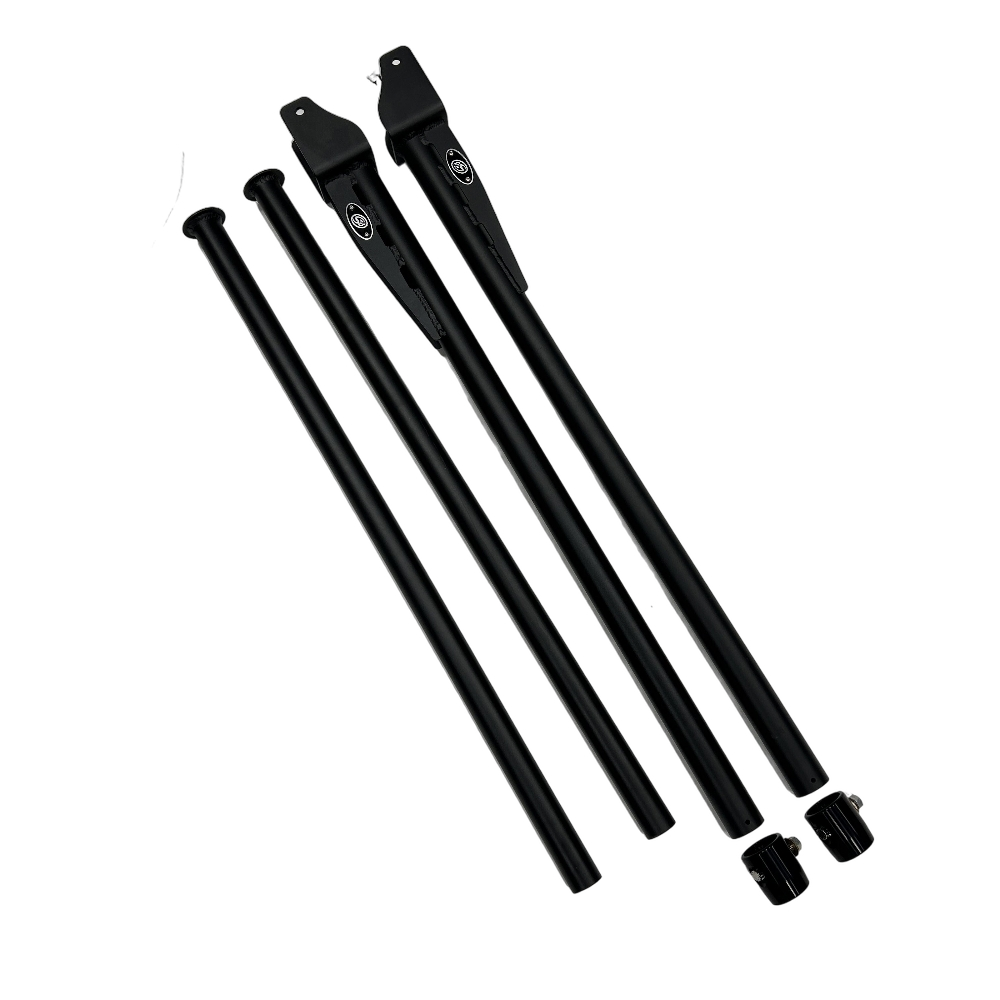

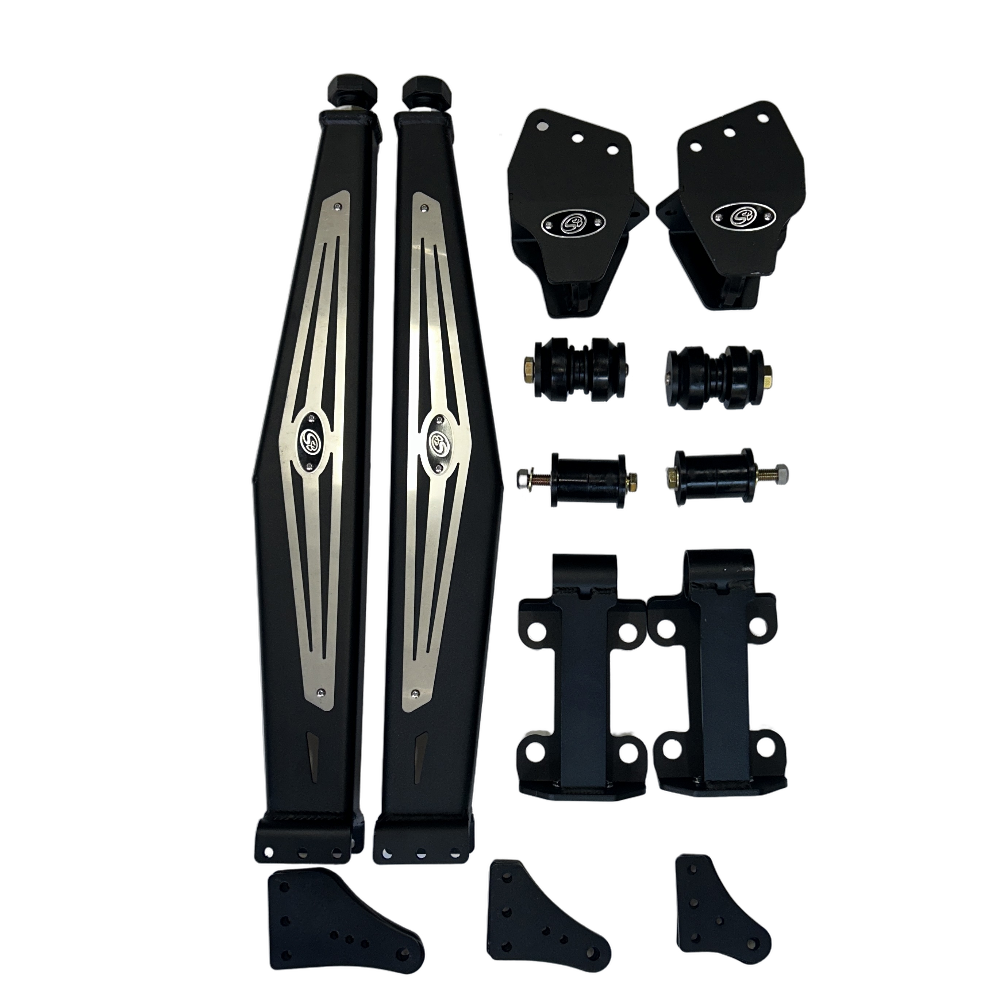
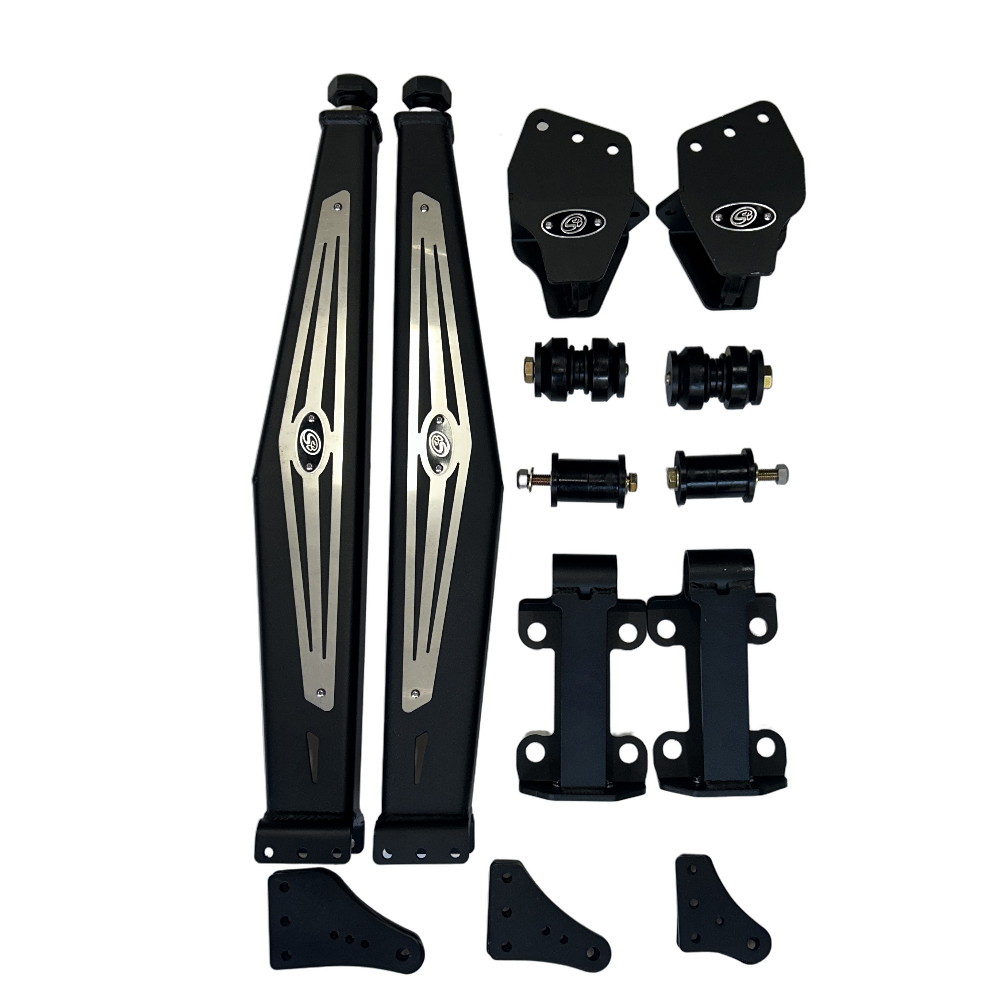

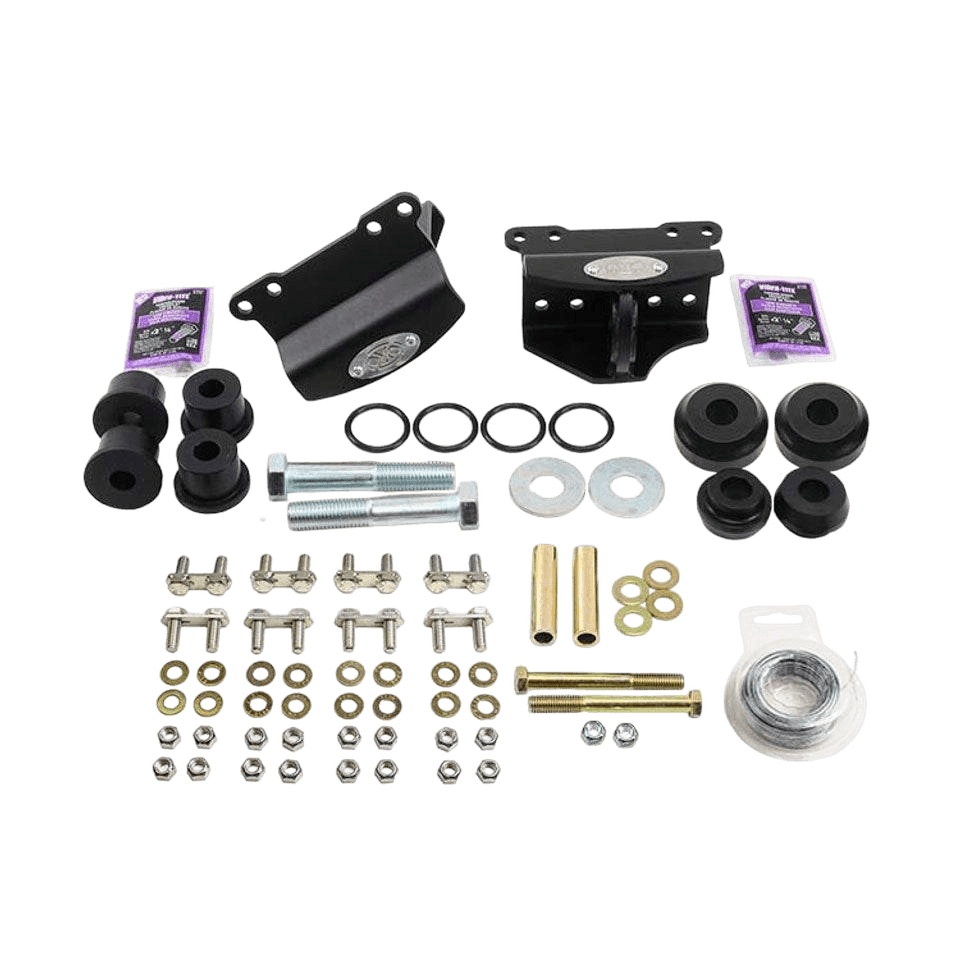




Traction Bars FAQs
What do traction bars do on a truck?
They tie the axle to the frame to limit axle wrap, where the axle twists under hard acceleration. That reduces wheel hop and stress on leaf springs and U-bolts. They are common on diesels and heavy towing trucks.
Do I need traction bars on a lifted truck?
Not always, but lifted trucks with leaf springs and a lot of torque are common candidates. A lift can change pinion angle. A heavy tow rig or added power increases the need.
Should I choose bolt-on or weld-on traction bars?
Bolt-on kits install with hand tools and can be removed. Weld-on mounts are fixed to the axle or frame and need a welder. Choose what suits your skills and shop access.
Do traction bars fit dually trucks?
There are separate kits for DRW trucks, such as 2017-2026 F-350 and F-450 DRW. Pick your wheel configuration.
Will traction bars fit my Ram 2500?
S&B lists kits covering some Ram 2500 and 3500 years. Check the year range in the titles. Call (920) 249-7744 if unsure.
