


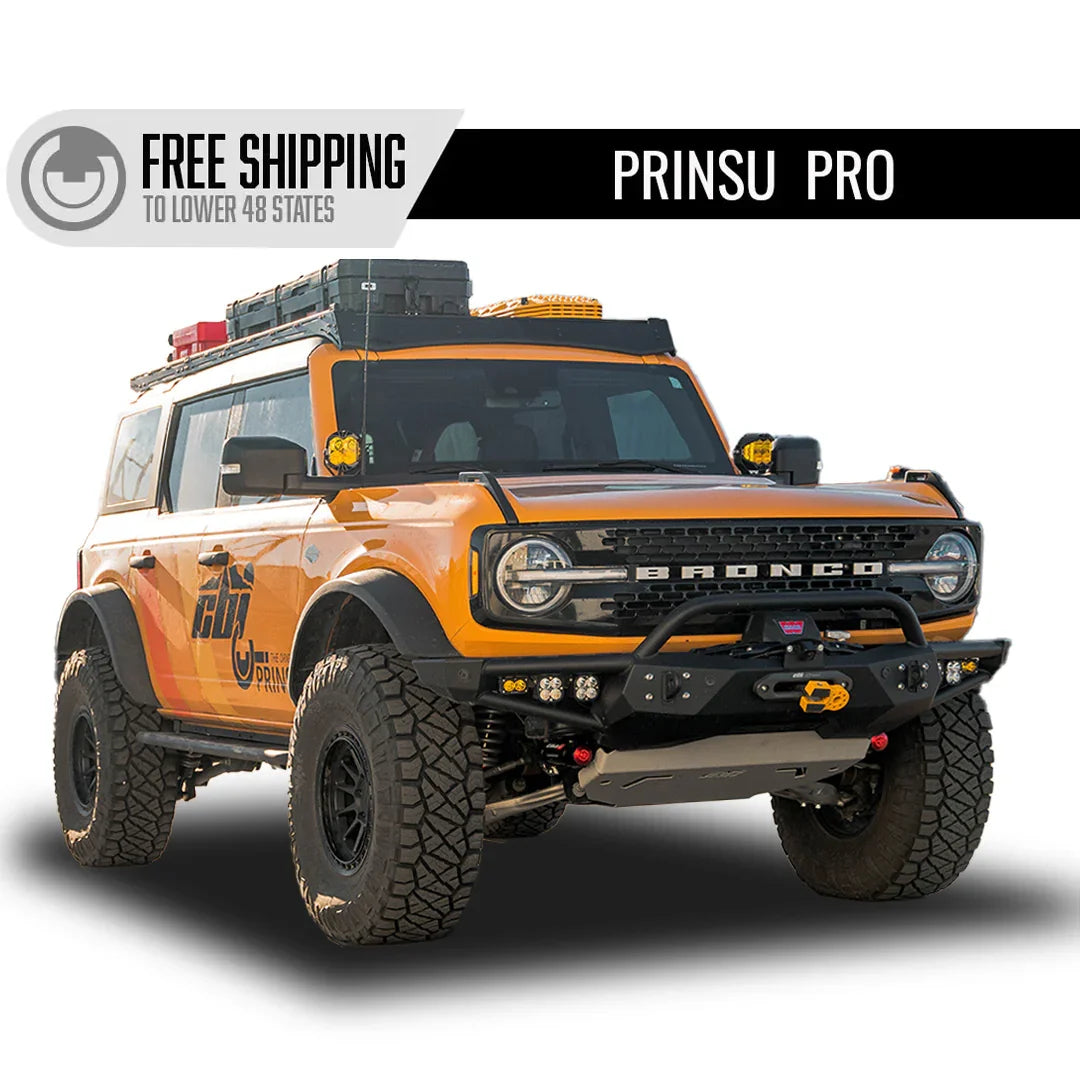
Prinsu Pro Roof Racks
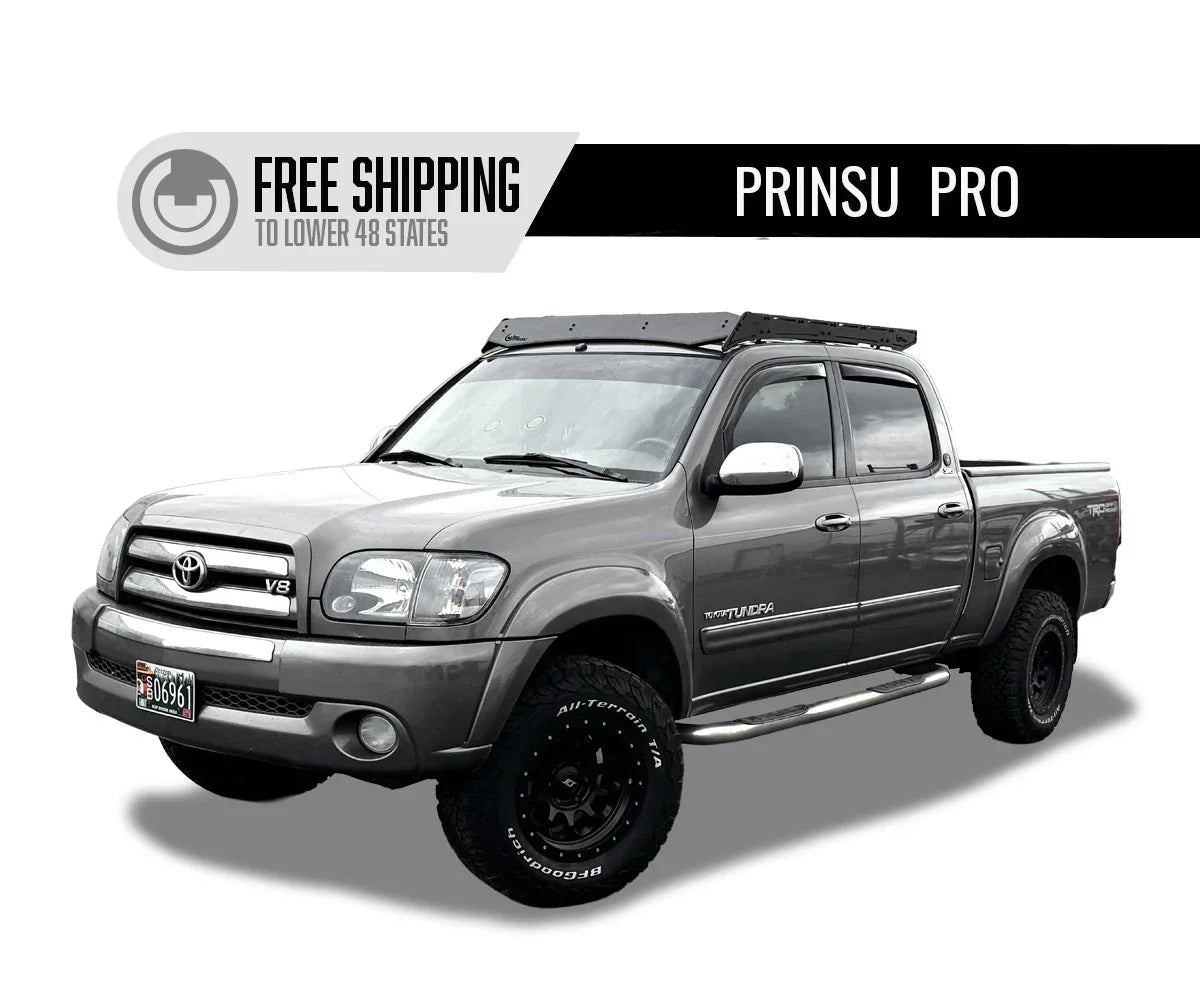
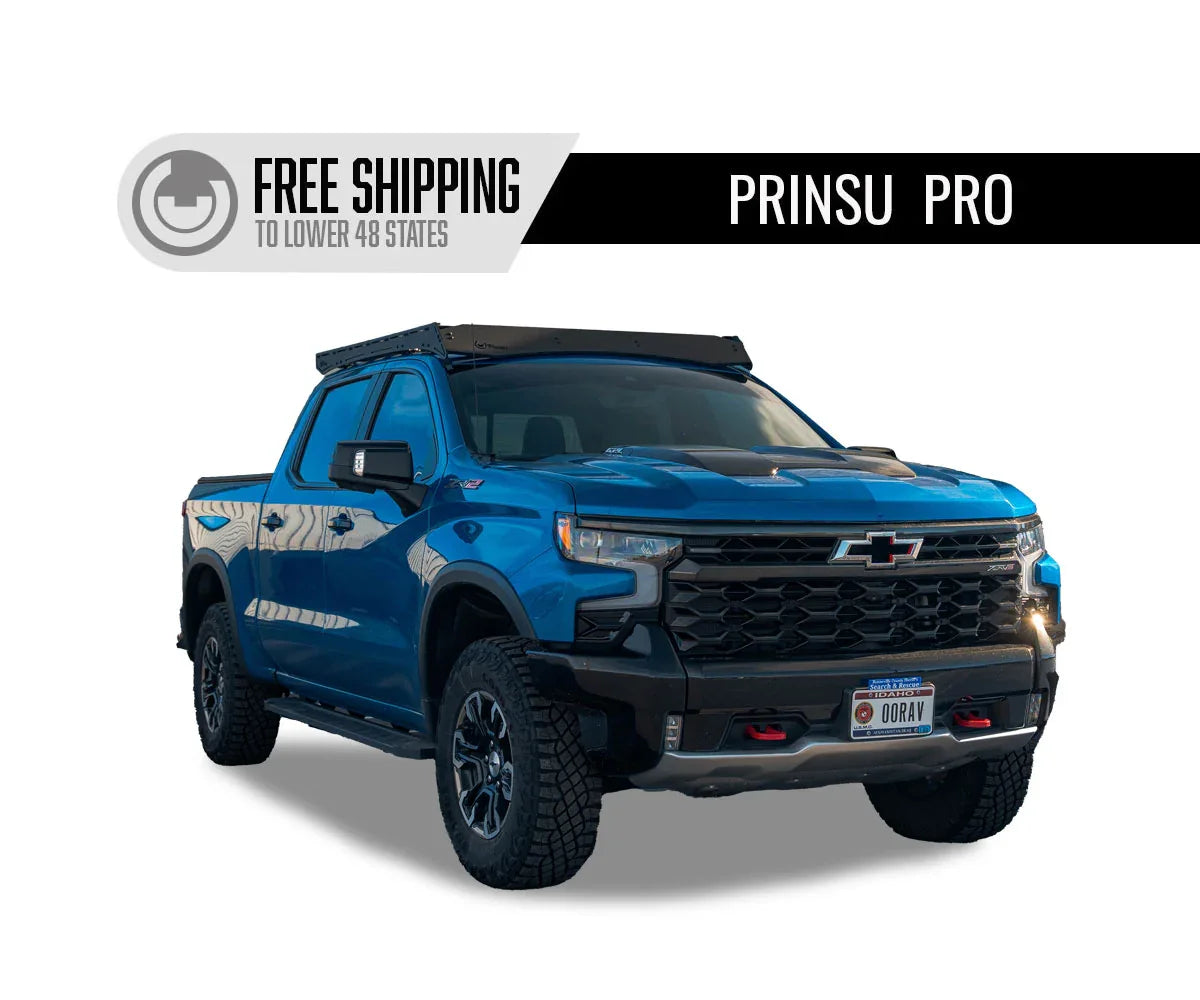
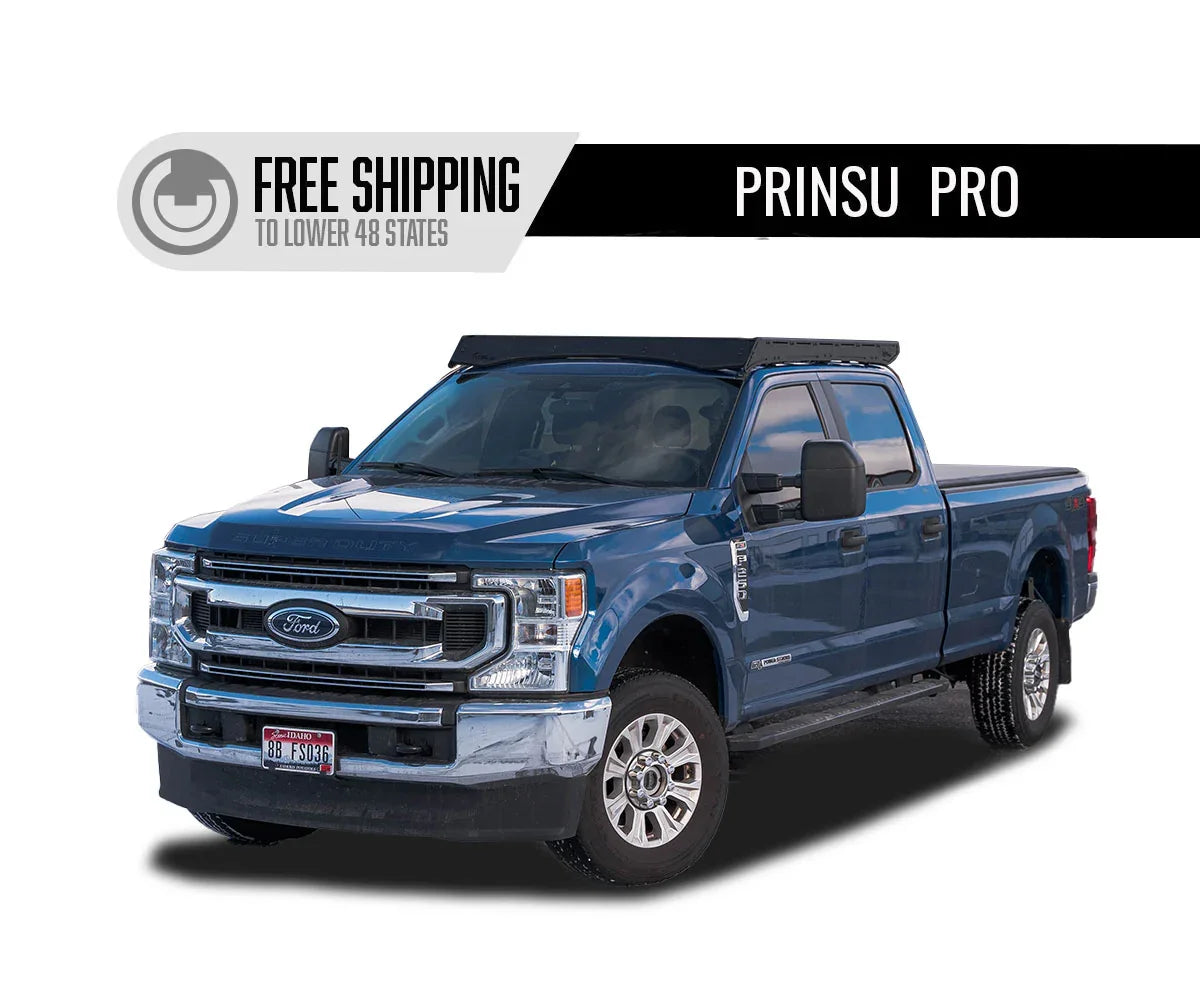
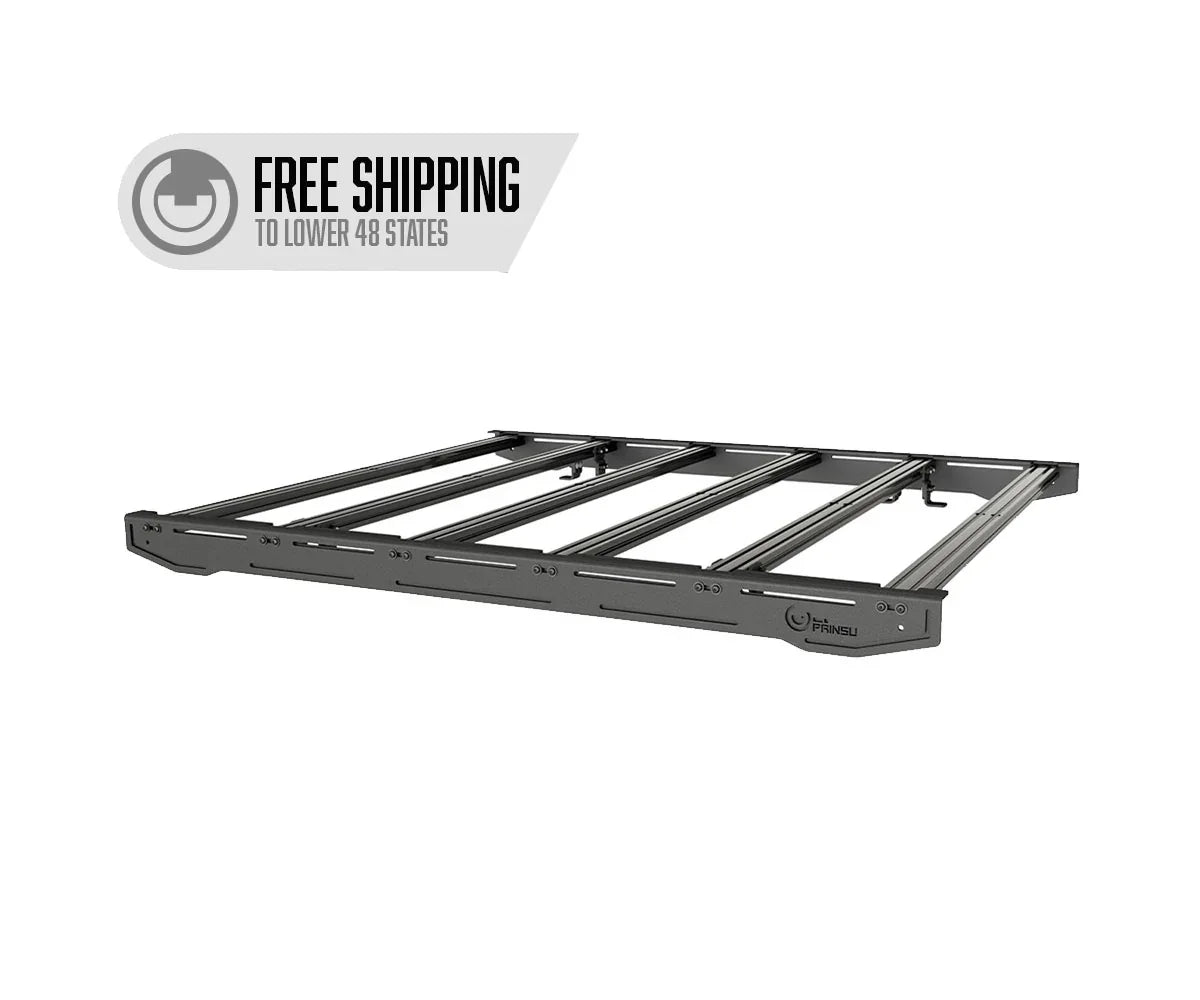
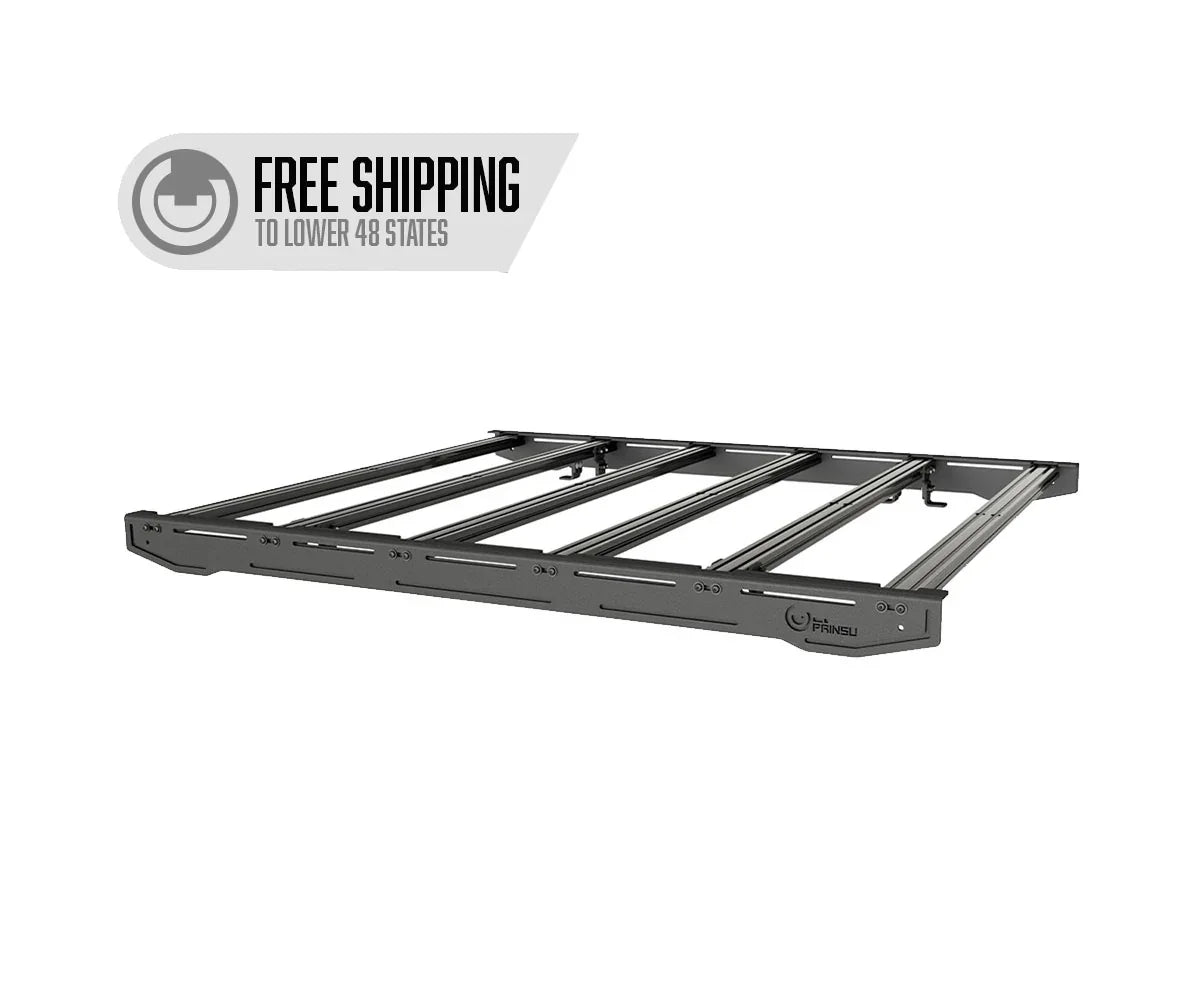
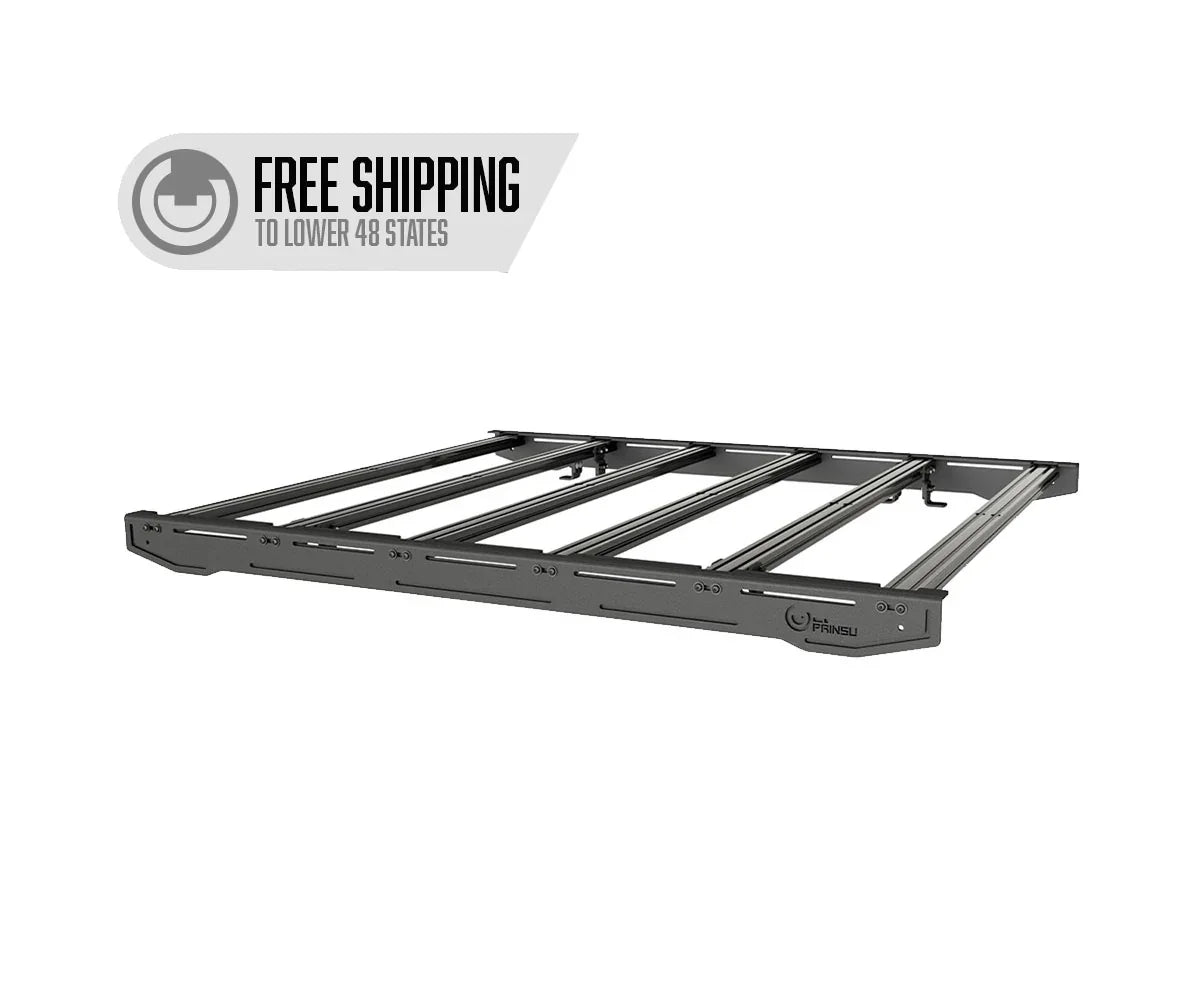
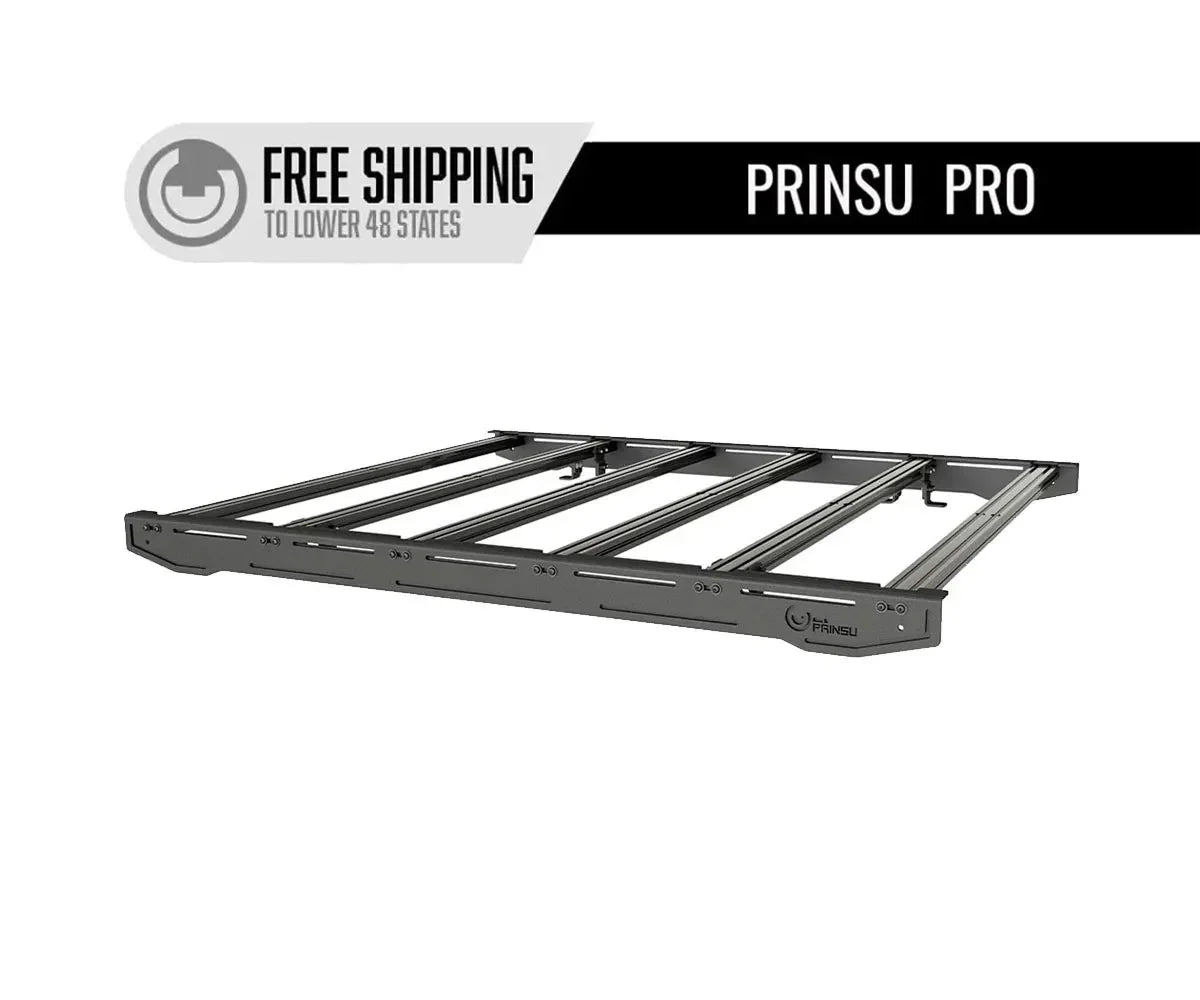
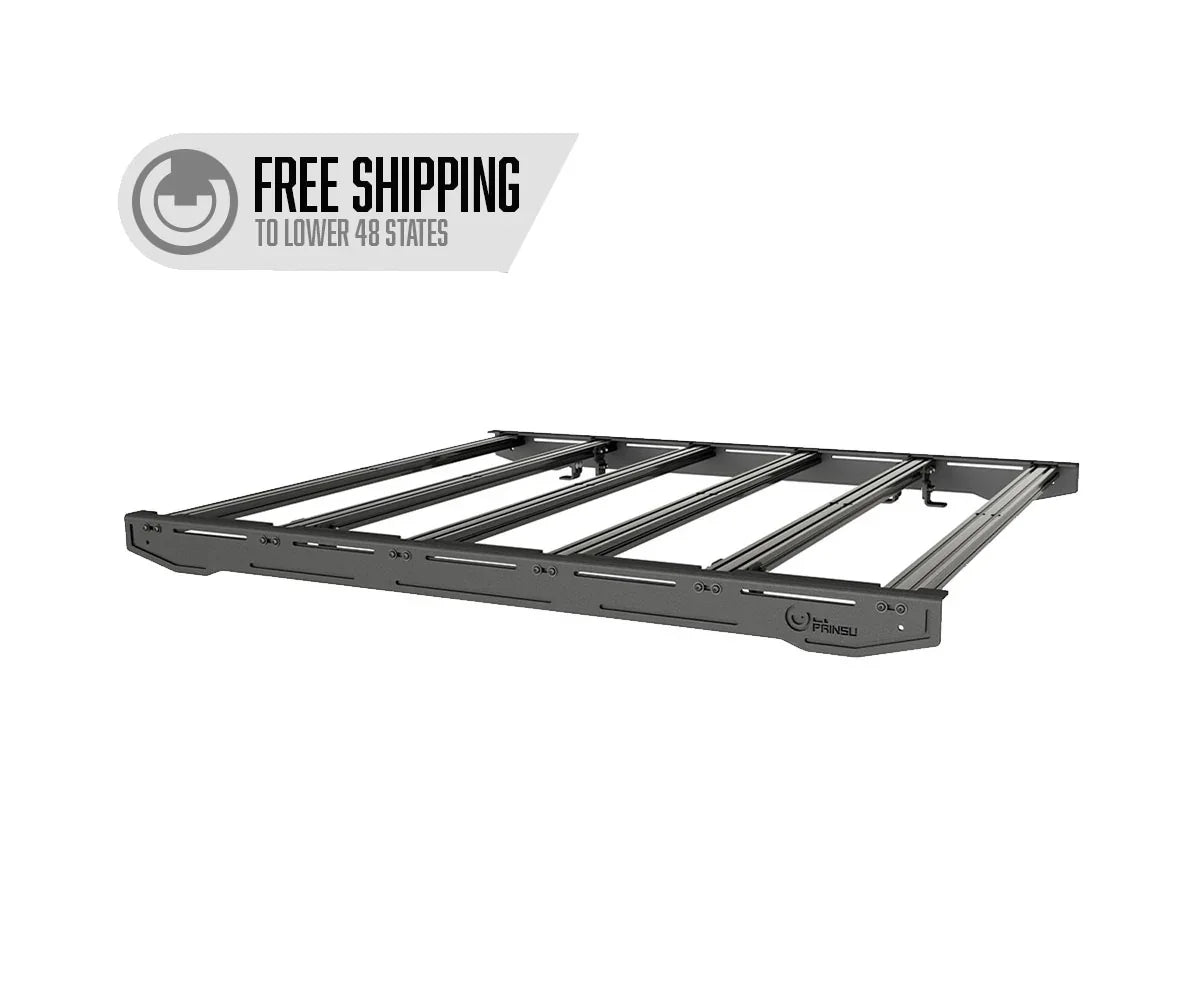
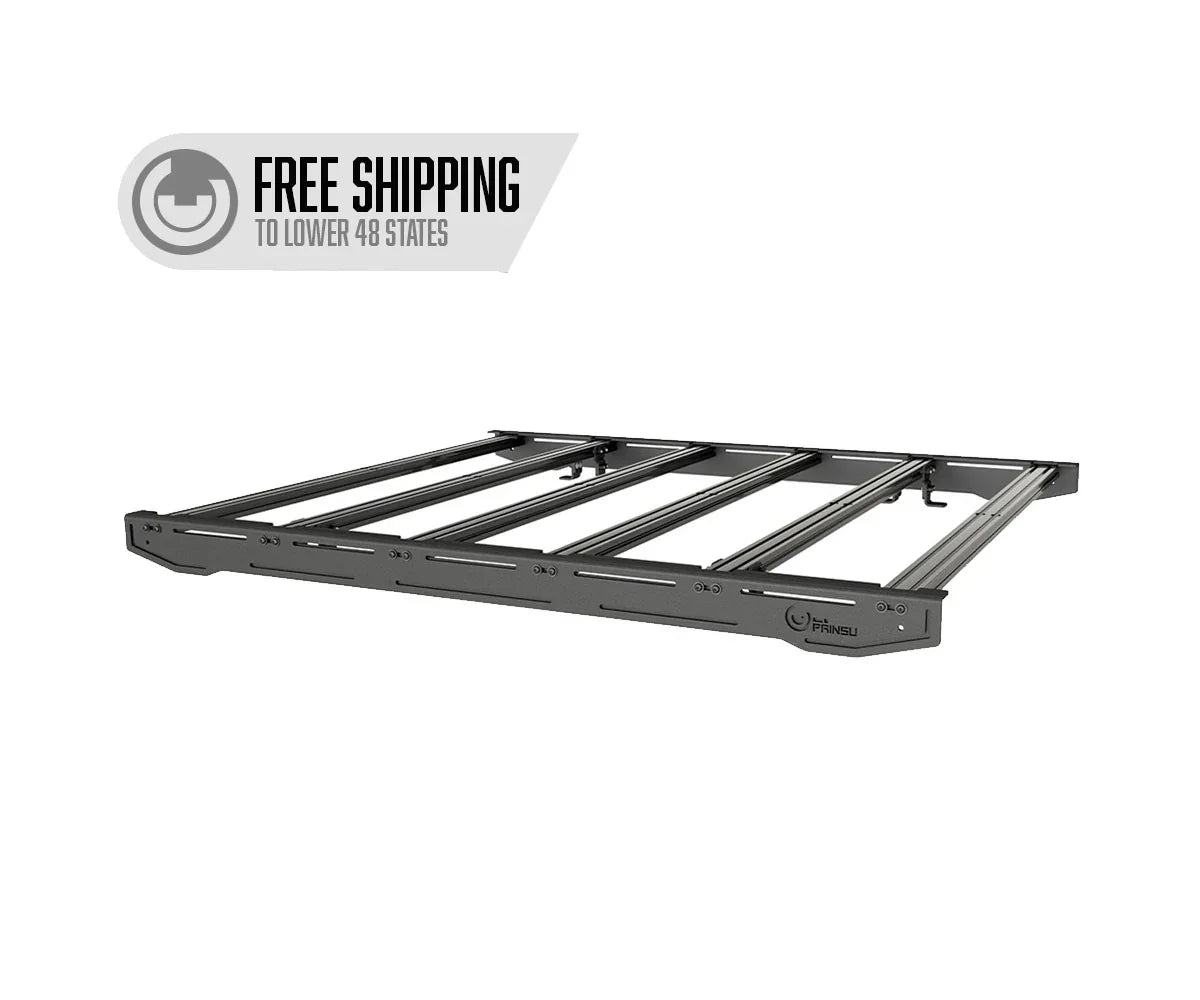
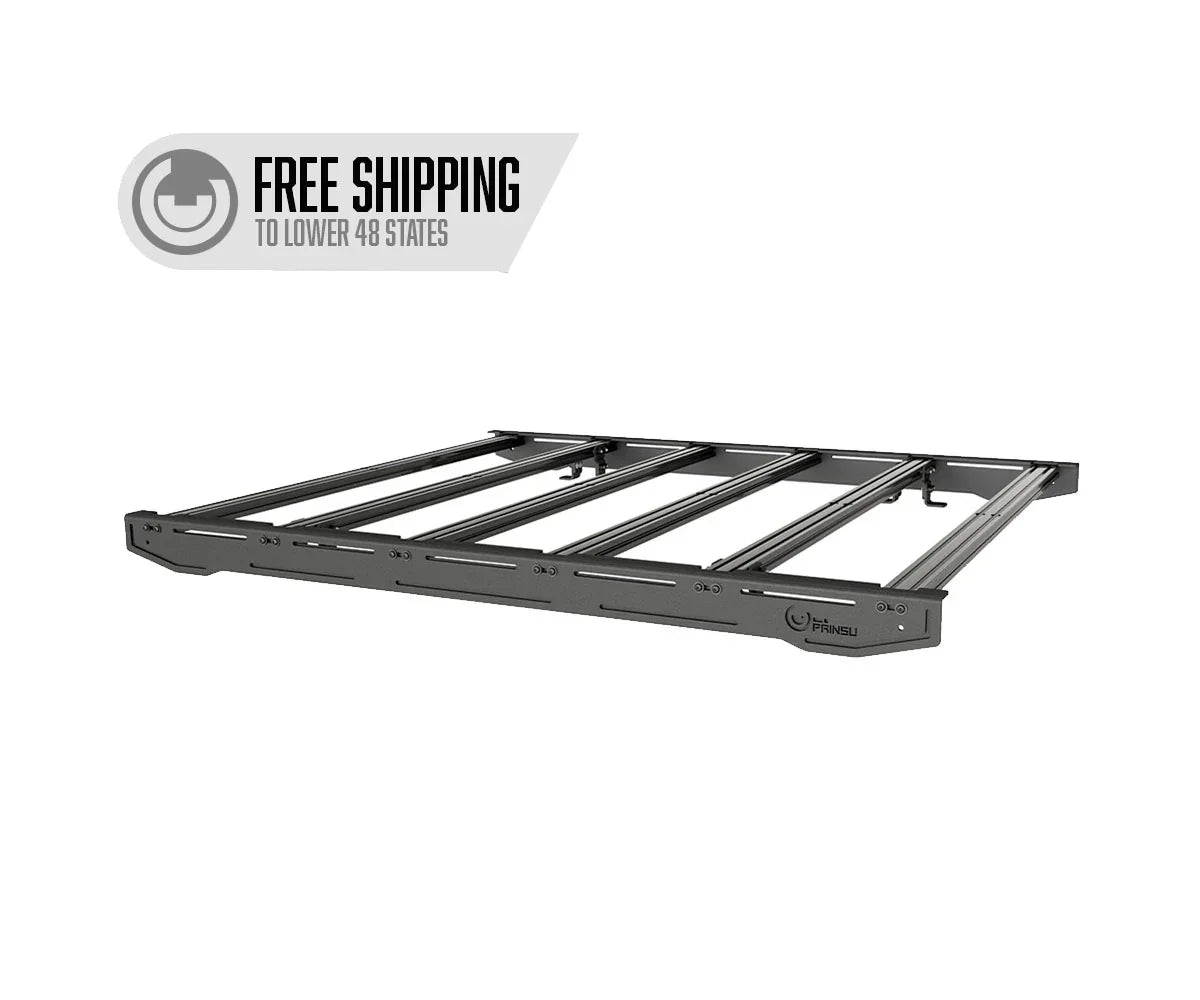
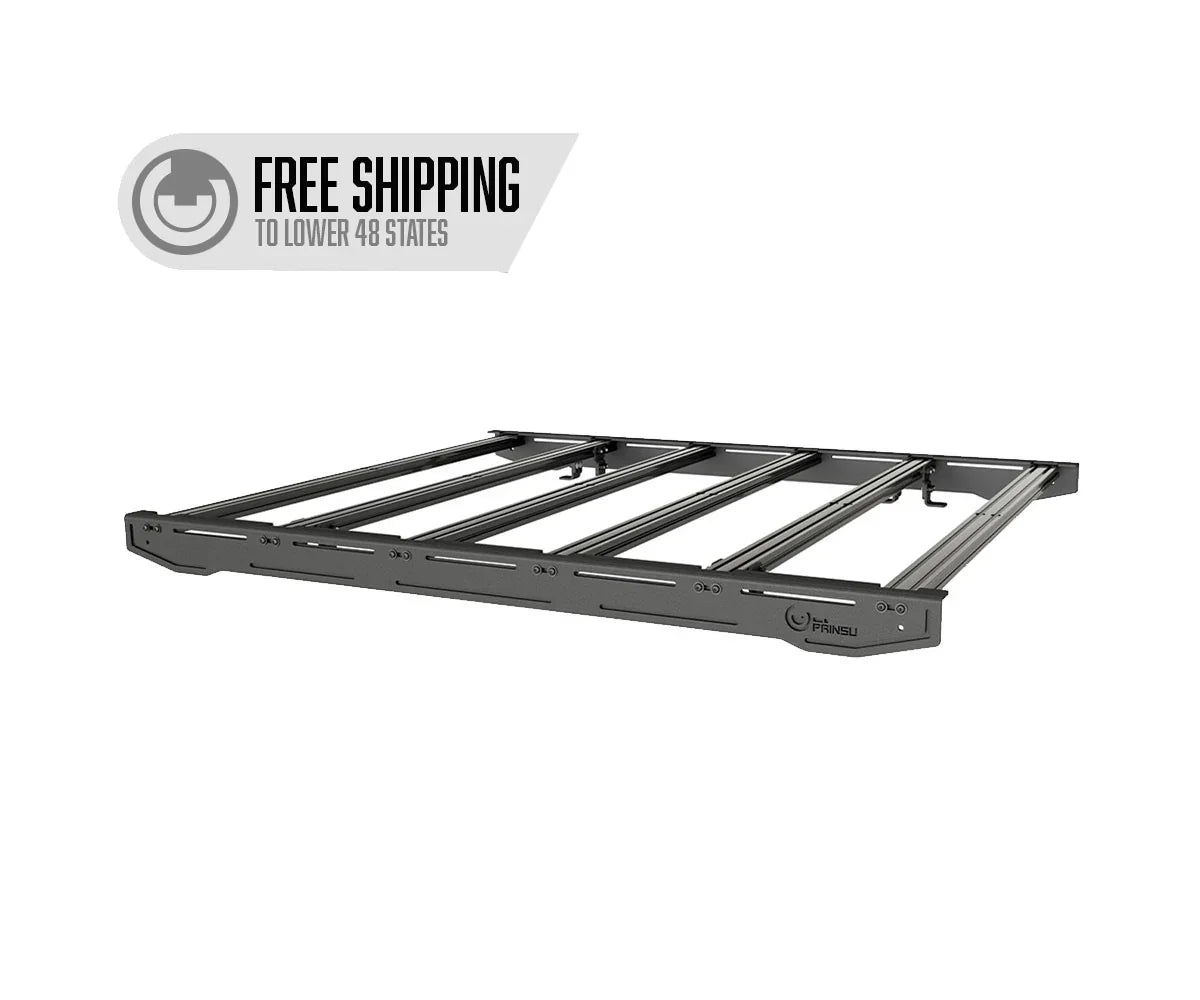
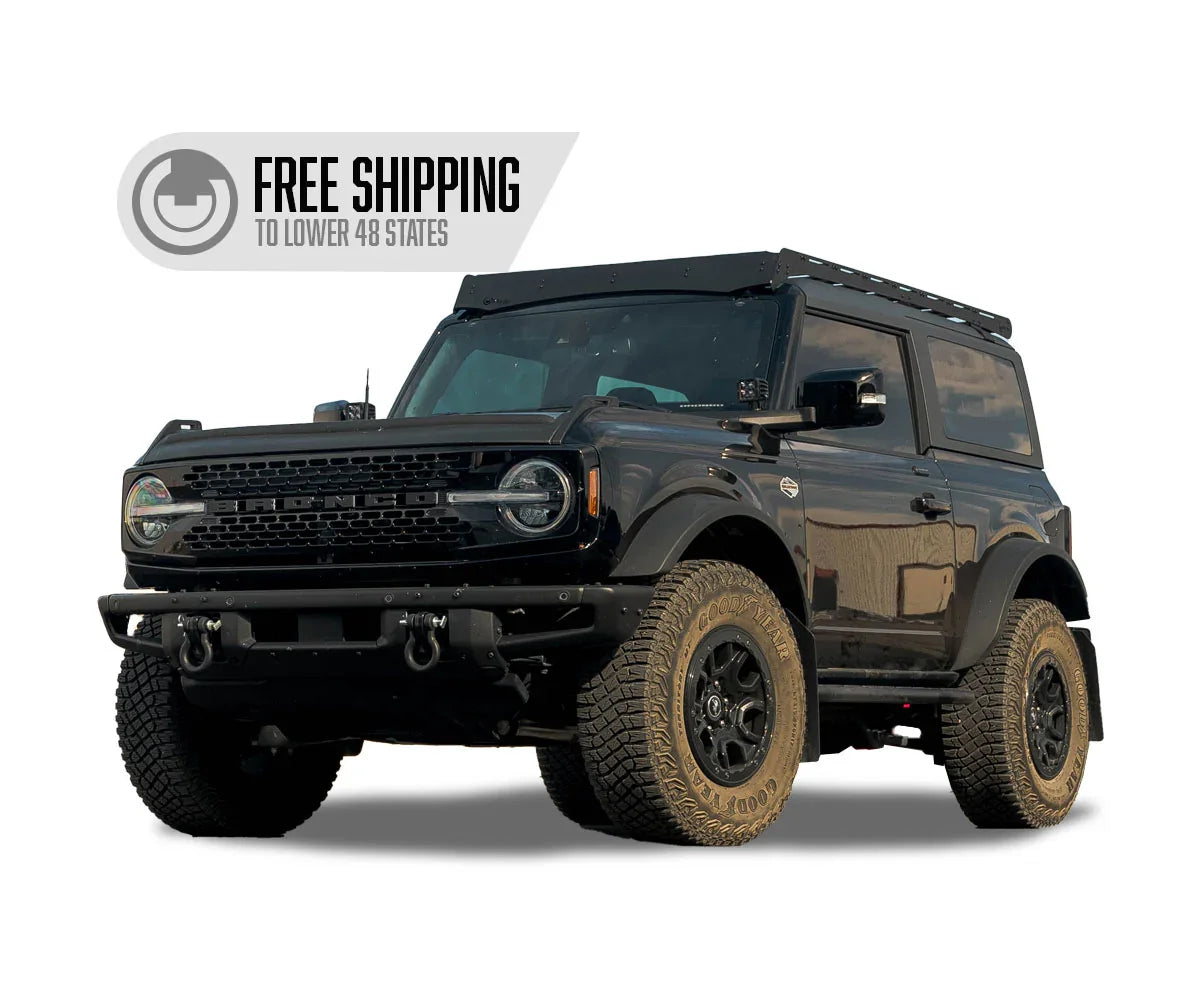
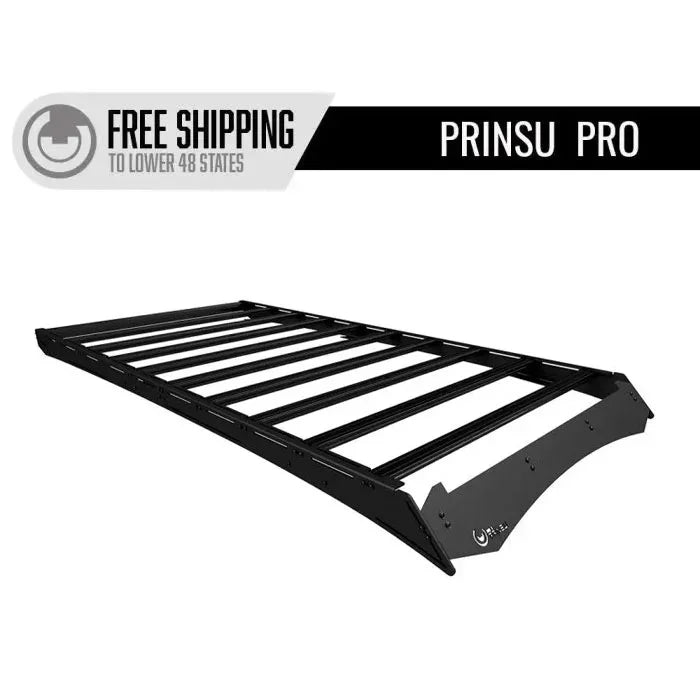
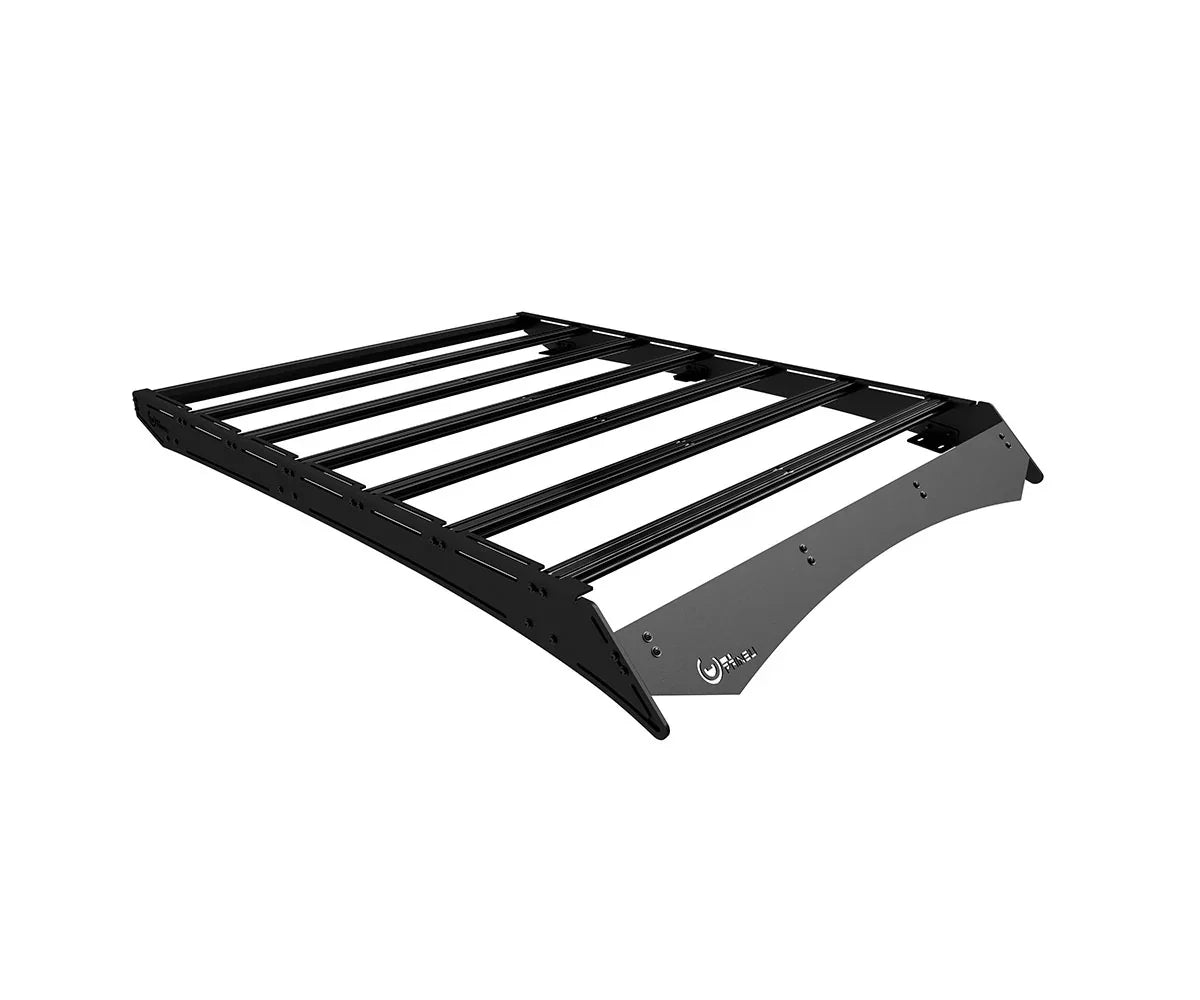
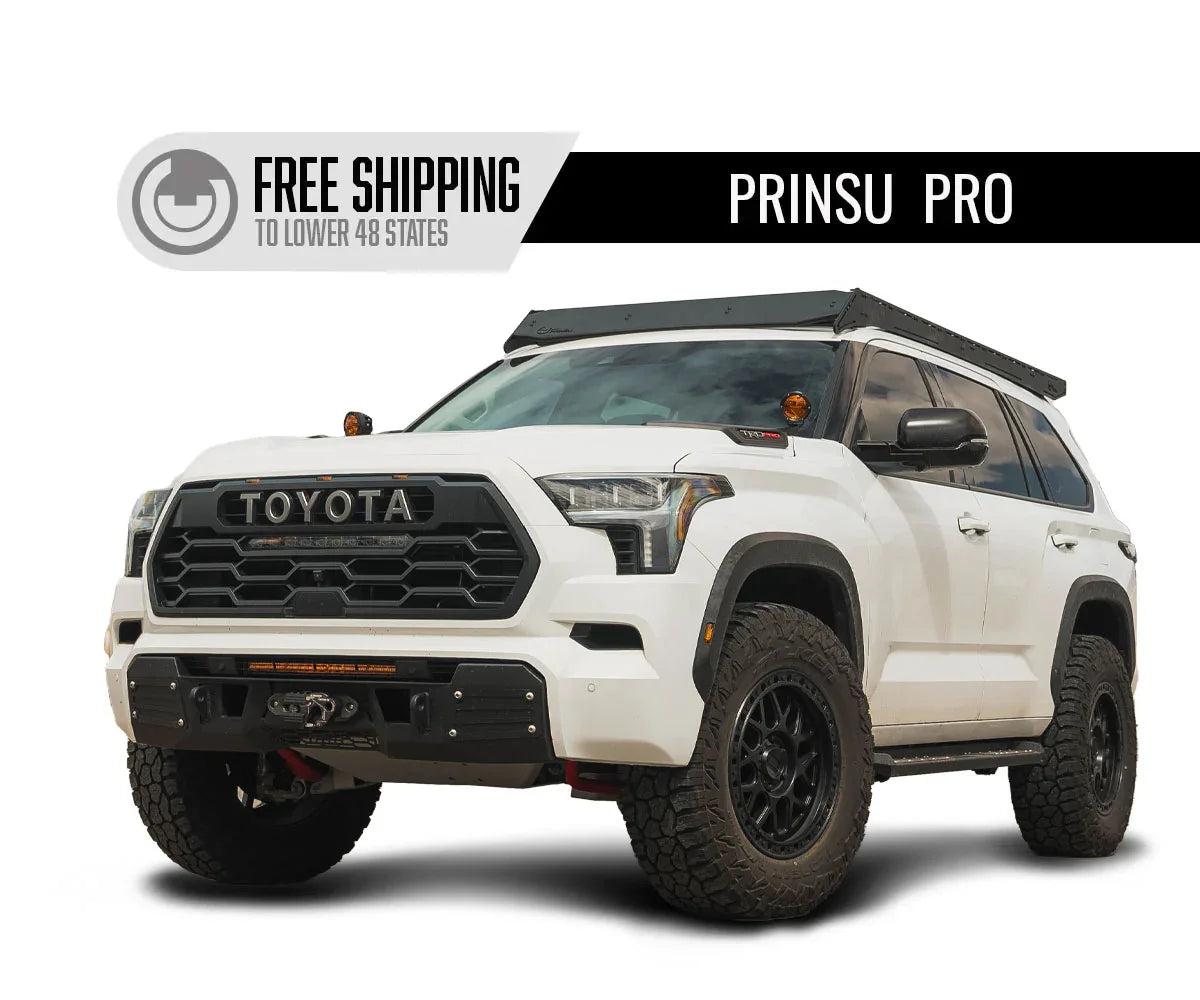
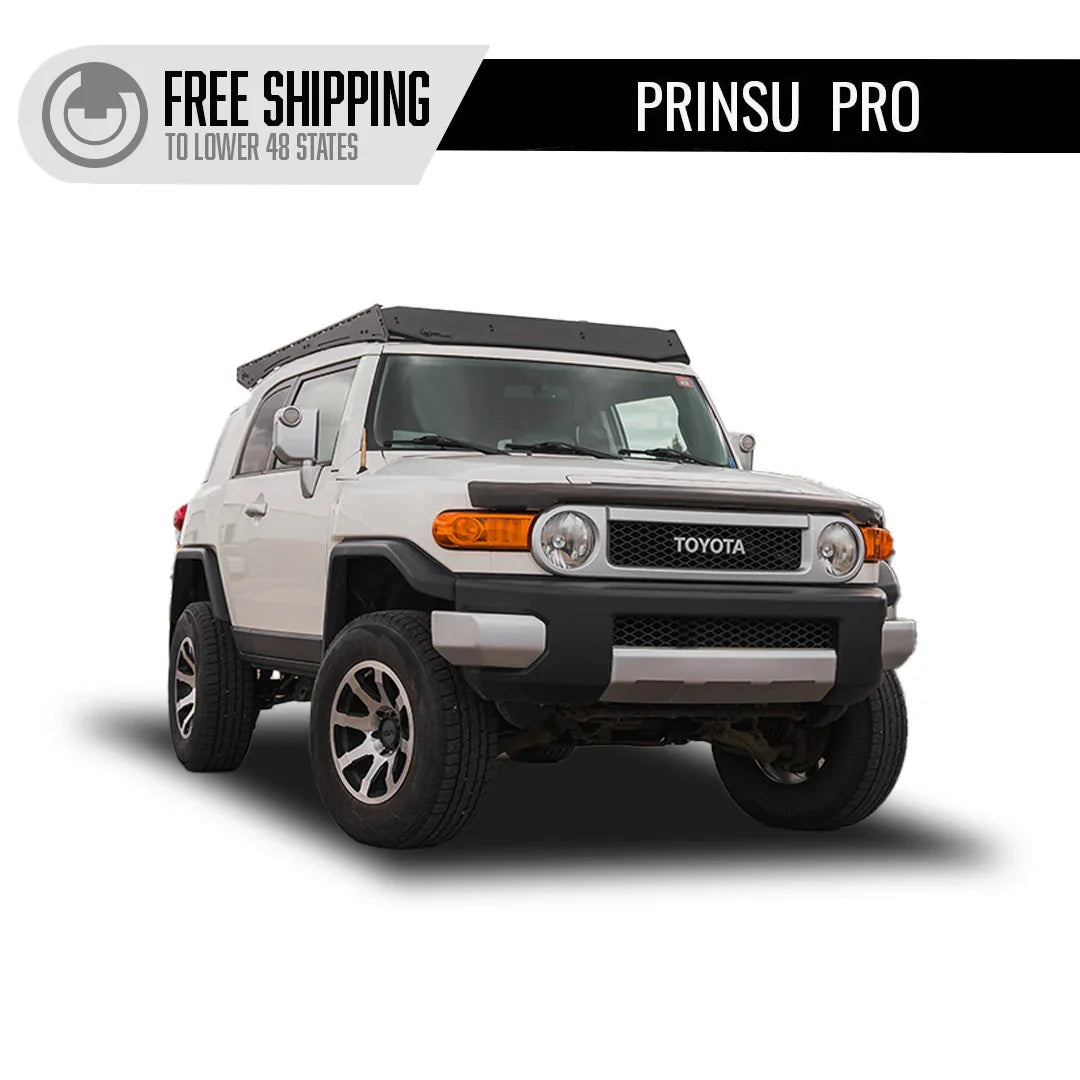
The Prinsu PRO line refines the rack that defined the category: evolved extrusions, cleaner integration, and the same bolt-anywhere accessory ecosystem, cut per vehicle. Compare the PRO series against the classic line in our full Prinsu catalog and pick by the deck features your build plan wants.


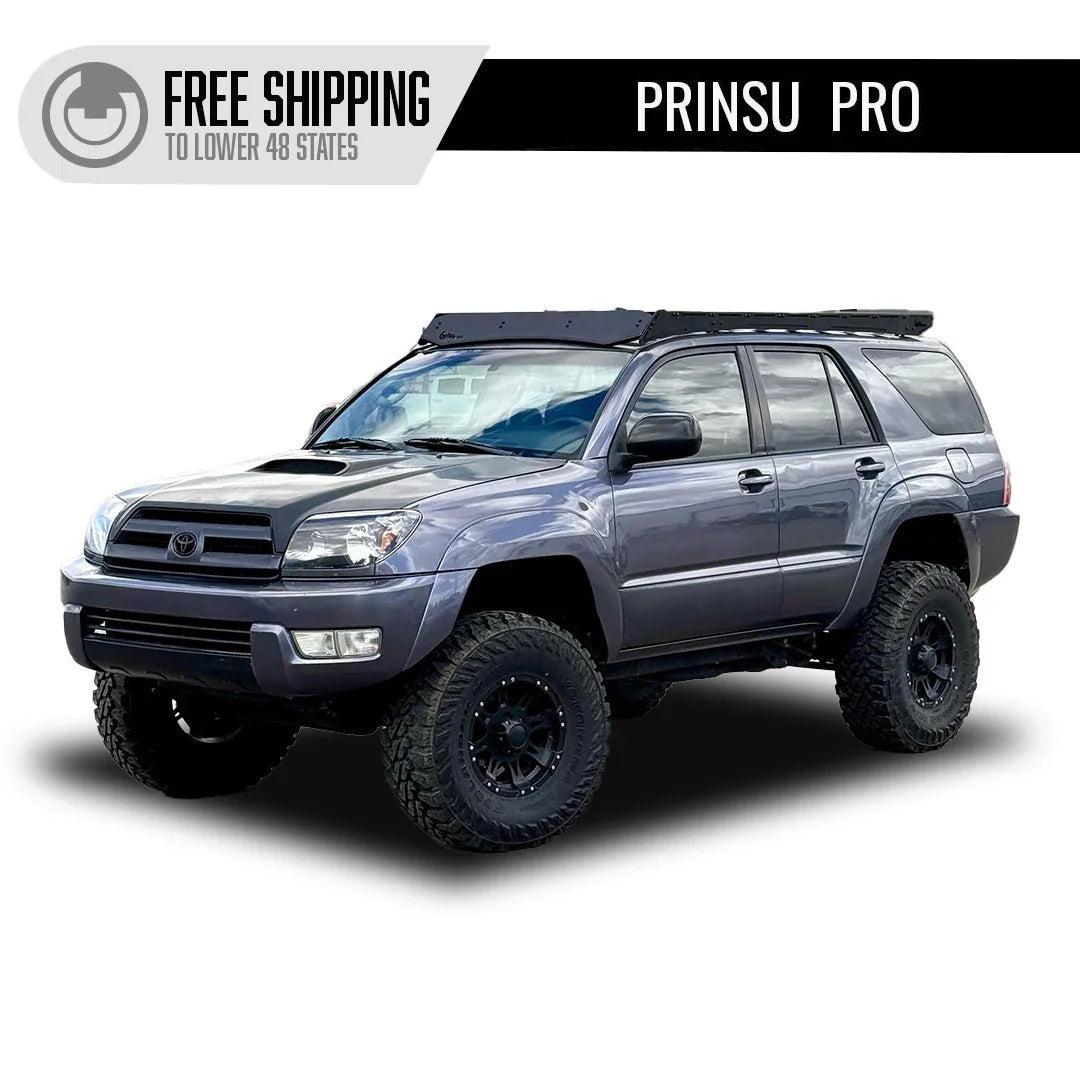
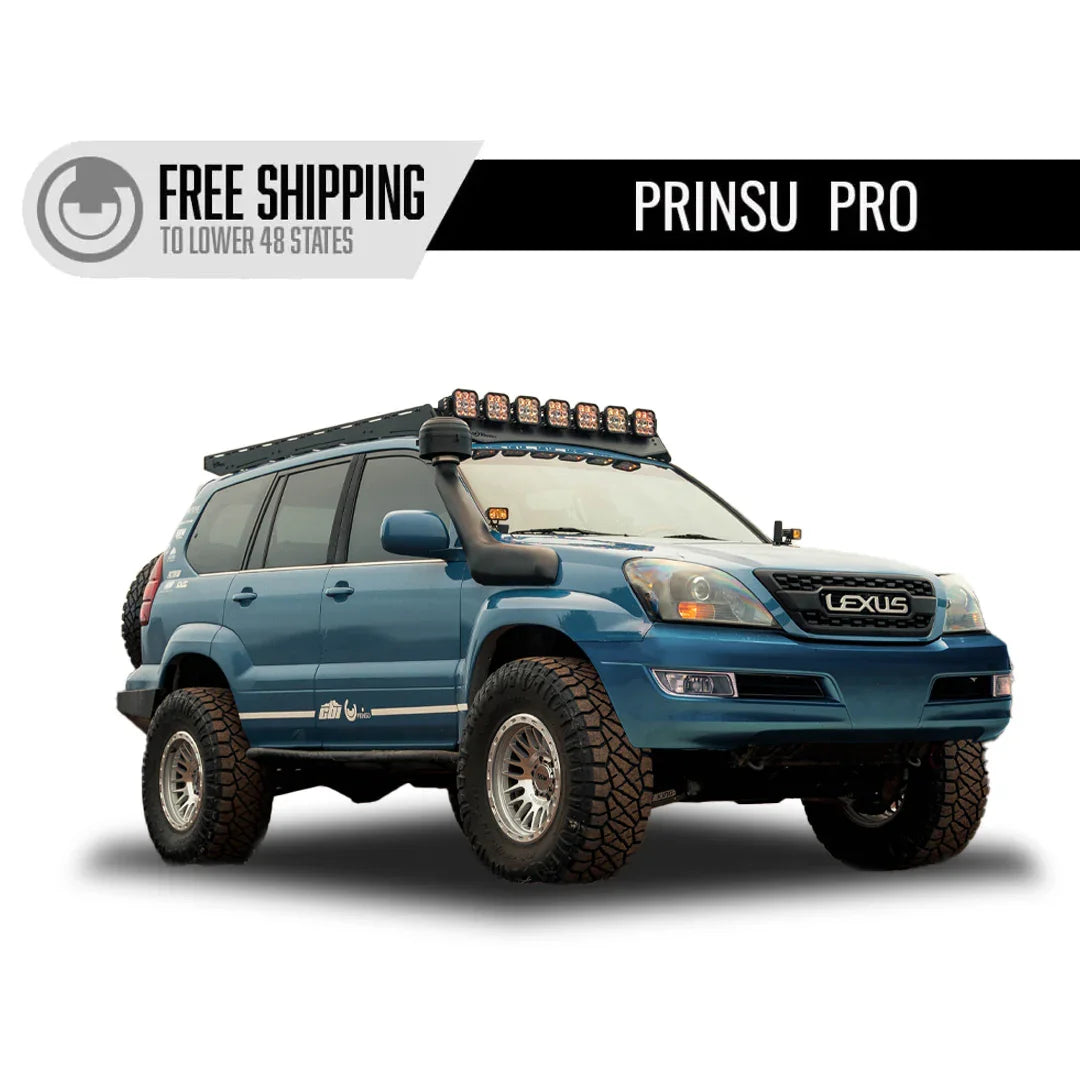
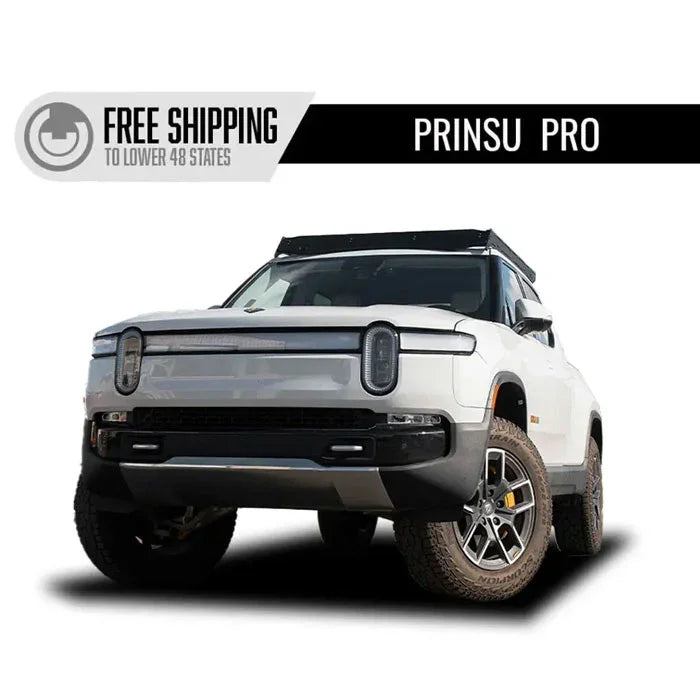
Prinsu Pro Roof Racks FAQs
Will a Prinsu Pro rack carry a rooftop tent?
If the numbers agree, yes — compare the rack's dynamic rating on the product page to your tent's weight, and the static rating to the tent plus everyone sleeping in it. Spread the tent across multiple crossbars per its instructions, and account for the height it adds. Tent duty is the most common job these racks get bought for.
Do PRO racks accept the same accessories as the classic Prinsu line?
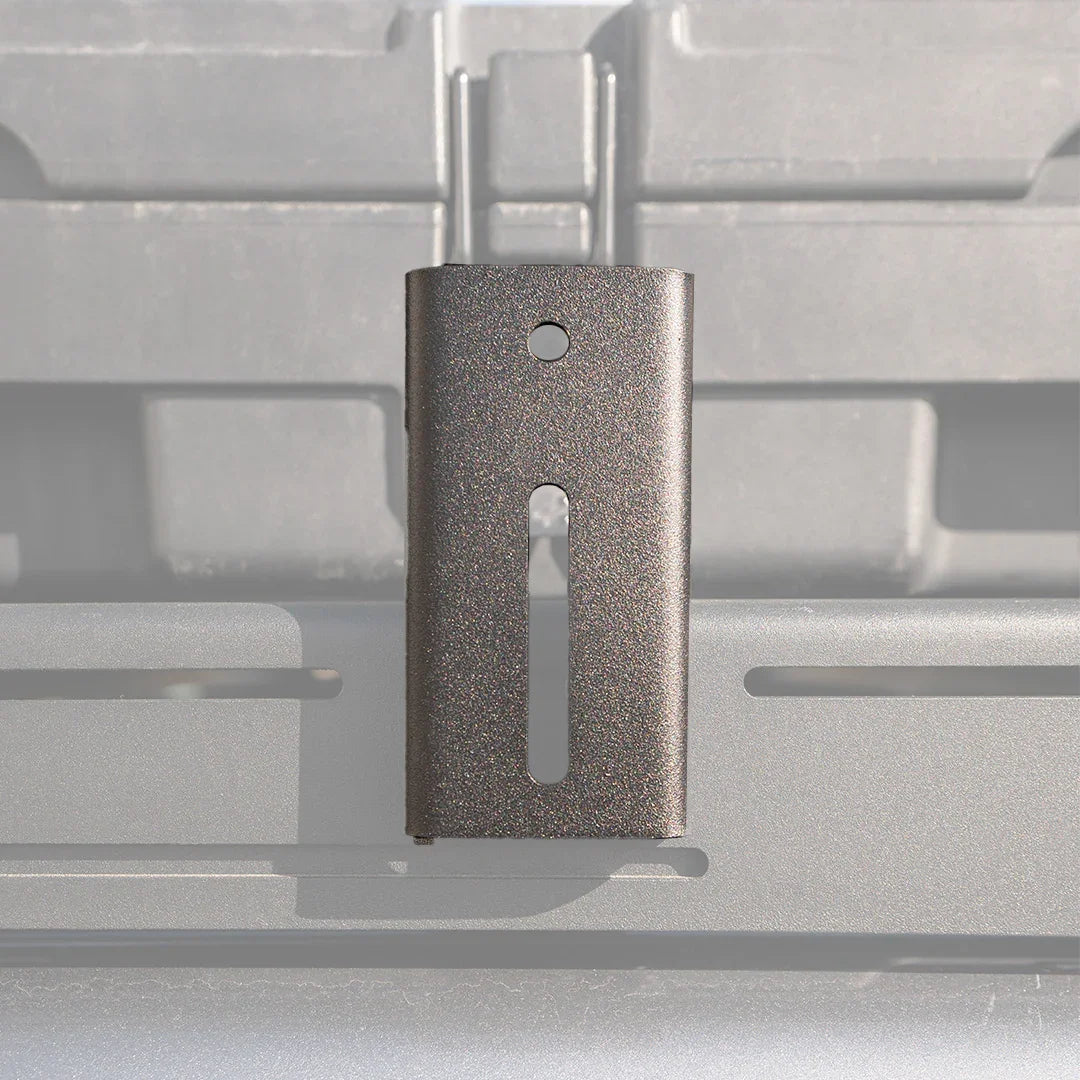
Broadly, yes — the PRO series keeps the slotted-extrusion approach, so awning brackets, light tabs, and board mounts that clamp into standard slots carry over in most cases. Check each accessory's listed compatibility before assuming, since a few pieces are cut for one deck profile specifically. If you're moving an established accessory kit onto a PRO rack, send us the list and we'll confirm the fit.
Do I have to drill my roof to install a rack?
It depends on the vehicle, and the listing for your application says so before you buy. Plenty of trucks and SUVs offer factory attachment points that racks are designed around; some applications do require drilling. If drilling is involved, it's a follow-the-instructions job, not a guess — but it's worth knowing before the box shows up.
Will a roof rack work with my sunroof?
Usually the rack itself will — a low-profile platform sits above the glass — but whatever you mount over the sunroof ends the view and, depending on the design, the tilt function. Check the application notes for your vehicle, then decide what you're willing to trade. Plenty of owners keep the front of the rack open for exactly this reason.
Should I buy full-length coverage or a shorter rack?
Shorter if the roof carries one thing; full-length if the roof is a gear deck. Full coverage costs more in money, weight, and wind noise, but you stop re-deciding every time the build grows, and accessories can spread out. Shorter racks keep the penalty small and often preserve a sunroof. Buy for the loadout you'll run next year.
