





Tufskinz Toyota 4Runner
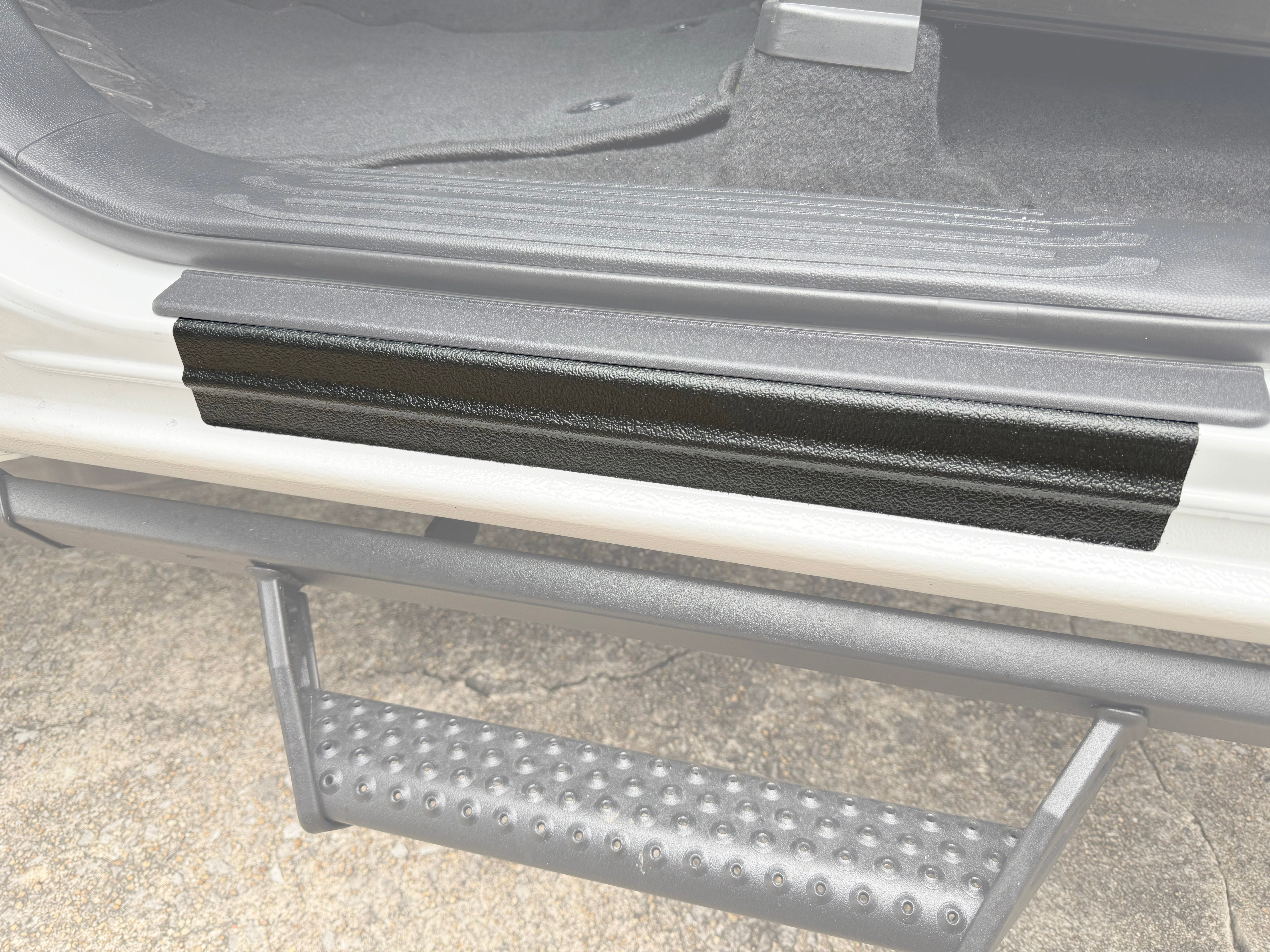
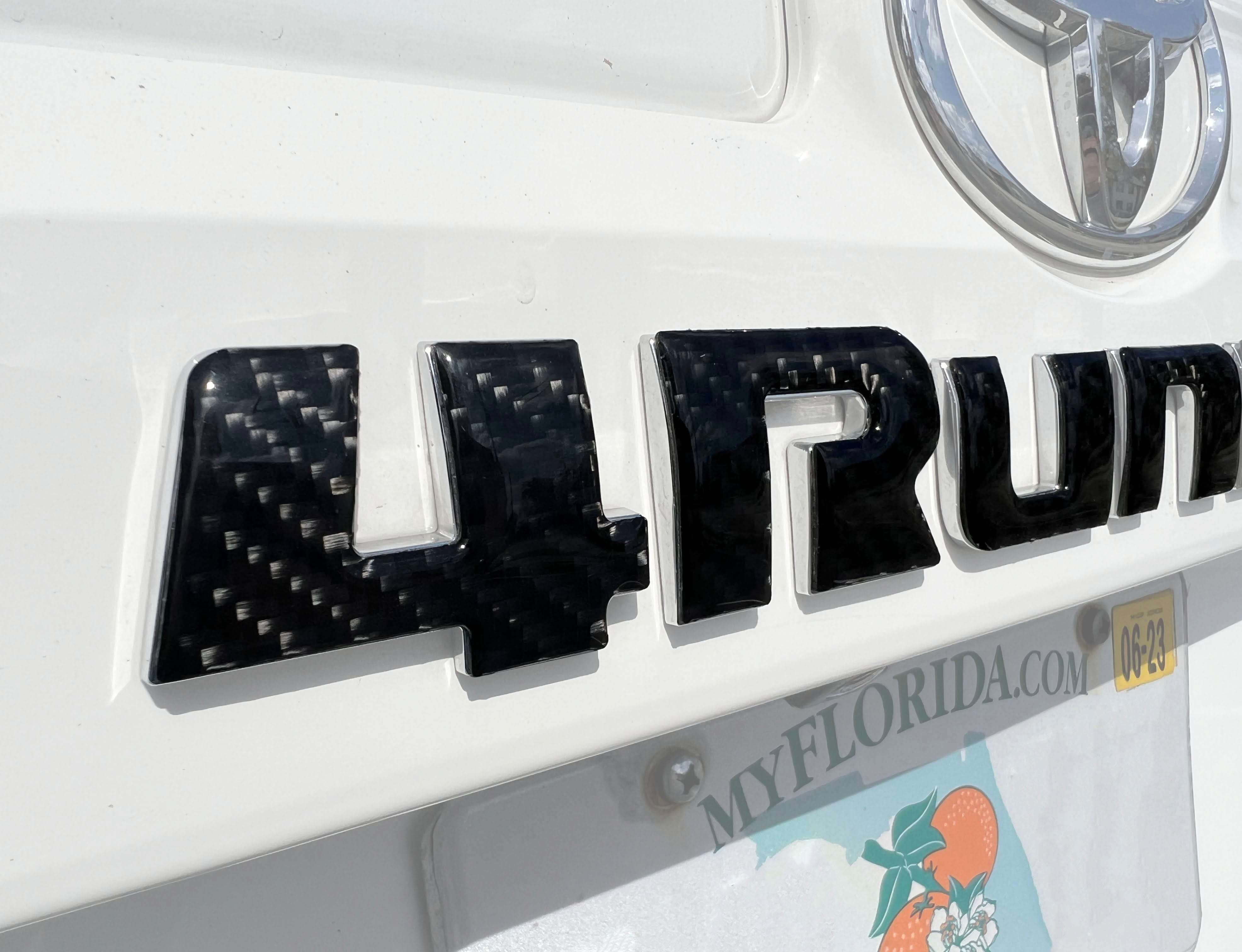
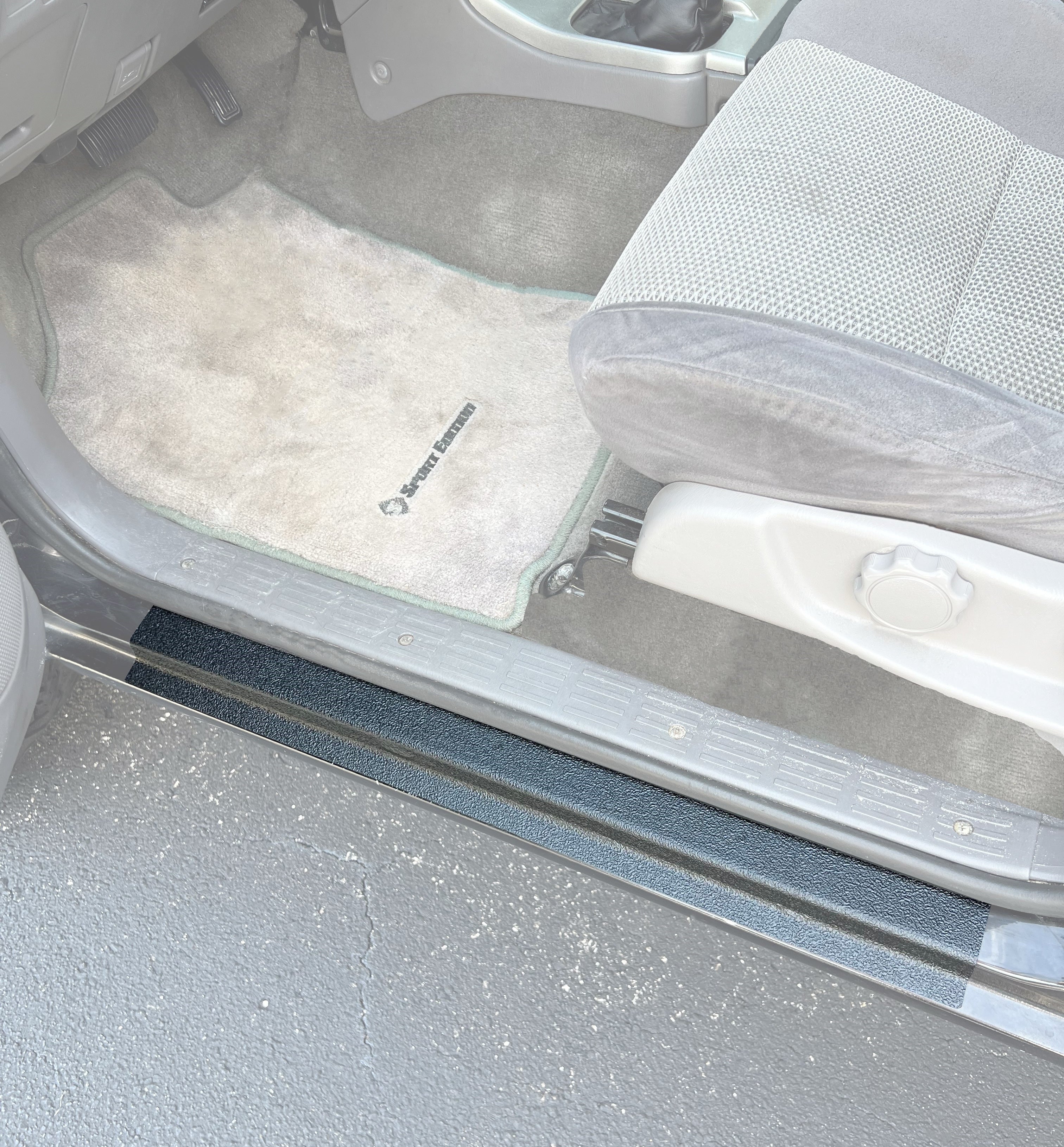
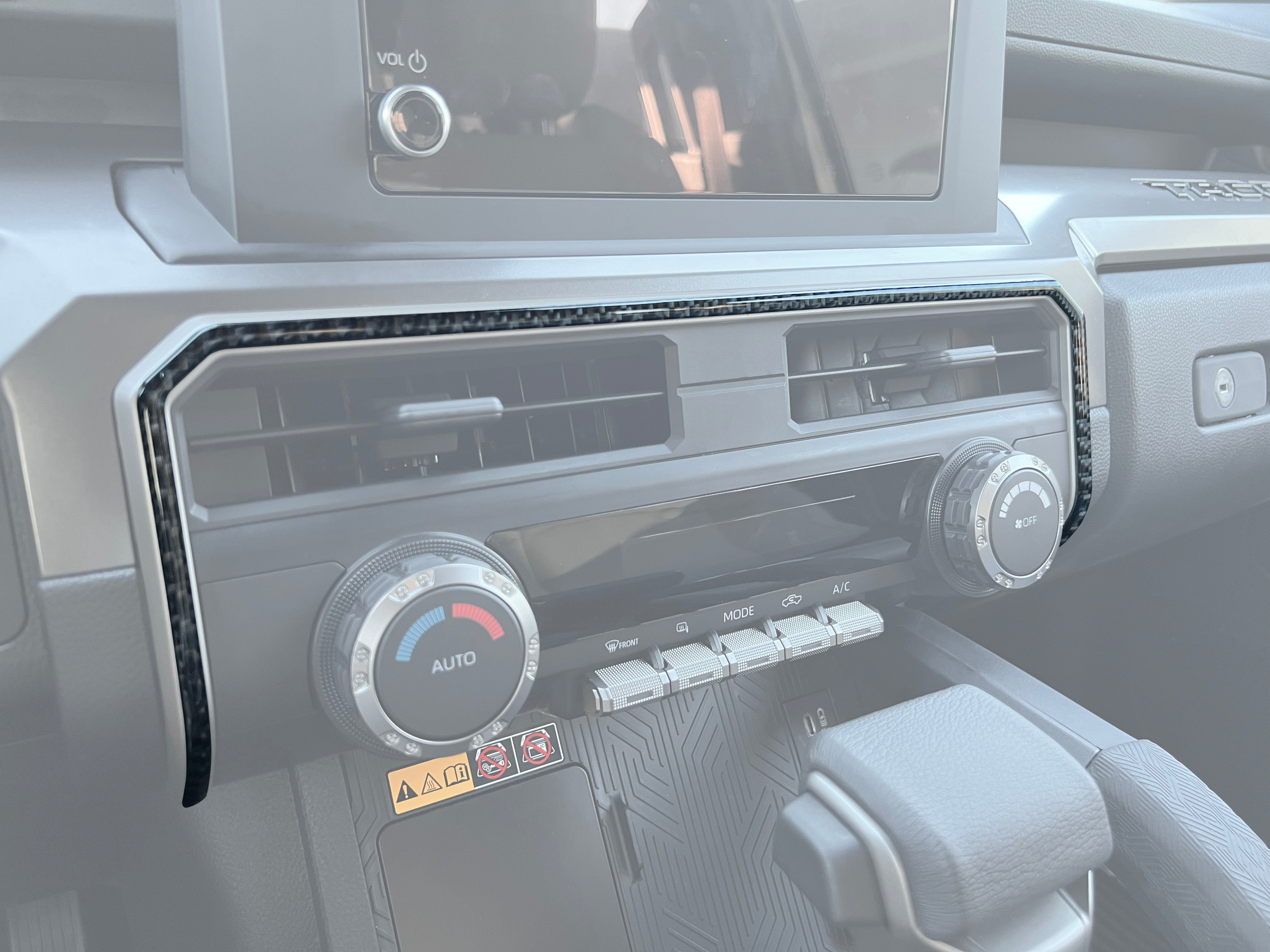
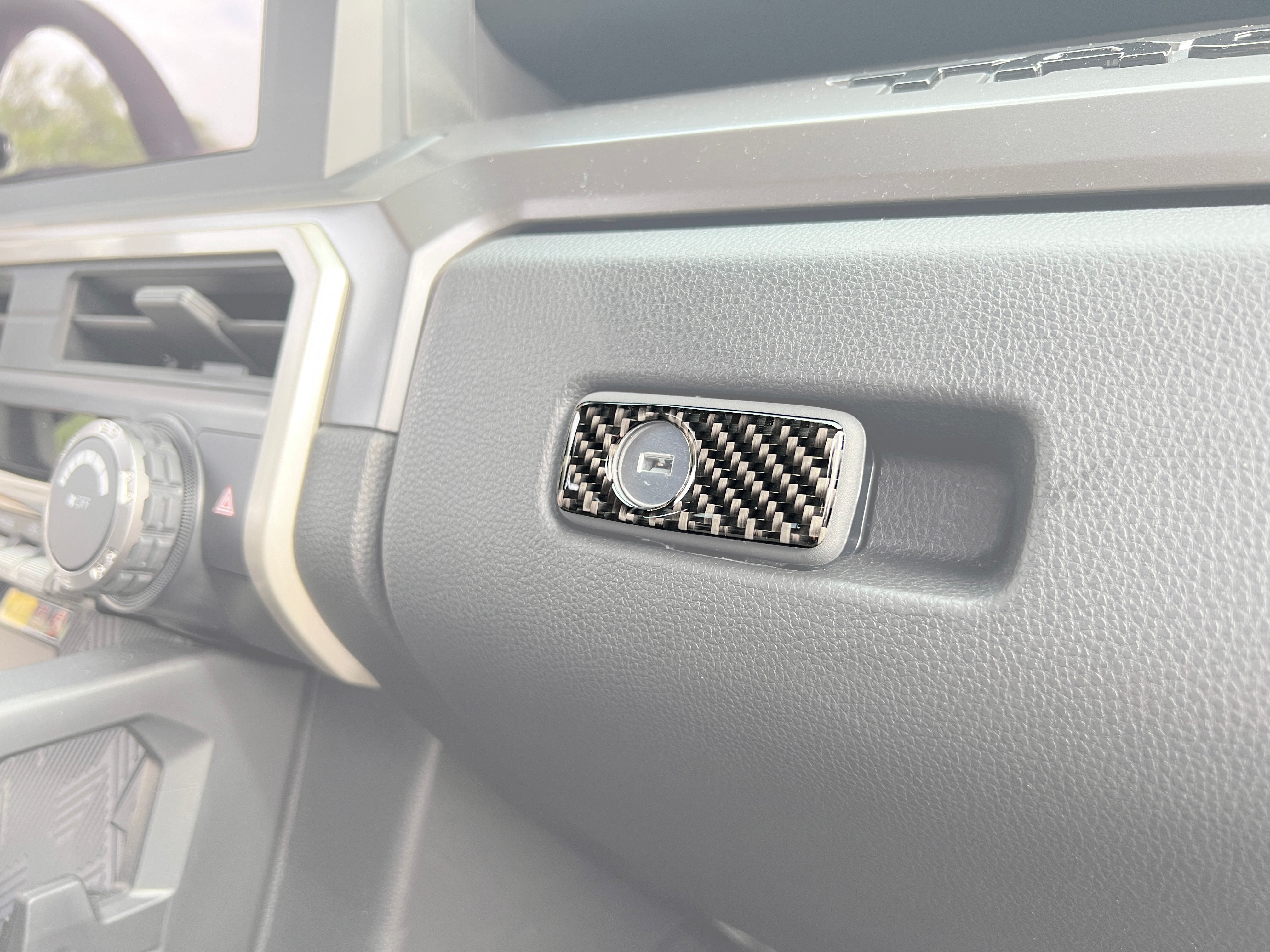
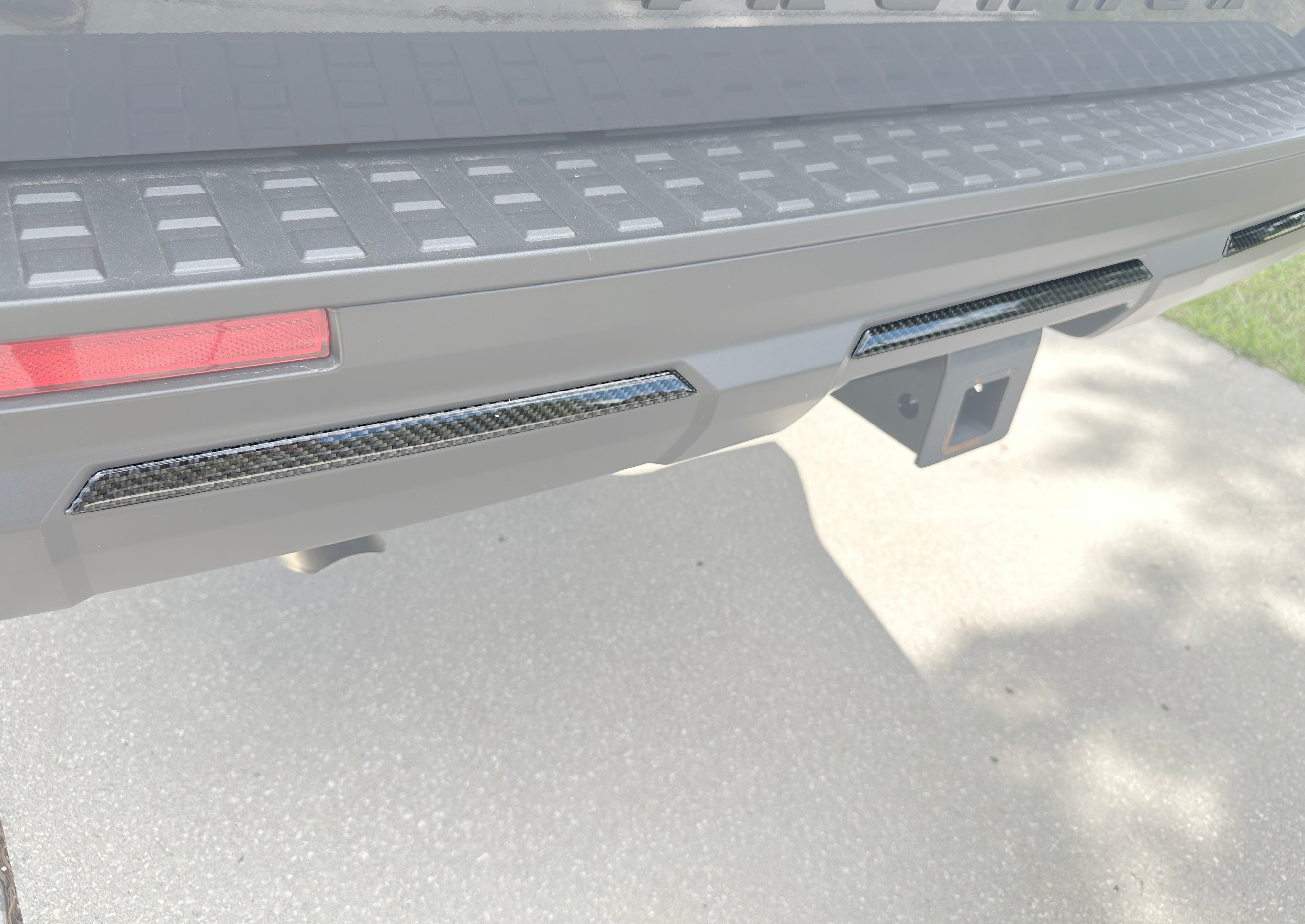
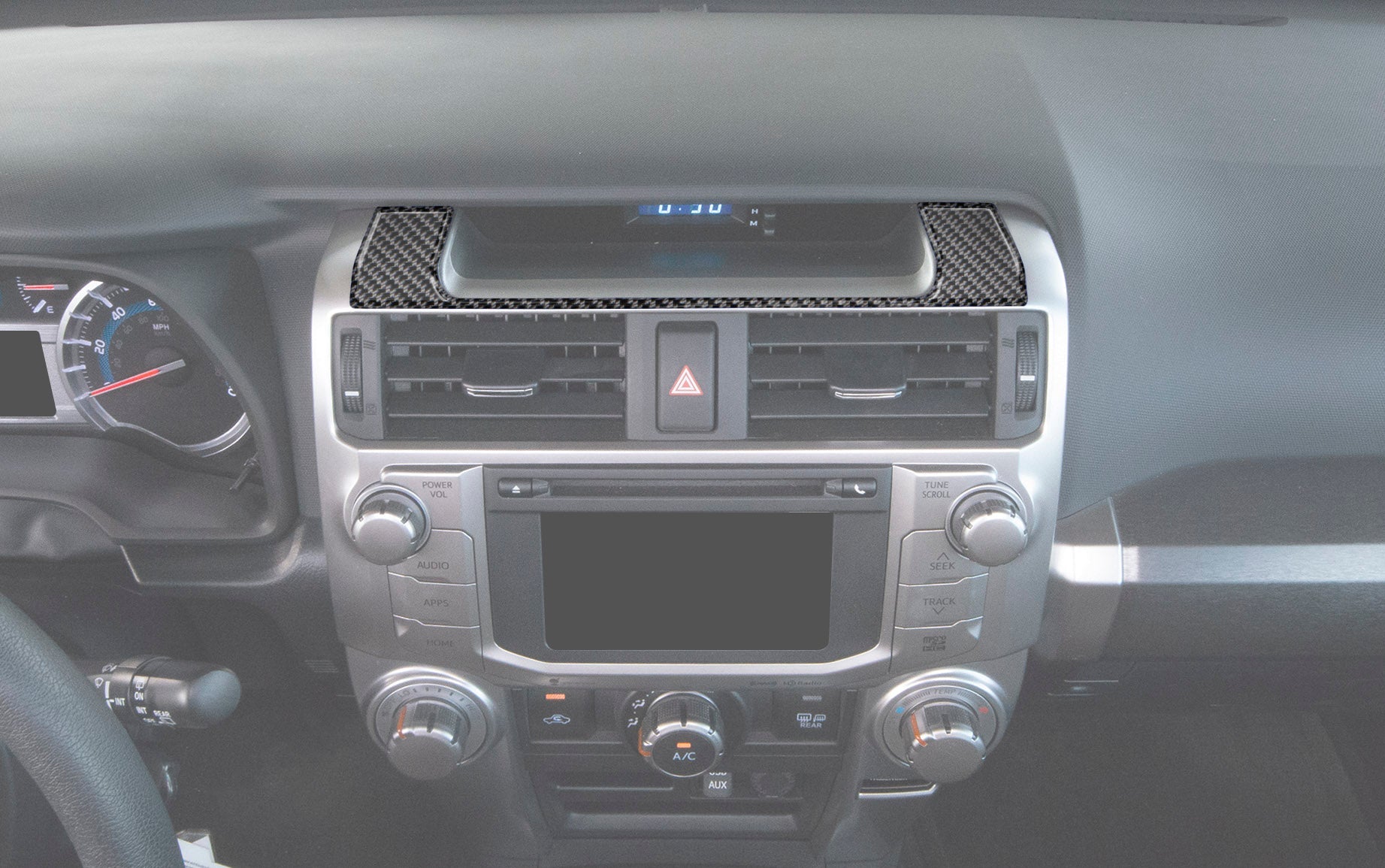
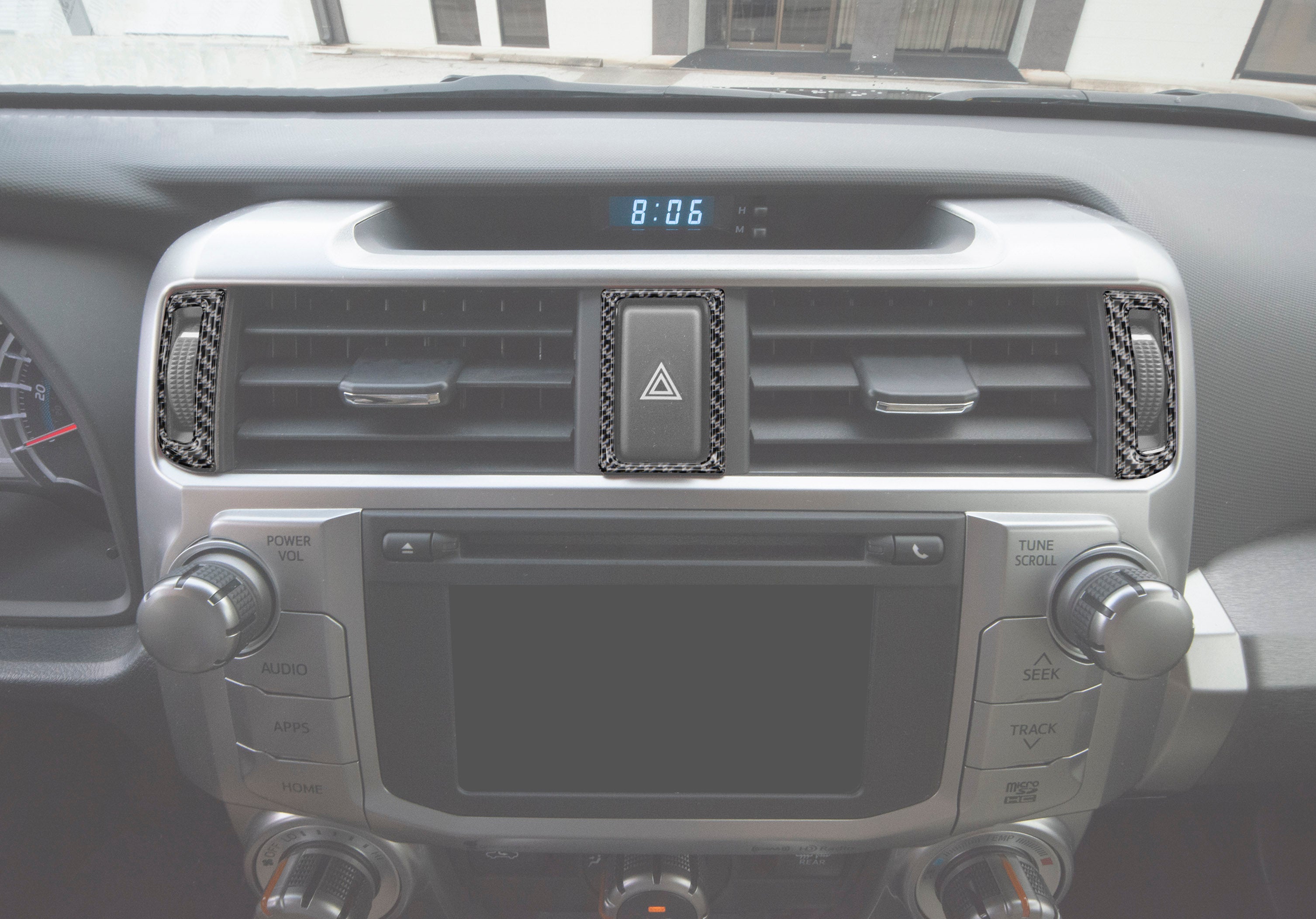
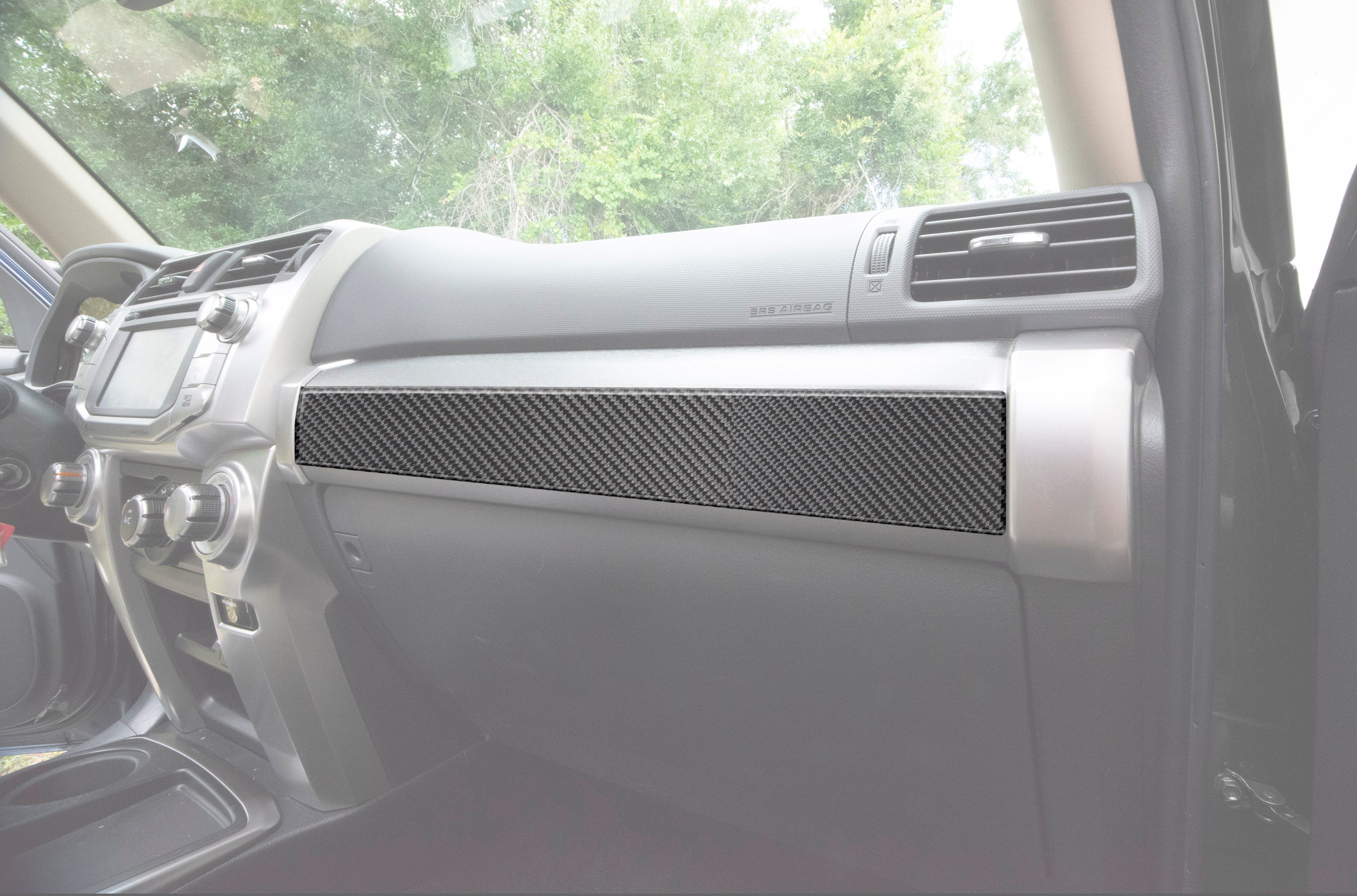
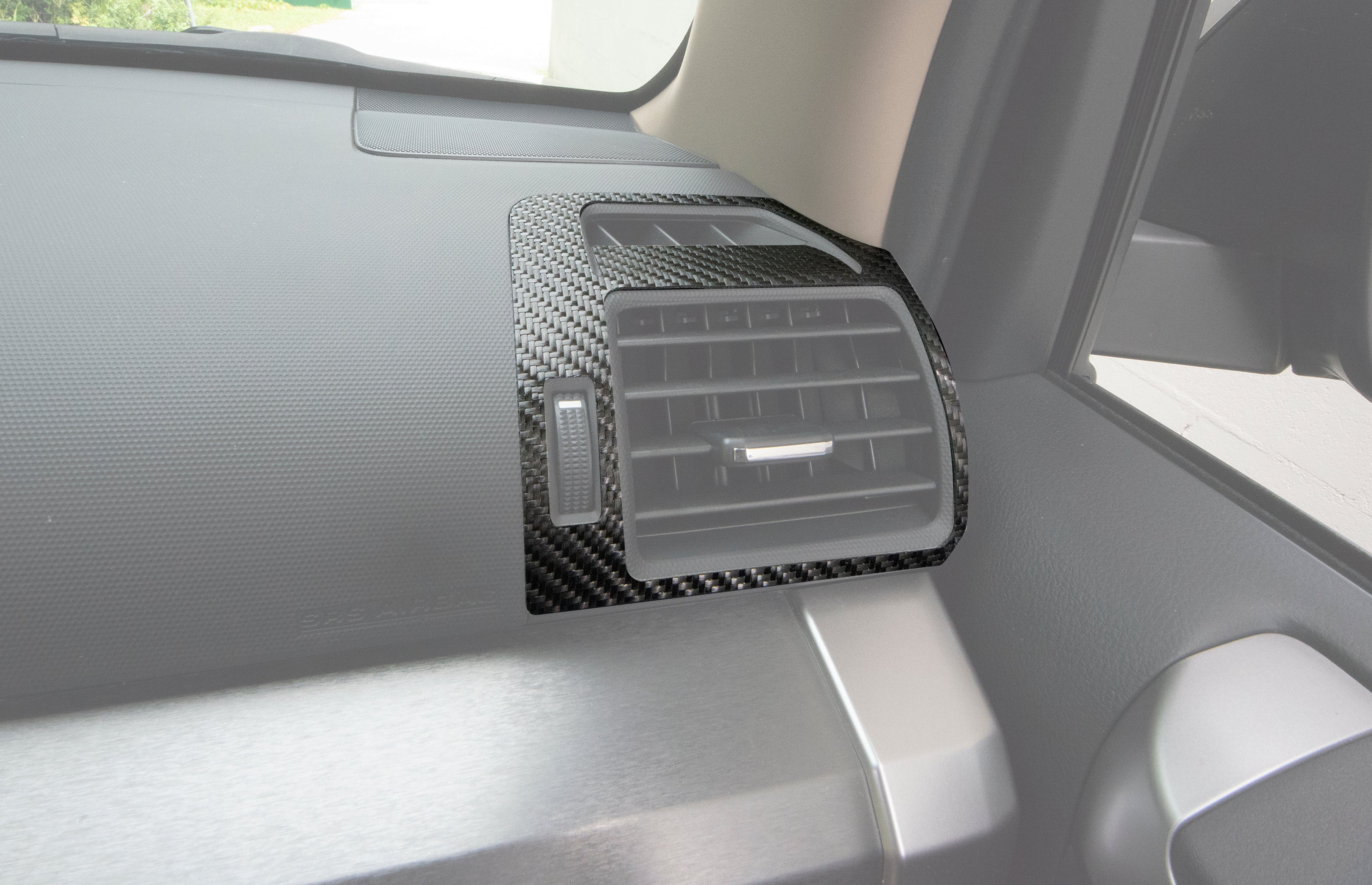
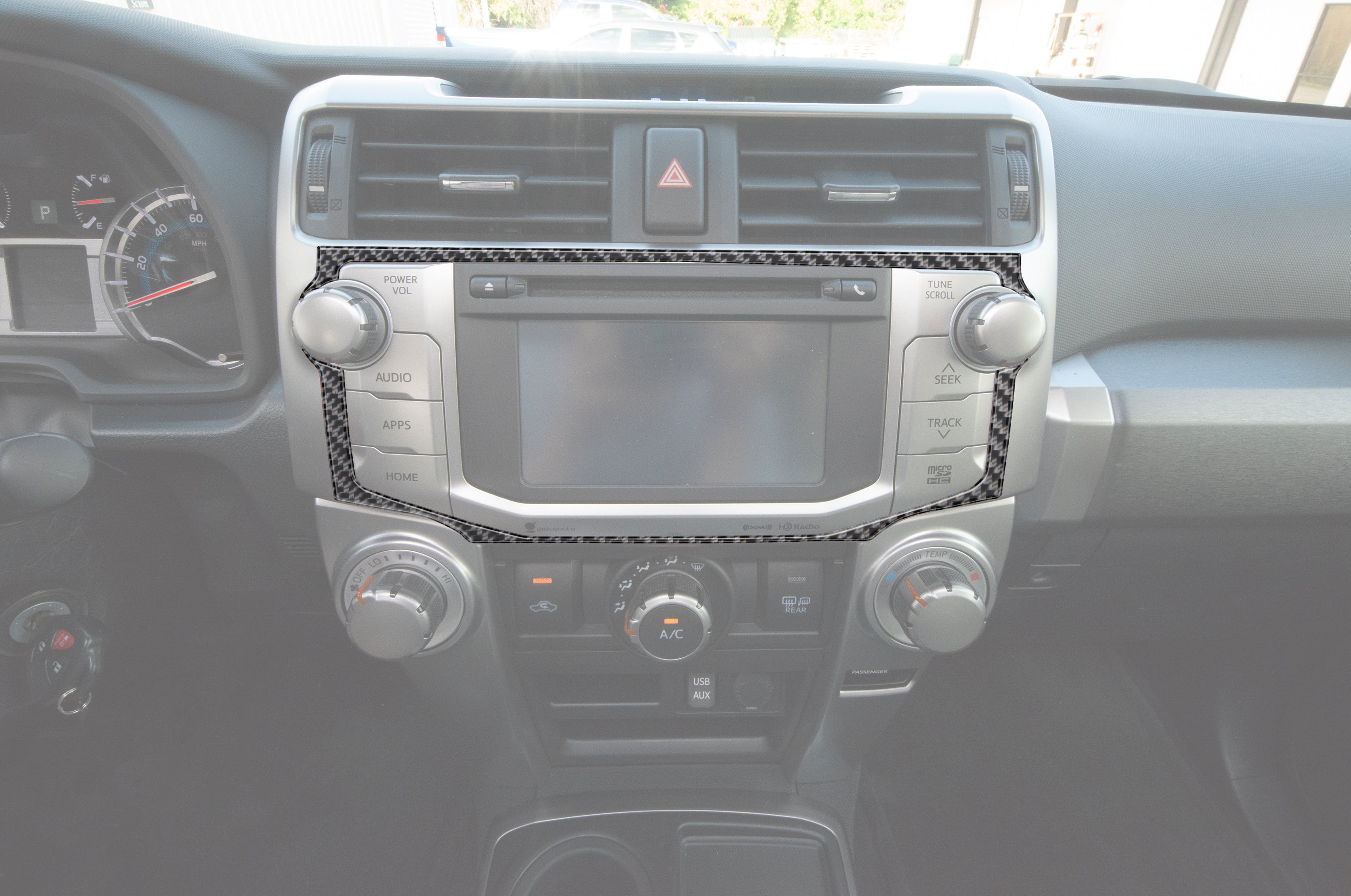
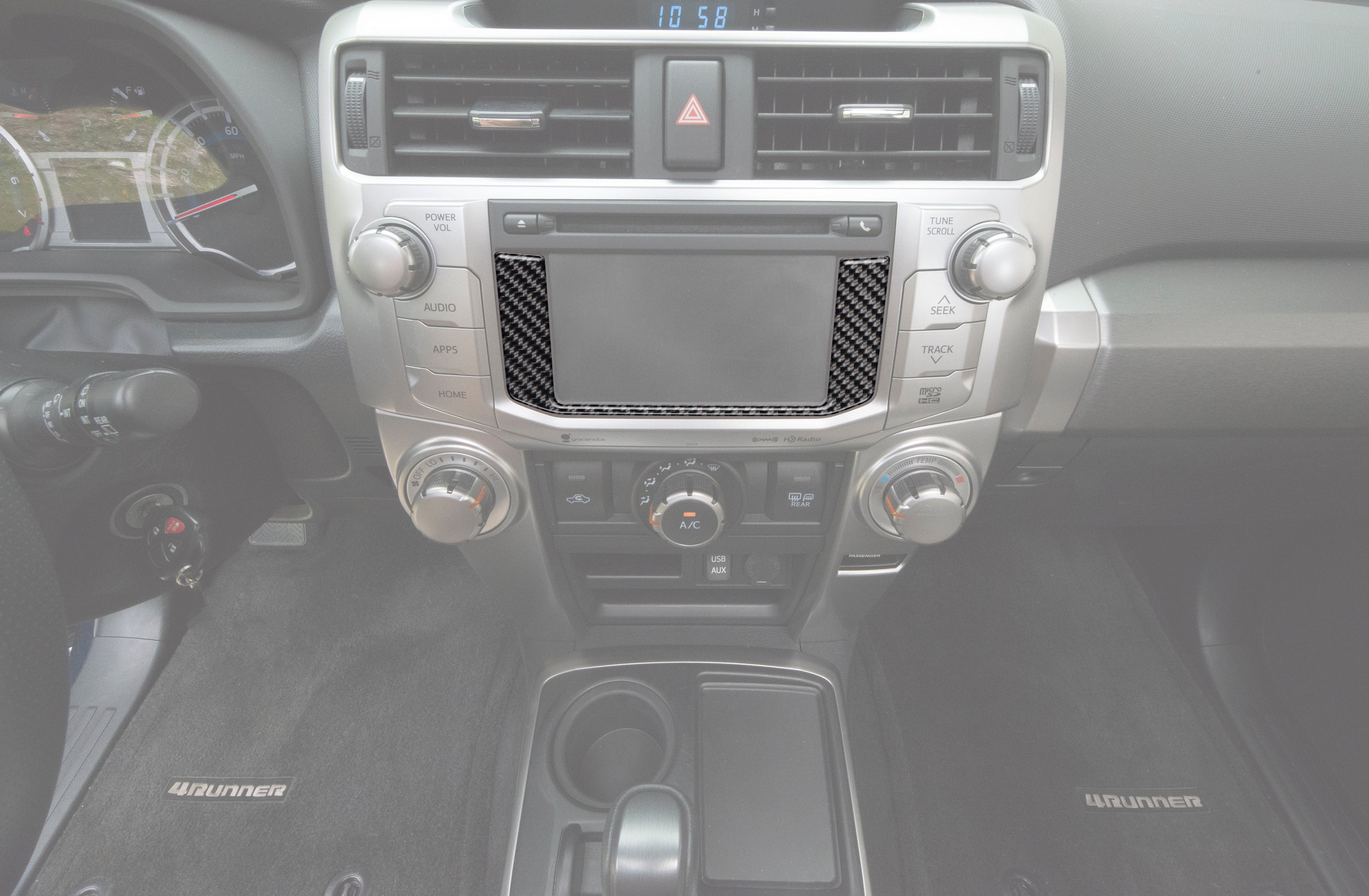
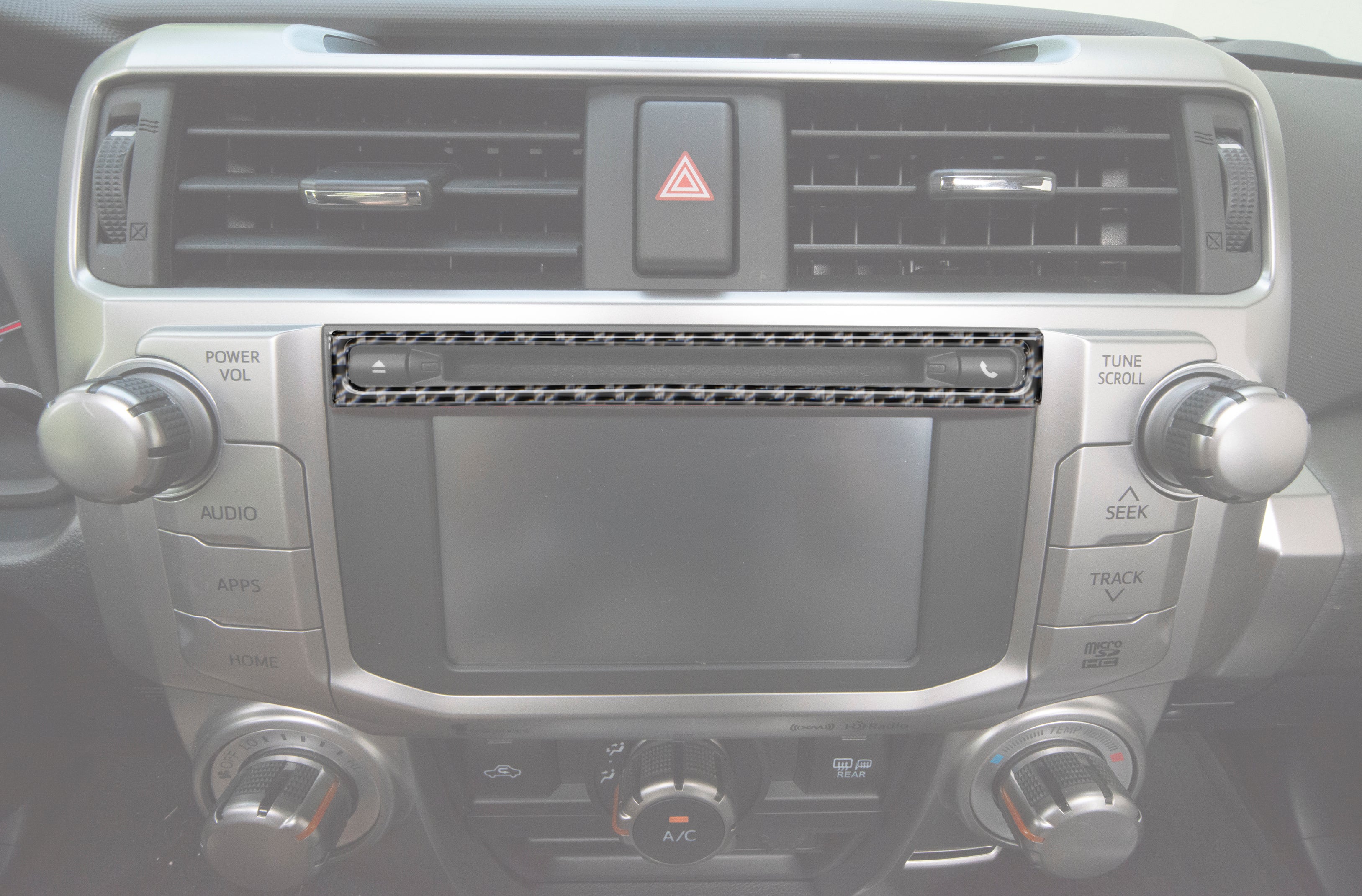
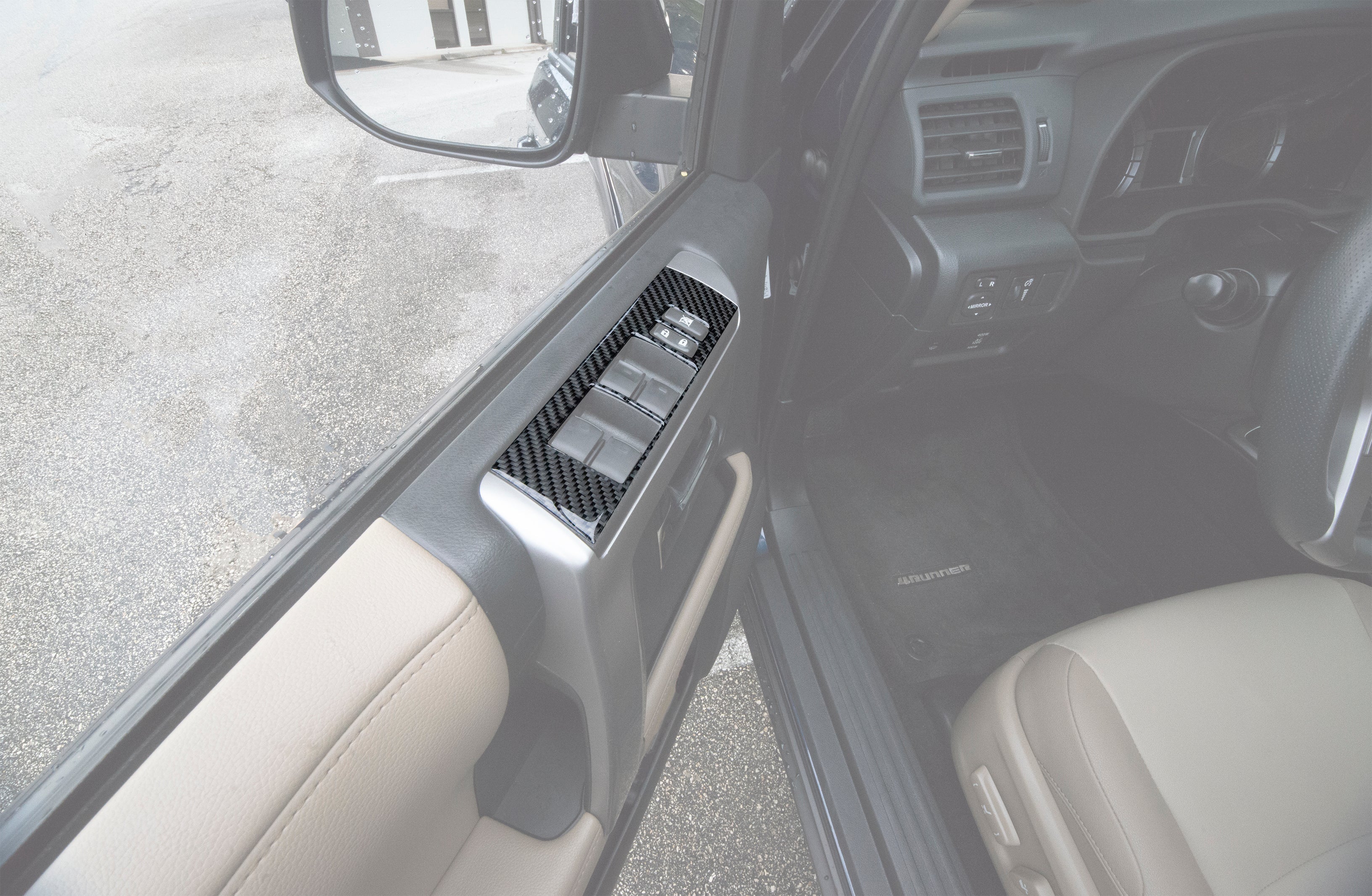
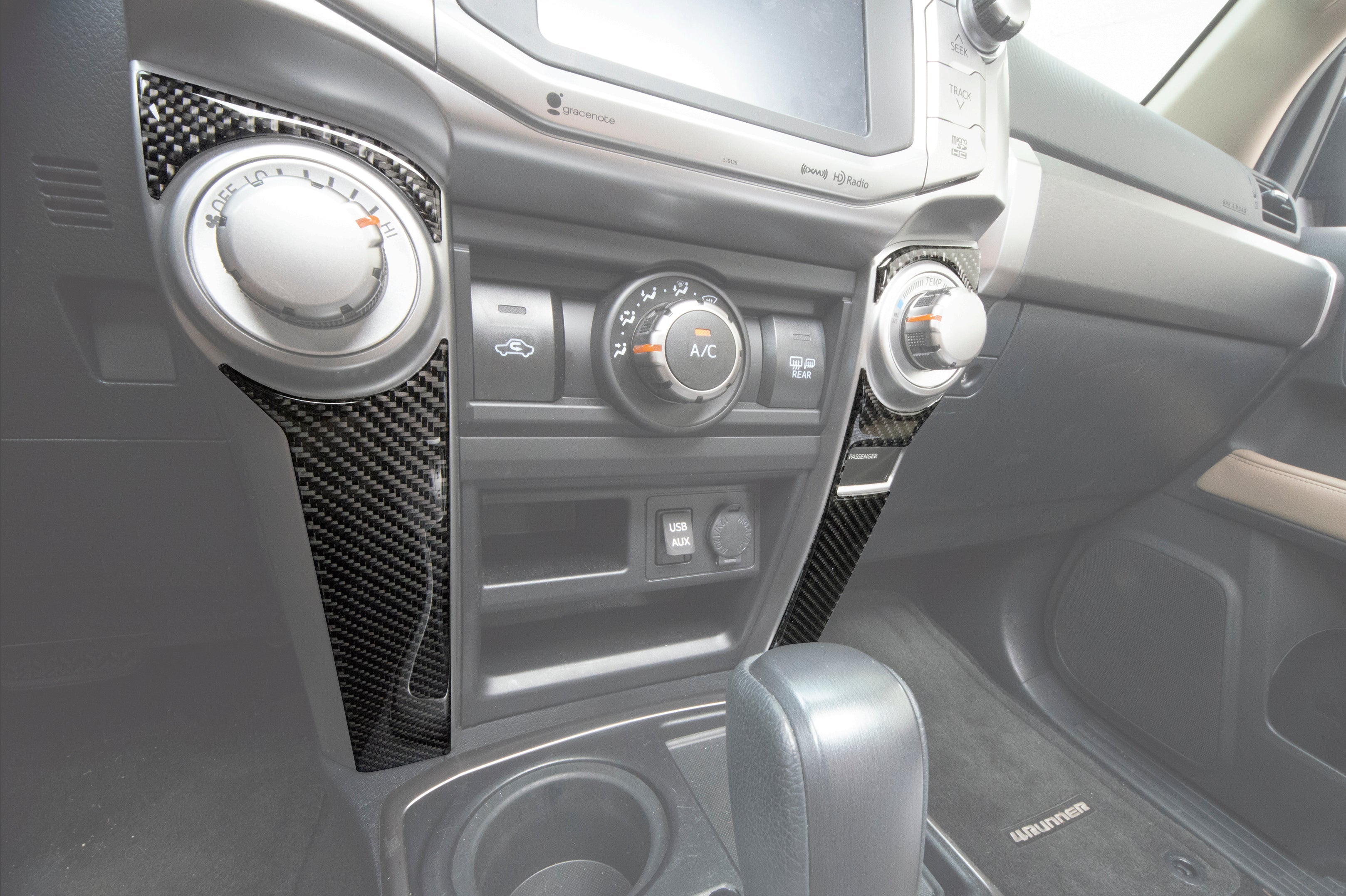
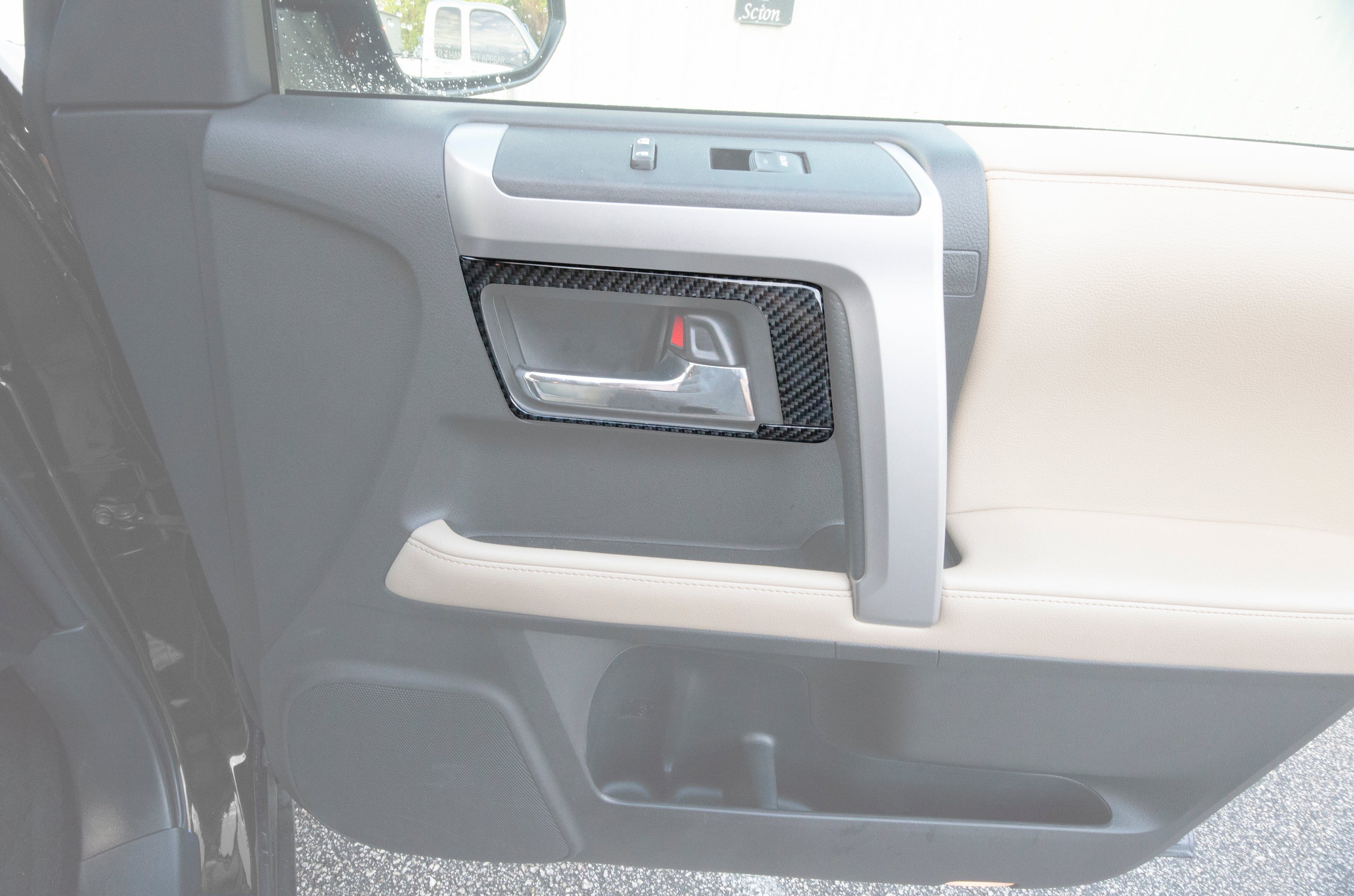
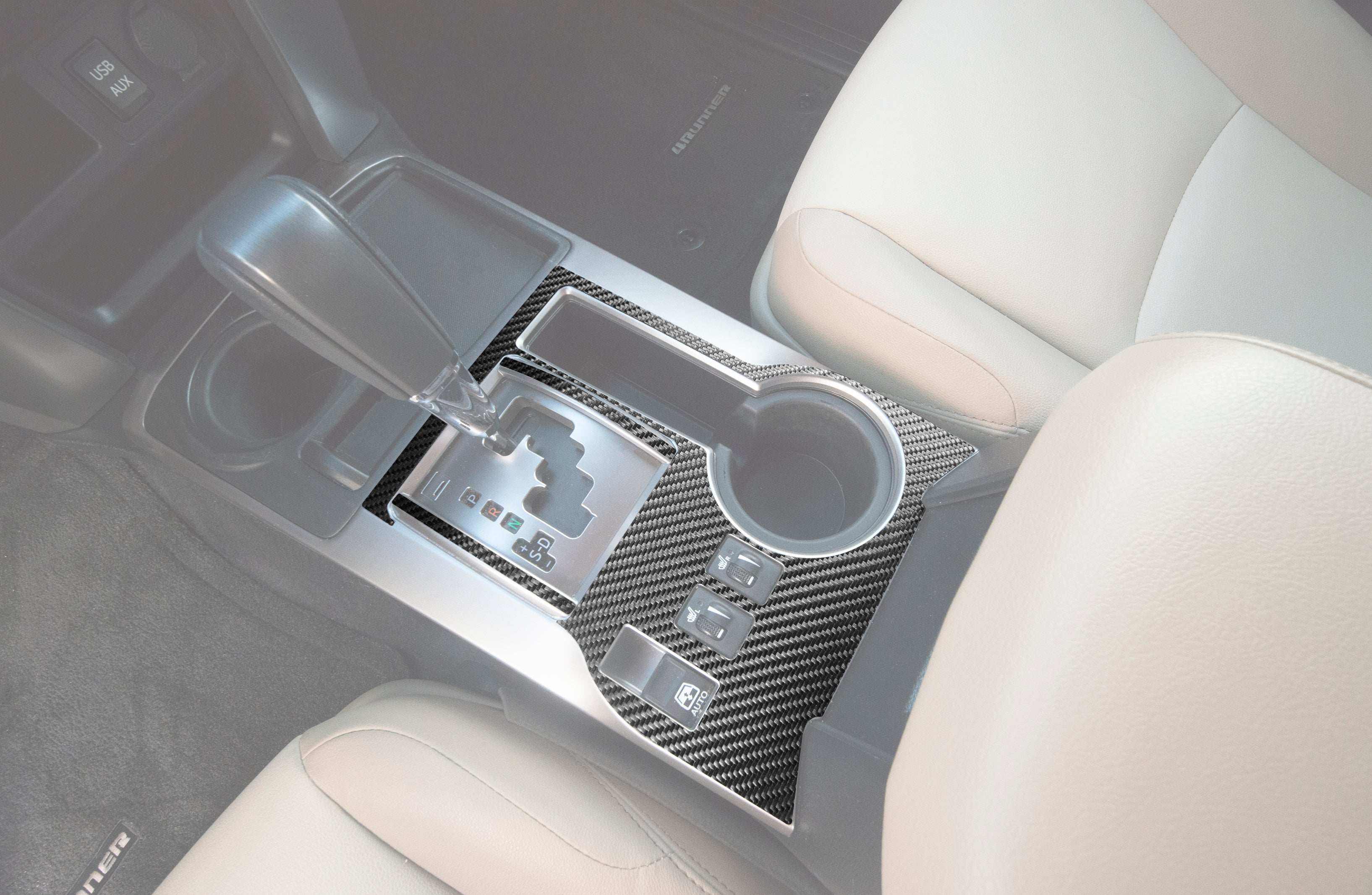
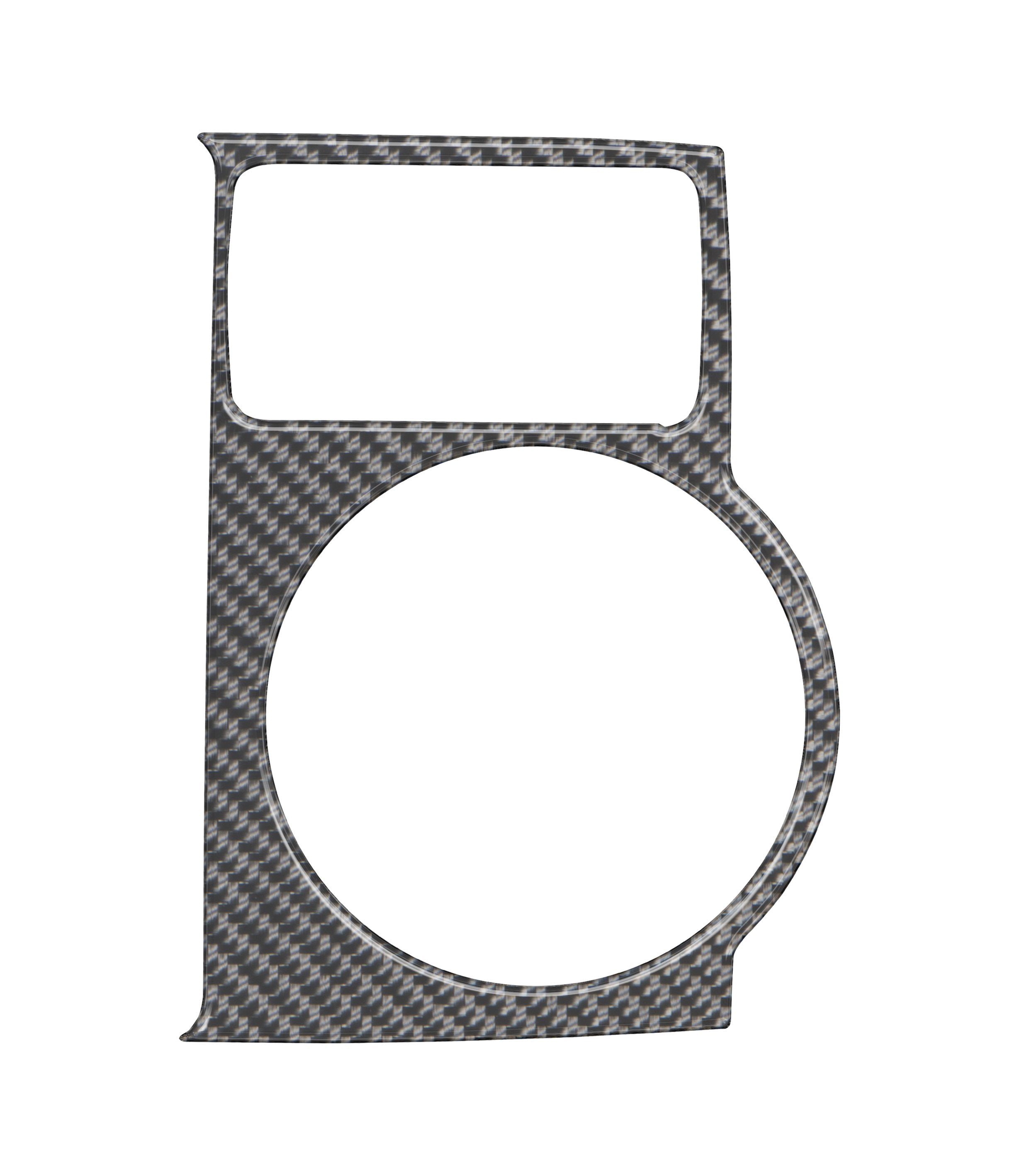
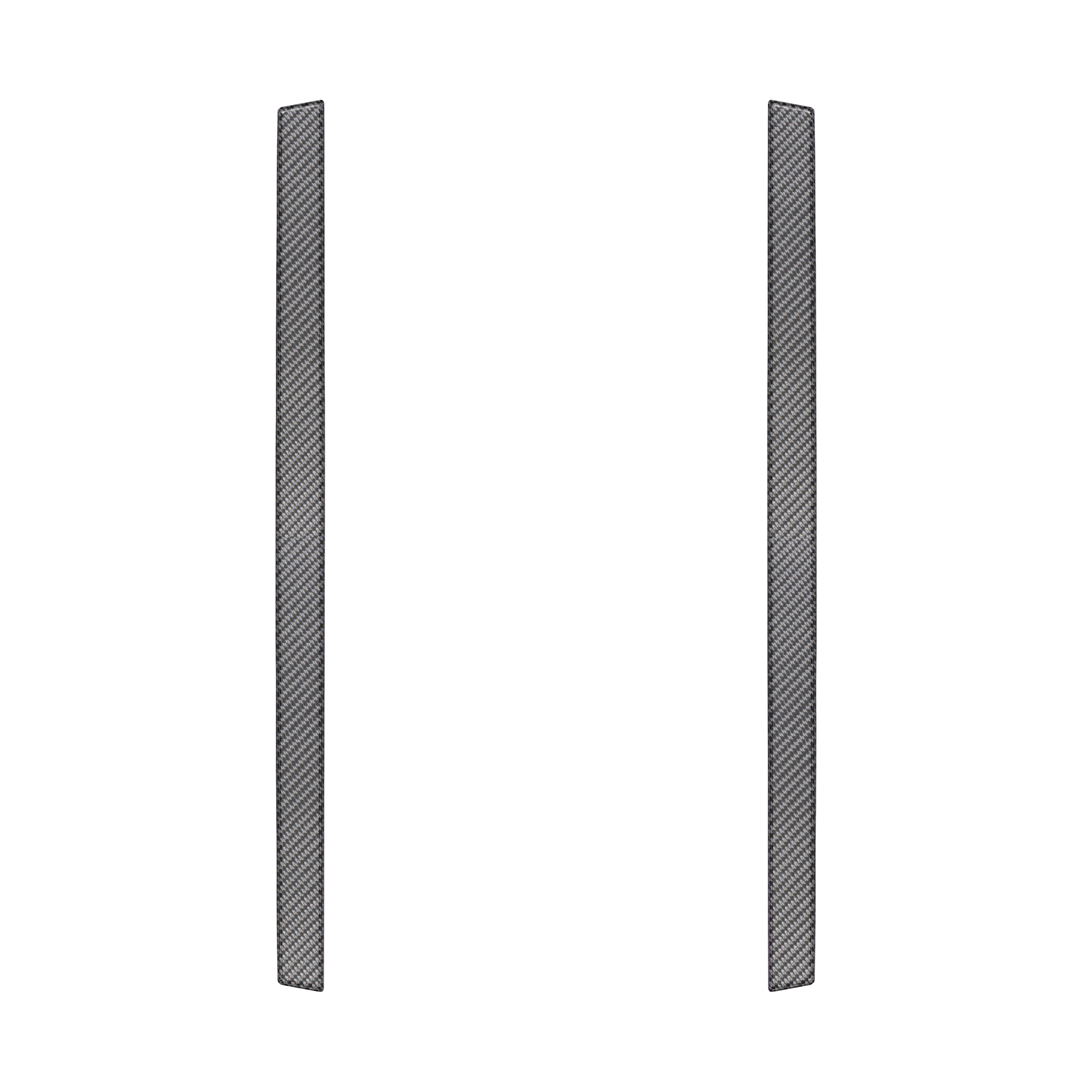
Ninety-one pieces make this one of the deeper Tufskinz lines we carry, which tracks — the Toyota 4Runner is a rig people keep for decades and outfit accordingly. Expect sill guards for the doors and cargo area, overlays for high-touch interior panels, and exterior accents built to shrug off sun. Fitment is generation-specific, so filter by year first; a piece cut for one interior layout will not land on another, full stop.





Guides for this category
Tufskinz Toyota 4Runner FAQs
Why does this catalog ask for my 4Runner's year before anything else?
Because every piece is cut for one specific interior or panel layout, and 4Runner generations don't share them. A dash or sill piece for one generation physically will not land on another. Filtering by year, make, and model up front turns 91 products into the short list that fits your rig — it's the one step that prevents nearly every return.
Which pieces make the most sense on a trail rig?
Cargo-area and door sill protection first. A trail 4Runner gets loaded from the tailgate constantly — dogs, coolers, recovery gear — and that traffic grinds grit into the paint at the sills. Sacrificial guards take that wear instead. High-touch interior overlays come second, and pure accent pieces last, once the actual wear zones are covered.
Will dust or moisture creep under the pieces off-road?
Not if the install was clean. Full adhesive contact on an alcohol-wiped panel seals the perimeter, leaving no path underneath. Lifting and creep almost always trace back to prep — dust on the panel, a cold install, or an edge that never got pressed firmly. Install indoors before the trip and the trail can't get under anything.
Can I install over existing scratches or wear?
Light wear, yes; damage, no. Adhesive wants a smooth, clean, intact surface, so faded or lightly scuffed panels are fine underneath a piece. Deep gouges, lifting paint, or cracked plastic will telegraph through thin material or compromise the bond at the edges. Fix or accept the damage first — trim covers wear, it doesn't repair it.
How long does a full interior kit take to install?
Plan an unhurried afternoon. Each piece is only a few minutes of cleaning, dry-fitting, and pressing, but multi-piece kits reward a methodical pace — rushing placement is how a piece ends up a few millimeters off forever. Work with the doors open, decent light, and warm panels, and it's satisfying garage time rather than a chore.
