


Axle Reinforcements
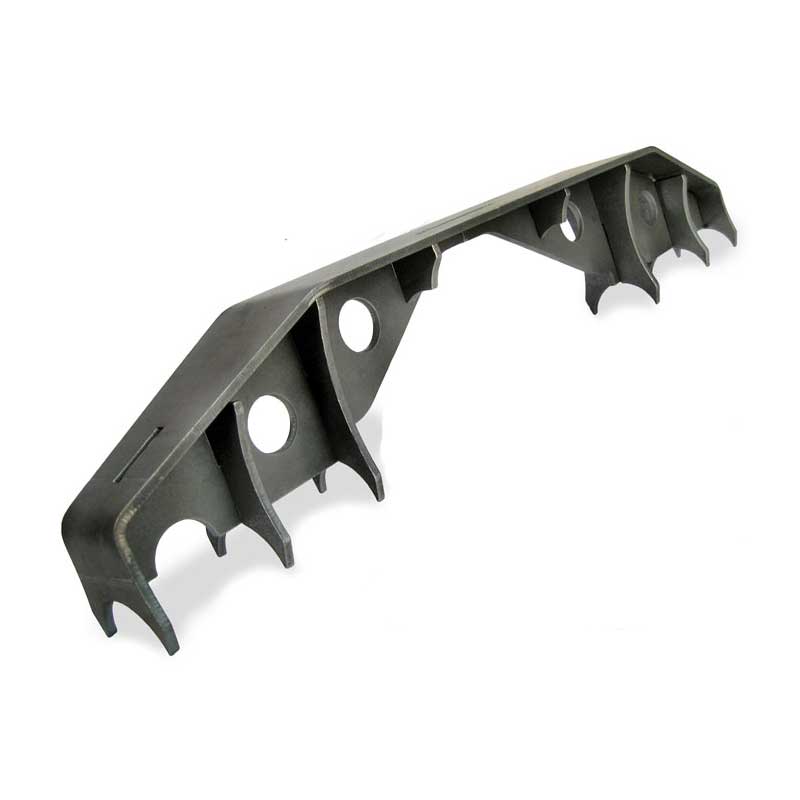
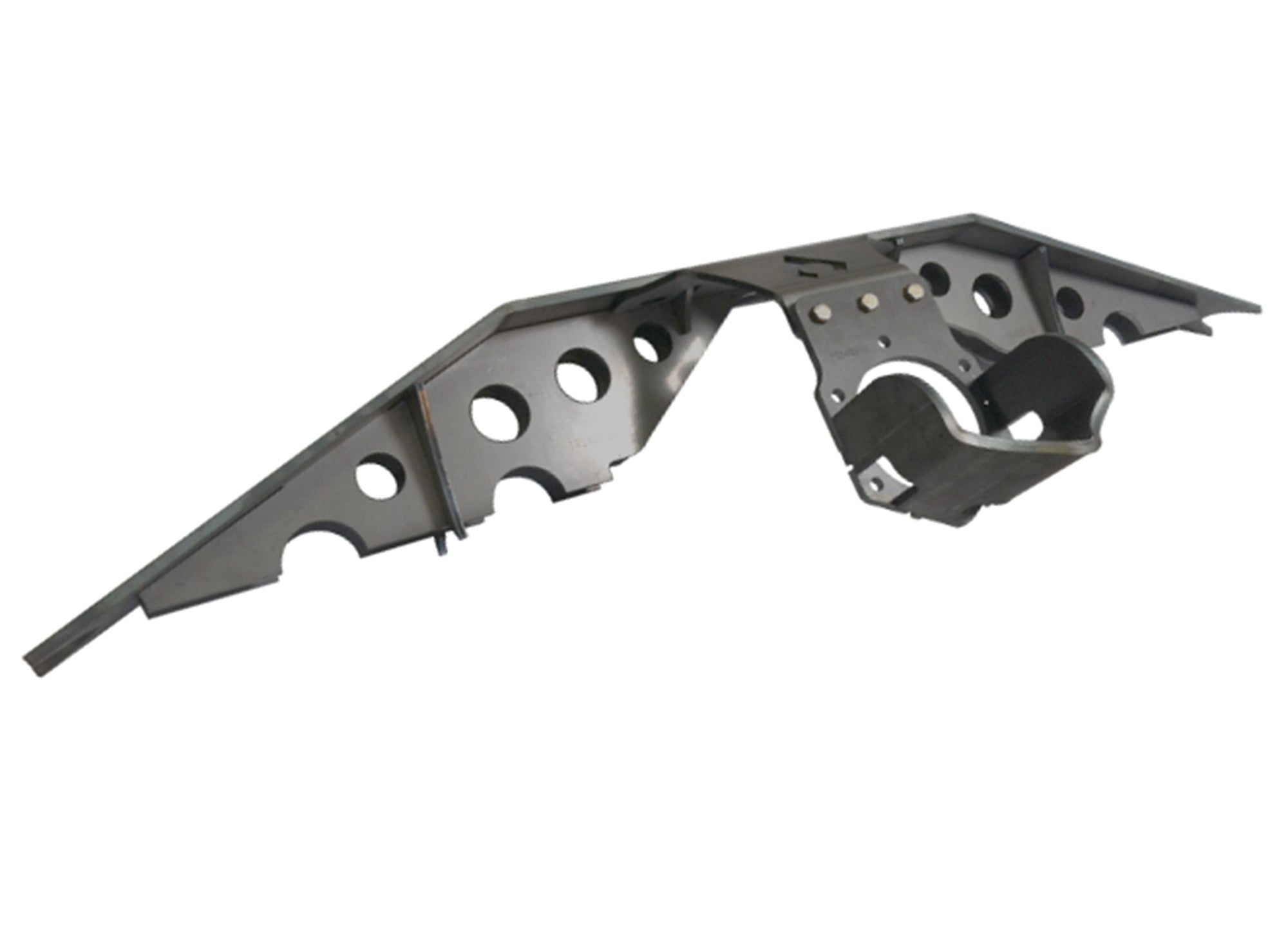
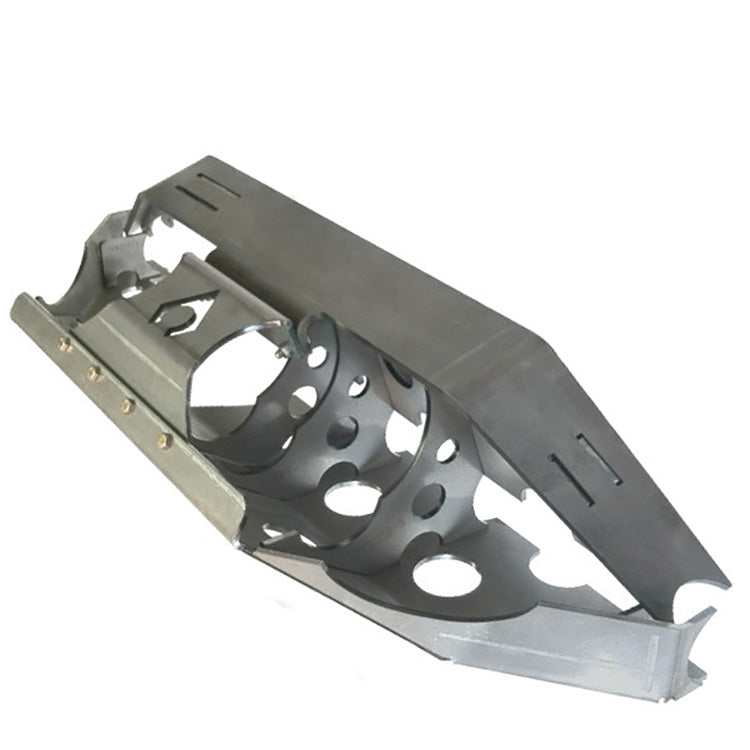
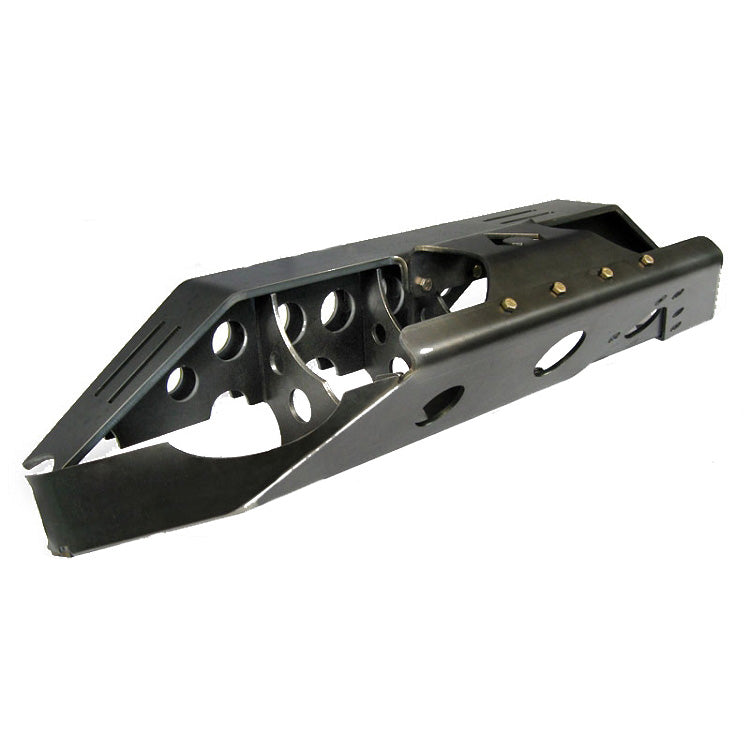
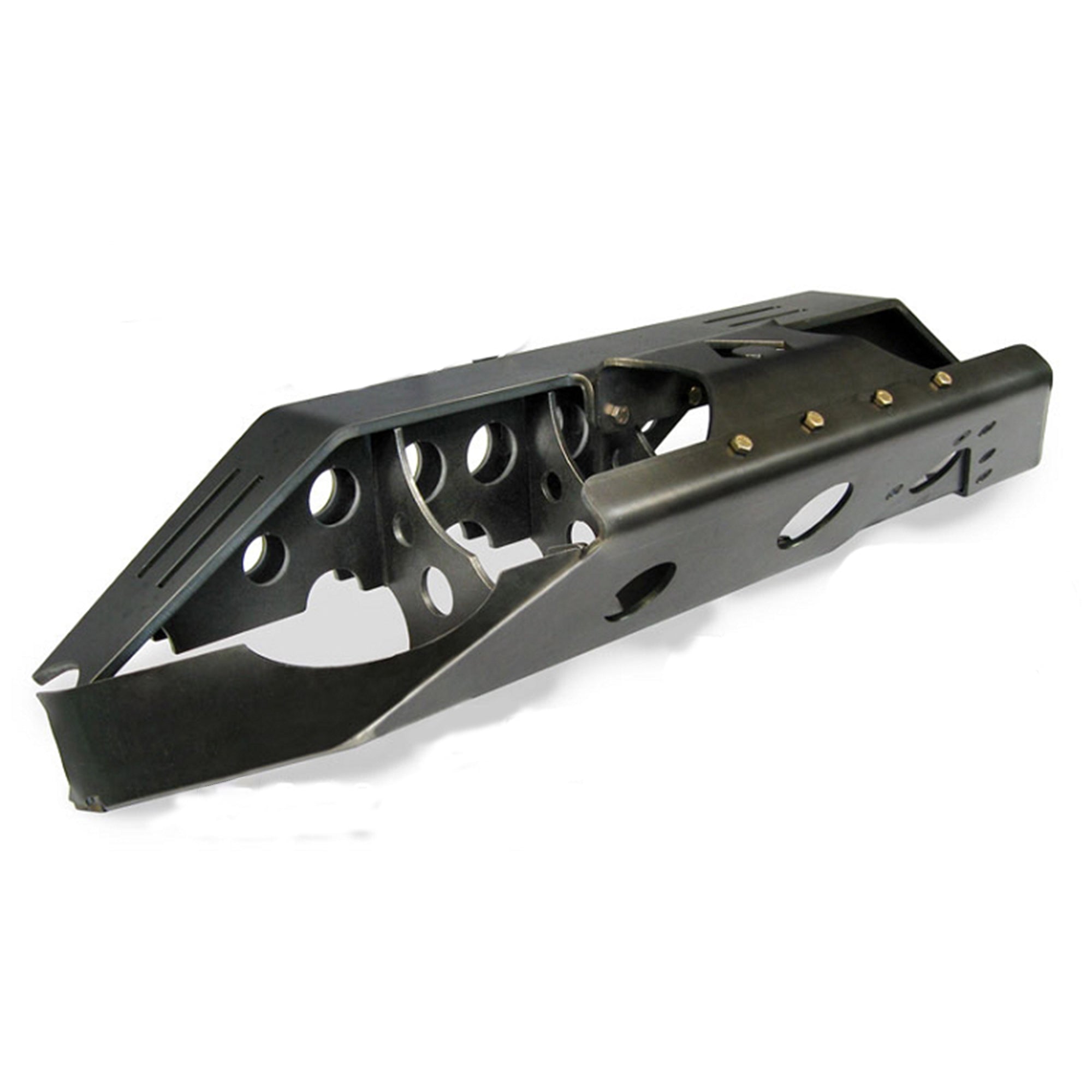
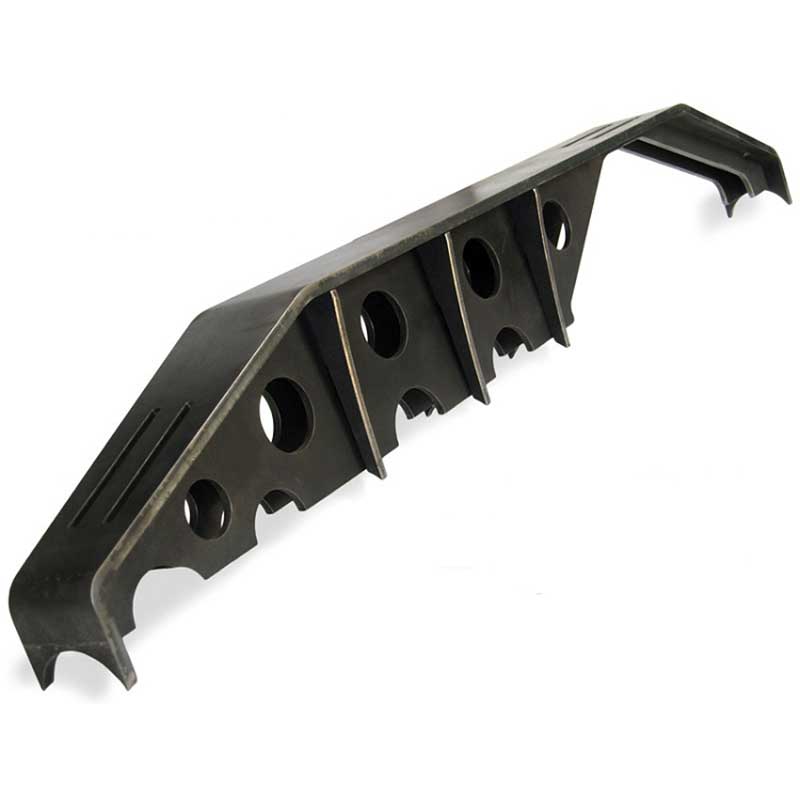
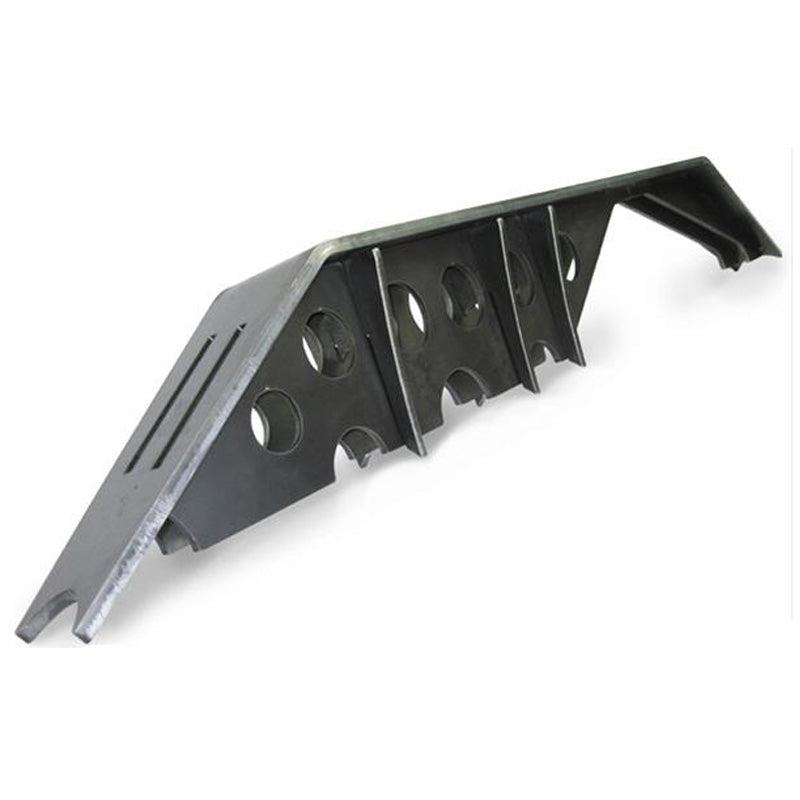
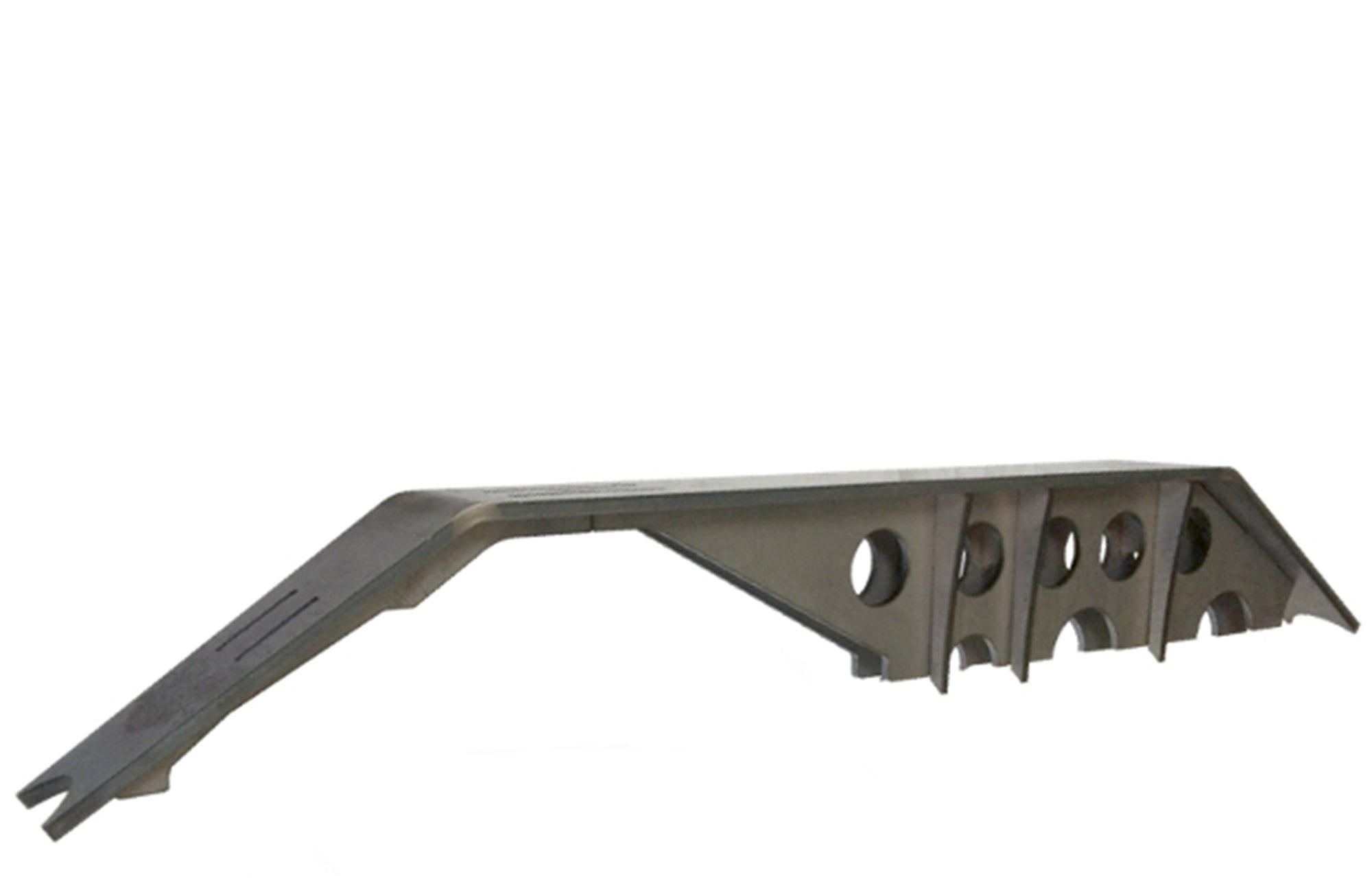
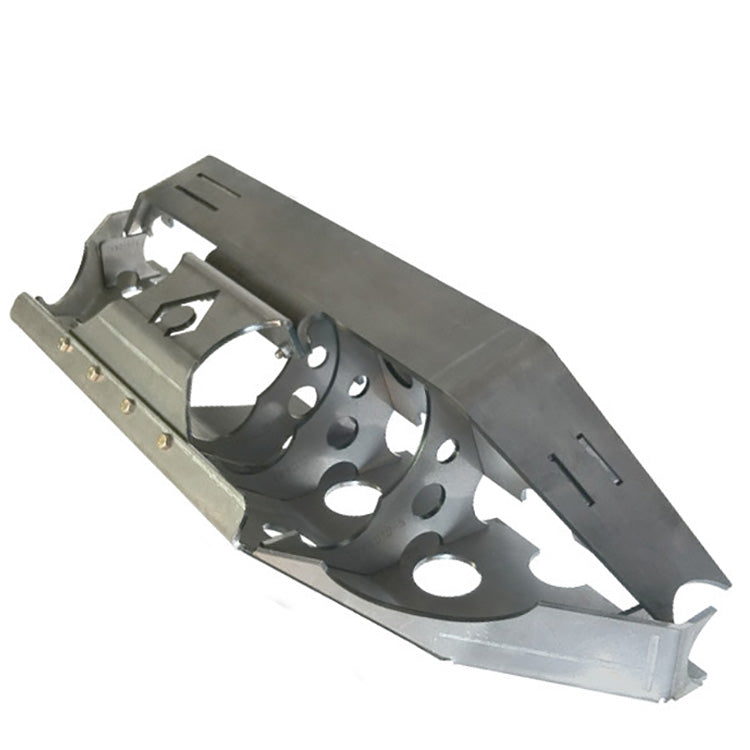
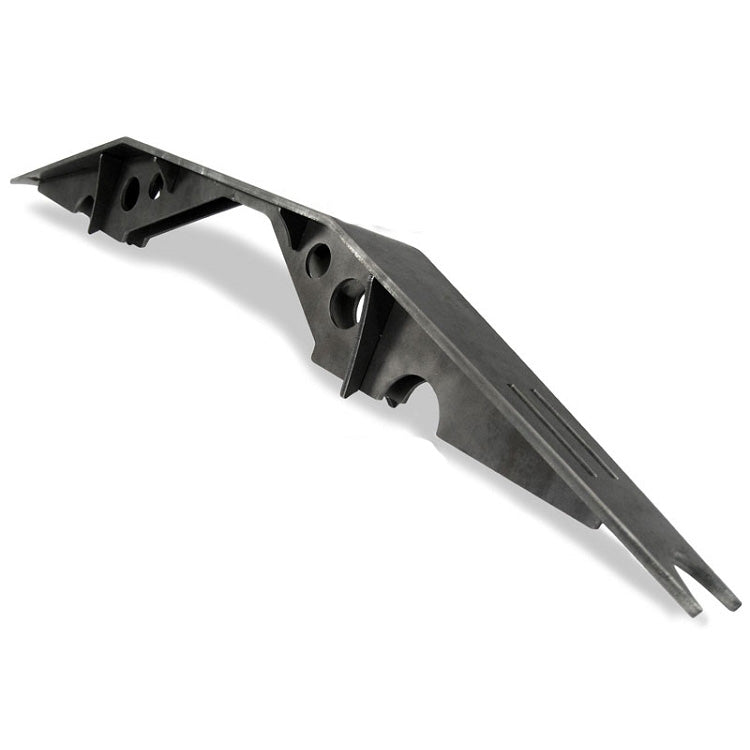
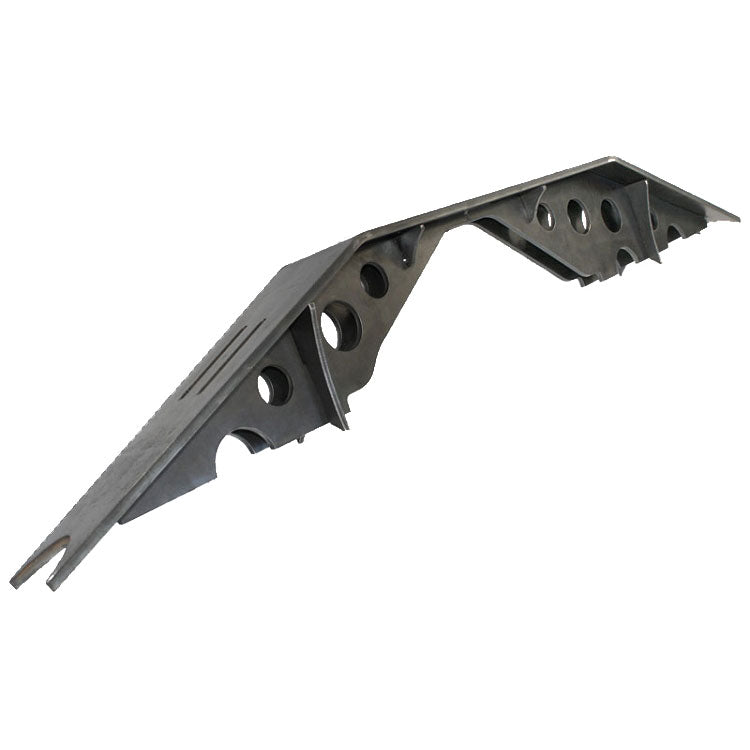
Axle housings bend before shafts break on hard-used rigs — trusses, gussets, and sleeves from Artec Industries put the metal where the flex lives. Laser-cut, platform-specific, and weld-on by design, this is fabrication-day territory that permanently retires a known weak point. If your Jeep or Toyota runs 37s toward rocks, the truss conversation isn’t if, it’s when.
Axle Reinforcements FAQs
Do welded-on reinforcements need paint or coating afterward?
Yes — welding burns the factory coating off the housing, and bare axle steel flash-rusts fast, especially where road spray hits. Once everything cools, knock off the slag and spatter, clean the area, and prime and paint it like you mean it. While you're there, inspect nearby brake lines, ABS wiring, and the axle breather hose for heat damage — protecting them during the weld is easier than replacing them after.
Do trusses and gussets require welding?
Almost all of them, yes. The parts arrive as bare or coated steel shapes, and the strength comes from being welded to the housing — a bolt-on version of the same idea gives up most of the benefit. If you don't weld, price in a fabricator's time. Listings note the required prep, and some pieces need trimming to clear factory brackets.
Do I need axle reinforcement if I don't rock crawl?
Maybe — speed bends axles as effectively as rocks do. Fast desert-style miles with big tires and a loaded truck put repeated bending loads into the housing, which is why high-speed builds truss axles too. If you're on modest tires at trail speeds, skip it. If the truck is heavy, the tires are large, and the terrain is fast, it's cheap insurance.
Will welding a truss warp my axle housing?
It can if it's done carelessly — that's the real risk with long welds on a straight tube. Good practice is stitch welding in a planned sequence, alternating sides, and letting the housing cool instead of running hot beads end to end. Experienced fabricators verify straightness afterward. This is the strongest argument for paying a good welder over a fast one.
Can reinforcements be installed with the axle still in the truck?
Some can — small gussets are commonly welded in place with careful prep and fire safety. Full trusses and sleeves are much easier, and usually done better, with the housing out and stripped: no wiring or brake lines to protect, better weld positions, and straightness you can actually verify. If the axle is coming apart for other work anyway, combine the jobs.
