





Brand
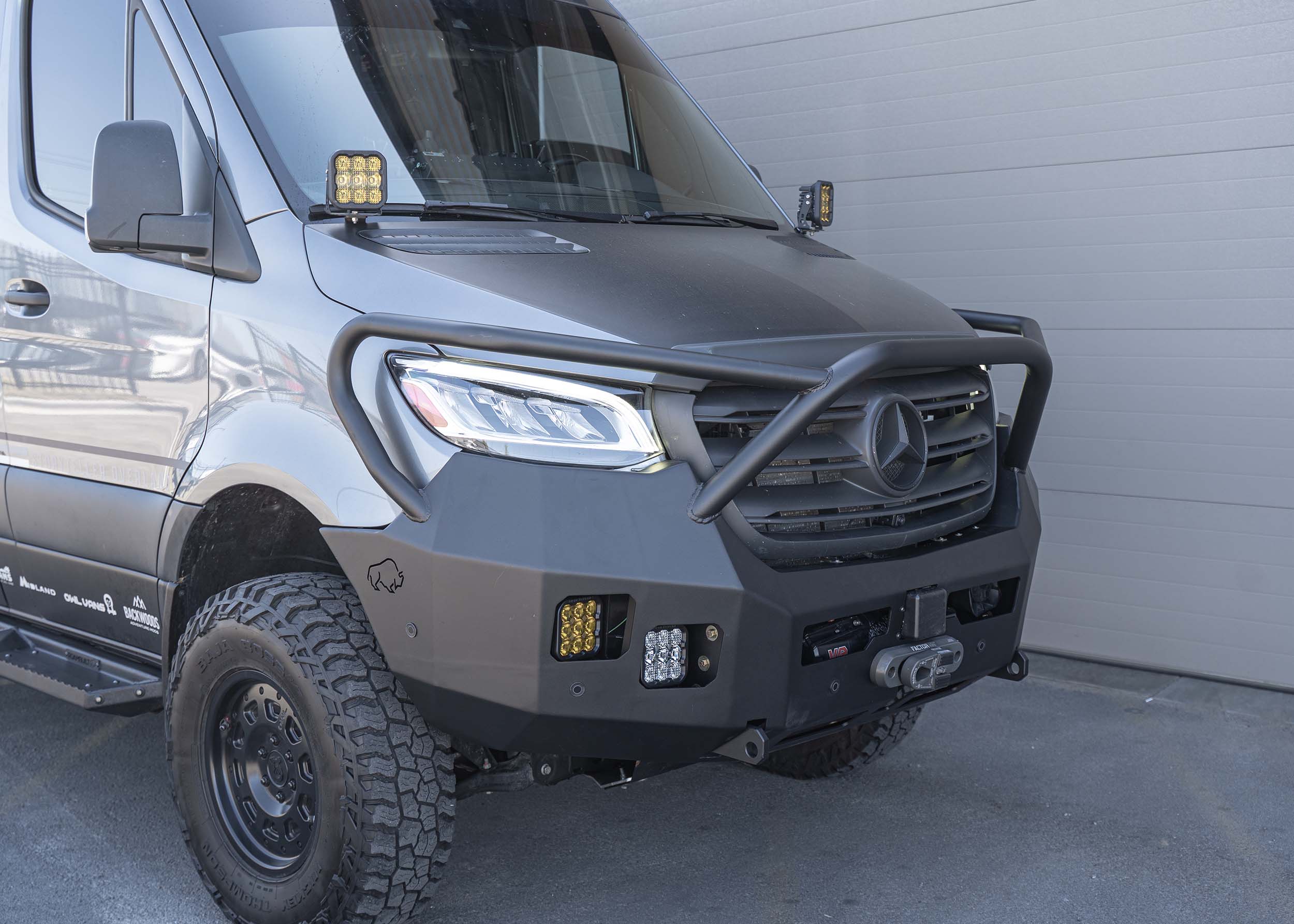
Roambuilt Mercedes Sprinter Overland Accessories
Warranty: Lifetime structural warranty, 60 days on powder coat.
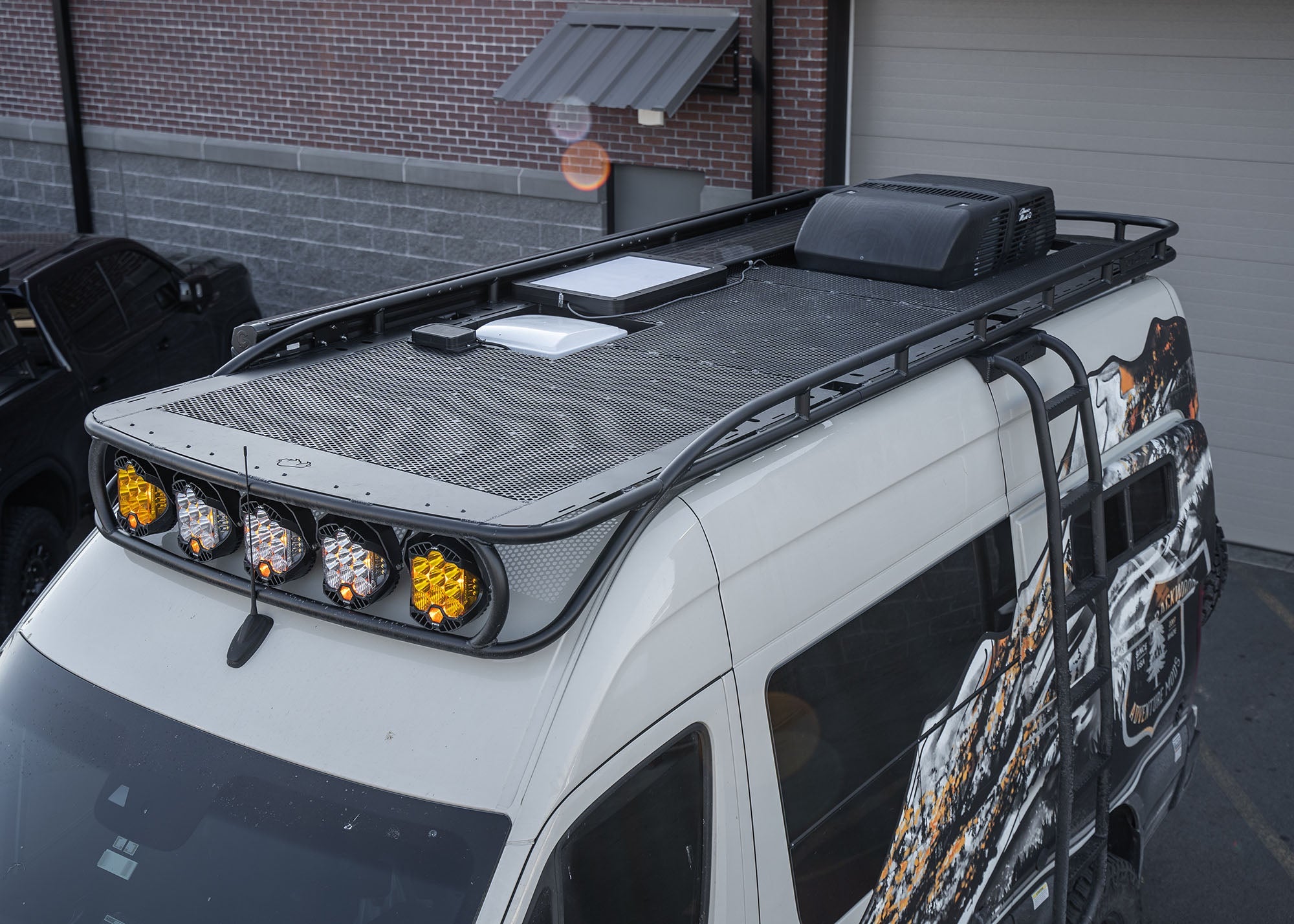
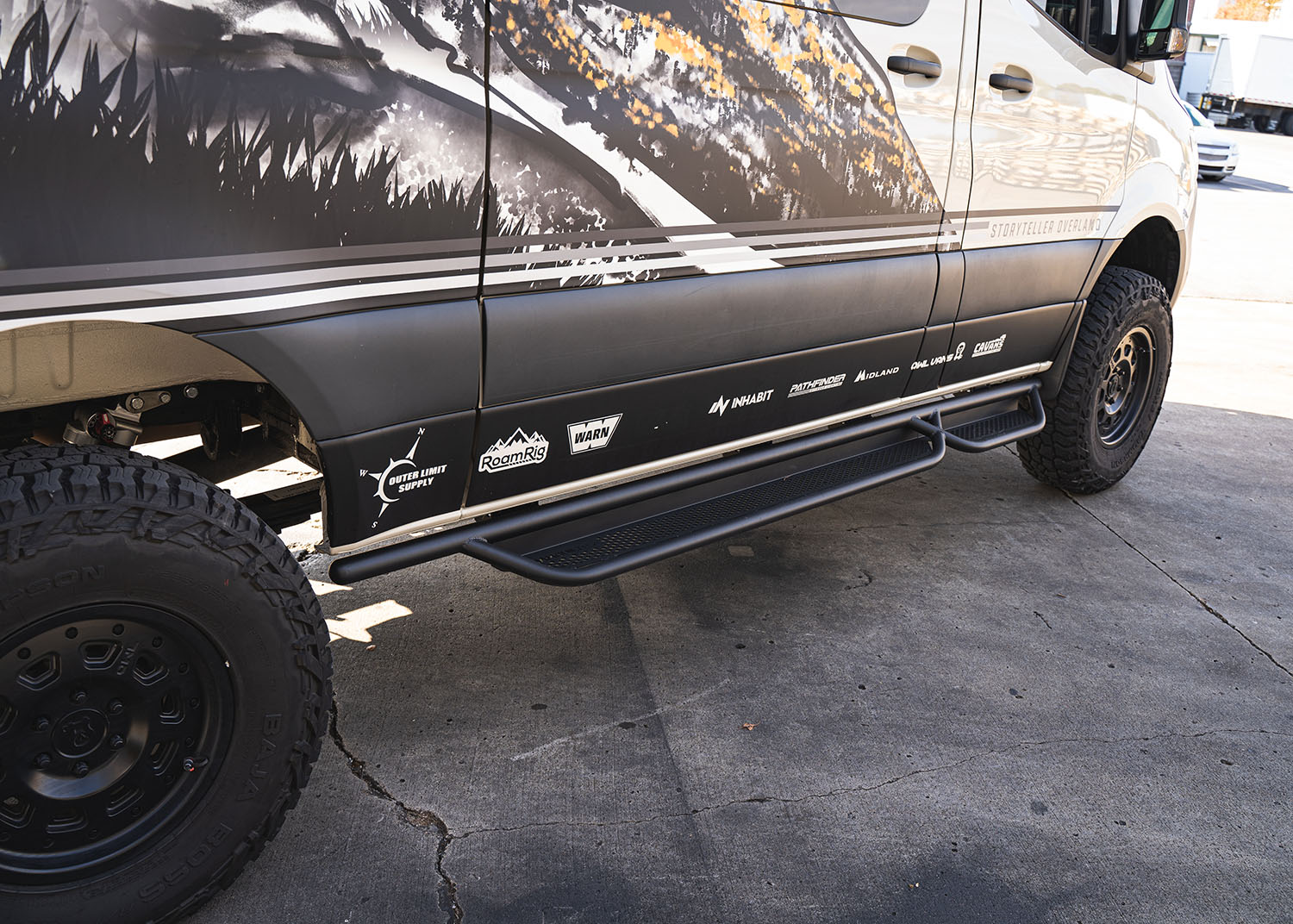
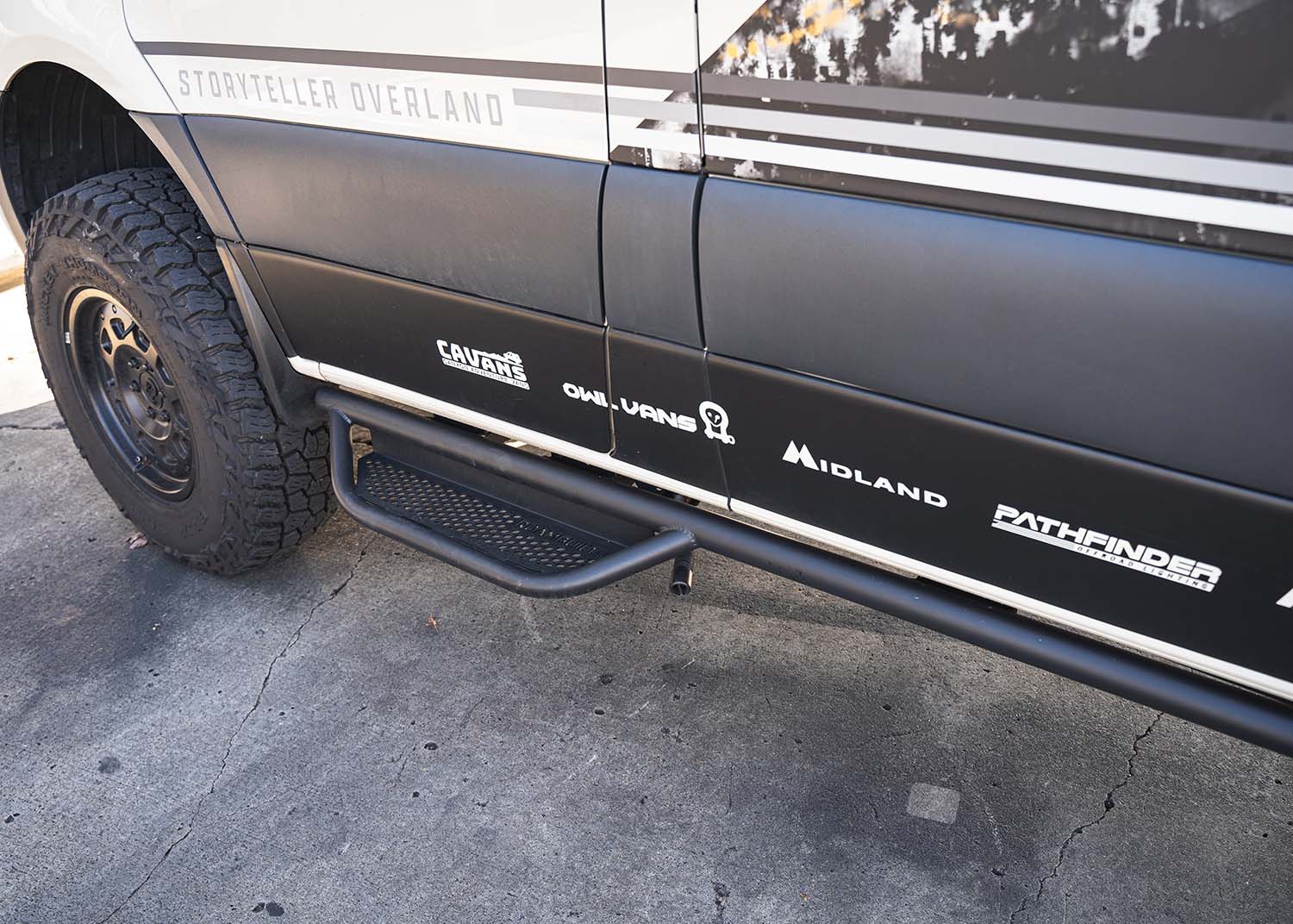
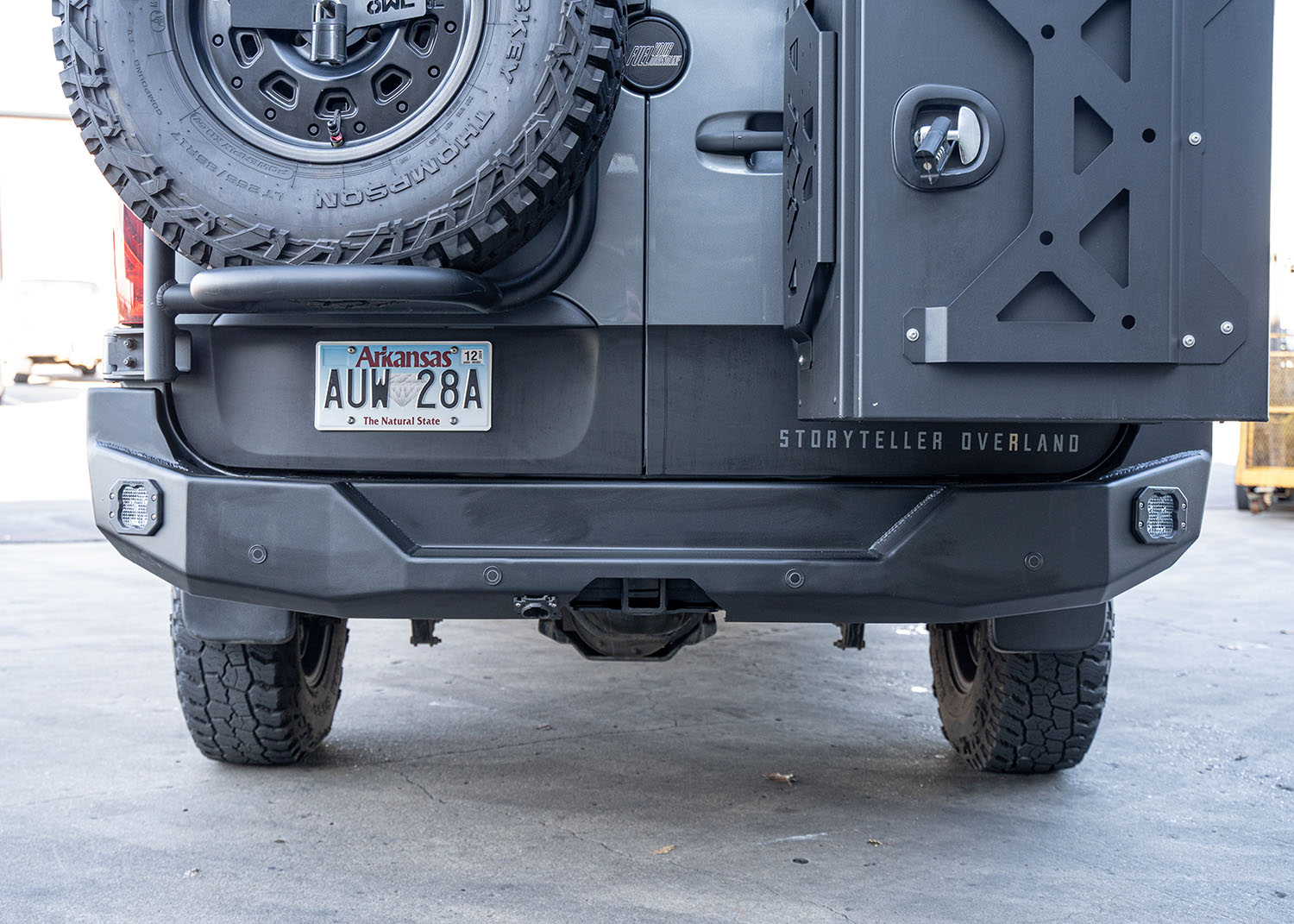
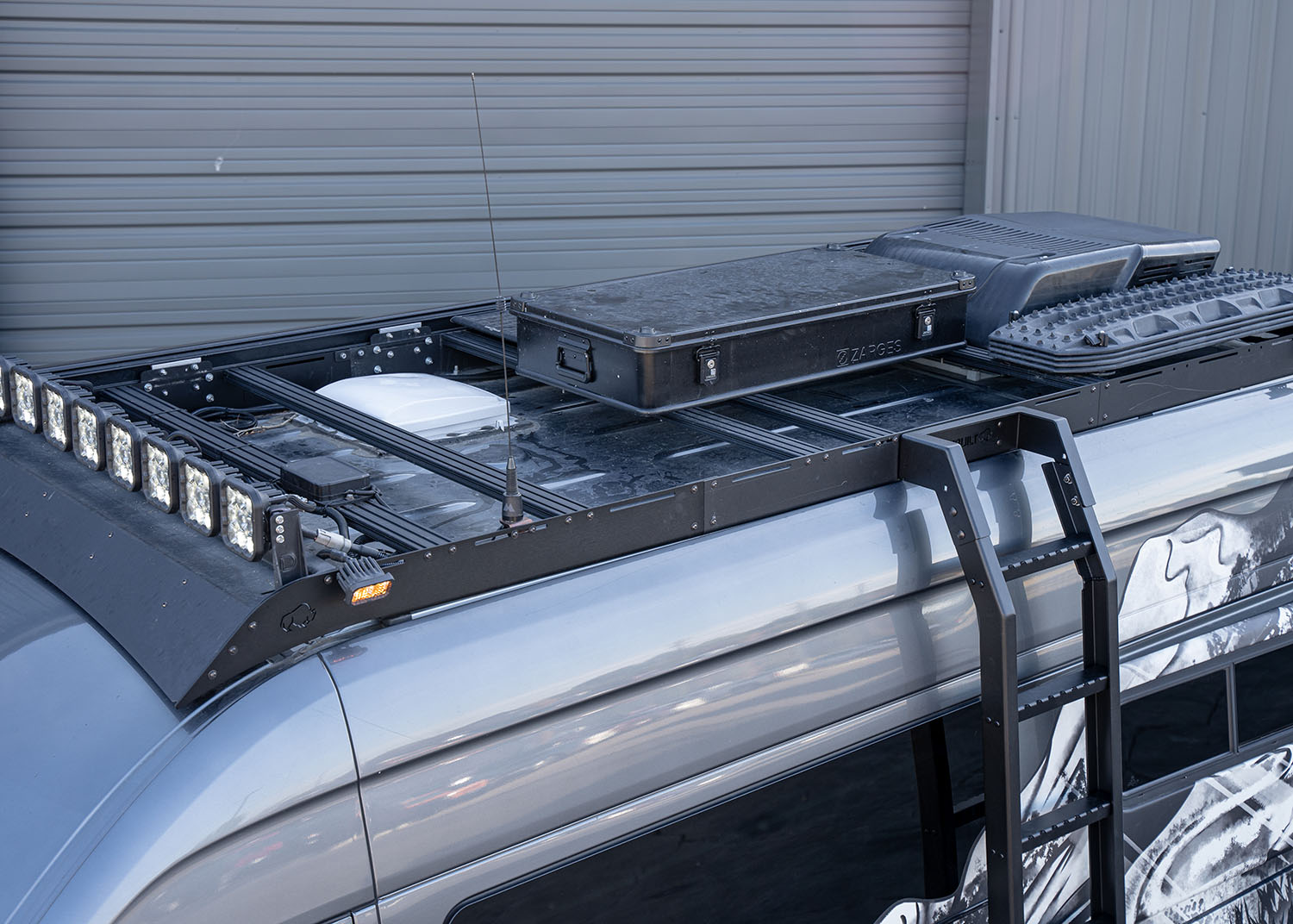
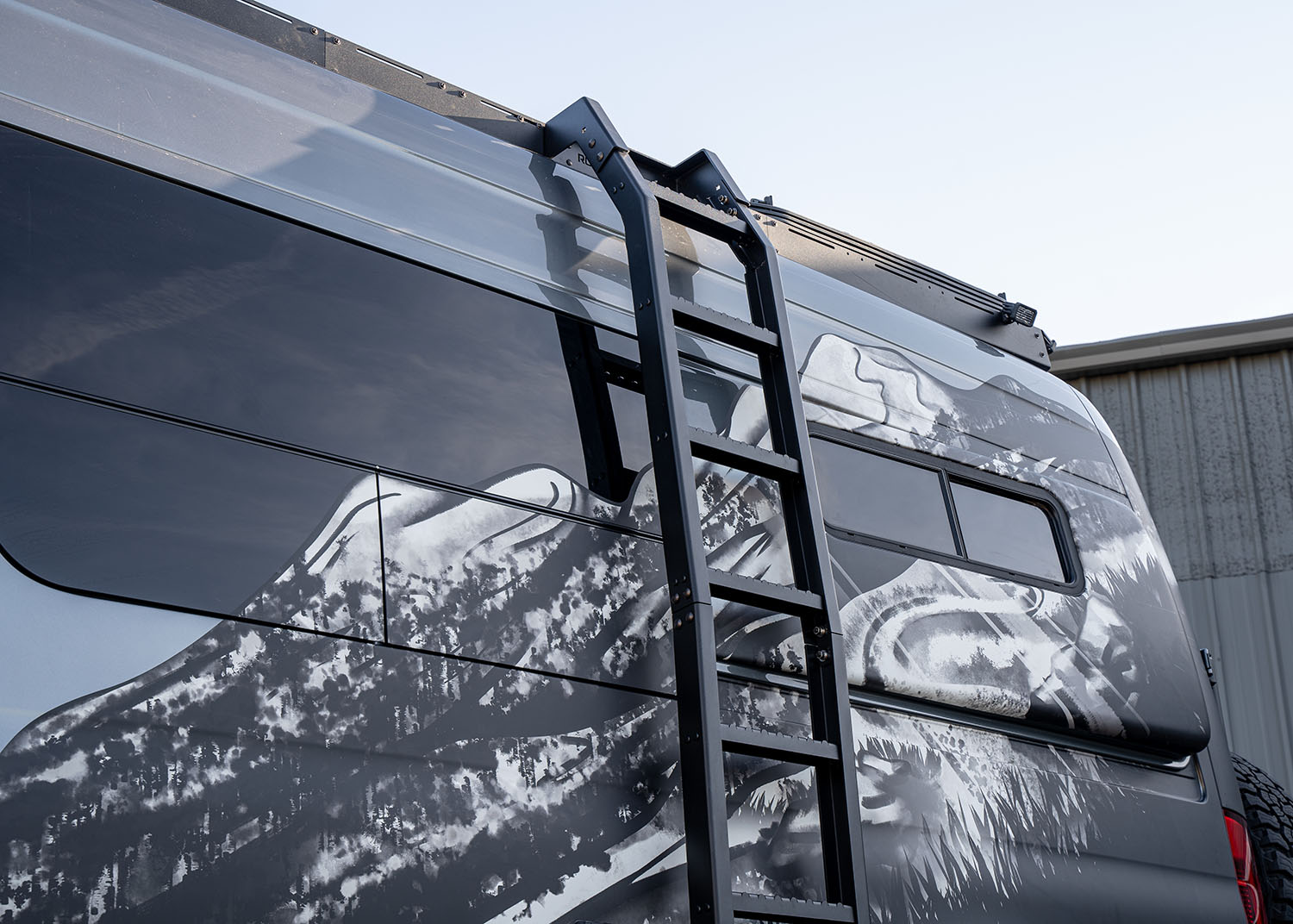
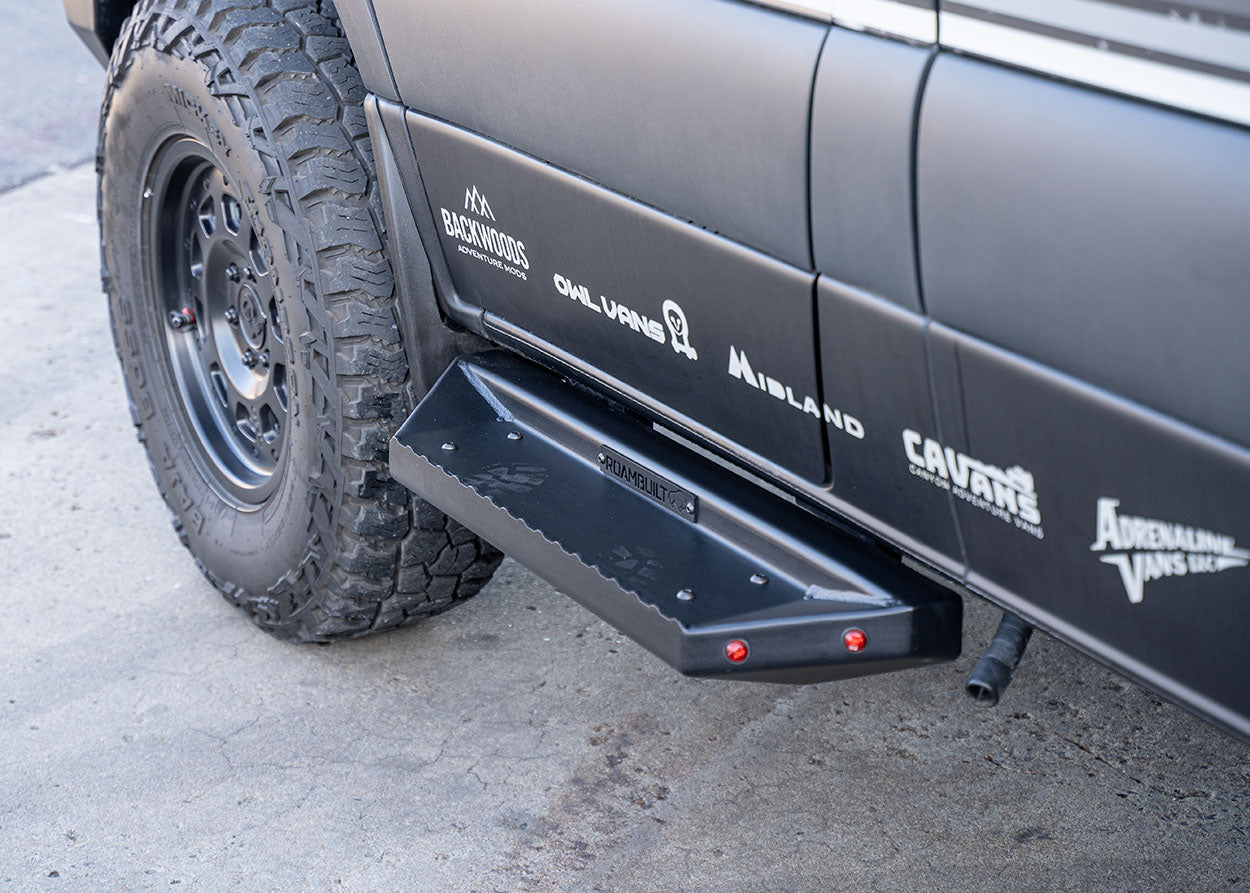
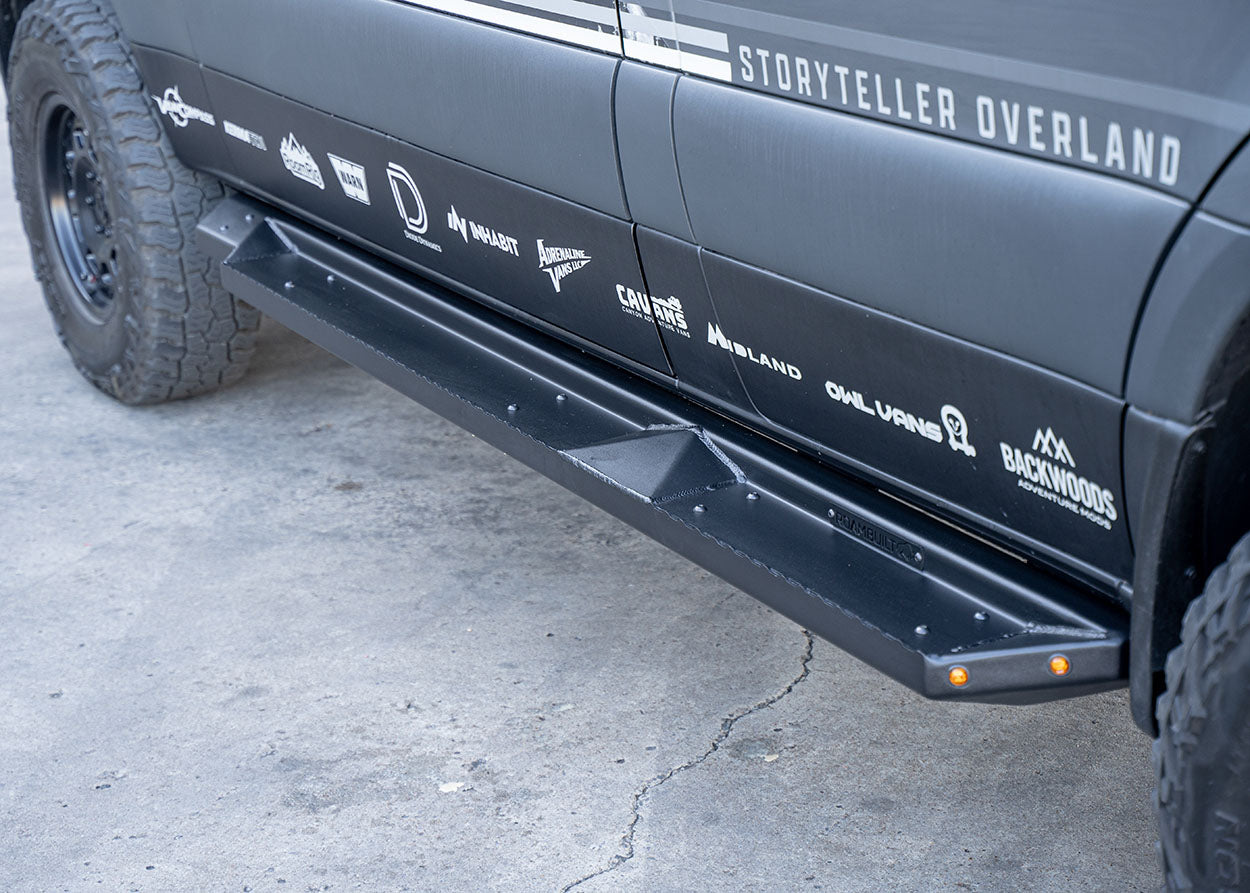
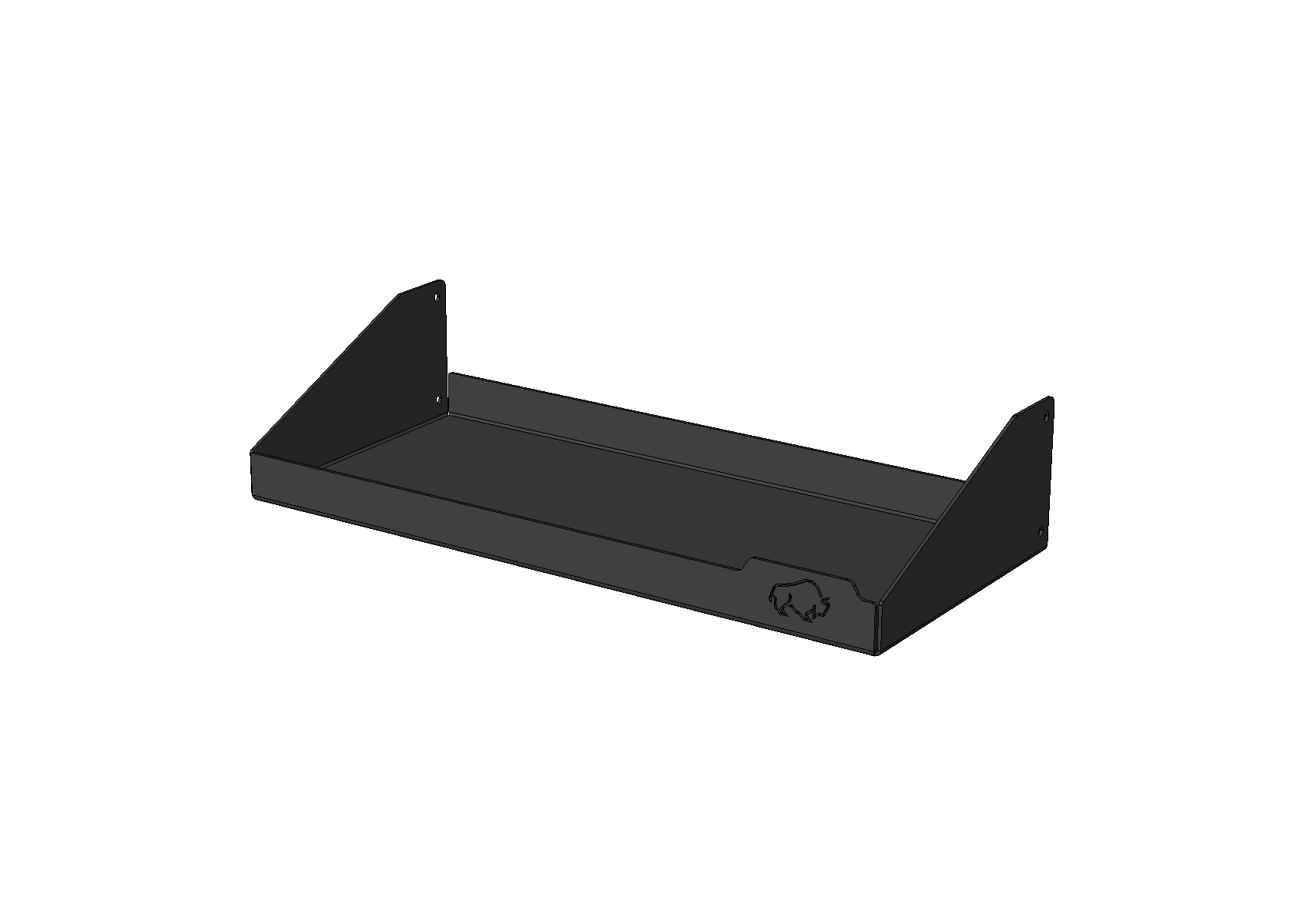
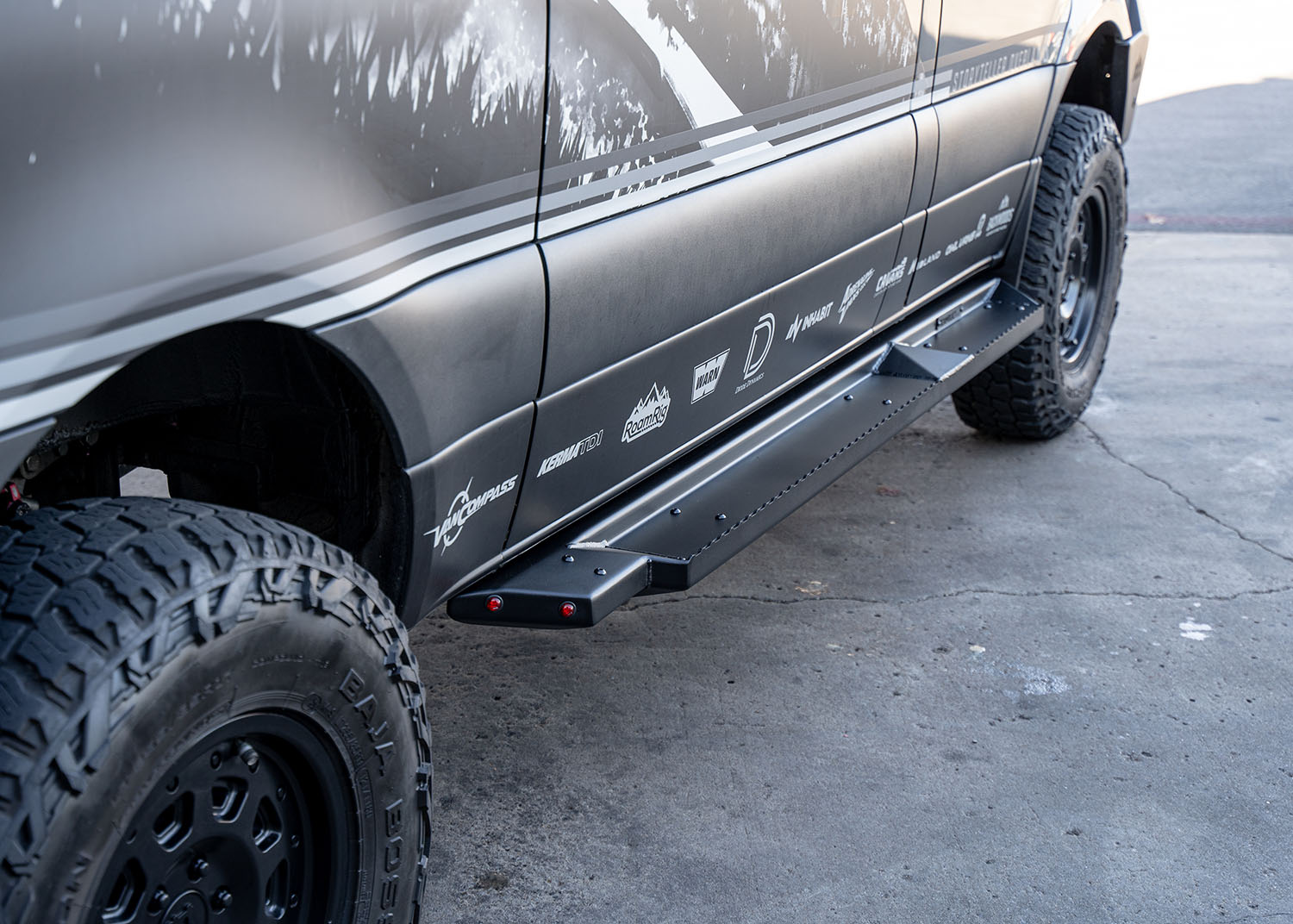
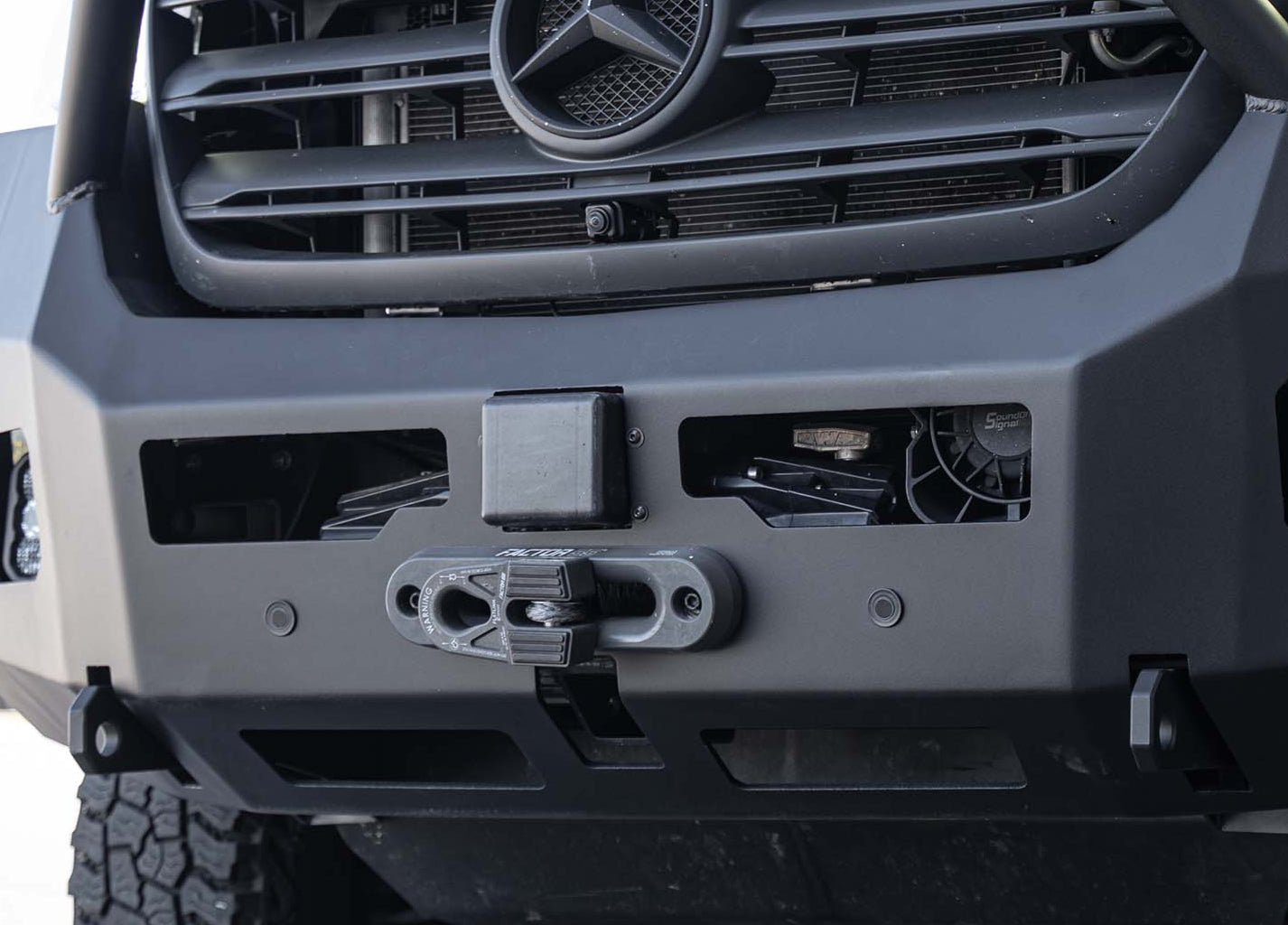
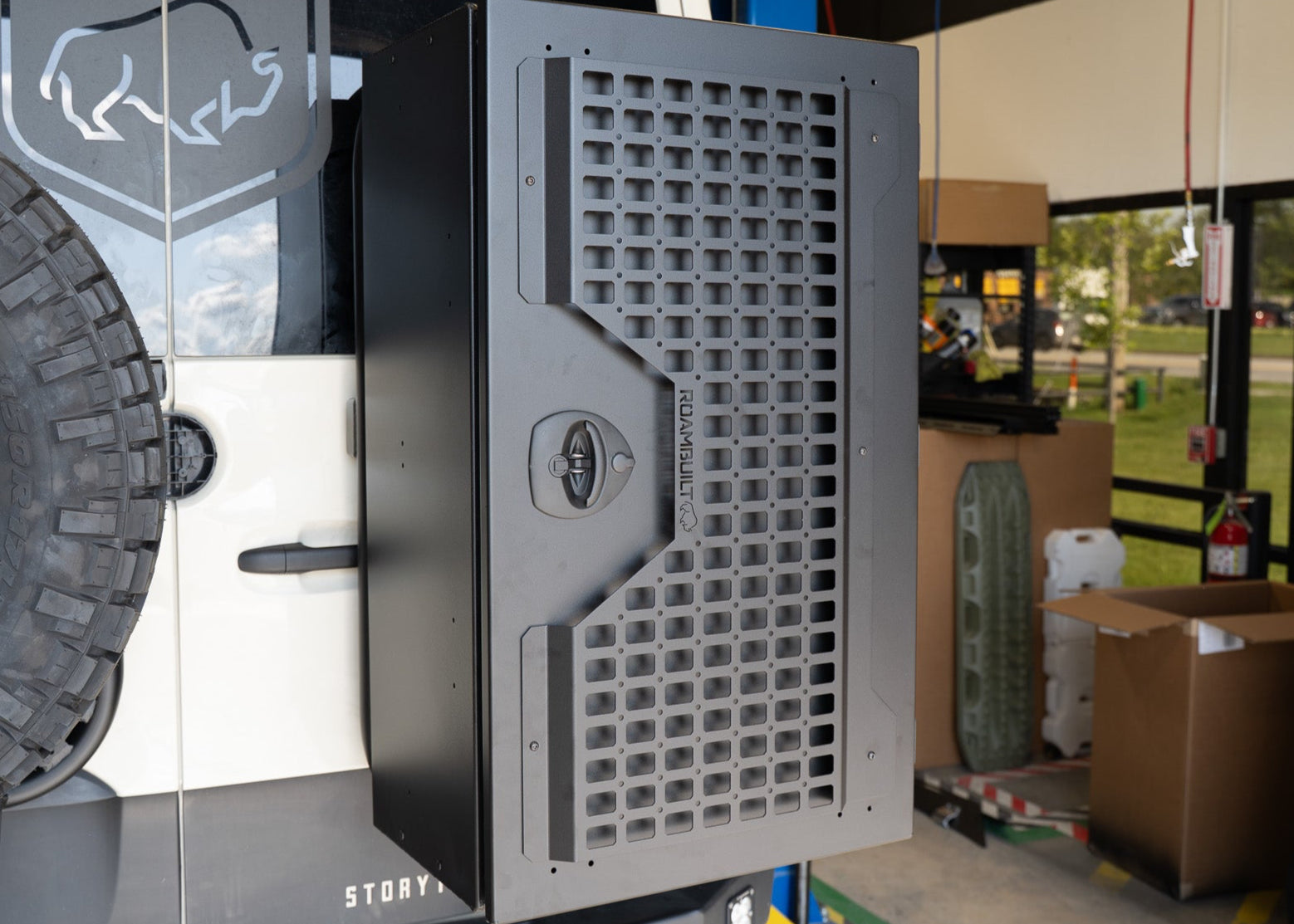
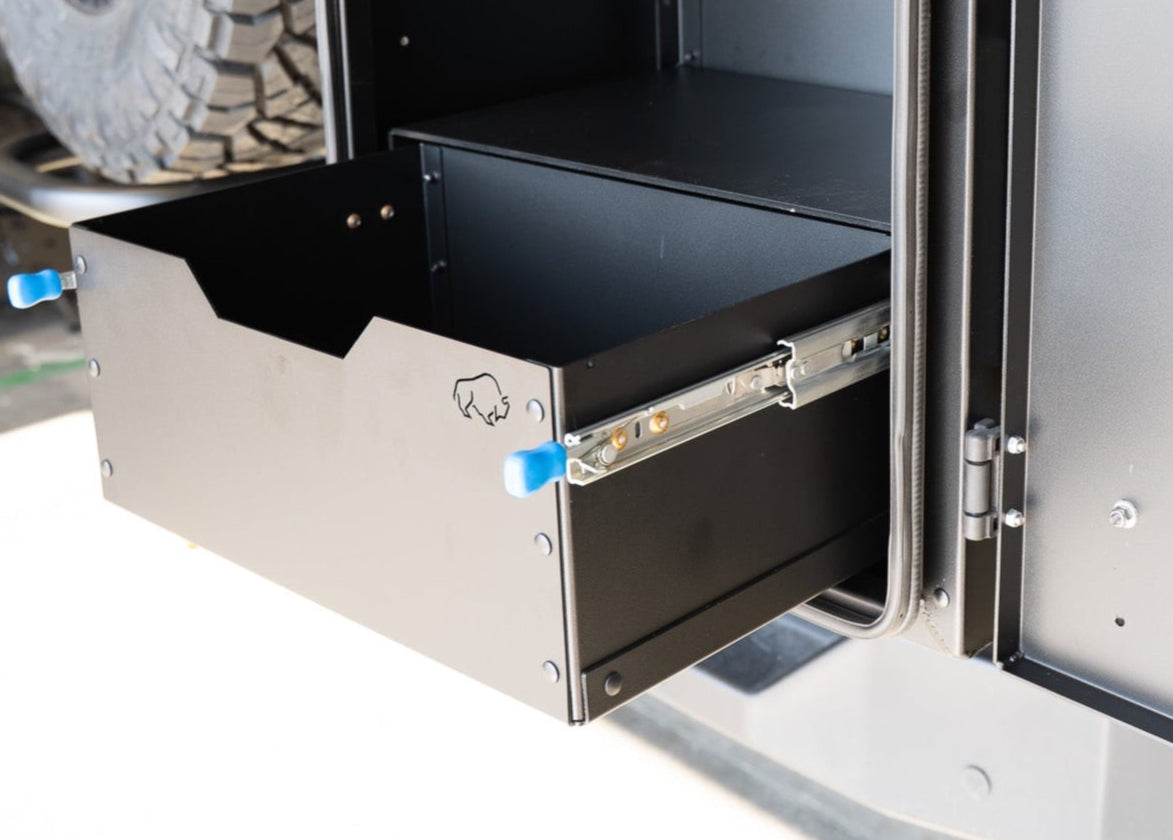
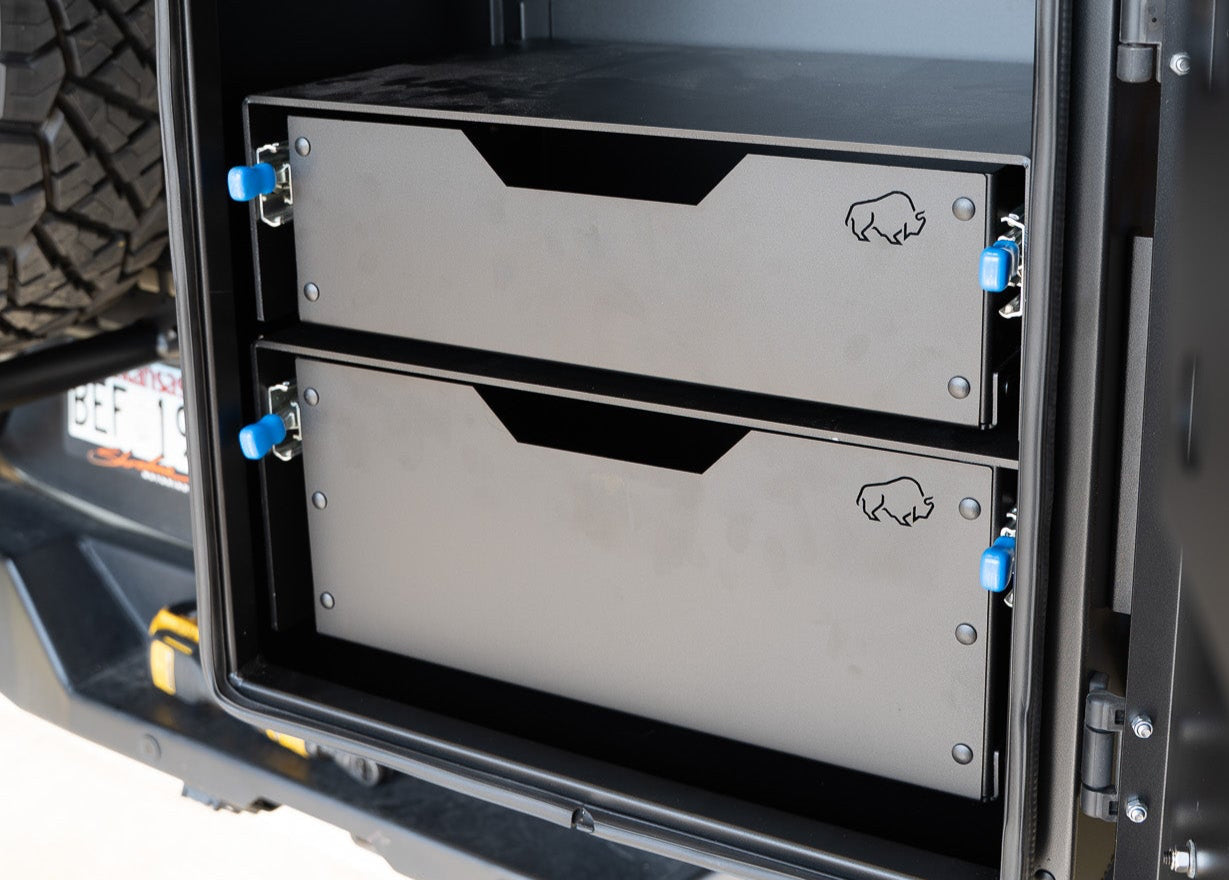
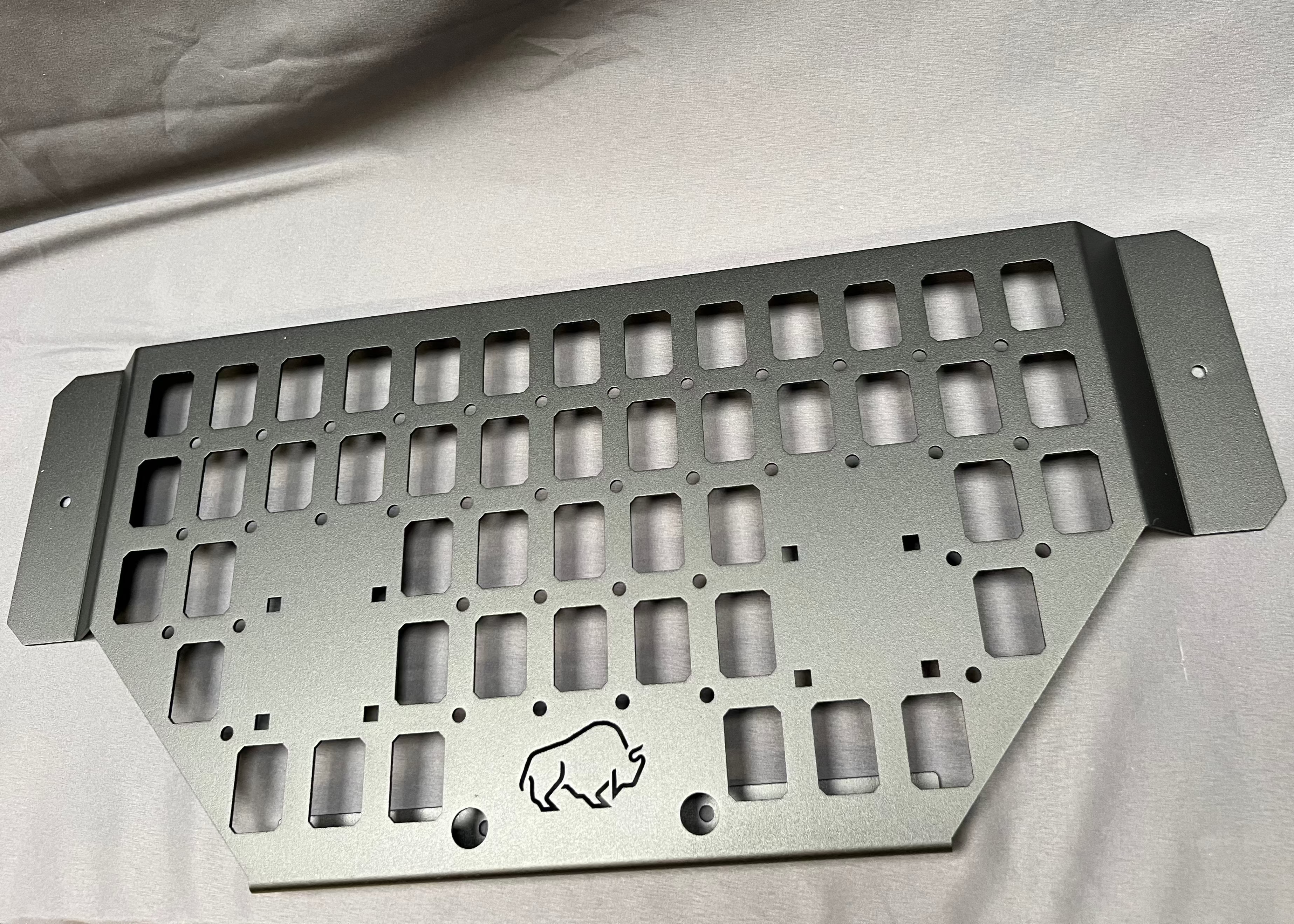
ROAMBUILT builds bolt-on exterior gear for the Mercedes-Benz Sprinter in Springdale, Arkansas. NVMOS carries ROAMBUILT roof racks, front and rear bumpers, ladders, side steps, skid plates, tire carriers and Trail Box storage. For Sprinter owners who want bolt-on steel built for their van.
Based in: Springdale, Arkansas · Made in: USA (Arkansas) · Warranty: Lifetime structural; 60 days powder coat · Lead time: In-stock items ship in 24–48 hours
ROAMBUILT warranty · ROAMBUILT FAQs · Current lead times · All brands
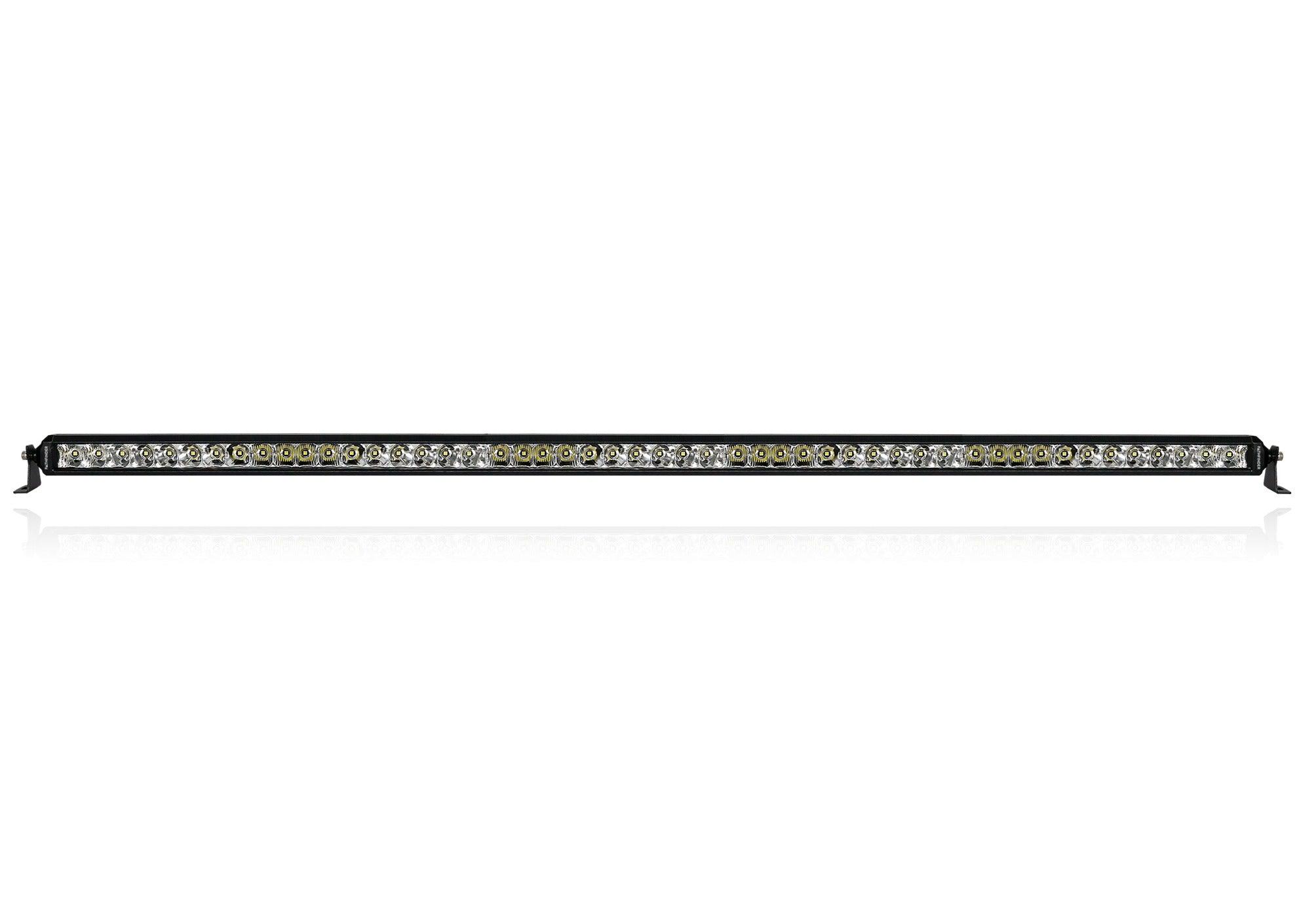
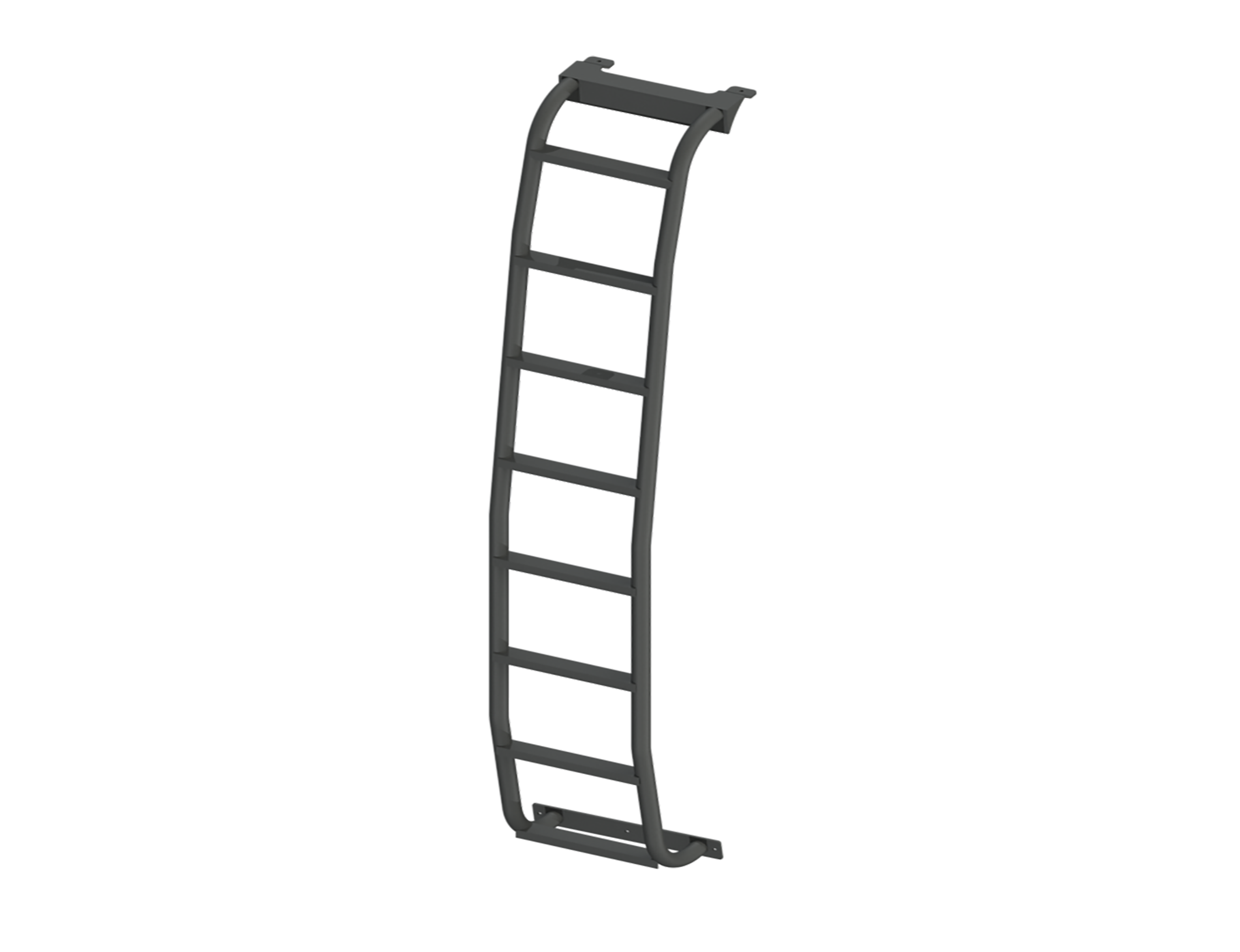
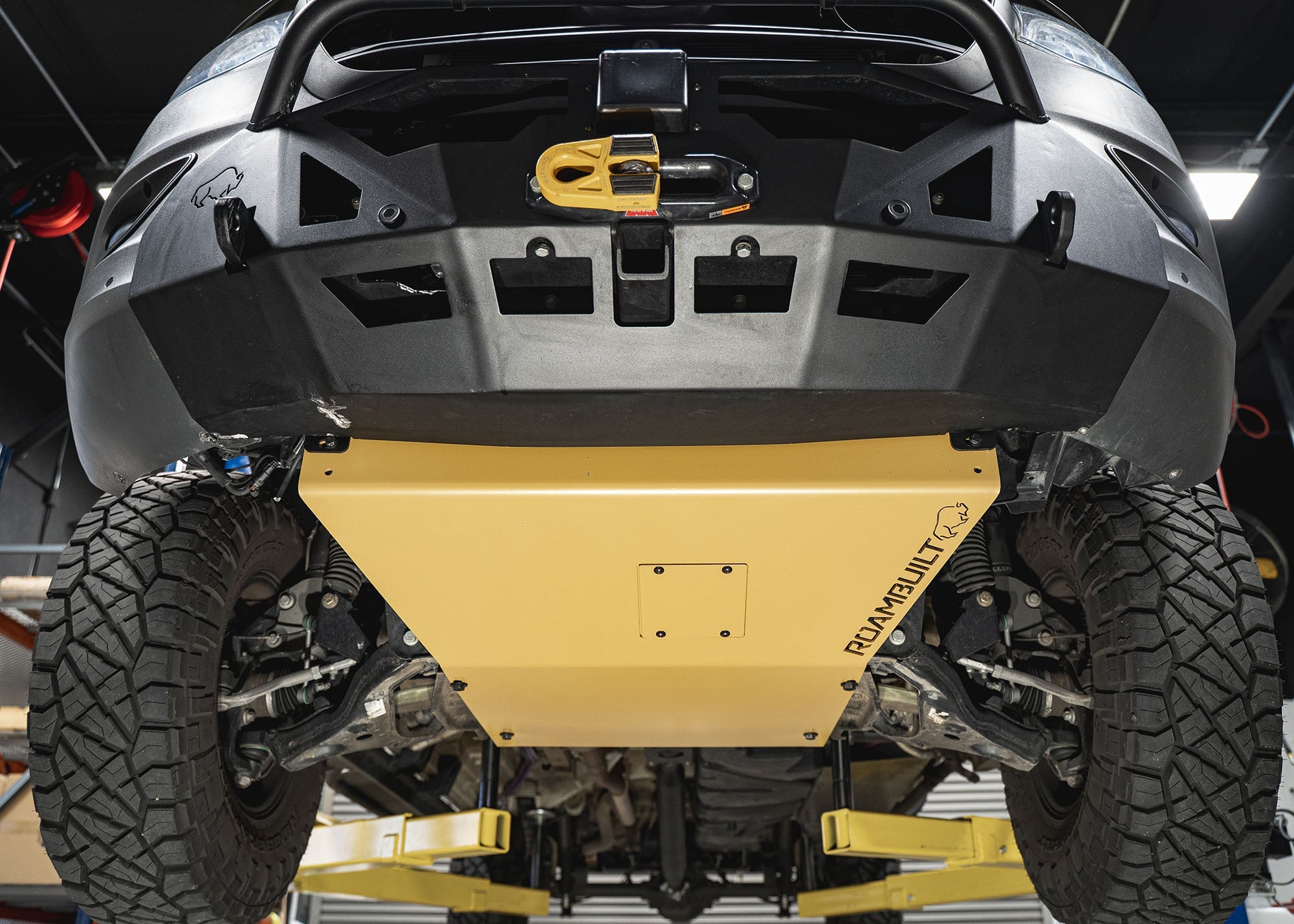
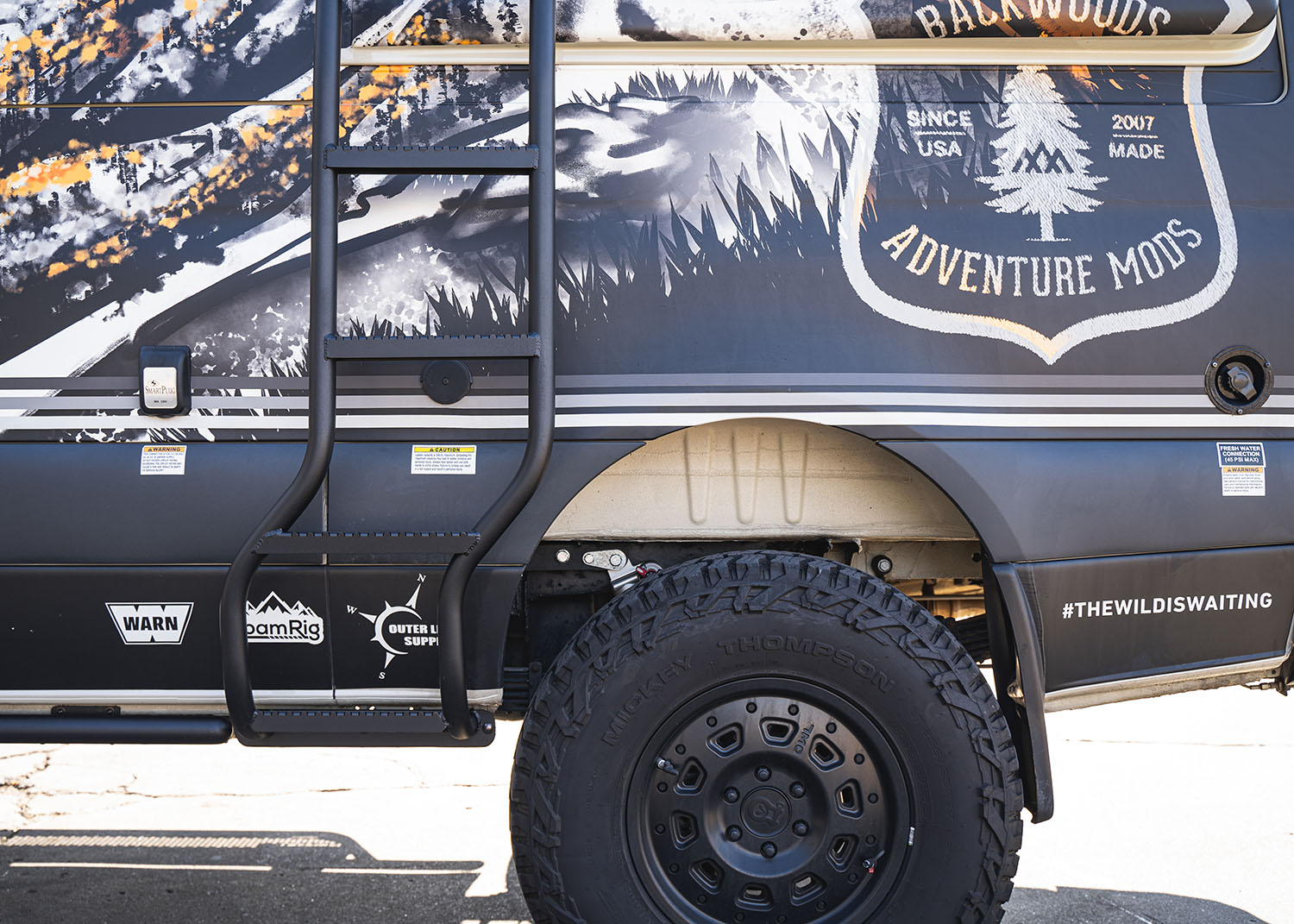

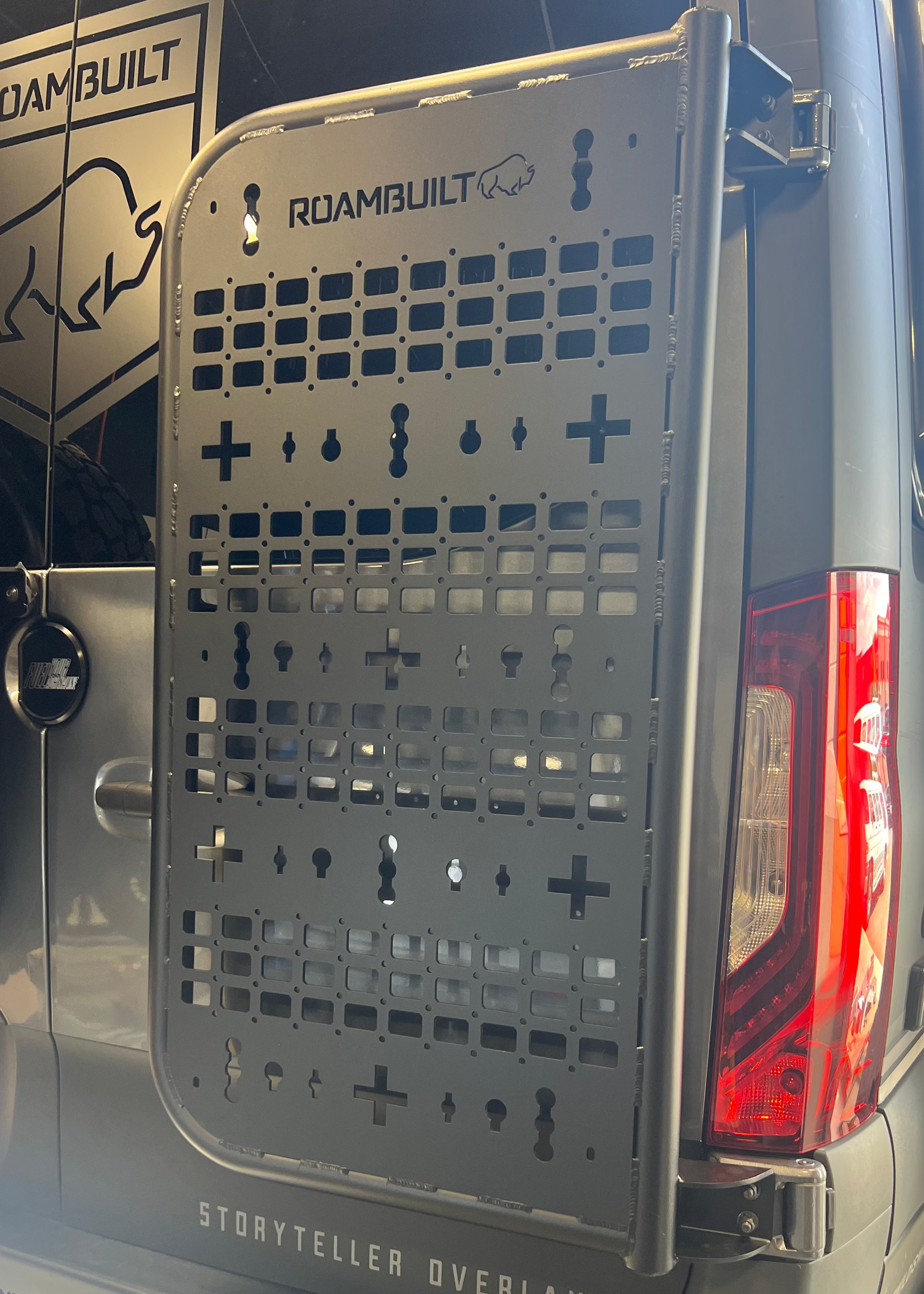
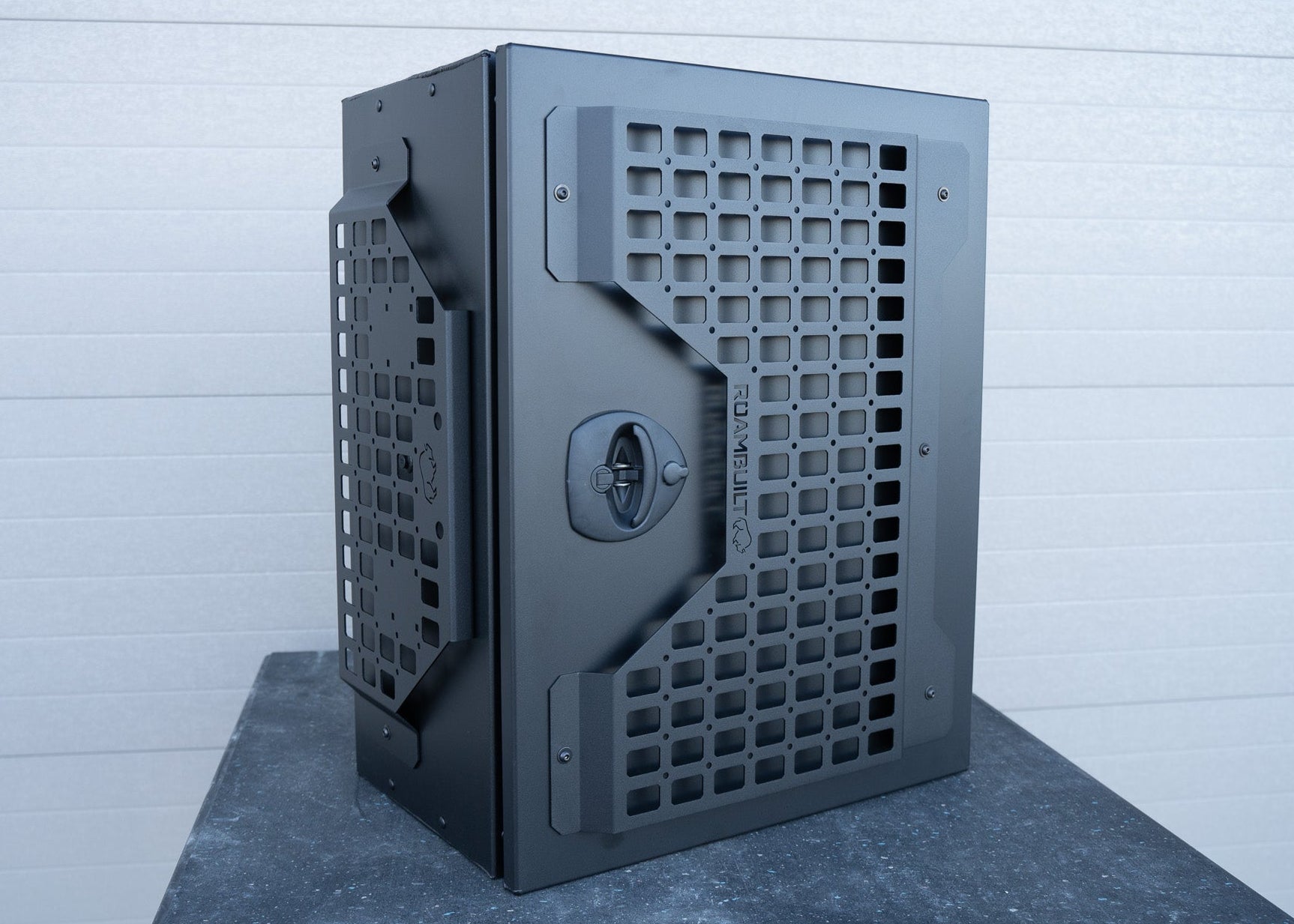
Roambuilt Mercedes Sprinter Overland Accessories FAQs
Where is ROAMBUILT gear made?
ROAMBUILT builds its products in the USA at its facility in Springdale, Arkansas.
What is the ROAMBUILT warranty?
Structural parts like racks, ladders and tire carriers have a lifetime warranty against defects, and the powder coat is covered for 60 days. Proof of purchase is required.
How fast does ROAMBUILT gear ship?
In-stock items ship from NVMOS in 24–48 hours. Some items ship from ROAMBUILT, so check the product page or call us for current timing.
Which vans does ROAMBUILT fit?
Mainly the 2019+ VS30 Mercedes-Benz Sprinter, with ladders that fit 2007+. A few side steps also fit Ford Transit cab-and-chassis trucks.
Does ROAMBUILT ship to Alaska or Hawaii?
No. ROAMBUILT ships only within the lower 48 states.
How do I fix scratches in the powder coat?
ROAMBUILT uses a textured black powder coat and suggests a textured black touch-up spray for small scratches.
