


Roof Top Tents
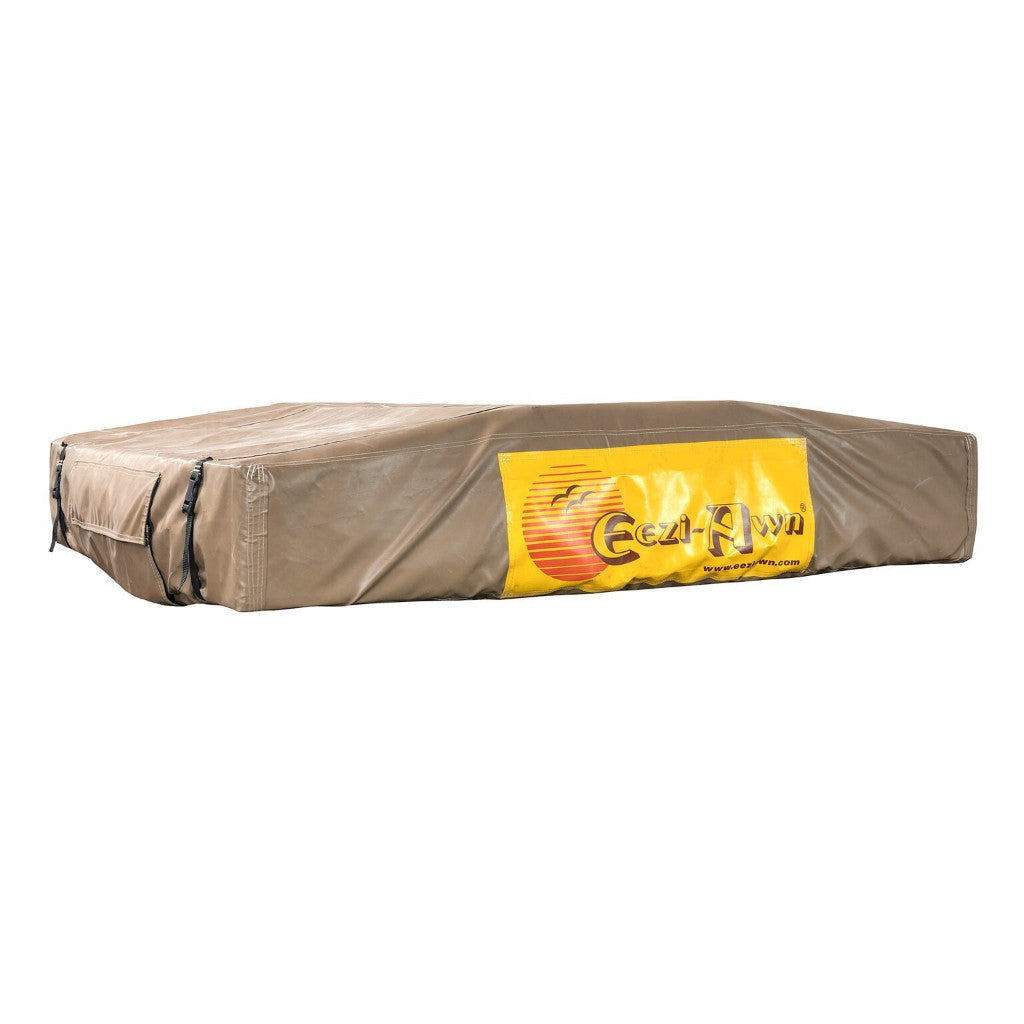
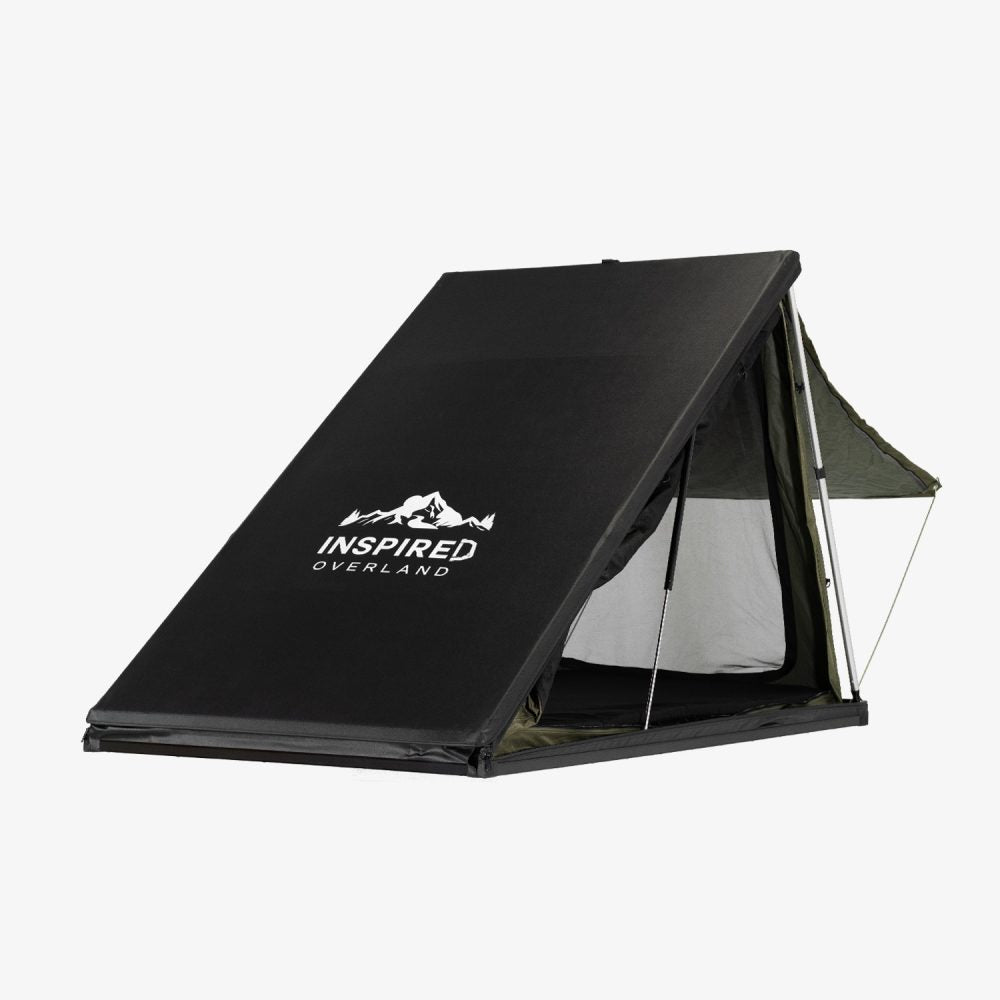
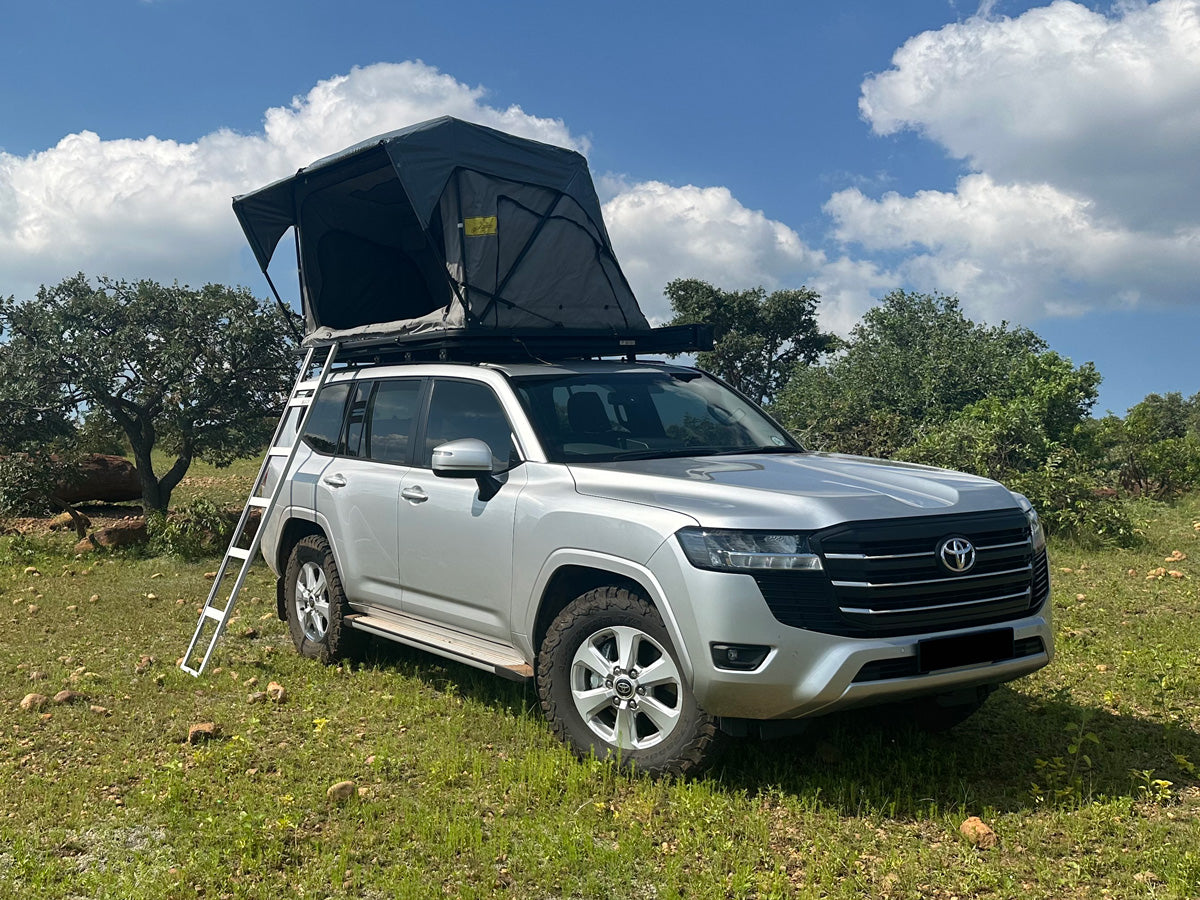
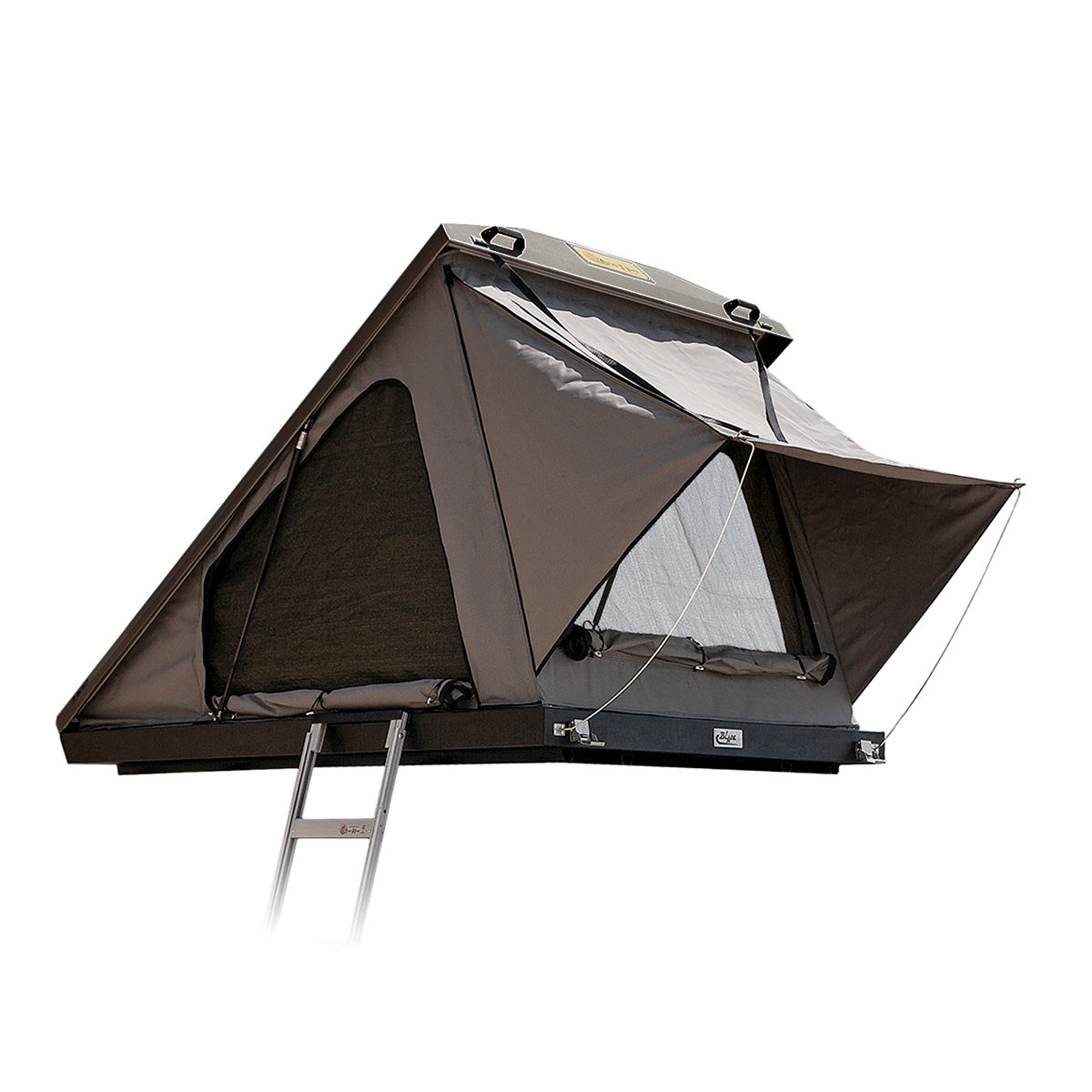
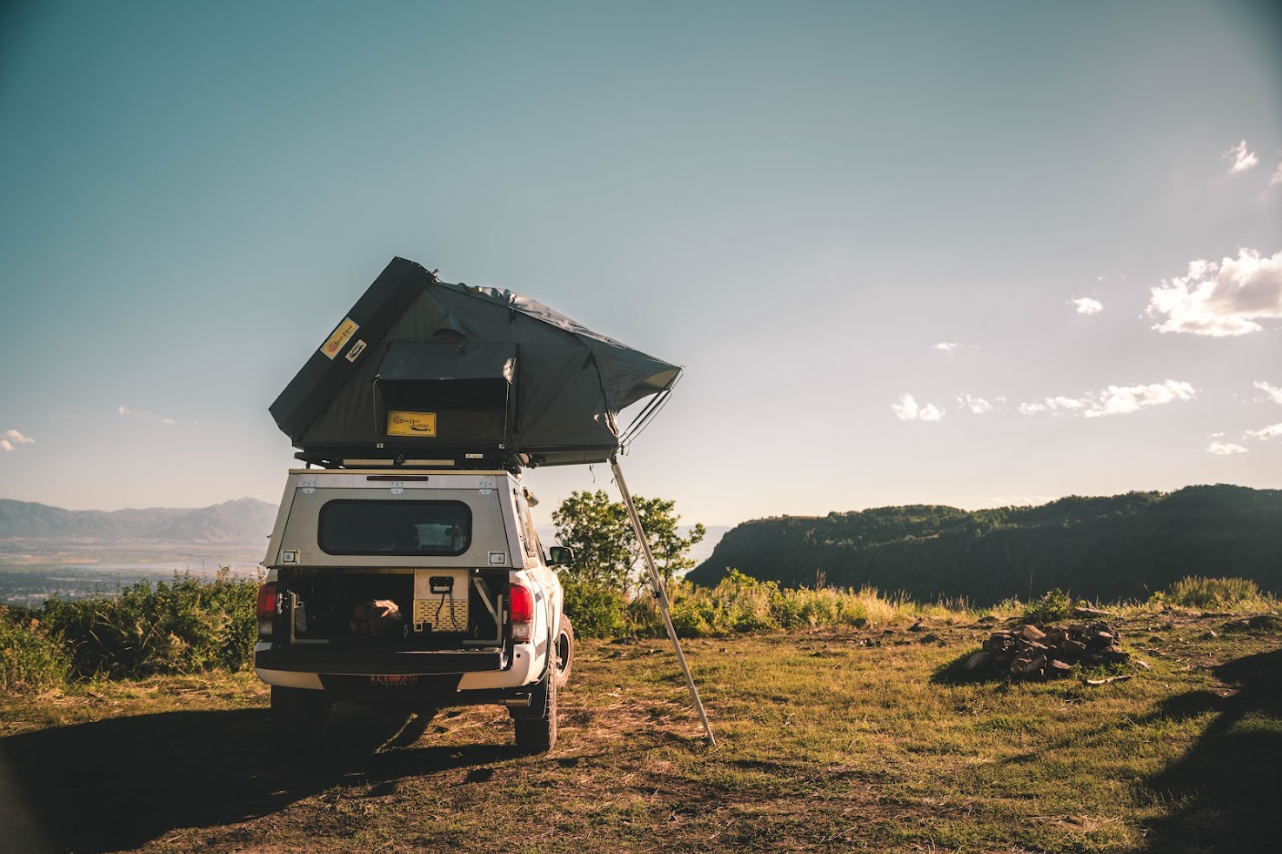
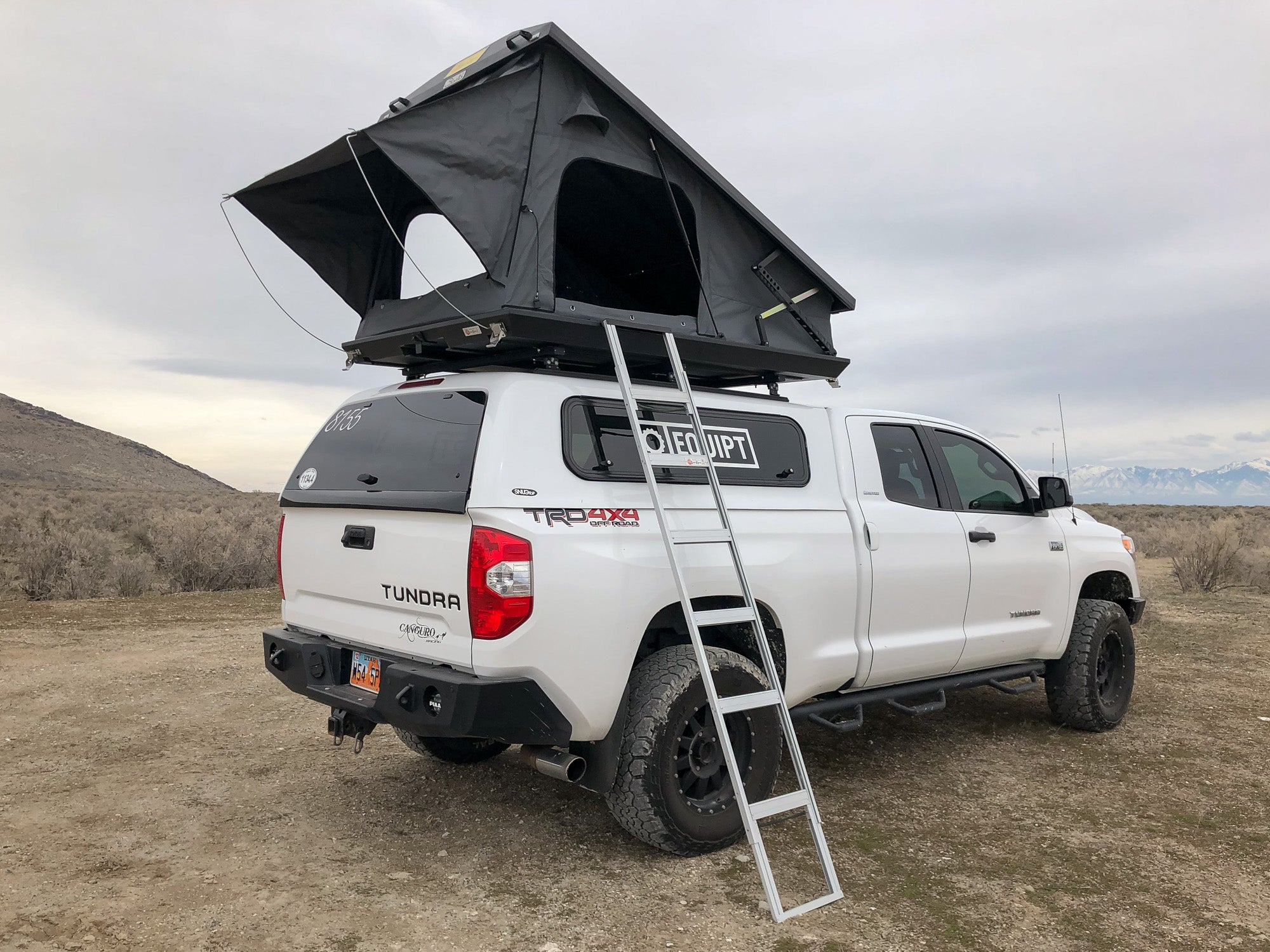
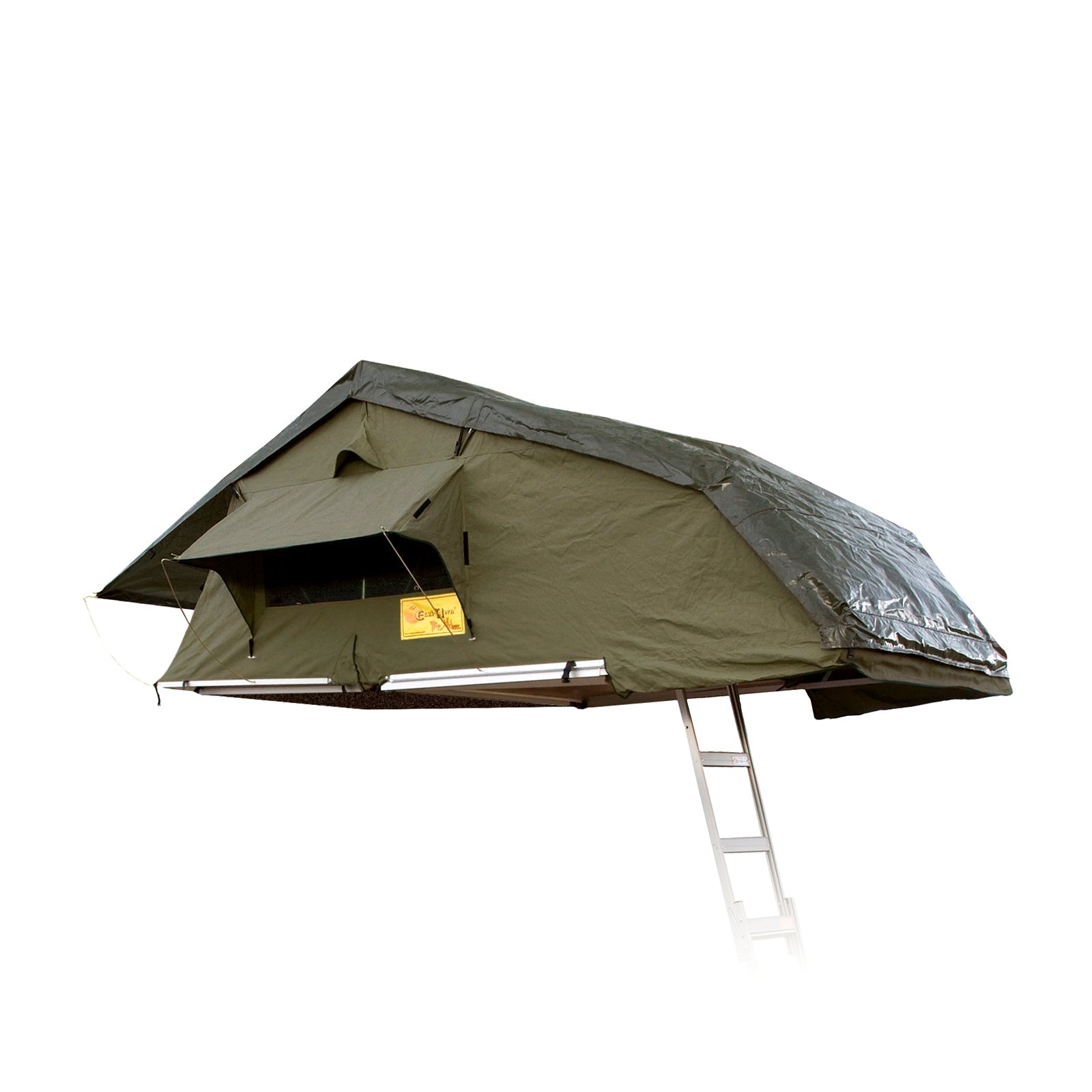
A roof top tent turns any pullout into camp: one minute to deploy, a real mattress off the ground, no hunting flat dirt in the dark. We carry expedition-grade tents from Eezi-Awn — the canvas benchmark — and Overland Vehicle Systems, hard shell and soft. The rack decides the experience as much as the tent, so bring your rack plan (or start in Bed Racks) and we’ll match the system.







Roof Top Tents FAQs
How fast can I drive with a rooftop tent mounted?
There's no universal number — follow your tent manufacturer's guidance, and let conditions set the pace below it. A tent raises the center of gravity and catches crosswind, so the truck will tell you when you're pushing. Slow well down for washboard and potholes; dynamic loads on the rack spike hardest off-pavement, not on the interstate.
How long does rooftop tent setup and teardown actually take?
About a minute to open a hardshell and a few to close it; a fold-out softshell runs roughly five to fifteen minutes each way once you've practiced, and zipping the travel cover is most of that. Weather is the honest variable — everything takes longer in wind, rain, and cold fingers. If you move camp daily, closing speed is worth paying for.
Can bedding stay inside a rooftop tent when it's closed?
Usually with a hardshell, often with a softshell — very low-profile designs are the exception because closing clearance is tight. Most owners keep a compressible sleeping bag and flat pillows inside and stash bulky comforters in the cab. Do a test close with your actual bedding before the first trip rather than discovering the limit at midnight.
What size rooftop tent fits two adults and a dog?
Shop by floor dimensions, not the advertised person-count — capacity ratings assume close friendship. Two adults and a dog want the widest floor your rack and budget allow, and fold-out softshells generally give the most square footage per dollar. Check the closed footprint against your rack, too: the biggest tent that still closes and fits your truck wins.
How do rooftop tents handle wind and rain?
Better than most ground tents — you're up off the wet ground on a solid floor, under real fabric or a rigid shell. Wind is the true test: orient the tent so gusts hit the shell or low side, keep the rainfly tensioned, and accept some fabric noise in weather. Crack the vents even in rain; ventilation is what keeps condensation ahead of you.
