





Full-Size Trucks
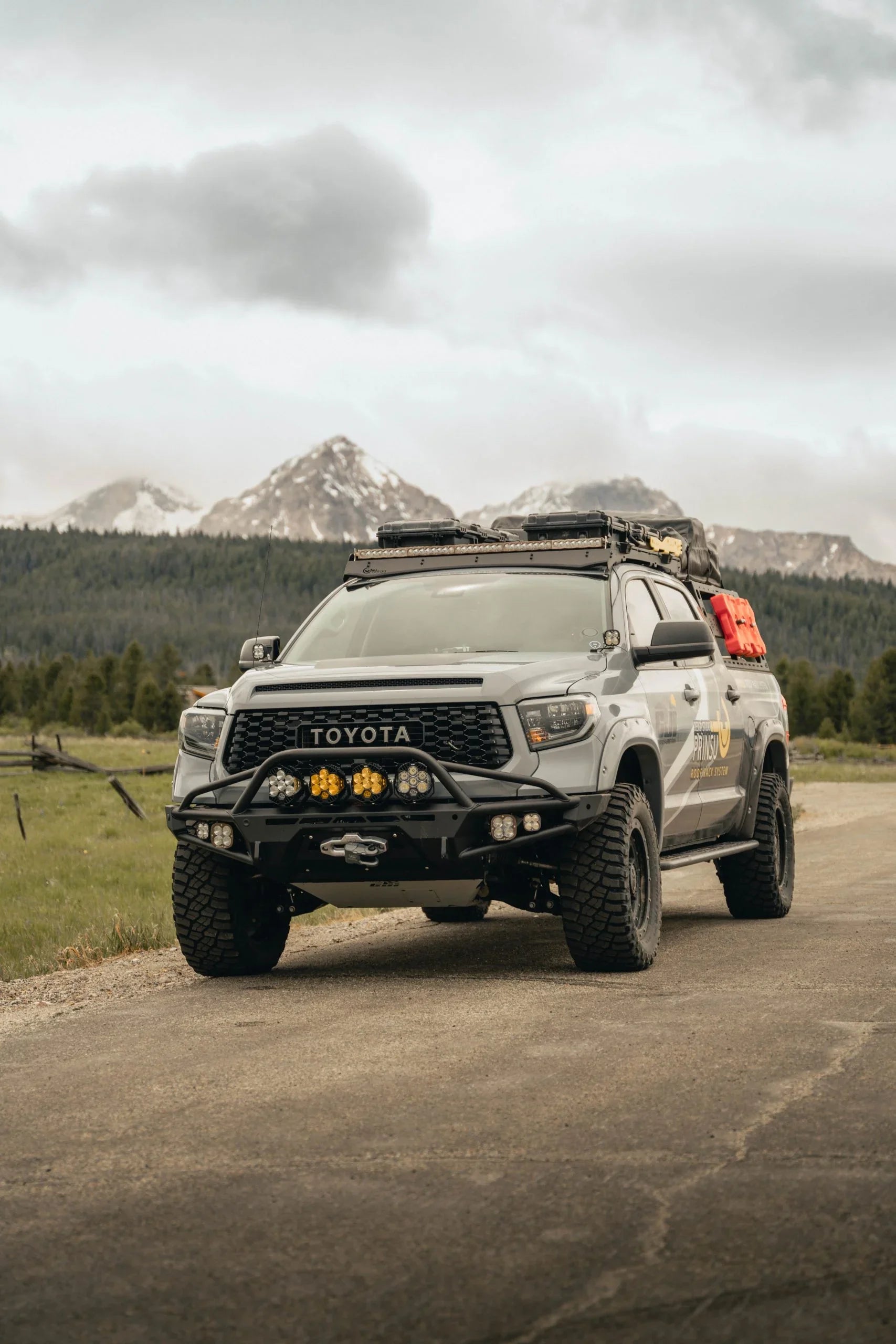
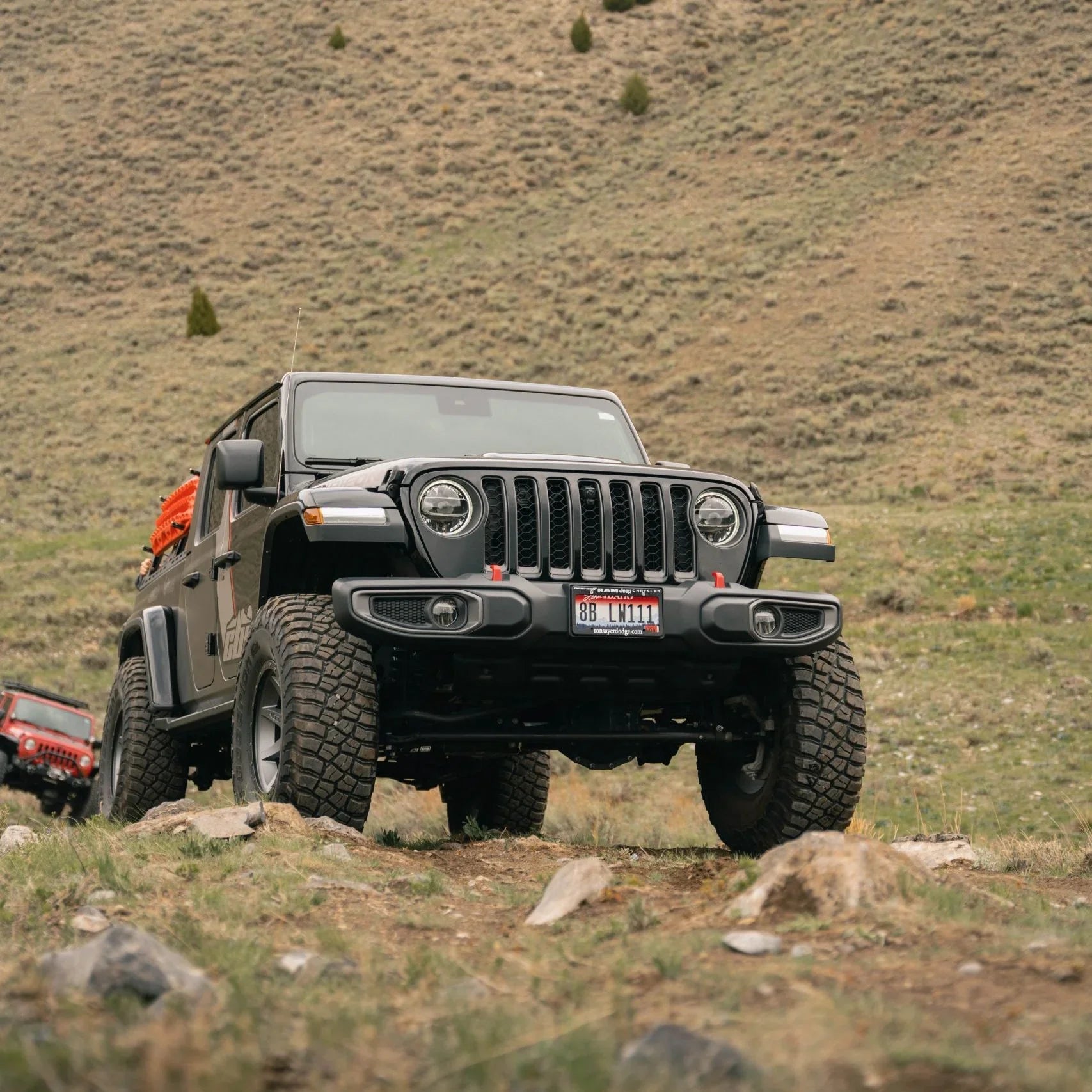
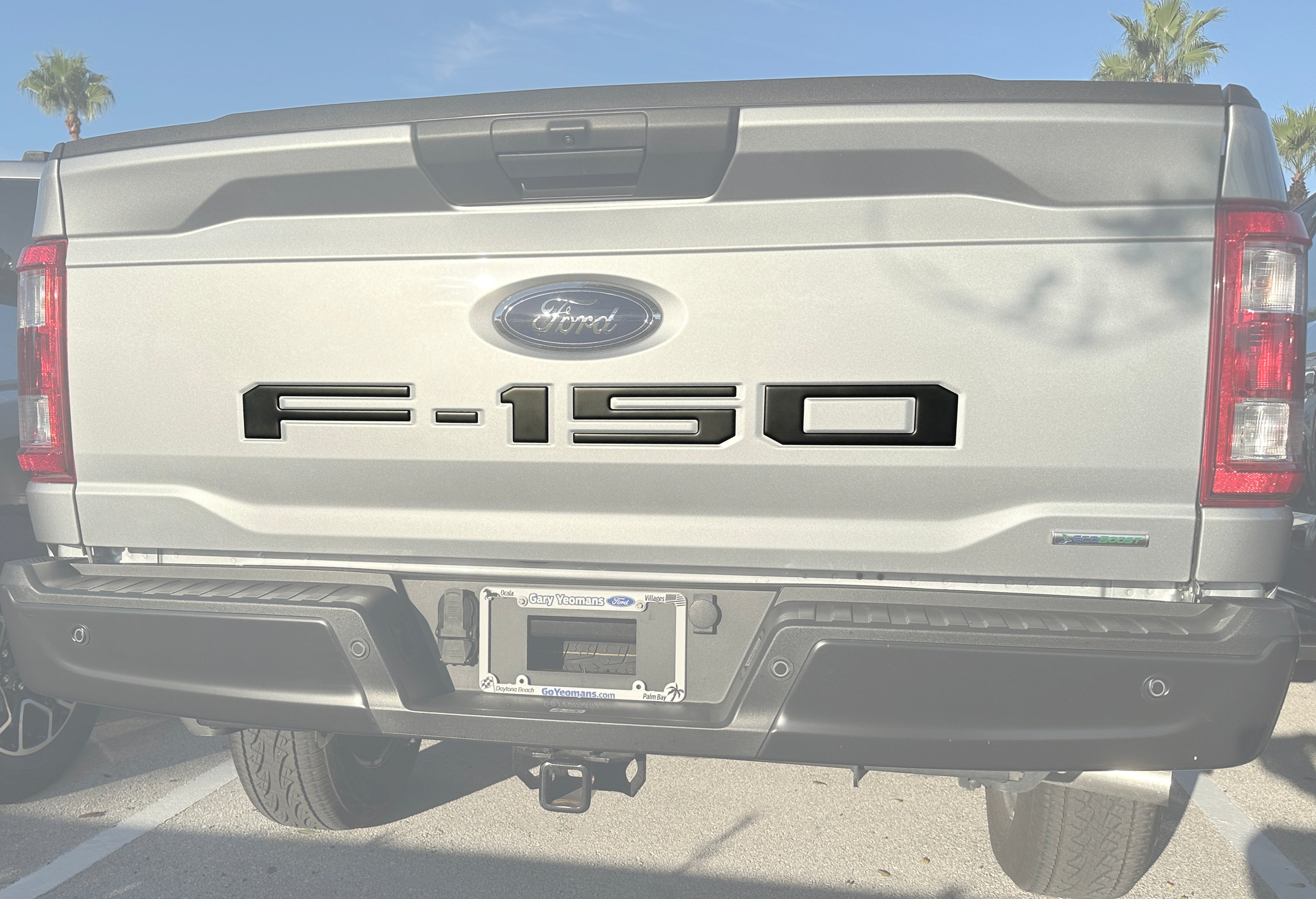
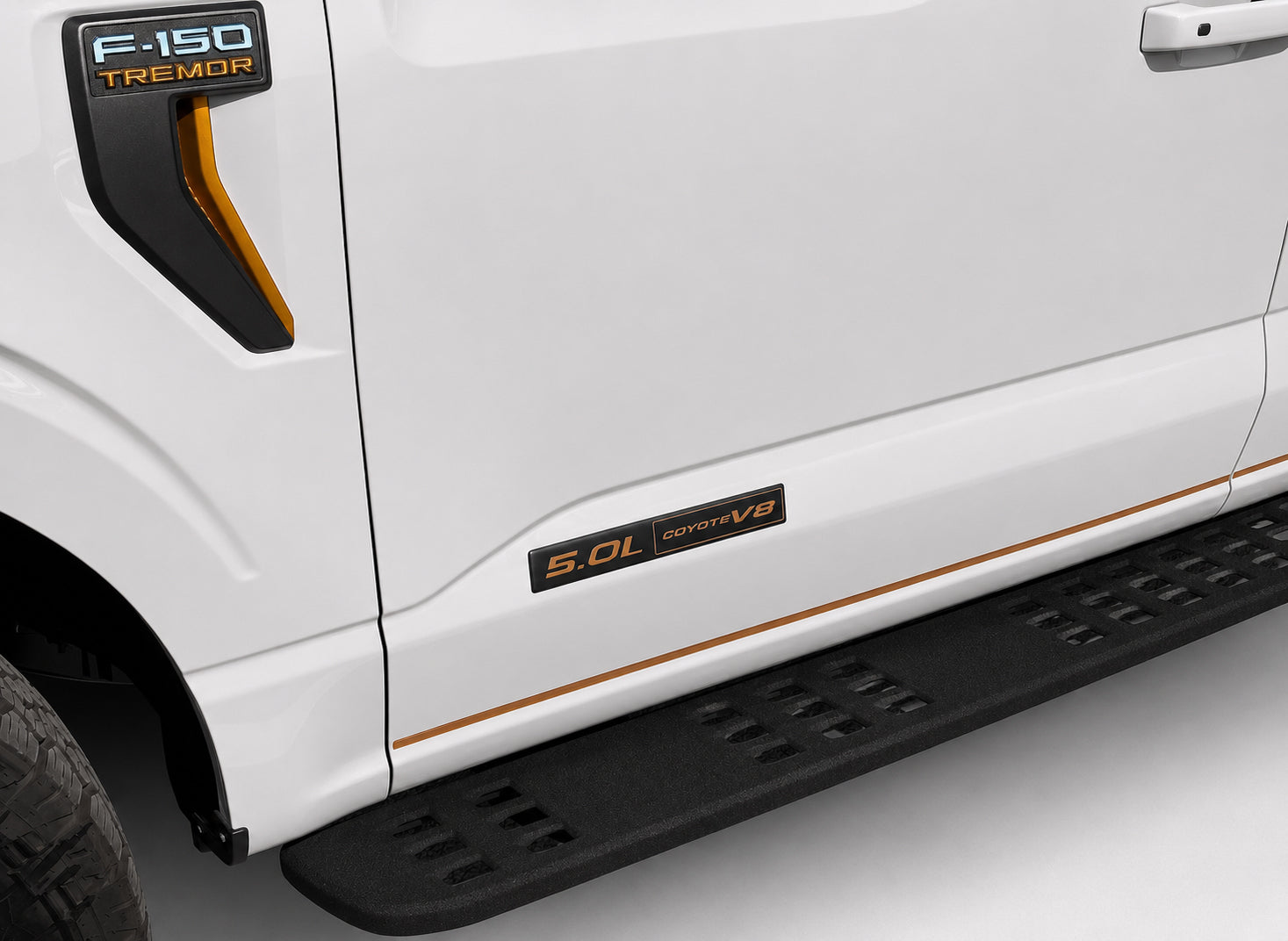
Full-size trucks bring the payload overlanding actually wants — family, water, firewood, and steel armor without riding at max GVWR. This hub gathers full-size-fit gear across suspension, racks, storage, and power: deepest for the Tundra, with Ford F-150 support (including Goose Gear and Tufskinz lines) and more. Filter by your truck; the width-vs-trail conversation we’ll have honestly.





Full-Size Trucks FAQs
Does a full-size truck need higher-rated recovery gear?
Yes. Working load limits are sized against vehicle weight, and a loaded full-size can weigh double what a midsize build does. Rate straps, shackles, and anchor points off your truck's real loaded weight — with margin — not its brochure curb weight. Gear that was plenty for your last truck can be the weak link on this one.
Why does airing up take so long on a full-size truck?
Tire volume. Tall, wide tires hold far more air than the tires most portable compressors were designed around, so fill times stretch and budget units overheat halfway through the job. The fixes are a high-output compressor wired to the battery, or CO2 — a Power Tank fills big tires fast with no duty cycle to wait out, traded against refilling the bottle between trips.
Do I need to watch accessory weight if my truck tows big loads?
Yes — towing capacity and payload are different numbers, and payload is the one your build spends. Bumpers, armor, drawers, a tent, water, fuel, and passengers all count against it, and a generous rating disappears faster than you'd expect. Add the build up on paper first; the scale at the truck stop is a humbling second opinion.
How do I narrow nine hundred products to what fits my truck?
Run the year, make, and model filter first — it does most of the work. Then watch the details a filter can't see: cab configuration and bed length change what fits, and trim levels change wiring and panels. The fitment notes on each product page catch those exceptions, so read them before checkout on anything that bolts on.
What should a full-size truck carry for solo recovery?
Traction boards, a shovel, an air system, and rated recovery points front and rear — roughly in that order. Boards plus airing down solve most solo stucks with no second vehicle involved, and the heavier the truck, the more that matters, because hand-digging three tons out of sand is a full afternoon. A winch comes after those basics, not before.
