





Winch Components
A winch is a system, and the components age faster than the motor: synthetic lines that chafe and UV-tire, fairleads that groove, hooks and thimbles, covers, and rebuild parts. Inspect the line every season, replace what’s fuzzy, and the winch you bought once keeps pulling for decades.



Winch Components FAQs
When do I actually need a snatch block or pulley ring?
Two situations: when the pull isn't straight, and when the winch is at its limit. A block or ring lets you redirect the line around an obstacle or off a better-placed anchor, and rigging a double-line pull roughly doubles pulling power while halving line speed. It's the most useful piece of rigging hardware after the shackles themselves — carry one before you need one.
Hawse or roller fairlead — which should I run?
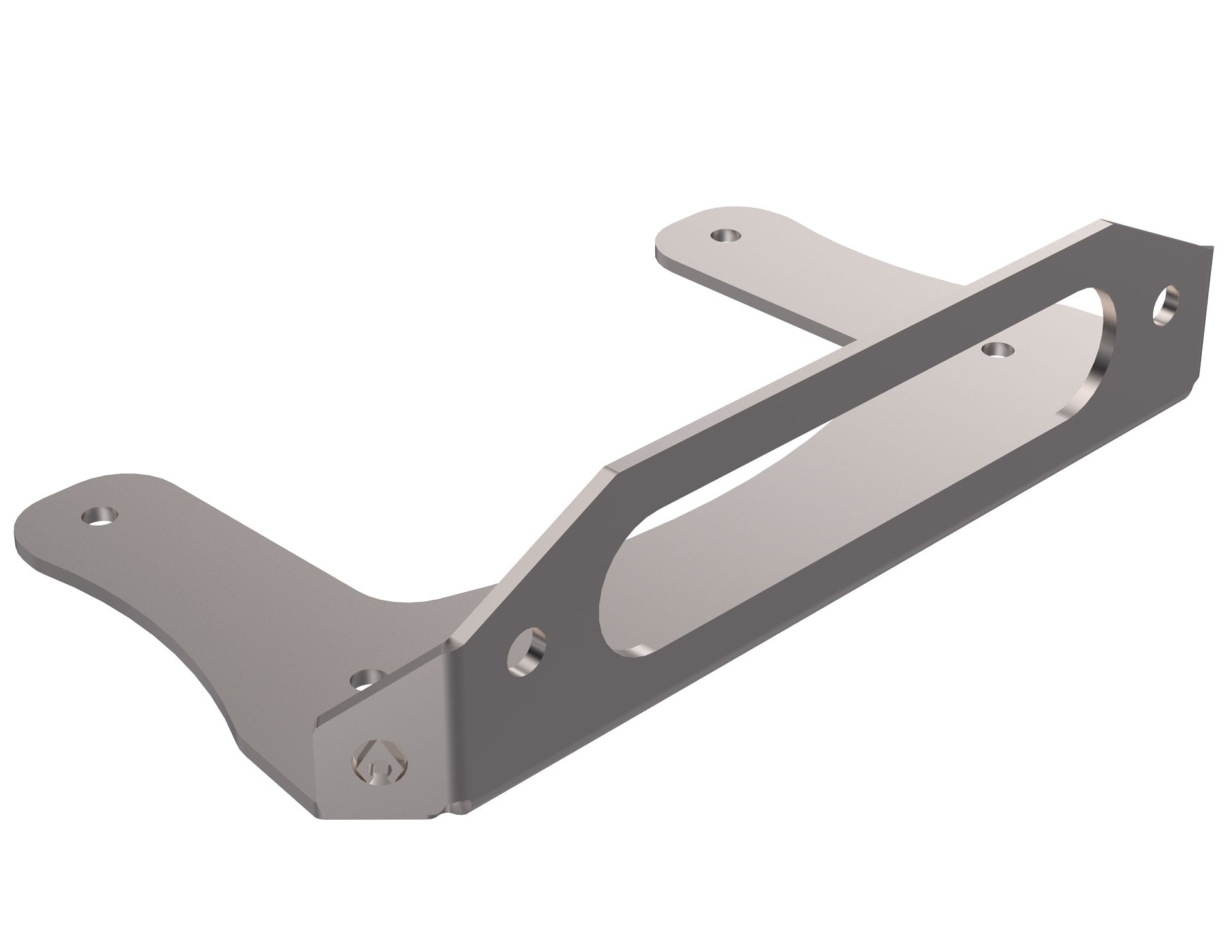
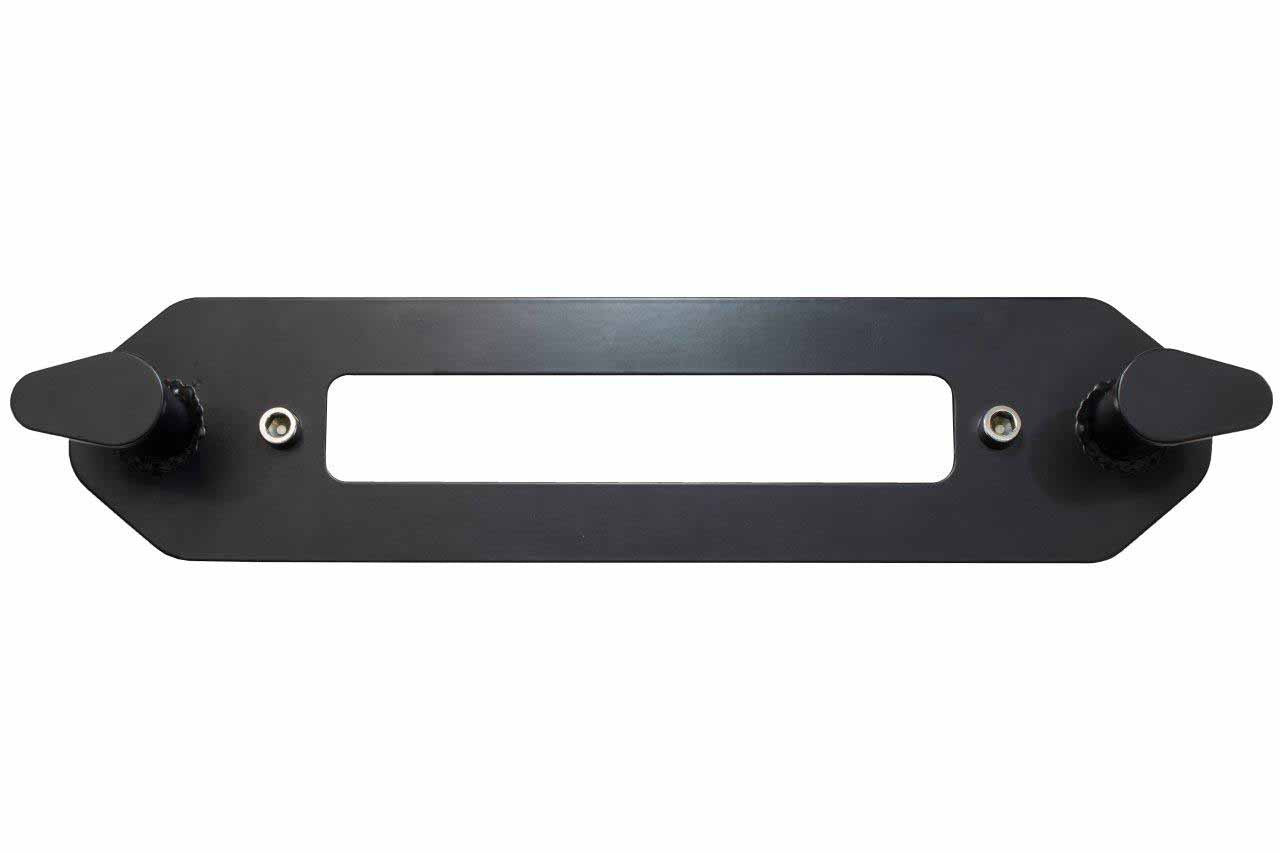
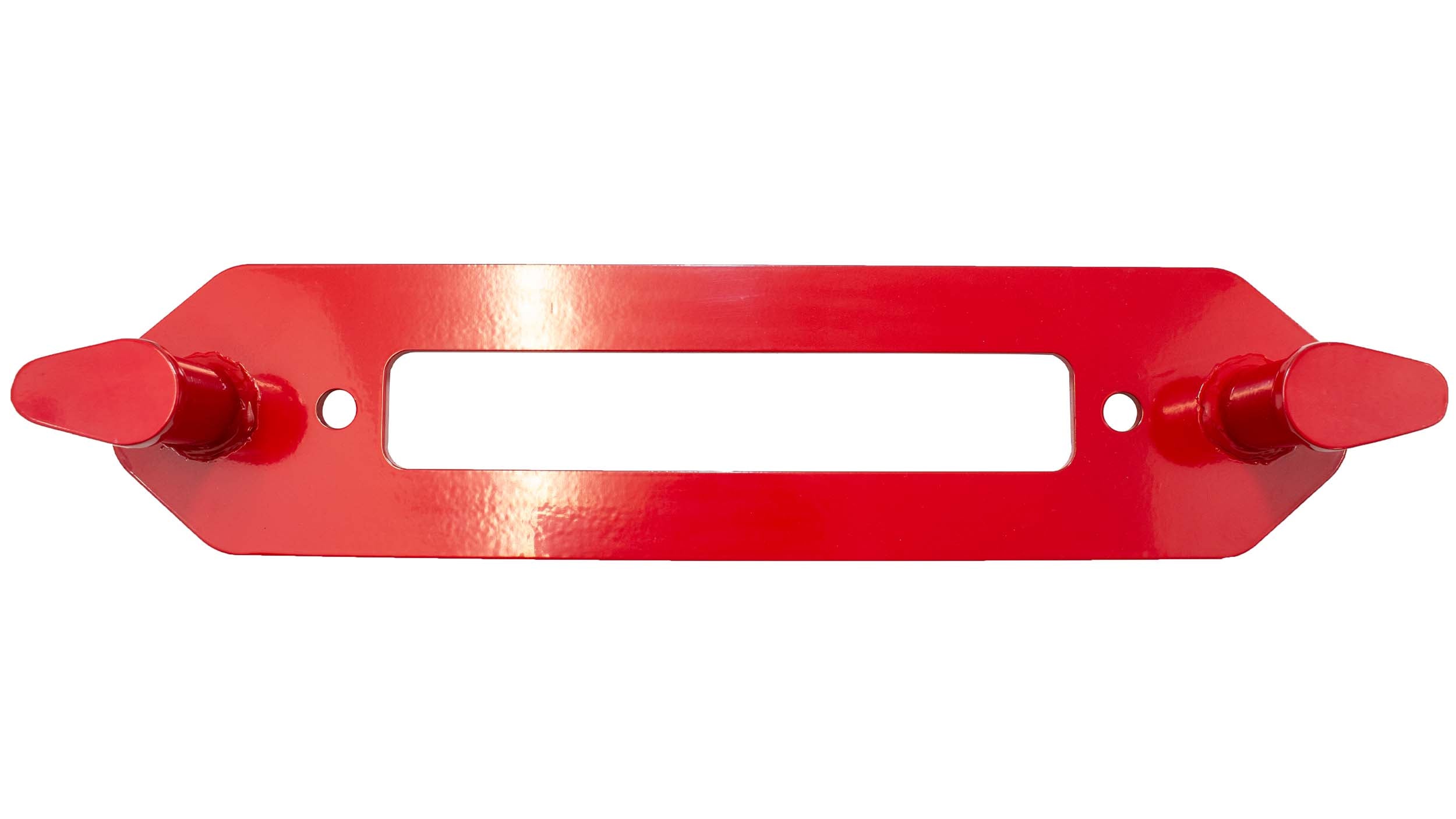
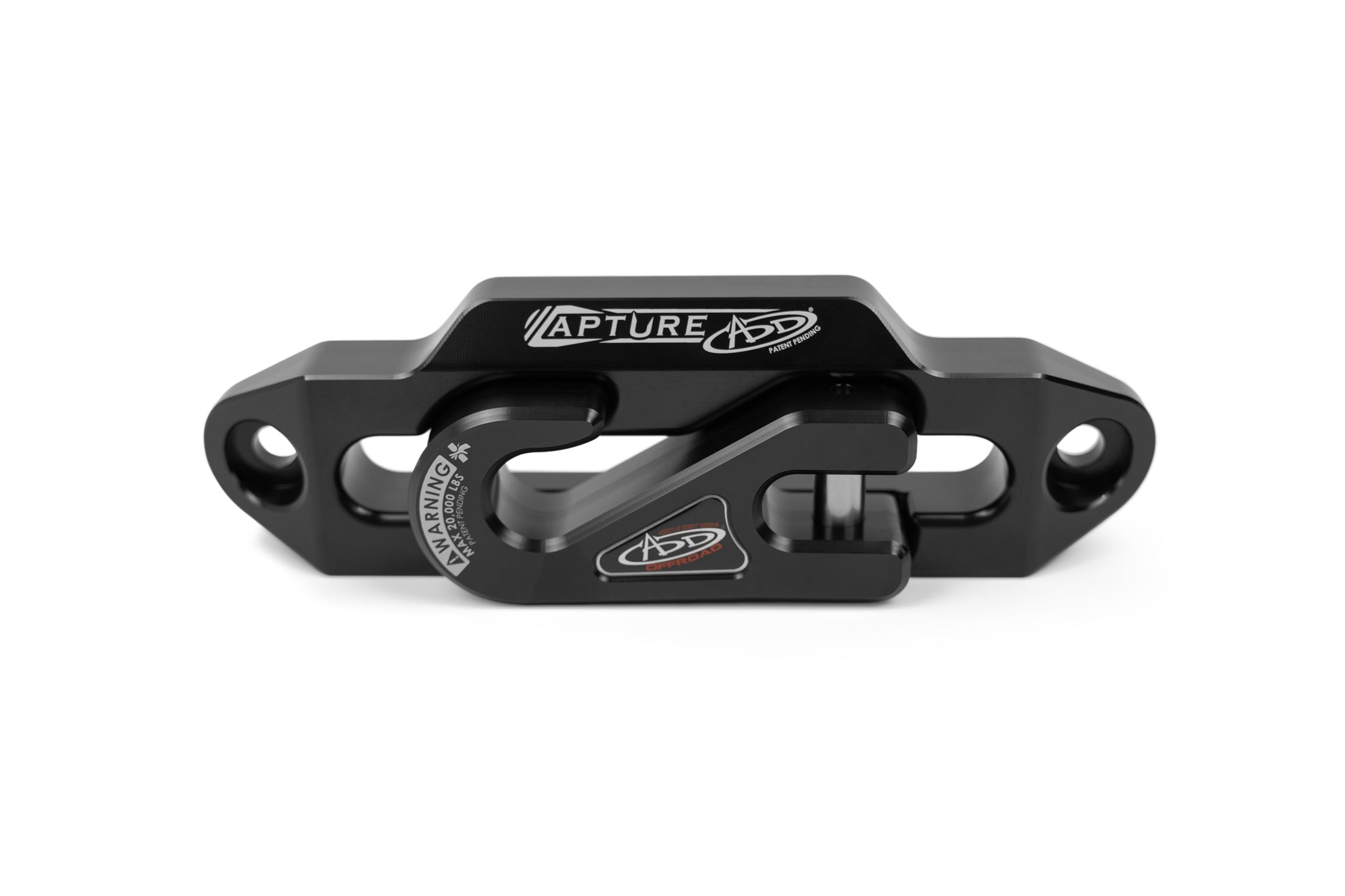
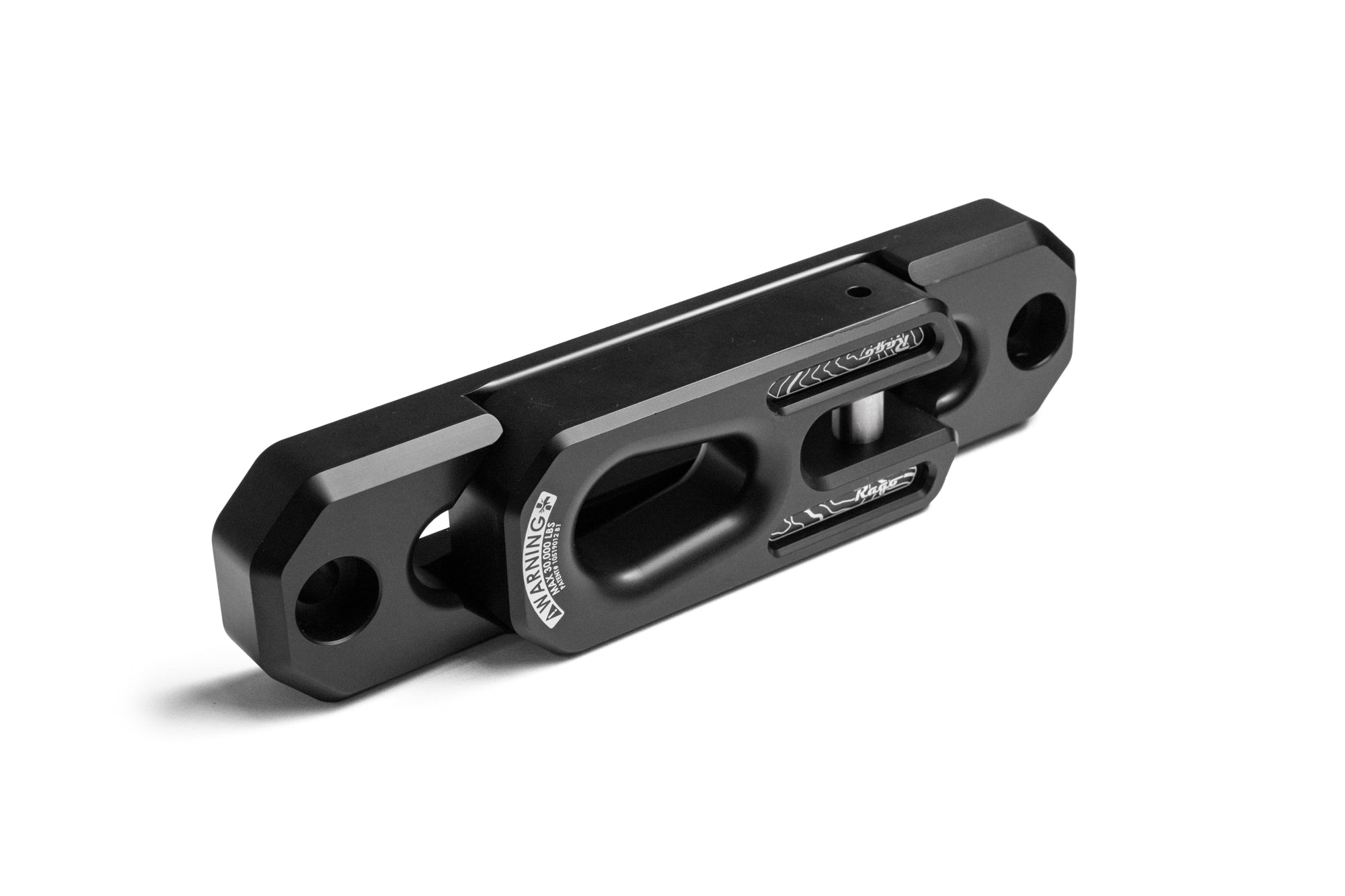
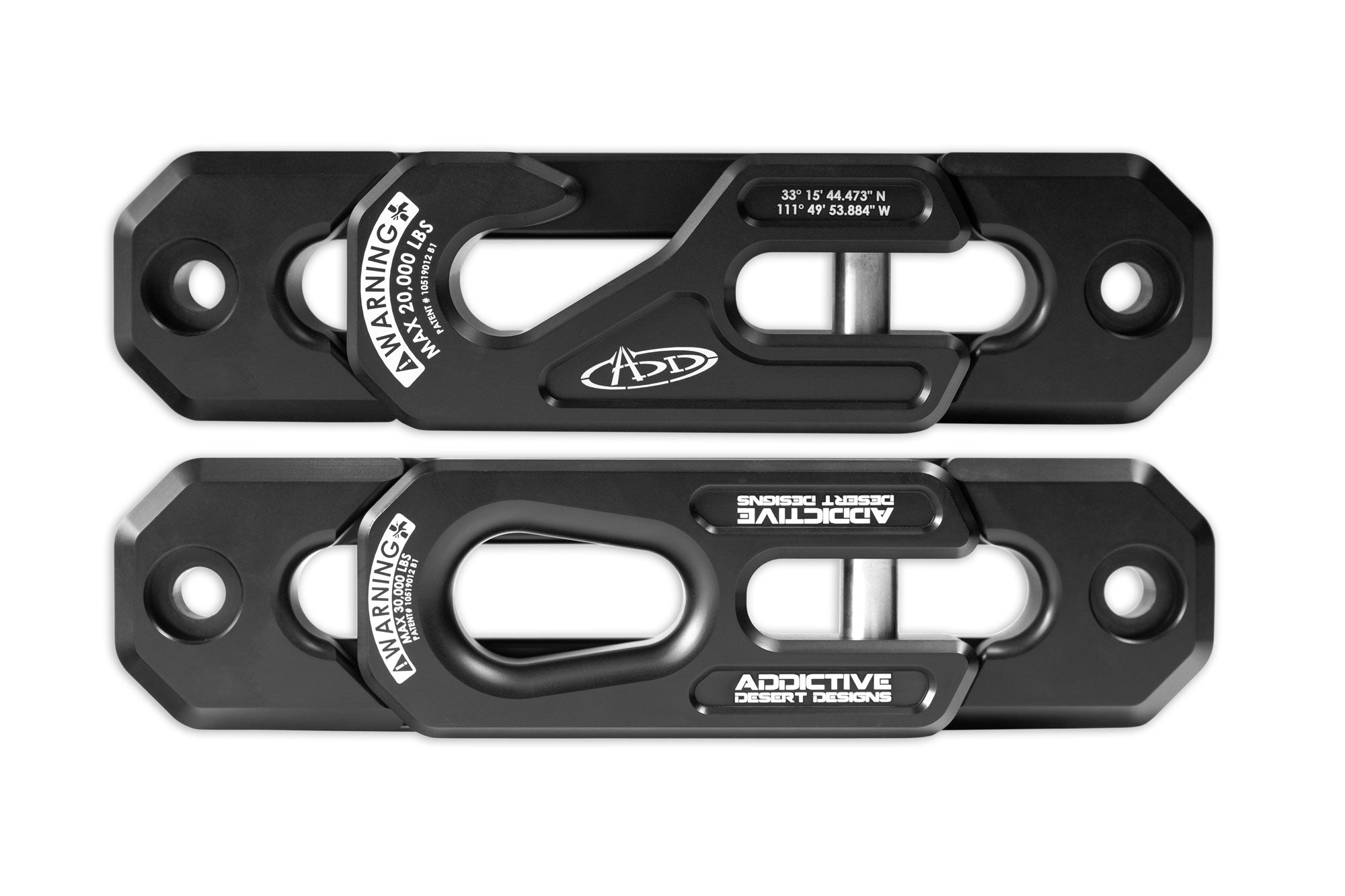
Match the fairlead to the line. Synthetic rope pairs with a smooth aluminum hawse; steel cable traditionally runs rollers. Never feed synthetic through a roller fairlead that steel cable has scored, because the grooves chew rope. Hawse fairleads are lighter and sit flush; rollers are bulkier but reduce friction on hard-angle pulls with cable. Most synthetic setups today land on a hawse.
Should I replace my winch hook with a thimble or soft shackle setup?
It's a worthwhile upgrade. A closed thimble or soft shackle connection can't skip off an anchor point the way an open hook can, drops some weight off the end of the line, and rigs more cleanly. Hooks work — people have used them for decades with the latch intact — but the closed-system approach removes one of the most common failure points.
How do I know when my winch line needs replacing?
Retire synthetic line when you see fraying, glazing or fusing from heat, flattened or lumpy sections, or heavy fuzzing beyond light surface wear — and after any shock load or hard pull over an edge you don't trust. UV ages rope too, so inspect a line that lives outside on the drum at least yearly, with extra attention near the fairlead end.
What does a winch line damper do, and do I need one?
It's a weighted blanket draped over the line mid-span, and yes — use one on every pull. If the line or rigging fails under load, the damper drives the recoil toward the ground instead of letting hardware fly. Synthetic stores less energy than steel cable, but failures still whip. A heavy jacket or floor mat is better than nothing; a purpose-made damper is better still.
