


Rear Bumpers
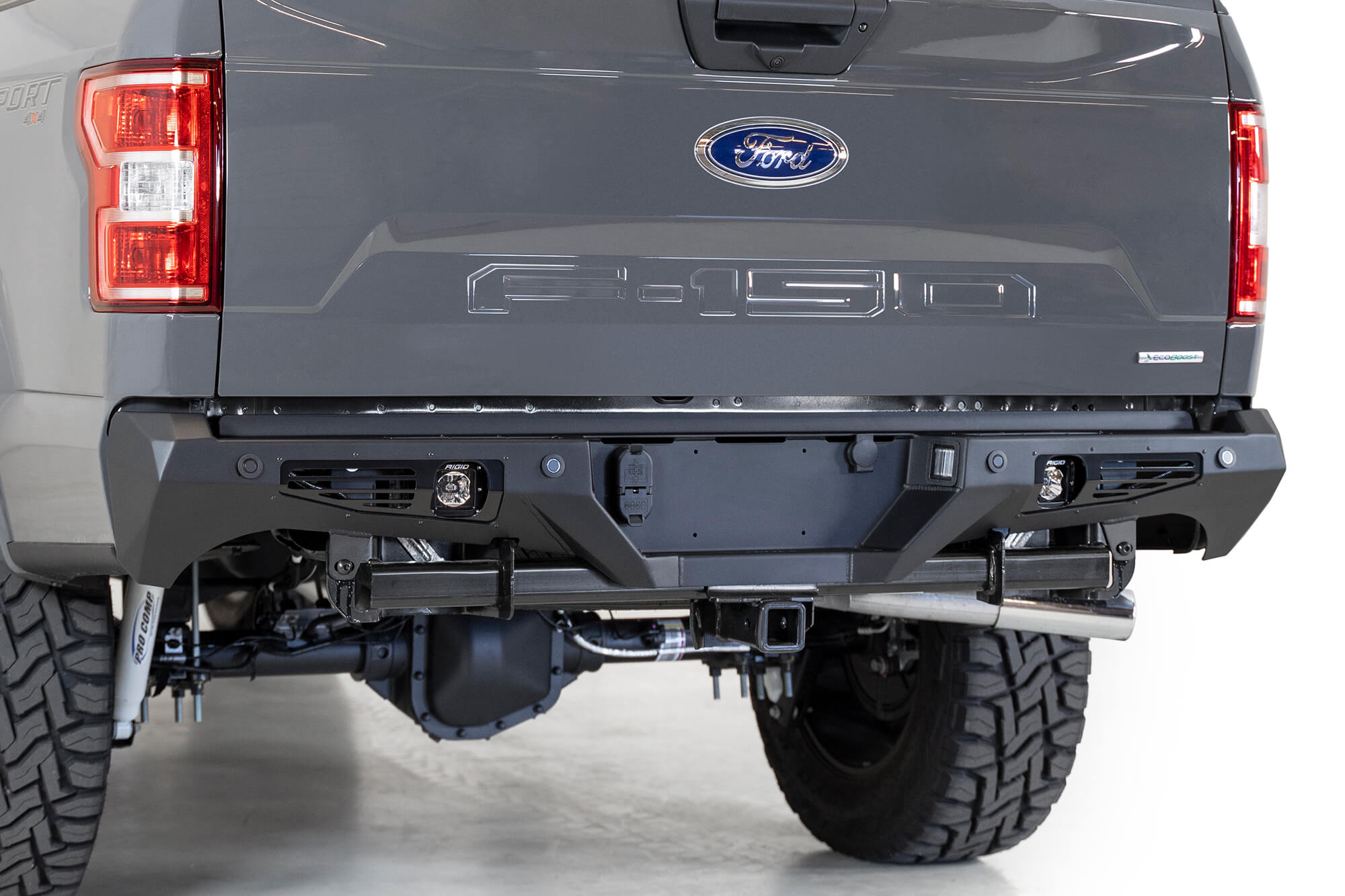
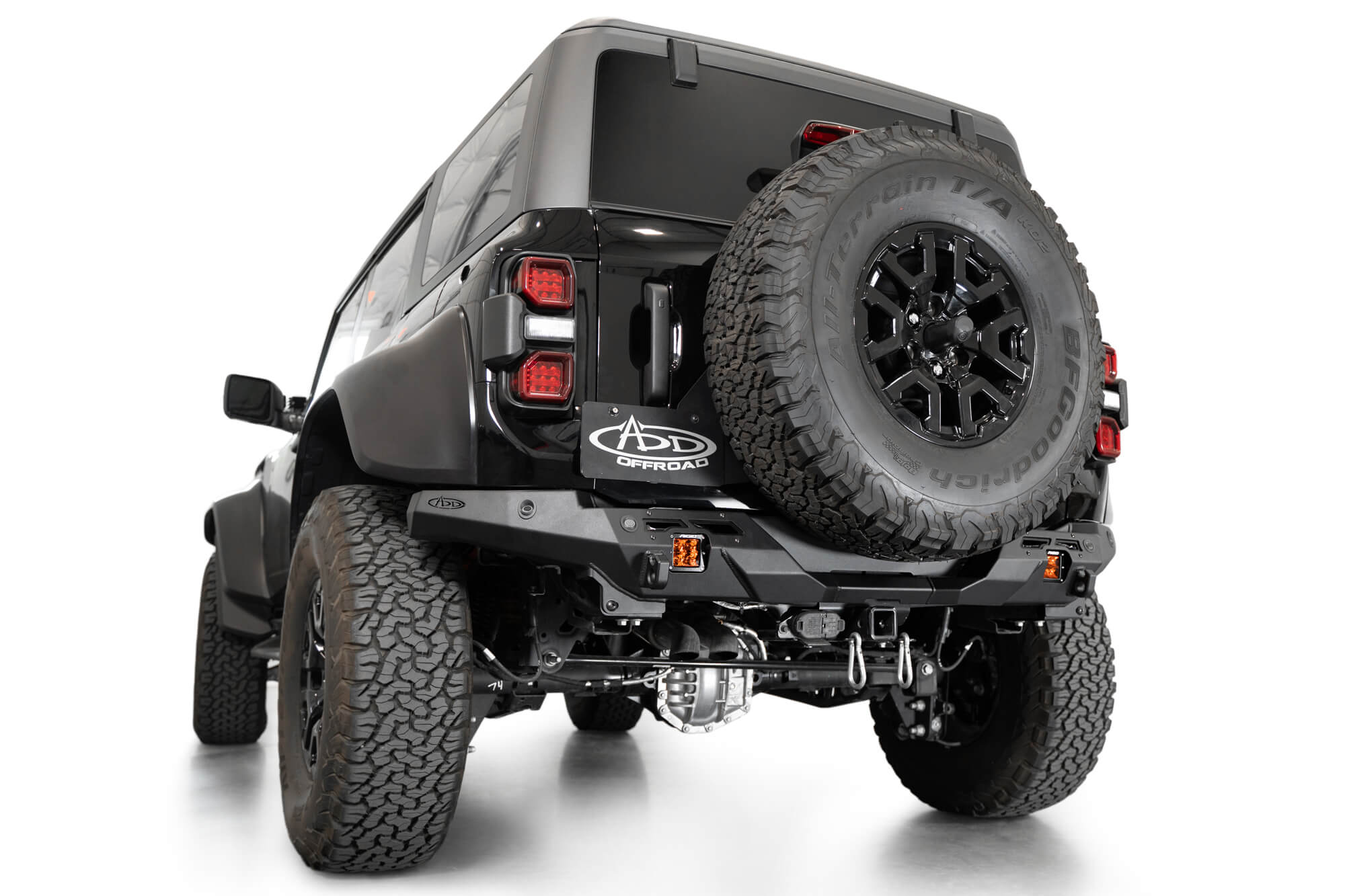
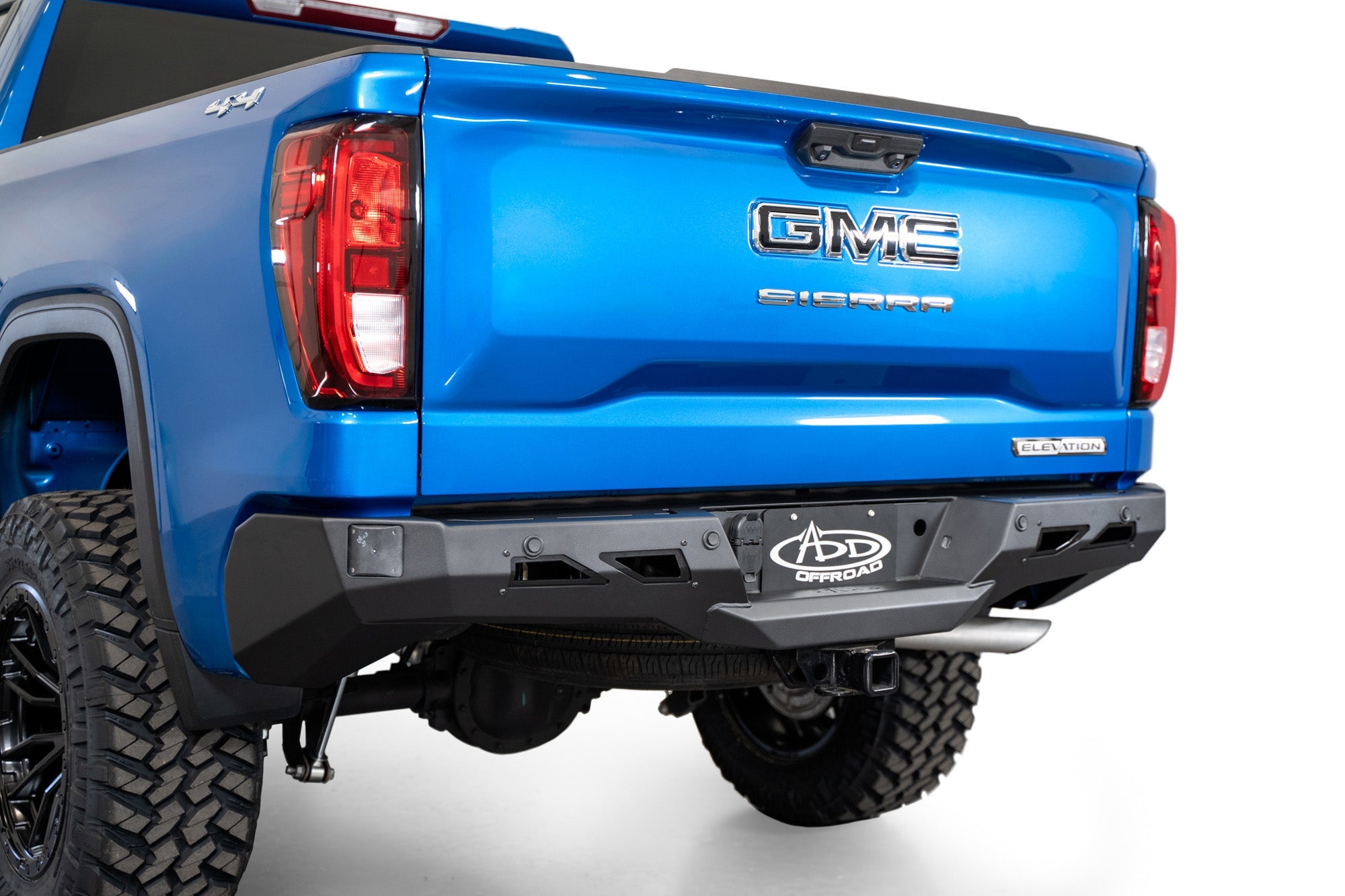
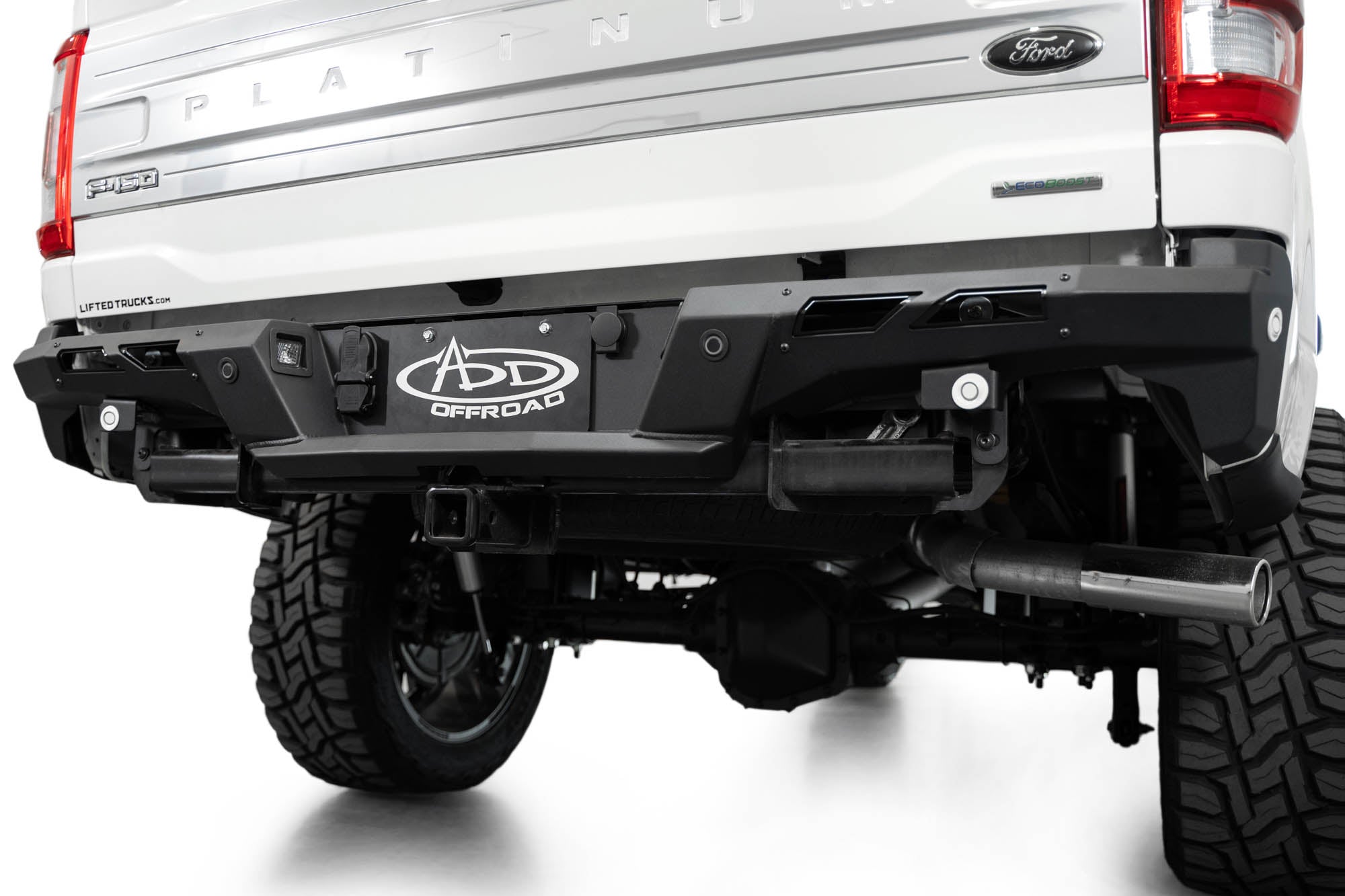
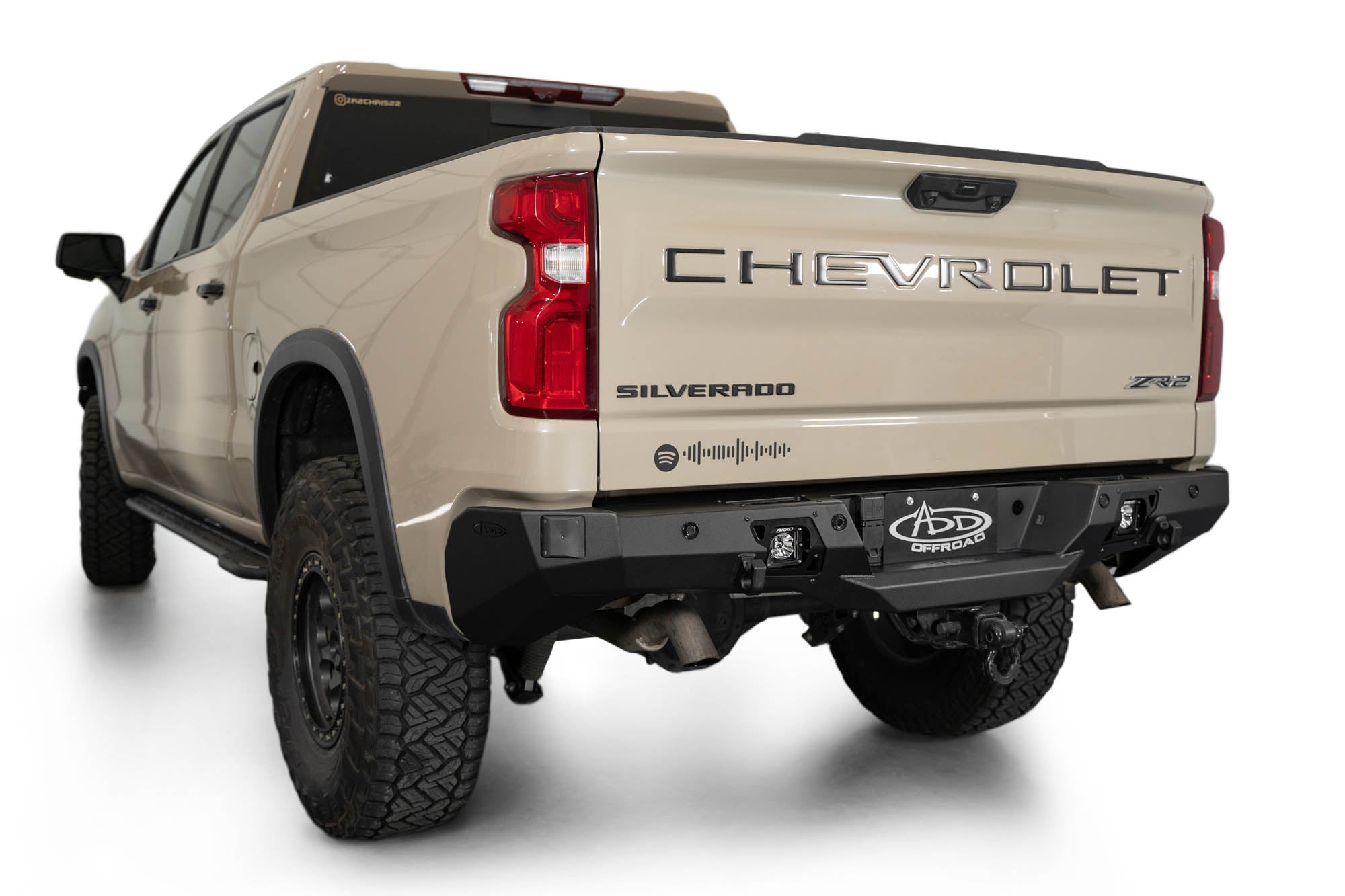
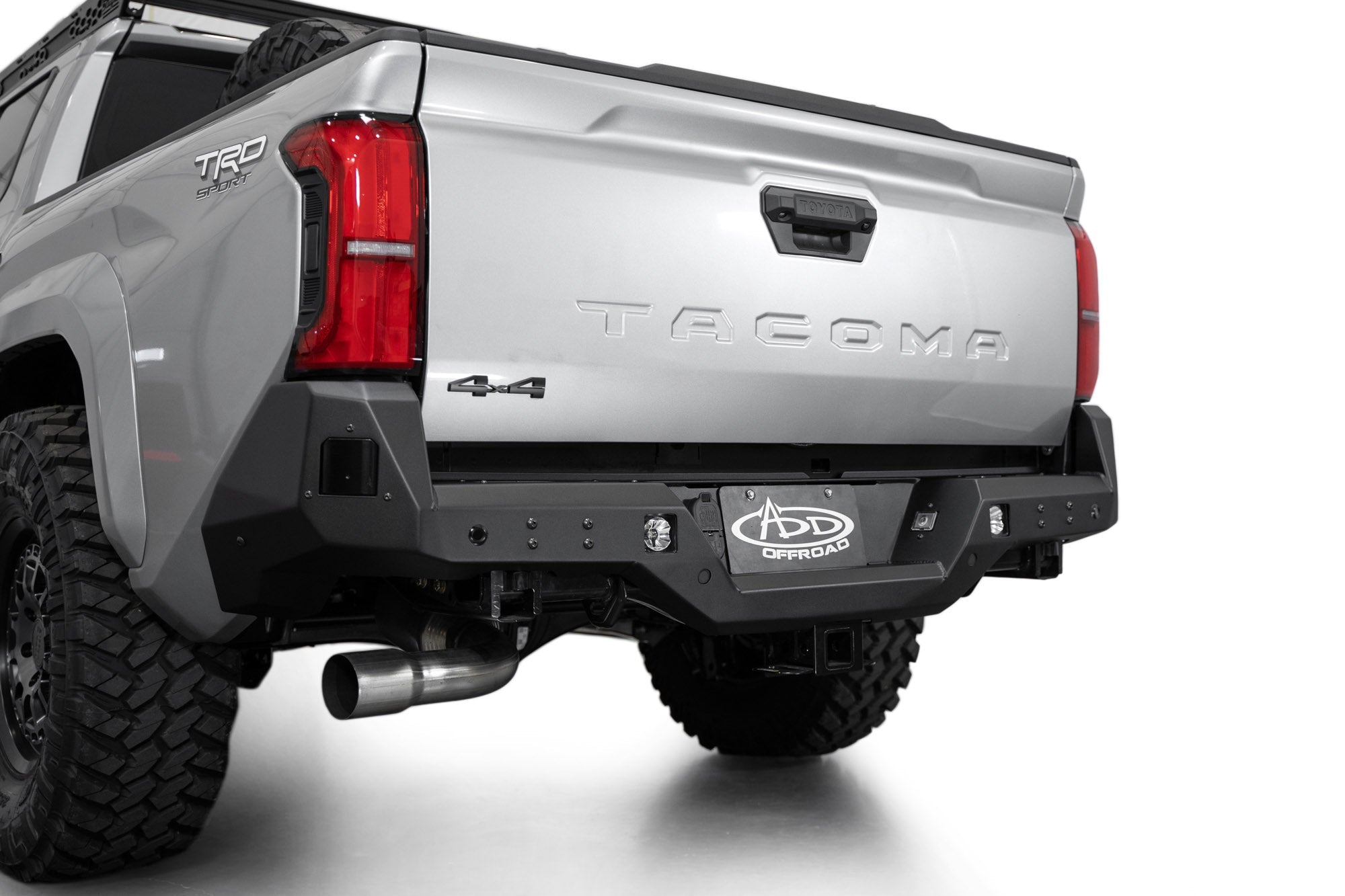
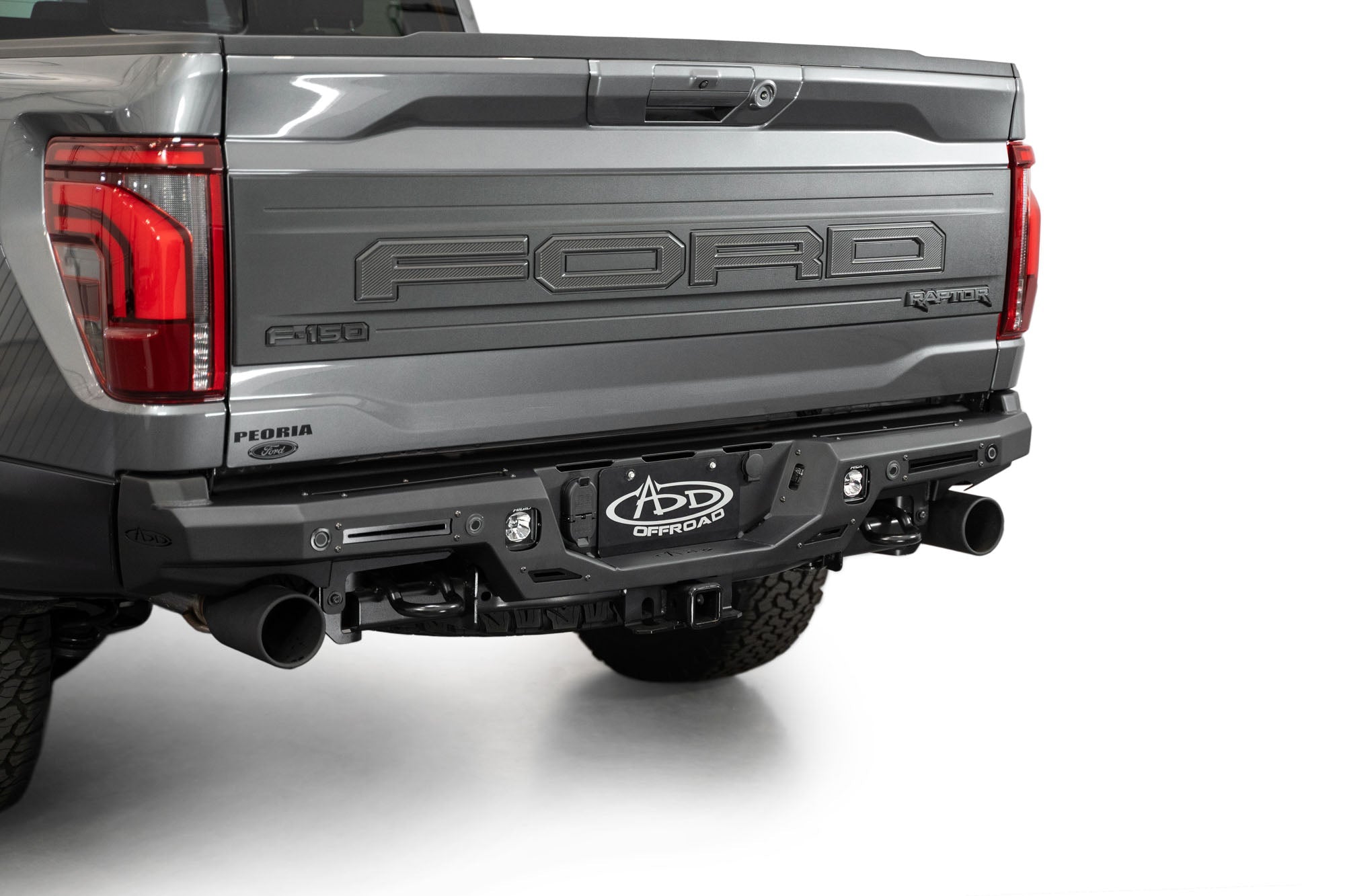
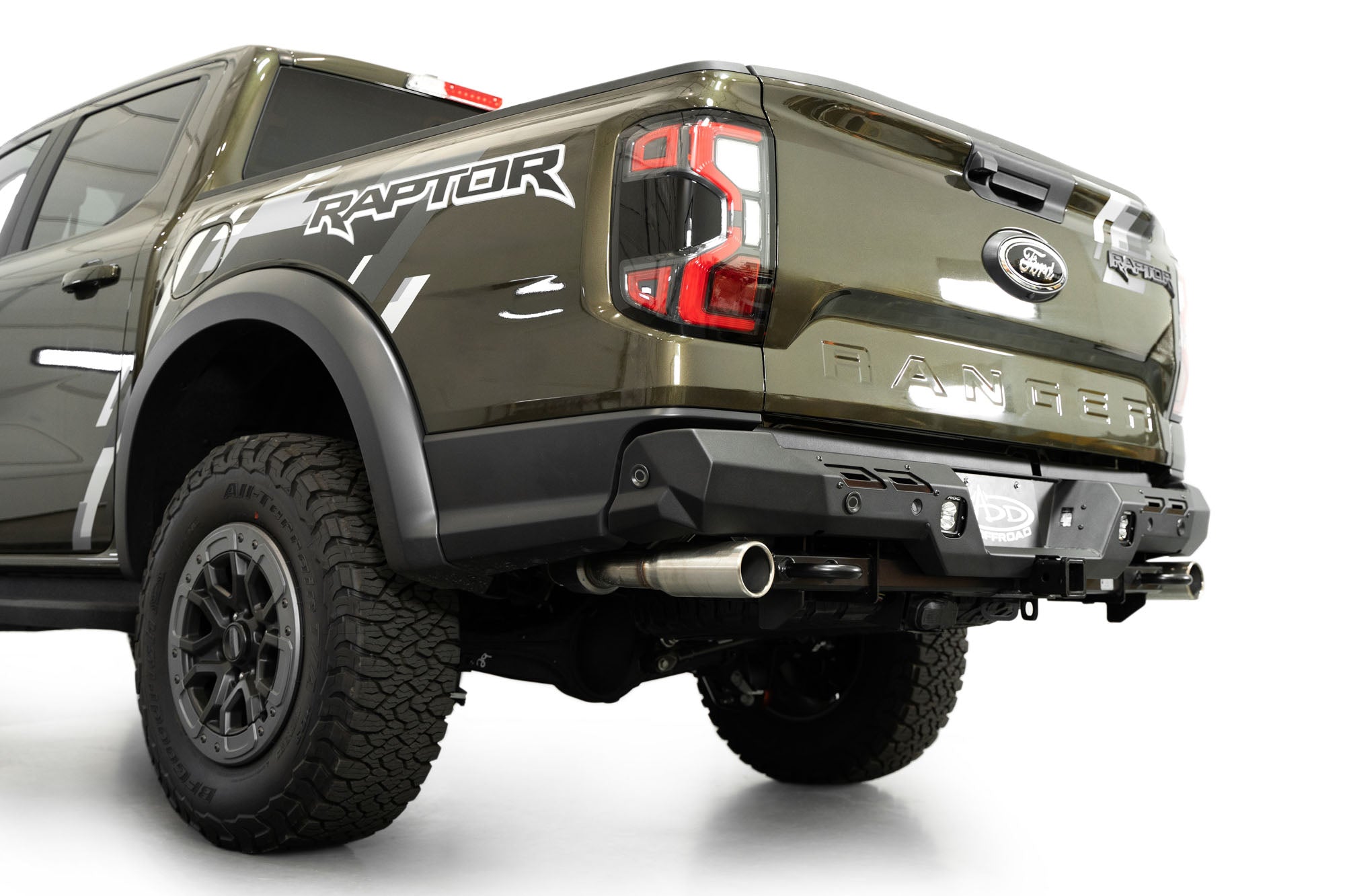
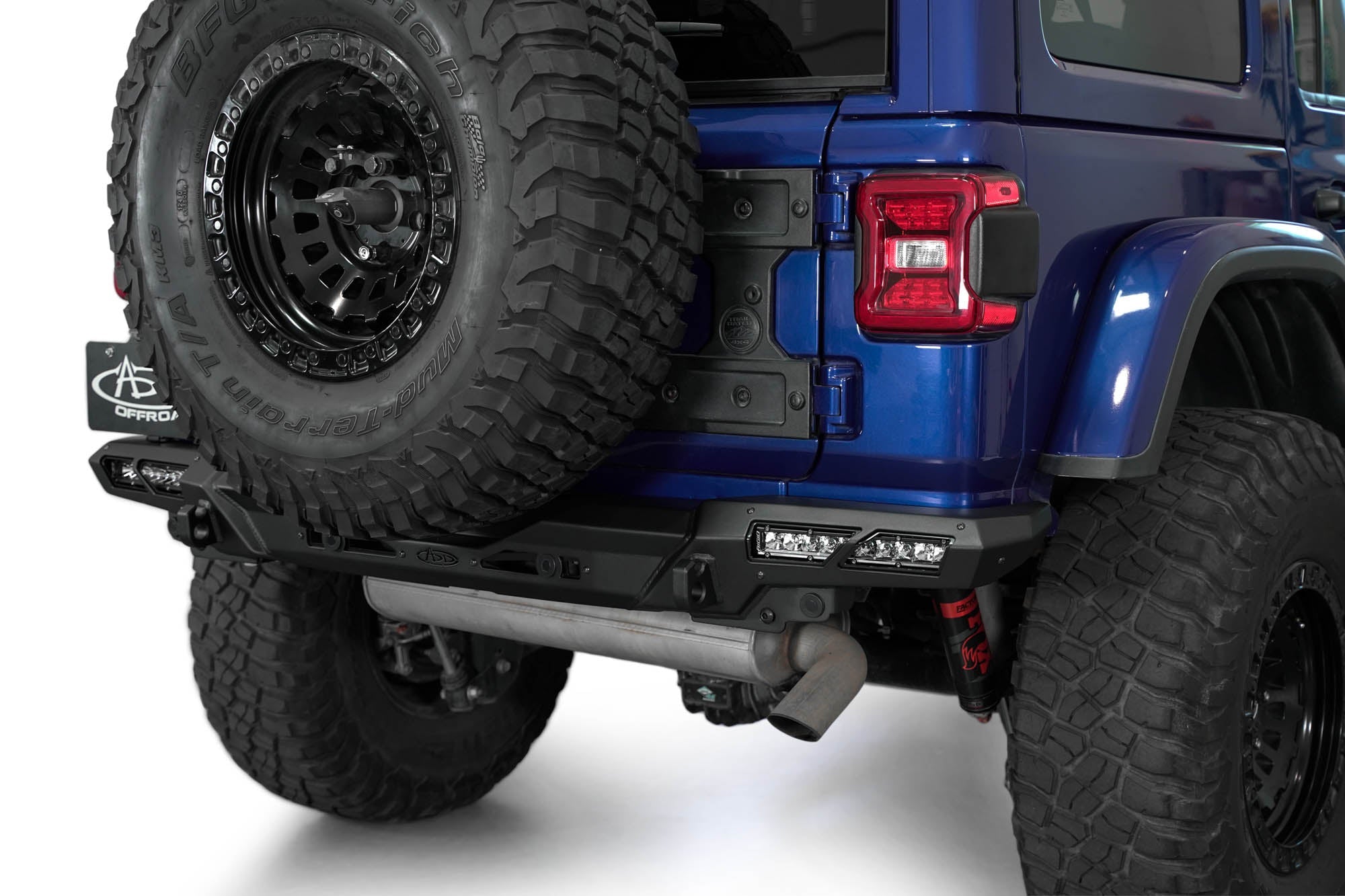
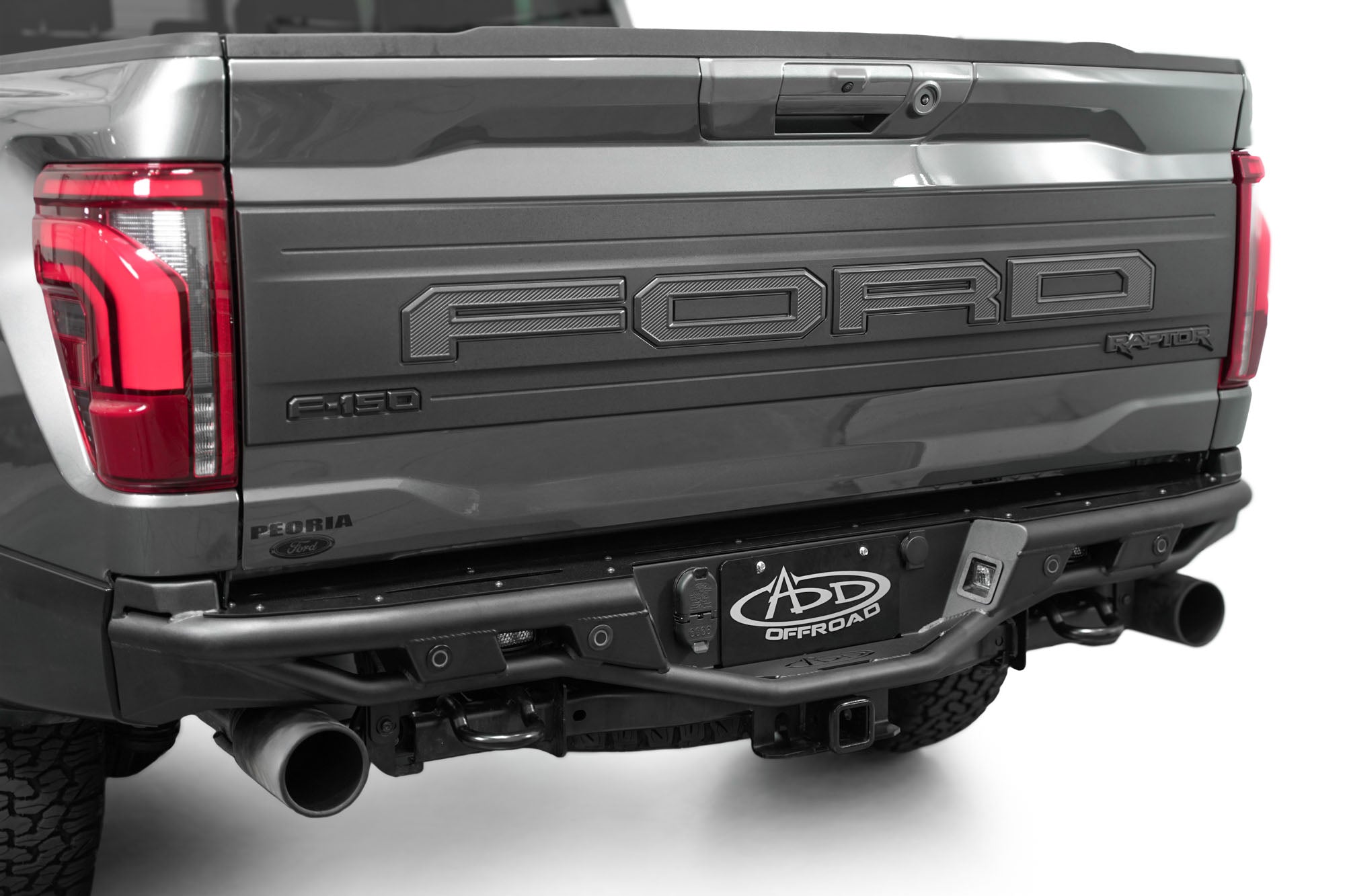
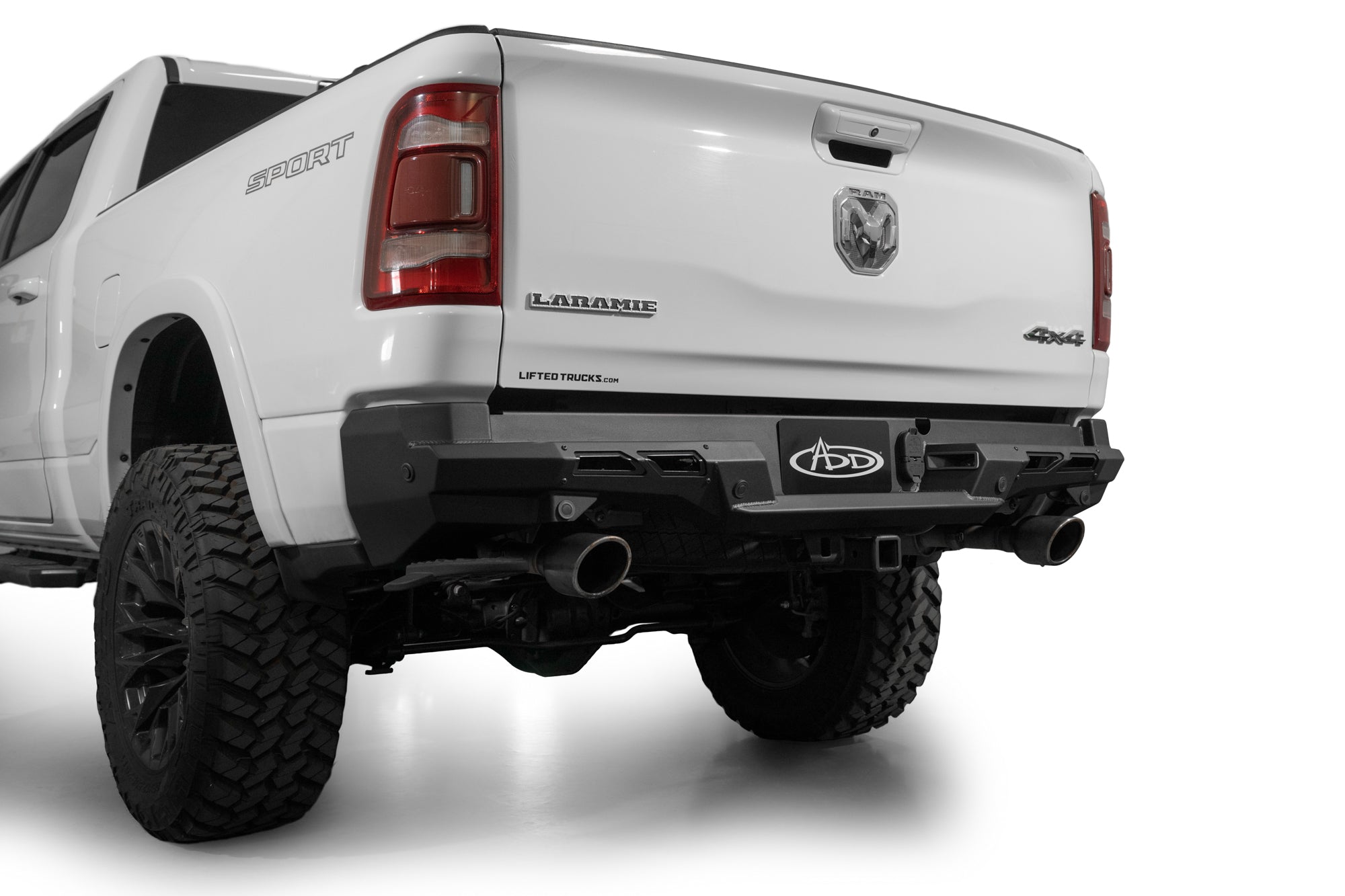
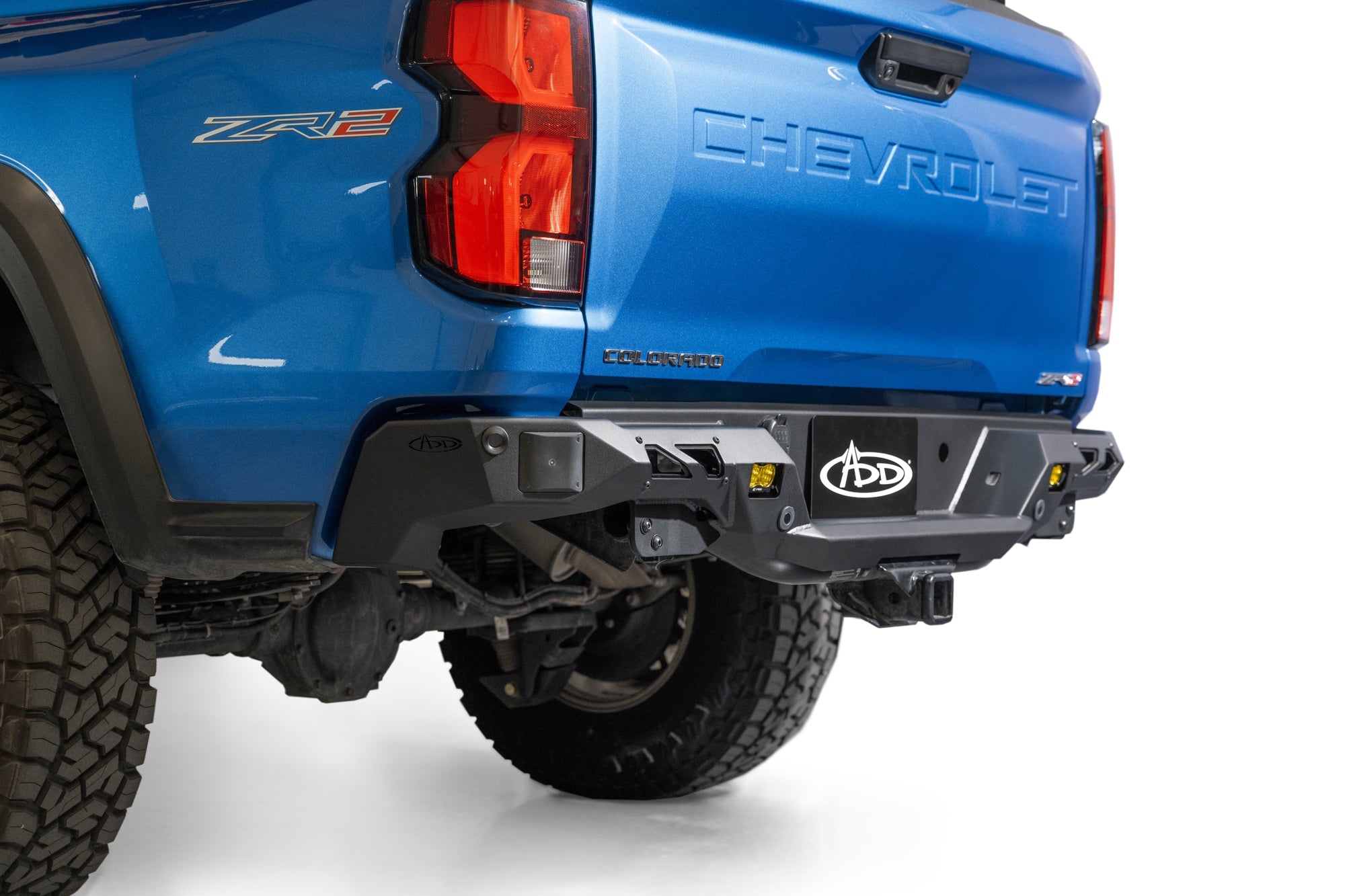
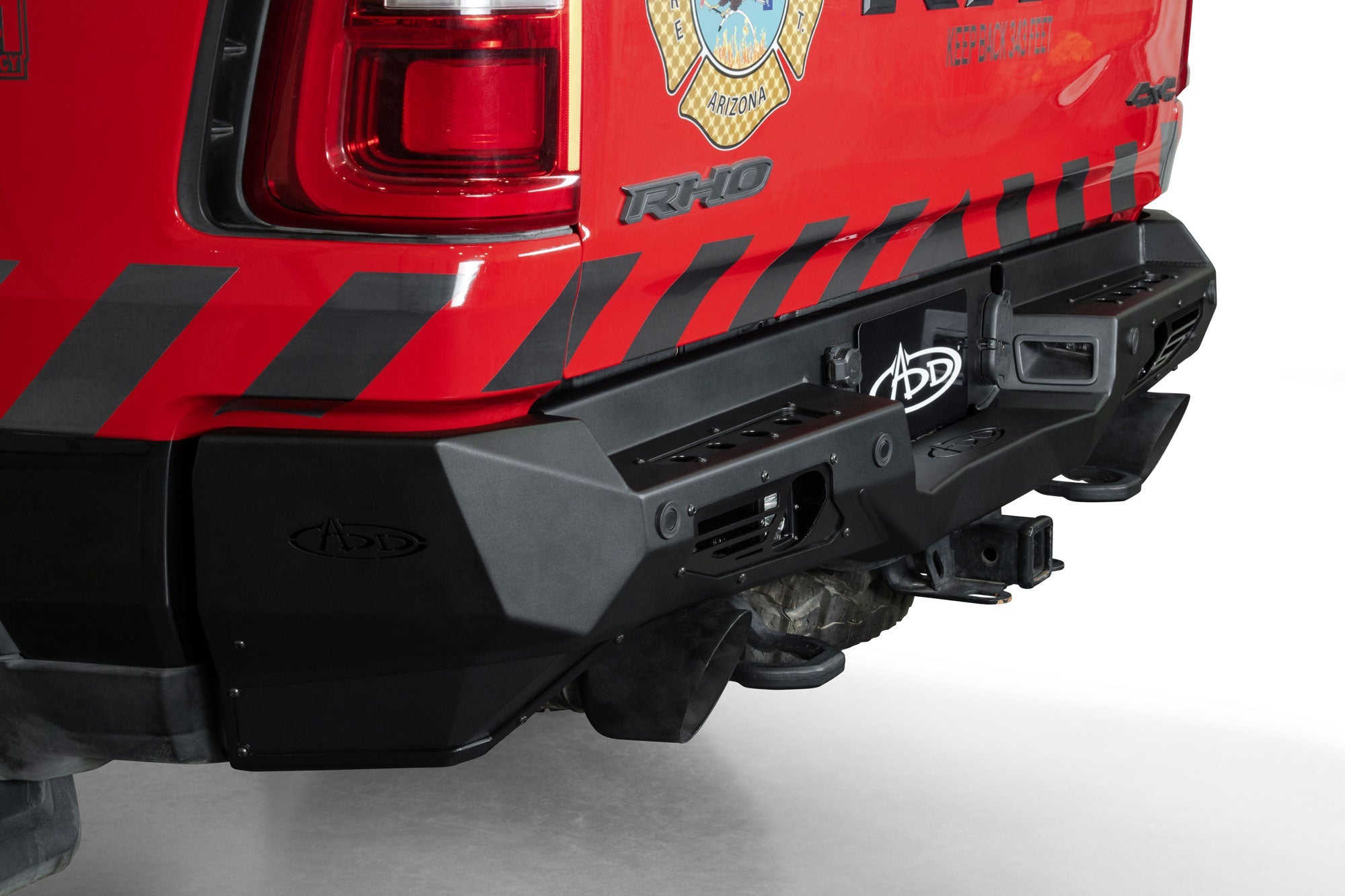
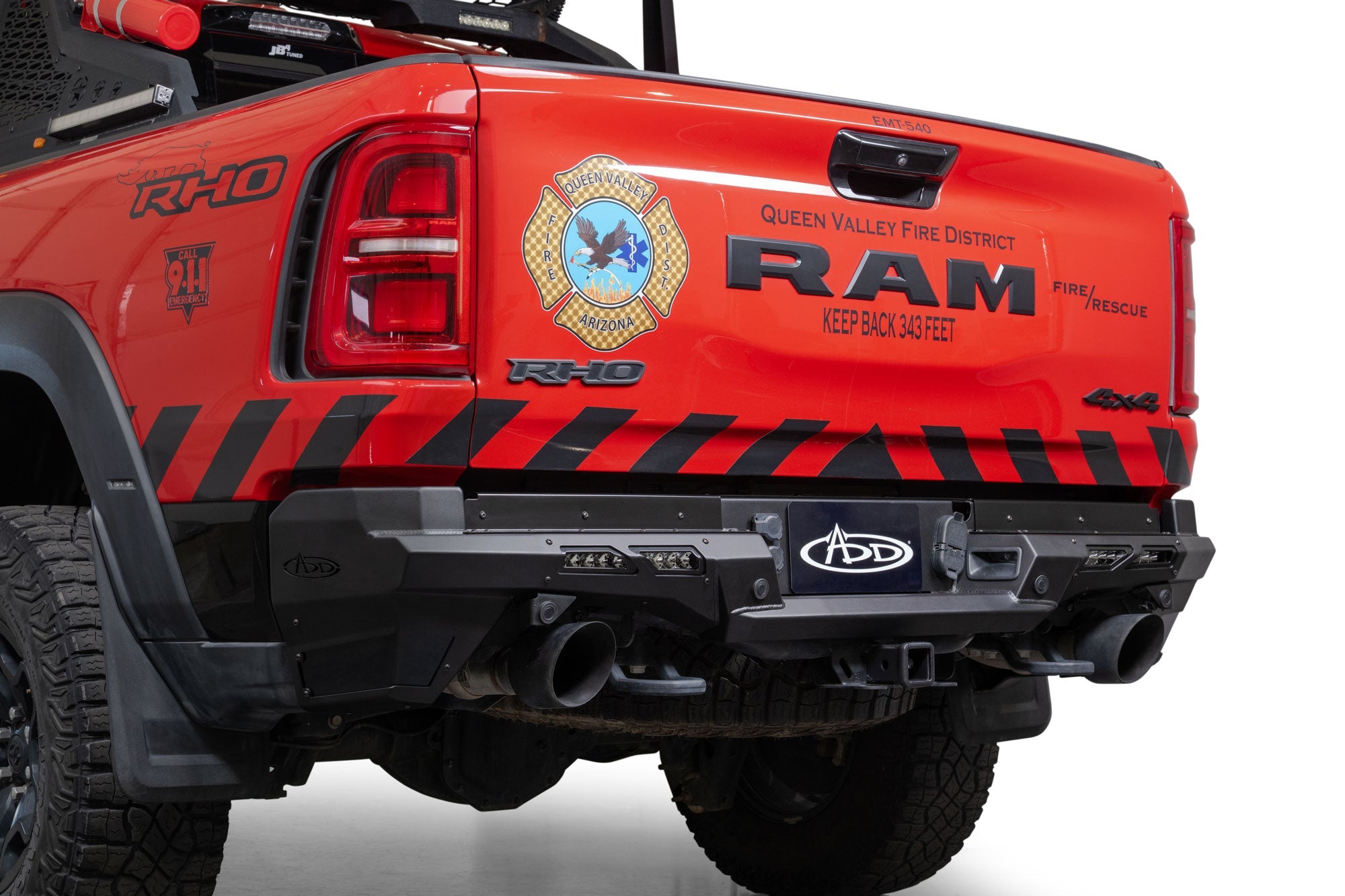
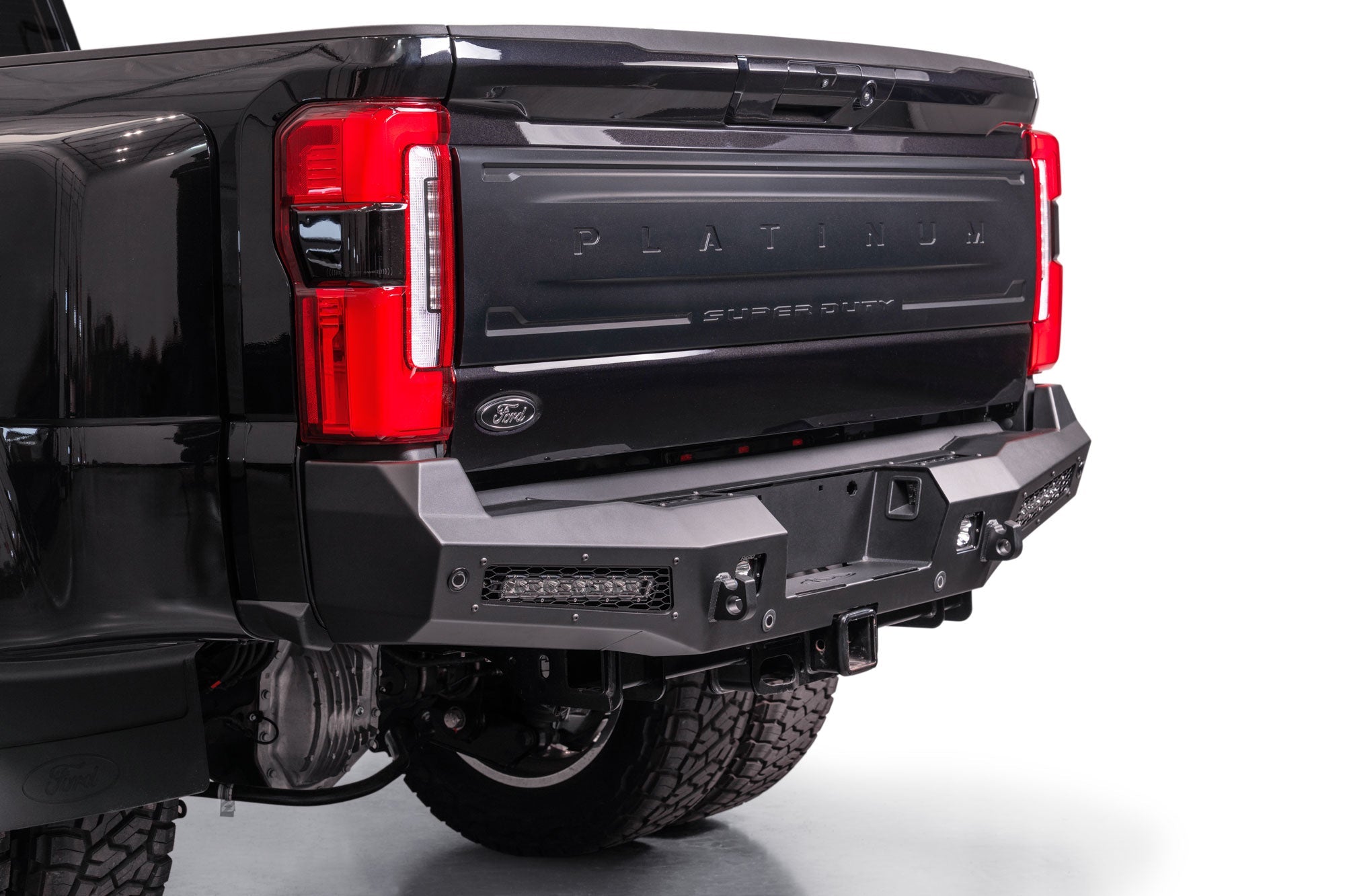
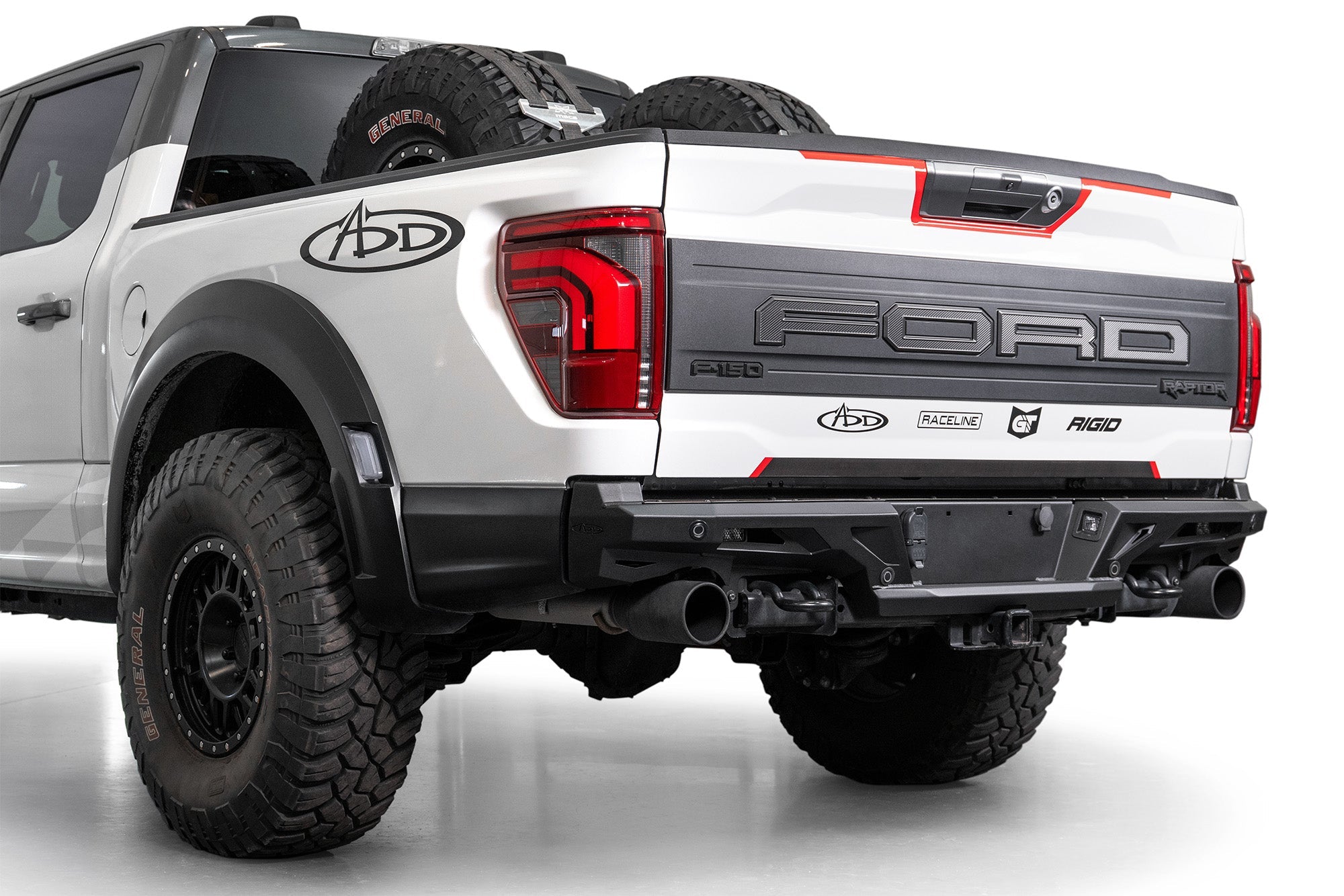
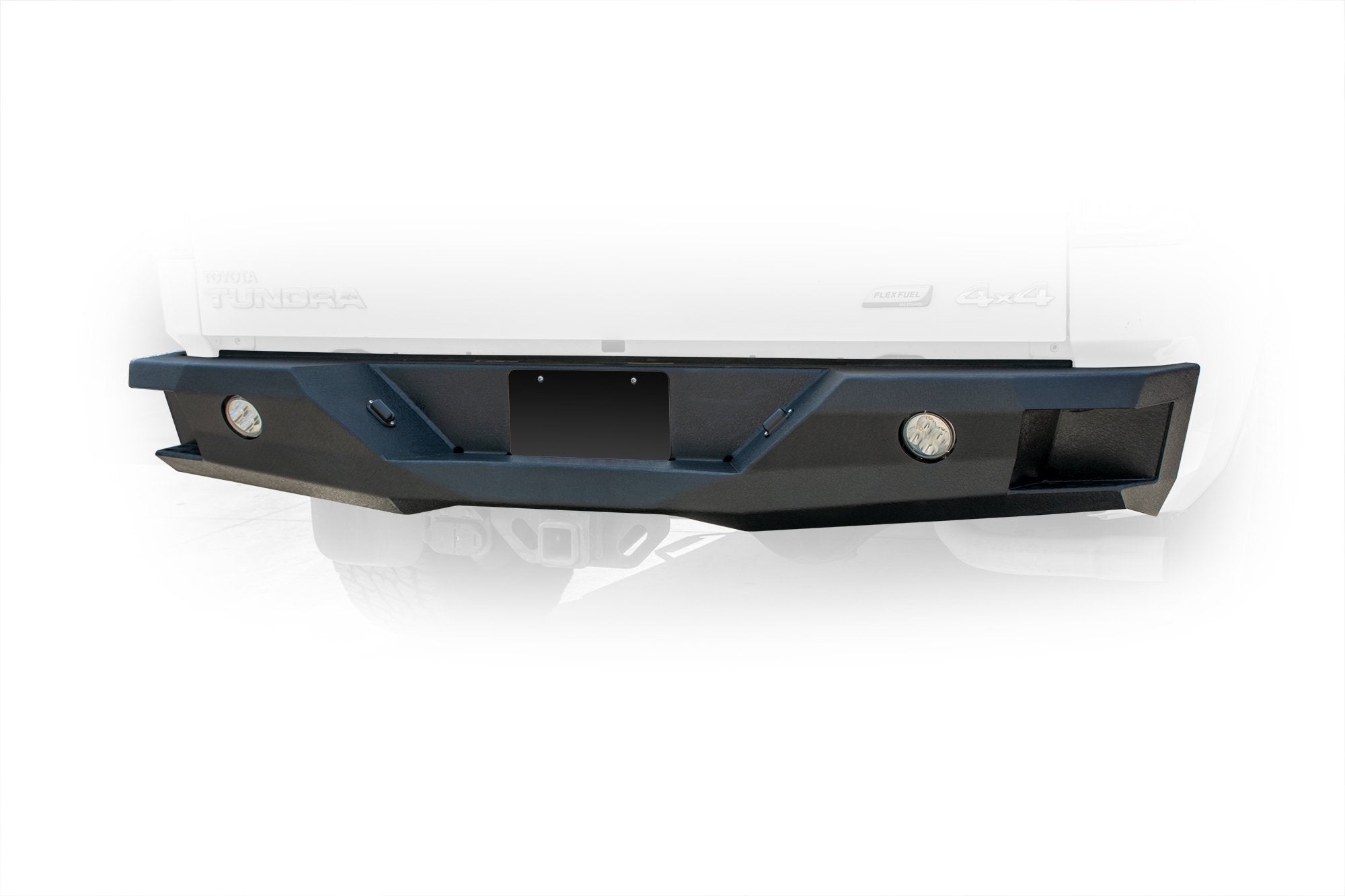
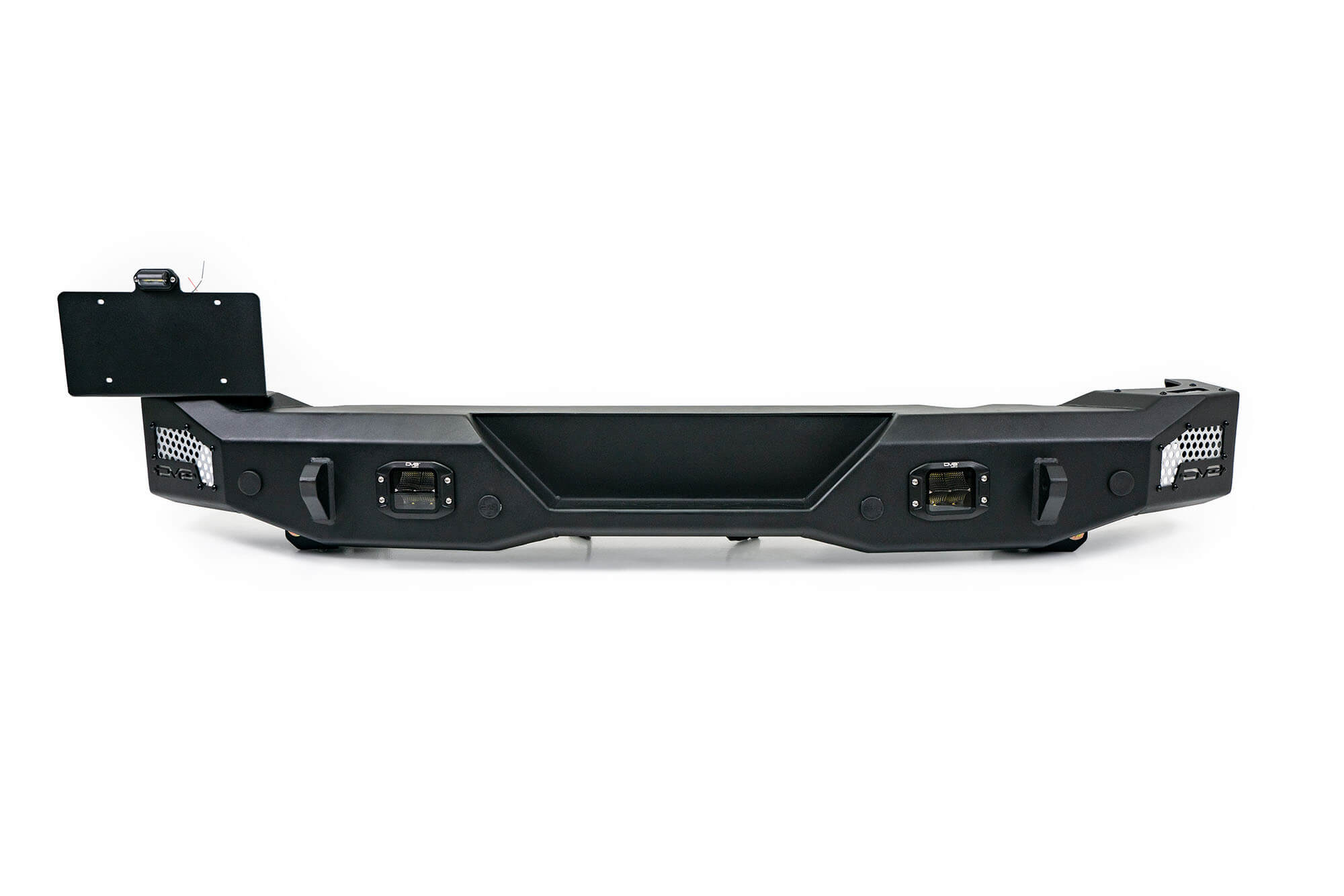
A rear bumper finishes the recovery chain: rated points at both corners, high-clearance profiles that fix departure angle, and swing-out options that carry the 35" spare your bed or tailgate can’t. CBI, C4 Fabrication, and DV8 build them per vehicle. If your travel includes real recovery risk — or a tire too big for the factory carrier — this is the other half of the bumper conversation.
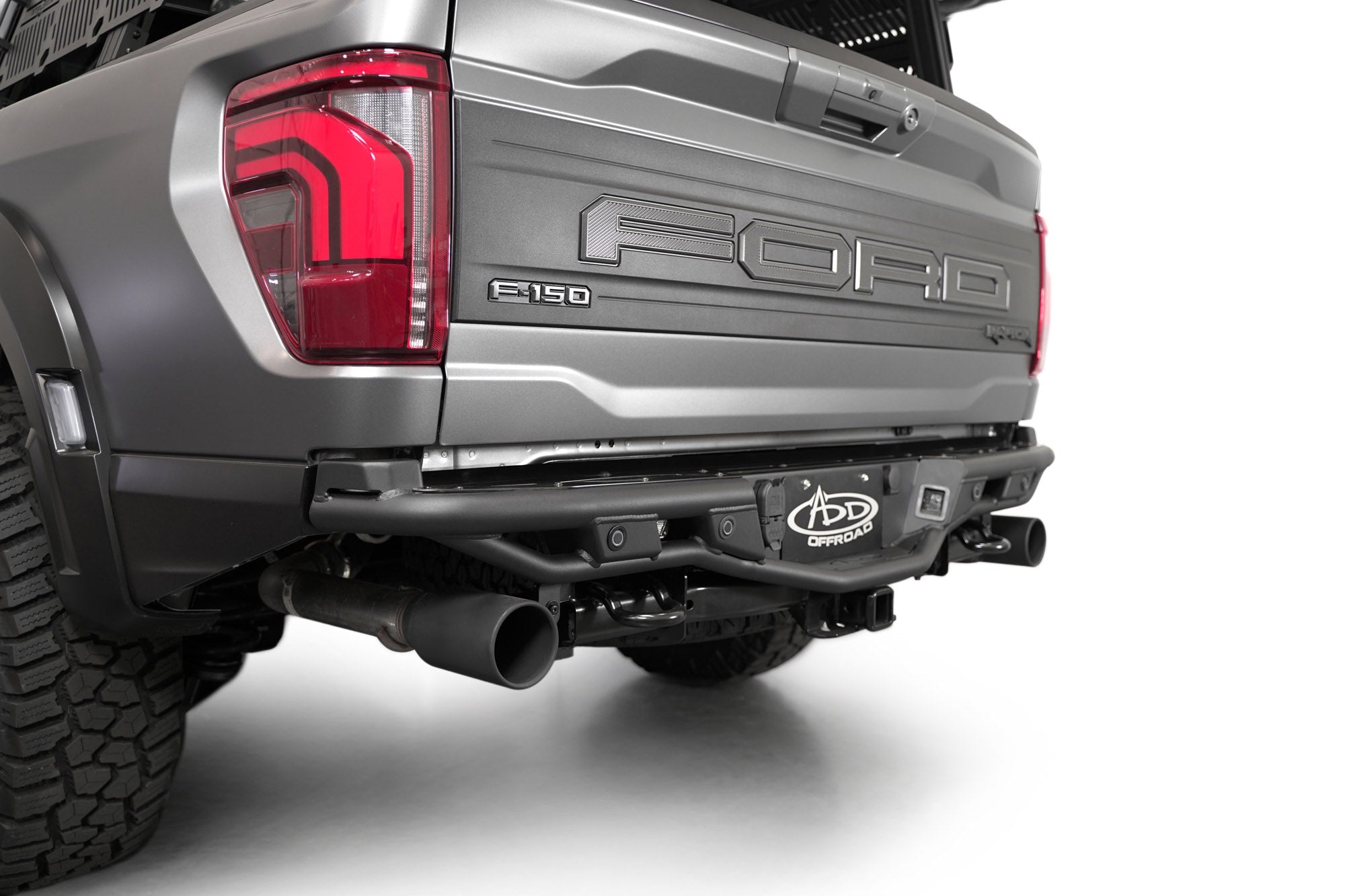
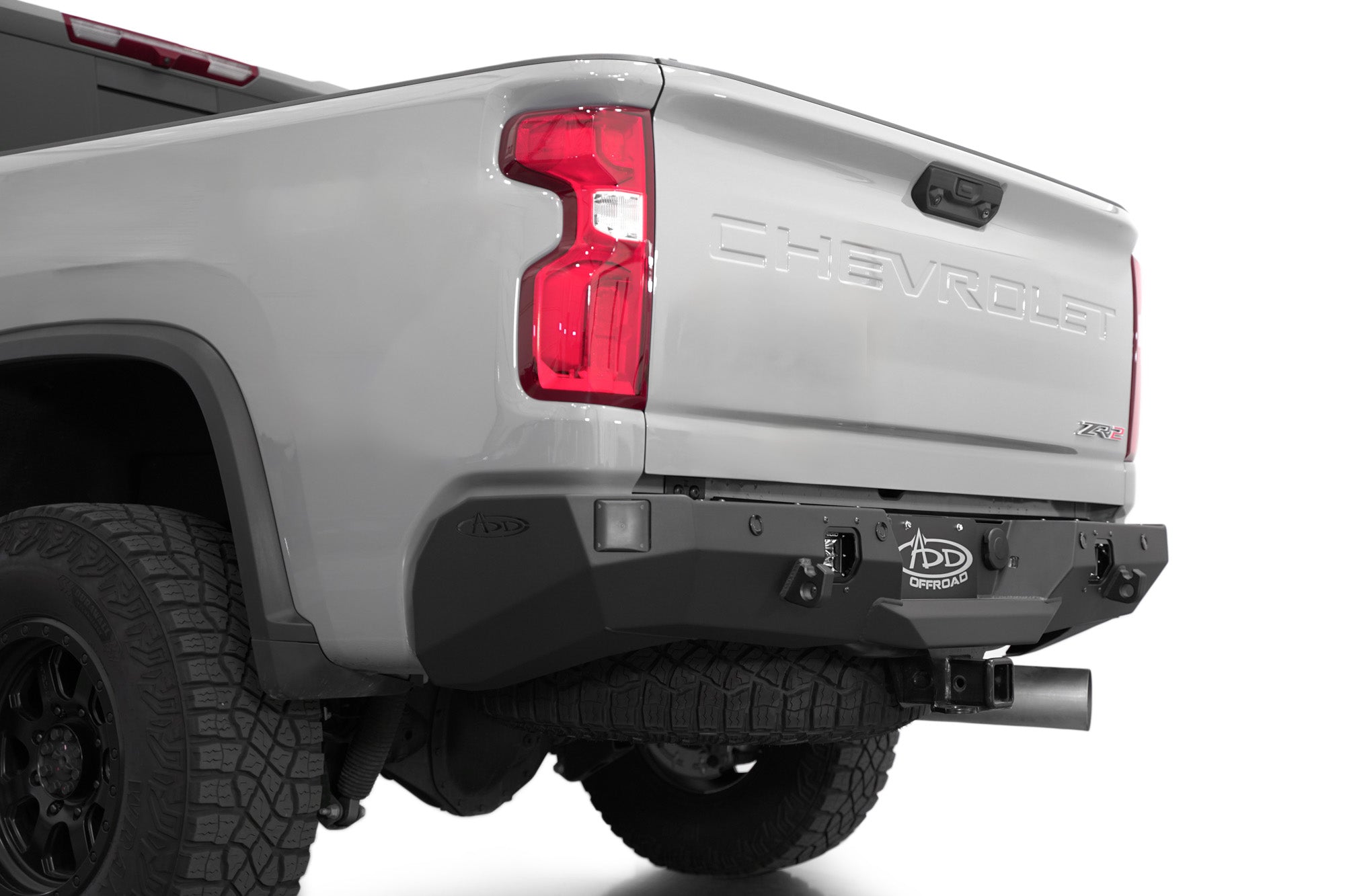
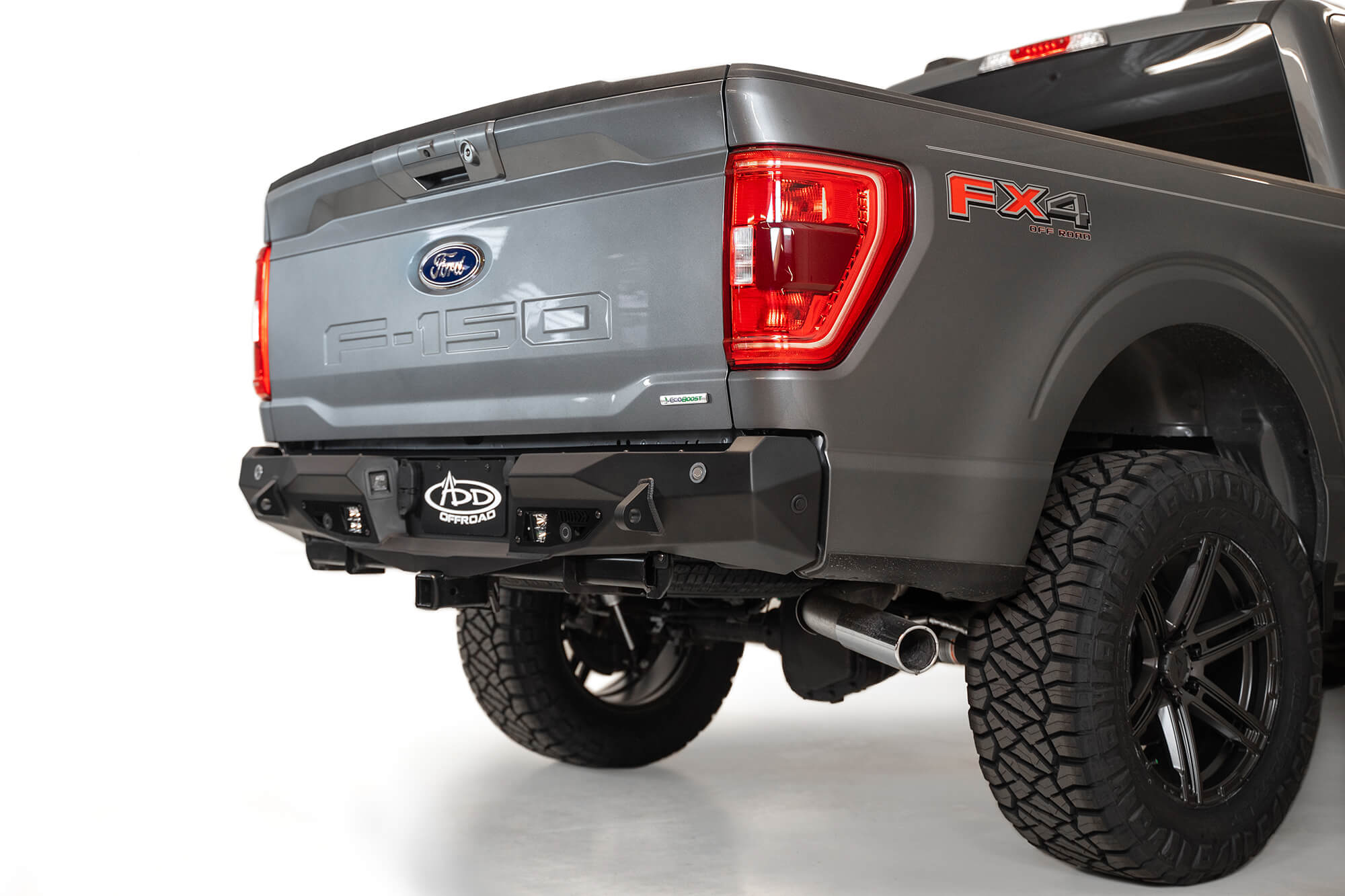
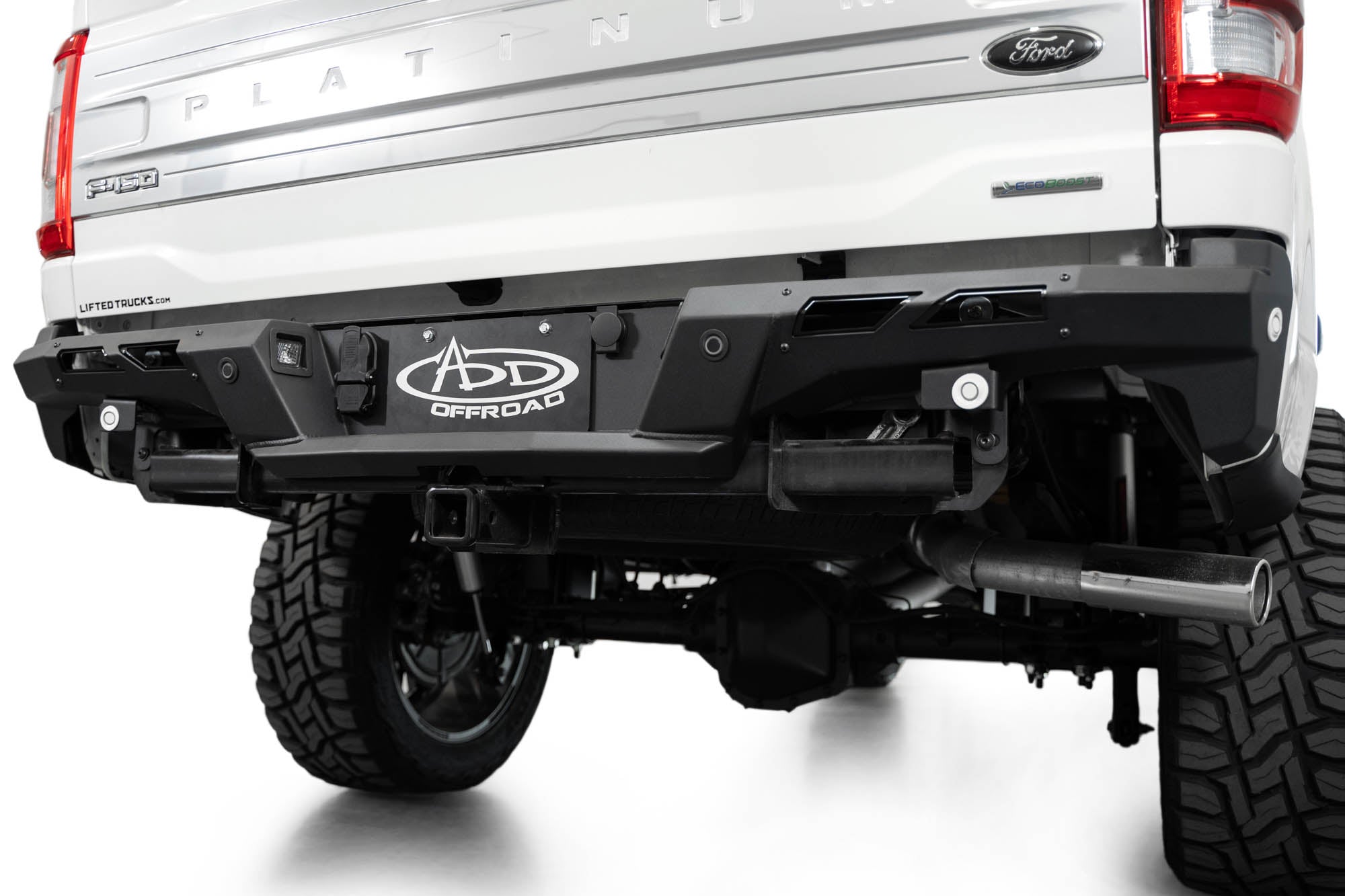





Rear Bumpers FAQs
Steel or aluminum for a rear bumper?
Steel if the bumper will earn scars and carry a loaded swing-out; aluminum if payload and ride quality matter more. Steel takes abuse and usually costs less, but weight behind the rear axle changes how a truck sits and rides — often enough to justify supporting suspension. Aluminum is plenty strong for most use and much kinder to the scales.
When does a swing-out tire carrier become necessary?
When the spare stops fitting where the factory put it — typically once tires grow well past stock size. Underbody carriers and factory mounts have hard limits, and a full-size oversized spare has to live somewhere. Until you hit that point, a swing-out is optional convenience; after it, the alternative is a spare eating your bed or cargo space.
Will an aftermarket rear bumper work with my parking sensors and blind-spot monitoring?
Many are designed for it; none should be assumed. Listings state whether an application accommodates factory sensors, requires relocating them, or deletes them — and it varies by year and trim even within one model. Decide what you're willing to lose before ordering; some owners happily trade parking sensors for departure angle, and some regret it weekly.
Can I still tow with an aftermarket rear bumper?
Usually — many rear bumpers integrate a receiver or are designed to retain the factory hitch — but confirm it on the listing for your application, including any stated tow rating. And no bumper raises your vehicle's tow rating: the factory number remains the ceiling regardless of how burly the hardware looks.
Are the recovery points on rear bumpers actually rated for hard pulls?
Only when the manufacturer publishes a rating — a welded loop is not automatically a recovery point. Look for stated ratings on the listing, use proper rated shackles, and remember that kinetic recoveries multiply loads well past a vehicle's weight. If a bumper's points are unrated, a hitch receiver with a rated shackle mount is the trustworthy fallback.
